
Custom CNC Machining Services
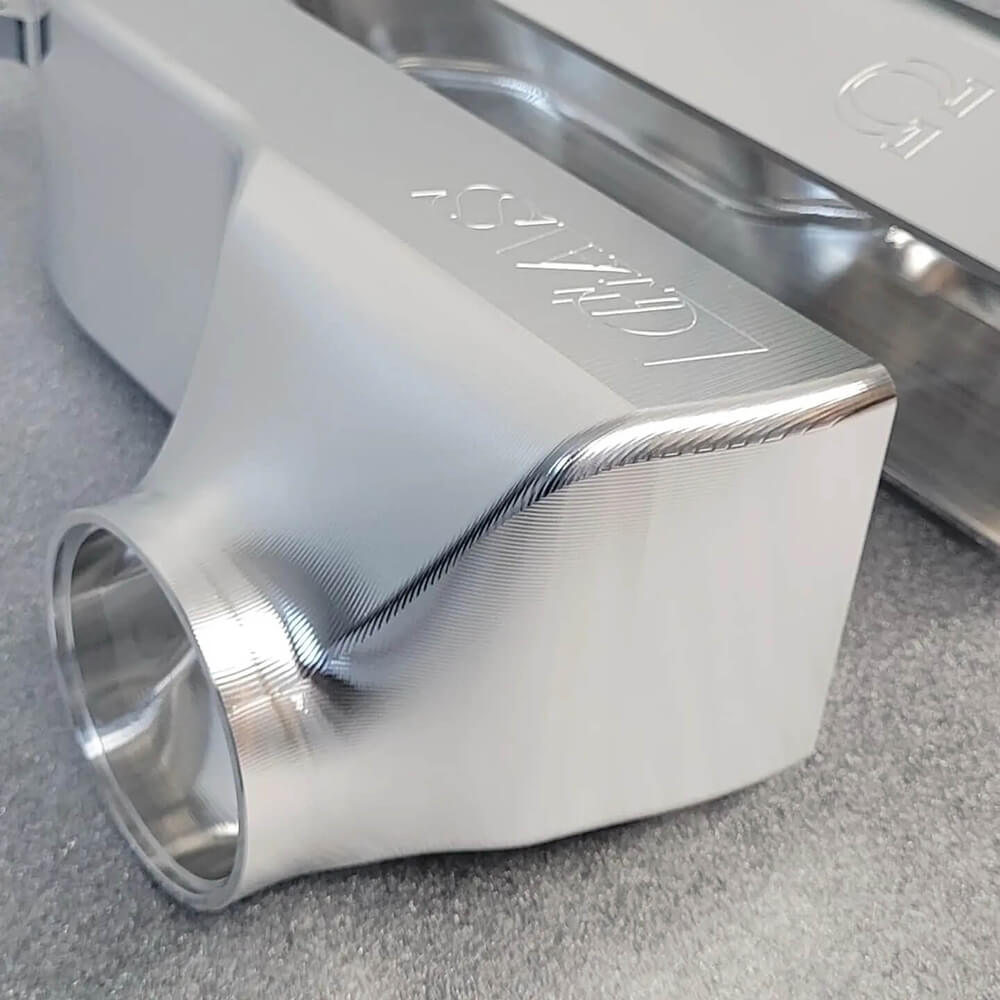
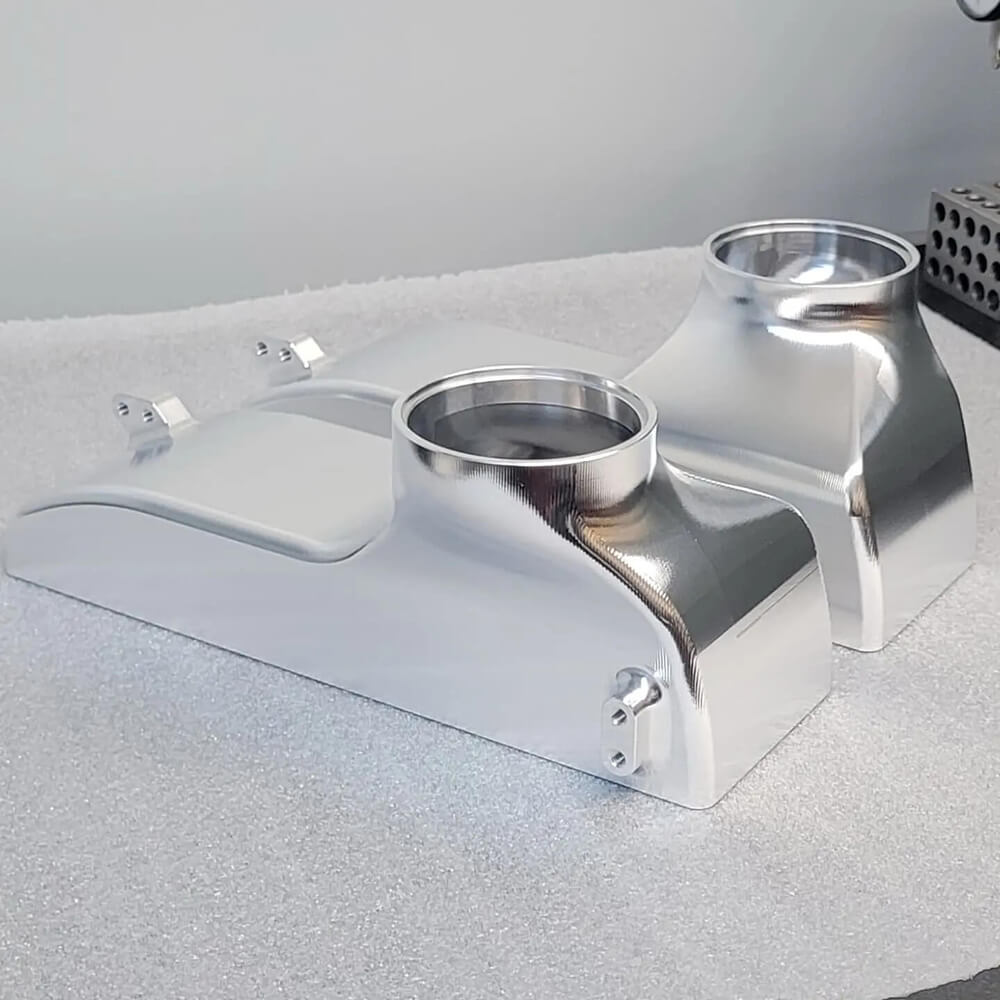
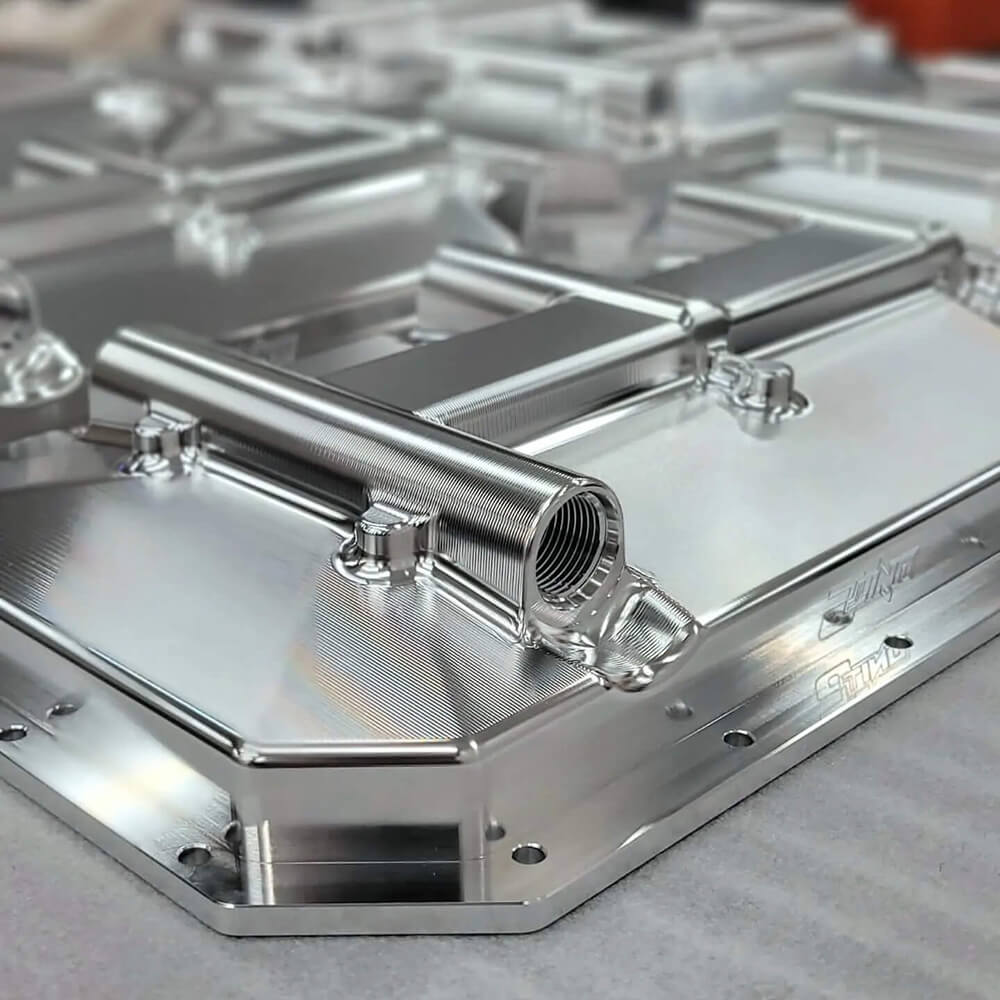
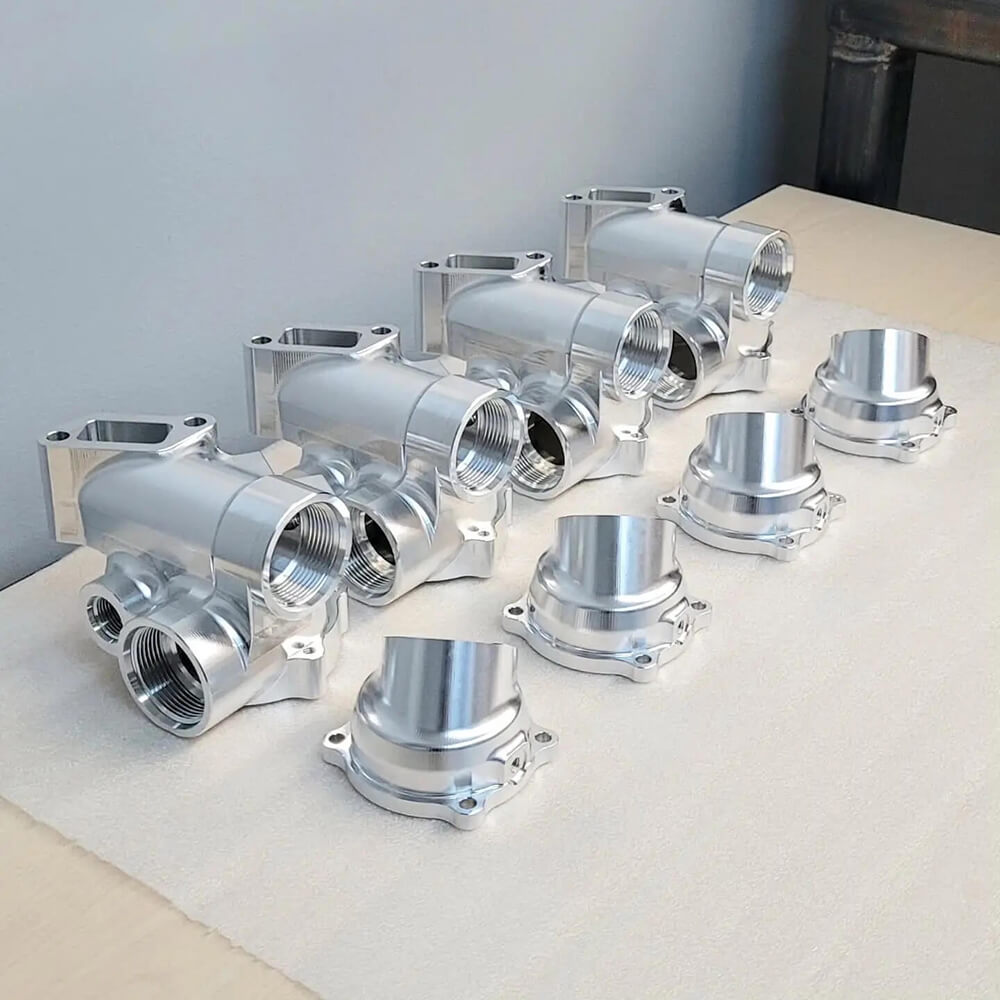
MachMaster manufactures custom metal and plastic parts from your 2D drawings and 3D CAD files. Our capabilities include CNC milling, CNC turning, and 5-axis machining, supporting projects from prototypes to larger production runs.
- 40+ CNC Machining Machines
- 20+ Years of Manufacturing Experience
- Metal and Engineering Plastic Materials
- In-House Anodizing for Aluminum Parts
- ISO 9001-Certified Quality Management
Explore Our CNC Machining Capabilities
Complete CNC manufacturing solutions for prototype parts, production components, and repeat manufacturing projects.
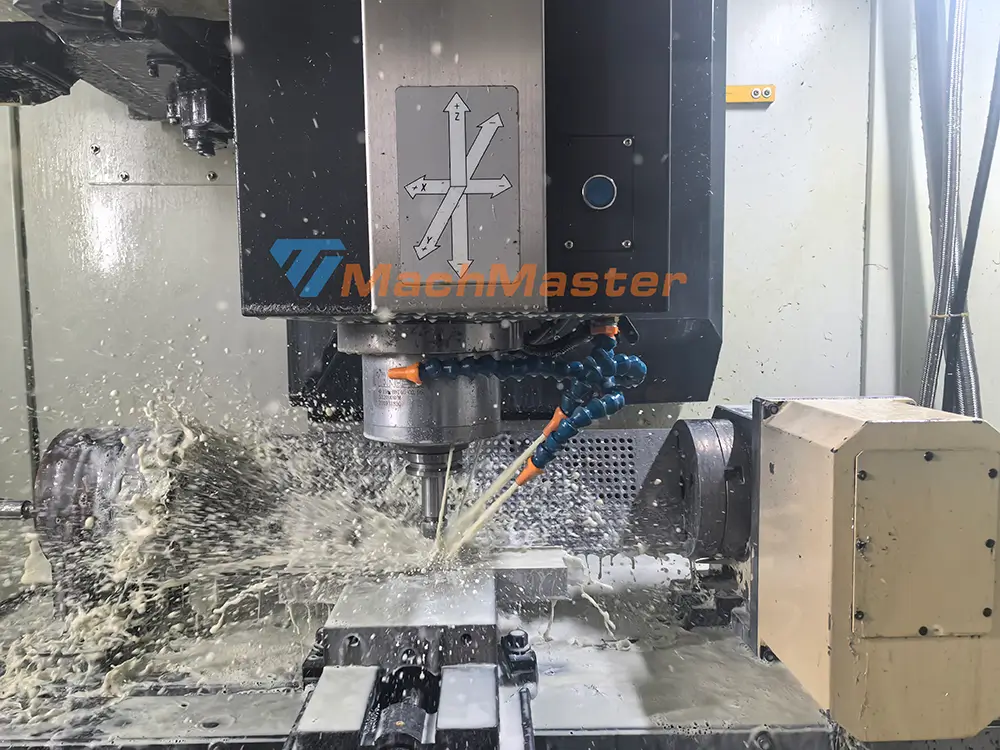
CNC Milling services
Custom milled parts, including housings, brackets, plates, and complex mechanical components.
- Aluminum
- Stainless Steel
- Brass
- Plastics
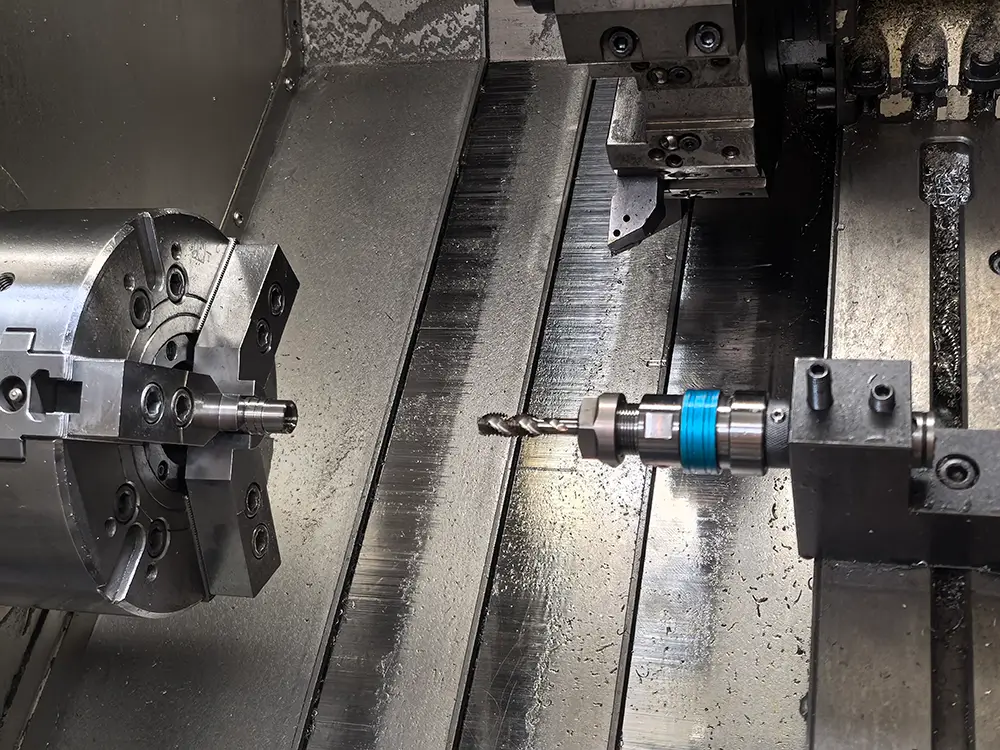
CNC Turning services
Precision turned components such as shafts, bushings, pins, connectors, and fittings.
- Cylindrical Parts
- Turned Components
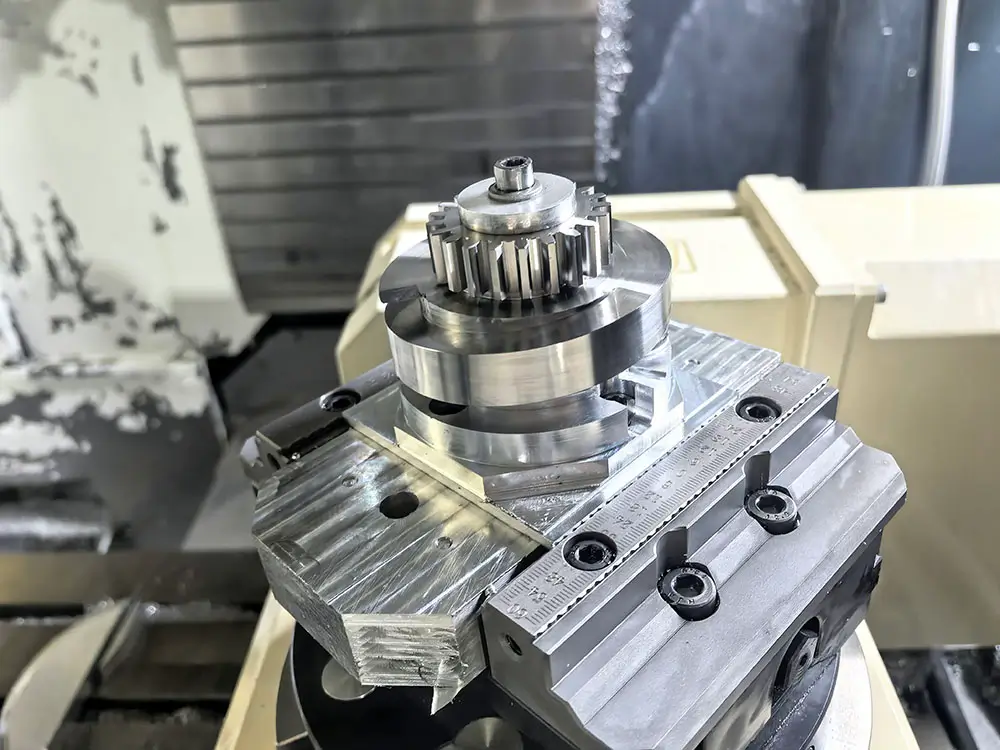
5‑Axis CNC Machining
Machine complex geometries and multiple surfaces with fewer setups for demanding custom components.
- Complex Geometries
- Multi-Surface Machining
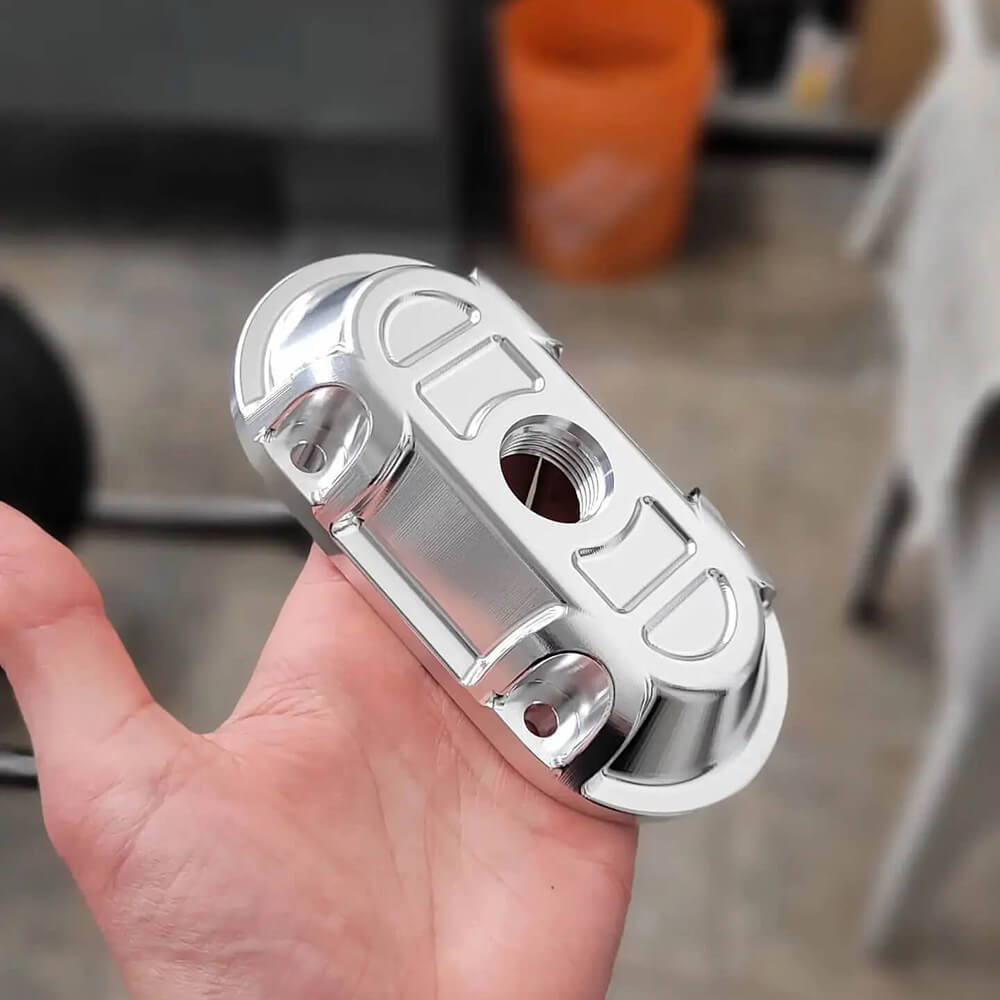
Production Capability
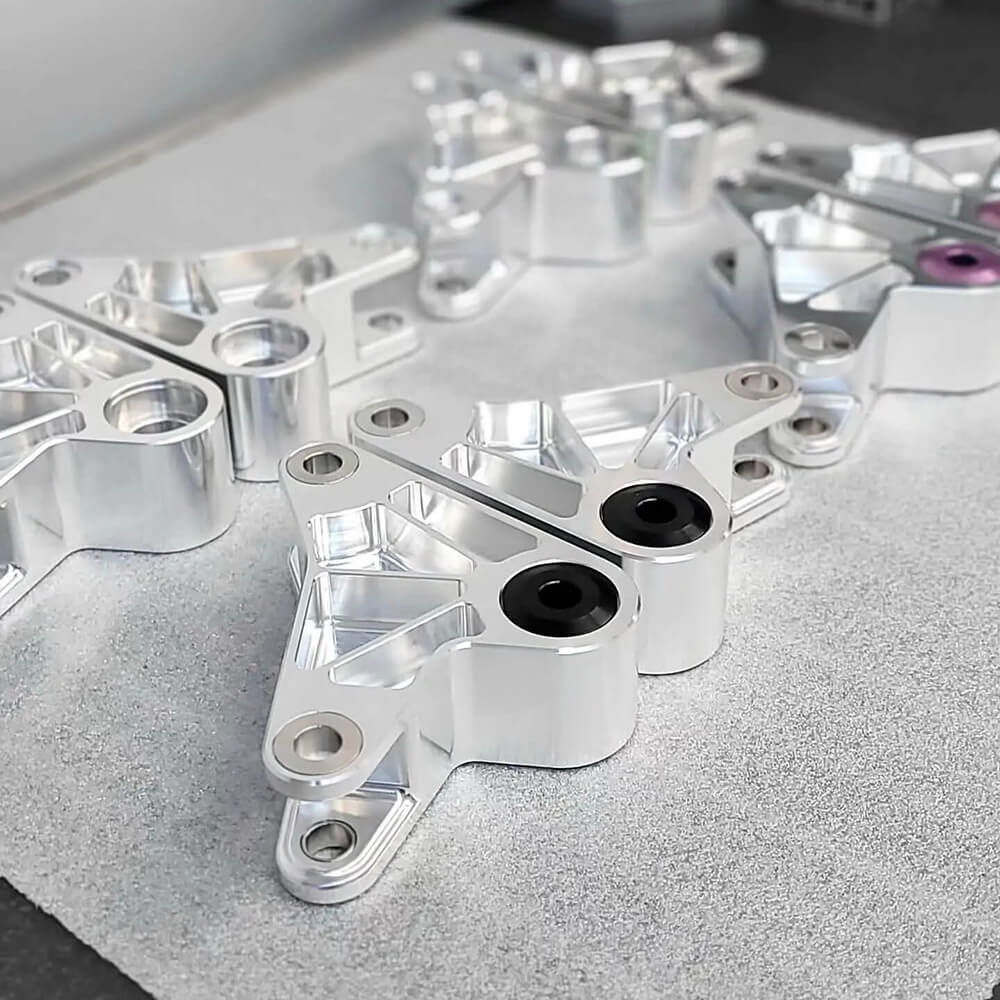
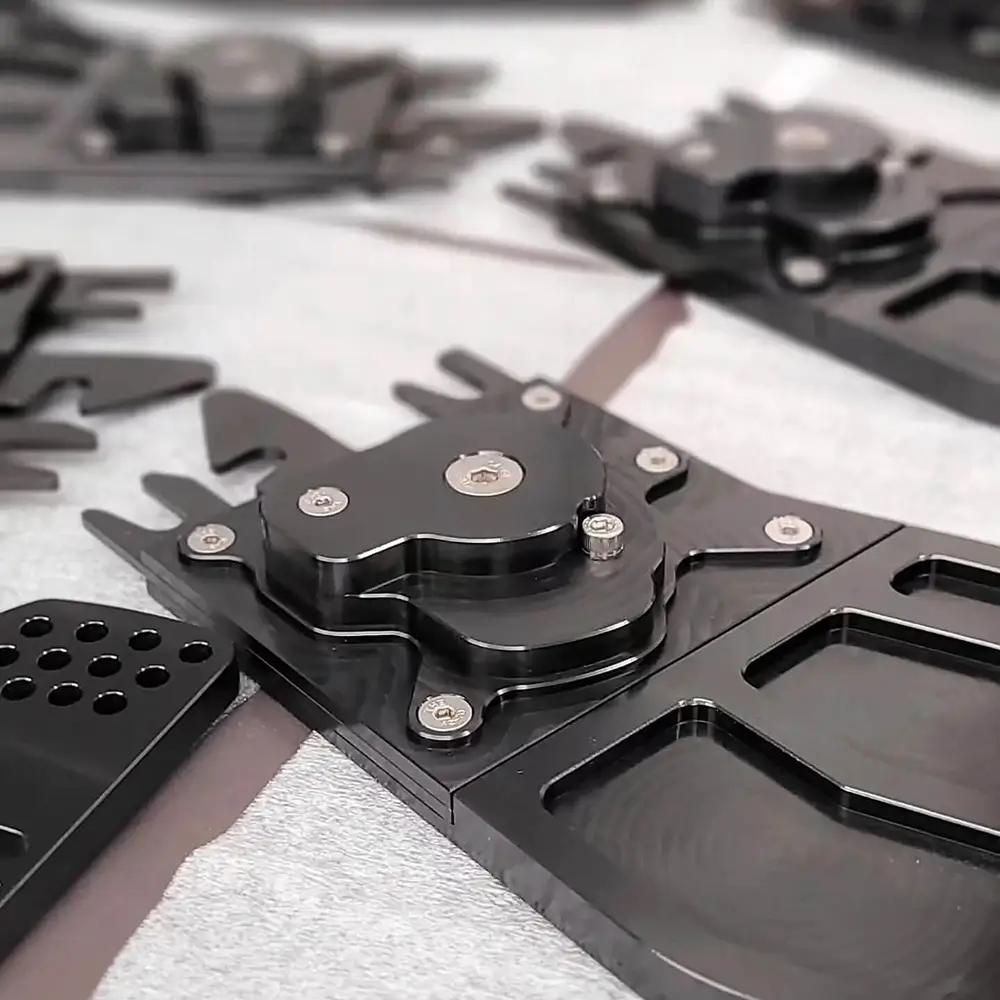
MachMaster supports custom CNC machining projects at different stages of production. With 40+ CNC machining machines and an experienced manufacturing team, we handle prototype development, low-volume orders, larger production runs, and repeat OEM manufacturing.
CNC Prototype Production
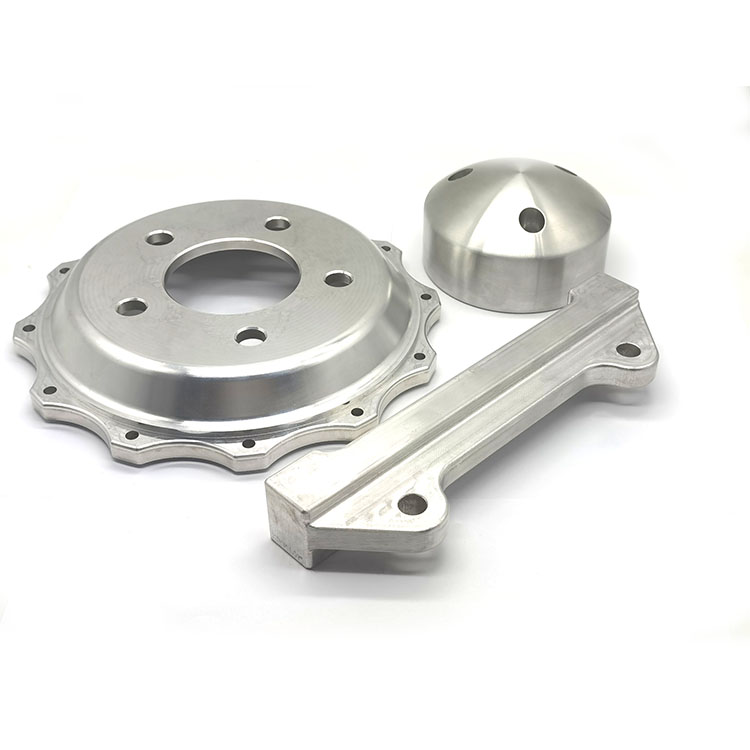
Need to test a new product design? We manufacture custom CNC prototypes for dimensional checks, fit testing, and functional evaluation. Our team reviews your drawings and material requirements before production.
- Functional prototypes
- Design and fit verification
- Material and machining evaluation
Low-Volume CNC Production
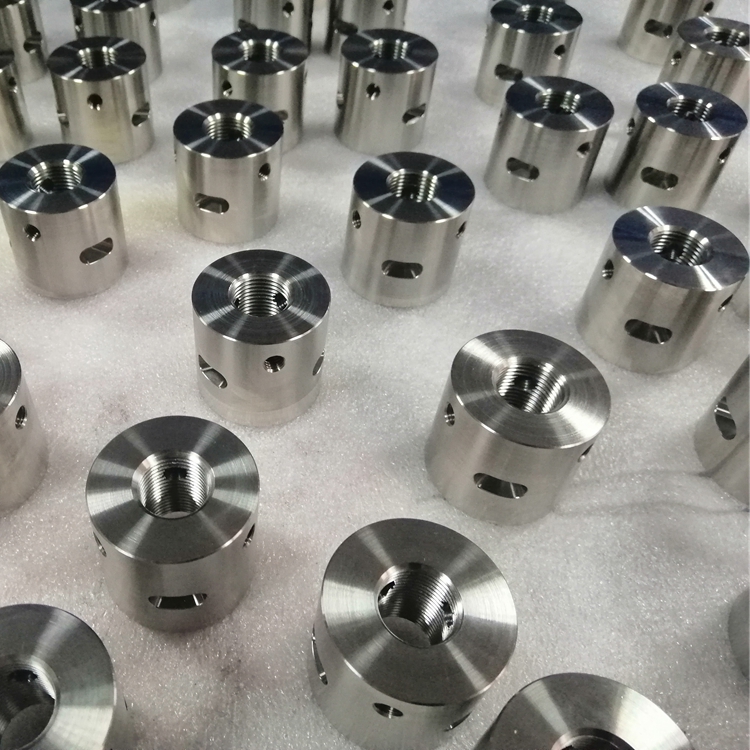
For projects that require smaller quantities or flexible order volumes, we provide CNC machining without the need for dedicated production tooling.
- Small production batches
- Customized mechanical components
- Initial orders before production expansion
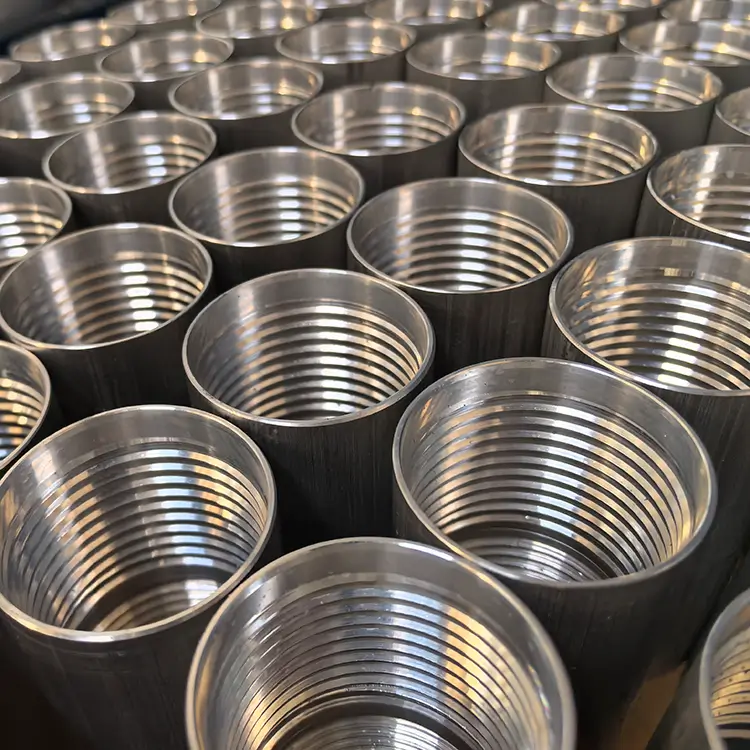
Larger Production Runs & Repeat Orders
For established products and ongoing OEM projects, MachMaster supports larger CNC production requirements and repeat orders. Our manufacturing team coordinates machining operations, production inspection, and order requirements to support consistent part quality across production runs.
- Larger production quantities
- Repeat OEM orders
- Ongoing component supply
Looking for a CNC Manufacturing Partner?
Send us your drawings, material specifications, and estimated order quantities. Our team will review your project and respond within 24 hours.
CNC Machining Materials
MachMaster provides CNC machining for a range of metal and plastic materials. Whether your project requires aluminum components, stainless steel parts, brass fittings, or engineering plastic components, we can review your material specifications and machining requirements.
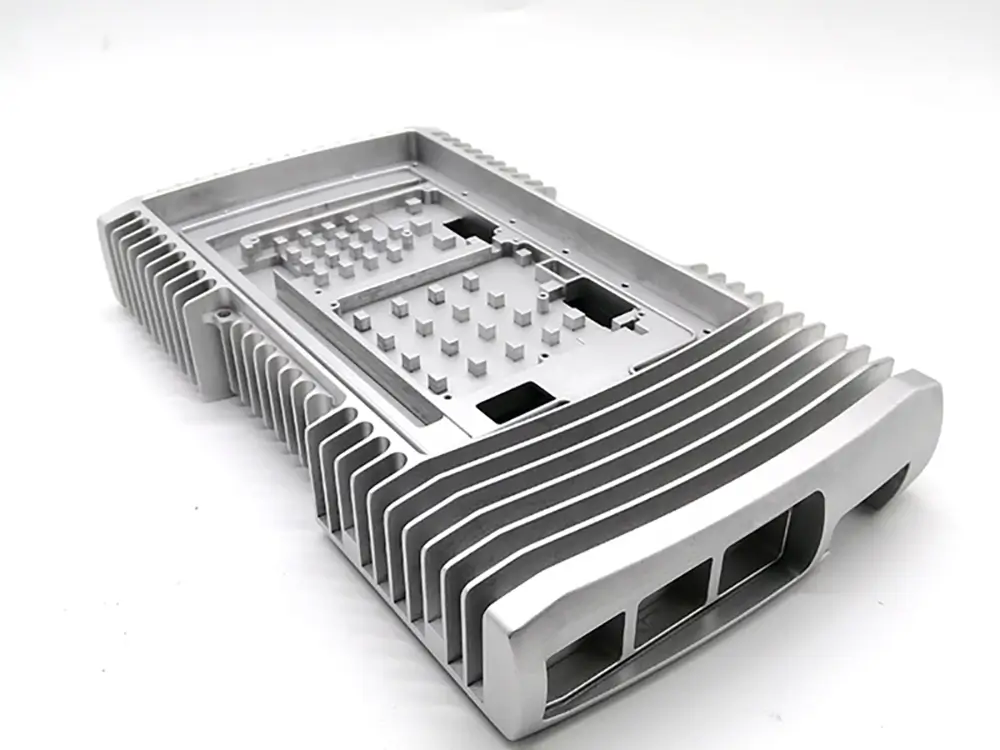
Commonly used for custom housings, brackets, plates, and lightweight mechanical components.
Available Grades: 6061 · 2024 · 5052 · 6063 · 6082 · 7075-T6
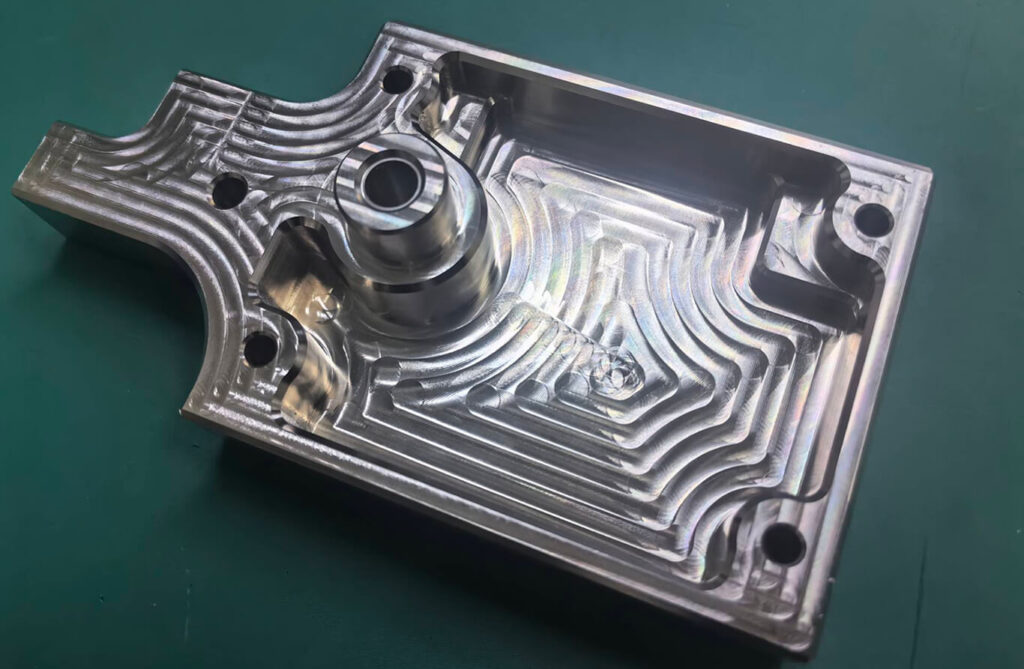
Suitable for machined components that require strength, corrosion resistance, or wear resistance.
Available Grades: 304 · 316 · 316L · 430 · 440C · 17-4PH
A practical choice for precision fittings, connectors, threaded components, and electrical hardware.
Available Grades: C27400 · C28000 · C36000

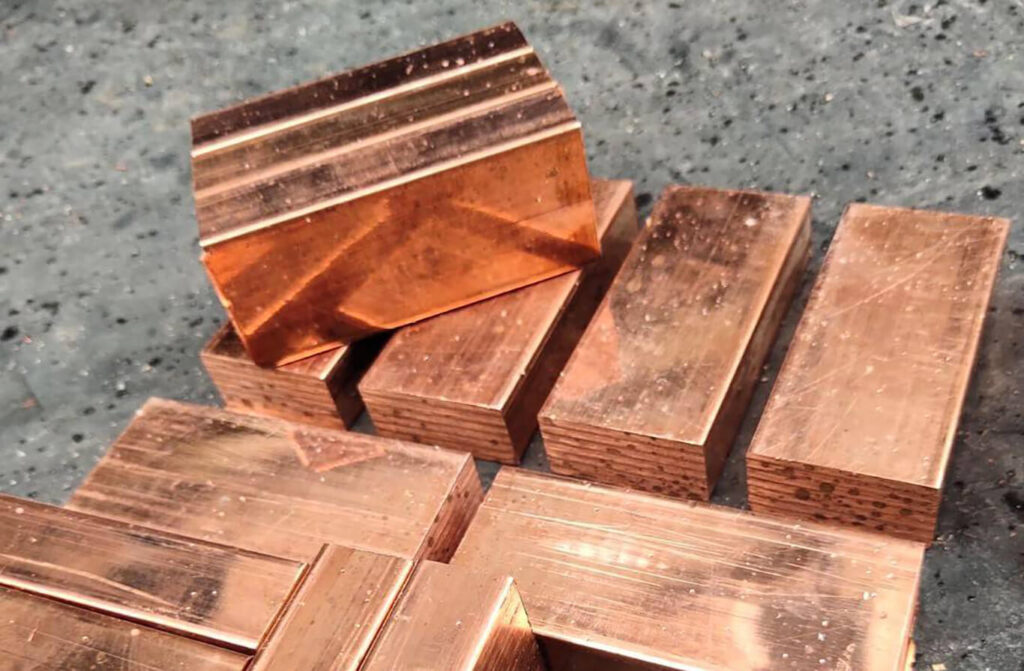
Used for components requiring good electrical or thermal conductivity, including electrical and heat-transfer parts.
Available Grades: C101 · C103 · C110 · Beryllium Copper
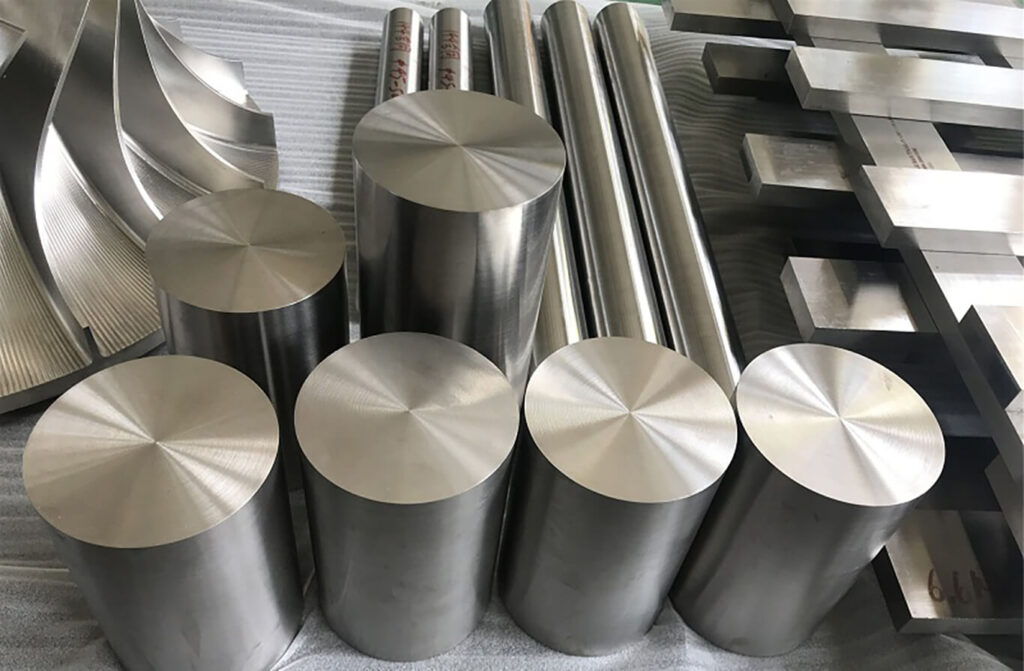
Available for custom components where strength, weight, and corrosion resistance are important considerations.
Available Grades: TA1 · TA2 · TC4
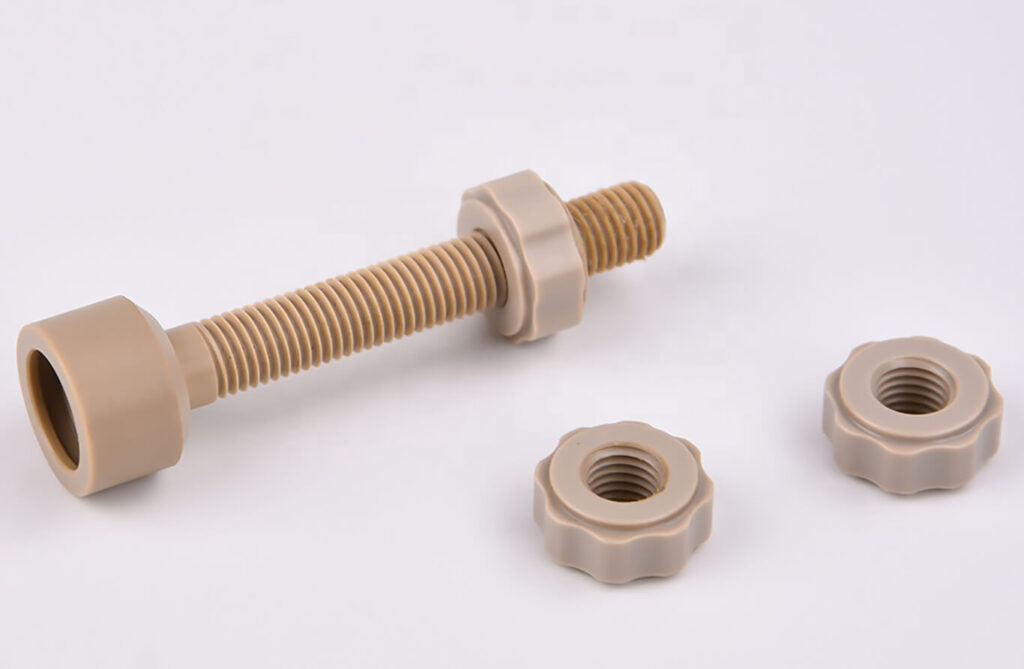
Engineering plastics like ABS, POM, and PC are lightweight, cost-effective, and easy to machine. They’re suitable for functional prototypes, insulation components, housings, and parts requiring impact resistance or electrical isolation.
If your drawing specifies a material or grade not listed above, send us the details. Our team can review the material requirements and confirm whether it is suitable for your project.
CNC Machining Surface Finishing Options
MachMaster offers surface finishing options for custom CNC machined parts to meet your requirements for appearance, corrosion protection, wear resistance, and surface texture.
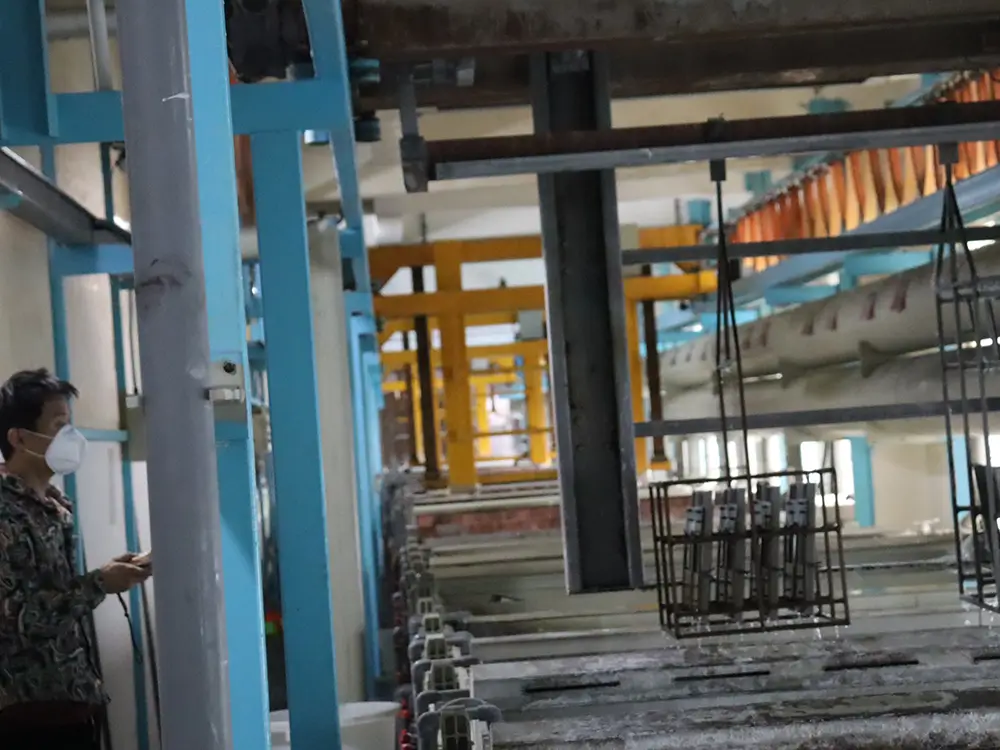
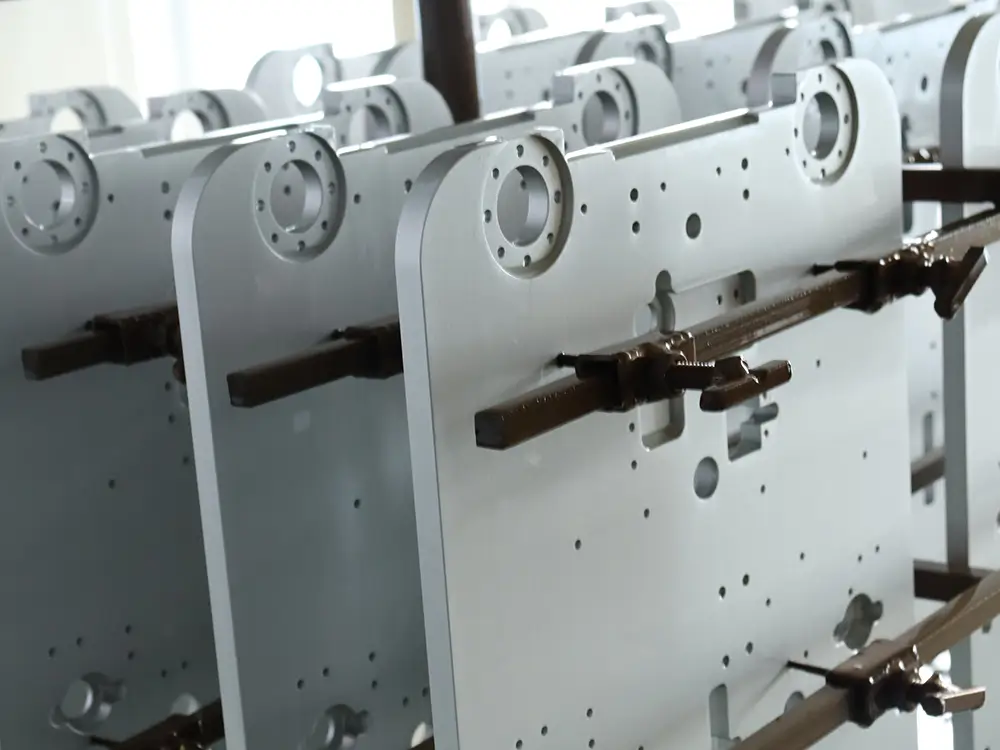
With our in-house anodizing production line, we provide integrated CNC machining and aluminum anodizing. Other finishing options can also be arranged based on the part material, drawing specifications, and application requirements.
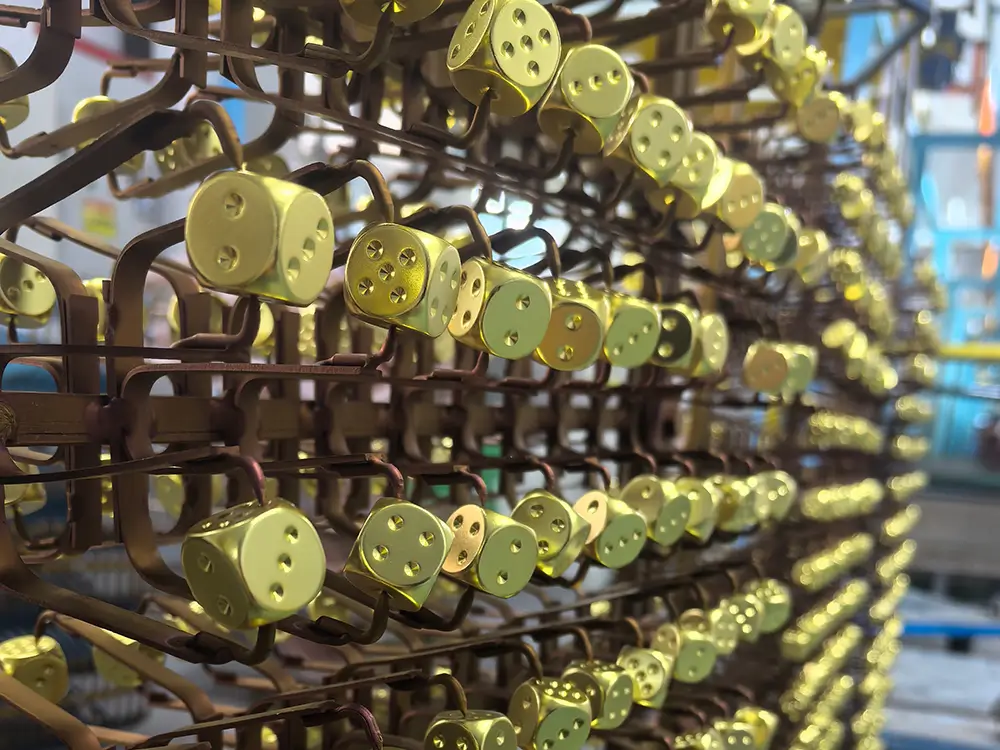
In-House Anodizing for Aluminum Parts
Anodizing is one of our key in-house finishing capabilities. Our own anodizing workshop allows us to coordinate machining and surface treatment within our manufacturing process.
Available anodizing options include:
-
Type II anodizing
-
Type III hard anodizing
-
Clear, black, and other available colors, subject to process requirements
Other Surface Finishing Options
As Machined
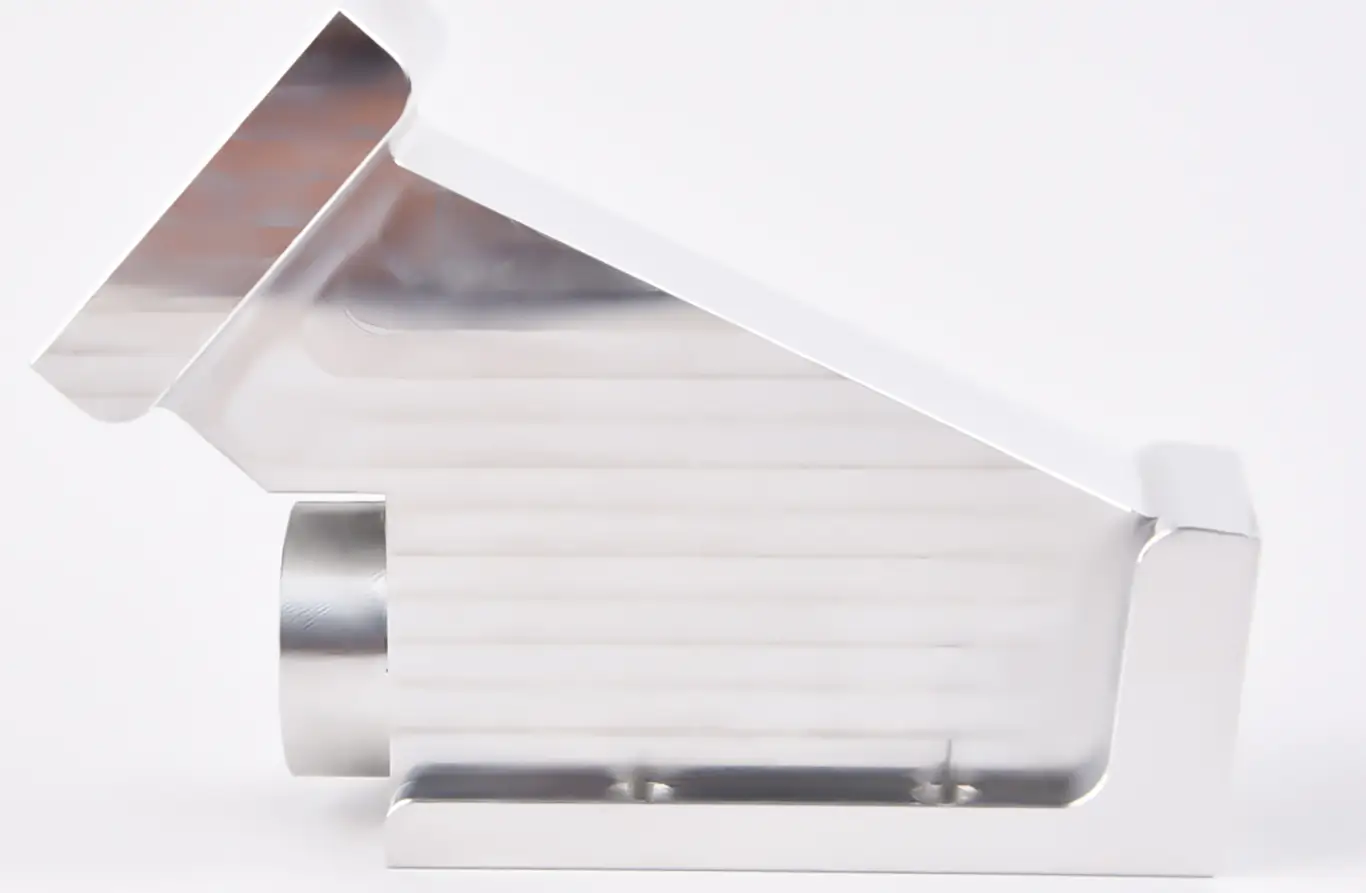
The part is left as-is from CNC machining, offering a cost-effective solution with visible tool marks and a standard roughness of 3.2 μm (126 μin), plus deburring for safe handling.
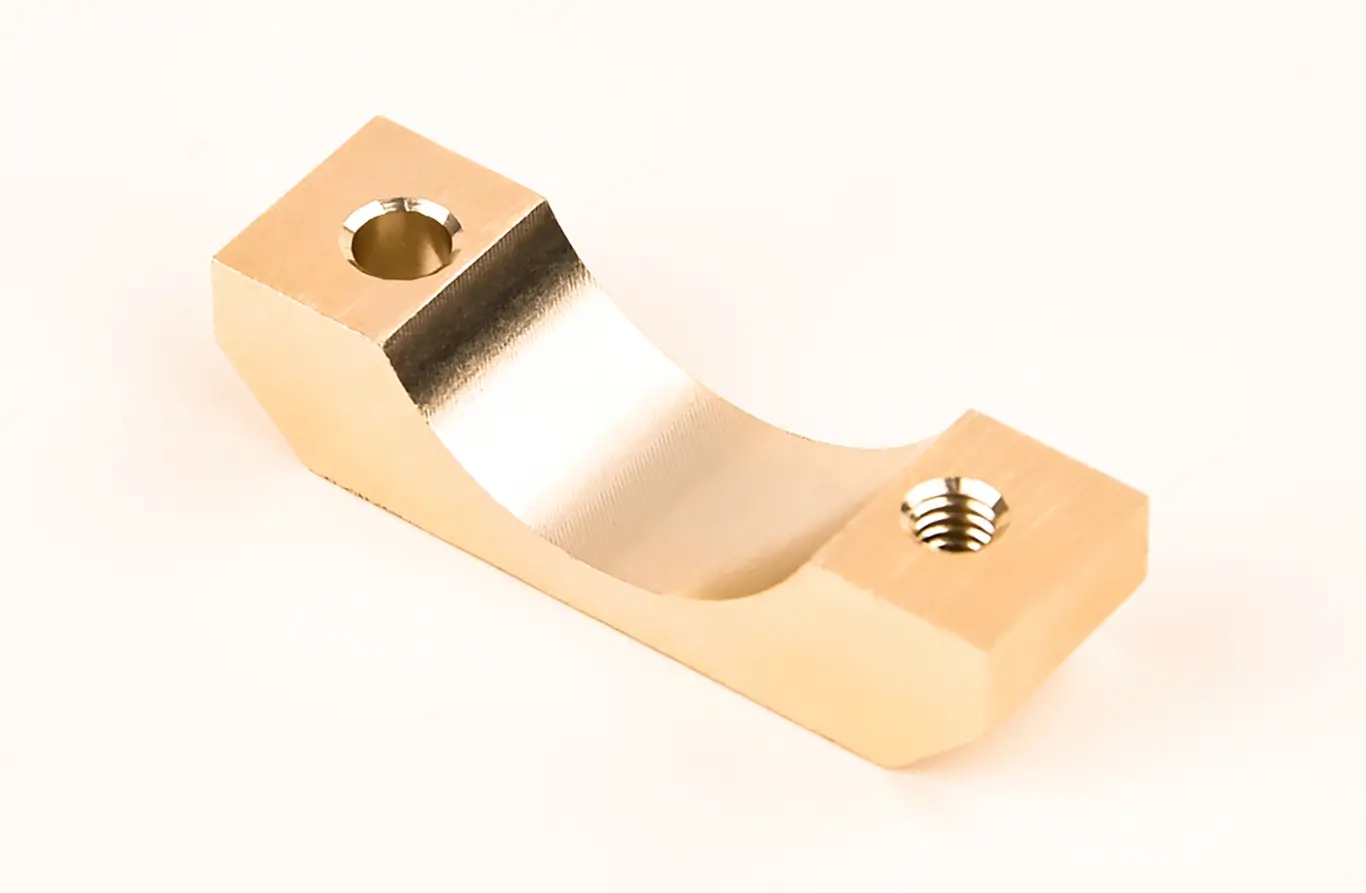
Applied primarily to aluminum, Alodine coating creates a corrosion-resistant and paint-ready surface, significantly improving both protection and finish durability.
Bead Blasting
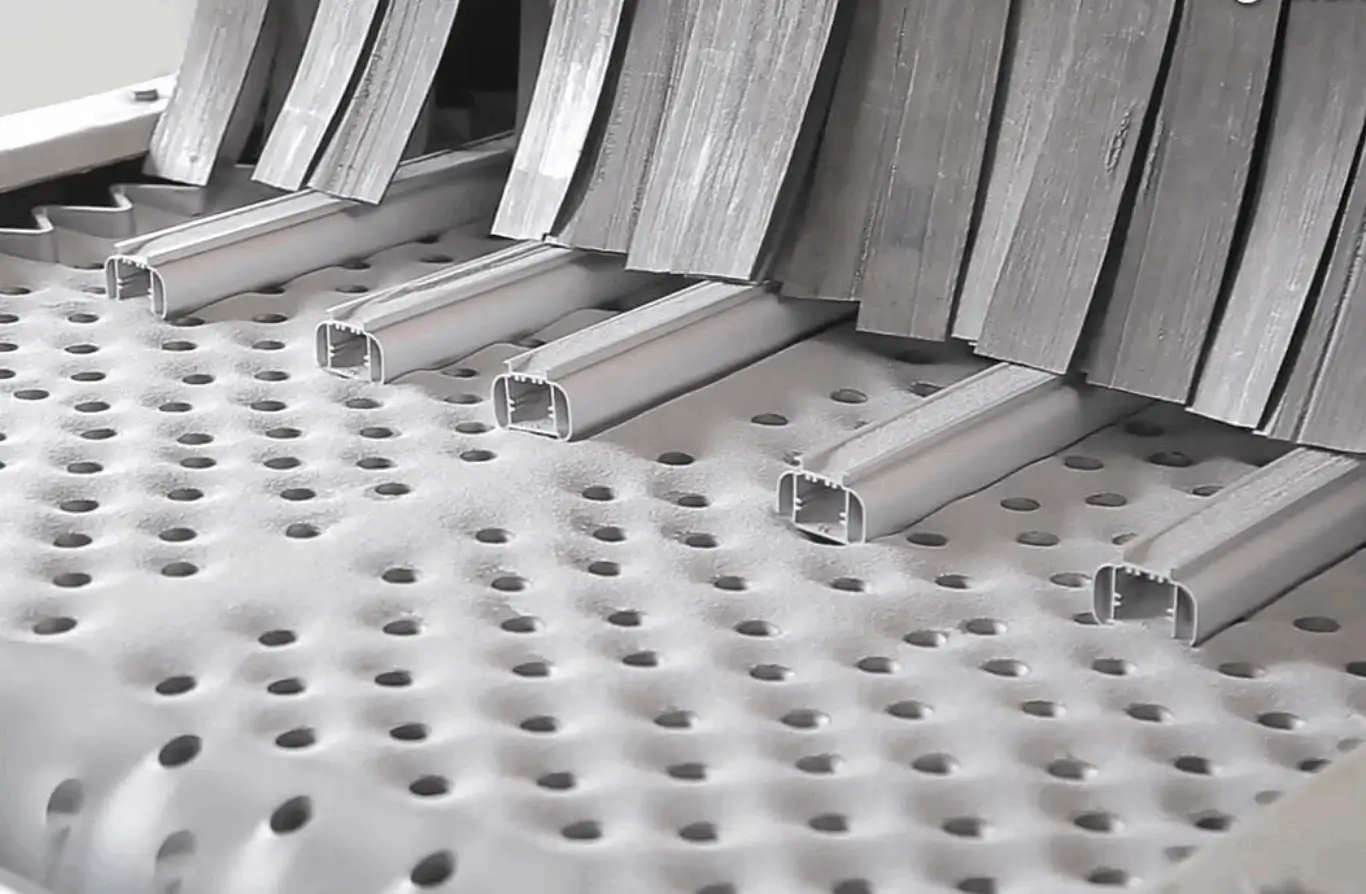
Bead blasting produces a uniform matte finish by removing surface imperfections. Commonly used to improve appearance before anodizing, plating, or coating.
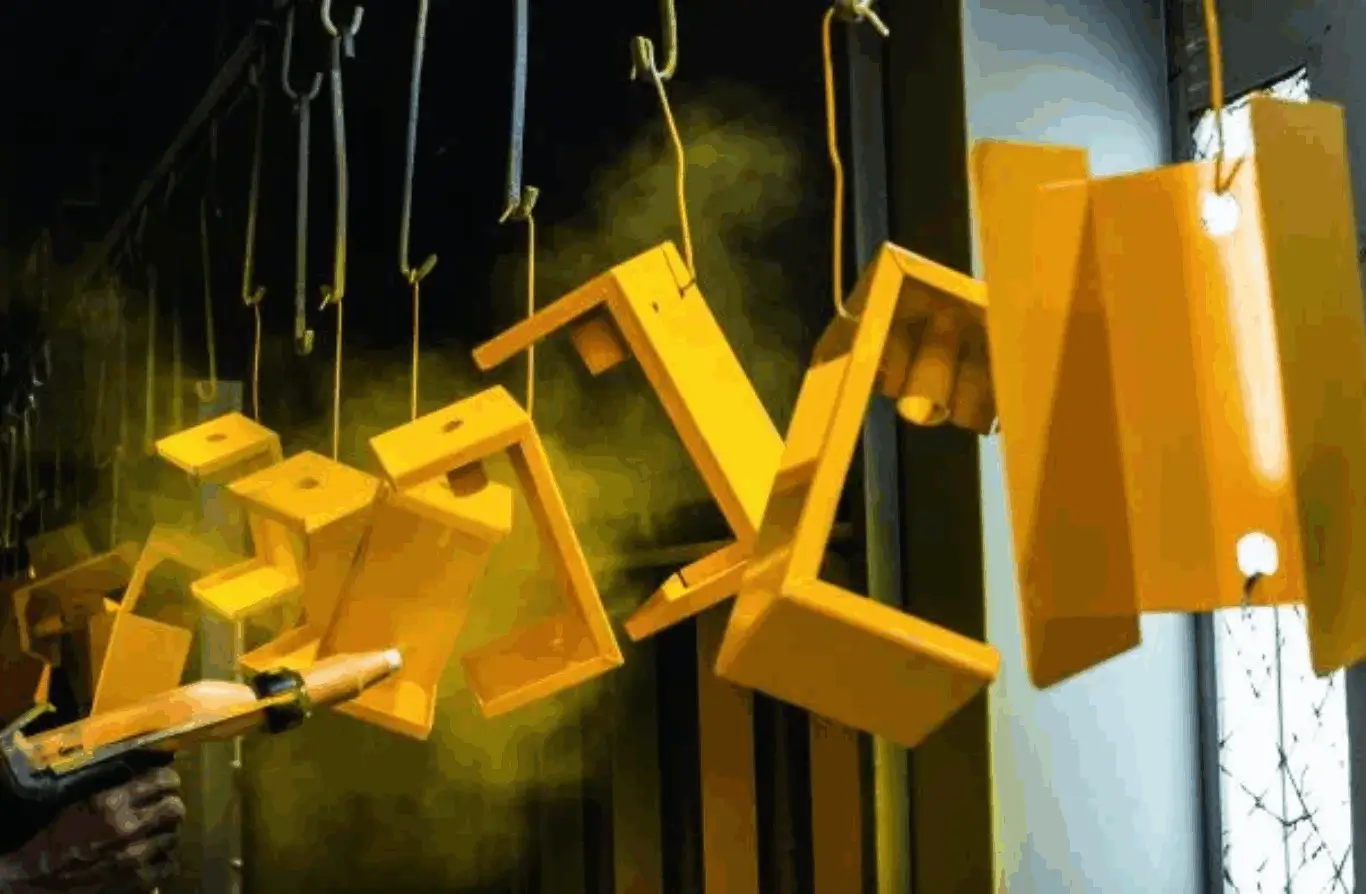
This dry finishing process applies powder to metal parts, then cures it into a tough, uniform coating. It offers excellent durability and is available in many colors and textures.
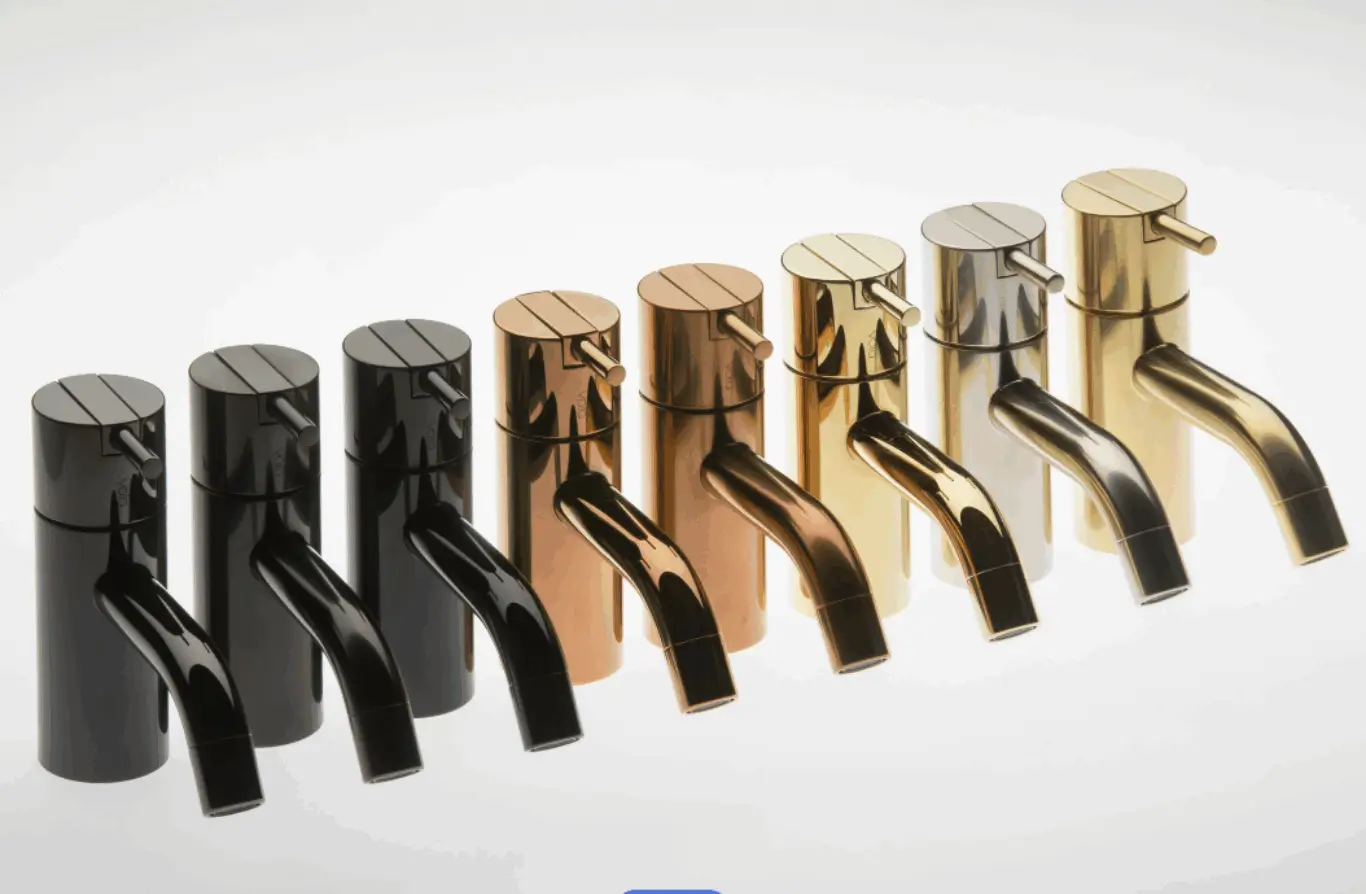
Electroplating uses electric current to deposit a metal layer onto a part, enhancing hardness, conductivity, and appearance with finishes like chrome or nickel.
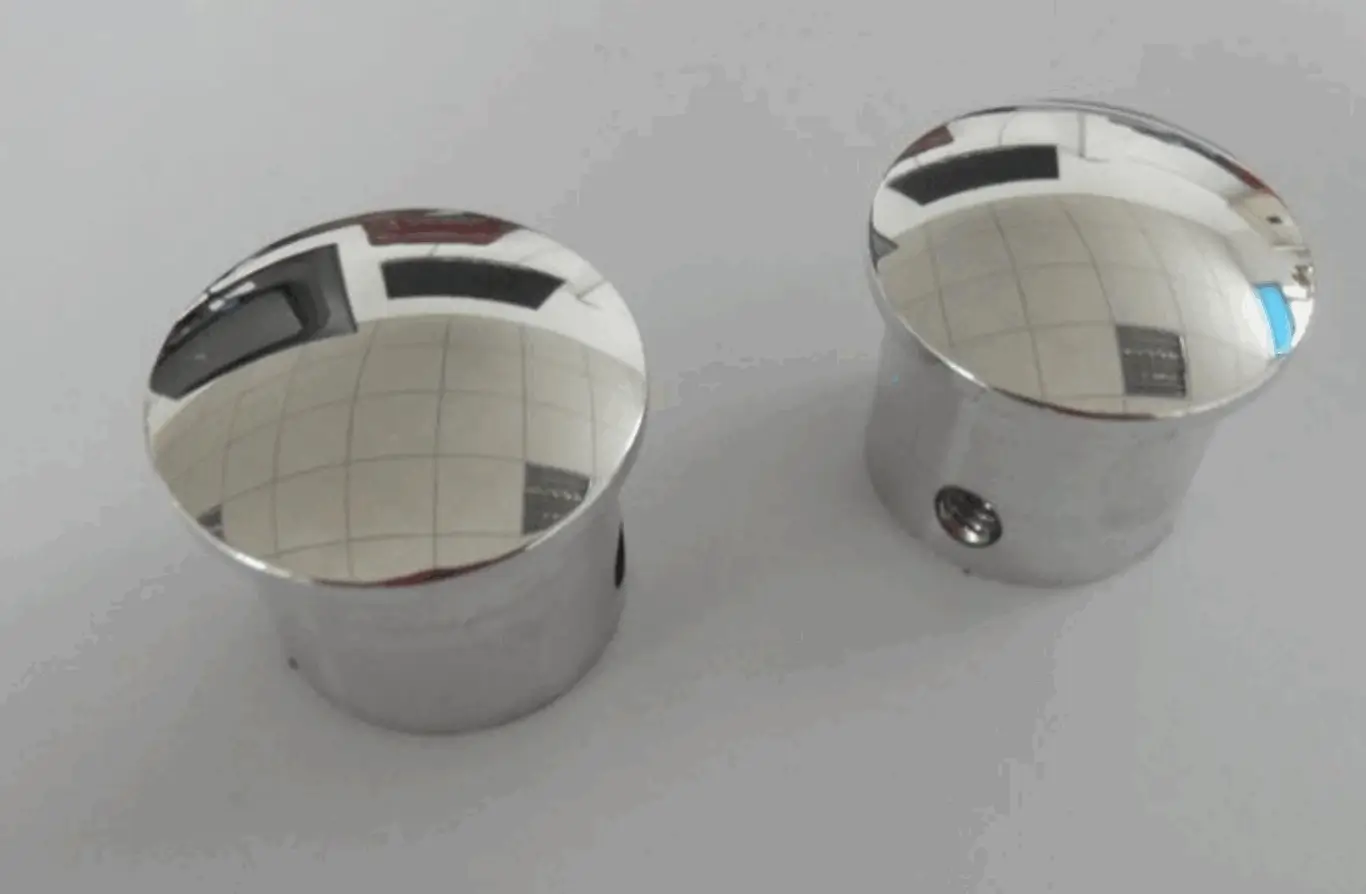
Polishing removes surface flaws and creates a reflective, smooth finish. It’s used to improve aesthetics, reduce friction, and prepare parts for secondary coatings.
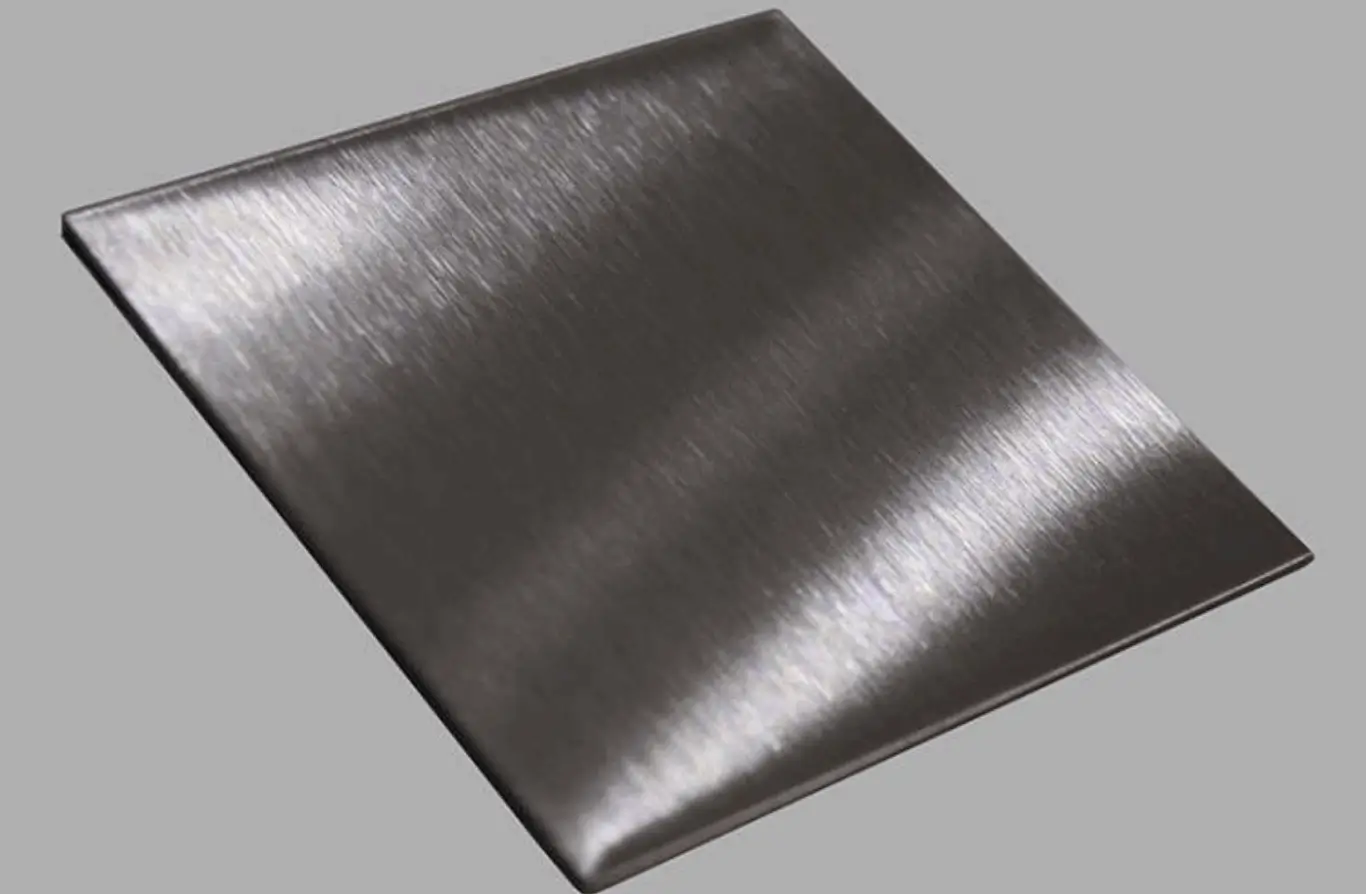
Brushing applies a fine, directional texture using abrasive belts or pads. Often used for decorative metal finishes or to visually mask minor surface defects.
CNC Machining Tolerance Standards
Our CNC machining tolerances adhere to ISO standards to ensure precision and functionality. For metal parts, we apply ISO 2768-m, while for plastic parts we follow ISO 2768-c. This systematic approach guarantees accuracy, interchangeability, and optimized manufacturability for every project.
| Type | CNC Milling | CNC Turning |
|---|---|---|
| Maximum Part Size |
4000×1500×600 mm
157.5×59.1×23.6 in. |
200×500 mm
7.9×19.7 in. |
| Minimum Part Size |
4×4 mm
0.1×0.1 in. |
1×1 mm
0.079×0.079 in. |
| Minimum Feature Size |
Φ 0.50 mm
Φ 0.00197 in. |
Φ 0.50 mm
Φ 0.00197 in. |
| Standard Tolerances |
Metals: ISO 2768-m
Plastics: ISO 2768-c |
Metals: ISO 2768-m
Plastics: ISO 2768-c |
| Linear Dimension |
+/- 0.02 mm
+/- 0.001 in. |
+/- 0.01 mm
+/- 0.001 in. |
|
Hole Diameters
(Not Reamed) |
+/- 0.025 mm
+/- 0.001 in. |
+/- 0.025 mm
+/- 0.001 in. |
| Shaft Diameters |
+/- 0.025 mm
+/- 0.001 in. |
+/- 0.025 mm
+/- 0.001 in. |
| Threads and Tapped Holes |
Diameter: Φ 1.5-5 mm, depth: 3×diameter
Diameter: Φ 5 mm or more, depth: 4-6×diameter |
Diameter: Φ 1.5-5 mm, depth: 3×diameter
Diameter: Φ 5 mm or more, depth: 4-6×diameter |
| Text | Minimum width of 0.5 mm, depth of 0.1 mm MachMaster can use CNC engraving or laser carving to create standard text based on customers’ requirements. | MachMaster can use laser marking to create standard text for CNC turned parts. |
| Edge Condition | Sharp corners will be removed in the form of a chamfer or radius. The size of the chamfer, or resulting radii, must be indicated on the drawing. | |
Reliability
We follow a strict ISO 9001:2015 quality management system across all prototyping and machining processes. From initial design to final inspection, each step is governed by standardized procedures and advanced testing equipment to ensure consistent quality, continuous improvement, and customer satisfaction.
ISO 9001 certified manufacturing process
- Material verification
- Production process control
- In‑process inspection
- Final inspection
Inspection Equipment
- VMM optical measurement system
- Micrometers, digital calipers
- Height gauges, thread gauges
Quality Support
- Dimensional inspection reports
- First Article Inspection (FAI)
- Drawing requirement verification
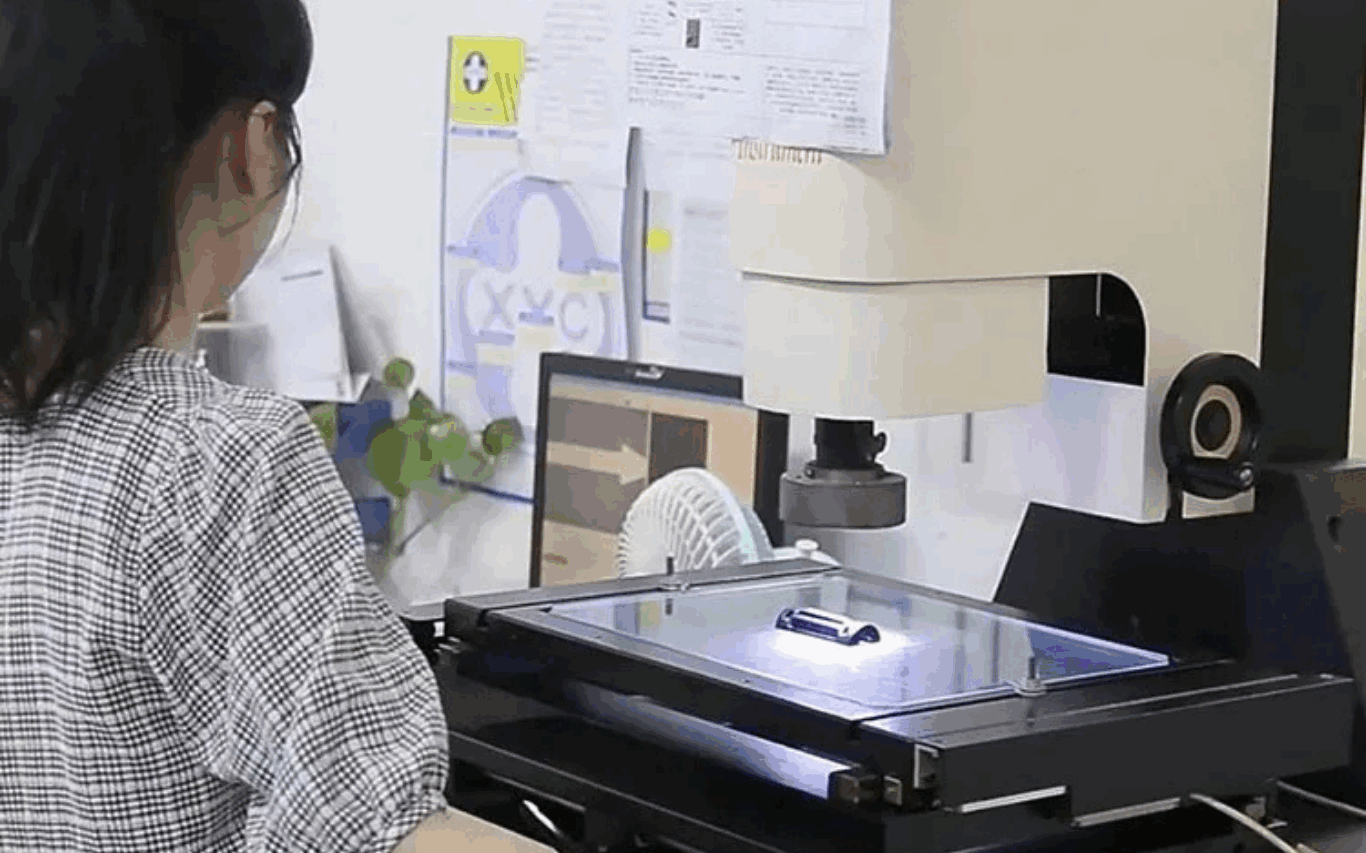
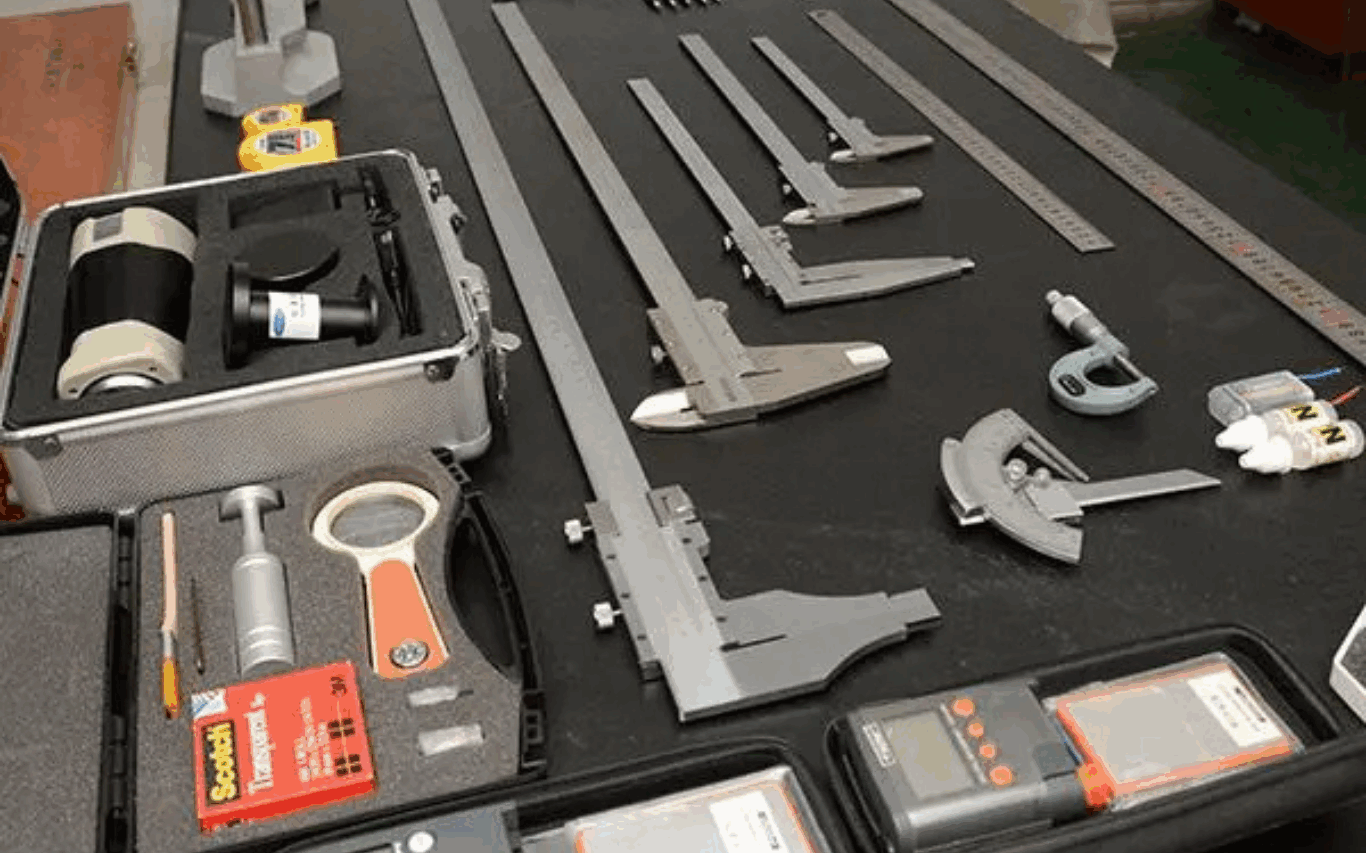
Inside MachMaster's Manufacturing Facility
With over 20 years of manufacturing experience, MachMaster operates a 5,000㎡ manufacturing facility in Xiamen, China. Our factory brings together CNC machining, plastic injection molding, in-house anodizing, quality inspection, and packaging to support custom parts manufacturing from prototypes to production.
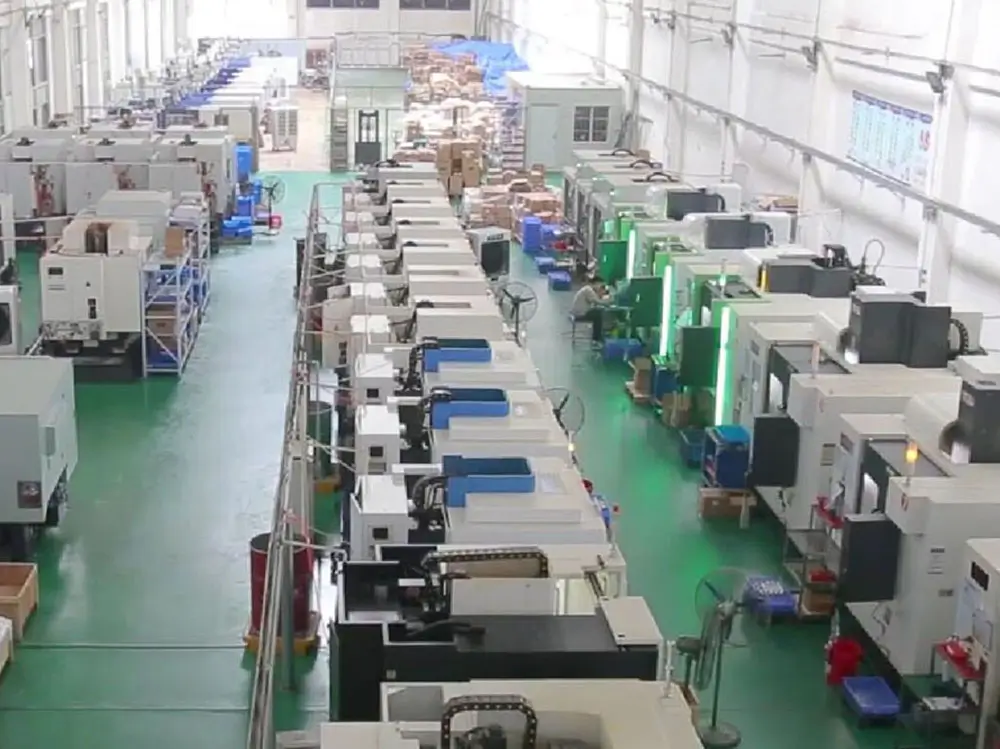
CNC Machining Workshop
Equipped for CNC milling, turning, and multi-axis machining.
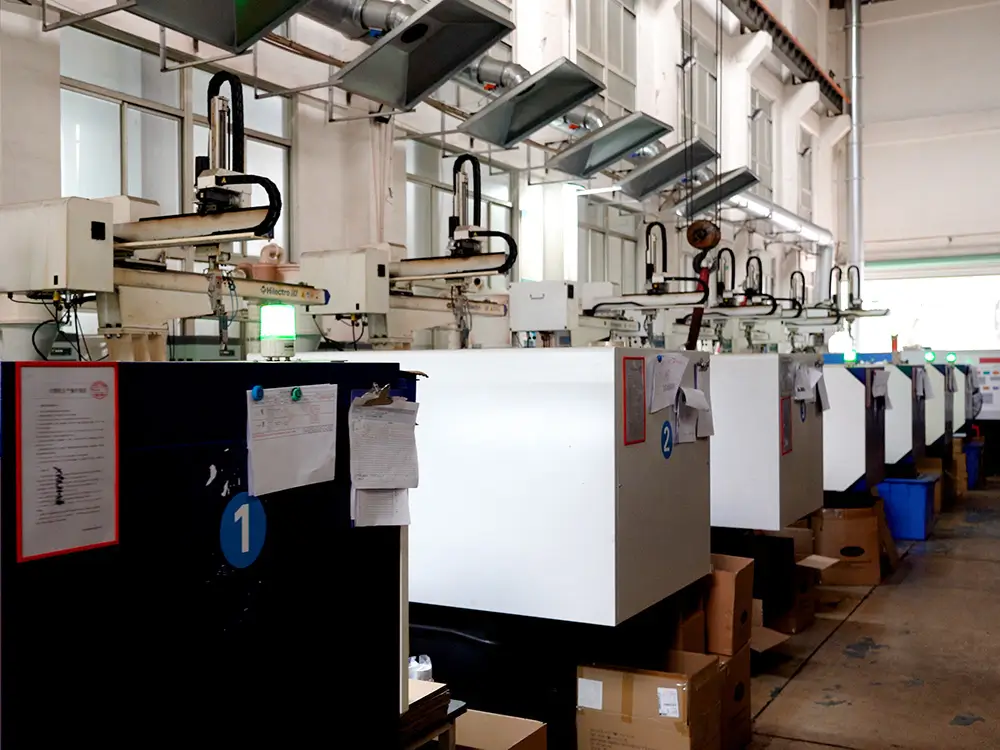
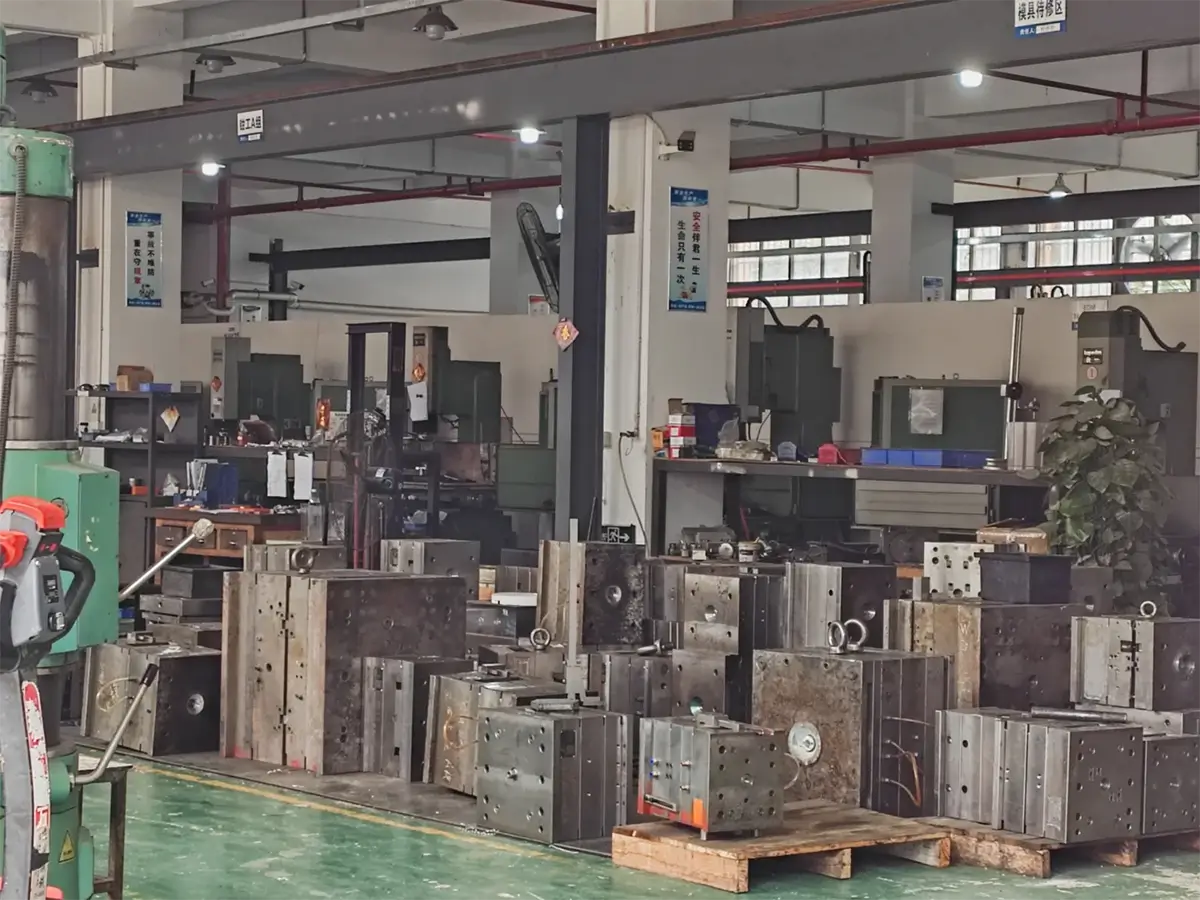
Injection Molding Workshop
8+ injection molding machines ranging from 90 to 500 tons.
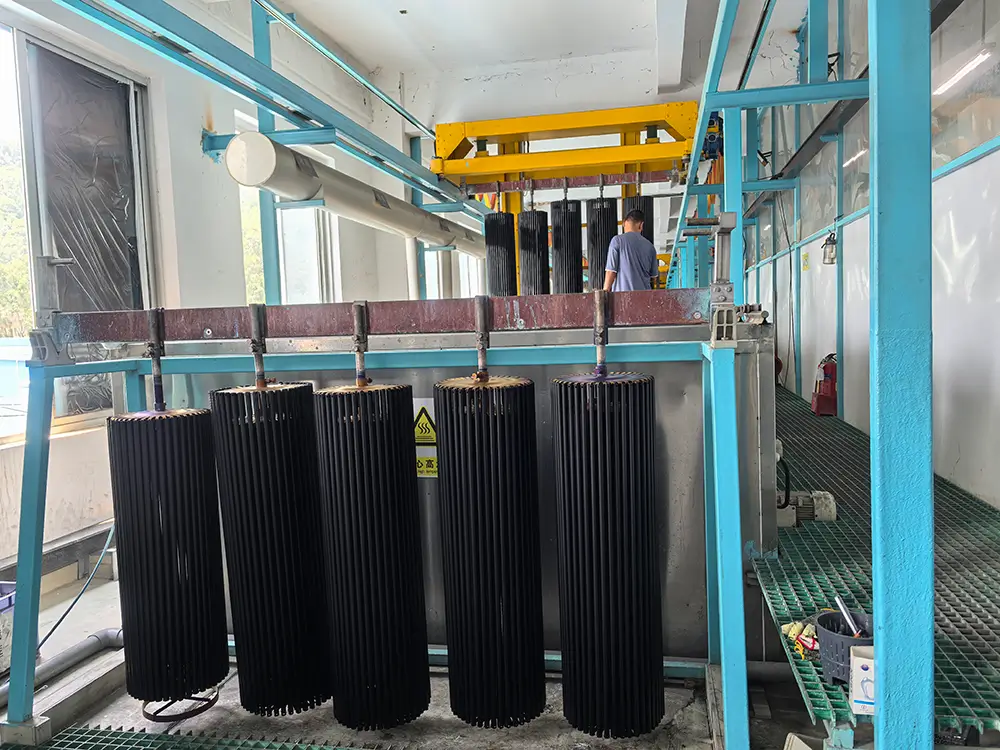
Anodizing Workshop
Our own anodizing production line for aluminum components
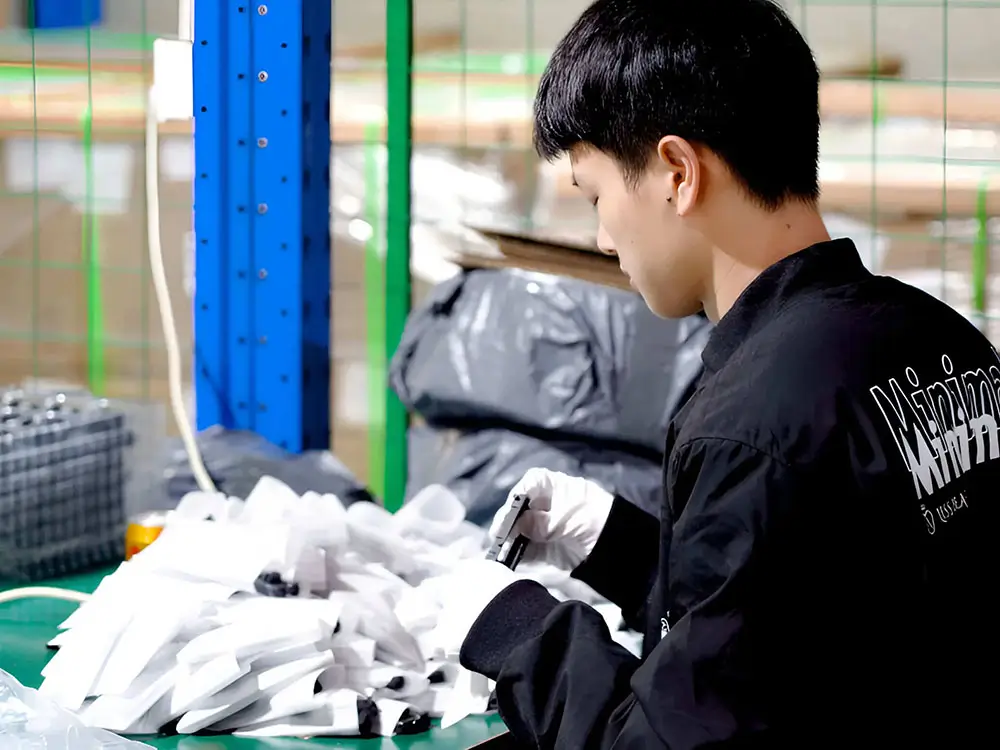
Inspection & Packaging
Dimensional inspection, finishing coordination, and finished-part packaging.
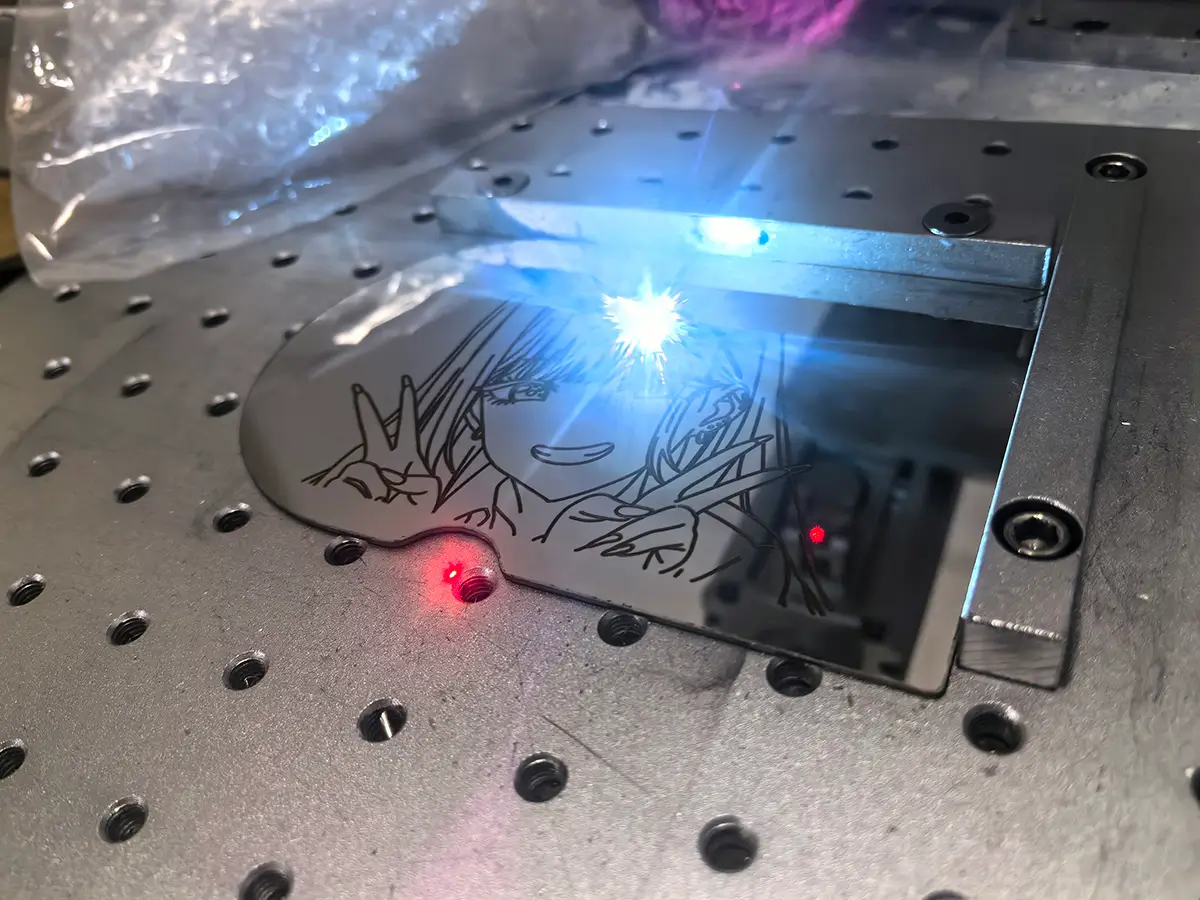
Real-World CNC Machining Cases
See examples of CNC machined parts we’ve produced for aerospace, medical, electronics, and other demanding industries.

CNC Machining Overview
01 What Is CNC Machining?
CNC (Computer Numerical Control) machining is a subtractive manufacturing process that uses computer-controlled tools to remove material from a solid block. By following pre-programmed instructions, machines precisely cut, drill, or mill raw materials—such as metal or plastic—into highly accurate and repeatable parts for industrial use.
02 How Does the CNC Machining Process Work?
The process starts with a 3D CAD design, which is converted into toolpaths by CAM software. CNC machines then follow these digital instructions to cut, drill, or mill material into a final part.
03 Why Choose CNC Machining?
CNC machining offers high precision, excellent repeatability, and faster production compared to manual machining. It’s ideal for prototypes and production parts that demand tight close tolerances and consistent quality.
04 How Much Does CNC Machining Cost in China?
Pricing varies by complexity, material, and shop scale. Basic 3-axis machining can cost $10–30/hour, while more advanced setups may charge more. In China, rates are generally lower than in Europe or the U.S.
05 What’s the Difference Between CNC Machining and 3D Printing?
CNC machining is subtractive—cutting from solid blocks—while 3D printing is additive. CNC offers better strength, tighter tolerances, and more material options, especially for functional or end-use parts.
06 What Materials Can Be Used in CNC Machining?
Common materials include aluminum, stainless steel, brass, ABS, POM, and PC. The process supports both metals and plastics, depending on the application and part function.
Learn More: Recommended Reads
If you’re looking for more insights, we’ve put together a list of helpful articles that you might enjoy:
CNC Machining Supplier & Buying Guides
- How to Choose a CNC Machining Company: Capabilities, Quality, Costs & RFQ Checklist
- Top 15 CNC Machining Manufacturers and Companies in 2026
- CNC Lathe Service Supplier Guide: How to Evaluate Capabilities, Quality, and Pricing
- How to Buy CNC Machining Services: Process, Costs, Quality & RFQ Guide
CNC Machining Process & Design Guides
- CNC Machined Metal Enclosures: Materials, Design, Costs & Supplier Guide
- CNC Milling: Processes, Machine Types, Materials, Tooling & DFM Guide
- CNC Turning: A Complete Manufacturing Guide for Engineering Teams
CNC Machining Process Comparisons
- CNC Machining vs. Injection Molding: A Manufacturing Comparison
- CNC Machining vs. Sheet Metal Fabrication: Cost, Lead Time and Part Design Compared
- CNC Machining vs. Casting: Which Process Is Better for Your Production Needs?
- CNC Machining vs. 3D Printing: A Complete Guide for Manufacturing Projects
- CNC Machining vs. Forging: Which Is Better for High-Strength Metal Parts?
Still haven’t found what you’re looking for? Don’t hesitate to contact us. We’re available around the clock to assist you.