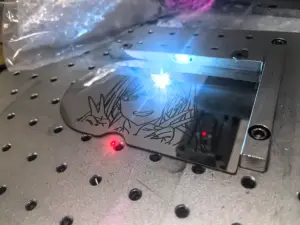
A brushed metal finish gives metal parts a clean, satin-like look with fine lines across the surface. It’s a popular choice for aluminum, stainless steel, and brass parts used in equipment, electronics, and consumer products.
At MachMaster, we help customers with custom CNC machined parts and finishing requirements, from material selection to production.
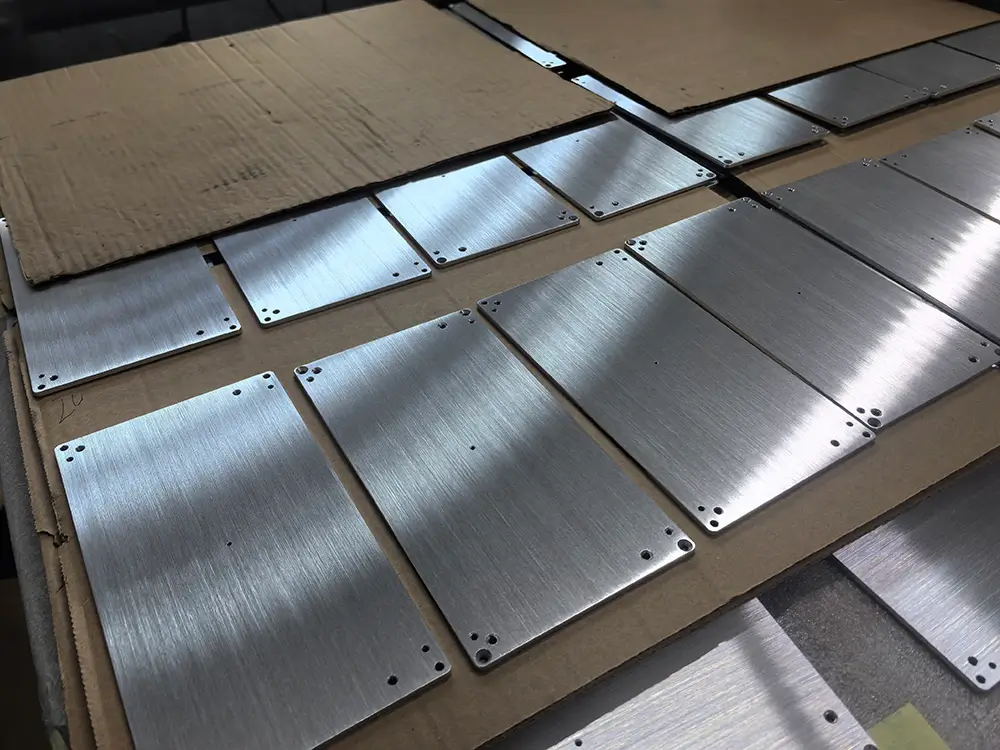
machmaster Brushed aluminum
What Is a Brushed Metal Finish?
A brushed metal finish is a surface texture created by applying controlled abrasion to a metal part. The process produces fine, repeated lines across the surface, usually in one consistent direction.
Unlike a mirror-polished surface, which is designed to reflect light clearly, a brushed finish has a softer appearance with visible grain patterns. It can also help make minor surface marks less noticeable, although it does not eliminate scratches or prevent surface damage.
Common characteristics of a brushed metal finish include:
- Fine linear or directional surface grain
- A satin or low-gloss appearance
- Reduced mirror-like reflection
- A consistent visual texture across the finished surface
The final appearance depends on the metal material, abrasive type, grit, brushing direction, and finishing process.
How Does Metal Brushing Work?
Metal brushing is generally performed using abrasive belts, wheels, pads, or brushes. These tools move across the metal surface to create a controlled pattern.
The process usually involves several steps:
1. Surface Preparation
The metal part is prepared by removing dirt, oil, burrs, and other unwanted surface conditions. Depending on the original part condition, preliminary grinding or sanding may be required.
2. Abrasive Brushing
An abrasive belt, wheel, or pad is applied to the surface. The abrasive action removes small amounts of material and creates the characteristic brushed grain.
3. Grain Direction Control
The brushing direction is controlled to achieve the required visual pattern. For linear brushed finishes, maintaining a consistent direction is especially important.
4. Surface Cleaning and Inspection
After brushing, the part is cleaned to remove abrasive residue and inspected for appearance consistency, visible defects, and other specified requirements.
For parts with multiple visible faces, the brushing sequence and grain direction should be planned before production.
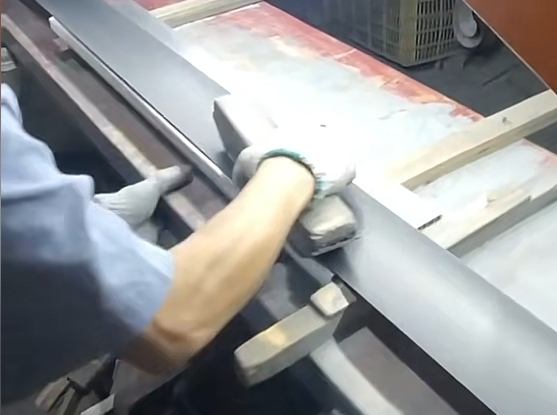
Common Types of Brushed Metal Finishes
Different brushing methods produce different surface appearances. The appropriate finish depends on the part’s design, material, and intended use.
1. Linear Brushed Finish
A linear brushed finish features fine lines running in one primary direction. It is one of the most recognizable brushed metal appearances.
Common applications include:
- Electronic equipment housings
- Control panels
- Decorative metal covers
- Appliance components
- Custom aluminum and stainless steel parts
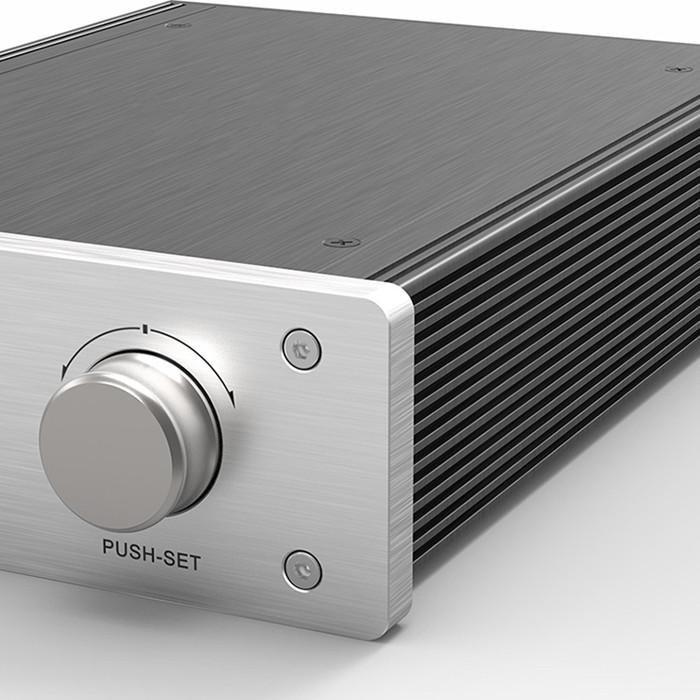
Linear Brushed Finish
The brushing direction should be specified in the drawing or finishing requirements, especially when multiple surfaces need to match.
2. Non-Directional Brushed Finish
A non-directional brushed finish uses overlapping abrasive movements to create a less uniform, multidirectional texture rather than one dominant grain direction.
It is suitable for selected decorative and functional components where a consistent linear grain is not required.
The final pattern depends on the abrasive method and process settings. Customers should approve a sample when the appearance is important.
Circular brushing
3. Fine Brushed Finish
A fine brushed finish uses finer abrasives to create a more subtle surface grain.
It produces a smoother-looking appearance with less prominent lines than a coarse brushed finish. This option is often selected for consumer-facing products, equipment housings, and decorative components.
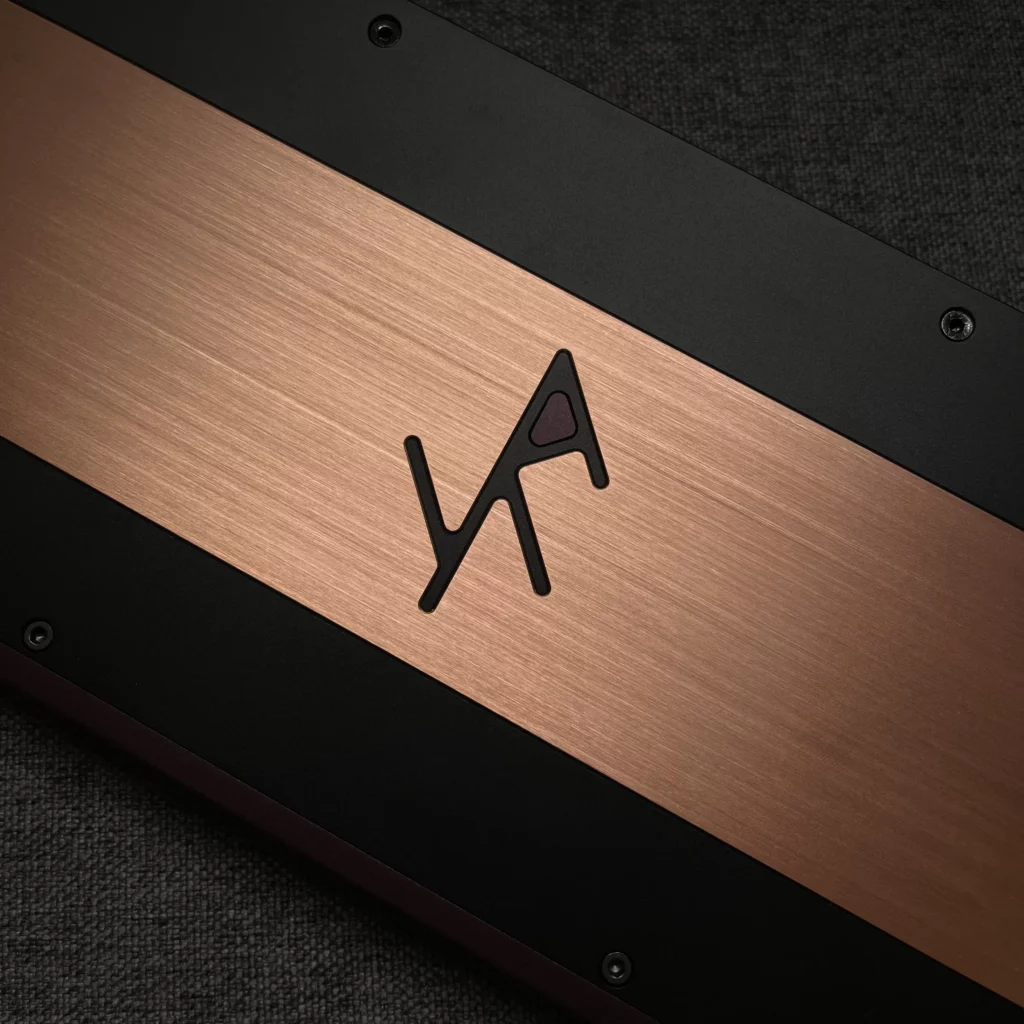
Fine Brushed Finish
The required grain visibility should be confirmed with a physical sample or an agreed reference.
Brushed Finish on Different Metals
The final appearance and processing requirements vary depending on the metal being brushed. Material selection should consider both the intended appearance and the part’s functional requirements.
Brushed Aluminum
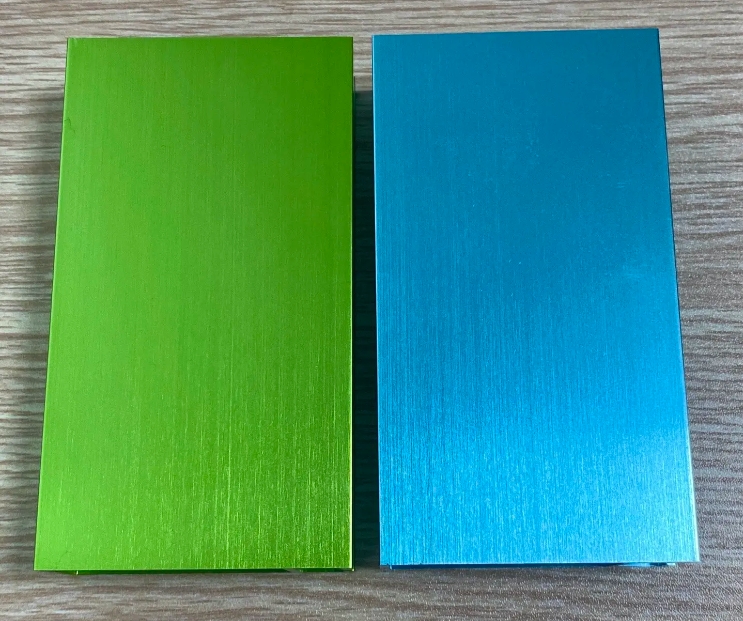
Machmaster Brushed Brass
A brushed aluminum finish creates a lightweight, modern appearance with visible directional grain. It is commonly used for electronic enclosures, equipment panels, brackets, and decorative components.
Aluminum can be brushed to different levels of grain visibility depending on the alloy, initial surface condition, and abrasive process.
For projects that also require anodizing, the brushing and anodizing sequence should be confirmed in advance. Anodizing can change the final appearance, so a sample may be necessary to verify the desired result.
Brushed Stainless Steel
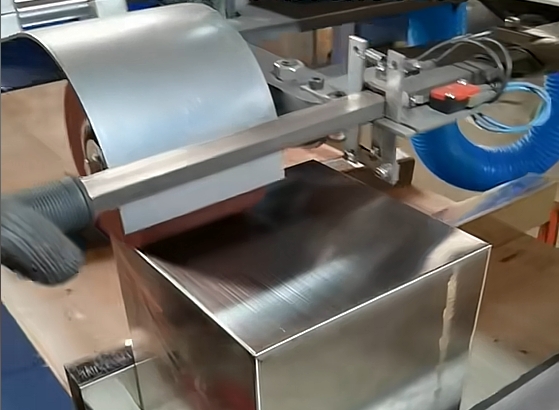
Machmaster Brushed Stainless Steel
Brushed stainless steel is widely used for equipment housings, industrial panels, architectural components, and other parts requiring a refined metallic appearance.
Its brushed texture creates a satin-like finish and reduces strong reflections compared with a mirror-polished surface.
The stainless steel grade, surface condition, and brushing direction should be considered when matching the appearance of multiple parts.
Brushed Brass
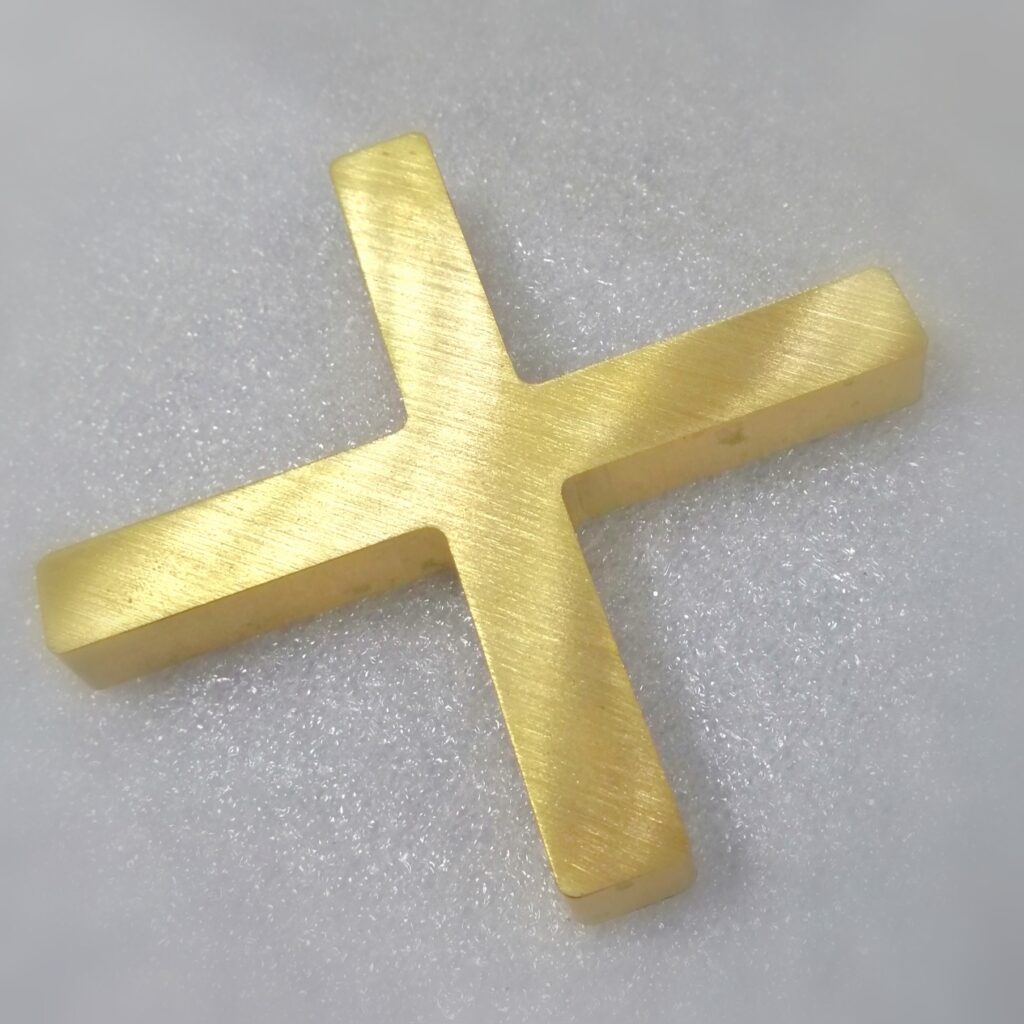
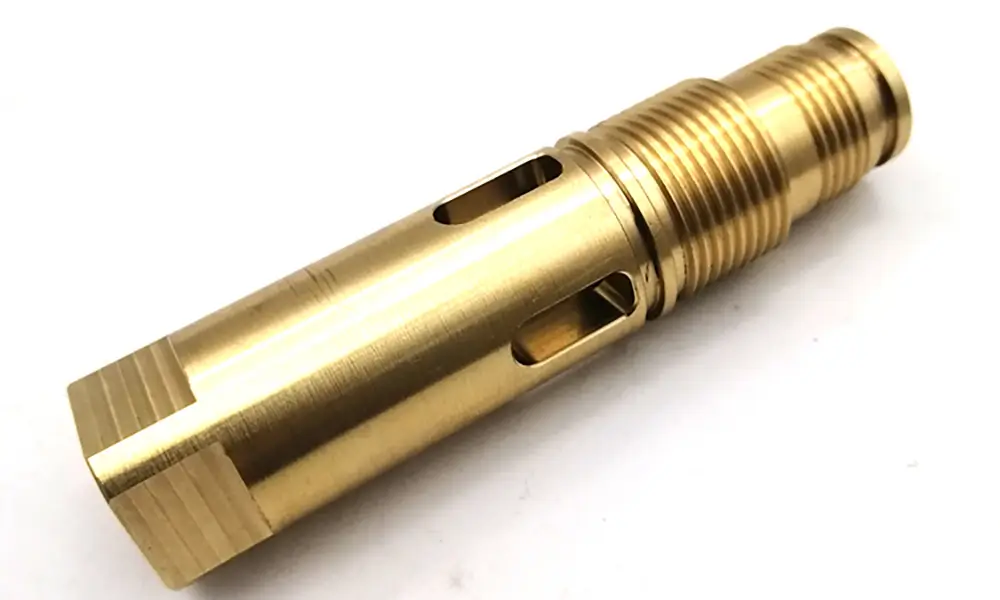
Machmaster Brushed Brass parts
Brushed brass combines the warm color of brass with a directional surface texture. It is commonly selected for decorative panels, hardware, product housings, and architectural details.
Because brass alloys vary in color and surface characteristics, the material grade and desired appearance should be confirmed before production.
Brushed Finish vs. Polished Finish
Brushed and polished finishes are both used to improve the appearance of metal parts, but they produce different visual results.
| Feature | Brushed Finish | Polished Finish |
|---|---|---|
| Appearance | Directional surface grain | Smooth, reflective surface |
| Reflection | Soft, reduced reflection | Higher reflection |
| Surface texture | Visible fine lines | Smooth appearance |
| Minor marks | May make some small marks less noticeable | Marks can be more visible |
| Common applications | Panels, housings, decorative parts | Mirror-like decorative and functional surfaces |
A brushed finish is often a suitable choice when a controlled metallic texture is preferred over a highly reflective appearance.
A polished finish is more appropriate when a smooth, bright, or mirror-like surface is required.
The best choice depends on the product design, appearance requirements, and intended use.
Advantages and Limitations of Brushed Metal
A brushed metal finish offers several visual and practical benefits, but it is important to understand its limitations before specifying it for a custom part.
Advantages
- Creates a consistent and recognizable metallic texture.
- Reduces strong surface reflections.
- Provides a clean, satin-like appearance.
- Can make some minor surface marks less noticeable.
- Works with several commonly used metals, including aluminum, stainless steel, and brass.
Limitations
- Brushing lines may become visible if the direction is inconsistent.
- The finish does not prevent scratches or corrosion.
- Different material batches may produce slight appearance variations.
- Complex geometries and recessed areas can be more difficult to finish consistently.
- Additional finishing steps may be required when specific corrosion protection or color requirements apply.
For visible components, it is advisable to confirm the finish using an approved sample before full production.
Design Considerations for Custom Brushed Metal Parts
When designing a custom metal part with a brushed finish, consider the following requirements before manufacturing.
Specify the Brushing Direction
Indicate the preferred grain direction on the engineering drawing. This is especially important for parts with multiple visible faces or components that must be assembled together.
Define the Required Appearance
Terms such as fine brushed, satin brushed, and coarse brushed can be interpreted differently by different manufacturers.
Where appearance is critical, provide a reference sample, photograph, or approved finish specification.
Consider Part Geometry
Large flat surfaces are generally easier to brush consistently than deep recesses, narrow slots, and complex three-dimensional shapes.
If a part has visible edges, pockets, or multiple surfaces, confirm which areas require brushing and how the grain should appear on each face.
Consider the Finishing Sequence
If brushing is combined with anodizing or another surface treatment, establish the manufacturing sequence before production.
For example, brushed aluminum may require additional consideration when anodizing is also specified, because the final appearance is affected by both processes.
Protect Finished Surfaces
Brushed surfaces can be damaged by handling, contact, or improper packaging. For cosmetic parts, specify suitable protective packaging to reduce the risk of scratches during transportation.
Applications of Brushed Metal Finishes
Brushed metal finishes are used across many industries where appearance and surface consistency are important.
Common applications include:
- Electronics: Equipment housings, control panels, and electronic enclosures.
- Industrial Equipment: Machine covers, operating panels, and metal guards.
- Consumer Products: Product housings, decorative components, and appliance parts.
- Automotive: Interior trim and selected decorative metal components.
- Architectural Hardware: Handles, panels, fixtures, and decorative metal details.
The suitability of a brushed finish depends on the component’s environment, material, and appearance requirements.
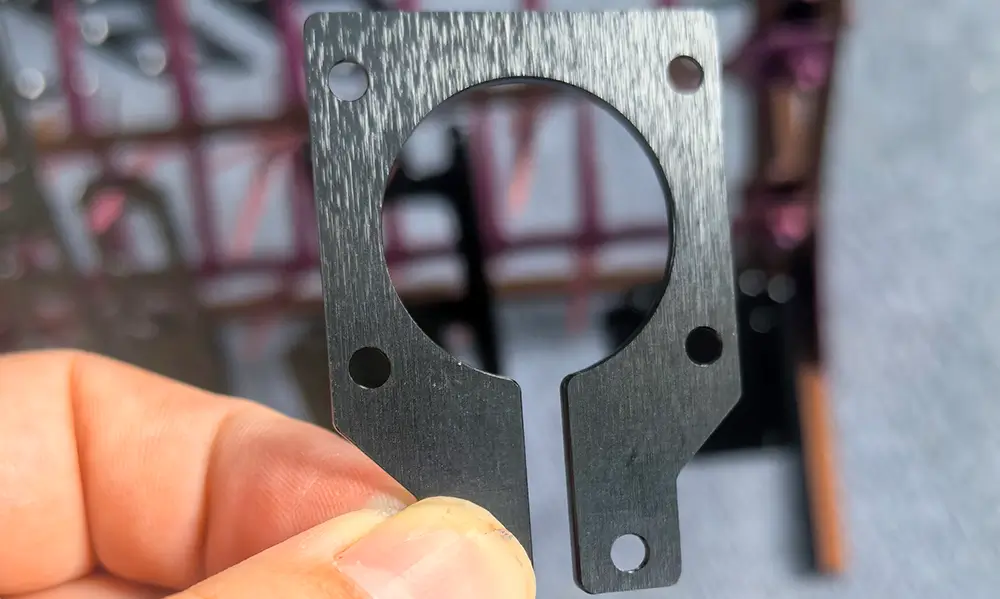
Machmaster brushed-finish parts
Custom CNC Parts with Brushed Surface Finishes
Brushed finishes are often specified for custom CNC machined components that require both accurate dimensions and a controlled surface appearance.
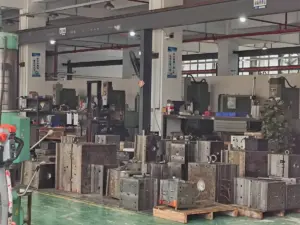
MachMaster provides custom CNC machining in Xiamen, China, with over 20 years of manufacturing experience and 40+ CNC machining machines.
Our in-house capabilities include:
- CNC milling and turning
- Plastic injection molding
- Anodizing
- ISO 9001 quality management
For brushed surface finishing and other additional finishing requirements, we can coordinate suitable manufacturing partners according to the project specifications.
If your project combines CNC machining with brushed metal surfaces, our team can review your drawings, material requirements, visible surfaces, and finishing expectations.
Request a Quote for Custom Brushed Metal Parts
Looking for a manufacturing partner for custom metal components with a brushed finish?
Send us your 2D drawings, 3D CAD files, material specifications, estimated quantity, and surface finish requirements.
Our team will review your project and provide feedback on the manufacturing approach and quotation.
Contact MachMaster to discuss your custom metal parts project.