
As the CEO of a mold manufacturing company in China, I often see overseas customers compare quotes from manufacturing platforms such as Fictiv, Xometry, and Protolabs with quotes from Chinese mold makers. In many cases, the price difference is significant enough to make buyers wonder whether they are paying too much by using a manufacturing platform.
My answer is that working directly with a Chinese mold manufacturer can reduce tooling costs, but the lowest initial quote does not always mean the lowest total project cost.
The real question is not simply where you can get the cheapest mold. It is how to get a mold that meets your product requirements, performs reliably in production, and delivers the best overall value for your investment.
1. Why Do Manufacturing Platforms Often Cost More?
Manufacturing platforms make it easier for overseas companies to access manufacturing resources without building their own supplier network. They can help customers coordinate quotes, communicate technical requirements, and manage different stages of a project.
These services have value, especially for companies with limited experience in product development and mold manufacturing. However, the additional coordination and service costs may also increase the final price.
When you work directly with a mold manufacturer, you have a more direct relationship with the team responsible for mold design, machining, assembly, and trials. This can reduce unnecessary communication layers and make technical discussions more efficient.
From my perspective as a manufacturer, the key difference is the working relationship. A platform helps you access manufacturing services, while direct cooperation allows you to communicate with the people actually making your mold.
Of course, platform pricing and services vary. A higher quote does not automatically mean better quality, just as a lower factory quote does not automatically mean better value.
2. Why Can Direct Sourcing from China Reduce Mold Costs?
China has a well-established mold manufacturing industry, supported by experienced mold makers, machining facilities, and a broad network of manufacturing suppliers. For many overseas customers, this creates opportunities to obtain competitive tooling prices without sacrificing the quality required by their applications.
There are three main reasons why I believe direct sourcing is worth considering.
First, you can reduce intermediary costs.
When you work directly with a mold factory, you are purchasing from the manufacturing source rather than through an additional service layer. Depending on the project and supplier, this can reduce the overall tooling price.
Second, technical communication can be more direct.
Mold design, product geometry, material selection, and molding requirements all affect the final result. Direct communication with the manufacturing team can help resolve questions earlier and reduce misunderstandings during development.
Third, you can build a long-term manufacturing relationship.
For companies developing multiple products or planning ongoing production, a direct relationship with a reliable mold maker can make future projects easier to coordinate. Over time, familiarity with your product requirements and quality expectations may also improve efficiency.
However, I would never advise a customer to choose a supplier based on price alone. A competitive quote matters, but it must be supported by engineering capability, clear communication, and a reliable production process.
3. The Hidden Costs Buyers Should Consider
As a mold manufacturer, I believe customers should evaluate the entire project rather than focus exclusively on the initial tooling quote.
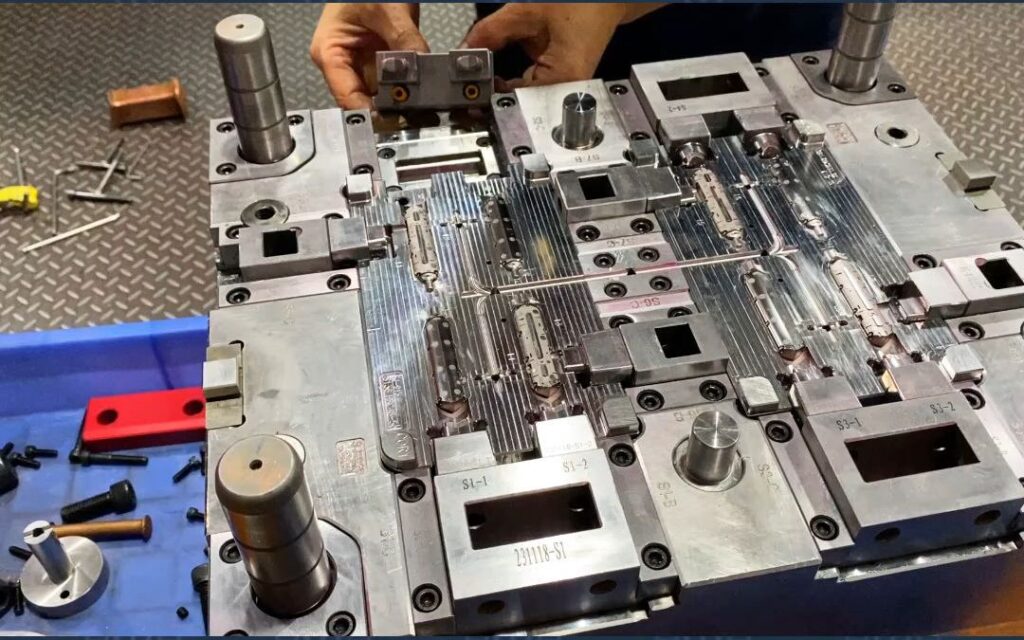
A mold is not simply a piece of steel manufactured from a drawing. It is part of a production system designed to make plastic parts consistently. If important requirements are overlooked during development, the resulting costs can quickly outweigh the initial savings.
Product Design and DFM
Before manufacturing begins, the product design should be reviewed for manufacturability. Wall thickness, draft angles, parting lines, undercuts, and other design features can influence mold complexity and molding performance.
If these issues are not addressed early, customers may face design changes, additional machining, or repeated mold trials.
This is why I recommend discussing design-for-manufacturing (DFM) requirements with the mold maker before approving the tooling.
Mold Trials and Quality Validation
A completed mold still needs to be tested. Trial molding helps determine whether the mold can produce parts that meet the agreed specifications.
Customers should establish clear acceptance criteria for dimensions, appearance, fit, and functional performance. Depending on the application, additional inspections or testing may also be necessary.
A good supplier should explain the trial process, communicate problems clearly, and define how corrective actions will be handled.
Communication and Project Management
Direct sourcing gives customers greater access to the manufacturing team, but it also requires active project management.
Buyers need to confirm technical requirements, monitor milestones, review trial results, and approve changes. If communication is unclear, misunderstandings can lead to delays and unnecessary expenses.
For overseas customers, language, time zones, and response times should also be considered when evaluating a supplier.
Mold Ownership and Documentation
Before placing an order, customers should clarify mold ownership, design file delivery, confidentiality, maintenance responsibilities, and the conditions for transferring the mold to another facility.
These arrangements should be documented in the contract rather than left to assumptions. Clear agreements help protect both parties and make long-term cooperation more predictable.
4. Production Volume Changes the Economics
Another point I always encourage customers to consider is their expected production volume.
Injection molding requires an upfront investment in tooling. That investment is then spread across the parts produced. As production volume increases, the tooling cost per part generally decreases, although actual unit costs also depend on cycle time, material, labor, machine capacity, and other production factors.
For early-stage products, the demand forecast may be uncertain. In that situation, investing in production tooling too early can create unnecessary financial risk.
For mature products with stable demand, a properly designed injection mold can become a cost-effective solution for ongoing production.
The right approach depends on the project:
- Prototype development: Validate the design before committing to expensive production tooling.
- Low-volume production: Compare tooling investment with the cost and flexibility of alternative manufacturing methods.
- High-volume production: Evaluate tooling durability, cycle time, maintenance requirements, and expected lifetime production volume.
There is no single production quantity at which injection molding becomes the best option for every product. The decision should be based on the actual part design, material, quality requirements, and production forecast.
5. How Should You Compare Mold Quotes?
When customers ask me to explain the difference between mold quotes, I recommend comparing the scope of work before comparing the final numbers.
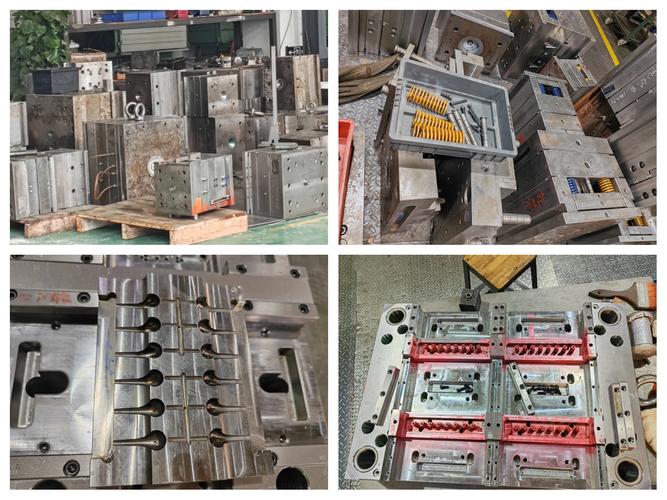
Two suppliers may quote very different prices because they are offering different tooling specifications, engineering services, trial requirements, or delivery terms.
Before making a decision, I suggest confirming the following:
- Mold specifications: Mold material, cavity count, expected service life, and relevant construction requirements.
- Engineering support: Whether DFM review, mold design, and design revisions are included.
- Trial and sampling: Number of mold trials, sample quantities, and the approval process.
- Modification costs: Responsibility for changes caused by design revisions, manufacturing errors, or trial results.
- Deliverables: Whether the quotation includes the mold, sample parts, design files, and relevant documentation.
- Shipping and import costs: Transportation, insurance, customs clearance, and applicable duties.
- After-sales support: Mold maintenance, repairs, spare parts, and support for future production.
I also recommend sending the same product drawings, 3D files, material specifications, and quality requirements to every supplier. This makes the quotations easier to compare and helps identify differences in scope.
The goal is to compare equivalent solutions, not simply the lowest numbers on a quotation sheet.
6. Should You Use a Manufacturing Platform or Work Directly with a Chinese Mold Maker?
From my perspective, neither approach is universally better. The right choice depends on your team’s experience and the level of support your project requires.
If you are developing your first physical product and do not have an experienced engineering team, a manufacturing platform may offer useful coordination and reduce some of the work involved in managing suppliers.
If you already have established product designs, clear quality standards, and the ability to evaluate mold trials, working directly with a Chinese mold manufacturer may offer better cost control and a more direct technical relationship.
There is also a middle ground. Some companies use external engineering support during early development and work directly with a mold factory for subsequent projects. This allows them to gain experience while gradually building their own supplier relationships.
Whatever approach you choose, make sure responsibilities are clearly defined before production starts.
Looking for a Reliable Mold Manufacturing Partner in China?
If you are looking for a manufacturing partner in China, Machmaster can help you turn your product designs into manufacturable parts. Based in Xiamen, China, Machmaster has 20 years of manufacturing experience and provides CNC machining, custom part manufacturing, and surface finishing services. With 40+ CNC machines and 8 injection molding machines, we support customers with precision-machined components and related manufacturing needs. For projects involving custom molds and plastic injection molding, contact our team to discuss your product requirements, production volume, and manufacturing options. We can help you evaluate a suitable approach based on your project needs, quality requirements, and target budget.
Contact Machmaster to discuss your next manufacturing project and explore a suitable sourcing solution.
7. My Advice as a Mold Manufacturer CEO
After years in manufacturing, I believe the most important purchasing decision is not whether to choose a platform or a factory. It is whether your supplier understands your product and can deliver the required results consistently.
A low tooling quote can look attractive at the beginning, but the true cost of a project includes engineering, mold trials, modifications, shipping, quality validation, and project management.
Direct sourcing from China can be an effective way to reduce manufacturing costs, particularly for companies with ongoing tooling needs. But the best results come from choosing a capable manufacturer, communicating requirements clearly, and establishing measurable acceptance criteria.
My advice is simple: compare the total project cost, verify the manufacturer’s capabilities, and make sure everyone agrees on what a successful mold looks like before production begins.
The right manufacturing partner should not simply offer a lower price. They should help you turn your product design into a reliable, repeatable manufacturing process.