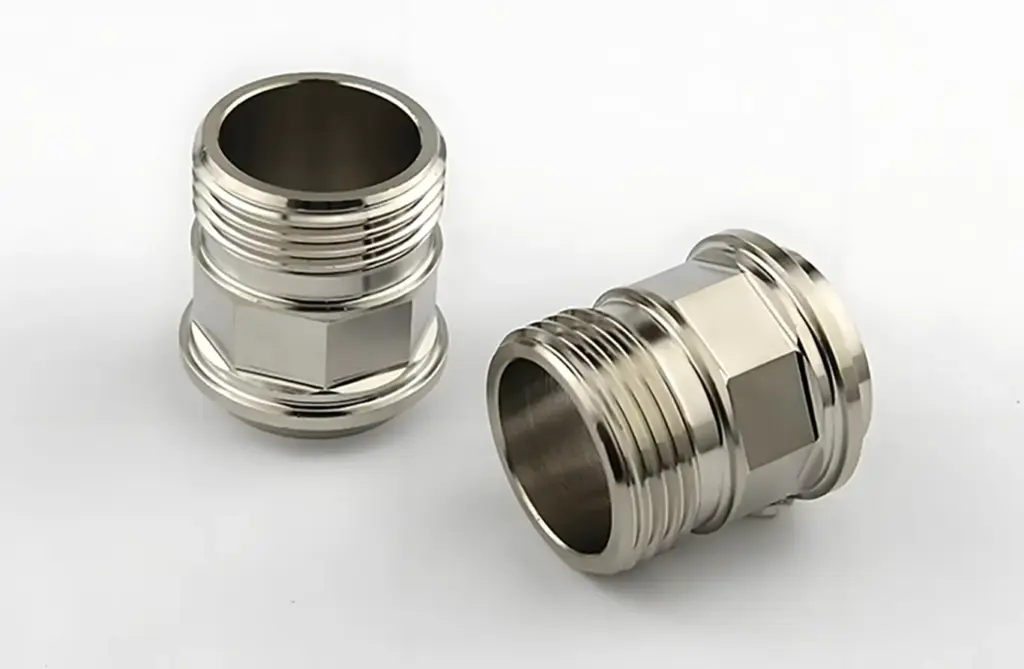
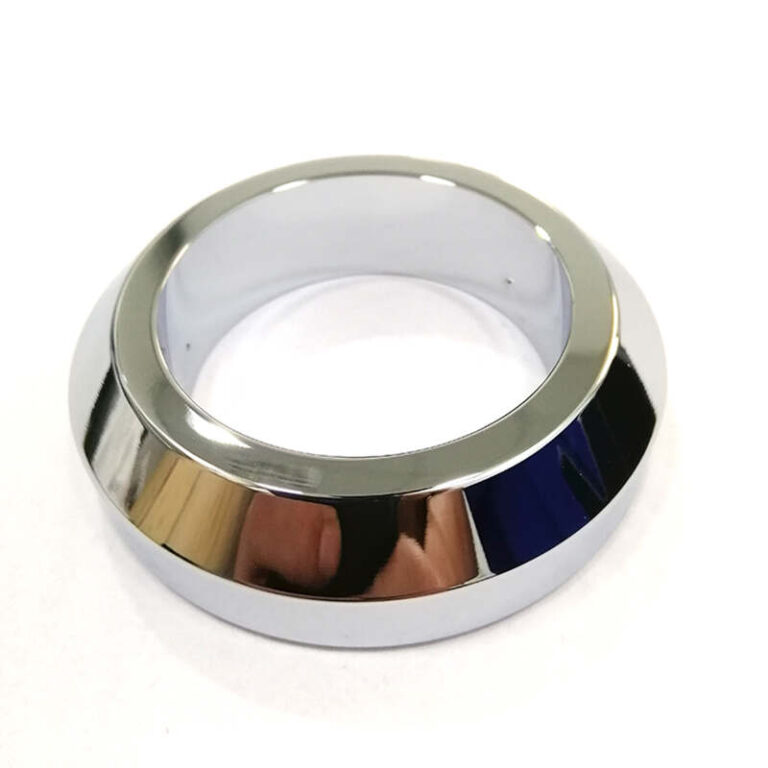
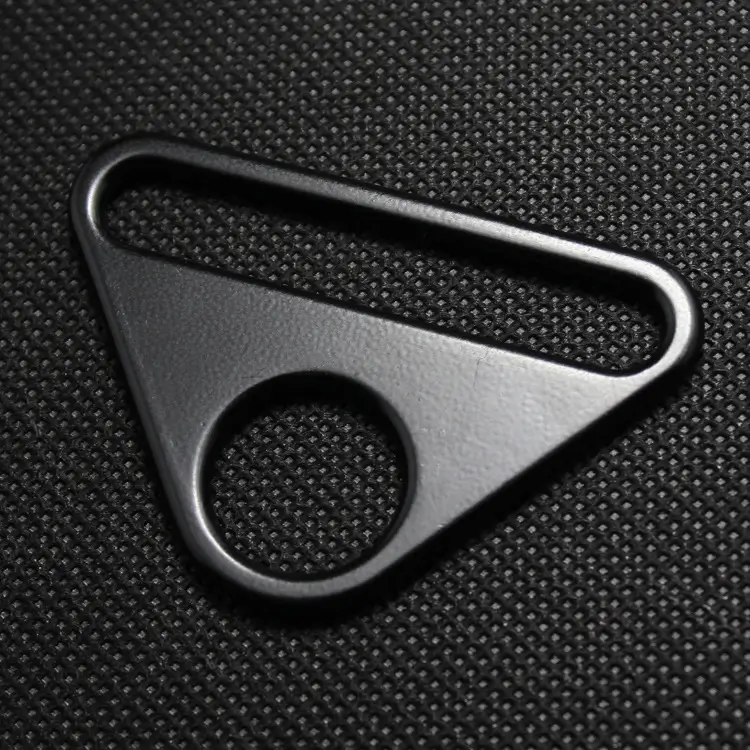
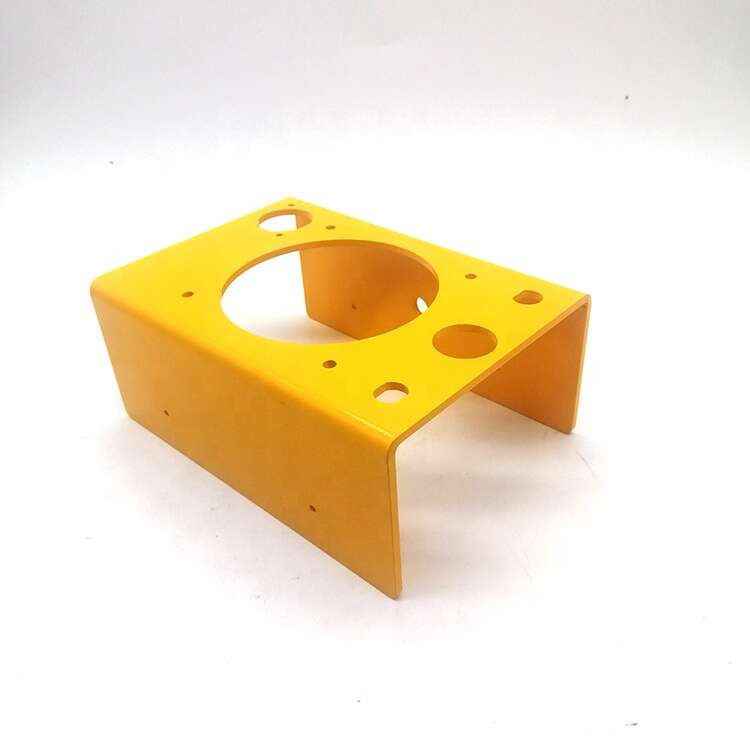
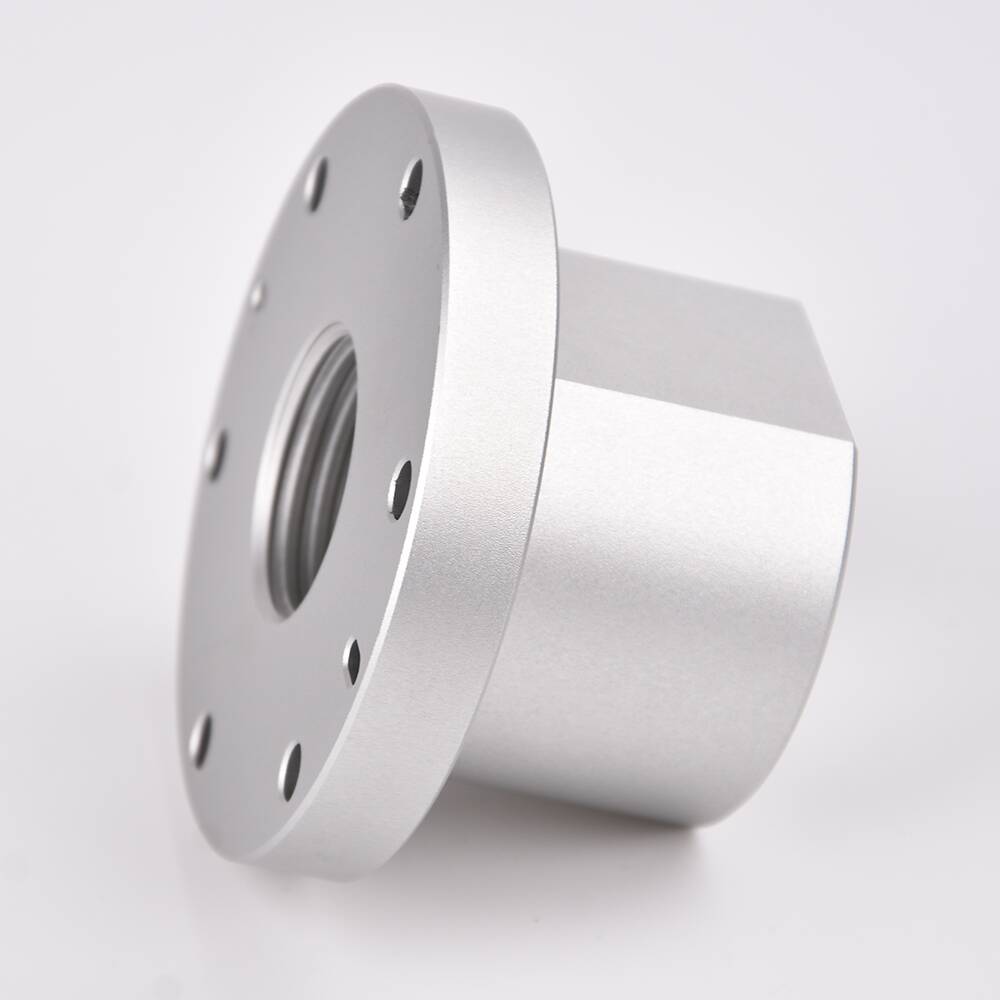
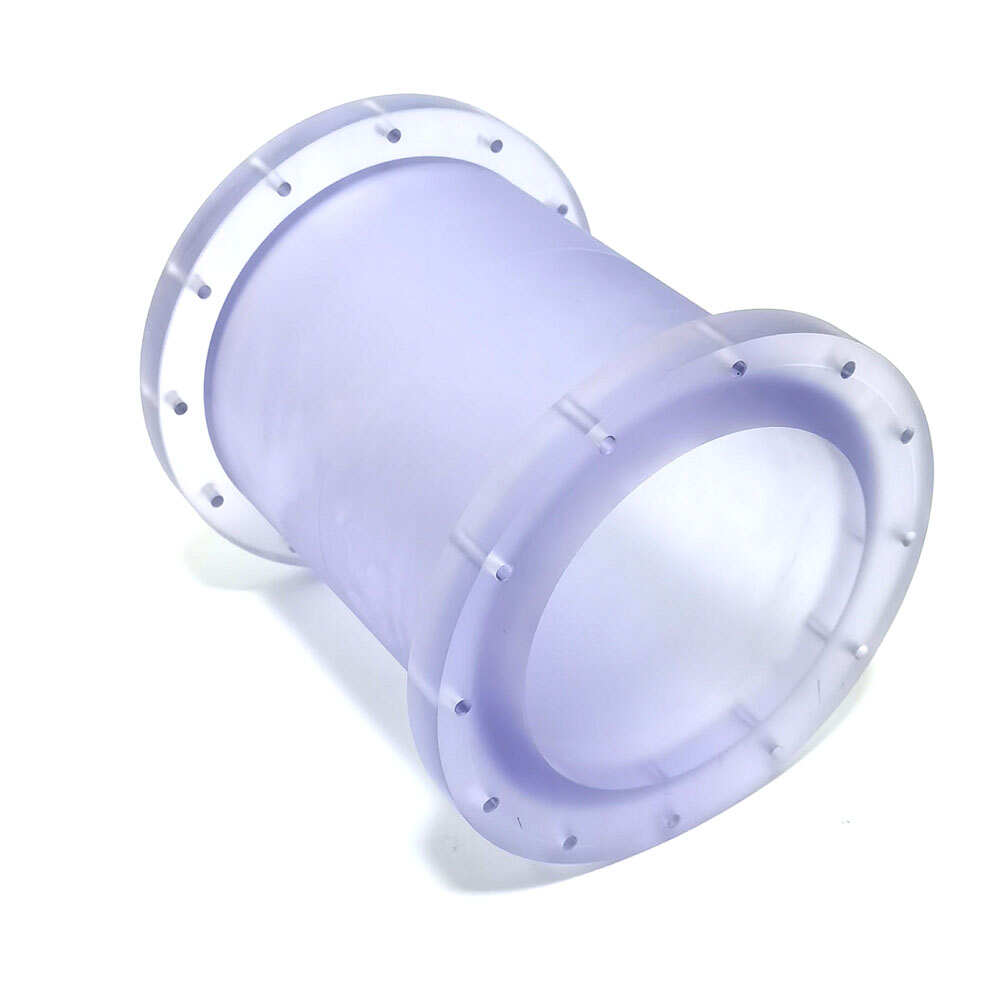
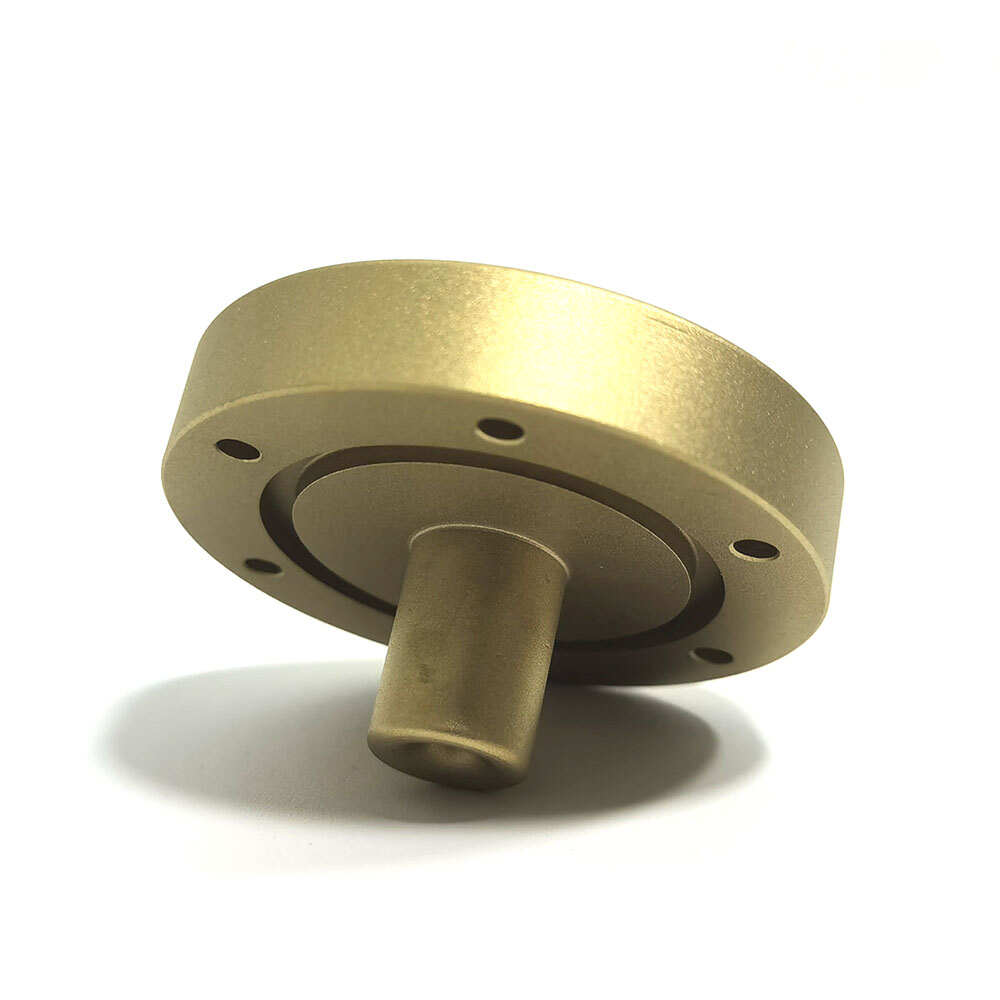
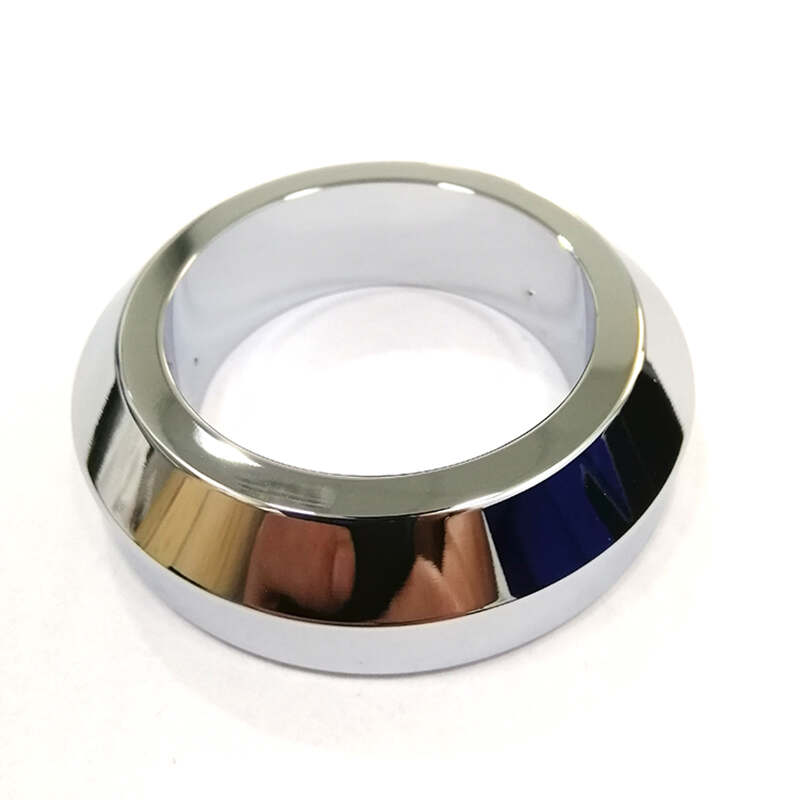
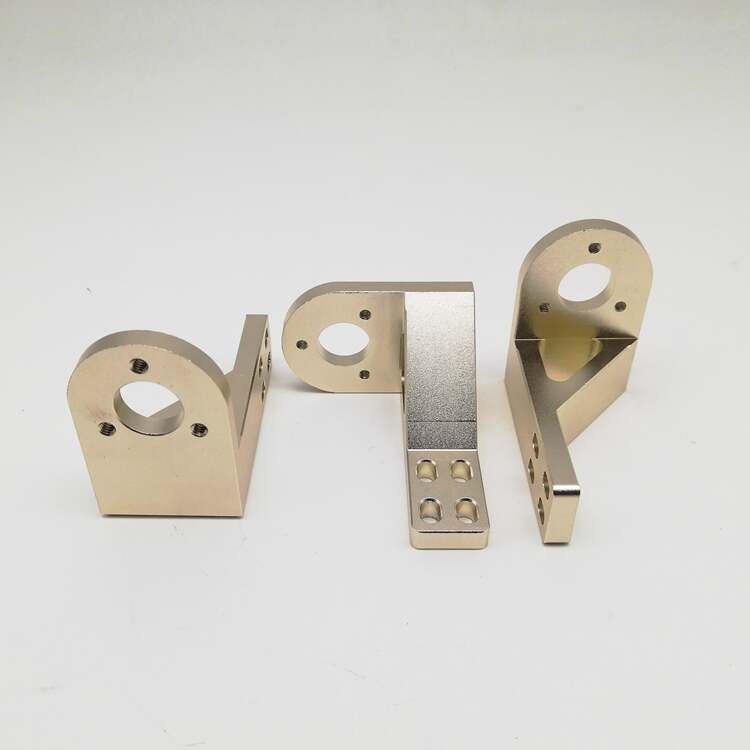
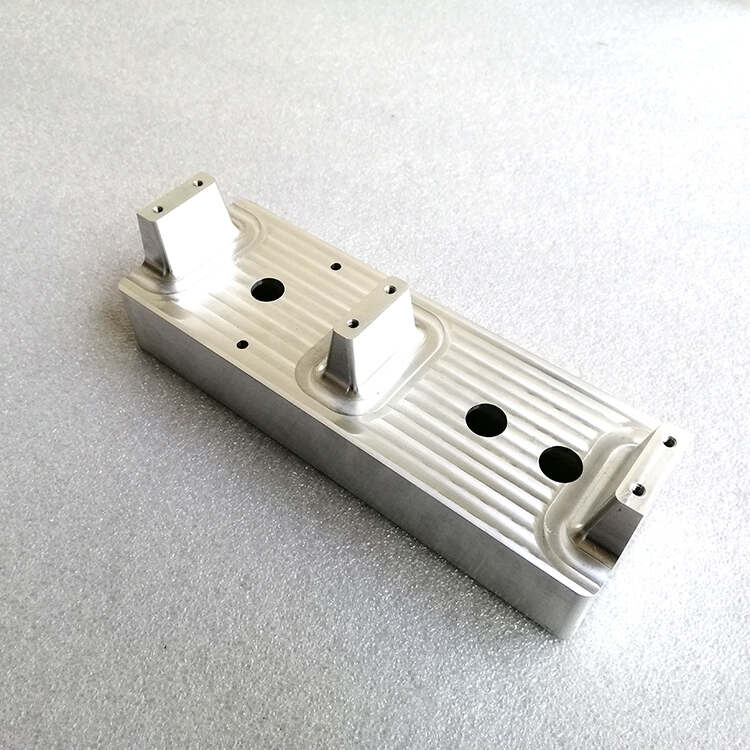
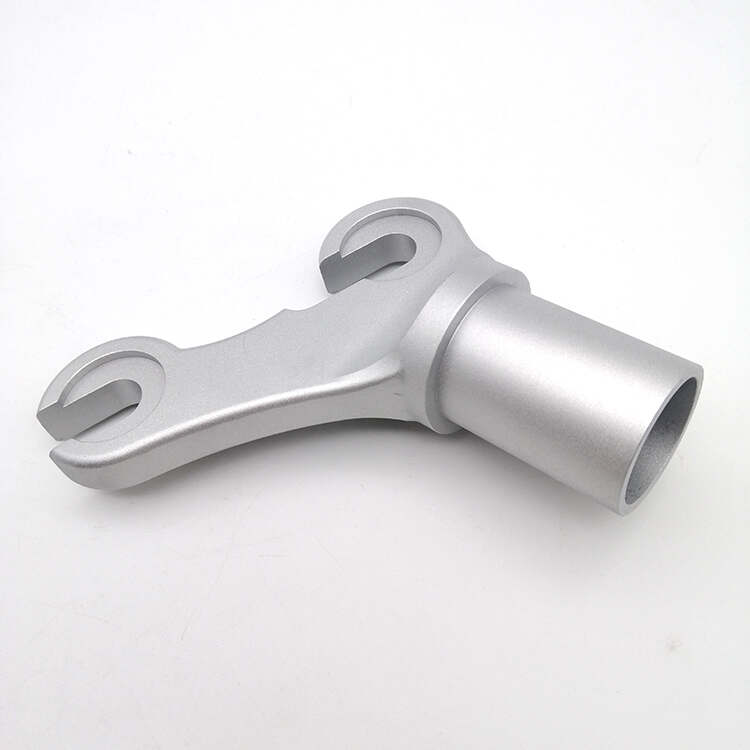
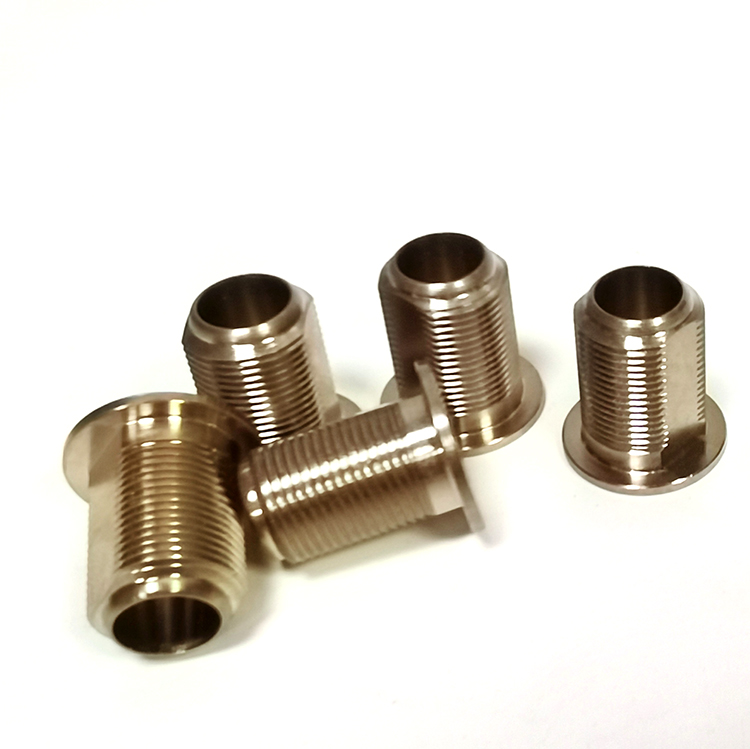
Machmaster provides processes such as electroplating, powder coating, anodizing, and sandblasting to enhance the durability, performance, and appearance of metal components.
Our Surface Treatment Options
Surface treatment technologies are used to improve part appearance, durability, or performance. Each process has its own requirements for material compatibility, color, texture, and cost. Below are the finishing options we offer for both functional and aesthetic applications.
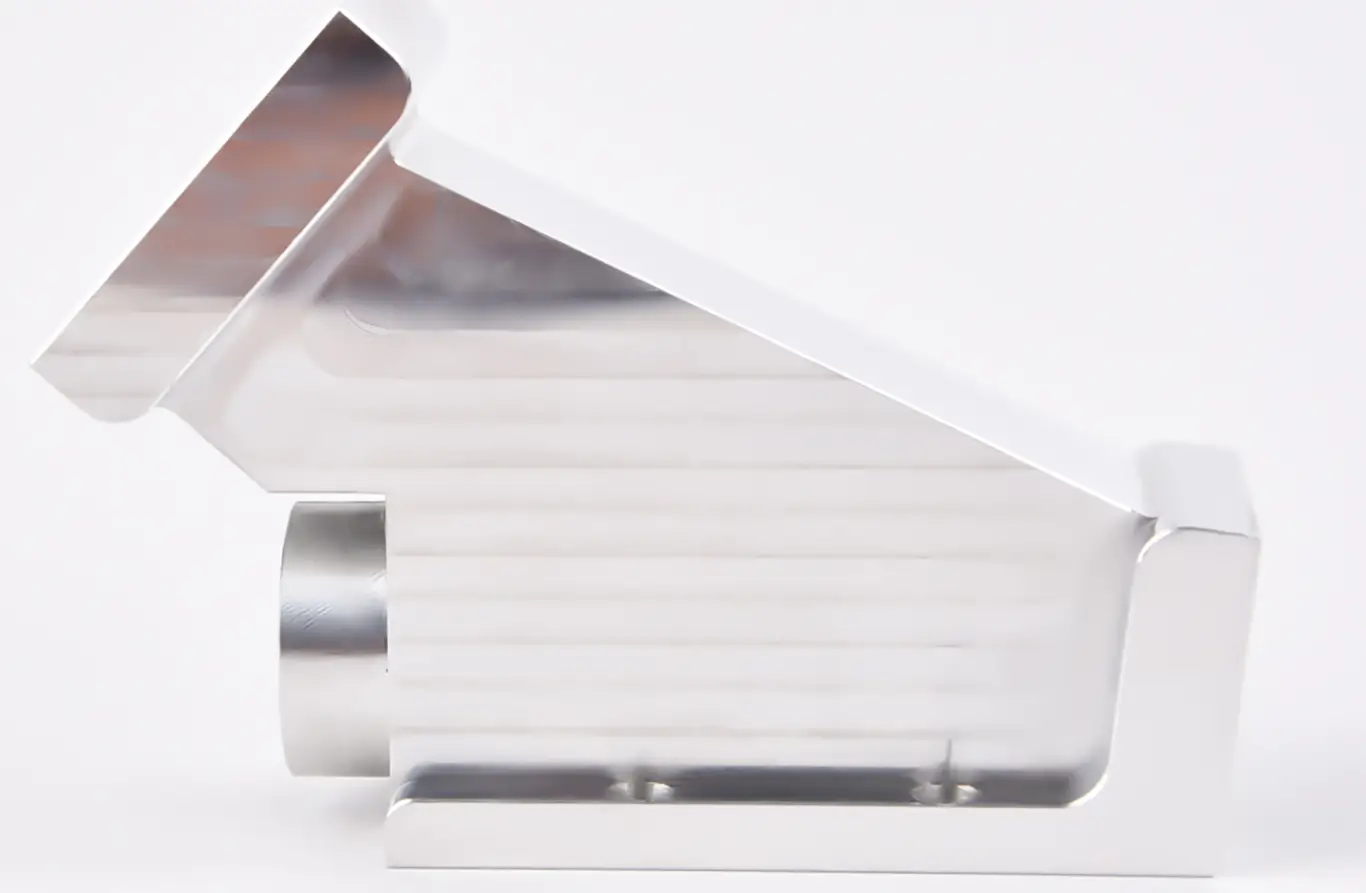
As-Machined
Standard finish, surface roughness of 3.2 μm (126 μin), removes sharp edges and deburs parts cleanly.
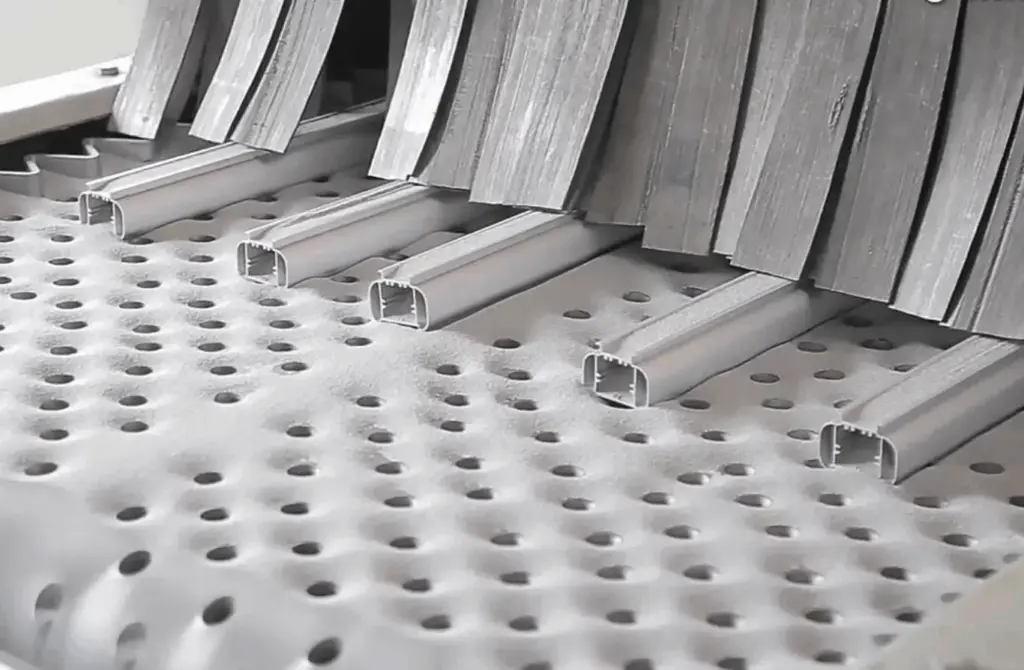
Sand Blasting
Forcefully aim the blasting media at the surface to remove coatings and impurities and increase adhesion.
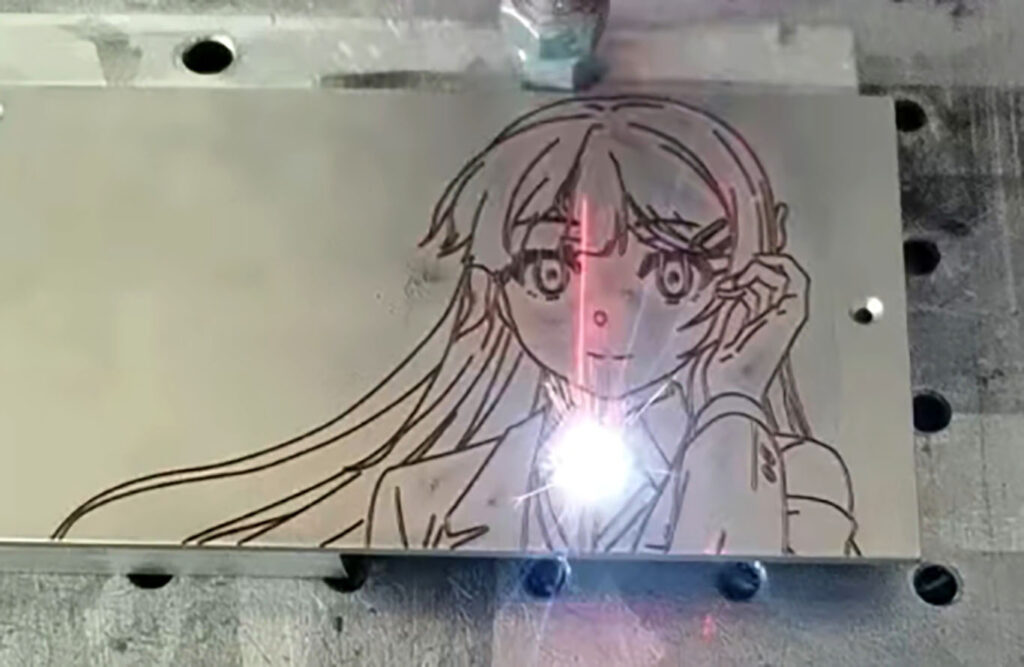
Laser Logo
Permanent marking on product surfaces via high-energy laser beams.
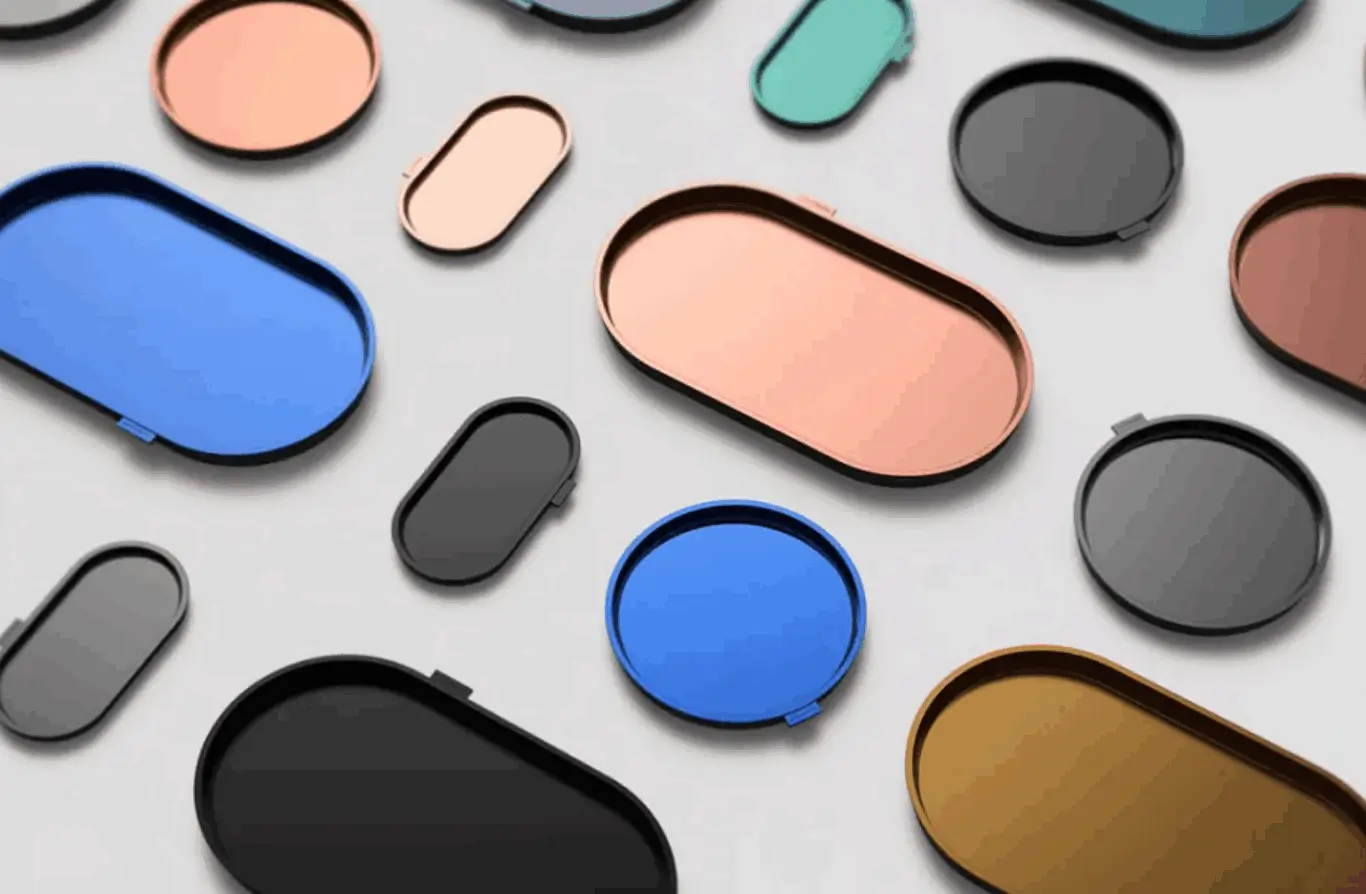
Anodizing
Electrochemical process that forms a durable, corrosion-resistant oxide layer on the surface of metals.
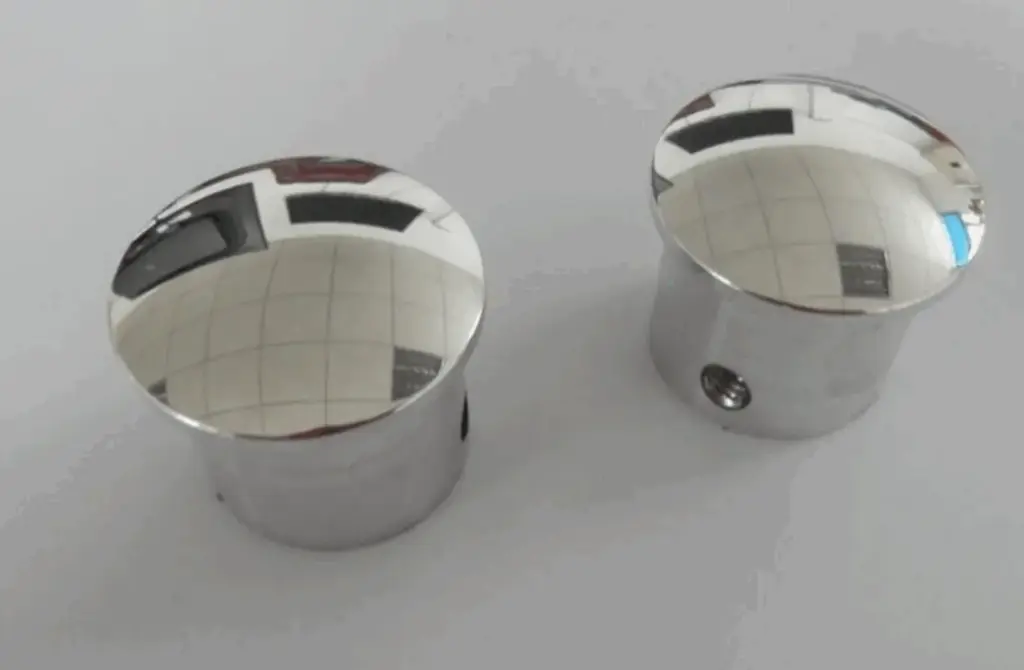
Polishing
The process eliminates micro-level unevenness on the material, creating a high-gloss, smooth-to-touch, and visually pure surface.
Electroplating
This technique uses an electrical current to facilitate the electrochemical deposition of metal ions from a solution, resulting in a uniform coating with excellent adhesion.
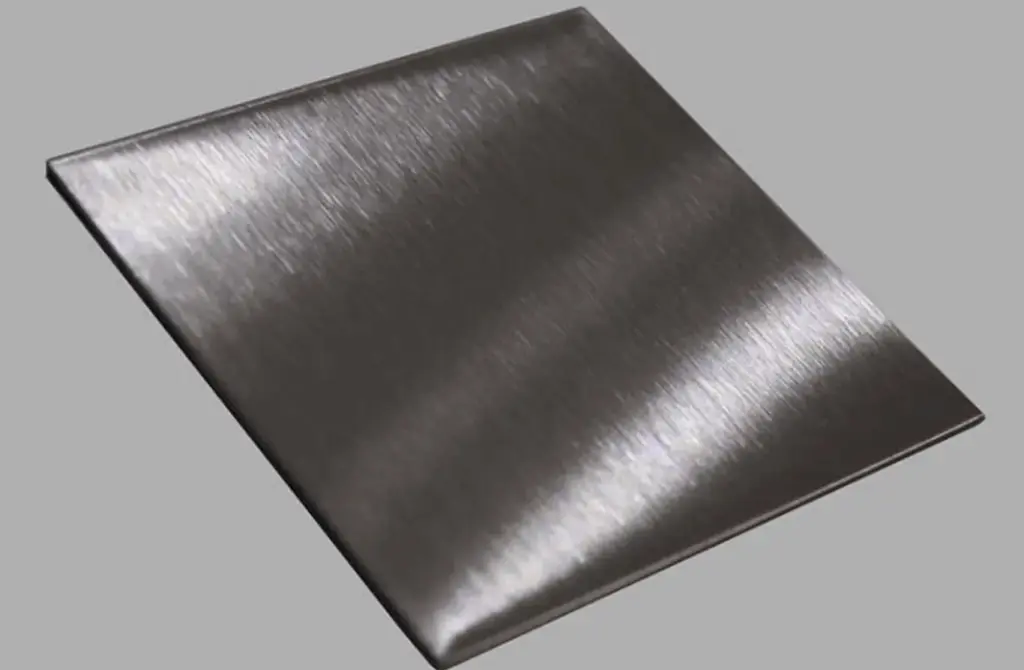
Brushing
Mechanical polishing that produces a unidirectional satin finish.
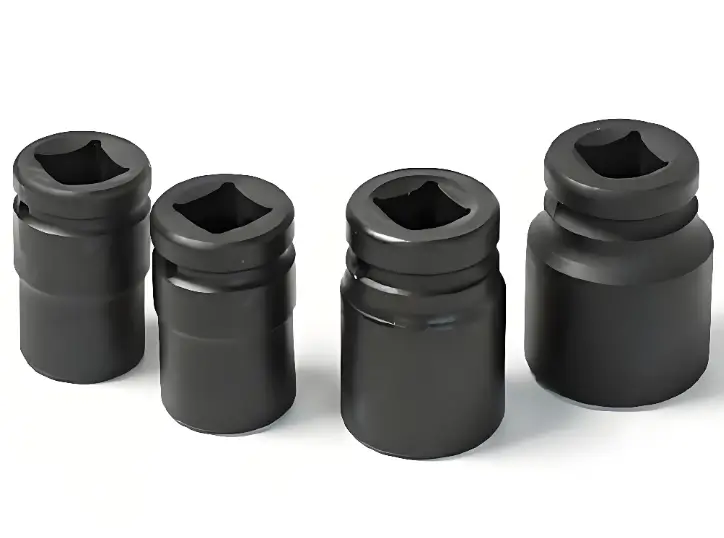
Black Oxide
Chemical bath that creates a black oxide coating on metal to improve corrosion resistance.
Passivation
Chemical treatment to enhance the corrosion resistance of metals by removing free iron from the surface.
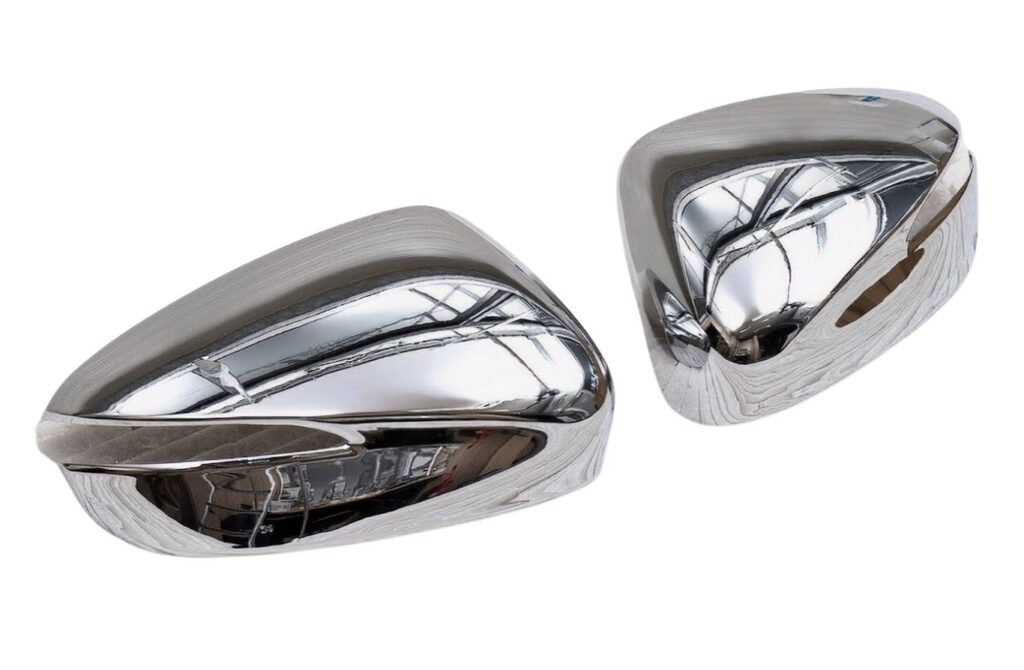
Chroming
A high-gloss, wear- and corrosion-resistant surface is achieved by applying a thin chrome layer onto metal or plastic substrates.
Powder Coating
It applies electrostatically charged powder to a surface, which is then heat-cured into a coating that is durable, protective, and decorative.
Electrophoretic Coating
Coating process using charged particles suspended in a solvent, typically for uniform finishes.
Real-World Surface Finishing Examples
Explore how MachMaster applies a wide range of surface finishes to improve the function and aesthetics of CNC-machined parts across aerospace, medical, electronics, and more.
powder coating
Sand blasted clear anodized
plastic sandblasting
Sandblasting + AF anti-fingerprint oil
chroming
Alodine
As Machined
SandBlasting
Nickel Plated Brass
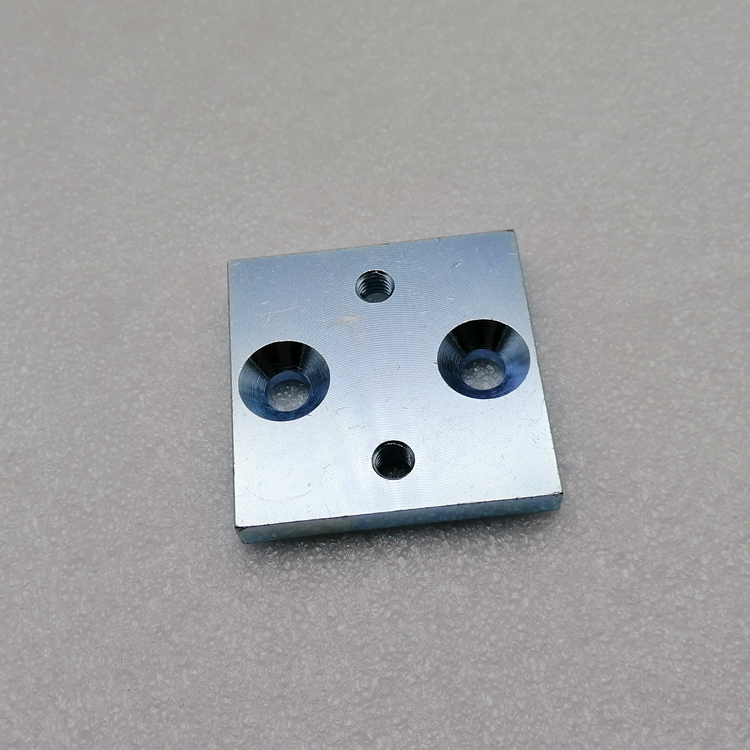
Galvanized steel
FAQ About Surface Finishing for CNC Parts
Will Surface Finishing Affect Part Tolerances?
Yes, but we take it into account. Each surface treatment process—such as anodizing, plating, or bead blasting—can slightly alter dimensions. We pre-adjust for this based on your specified tolerances to ensure all parts remain within ISO 2768 limits.
What Materials Support Surface Finishing? Can Plastics Be Finished Too?
Most metals like aluminum, stainless steel, brass, and copper support various finishes. Some engineering plastics such as ABS or PC can undergo painting or light coating, but results vary and require evaluation based on the end use.
Which Surface Finishes Are Available, and How Do I Choose?
We offer anodizing, powder coating, plating, bead blasting, brushing, polishing, and more. The right choice depends on your requirements—whether you prioritize wear resistance, corrosion protection, or cosmetic appeal. Our engineers are happy to assist with recommendations.
Does Surface Finishing Increase Lead Time?
Some finishes (e.g., hard anodizing or multi-step coatings) may add 1–3 days to production. However, our in-house coordination and trusted vendor network minimize delays and streamline delivery even for complex requirements.
How Do You Ensure Surface Consistency Across Batches?
All finished parts go through visual inspection for consistency in color, texture, gloss, and coverage. We follow AQL 2.5 standards and can provide samples or color swatches upon request for your approval.
Is Surface Finishing Included in the Quote?
Yes. All quotes are comprehensive and tailored to your drawing and spec—including surface finishing, QC, packaging, and delivery. No need to manage multiple suppliers—we handle everything in one place.
Explore More of Our Resources
Want to learn more? The following articles contain many valuable tips and information to provide you with further guidance: