
Consumer Electronics
Manufacturing
From Prototype to Production — Built for Speed, Precision, and Scale.
Electronic Hardware Manufacturing Capabilities
Our electronic enclosures feature high customization flexibility, lightweight construction, and excellent heat dissipation. With CNC machining, sheet metal fabrication, injection molding, and more, we deliver tailored manufacturing solutions based on your product’s technical requirements and design goals.
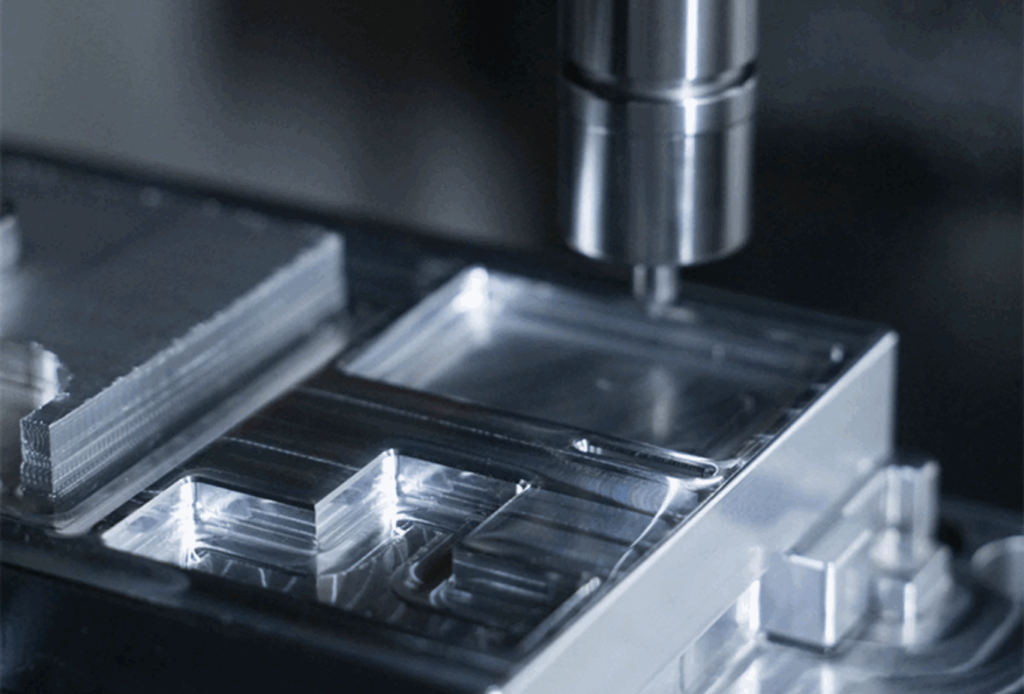
CNC Machining
Tight tolerances, fast turnaround, no tooling investment.
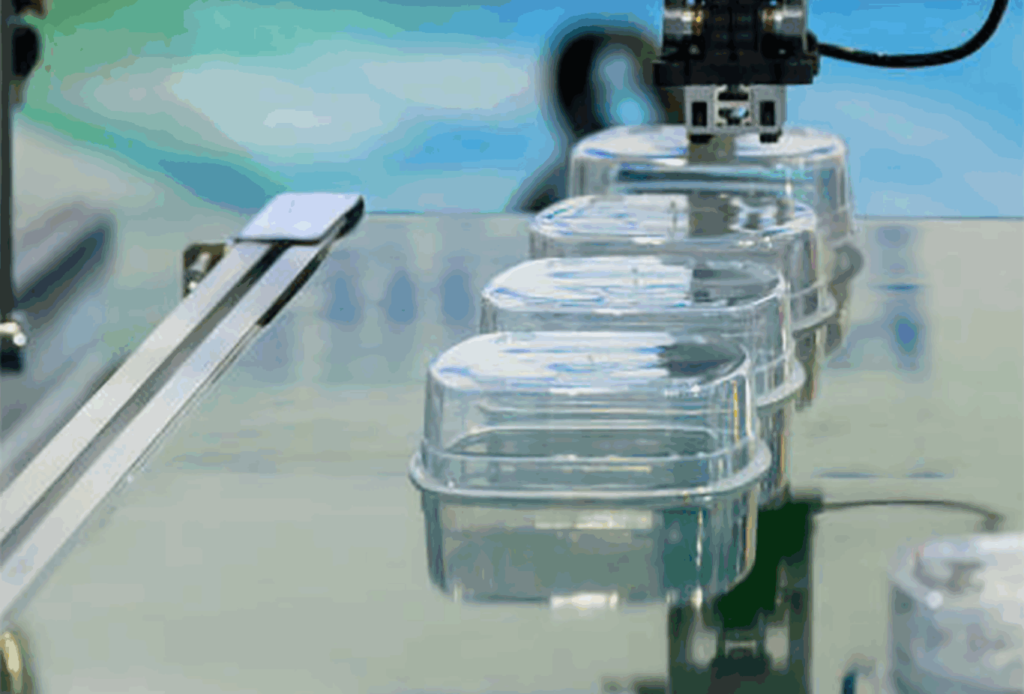
Injection Molding
Production-grade plastics, cosmetic finishes, consistent quality.
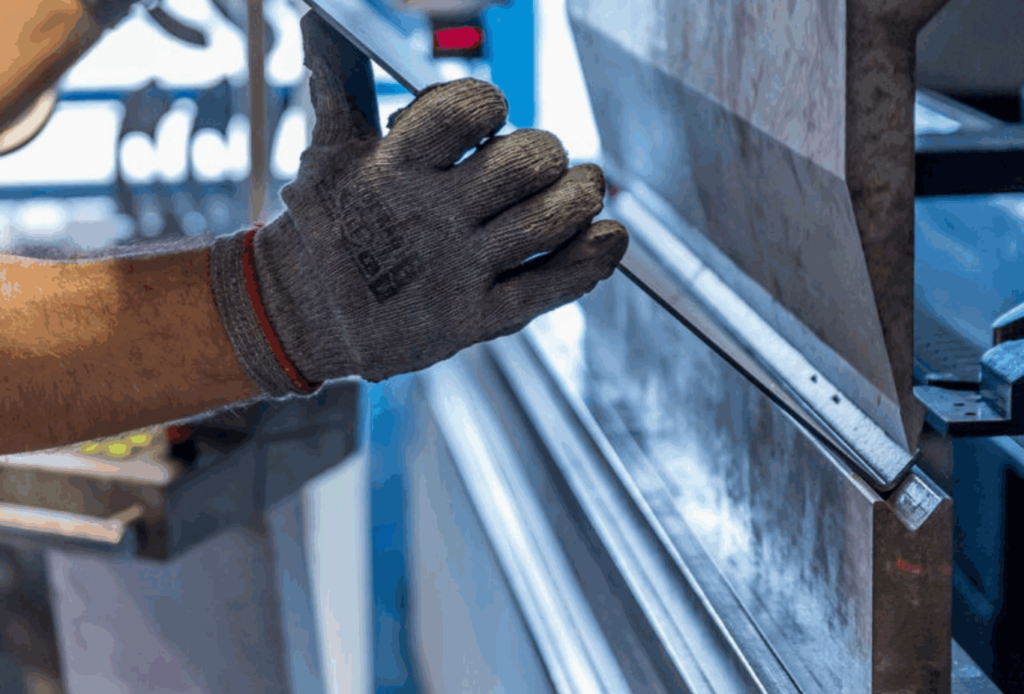
Sheet Metal Fabrication
Rugged enclosures, EMI/RFI shielding, cost-effective.
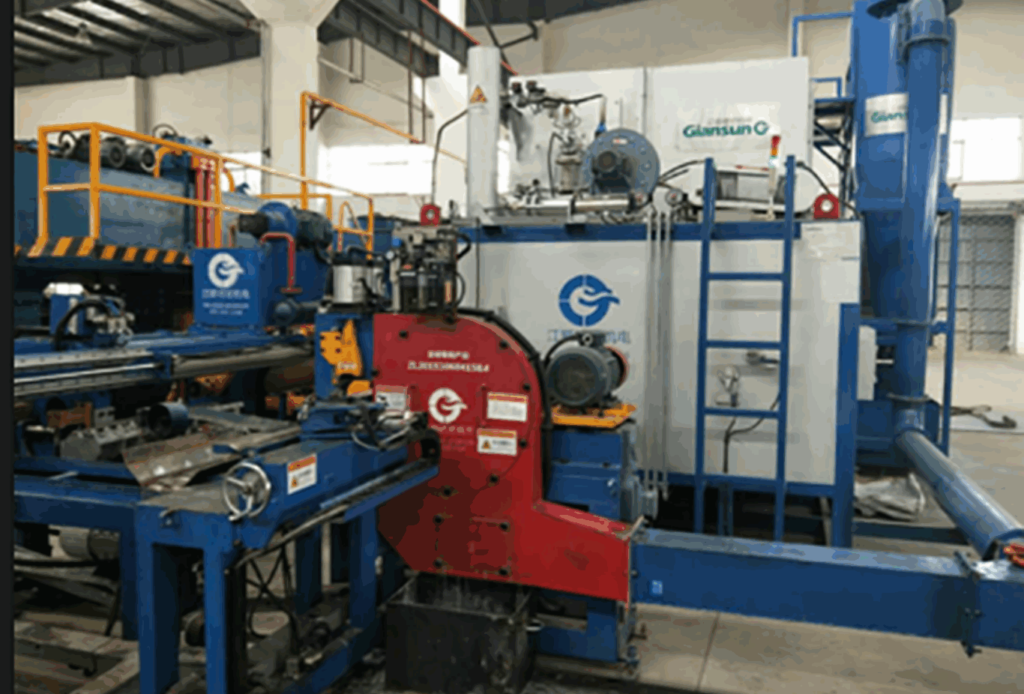
Die Casting
Lightweight, excellent thermal management, premium look.
Electronics Prototyping & Production
From first samples to batch delivery, we offer end-to-end support for fast, reliable electronic manufacturing.
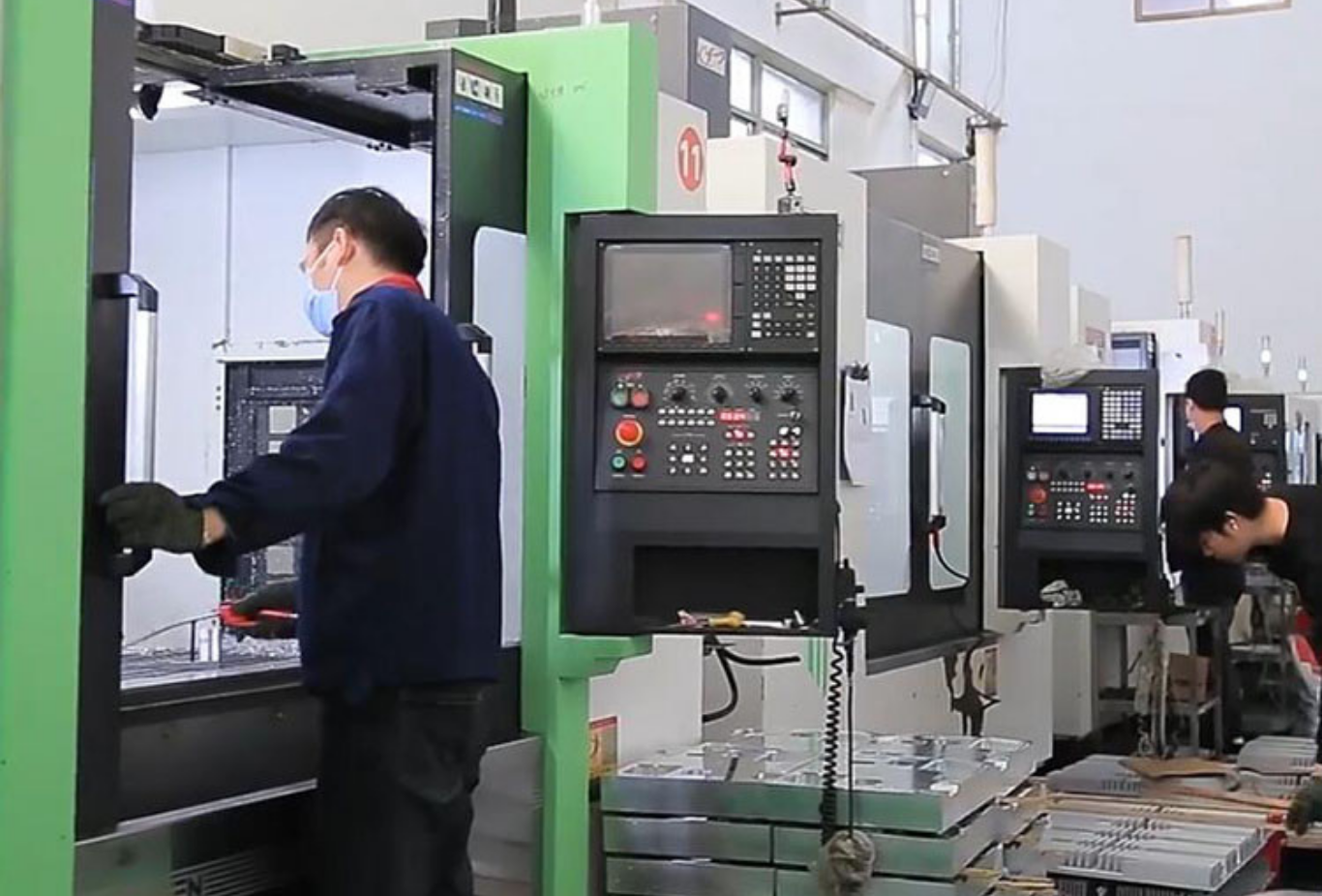
Prototyping
Functional prototypes are built to evaluate design accuracy, performance, and production feasibility—paving the way for streamlined validation and mass manufacturing.
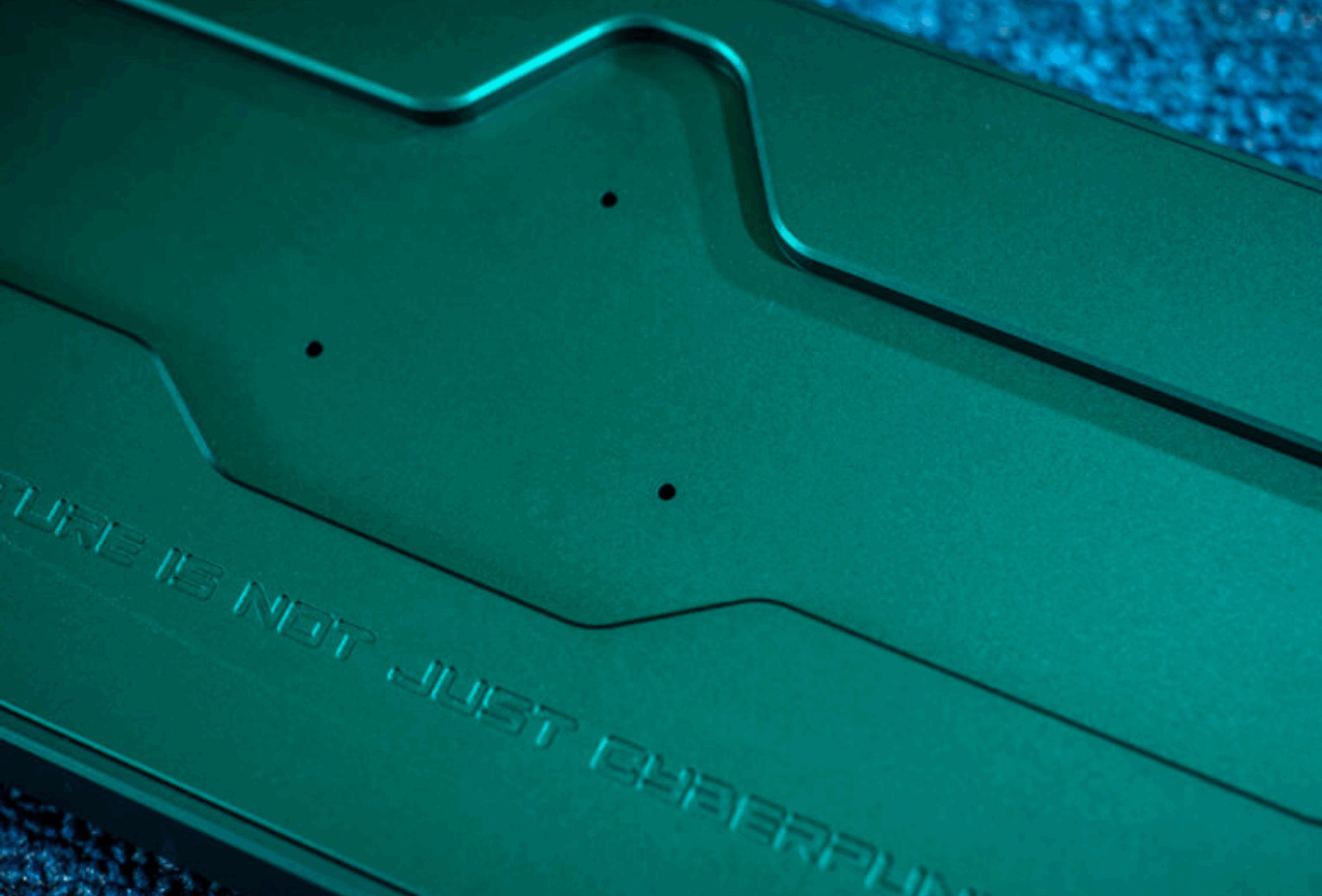
Prototype Testing
Samples are tested for surface finish, color, and dimensions, along with key physical and mechanical properties like hardness, tensile strength, and impact resistance.
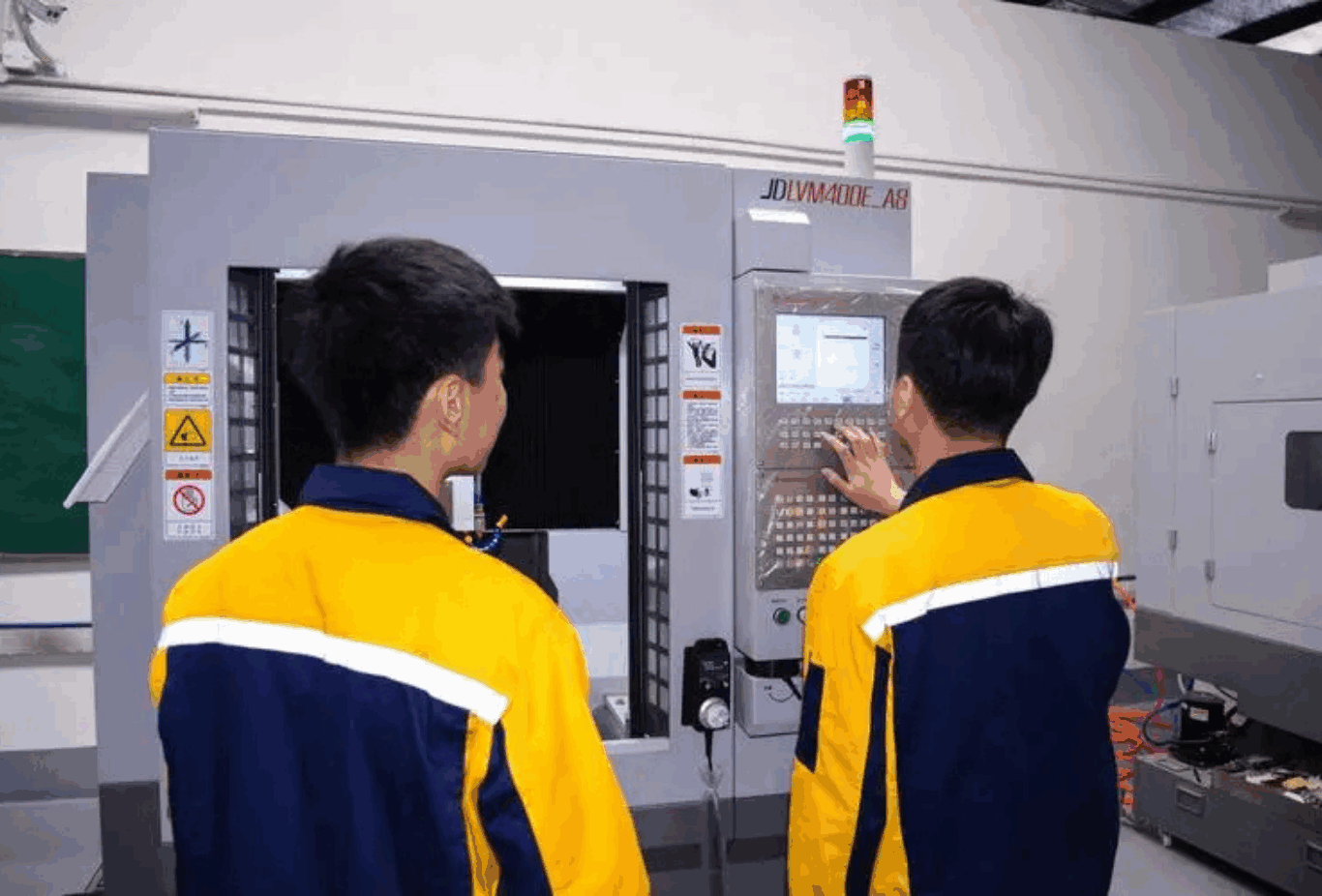
Production Validation
Production-grade testing ensures that workflows, specifications, and technical documentation align to deliver consistent quality before mass manufacturing.
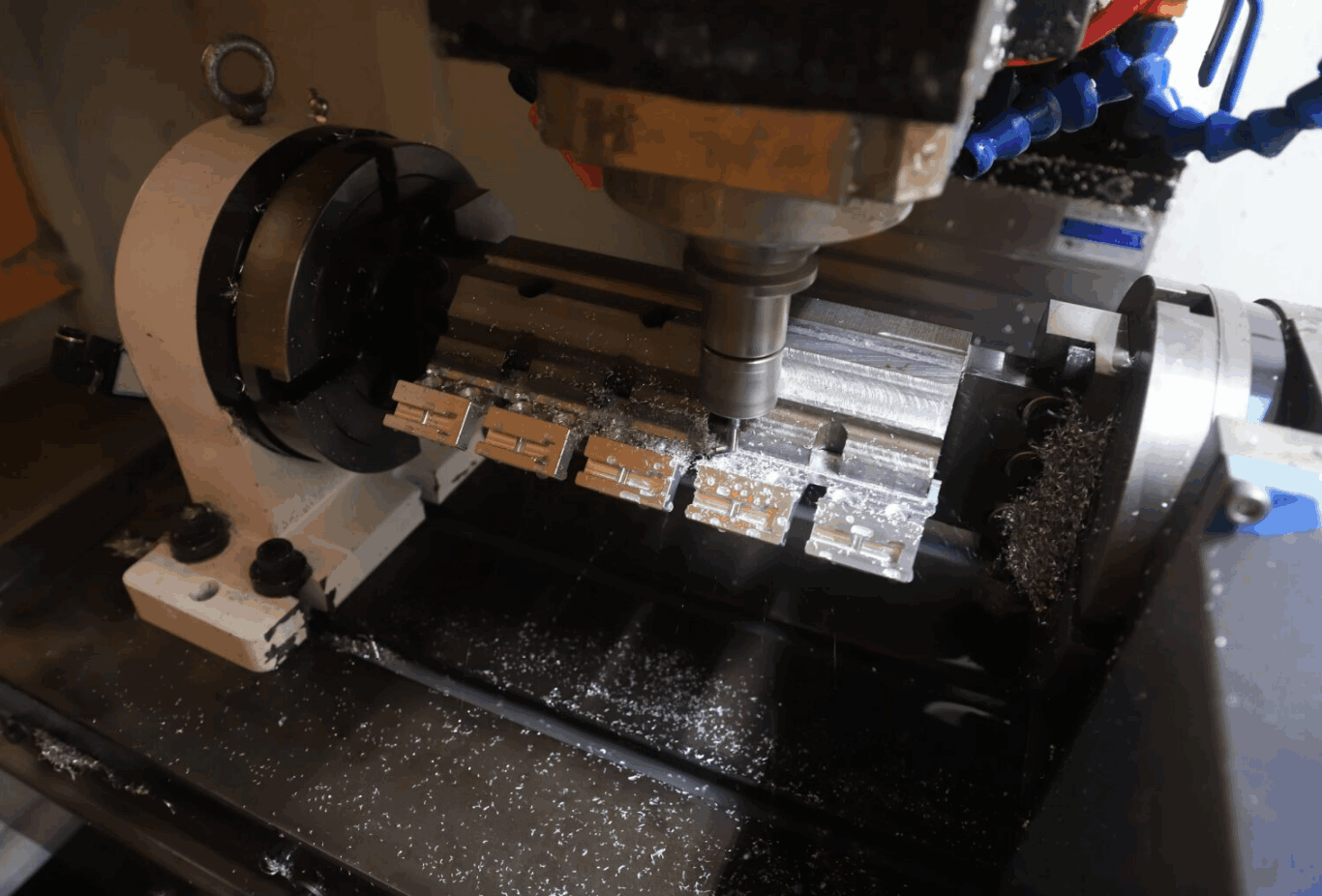
Mass Production
We scale your validated designs into full production with advanced manufacturing processes. Our team ensures every part meets quality standards, performance specs, and delivery timelines—at competitive cost.
Solution Details
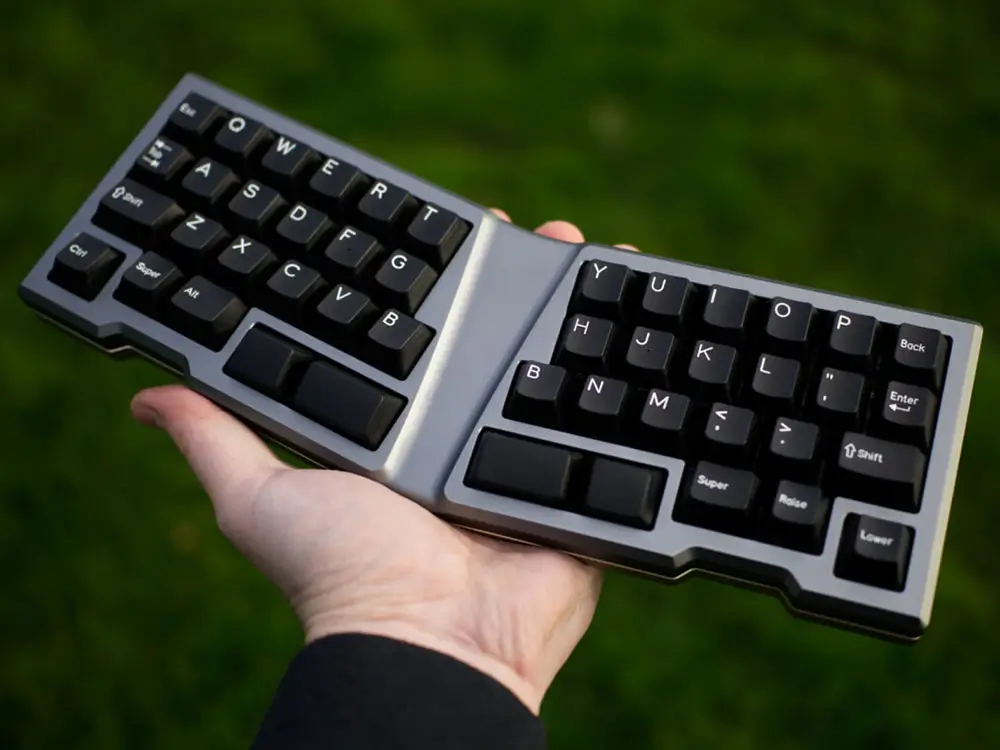
CNC machining bridges the gap between concept and production. For low‑volume electronic housings, it’s often the fastest path to market.
Applicable Scenarios
- Enclosures and housings (aluminum, stainless steel, ABS, polycarbonate)
- Internal brackets and mounting plates
- Heat sinks and thermal management components
- Buttons, knobs, and user interface elements
- Test fixtures and assembly jigs
Why choose this process?
- No tooling investment — perfect for prototyping and low‑volume runs
- Tight tolerances down to ±0.001 in — mating parts fit every time
- Wide material range — from lightweight aluminum to engineering plastics
- Fast turnaround — parts ready in days
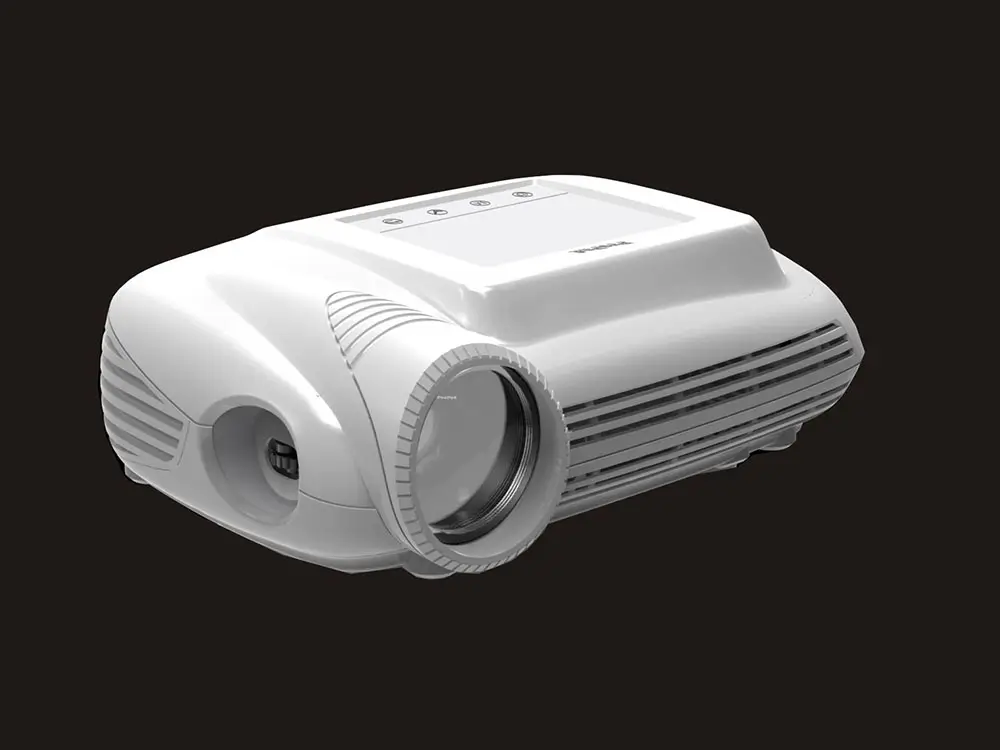
Speaker housings, gadget cases, and electronic enclosures need strong structures and clean finishes. Molding delivers both performance and aesthetics.
Applicable Scenarios
- Device enclosures and cases
- Battery covers and access panels
- Internal structural components
- Overmolded grips and soft‑touch surfaces
- Connector housings and cable management parts
Why choose this process?
- Production‑grade materials — ABS, PC, PC/ABS, nylon, TPU
- Cosmetic‑quality surfaces — mold‑in textures, logos, class‑A finishes
- Consistency across thousands of parts — every part matches the first
- Overmolding & insert molding — combine rigid and soft materials in one shot
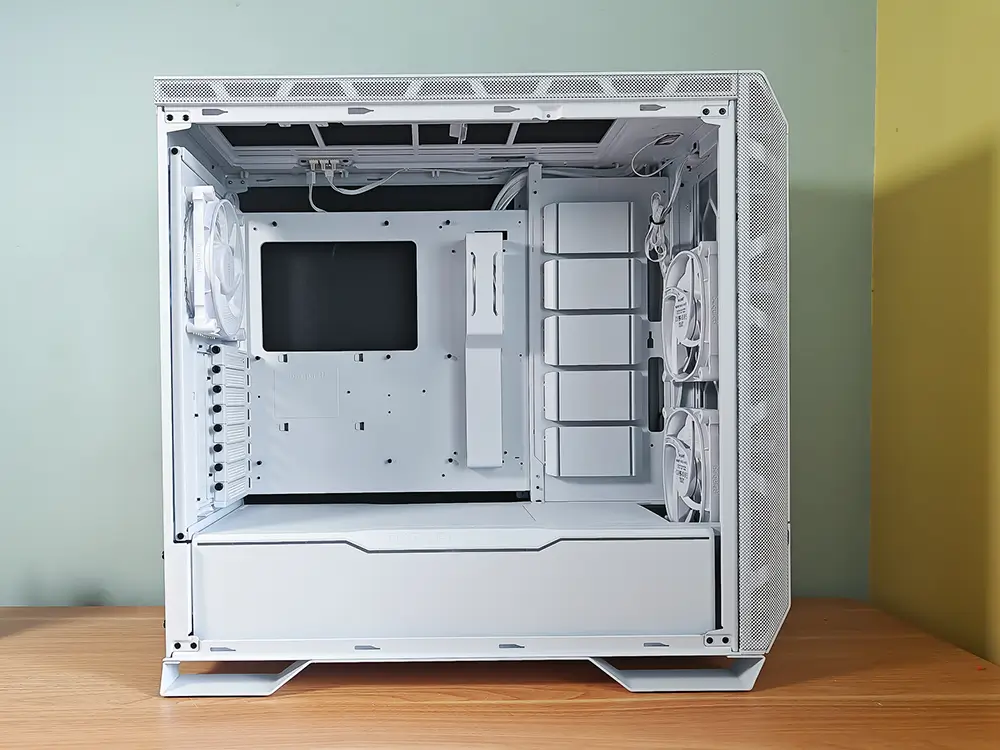
Sheet metal enclosures provide support, protection, heat dissipation, and electromagnetic shielding — all in one package.
Applicable Scenarios
- Rack‑mount enclosures and chassis
- Internal mounting brackets and support frames
- Heat shields and thermal barriers
- Front panels and faceplates
- Industrial control boxes
Why choose this process?
- EMI/RFI shielding — helps meet FCC and CE compliance
- Structural strength — handles higher impact and temperature loads
- Cost‑effective at medium volumes — no tooling required
- Flexible finishing — powder coating, anodizing, or bare metal
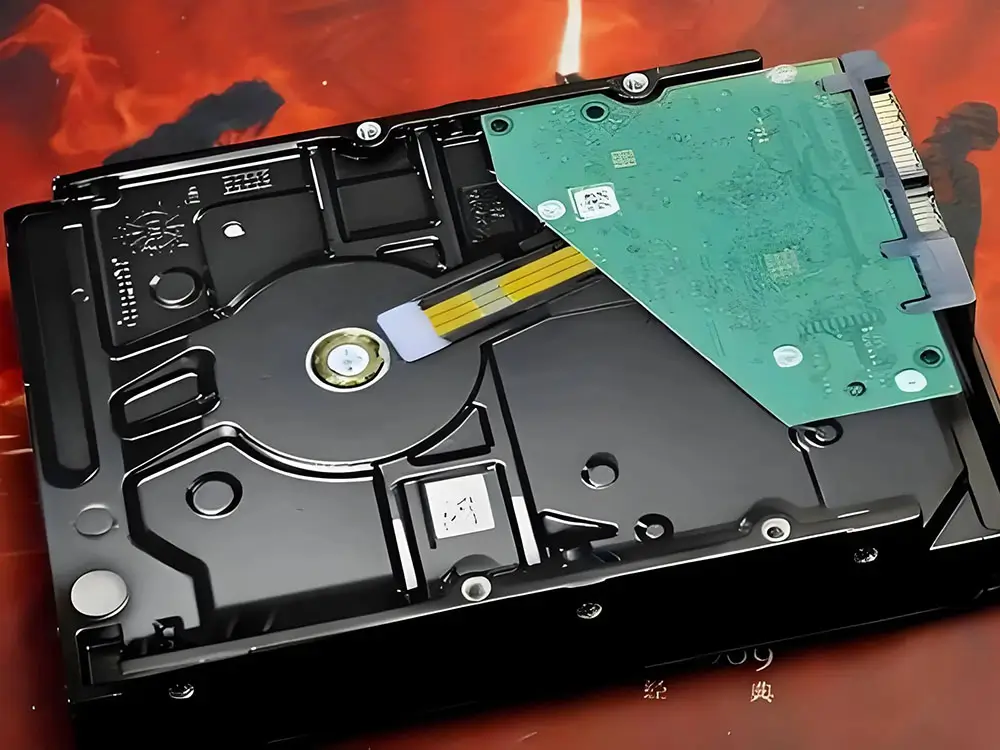
Aluminum die casting delivers lightweight, thermally efficient, and visually appealing housings that meet the evolving demands of consumer electronics.
Applicable Scenarios
- Unibody enclosures for portable devices
- Heat sink housings for power electronics
- Structural mid‑frames and chassis components
- Connector shells and shielding cans
- LED lighting housings
Why choose this process?
- Superior thermal management — aluminum dissipates heat 2.3x faster than plastic
- Ultra‑thin walls possible — down to 0.6mm keeps devices slim
- EMI/RFI protection — inherent electromagnetic shielding
- Integrated features — cast in mounting bosses, fins, and complex geometries
- Premium look and feel — seamless, high‑quality finish
Industry Applications
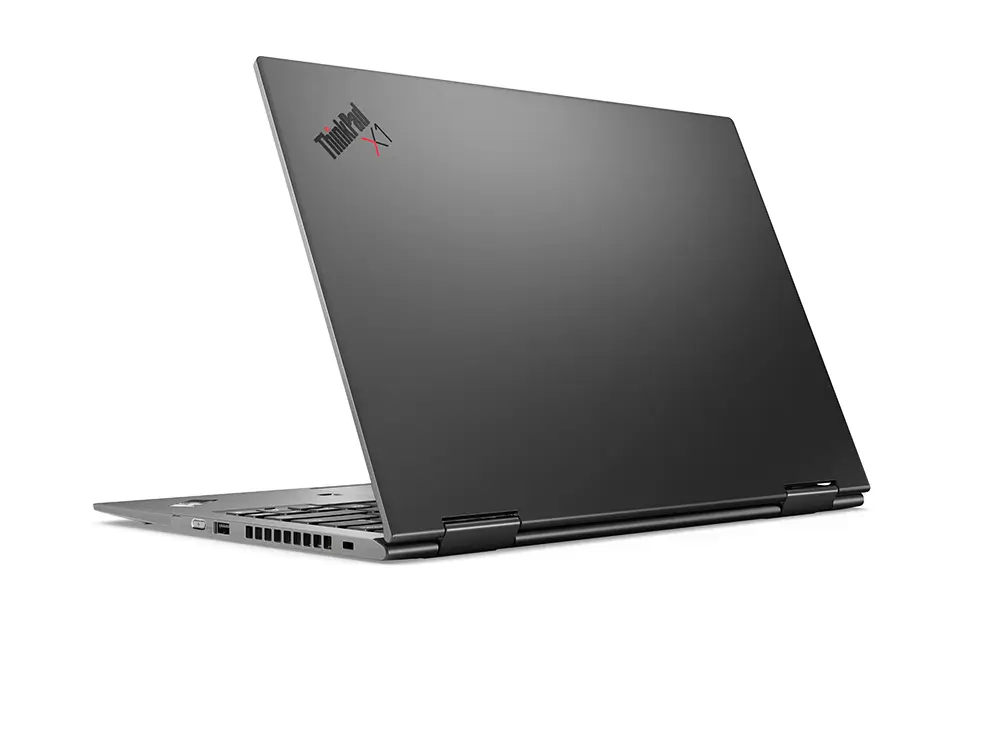
- Laptop Housings
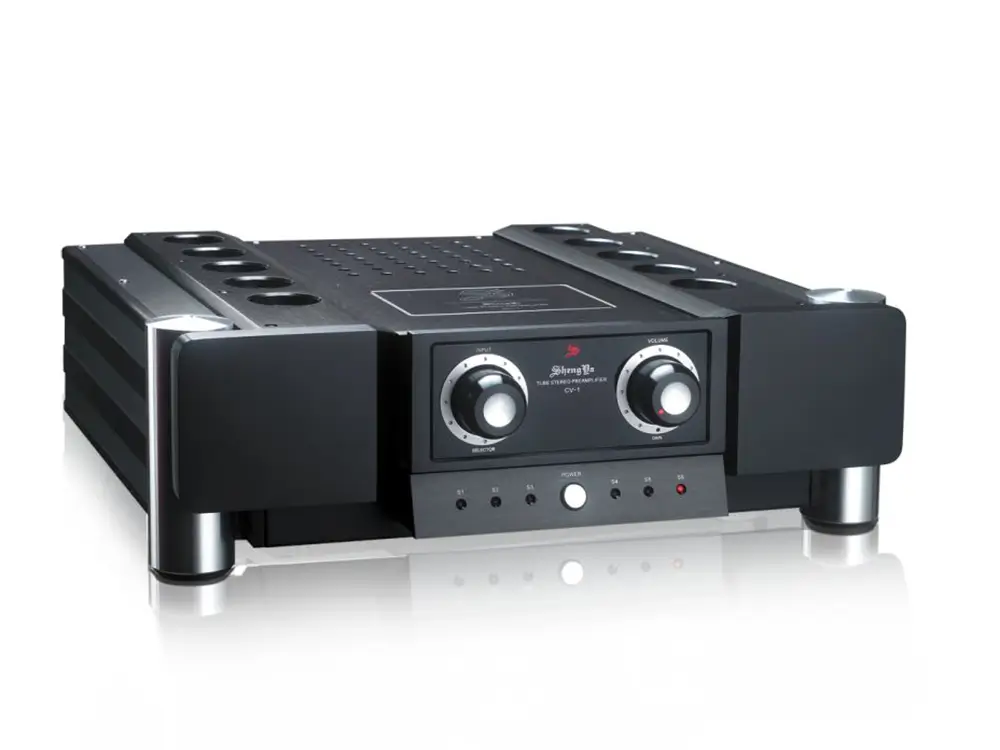
- Audio Equipment
- Gaming Controllers
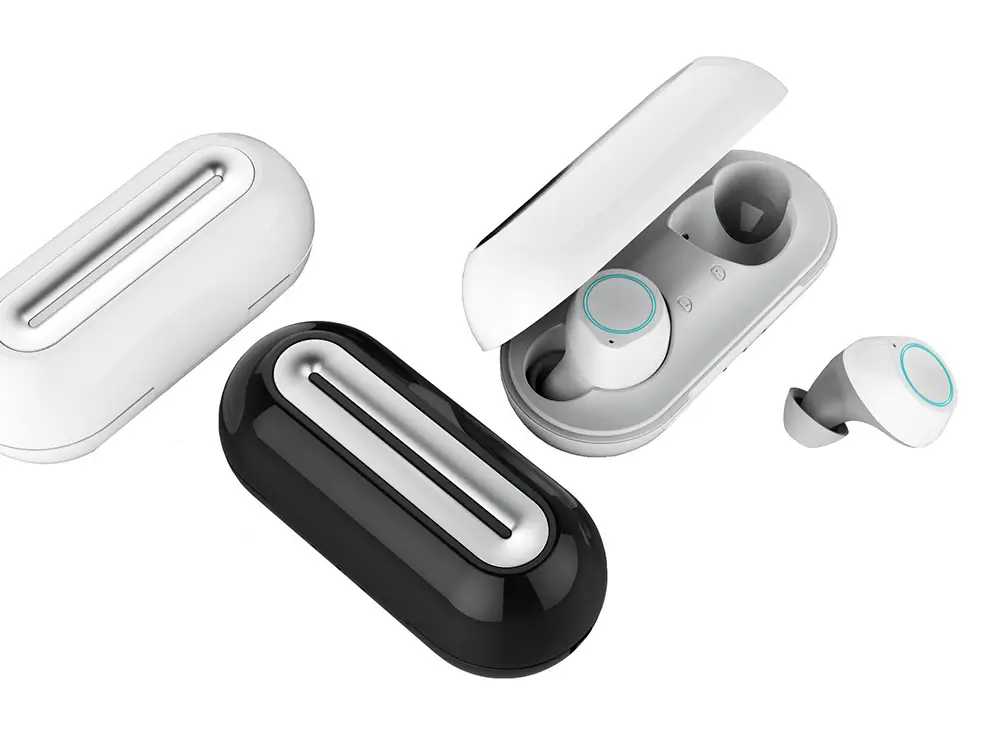
- Wireless Earbuds
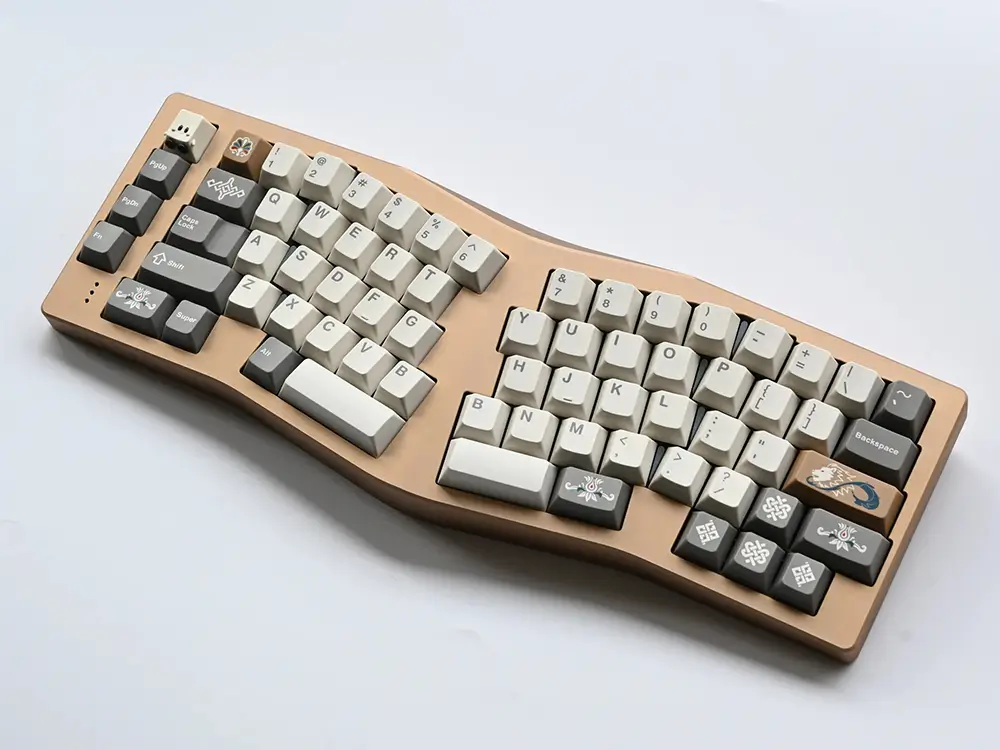
- Keyboard
- Smartwatches
- LED Lighting
- IoT Sensors


Design Tips
CNC Machining
- Avoid deep, narrow cavities — use the largest possible end mill
- Add radii to internal corners — sharp 90° corners require EDM or hand finishing
- Keep wall thickness consistent — prevents warping and stress
Injection Molding
- Maintain uniform wall thickness — sudden changes cause sink marks
- Add draft angles (1-2° minimum) — helps parts release cleanly
- se generous radii at corners — reduces stress and improves material flow
Sheet Metal Fabrication
- Design with standard tooling in mind — hole diameters, bend radii, flange lengths
- Keep bend reliefs — small notches prevent tearing at corners
- Consider assembly early — self‑clinching nuts and standoffs can be installed during fabrication
Aluminum Die Casting
- Design with draft (1-3°) — helps part ejection
- Avoid sharp corners — radii reduce stress and improve die life
- Plan for parting lines and ejector pins — they leave witness marks
FAQ
What production volumes do you support?
CNC machined prototypes: 3-5 days. Injection molding tooling: 2-4 weeks. Sheet metal and die casting parts: 2-3 weeks depending on complexity. Expedited options available.
What‘s the typical lead time for consumer electronics parts?
CNC machined prototypes: 3-5 days. Injection molding tooling: 2-4 weeks. Sheet metal and die casting parts: 2-3 weeks depending on complexity. Expedited options available.
Do you offer surface finishing and assembly?
Yes. We provide anodizing, powder coating, plating, polishing, and painting. We can also do sub‑assembly and packaging if needed.
How do I get a quote?
Simply upload your CAD file (STEP, IGES, STL, or X_T) through our website. We’ll review your design and get back to you with a firm quote within 24 hours.
What file formats do you accept?
We accept STEP (.stp), IGES (.igs), STL (.stl), Parasolid (.x_t), SolidWorks (.sldprt), and AutoCAD (.dwg). STEP format is preferred.