
Custom Tooling & Mold Manufacturing in china
Custom Injection Mold Tooling Services
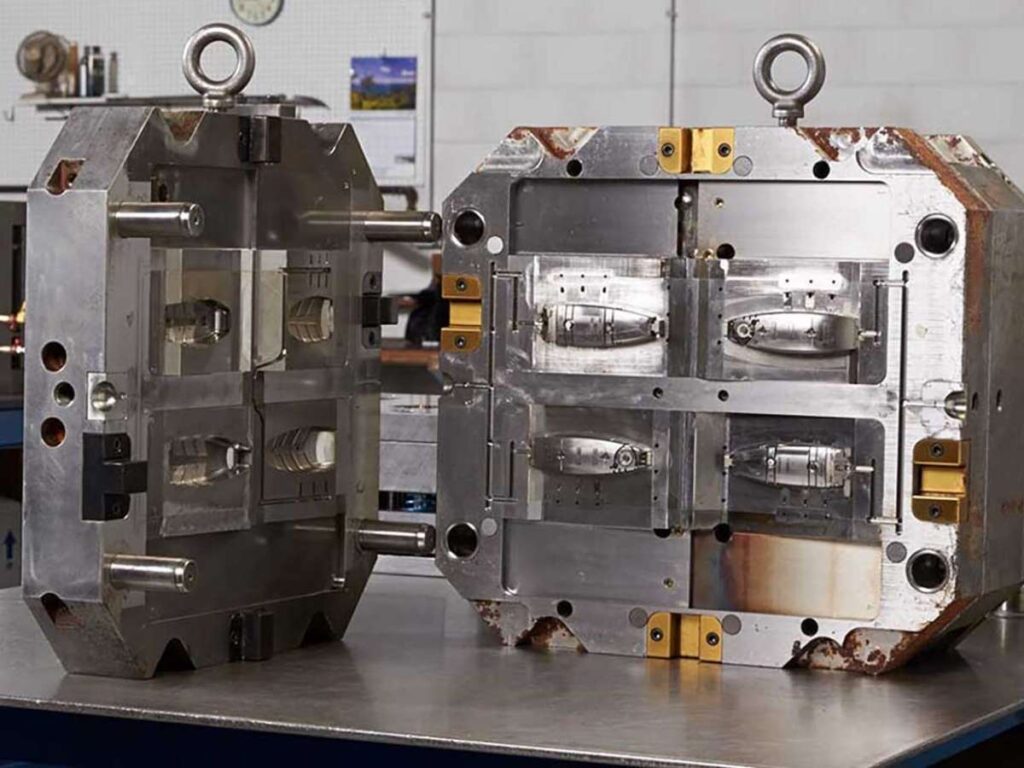
Machmaster manufactures custom injection molds for prototype development and production projects. With in-house CNC machining and our own injection molding workshop, we support your project from mold development to molded parts.
8+
In-house molding machines
90–500T
Clamping Force Range
20 Years
Manufacturing experience
ISO 9001
Quality management
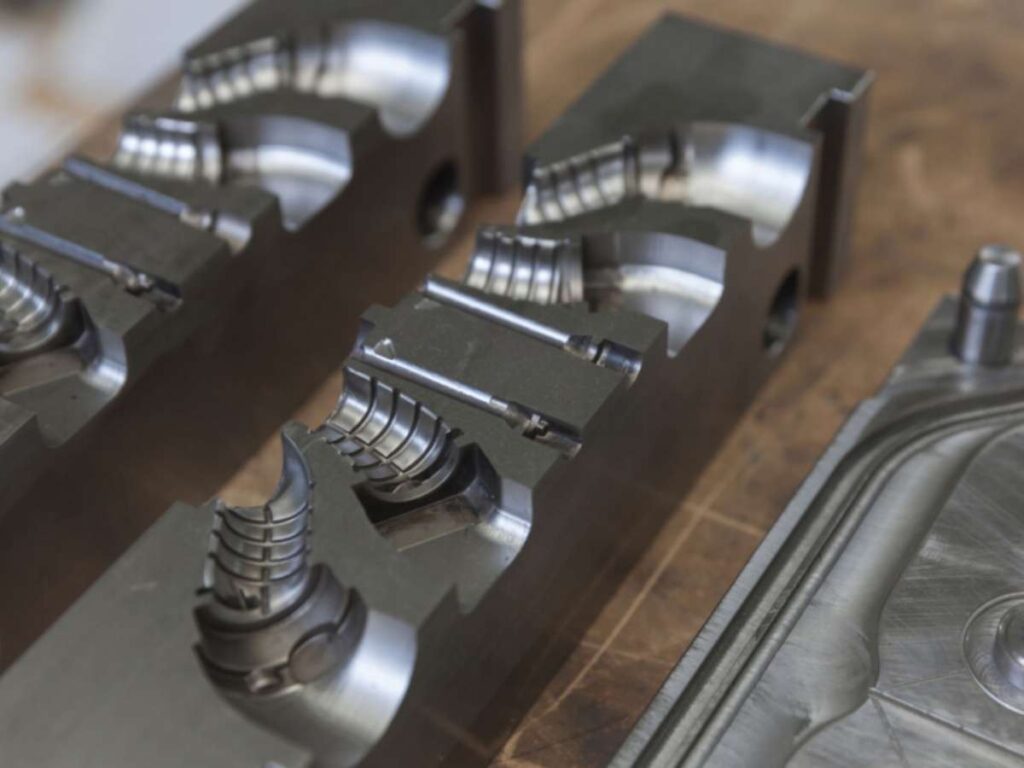
Mold Manufacturing
From Mold Design Review to CNC Machining
We manufacture custom injection molds based on your part geometry, plastic material, production quantity, and tooling requirements.
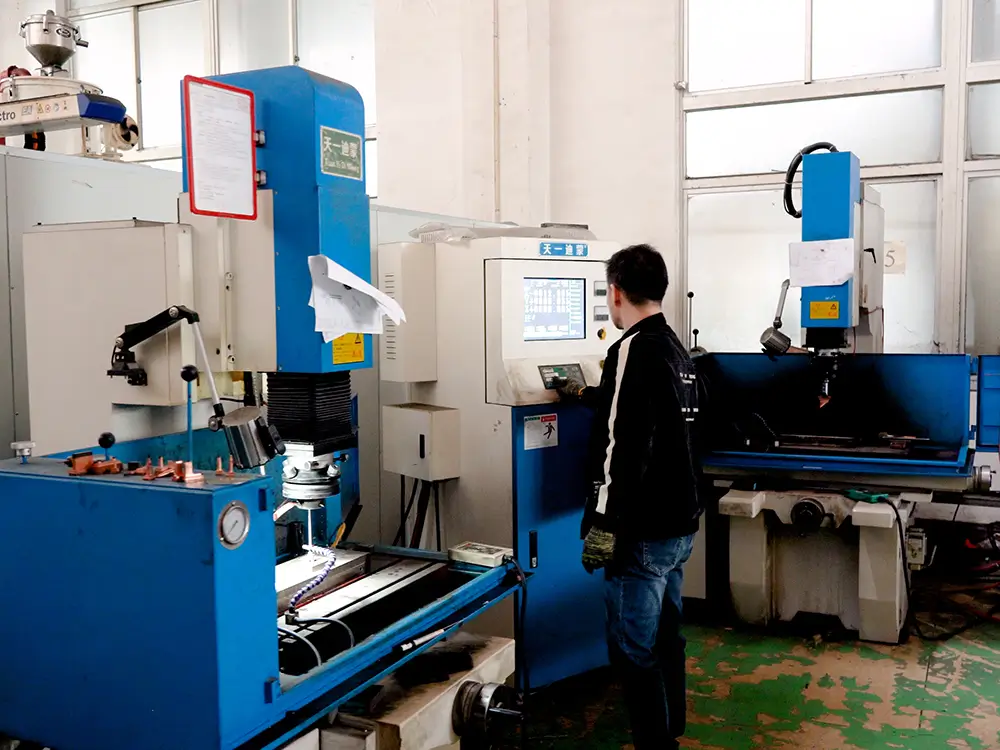
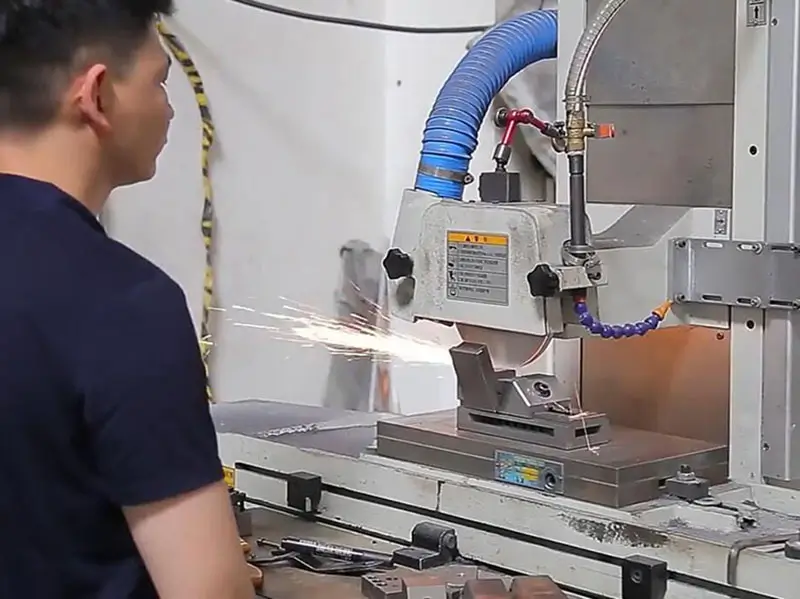
Our own CNC machining equipment is used to machine mold components and support key tooling operations. We coordinate mold assembly, sampling, and any project-specific finishing needed to prepare the mold for production.
Whether you are developing a new plastic component or preparing tooling for repeat production, our team can review your design and discuss a suitable manufacturing approach.
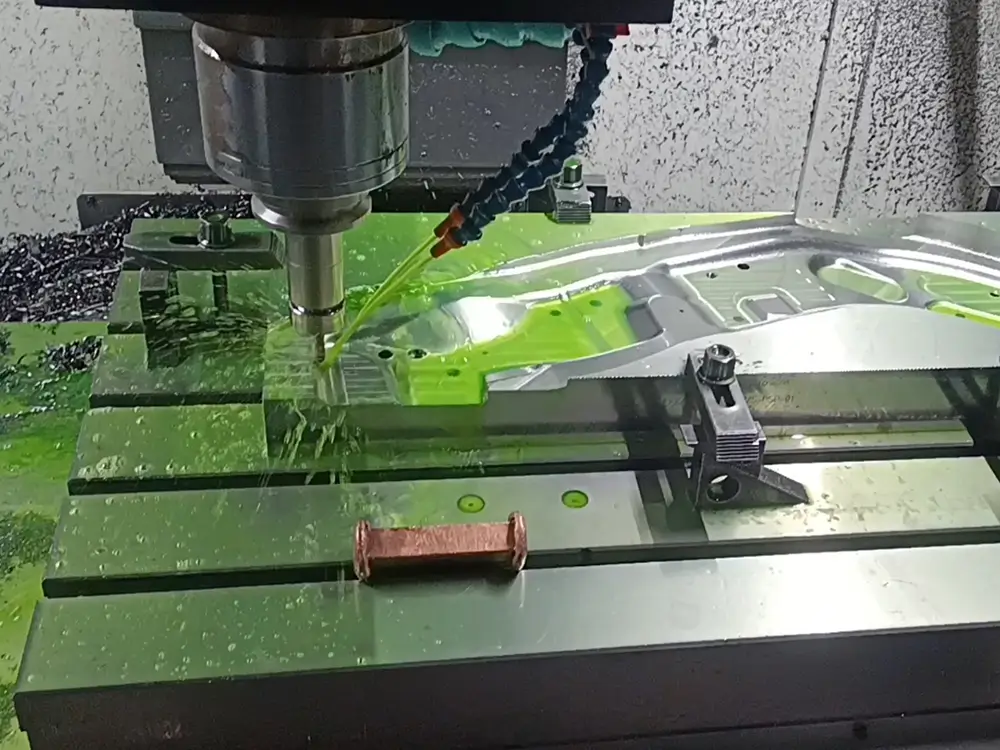
CNC Mold Machining
Machining of mold components using our own CNC equipment, with direct involvement in manufacturing progress and quality checks.
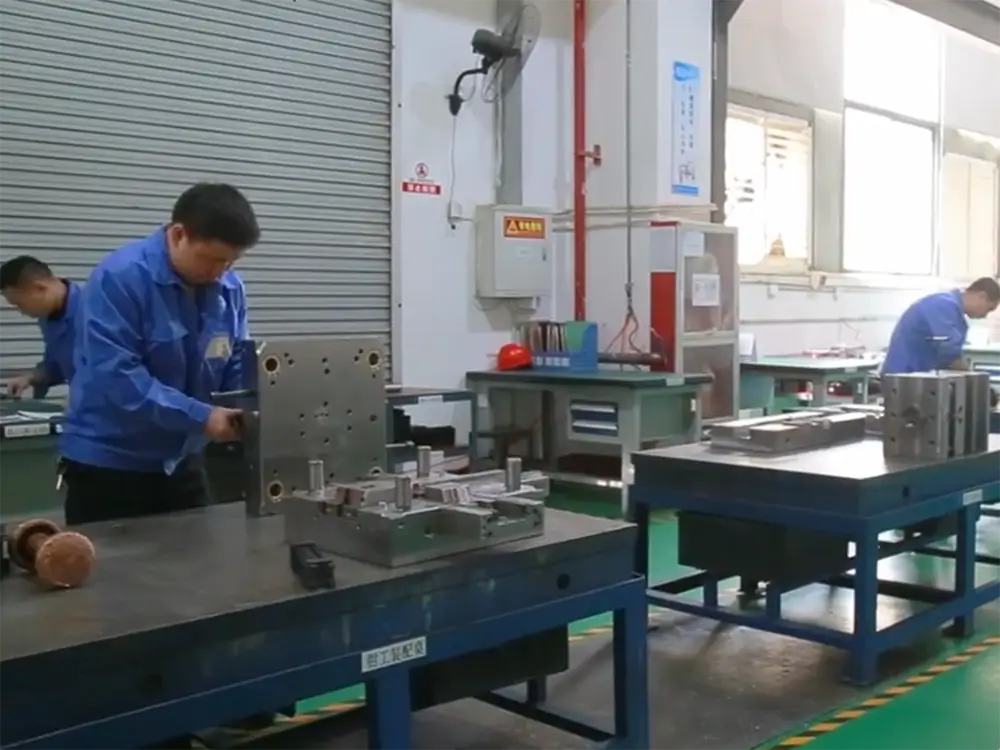
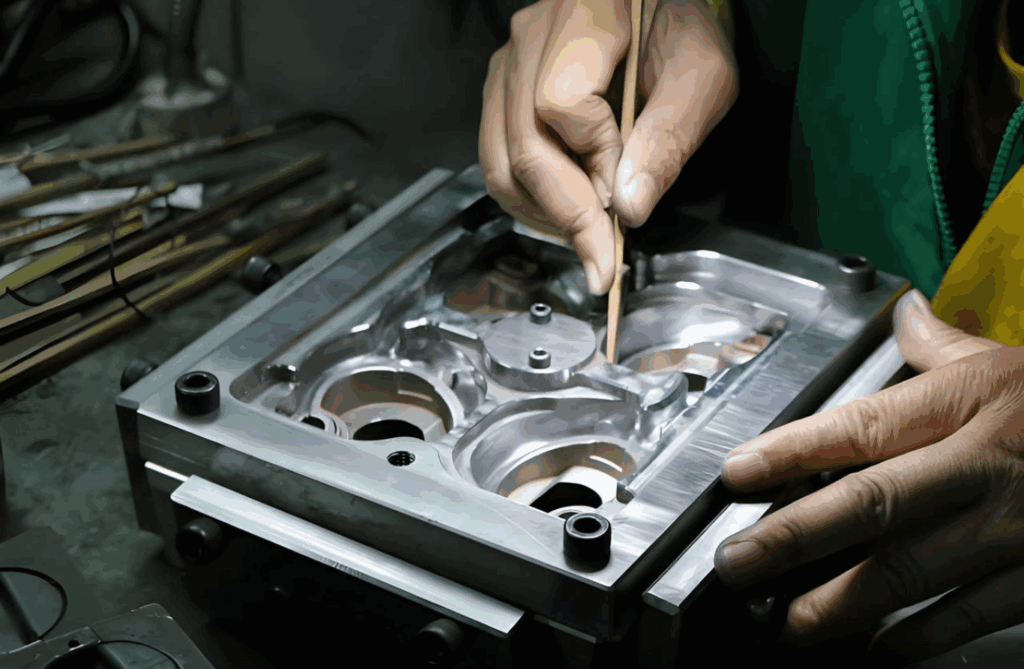
Mold Assembly & Sampling
Coordinate mold assembly and initial molding trials, then review samples against the agreed project requirements.
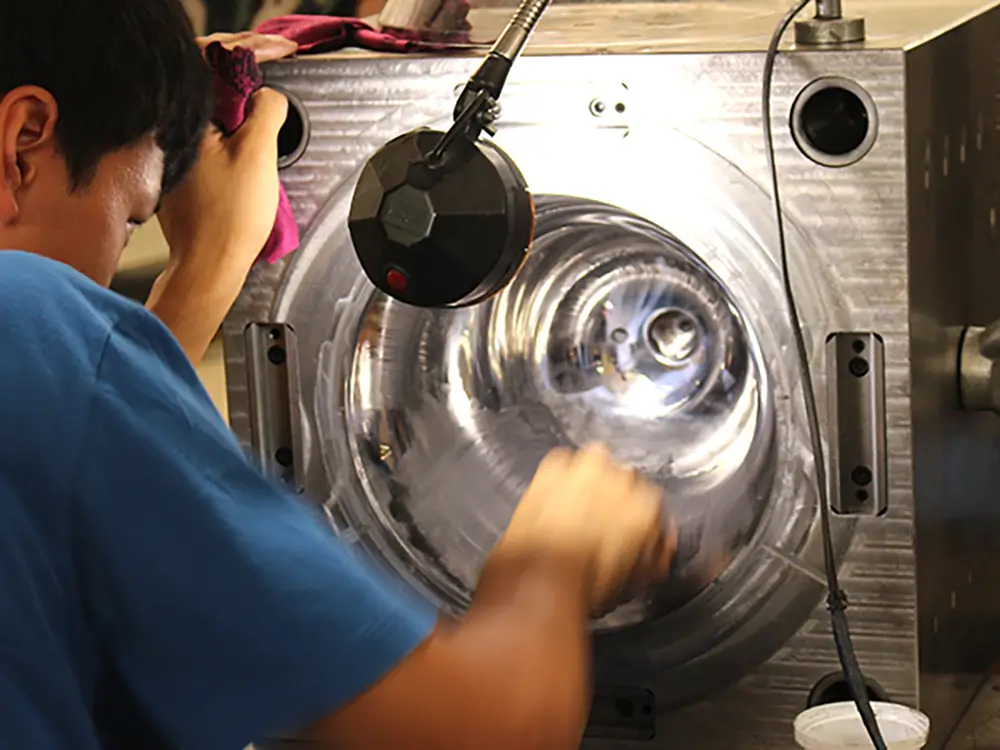
Specialized Mold Finishing
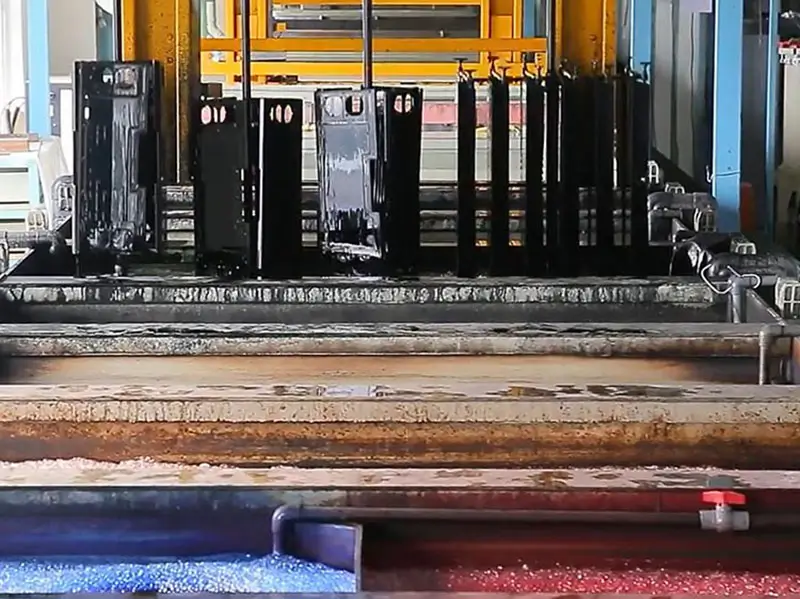
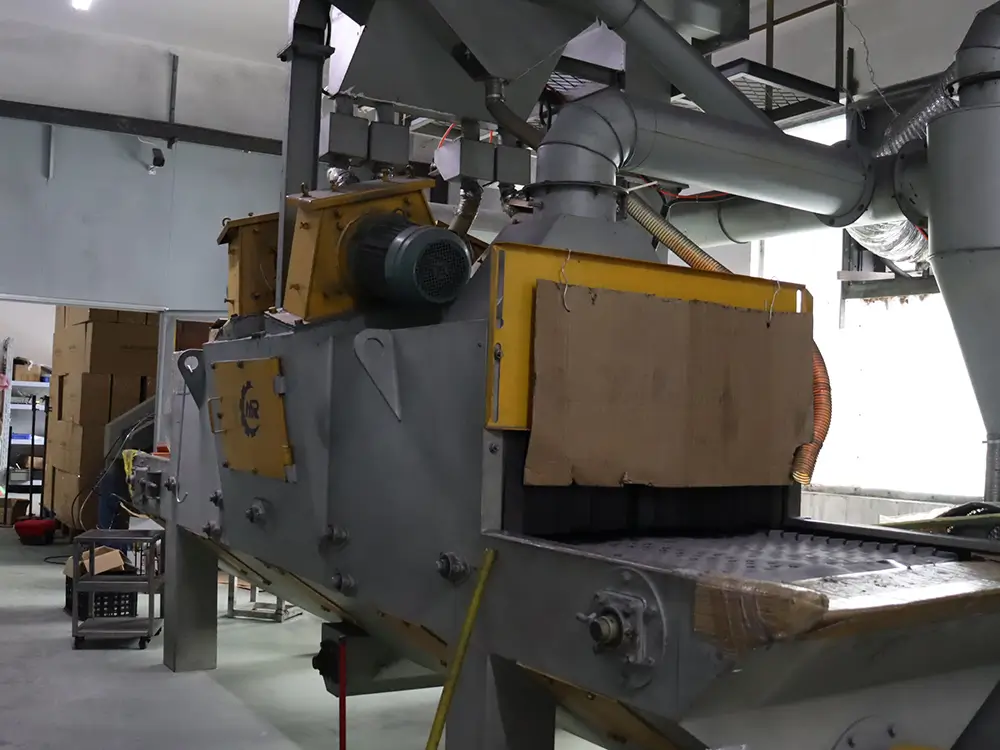
Arrange project-specific mold-core finishes, including mirror polishing and texturing, when required.
Tooling Options
Injection Molds for Different Part Requirements
Tooling structure depends on part design, material, production volume, and the required molding process. We review these factors before recommending a mold configuration.
Choosing the Right Tooling Approach
We consider your project requirements before recommending a tooling solution.
Part Geometry
Shape, wall thickness, undercuts, and functional features.
Material Requirements
Resin type, shrinkage, wear, and surface finish.
Production Expectations
Initial quantity, repeat orders, and expected mold life.
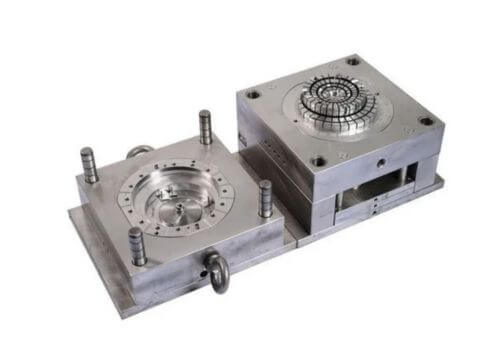
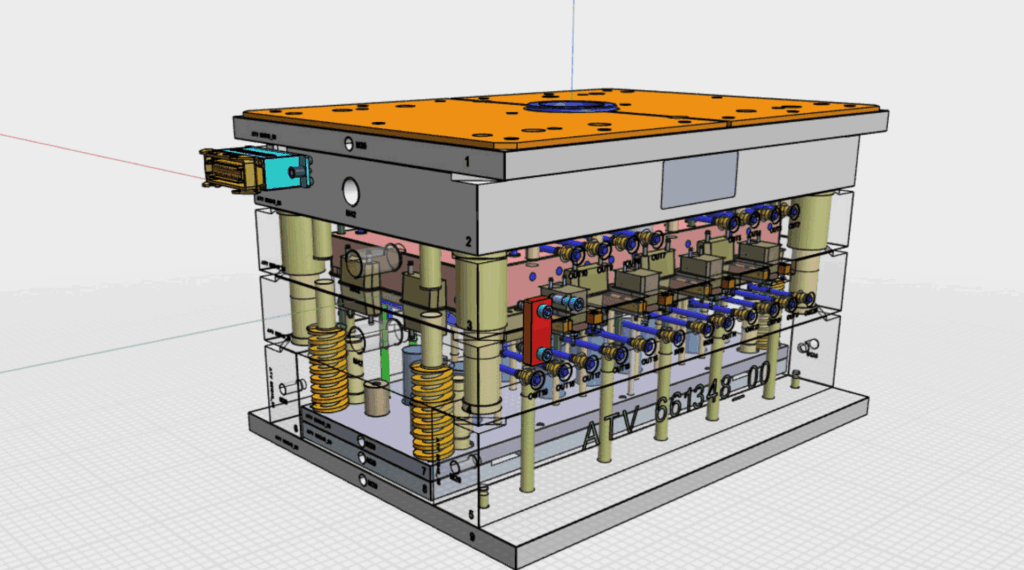
Single-cavity and multi-cavity molds
Ideal for low-volume production and prototype validation, our single cavity molds provide consistent quality and tight control over part dimensions—great for cost-conscious custom projects.
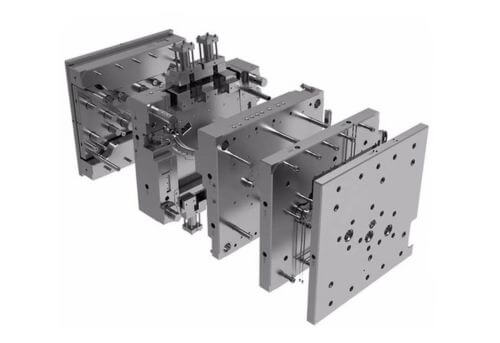
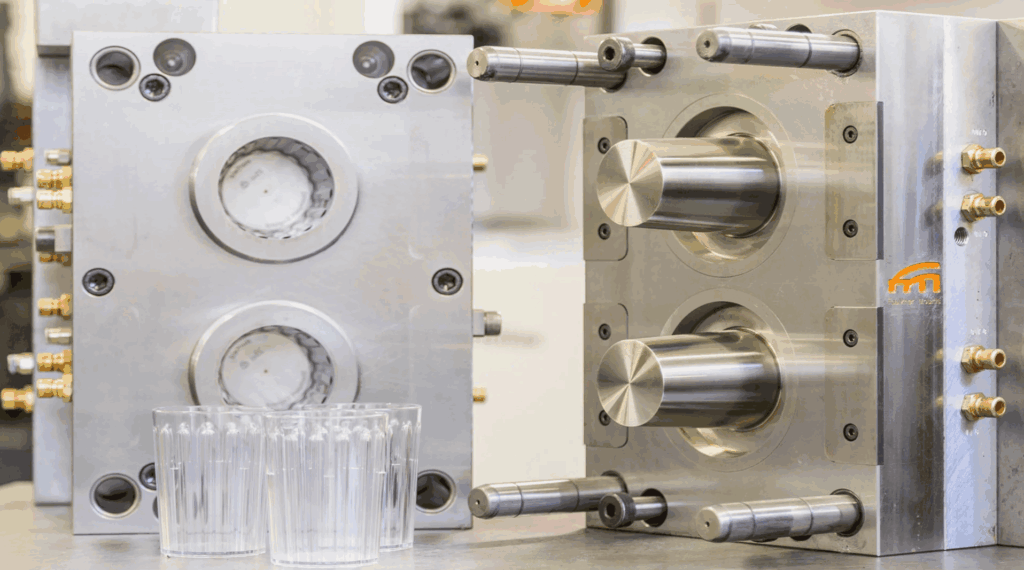
Family molds for related components
Designed for higher throughput, multi cavity molds allow simultaneous production of multiple parts per cycle, significantly improving productivity and reducing unit costs.
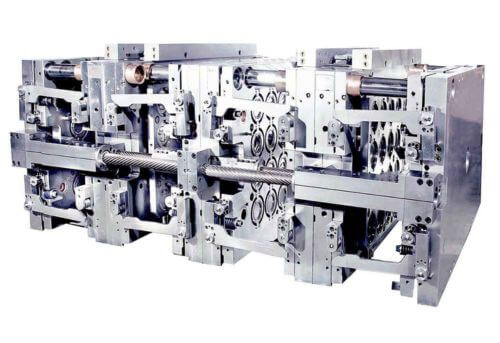
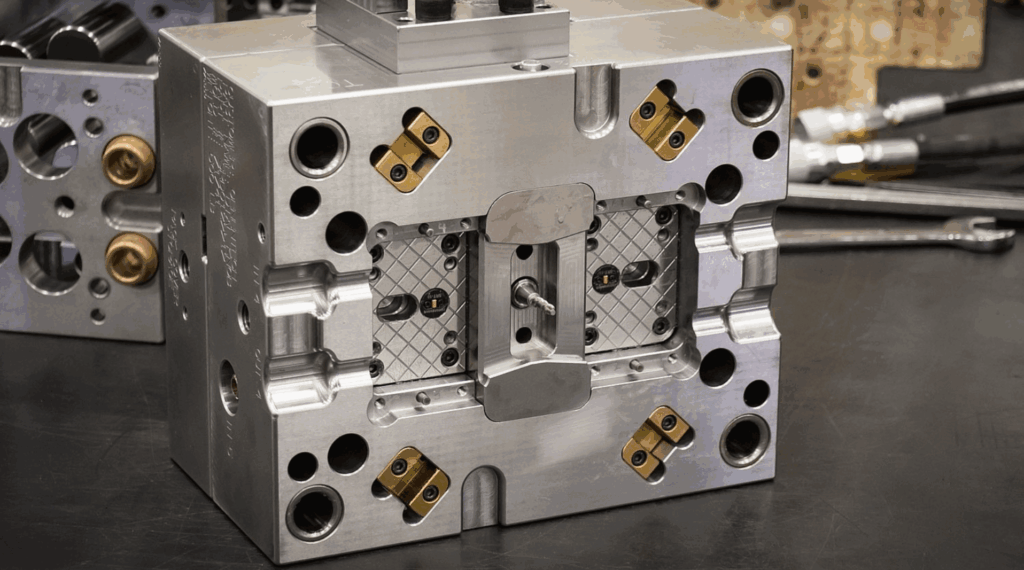
Insert molding tools
Stack molds double the output by utilizing multiple parting lines in a single mold base. Perfect for high-volume runs, they minimize cycle time without sacrificing precision.
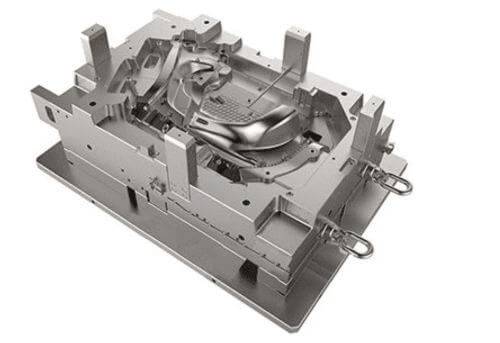
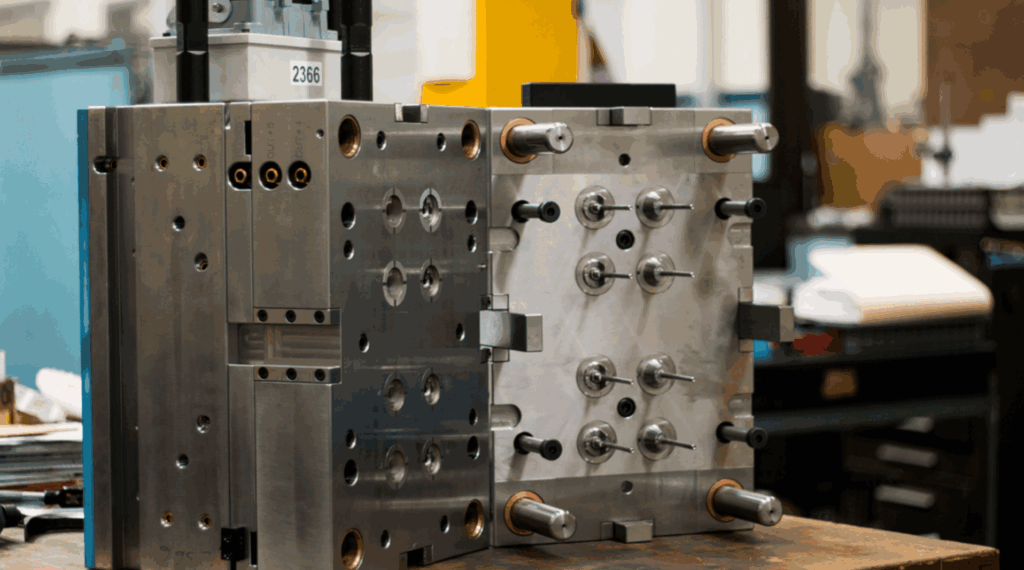
Two-shot (2K) mold projects
Our 2K molds support dual-material injection, enabling efficient production of parts with both hard and soft components—ideal for ergonomic, functional, or aesthetic integration.
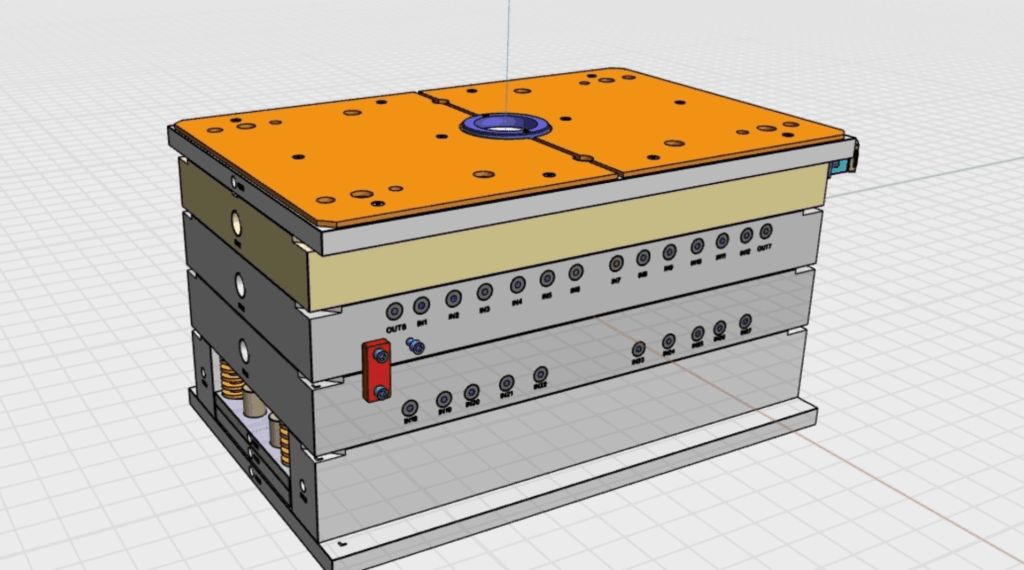
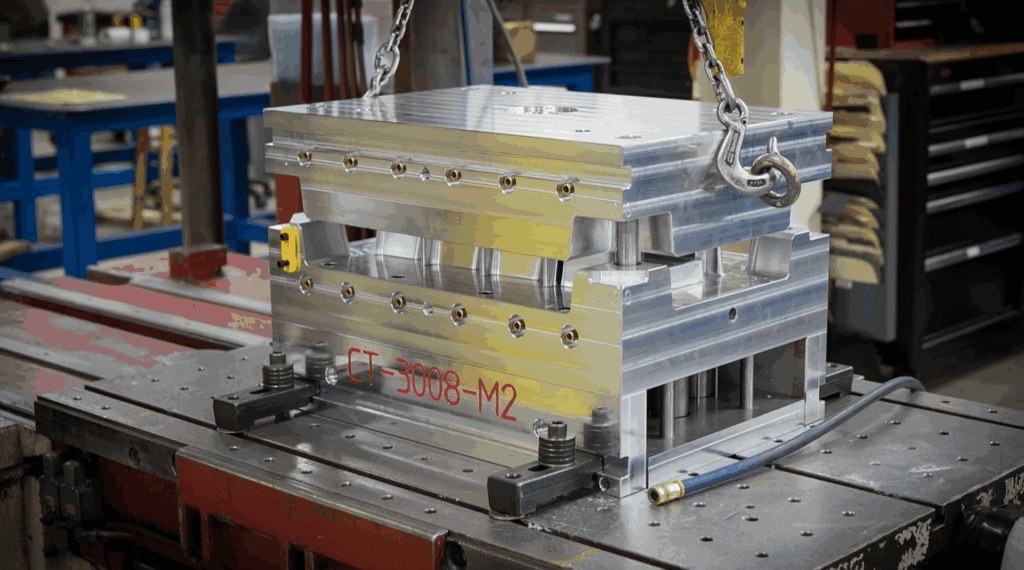
SPI and VDI Mold Surface Finishes
We support custom mold surface finishes based on SPI and VDI standards, from high-gloss polishing to textured surfaces. Specify your required finish to match the appearance and functional requirements of your molded parts.
SPI Mold Polish Standards
Standardized polishing grades for mold surfaces.
| SPI Grade | Surface Finish | Process |
|---|---|---|
| A-1 | High-gloss mirror | #3 Diamond |
| A-2 | High-gloss | #6 Diamond |
| A-3 | Fine polish | #15 Diamond |
| B-1 | Fine semi-gloss | 600 Grit |
| B-2 | Medium semi-gloss | 400 Grit |
| B-3 | Standard semi-gloss | 320 Grit |
| C-1 | Fine matte | 600 Stone |
| C-2 | Medium matte | 400 Stone |
| C-3 | Standard matte | 320 Stone |
| D-1 | Fine textured | Dry Blast |
| D-2 | Medium textured | Dry Blast |
| D-3 | Coarse textured | Dry Blast |
VDI 3400 Texture Standards
Standardized mold textures for molded part surfaces.
VDI 3400 texture grades cover a wider range from fine to coarse finishes. The selected reference number defines the required mold texture.
Need a Specific Mold Surface Finish?
Include your SPI grade or VDI reference number in the drawing, or provide a reference sample. We will review the finish requirements and confirm the appropriate manufacturing approach before tooling begins.
Note: SPI and VDI are separate surface finish reference systems. Actual molded-part appearance may vary depending on resin, color, molding conditions, and mold maintenance.
Mold Materials
Common Materials for Injection Mold Tooling
Material selection depends on the plastic resin, mold design, expected production volume, surface finish, and required tool life.
| Material | Typical Considerations |
|---|---|
| Aluminum | Prototype tooling and selected short-run applications |
| P20 Steel | General-purpose production tooling |
| 718H Steel | Production molds requiring good machinability and polishing performance |
| H13 Steel | Applications requiring heat resistance and durability |
| S136 Steel | Corrosion resistance and high-quality polished surfaces |
| NAK80 Steel | Applications requiring good polishing performance and dimensional stability |
Final material selection is confirmed according to the part and project requirements. Check which material is required for my parts.
Prototype & Production
Tooling Solutions for Development and Ongoing Production
Different production stages call for different tooling strategies. We help evaluate the balance between initial tooling investment, development needs, expected quantities, and mold life.
Prototype & Short-Run Tooling
Suitable for design validation, functional testing, and selected lower-volume projects. Aluminum or other suitable tooling materials may be considered.
Production Tooling
For repeat or higher-volume manufacturing, mold structure and material are selected according to resin, part complexity, expected output, and tool-life requirements.
Manufacturing Process
A Coordinated Process from Tooling to Production
We work through the key stages of mold development and prepare the project for plastic part production.
Step 01
Drawing Review
Review 2D drawings, 3D files, material, part design, and order quantity.
Step 02
DFM & Mold Design
Review manufacturability, mold structure, and tooling requirements.
Step 03
CNC Mold Machining
mold components using our own CNC equipment.
Step 04
Assembly & Sampling
Coordinate mold assembly, initial trials, and sample review.
Step 05
Production & Delivery
Proceed with approved molding, inspection, and delivery.
Integrated Manufacturing
Connect Mold Development with Injection Molding
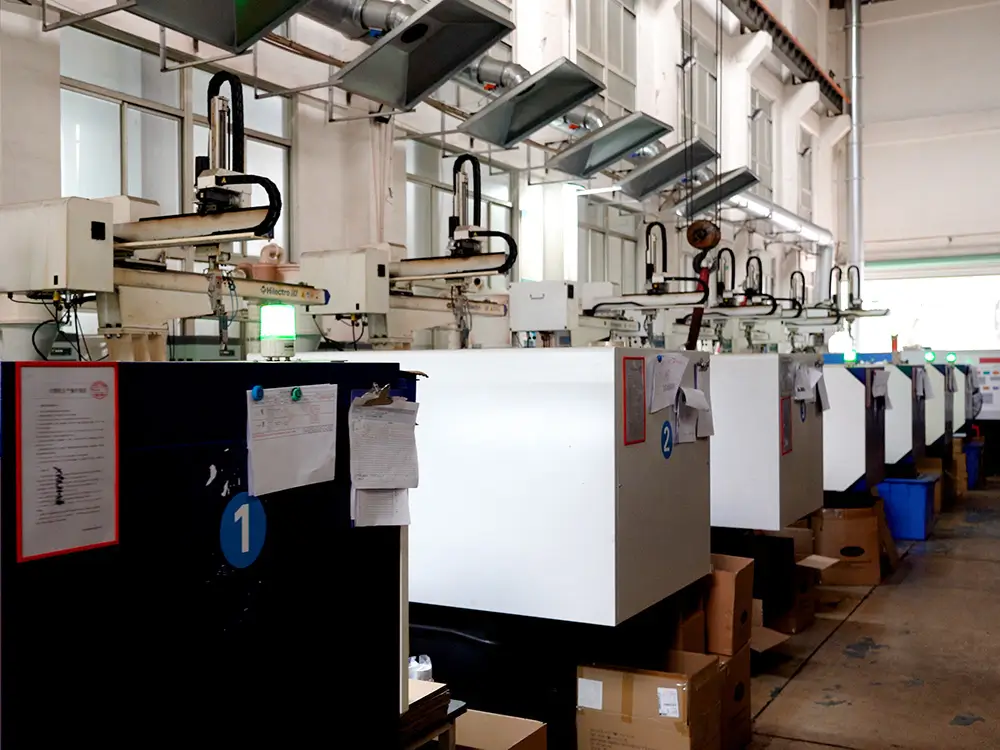
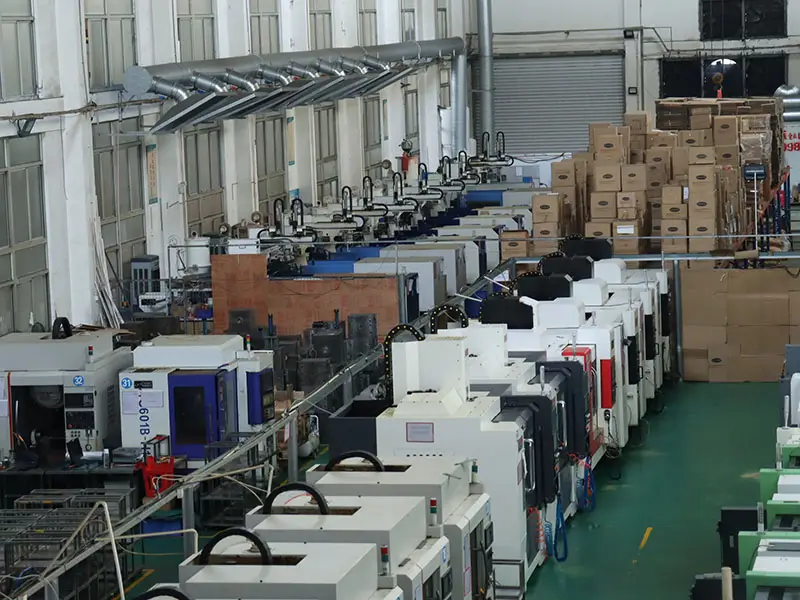
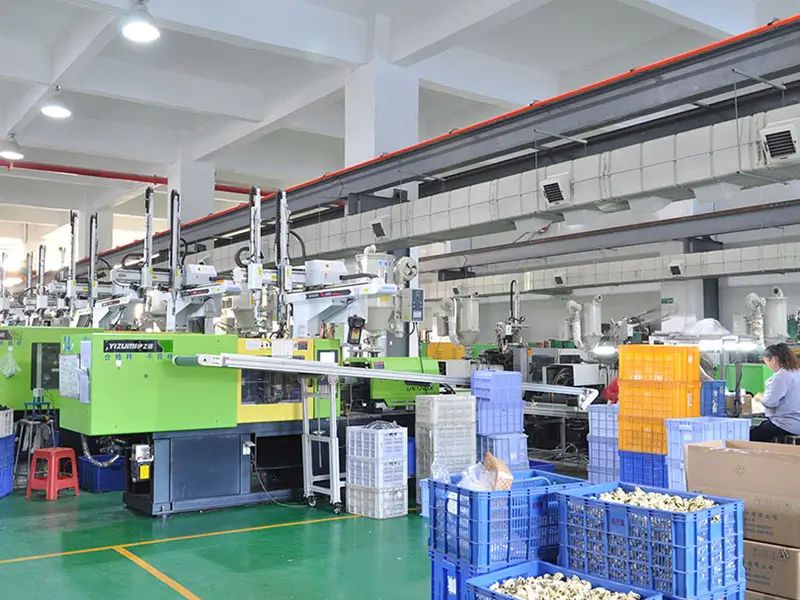
After mold sampling and approval, Machmaster can continue with plastic injection molding in our own workshop. This helps connect tooling development with the production of your custom plastic components.
Our injection molding workshop has 8+ machines with clamping forces from 90 to 500 tons. We can also discuss assembly and finished-goods packaging when your project requires additional support.
Plastic Injection Molding Capacity
8+
Machines
90–500T
Clamping force
- Prototype and production projects
- Common engineering and commodity plastics
- Part inspection and quality control
- Assembly and packaging support
Quality Management
Quality Checks Throughout the Project
We follow an ISO 9001-certified quality management system and select inspection methods according to the part geometry and drawing requirements.
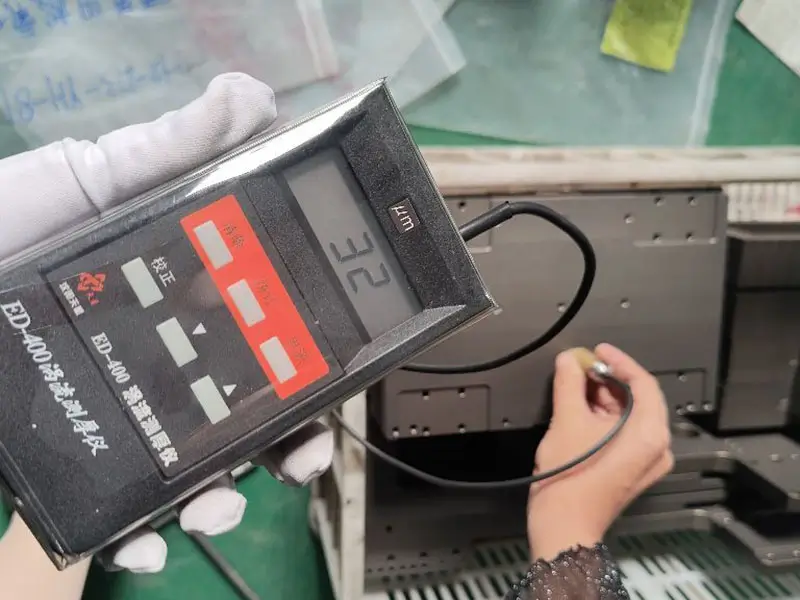
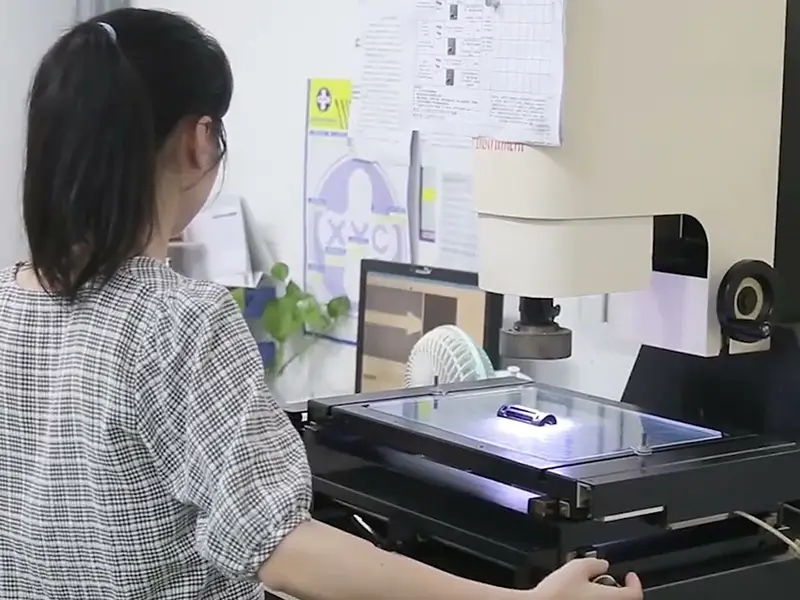
Dimensional Inspection
VMM and conventional measuring instruments are used to check dimensions and features according to project requirements.
Sample Review
Initial molded samples are reviewed against customer drawings and agreed specifications before production approval.
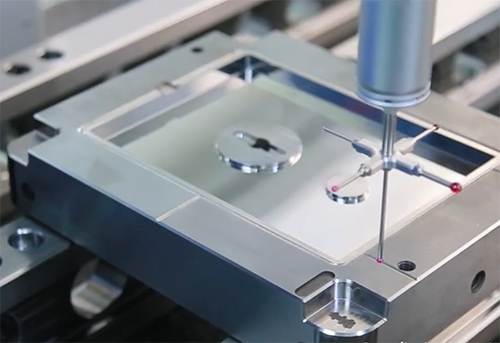
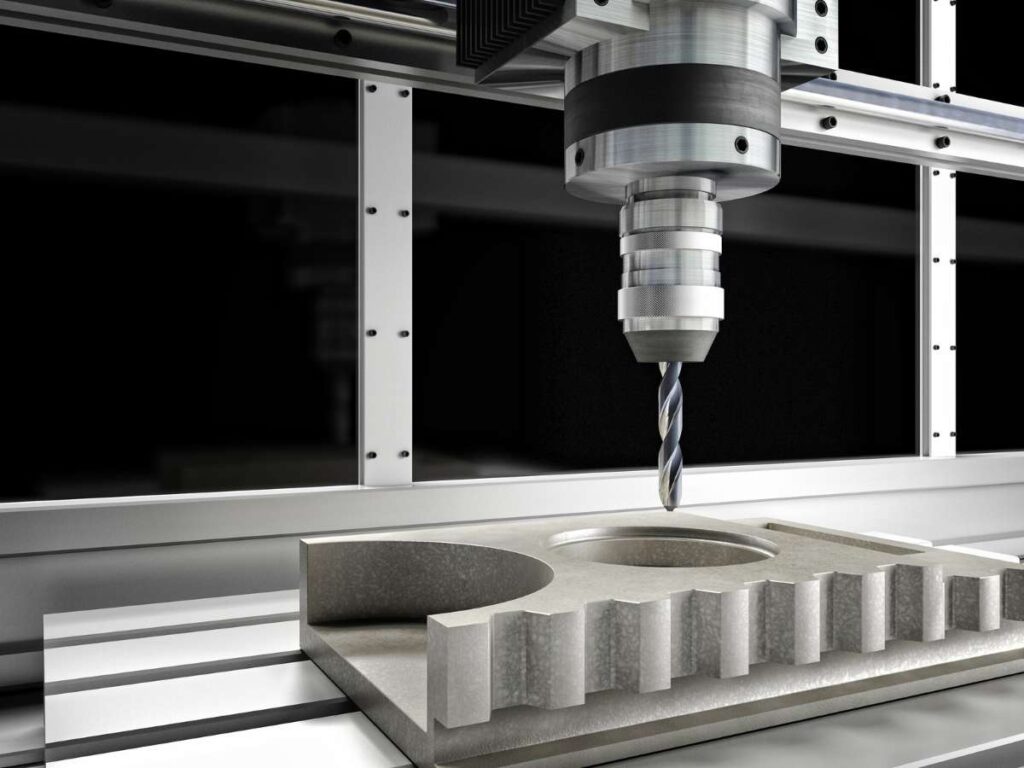
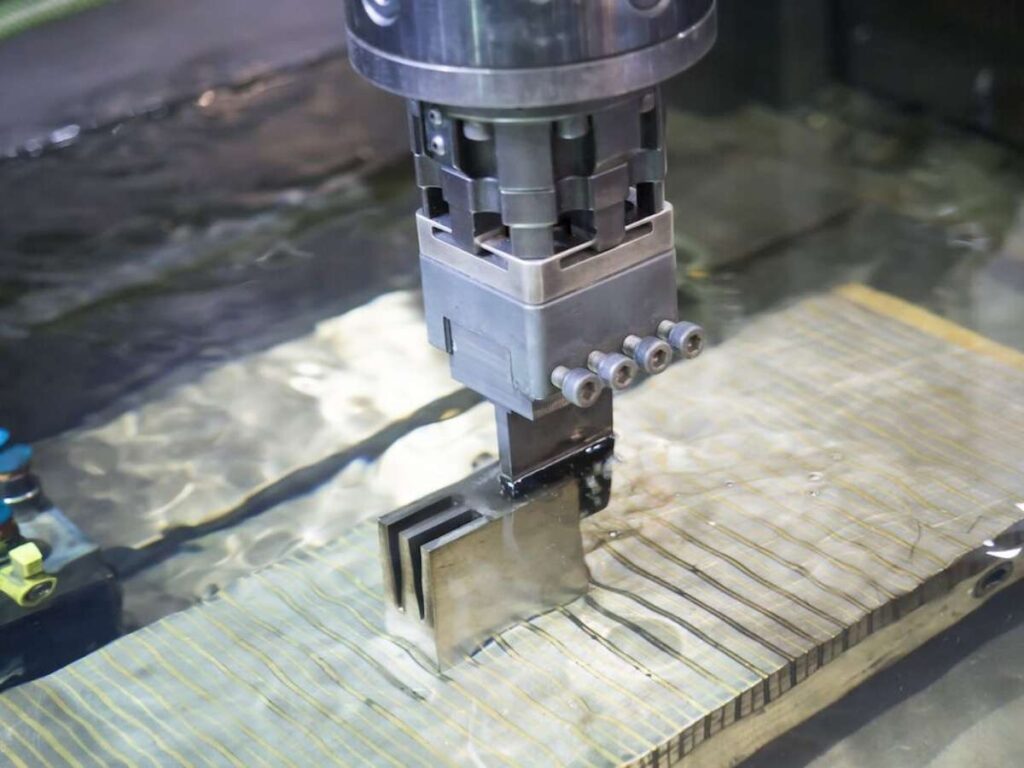
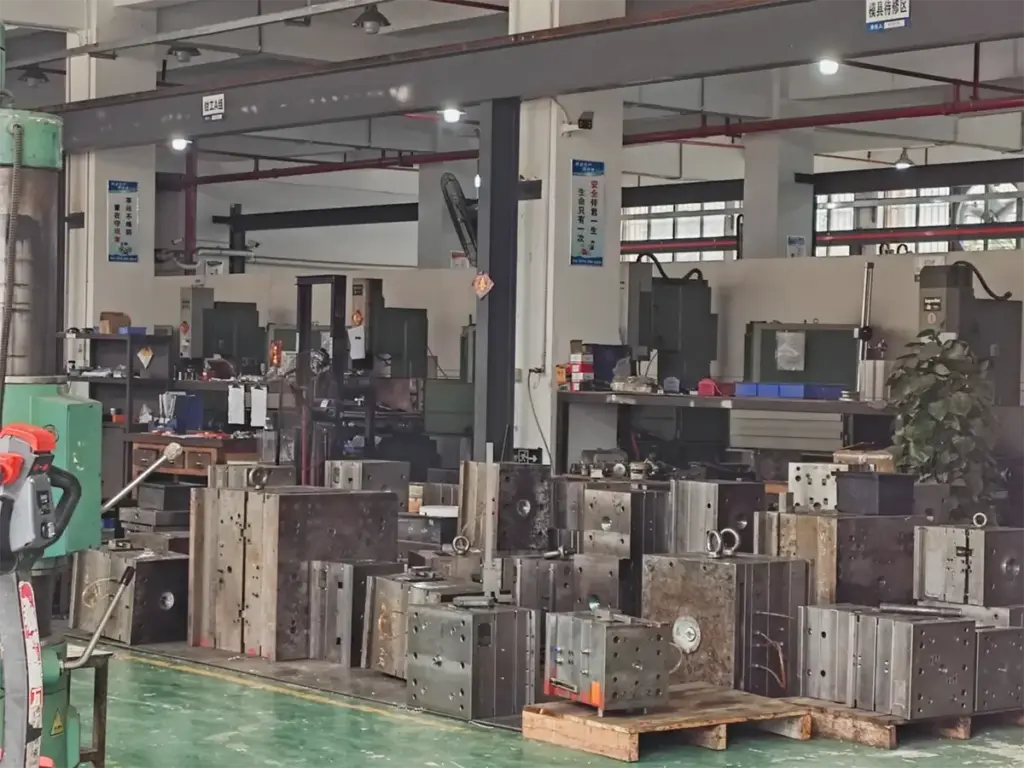
Speed Meets Precision at MachMaster
See our team, process, and precision in action at Xiamen MachMaster Co., Ltd—where every part is backed by expertise, systems, and measurable results.
Injection Mold Tooling FAQs
What Is Injection Mold Tooling?
Injection mold tooling refers to the design and manufacture of the mold used in the injection molding process. It defines the final part shape and ensures production accuracy and repeatability.
How Long Does It Take to Make a Mold?
Lead time depends on the complexity. Prototype molds take around 3–7 days, while production molds with multi-cavities may require 2–4 weeks or more.
What Materials Are Used for Mold Tooling?
We commonly use tool steel (P20, H13, S136), stainless steel (420, NAK80, 316L), and aluminum (6061, 7075), depending on production volume and required durability.
How Much Does Mold Tooling Cost?
Costs vary based on mold complexity, material type, surface finishes, and expected tool life. Aluminum molds are budget-friendly for prototyping, while hardened steel is ideal for mass production.
Need a Custom Injection Mold for Your Plastic Part?
Send us your 2D drawings, 3D CAD files, plastic material, and estimated production quantity. Our team will review your requirements and discuss the next steps.