
The first time I asked for a quote on a sheet metal part, I was shocked.
It was just a bent piece of aluminum — nothing fancy.
But the price? Way more than I expected.
I thought maybe the supplier made a mistake.
But the truth was, I didn’t understand the process at all.
I didn’t know about setup costs.
I didn’t know how small changes in design could affect price.
And I definitely didn’t know what questions to ask.
If you’ve felt the same, you’re not alone.
Whether you’re running a business, designing a product, managing purchases, or building something for school — you need answers before you waste time or money.
This article will help you figure out if sheet metal fabrication is right for your project. I’ll walk you through what it is, what it costs, where it works best, and what to watch out for.
I’ve made mistakes, fixed them, and learned a lot along the way. I’m sharing it all here — so you don’t have to learn the hard way like I did.
So let’s start!
1. What Is Sheet Metal Fabrication?
Sheet metal fabrication means turning a flat sheet into a finished part.
Could be a bracket. A cover. A frame. A housing.
Whatever the shape, it starts as just a plain sheet.
One of our customers sent in a file that looked great—until we tried to make it. The bends cracked. The holes didn’t line up. The reason? A few small design details that didn’t work well with the process.
That’s why it helps to understand the basics.
Common metals we use:
- Aluminum: light and good against rust
- Stainless steel: strong and clean finish
- Cold-rolled steel: easy to work with and affordable
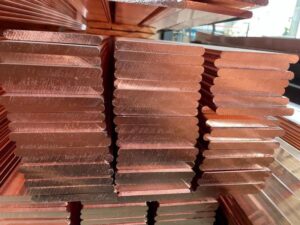
- Copper or brass: used more for looks or electrical parts
Each one behaves differently when it’s cut, bent, or finished.
Here’s what usually happens during fabrication:
- Cutting: done first to shape the part
- Laser cutting: clean edges and tight detail
- Waterjet or plasma cutting: better for thick or heat-sensitive parts
- CNC punching: fast, great for holes or repeat shapes
- Forming: gives the sheet its 3D shape
- Press brake: bends corners
- Roll forming: makes smooth curves
- Stamping: good for large runs with the same shape
- Joining: connects parts together
- Welding: strong and permanent
- Riveting: simple and fast
- Tapping: adds threads for screws
- Finishing: Protects the part and improves the look
- Powder coating: adds color and surface protection
- Anodizing: mostly for aluminum
- Polishing or plating: makes parts smoother or shinier
I always tell customers—think about how your part will be used. Does it need strength? A clean look? Rust protection?
Once you know that, it’s easier to make the right choices.
2. Advantages of Sheet Metal Fabrication
Over the years, we’ve seen all kinds of projects—some start with a clear design, others change halfway through. And that’s okay. One thing I’ve learned: sheet metal gives you room to adjust.
That flexibility is a big reason why our customers keep coming back to it.
Functional Benefits
- Strong and durable: We’ve built parts that hold up for years in harsh environments
- Lightweight: Aluminum parts are easier to handle but still do the job
- Easy to modify: You can tweak features without needing a full redesign
One of our clients needed to shift their hole pattern after the first run. No delays. We updated the file, cut new parts, and delivered them that same week.
Production Efficiency
- Good for prototyping or large orders: You can start small and scale up
- Faster lead times: No need to wait weeks for molds or dies
- Flexible output: We’ve done one-offs. We’ve done 5,000-piece runs. Sheet metal works either way
I remember helping a startup that was still figuring out their product. We ran 10 units at first. When they were ready, we bumped it to 500 without changing the setup.
Cost and Supply Advantages
- Readily available materials: We keep common metals in stock, and so do most suppliers
- Competitive pricing: Especially compared to casting or custom machining
- Easier to source: If supply is tight, we can often find alternates without much delay
If you’re managing a product with tight timelines, evolving designs, or limited budget, sheet metal is worth considering.
Ask yourself:
Will this design change later? Do I need to move quickly without high upfront costs?
We’ve asked those same questions with our customers—and sheet metal often turns out to be the answer.
3. Step-by-Step Process of Sheet Metal Fabrication
Ever wonder how a flat sheet of metal becomes a strong, working part?
The process may seem simple, but each step plays a big role in how your final part turns out. Whether you’re making one bracket or hundreds of enclosures, knowing the steps helps you ask better questions and make smarter decisions.
Step# 1: CAD Design and Engineering
Every job starts with a drawing. Engineers use software like SolidWorks or AutoCAD to design the part in 3D. This is called Computer-Aided Design (CAD).
But designing a part that looks good isn’t enough. It needs to be made in a way that works on the shop floor.
That’s where Design for Manufacturability (DFM) comes in. It means thinking ahead: using shapes and sizes that are easy to cut, bend, and weld. Poor design often leads to higher costs, failed parts, and wasted time. So it’s worth getting right the first time.
Step# 2: Cutting Sheet Metal
Once the design is ready, the flat sheet is cut into shape.
There are a few ways to do this:
- Laser cutting: clean and precise, great for tight tolerances
- Waterjet cutting: no heat, good for delicate or layered materials
- Plasma cutting: fast, works well on thicker sheets
Tolerance—the allowed difference between the design and the actual cut—matters a lot here. Tighter tolerances usually cost more but help with fit and function.
Step# 3: Bending and Forming
After cutting, the flat pieces are shaped.
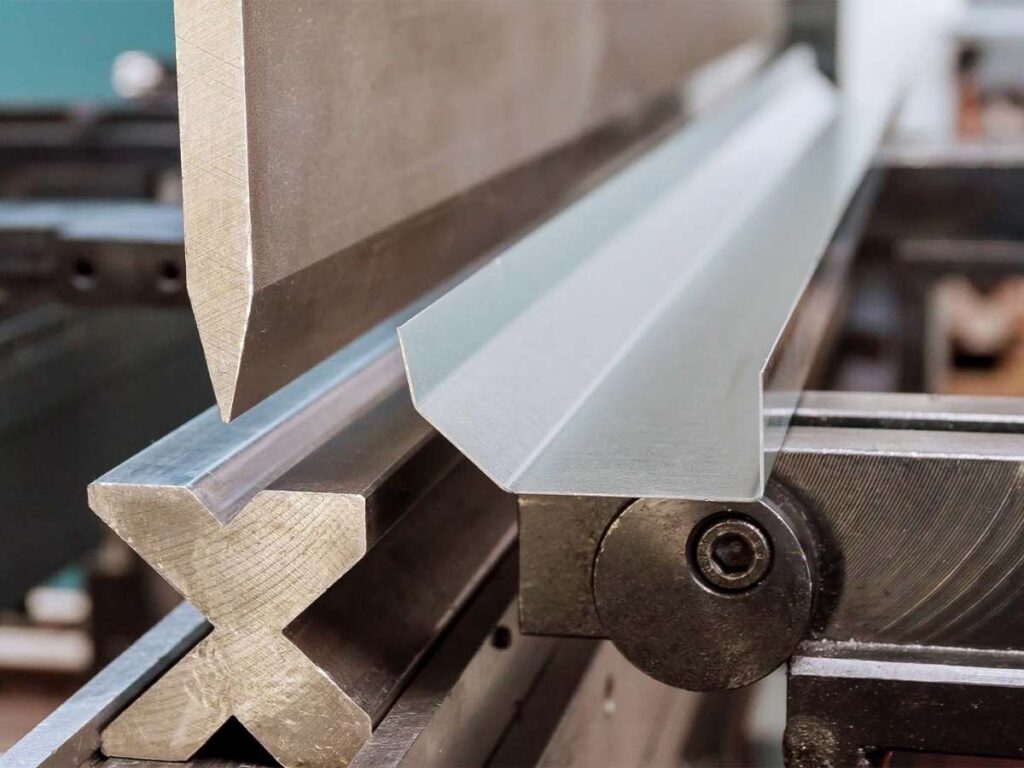
Press brakes fold the metal at exact angles. For round shapes, rollers bend the sheet slowly into curves.
Here, it’s important to think about bend radii (the curve at the bend) and springback (how the metal relaxes slightly after bending). If you don’t plan for these, your parts won’t come out right.
Step# 4: Joining and Assembly
Now it’s time to put the pieces together.
This can be done in different ways:
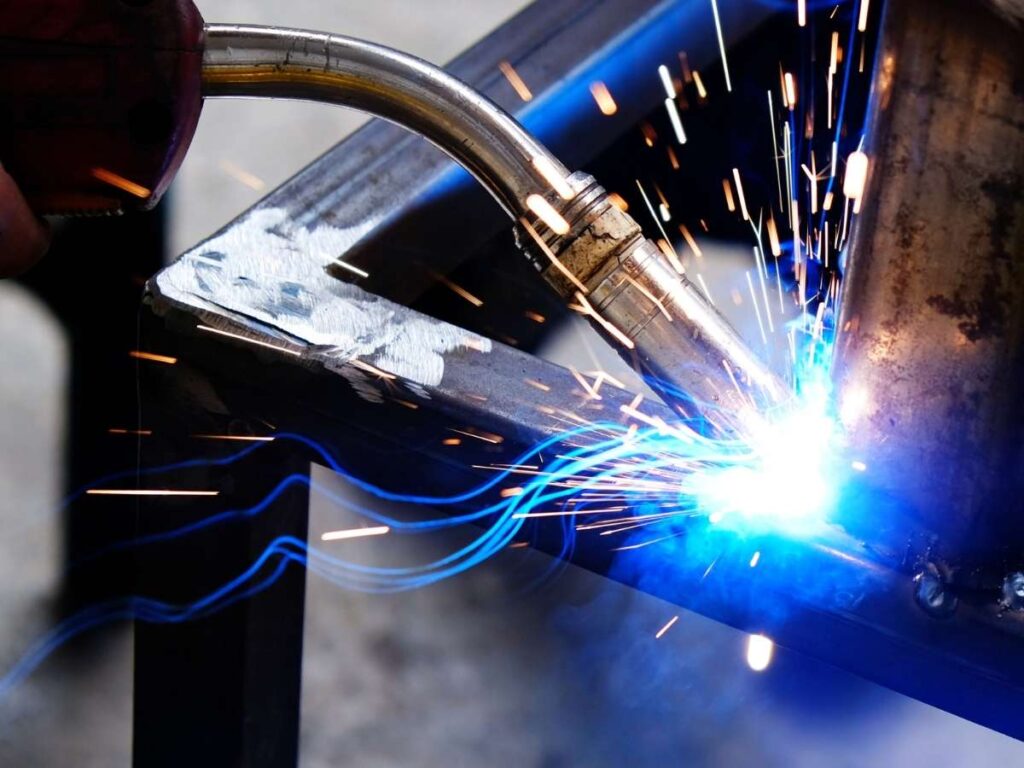
- Welding: uses heat to fuse metal
- TIG welding: clean and precise
- MIG welding: faster for larger jobs
- Fasteners: screws, bolts, and rivets—easy to take apart later
- Adhesives: used when heat isn’t an option or for mixed materials
Each method has pros and cons depending on part size, strength needs, and how permanent the joint should be.
Step# 5: Surface Finishing
This step improves how the part looks and how long it lasts.
Common finishes include:
- Powder coating: adds color and protection
- Anodizing: good for aluminum, boosts corrosion resistance
- Plating: adds a thin layer of metal like zinc or chrome
- Brushing: gives the surface a clean, uniform texture
The right finish depends on the look you want and the part’s job. Does it need to resist rust? Does it have to look polished?
Step# 6: Inspection and Quality Control
The final step is making sure everything is right.
Dimensional checks confirm the part matches the drawing. Surface checks look for scratches, dents, or coating issues.
Some projects need official checks like ISO 9001 or PPAP (Production Part Approval Process), especially in industries like medical or automotive. These help show that every part meets the same quality level.
4. Practical Applications Across Sectors
One of the things I love about sheet metal fabrication is how often I see it used in real life. It’s not just for factories or giant machines. You’ll find it in hospitals, buses, offices—even your garage.
Electronics and Enclosures
A friend of mine once needed a metal case for a custom control system. Plastic didn’t hold up. The solution? Sheet metal.
In electronics, strong and compact parts matter. Sheet metal works well because it’s easy to cut, shape, and protect.
Common parts include:
- Housings for power supplies or sensors
- Mounting brackets inside machines
- EMI shielding (blocks unwanted electrical signals)
You’ve probably touched a sheet metal enclosure today without even knowing it.
Medical Equipment
In hospitals and labs, clean design and strength are a must.
Sheet metal is often used to make:
- Equipment frames for monitors or lights
- Access panels for machines
- Rolling lab carts that hold tools and samples
Because metals like stainless steel are easy to sanitize and resist rust, they’re a popular choice in this space
Automotive and Transportation
I once worked with a team that built a custom dashboard panel for a race car. It had to be light but strong. Sheet metal made it happen.
In this sector, you’ll often see:
- Dashboard frames
- Body panels and brackets
- Battery boxes or covers for electric vehicles
Lightweight metals like aluminum help improve fuel efficiency while keeping parts strong.
Industrial Automation
Walk through a factory, and you’ll see metal parts everywhere.
Sheet metal is used for:
- Machine guards to protect workers
- Covers for conveyor belts
- Custom parts to hold tools in place
These parts are made to fit exact machines—and stand up to daily wear and tear.
Personal Use or Hobbyist Projects
This is where it gets fun.
I once helped someone build a metal table using leftover sheet scraps. It turned out great.
If you’re into DIY, sheet metal works for:
- Custom furniture like desks or shelves
- Home panels or wall brackets
- Hobby machines and models
Even for one-off projects, the same fabrication methods apply.
Whether you’re running a business or building something at home, sheet metal fabrication gives you flexible, real-world solutions that last.
5. Sheet Metal Fabrication vs Other Manufacturing Methods
Not sure if sheet metal fabrication is the right choice for your project?
You’re not alone.
I’ve worked with people who weren’t sure whether to bend metal, machine it, print it, or mold it. Each method has its strengths. But they also have limits. Choosing the wrong one can lead to wasted time, money, and materials.
To help you decide, here’s a simple comparison of sheet metal fabrication vs other popular methods.
| Method | Best For | Materials Used | Strength | Part Detail | Volume Suitability | Lead Time |
| Sheet Metal Fabrication | Metal parts with bends and cutouts | Aluminum, steel, stainless, galvanized | High (good strength-to-weight) | Moderate to complex shapes (2.5D) | Medium to high volumes | Moderate |
| CNC Machining | Parts with tight tolerances or fine detail | Metals and plastics | Very high | Very complex 3D shapes and fine features | Low to medium volumes | Longer |
| Injection Molding | High-volume plastic production | Thermoplastics | Medium (depends on plastic) | Limited to mold shape, smooth finishes | High volumes only | Long (initial mold time) |
| 3D Printing | Prototypes or custom one-off parts | Plastics, resins, some metals | Low to medium | Detailed, free-form shapes (good for testing) | Low volumes or one-offs | Fast |
6. Common Mistakes to Avoid in Sheet Metal Fabrication
I’ve seen great designs fall apart—not because they were bad ideas, but because of small oversights. A cracked bend. A surprise delay. An unexpected cost.
These mistakes are common, but they’re also easy to avoid if you know what to look for.
Ignoring Bend Radii
A customer once asked, “Can you make the corners sharper?” I looked at the drawing and thought, If we bend this as-is, it’s going to crack.
Sure enough, it did.
Metal doesn’t like being forced into tight corners. It needs space to bend naturally.
Tip: Check your material and thickness. Use the correct bend radius in your design to avoid cracking or warping.
Over-Specifying Tolerances
I got a call one afternoon: “Why is this part taking so long?”
When I opened the file, I saw 5 new tolerances—tighter than before. My first thought was, You don’t need 0.01 mm accuracy on a mounting hole.
Tolerances add time, cost, and complexity. But not every feature needs to be perfect.
Tip: Keep tight tolerances only where fit or function depends on them. Let non-critical features stay looser.
Choosing the Wrong Material
One client insisted on cold-rolled steel for an outdoor panel. At first, it looked great. Clean, strong, and on budget.
Three weeks later, he called again: “It’s already rusting.”
Tip: Use aluminum or galvanized steel for outdoor or damp environments. Material choice really matters.
Skipping DFM Consultation
I once got a drawing from a new customer. They said, “It should be easy—it’s just a box.”
But when I reviewed it, I thought, This box needs three machine setups and a custom tool. We had to revise the design after quoting. That delayed everything.
Tip: Always ask for a DFM (Design for Manufacturability) review before production. It catches problems early.
Underestimating Lead Times or MOQs
People sometimes ask, “Can I get 5 parts by Friday?” I wish I could say yes—but if machines are booked, even small jobs take time.
And most shops have a minimum order quantity (MOQ). Setup still takes effort, even for a single part.
Tip: Confirm lead times and MOQ before you order—especially if it’s your first run.
Choosing Suppliers Without Certifications
Someone once asked, “Do certifications really matter if I’m just building test parts?”
Maybe not always. But if your parts go into anything safety-related—medical devices, vehicles, electronics—yes, they matter.
We keep ISO 9001 for a reason: consistency, process control, and traceability.
Tip: If reliability matters, pick a supplier with the right certifications.
7. Tips When Choosing Sheet Metal Fabrication Services
Getting a part made is one thing. Getting it made right is another.
Whether you’re running a business or working on a side project, the supplier you choose can make or break your timeline—and your budget.
Here’s what we recommend checking before placing your next order.
Check Capabilities and Equipment
Start by asking: Can they actually build what I need?
Not every shop handles everything in-house. That matters more than people think.
- Look for: laser cutting, CNC bending, welding, finishing—all under one roof
- Ask about: their equipment list, past projects, and what types of parts they regularly produce
We’ve seen jobs slow down just because the shop had to outsource coating or final assembly. Internal capability = better control and faster turnaround.
Certifications and Quality Standards
If your part touches a safety-critical product, this part really counts.
- ISO 9001: proves they follow strong, repeatable processes
- RoHS compliance: important for electronic parts
- Material traceability: confirms you’re getting what you ordered
At MachMaster, we’ve worked with industries where traceability and repeatability aren’t optional—they’re required. That’s why we maintain ISO 9001 and supply documentation when needed.
Ask your supplier if they can provide inspection reports, certificates, or raw material test data. The answer tells you a lot.
Ask for Design Support
Not all CAD files are ready for production.
A good supplier will help you fine-tune the details. We’ve helped customers spot things like:
- Hole patterns too close to bends
- Material choices that don’t match the application
- Tight tolerances that drive up cost unnecessarily
If they offer DFM (Design for Manufacturability) or prototyping help, even better. It’s worth asking.
Evaluate Lead Time and Communication
Want to know how a shop really runs? Look at how they communicate.
- Do they respond quickly to your RFQ?
- Can they give a clear production timeline?
- Will they send you drawings for review before they start?
At MachMaster, we make it a point to confirm every detail before cutting starts. Fast answers and drawing confirmations help avoid miscommunication and keep things moving.
If a shop is slow to reply now, that might be a sign of problems later. A smooth job always starts with clear communication.
Read Reviews or Ask for References
We always tell new customers—don’t just trust the website.
- Look for reviews that talk about quality, delivery, and how the shop handles mistakes
- If there aren’t any online, ask for a reference from a past client
Good suppliers won’t hesitate to connect you with someone they’ve worked with. It’s one of the best ways to know what you’re walking into.
Conclusion
You’ve learned the full process—from design and cutting to finishing and inspection.
You’ve seen what can go wrong and how to choose the right supplier.
This guide gave you the tools to avoid delays, save money, and get quality parts that work.
The rest is up to you.
If still unsure where to start, contact us today.
We can walk you through your options and get started right away.
Explore More Helpful Resources
There’s more to explore! Check out our additional product selections to find exactly what you’re looking for:
Curious for more? These additional articles offer even more insights and advice:
- What is Sheet Metal Bending?
- What Is Sheet Metal Fabrication?
- 10 Sheet Metal Laser Cutting Design Ideas
- Top 8 Sheet Metal Fabrication Manufacturers in China
- Top 8 Benefits of Custom Sheet Metal Stamping
Still haven’t found what you’re looking for? Don’t hesitate to contact us. We’re available around the clock to assist you.