
A few years ago, I took on a project that should’ve used casting. But I didn’t know better.
So I machined each part. One by one.
It took weeks. The client wasn’t happy. I wasn’t either.
Looking back, I realize I made the job harder than it had to be. All because I didn’t understand how casting could’ve simplified everything.
If you’re in that spot now wondering what casting is, or whether it’s right for your product, you’re in the right place.
This article breaks down what you need to know to decide if casting fits your production goals. By the end, you’ll know how casting works and where it makes sense, so you don’t waste time, money, or materials on the wrong method.
Let’s go!
1. What Is Casting? (And Why It Matters to Your Business)
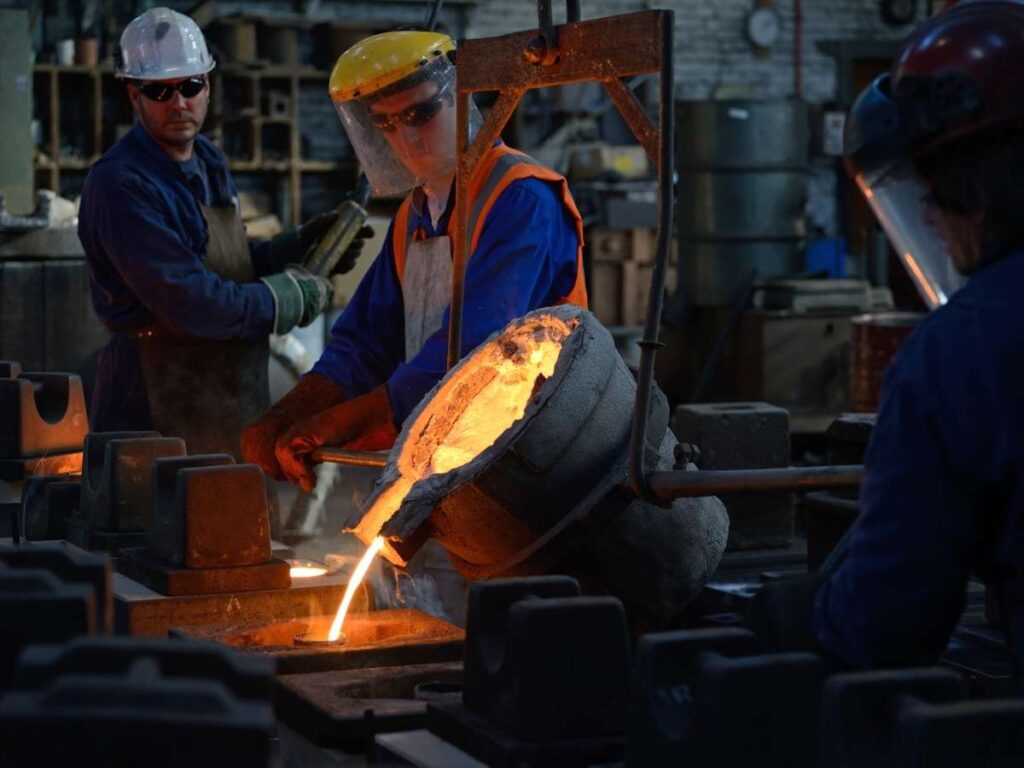
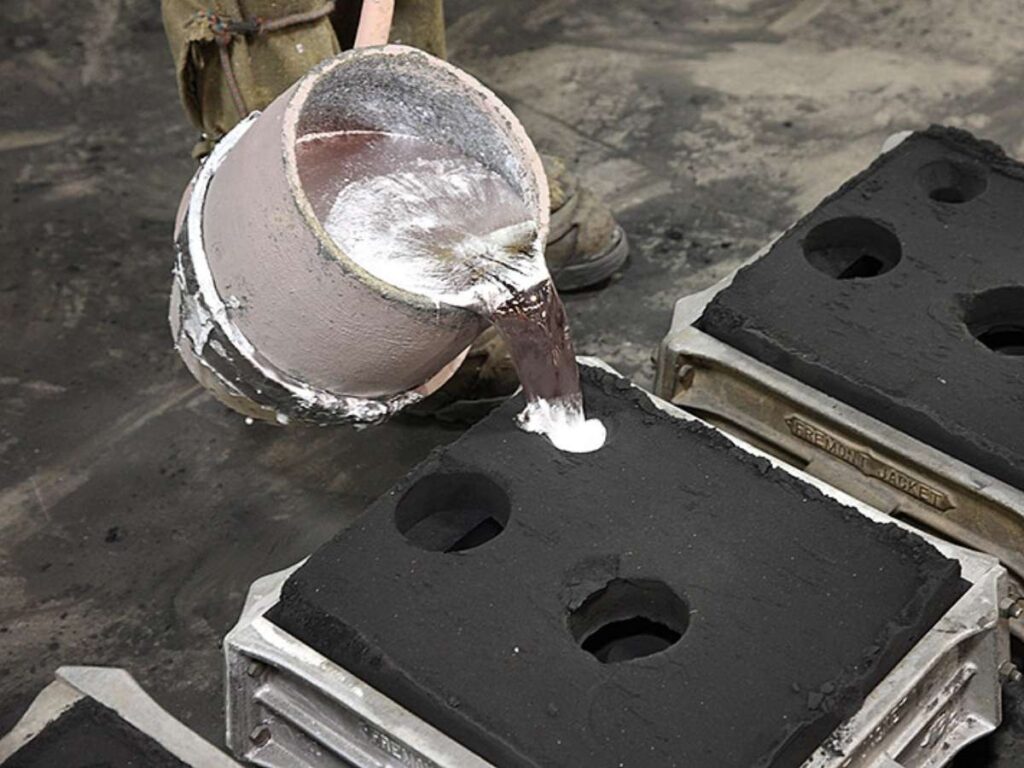
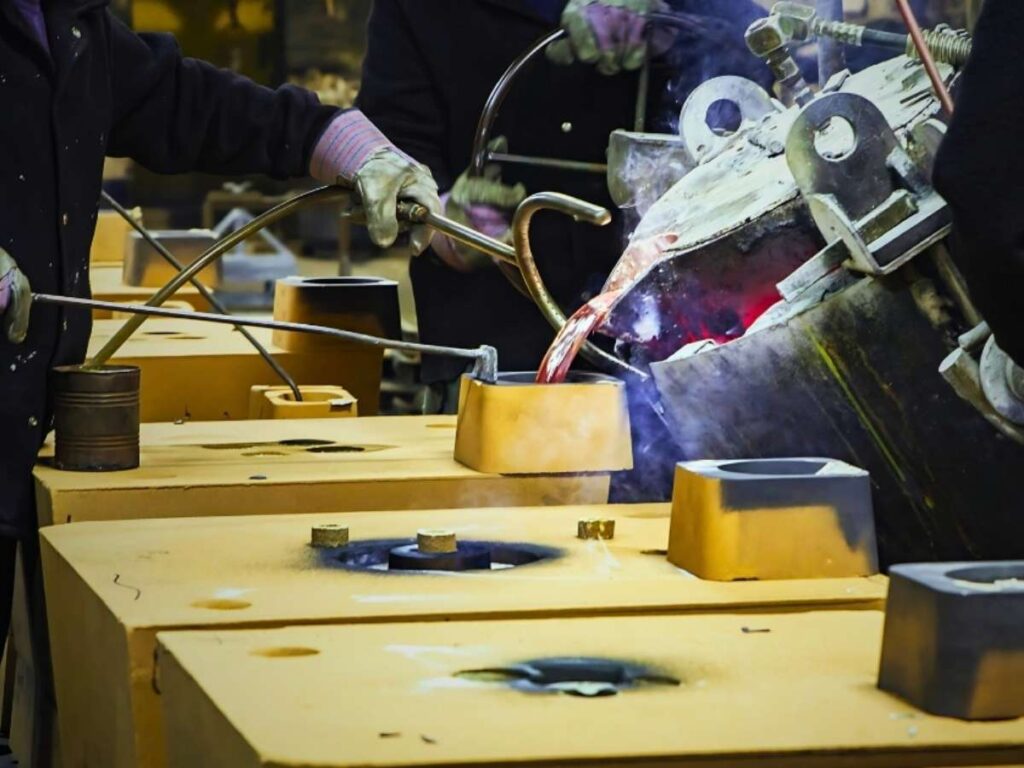
Casting is a method used in manufacturing. It starts by heating a material, usually metal, until it melts. Then that liquid is poured into a mold. Once it cools and hardens, you’re left with a solid part.
That’s it. That’s the whole idea.
The mold gives the part its shape. And because the same mold can be used again and again, casting works well when you need lots of parts that look the same.
Casting is especially common in:
- Automotive components
- Tools and machinery parts
- Consumer product housings
- Construction hardware
If your business deals with any of these, casting may already play a quiet role behind the scenes.
Now let’s talk about why this matters to you.
When I first started sourcing parts, I stuck with CNC machining. I thought it was the most precise, most modern option. But once I hit higher volumes, the price didn’t make sense anymore.
A supplier suggested casting. I was skeptical until I saw how much it saved on per-unit cost.
Here’s why casting works for many businesses:
- It’s often cheaper for medium to high production volumes
- You can form complex shapes without extra tooling
- It works for both prototypes and full-scale production
- It reduces material waste compared to subtractive methods like machining
Ever looked at a part and wondered if there’s a faster or more affordable way to make it?
Casting might be the answer.
It’s a simple process but it can have a big impact on your production strategy.
2. Casting of CNC vs. 3D Printing
Choosing the right manufacturing process can save you a lot of time and money. But it’s not always clear which one fits best. Casting, CNC machining, and 3D printing all have their place. The key is knowing when each one works in your favor.
Let’s break down how they differ.
Key Differences in Process and Application
Each method has its strengths.
- Casting is best for making a large number of parts. Especially when those parts have complex shapes or hollow sections.
- CNC machining is ideal when you need high precision but only a few pieces.
- 3D printing shines during early-stage development. It’s fast and flexible but can get expensive if you scale up.
So which one do you need?
That depends on your budget, your timeline, and how many parts you’re planning to make.
Scenarios Where Casting Makes More Sense
Here are a few situations where casting can be the smarter option:
- You’re working with a tight budget for large orders
- Your design includes complex shapes or internal cavities
- You want to reduce material waste
When I switched from machining to casting for a high-volume part, the per-unit cost dropped by nearly half. And the quality still met all spec requirements.
Tip for Decision Makers
Once your mold is made, compare per-unit pricing. Casting often comes out ahead if you’re making hundreds or thousands of the same part.
Ask yourself, how many parts do you really need? That answer could change everything.
2. Comparison of Common Casting Methods
Not all casting is the same. The process you choose affects your cost, lead time, and final part quality. Some methods are great for big, heavy parts. Others are better for tiny, detailed components.
So how do you know which one to use?
Let’s look at the most common casting methods and what each one does best.
| Casting Method | Ideal Volume | Tooling Cost | Part Detail Level | Production Speed | Best For |
| Sand Casting | Low to Medium | Low | Low to Medium | Slow | Large parts, early-stage testing |
| Die Casting | High | High | High | Fast | High-volume runs with aluminum or zinc |
| Investment Casting | Low to Medium | Medium | Very High | Medium | Intricate parts in aerospace or automotive |
| Permanent Mold Casting | Medium | Medium | Medium to High | Medium | Repeatable parts needing better surface finish |
One tip…
If you’re just starting out, try sand casting first. It keeps costs low while you’re testing your design. Once you’re ready to scale, consider switching to die casting for faster production and better repeatability.
Choosing the right method isn’t about what’s “best” but what fits your needs right now.
3. What Materials Can Be Cast?
Choosing the right material is just as important as picking the right casting method. The metal you use affects everything from cost, strength, weight, and even how easy the casting process will be.
So what are your options?
Let’s start with the most common metals used in casting and what they’re good for.
Common Casting Materials
Each metal has different strengths. Here are the ones you’ll run into most often:
- Aluminum: Lightweight and corrosion-resistant. Easy to machine and finish. Great for automotive parts, housings, and consumer goods.
- Steel: Strong and durable. Can handle high stress and heat. Often used for structural or heavy-duty parts. But it’s harder to cast than other metals.
- Bronze and Brass: These offer good wear resistance and a clean, decorative finish. Common in fittings, valves, and artistic or architectural pieces.
- Zinc: Has a low melting point, which makes it perfect for die casting. Often used for small, detailed parts.
- Magnesium: Very light, even more so than aluminum. Used in aerospace and electronics, but can be tricky to handle due to its reactivity.
Now that you know your options, let’s talk about how your choice affects more than just performance.
How Material Choice Affects Cost and Performance
Not all metals cast the same way.
- Some alloys melt easily and flow well into molds. These are usually cheaper to work with.
- Others need higher heat or stronger molds, which adds to cost and setup time.
- Denser metals might offer strength but can increase weight and shipping costs.
I once selected steel for a job that could’ve used aluminum. It worked but it cost more, took longer, and added shipping weight we hadn’t planned for.
Before you commit, ask yourself what matters most? strength, weight, finish, or price?
4. How Casting Affects Your Budget
Casting might sound like a big investment at first. And in some ways, it is especially when you look at the upfront costs. But the real question is: Does it save you money over time?
If you’re thinking about casting for your next production run, you need to understand where the costs come from and how they compare to other methods.
Let’s break it down.
Factors That Influence Cost
Several elements affect the final price of a cast part:
- Mold/tooling creation: This is a one-time setup cost. It can be high, especially for die casting, but it’s reused for every part afterward.
- Material cost: Different metals come with different prices. Lightweight alloys like aluminum are often cheaper than steel.
- Labor and cycle time: Some casting methods are faster than others. Die casting, for example, has quick cycles once everything is set up.
- Post-processing: Trimming, polishing, or coating all add time and cost after the part is cast.
- Volume: The more parts you produce, the lower the per-unit cost becomes. That’s where casting really shines.
Now, how does this compare to other production methods?
Comparing With Other Processes
Casting often costs more upfront than CNC or 3D printing. But over time, it can save you money.
Here’s why:
- Once the mold is made, each part is relatively cheap to produce
- You waste less material than with subtractive methods like machining
- You can produce many parts quickly with consistent quality
I’ve seen businesses hesitate on casting because of mold costs. But after calculating per-part pricing across a full order, casting usually came out ahead sometimes by a lot.
5. Lead Times and Production Speed
Once you’ve picked casting as your method, the next big question is how long will it take?
Timelines can vary depending on the casting type, part design, and where your supplier is located. If you’re working on a tight deadline—or juggling other parts of your supply chain knowing what to expect helps you plan better and avoid surprises.
What to Expect
Here’s how casting usually plays out:
- Mold creation: This is the first and most time-consuming step. It can take anywhere from 1 to 4 weeks depending on how detailed or complex your part is.
- Production time: Once the mold is ready, things move faster. Die casting is the quickest method—parts come out in rapid cycles. Sand and investment casting take more time due to longer prep and cooling.
- Post-processing: After casting, most parts need a little cleanup. That can include trimming off extra material, surface smoothing, or inspections. These steps can add a few days or even a week depending on your standards.
When I worked with a small shop using sand casting, the first part took nearly five weeks to ship. With die casting later on, we got full batches out in less than half that time.
When You Need Speed
Need parts fast?
Here are a few ways to shorten the timeline:
- Choose die casting if you’re making a high volume of parts
- Use aluminum, it cools quickly and works well with fast-turnaround molds
- Work with local suppliers when possible to avoid overseas shipping delays and customs
Planning ahead makes all the difference. If you’ve got a deadline, talk with your supplier early and ask what timeline they’ve handled for similar parts.
It might save you more than just time.
6. How to Choose the Right Casting Supplier
Not all casting suppliers work the same way. Some will support your project from start to finish. Others might leave you guessing—on quality, timing, or cost.
So how do you choose someone you can count on?
From personal experience, picking the right supplier is one of the most important steps in the process. It’s the difference between hitting your production goals—or scrambling to fix mistakes.
Here’s what to look for.
What to Look For
Before you sign anything, check these five things:
- ISO 9001 certification: This shows the supplier follows quality management practices.
- Experience with your material and industry: If they’ve worked with your metal type and product category before, it’s a good sign.
- Ability to scale: Can they handle a prototype run and then switch to full production if needed?
- Transparent quotes and lead times: You should know what you’re paying for and when it’s arriving.
- In-house mold making: This can speed things up and reduce errors if they handle the tooling themselves.
If you’re looking for a supplier that meets these standards, MachMaster can help. We offer ISO 9001-certified casting and precision production, supporting both small runs and full-scale projects with tight tolerances.
Questions to Ask Before You Commit
A good supplier won’t hesitate to answer detailed questions like:
- “Can you support small batches first, then scale?”
- “What are your standard tolerances?”
- “What post-processing do you offer?”
- “Do you own the tooling or do I?”
These answers help you set clear expectations from the beginning.
Red Flags to Watch For
Some suppliers may talk a good game, but these are signs to slow down:
- No references or examples of previous work
- Long lead times without a solid reason
- No feedback on your design to make it easier or cheaper to cast
I’ve had suppliers avoid questions about tooling ownership—only to hold the molds hostage when I wanted to switch. That’s a headache you can avoid by asking upfront.
Choosing a casting partner isn’t just about price. It’s about trust, clarity, and long-term fit. Ask the right questions, and you’ll know who’s worth working with.
Conclusion
Casting isn’t complicated. But choosing it at the right time? That’s the part that matters.
Now you’ve got the answers:
- What casting is
- When it makes sense
- How it stacks up against CNC and 3D printing
- What questions to ask before you choose a supplier
You don’t have to overthink it. I used to avoid casting because I didn’t understand it. Once I gave it a chance, it became one of the most useful tools in my workflow.
What about you? Ready to see if casting fits your next project?
Contact us today! We’ll help you figure it out.
Explore More of Our Resources
If you’re searching for more choices, explore our full collection of products. We’ve picked out some great options for you:
- Anodizing Service
- Cnc Milling Service
- Cnc Turning Service
- Injection Molding Service
- Cnc Machining Service
Want to learn more? Here are some articles filled with valuable tips and information to guide you further:
Still haven’t found what you’re looking for? Don’t hesitate to contact us. We’re available around the clock to assist you.