
Most people don’t notice surface finishing, until it goes wrong.
Years ago, I managed a run of aluminum enclosures for an audio client. The machining was perfect, but the parts looked uneven. Some were shiny, others dull. All were rejected.
We skipped the anodizing checklist. Just one step, but it cost us a month.
Since then, I’ve worked alongside factories, engineers, and QA teams for more than a decade. I now understand how fast things can unravel when the finish isn’t right.
This article gives you a close look at 8 industries where surface finishing is built into the process, not tacked on at the end.
You’ll see what they get right, and how that might apply to your own products.
More than that, this guide will help you understand what finishing really does, for protection, appearance, and long-term value.
Alright, let’s get to it!
Quick Overview
Ever looked at a perfect product and wondered why it failed so soon?
I’ve been there. And more often than not, the issue traces back to one thing: the surface finish.
Whether you’re designing, sourcing, or delivering, knowing how different industries rely on surface finishing will save you time, money, and reputation.
Here’s a side-by-side comparison to help you see where the priorities shift (and where they overlap):
| Industry | Typical Components | Key Surface Finishing Goals | Common Finishing Methods | Primary Risks Without Finishing |
| Automotive | Trims, wheels, engine parts, fasteners | Corrosion resistance, aesthetics, wear reduction | Chrome plating, e-coating, powder coating, phosphate coating | Rust, early wear, paint failure, brand degradation |
| Aerospace & Defense | Airframes, fasteners, interiors, electronics | Extreme durability, weight reduction, compliance | Anodizing, passivation, cadmium plating, conversion coating | Corrosion, structural failure, non-compliance, downtime |
| Electronics & Semiconductors | PCBs, contacts, heat sinks, enclosures | Conductivity, solderability, signal integrity | Gold/silver plating, ENIG, conformal coating, anodizing | Signal loss, short circuits, poor connections |
| Medical Devices | Implants, tools, equipment frames, catheters | Biocompatibility, sterilization readiness, corrosion resistance | Electropolishing, passivation, anodizing, antimicrobial coatings | Infection risk, material rejection, product recalls |
| Consumer Goods & Appliances | Appliance surfaces, electronics cases, fitness gear | Aesthetics, surface durability, fingerprint/scratch resistance | Powder coating, PVD, decorative anodizing | Scratches, returns, poor perception, early wear |
| Construction & Architecture | Panels, rails, fixtures, hardware | UV/weather resistance, design finish, maintenance reduction | Anodizing, galvanizing, fluoropolymer coatings | Fading, corrosion, safety risks, expensive rework |
| Marine | Fittings, hull parts, offshore equipment, tanks | Saltwater corrosion resistance, anti-fouling, long-term durability | Marine-grade powder coating, galvanizing, epoxy, electropolishing | Rapid corrosion, fouling, structural failure |
| Industrial Machinery & Tools | Shafts, gears, cutting tools, frames | Wear resistance, load endurance, lubrication reduction | Hard chrome, nitriding, black oxide, phosphate coating | Galling, heat damage, breakdowns, unplanned downtime |
Knowing these differences doesn’t just help you choose a finish, it helps you avoid the cost of choosing the wrong one.
So the next time you spec a part or review a supplier’s quote, keep this chart in mind. The right surface finish isn’t just protection, it’s performance insurance.
1. Automotive Industry
I’ll never forget the time we shipped a batch of metal parts to a client overseas, only to get a call three weeks later saying the pieces were already showing signs of rust. We used the right material. The design was solid. But we skipped the surface treatment to save time.
That call costs us more than just the job. It costs trust.
If you’re in the automotive space, whether you’re manufacturing components, designing systems, or managing suppliers, surface finishing is not optional. It directly affects product longevity, customer satisfaction, and brand reputation.
Common Applications
- Exterior Trims & Wheels: Chrome plating, powder coating
- Underbody Components: E-coating for corrosion protection
- Engine and Drivetrain Parts: Surface hardening, phosphate coating
- Interior Touches: Decorative finishes, scratch-resistant coatings
- Fasteners and Brackets: Zinc plating, passivation
These aren’t just cosmetic. They’re performance-related. If you’ve ever dealt with warranty claims due to corrosion or coating failure, you know exactly what I mean.
Why It Matters
Surface finishing protects parts from rust and corrosion, especially in harsh environments with salt, rain, or heat. That protection extends product life and keeps warranty claims down.
It also reduces wear and friction, which means fewer breakdowns and less downtime for your customers.
And let’s not forget appearance. A clean, durable finish adds to your brand’s value and makes your product feel higher-end, even before it hits the market.
Industry-Specific Standards
Most tier-1 and OEM contracts specify exact finishing requirements. Some even demand certifications or testing reports before approval. Miss that spec, and you’re eating the cost of rework, or worse, a recall.
If you’re a supply chain lead or factory owner, verifying your vendors’ finishing capabilities is just as important as checking their machining tolerances.
2. Aerospace & Defense
Back when I worked with a supplier for aerospace brackets, one of our early shipments failed salt spray testing. The issue? A minor deviation in the anodizing process. It seemed small, but in aerospace, small failures aren’t forgiven.
We had to rework everything. It delayed the timeline and nearly cost us the contract.
If you’re operating in aerospace or defense, you already know: surface finishing isn’t just about aesthetics, it’s about survival, precision, and compliance. Every component has to perform under extreme conditions, with zero margin for error.
Common Applications
- Airframe and Structural Components: Anodizing, conversion coating
- Landing Gear and Fasteners: Cadmium or zinc-nickel plating
- Interior Panels and Cabin Fixtures: Decorative coatings, flame-resistant finishes
- Avionics and Electronics Housings: Electroless nickel plating, EMI shielding
- Missile and Defense Equipment: Specialized coatings for corrosion, heat, and friction
From commercial jets to military-grade equipment, the right surface finish ensures both safety and functionality, often in high-pressure environments.
Why It Matters
Aerospace parts face high heat, altitude, vibration, and extreme moisture, all of which can destroy untreated surfaces. Finishing protects against corrosion, fatigue, and thermal stress.
It also adds mechanical strength and dimensional consistency to parts that absolutely must fit and function every time. In many cases, it’s the difference between mission success and critical failure.
Industry-Specific Standards
Certifications are everything in this field. Your parts often need to meet MIL-SPEC, NADCAP, AS9100, or FAA requirements, depending on the program.
That means tight process control, traceability, and documented performance. If you’re a contractor or tier supplier, your finishing partner needs to be audit-ready, every time.

3. Electronics & Semiconductors
A few years ago, I was working on a consumer electronics project where everything looked good on paper, great specs, sleek design, solid BOM.
But during testing, we ran into signal integrity issues on the PCB. It turned out the surface finish on the contacts wasn’t right for our application.
We had to pull back the entire batch and swap suppliers mid-stream. It set us back weeks.
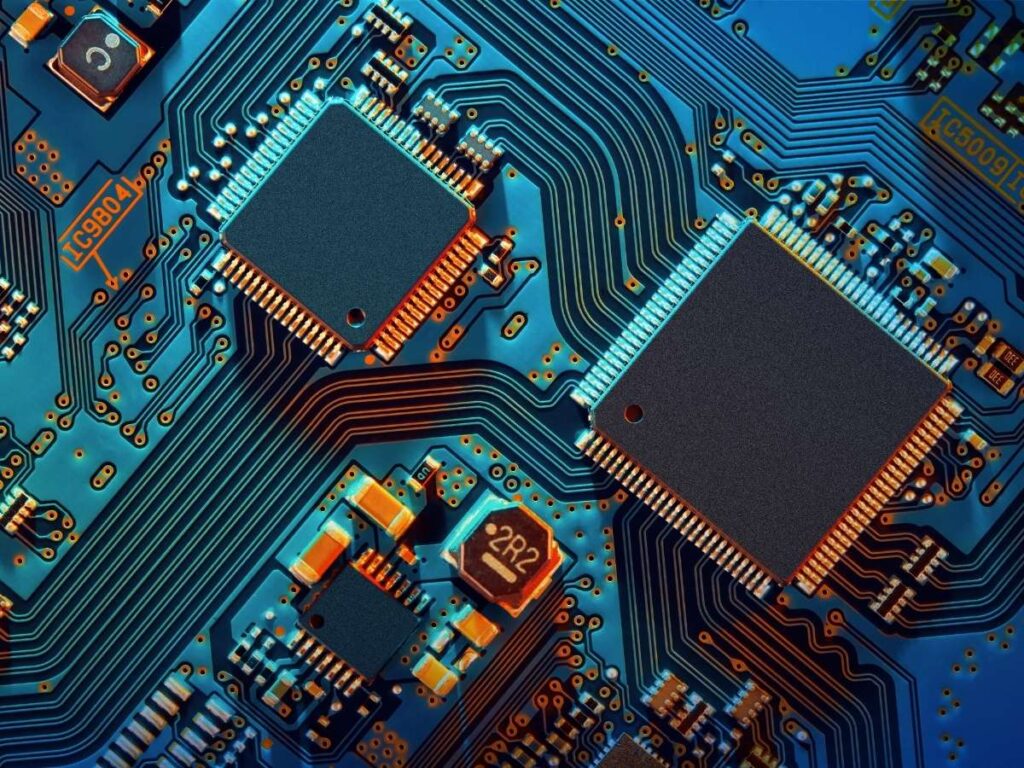
In electronics, surface finishing isn’t just about protection, it’s part of the circuit. It affects conductivity, solderability, heat transfer, and signal performance. Miss the right finish, and even the best design won’t function properly.
Common Applications
- Printed Circuit Boards (PCBs): ENIG (Electroless Nickel Immersion Gold), HASL, OSP
- Connector Pins and Contacts: Gold or silver plating for conductivity
- Heat Sinks and Casings: Anodizing, thermal coatings
- Microelectronic Components: Conformal coatings for moisture and dust protection
- EMI/RFI Shielding: Metallic coatings to prevent signal interference
From high-end semiconductors to consumer devices, surface finishing supports both physical protection and electrical performance.
Why It Matters
The wrong finish can cause poor solder joints, oxidation, or degraded signals, all of which lead to product failures or expensive warranty returns.
Finishing also helps dissipate heat and prevents shorts, especially in densely packed or high-frequency boards. In electronics, reliability often comes down to the micron-level details.
Industry-Specific Standards
Finishing processes for electronics must meet standards like IPC-A-600, IPC-6012, and RoHS for lead-free compliance.
For OEMs and contract manufacturers, this means choosing vendors who understand the interplay between surface treatments and electrical behavior, not just mechanical finishing.
4. Medical Devices and Equipment
We once supplied stainless steel components for a medical device prototype. Everything passed mechanical testing, but during sterilization trials, the surface began to discolor and pit. That finish wasn’t up to spec for repeated autoclaving.
It didn’t just delay the project. It forced a complete redesign of the post-processing workflow.
In medical manufacturing, surface finishing isn’t about looks, it’s about hygiene, safety, and compliance. Even a flawless part can fail if the finish can’t hold up in a clinical setting.
Common Applications
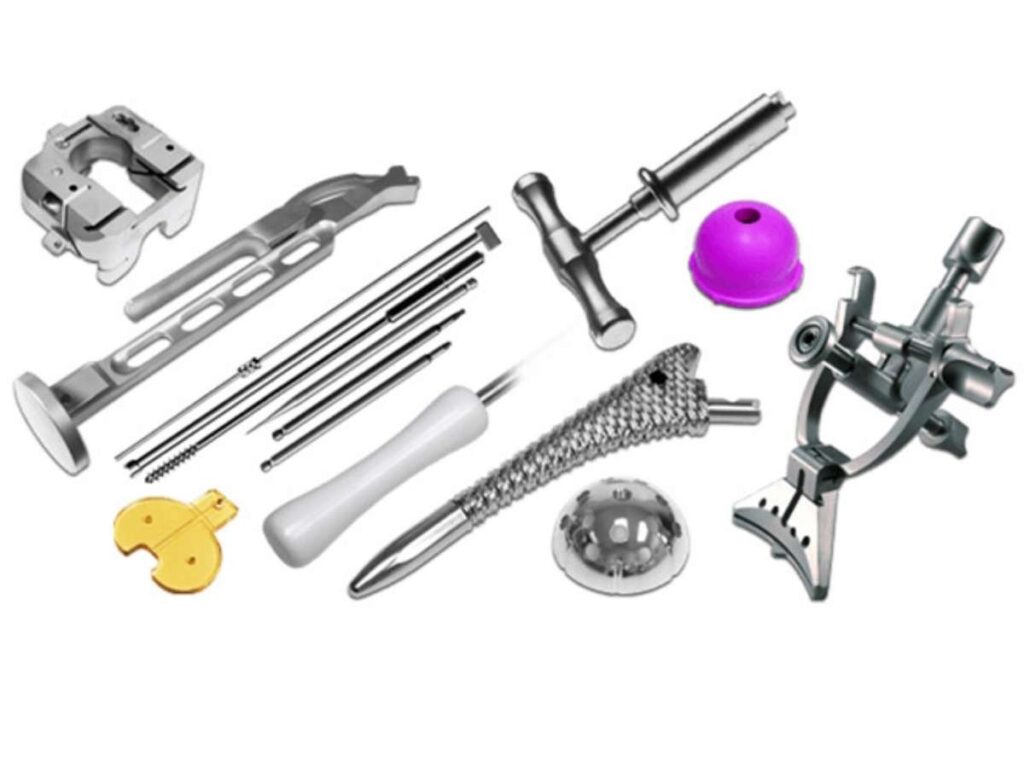
- Surgical Instruments and Implants: Electropolishing, passivation
- Orthopedic Devices: Anodizing, biocompatible coatings
- Dental Tools and Implants: Chrome plating, polishing
- Hospital Equipment Frames: Powder coating, antimicrobial finishes
- Catheters and Stents: Hydrophilic or drug-eluting coatings
Every surface interacts with the human body, or the environment around it. The finish must support both.
Why It Matters
Medical parts must resist corrosion, wear, and repeated sterilization without degrading. A single point of failure can put patient safety, and your business, at risk.
Finishes also influence biocompatibility, preventing reactions in the body and supporting tissue integration where needed.
Industry-Specific Standards
Medical finishes are governed by strict standards like ISO 10993, ASTM F86, and FDA 21 CFR. Depending on your product, audits and validation testing may be mandatory before market approval.
If you’re supplying parts to OEMs, expect detailed finish documentation and traceability requirements.
5. Consumer Goods & Appliances
Years ago, I worked with a startup launching a premium kitchen appliance. The product looked great in the studio, but once it hit shelves, customers started complaining about fingerprints, scratches, and uneven finishes within weeks.
The feedback was brutal, and all tied back to the surface finish.
In consumer goods, finish directly impacts how a product is perceived and how long it lasts in everyday use. It’s the first thing buyers notice and the first thing they’ll blame if something goes wrong.
Common Applications
- Home Appliances: Powder coating, brushed stainless, anti-smudge coatings
- Fitness Equipment: Matte or textured coatings for grip and wear resistance
- Consumer Electronics: Decorative anodizing, PVD coatings
- Furniture Hardware and Fixtures: Electroplating, polishing
- Luxury Goods: High-gloss finishing, precision polishing, custom textures
These aren’t just finishing touches, they’re selling points that shape user experience and product value.
Why It Matters
Durable finishes reduce returns, increase perceived value, and protect your brand’s reputation. No one wants a high-end product that looks worn out after two weeks of use.
For high-volume goods, finishing also affects production efficiency and quality consistency, especially if you scale globally or outsource to multiple vendors.
Industry-Specific Standards
While less regulated than aerospace or medical, many consumer-facing brands still enforce internal finish standards or third-party certifications like RoHS, UL, or ISO 9001.
Buyers, especially for retail chains, often expect a consistent finish spec across batches and suppliers.

6. Construction & Architecture
A few years back, we supplied aluminum panels for a commercial building project. The specs were solid, and the install went smoothly. But less than six months later, the surface started fading and spotting. The client was furious.
Turns out the anodizing didn’t meet the UV resistance required for exterior use. That one oversight forced us into an expensive replacement and reinspection cycle.
In construction and architectural work, surface finishing is critical for both durability and visual impact. These materials are exposed to weather, pollution, and constant use, often for decades. A poor finish shows up fast, and it reflects directly on everyone involved.
Common Applications
- Architectural Panels and Facades: Anodizing, powder coating
- Metal Railings and Fixtures: Galvanizing, clear coating, anti-corrosion finishes
- Doors, Windows, and Frames: Anodized aluminum, fluoropolymer coatings
- Interior Surfaces and Trim: Decorative plating, brushed finishes
- Fasteners and Structural Hardware: Zinc or hot-dip galvanizing
Whether it’s a sleek office tower or an industrial warehouse, the right finish helps maintain appearance, safety, and structural integrity.
Why It Matters
Outdoor elements like rain, UV rays, and humidity are brutal on unfinished or poorly coated materials. Surface finishing protects against corrosion, fading, and wear, ensuring your work lasts and looks good over time.
It’s also a major part of the aesthetic value. A bad finish can ruin an otherwise great design. In architecture, how something looks often matters just as much as how it works.
For high-traffic interior spaces, finishing helps reduce maintenance costs by preventing staining, scratches, or grime buildup. Companies like Machmaster specialize in applying high-performance surface finishes tailored for these demanding environments.
Industry-Specific Standards
Construction projects often reference standards like AAMA 2605 for coatings, ASTM B117 for corrosion testing, and LEED guidelines for environmentally friendly finishes.
Specs are often dictated by architects or developers, and enforced by contractors. That means any deviation can result in rework, fines, or being cut from future bids.

7. Marine Industry
We once collaborated on a small-batch marine hardware order, mostly stainless brackets and support fittings. The parts looked perfect out of the shop. But within two months of dockside exposure, customers reported spotting and rust.
It wasn’t a material issue, it was the finish. We had used a standard passivation process, but it wasn’t enough for the salt-heavy environment.
In the marine industry, surface finishing is your first and last line of defense against corrosion. Saltwater, humidity, and UV exposure don’t just wear down materials, they accelerate failure. And when your product lives in or near the water, that matters fast.
Common Applications
- Boat Hull Components and Fittings: Anodizing, electropolishing, marine-grade powder coating
- Dockside Hardware: Hot-dip galvanizing, duplex coatings
- Offshore Equipment and Platforms: Anti-fouling and anti-corrosion coatings
- Propulsion Systems: Hard chrome, wear-resistant surface treatments
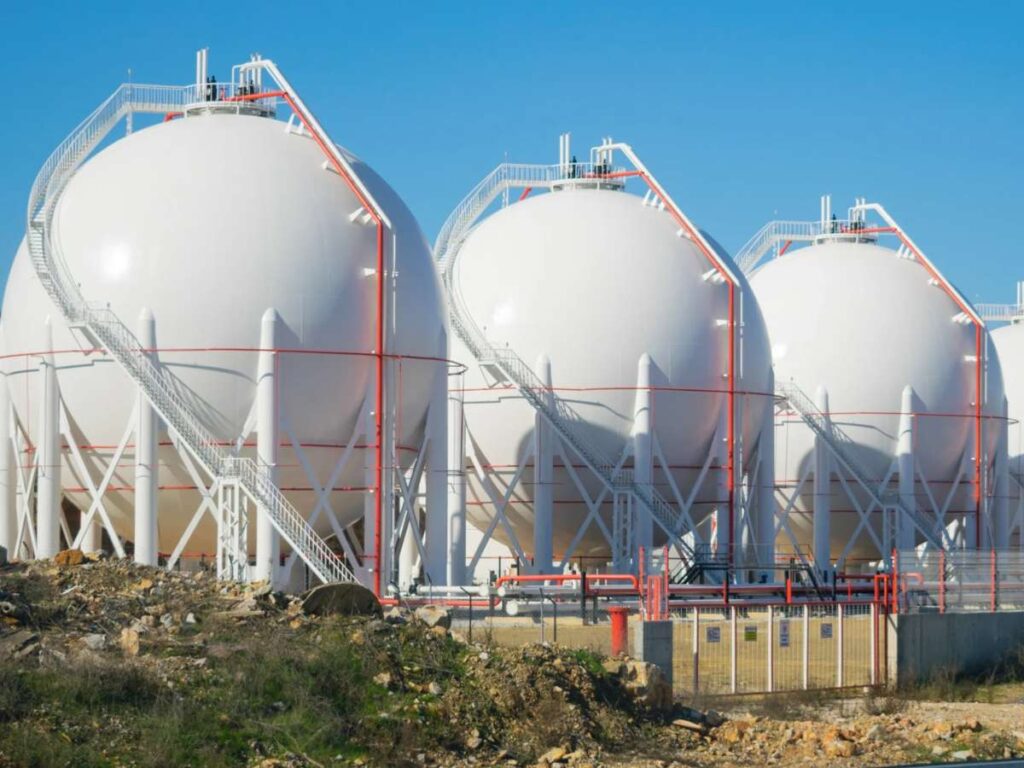
- Storage Tanks and Marine Structures: Epoxy and ceramic coatings for saltwater resistance
These components are constantly exposed to harsh, corrosive environments, so the finish can’t just be decorative. It needs to be engineered to perform under pressure.
Why It Matters
Saltwater is relentless. Without proper surface protection, corrosion begins quickly, and once it starts, it spreads fast. A compromised finish can mean structural failure, safety risks, or expensive maintenance cycles.
Surface finishing also helps resist biofouling (like algae and barnacle buildup), which impacts performance, increases drag, and raises operating costs.
If you’re looking for surface finishing solutions that can withstand harsh marine conditions, Machmaster offers processes specifically engineered for long-term durability and corrosion resistance.
Industry-Specific Standards
Marine products often follow standards like ISO 12944 for corrosion protection, ASTM B117 for salt spray testing, and specific guidelines set by IMO or ABS for offshore structures.
Many coastal and marine projects also require certification for coatings or surface prep before a product can be approved for use.
8. Industrial Machinery & Tools
One of our clients once delivered a set of machined components for an automated press system. The build was flawless, tight tolerances, solid materials. But a month into production, the contact surfaces began showing signs of wear and galling.
No one had specified a surface finish.
It’s a common oversight in industrial settings. We focus so much on material strength and precision that we forget the finish plays a major role in long-term performance. But when you’re running equipment 24/7 under load, surface protection isn’t a bonus, it’s essential.
Common Applications
- Cutting Tools and Dies: Nitriding, titanium nitride coating
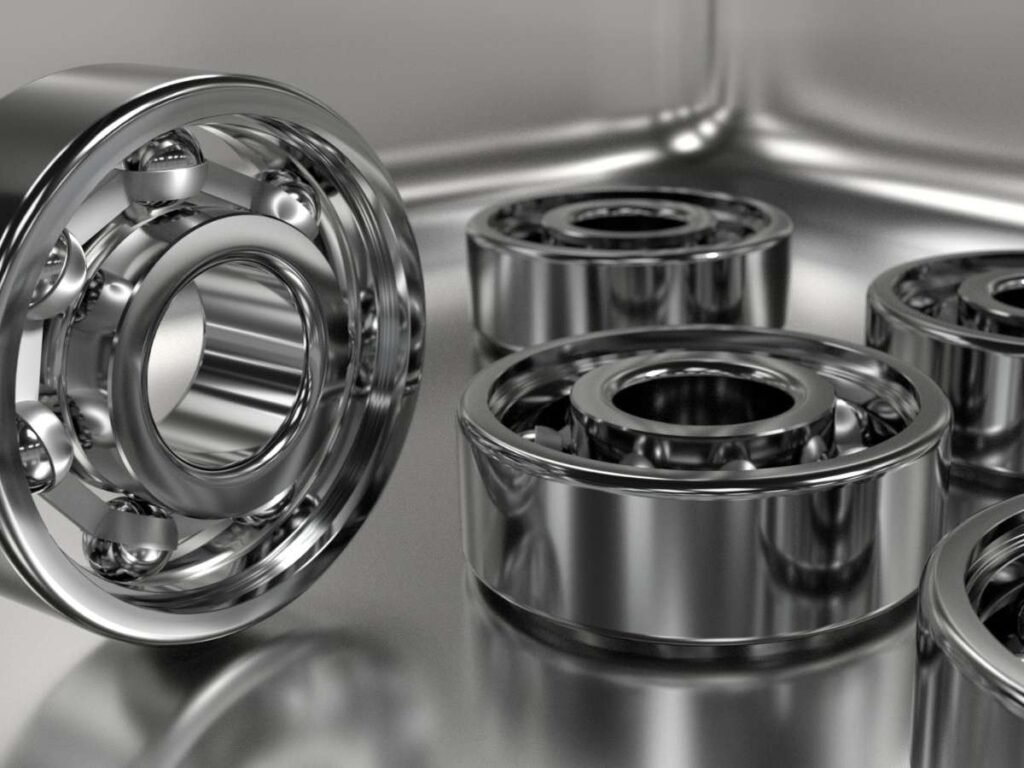
- Bearings and Shafts: Hard chrome plating, black oxide
- Gear Components: Phosphate coating, case hardening
- Heavy Equipment Parts: Thermal spray coatings, epoxy finishes
- Industrial Frames and Mountings: Powder coating, corrosion-resistant treatments
These machines operate in high-friction, high-pressure, and often dirty environments. Finishing protects them from wear, heat, and chemical exposure.
Why It Matters
Unfinished or poorly finished surfaces can accelerate friction, wear, and failure, especially when parts move, collide, or carry heavy loads. That means more downtime, higher maintenance costs, and lost productivity.
The right finish extends the working life of parts, reduces lubrication needs, and improves mechanical efficiency.
If you’re managing industrial equipment or fabricating components, Machmaster provides wear-resistant finishing solutions tailored to these high-stress environments.
Industry-Specific Standards
Depending on your industry, you may need to meet finishing specs tied to ISO 2063, ASTM B633, or internal performance criteria like salt spray testing or friction coefficients.
Many OEMs include finishing requirements in their procurement specs. If you’re in the supply chain, failing to meet those specs means parts won’t be approved, or they’ll come back under warranty.
Conclusion
One missed finish cost us a month. One fix won that client’s trust.
That’s what this article is about, understanding when and why finishing matters across industries like yours. From automotive to architecture, you now know where it fits and how it performs.
You’re not guessing anymore. You’re equipped.
So what’s next? Take that knowledge and apply it. Build longer-lasting parts. Create better experiences.
If you need a proven finishing partner, Machmaster does this every day, and we’d love to help.
Your next product deserves a surface that delivers. Contact us today.
Recommended Reads for You
If you need more options, take a look at our full range of products. You might find just what you need:
- Anodizing Service
- CNC Milling Service
- CNC Turning Service
- Injection Molding Service
- CNC Machining Service
Interested in more? Here are some additional articles with insights and tips to keep you informed:
Still haven’t found what you’re looking for? Don’t hesitate to contact us. We’re available around the clock to assist you.