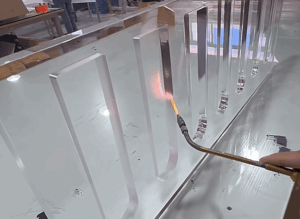

I still remember the moment the parts arrived.
I asked for a matte finish, something soft and clean. But when I opened the box, the parts were shiny. Almost like chrome.
They looked nothing like what I had pictured. I felt frustrated. Because it was my call, and I had clearly made the wrong one.
That’s when it hit me: I didn’t really understand what “matte” meant to that supplier.
I thought I did. But I didn’t ask the right questions. I didn’t know the options.
If you’ve ever felt unsure about surface finishes, I get it. There are so many types. Some look similar but behave totally different. It’s easy to feel lost.
I’ve made those mistakes. That’s why I wrote this.
In this guide, I’ll show you 8 surface finishes that are used in real products. I’ll explain what they look like, how they feel, what they cost, and when to use each one.
By the end, you’ll be able to choose a finish that makes sense for your product, whether you care most about style, strength, or saving money.
Let’s dive in!
Quick Comparison Chart
A surface finish isn’t just about looks, it’s about how a product performs, ages, and presents itself in the real world. This comparison table breaks down how each finish stacks up in critical areas, so you can choose with confidence.
| Finish Type | Visual Impact | Durability | Scratch Resistance | Glare Control | Fingerprints Visibility | Color Compatibility | Production Consistency |
| Mirror | Very high, reflective | Moderate | Low | Very poor | Very high | Strong with light colors | Requires tight process |
| Brushed | Moderate, directional | High | Moderate to high | Good | Low | Slightly muted, best with metallics | High |
| Matte | Soft, non-reflective | Moderate | Moderate | Excellent | Very low | Strong, absorbs deeper tones | High |
| Satin | Subtle sheen | Moderate to high | Moderate | Good | Low | Works across most palettes | High |
| Textured | Low to medium | Very high | Very high | Excellent | Very low | Limited by depth of pattern | Moderate (varies by mold) |
| Bead-Blasted | Frosted, clean | High | High | Excellent | Very low | Mutes bright colors slightly | High |
| Glossy | Very high, shiny | Low to moderate | Low | Poor | Very high | Strong color enhancement | Moderate |
| Oxidized / Patina | Unique, aged look | Moderate | Moderate | Good | Low to moderate | Limited to natural metal tones | Low (intentionally varied) |
No single finish is “best” across all categories, it depends on your product’s environment, brand, and usage requirements. Use this table as a quick reference to help you balance appearance, practicality, and performance in your decision-making.
1. Mirror Finish
There’s something unforgettable about seeing a product that shines — literally. That high-gloss, glass-like surface that screams precision, luxury, and care. That’s the mirror finish.
I still remember the first time we introduced it on a batch of cosmetic cases. Our team had been using a standard satin finish, but switching to mirror was a game-changer. The product suddenly looked twice as expensive — and guess what? We were able to justify a 30% higher price point without touching the formula inside.
A mirror finish doesn’t just “look good.” It elevates the entire perceived value of your product. But it comes with trade-offs, and it’s not the right choice for every use case. Let’s walk through when and why you should consider it.
Common Use Cases
- Premium consumer electronics (think smartphone backs, laptop trims)
- Luxury packaging for cosmetics, perfume, and watches
- Home appliances where visual impact matters
- Retail displays and signage where reflection is part of the experience
- Personal care items like razors, toothbrush holders, mirrors
If your product lives in a high-visibility retail setting, chances are, you’ve considered this finish.
Tactile Feel
Run your hand across a mirror finish, and you’ll get glass-like smoothness. It’s ultra-sleek, flawless, and cold to the touch.
But be warned — this finish also highlights every fingerprint, every smudge, every scratch. In some industries, that’s a dealbreaker. In others, it’s worth the trade for that initial wow factor.
It feels luxurious, no doubt. But it requires more maintenance from the end user.
Ideal For
Choose a mirror finish when you want to immediately communicate luxury.
Use it to elevate perceived quality, especially if your product is sold at a premium price point or has visual shelf presence. This is the finish for brands that compete on design, aesthetics, and brand equity — not on cost.
Avoid it if your product is handled roughly, exposed to dirt, or needs a rugged, utilitarian image.
Pros & Cons
Pros:
- Looks high-end, premium, and precise
- Reflective surface grabs attention in lighting
- Boosts perceived value instantly
- Smooth texture feels refined in hand
Cons:
- Shows fingerprints and dust easily
- Prone to scratches without protective coating
- Not ideal for heavy-use or outdoor environments
- Can be slippery depending on product ergonomics
2. Brushed Finish
Not everything needs to shine like glass. Sometimes, your product just needs to feel solid. Intentional. Engineered. That’s where the brushed finish comes in.
The first time I switched from glossy to brushed for a stainless control panel, I didn’t expect such a strong reaction. Our client said it looked “more expensive, more professional, like something you’d see in a German lab.” That one visual change closed the deal.
Brushed finishes aren’t flashy, they’re confident. They communicate quality without screaming for attention. If that’s the kind of impression you want your product to make, keep reading.
Common Use Cases
- Appliances (microwaves, fridges, ovens — think stainless steel kitchen fronts)
- Consumer electronics (laptops, phone cases, audio gear)
- Control panels and machinery (especially in industrial or med-tech sectors)
- Architectural metalwork (elevator panels, door handles, fixtures)
- Office products and accessories (desk organizers, pens, hardware)
If your product uses metal or wants to look like metal, brushed is a staple.
Tactile Feel
There’s a subtle grain to it, linear, soft, and directional. It feels refined, not rough.
Unlike polished or glossy finishes, brushed textures actually hide fingerprints and minor scratches, making the product feel “cleaner” over time. That’s a huge win in customer-facing or high-touch environments.
It also adds grip subtly, which makes a difference for handheld products or devices.
Ideal For
Use a brushed finish when you want your product to say “professional, durable, and premium — without showing off.”
It’s the go-to for modern, industrial design, and works incredibly well when paired with matte or black accents.
This finish is especially smart for:
- Products that will be handled often
- Surfaces that need to stay clean-looking
- Brands aiming for a minimalist or tech-forward aesthetic
Avoid it if your product design relies on color vibrancy or mirror-like shine, brushed can mute color and kill reflectivity.
Pros & Cons
Pros:
- Hides fingerprints, smudges, and minor wear
- Adds a high-quality, professional appearance
- Textured feel adds subtle grip
- Works across both consumer and industrial segments
Cons:
- Directional pattern can limit design flexibility
- Not reflective, won’t pop under retail lighting
- Can dull vibrant colors or branding marks
- Shows up inconsistently if applied improperly across parts

3. Matte Finish
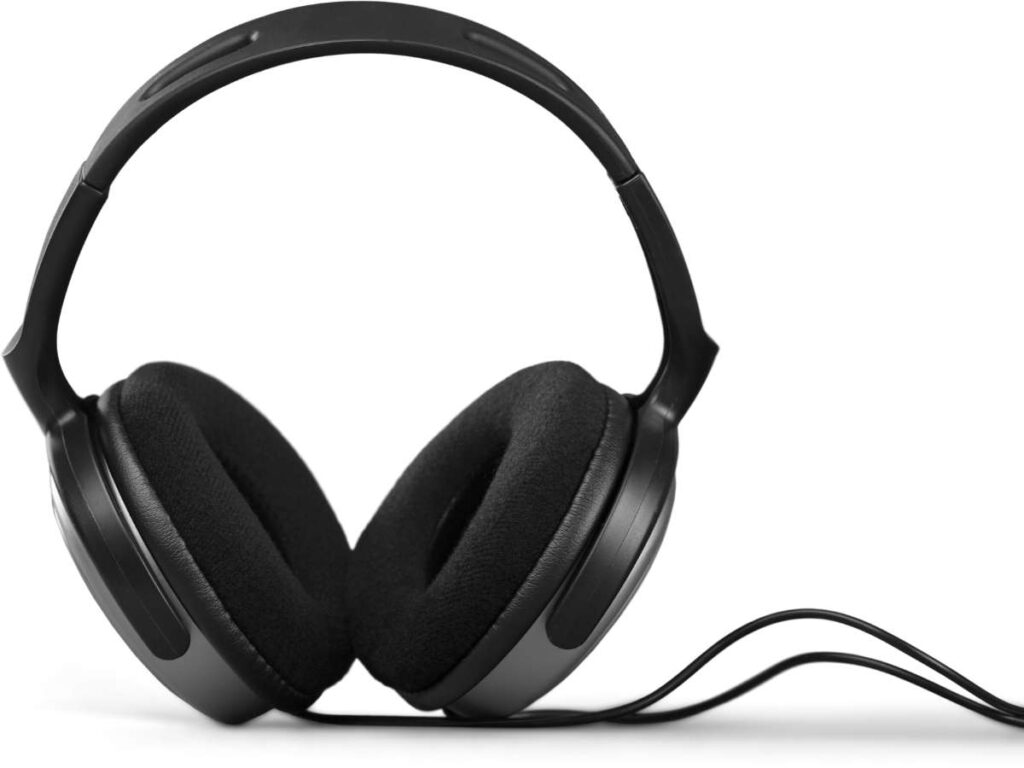
I’ve seen more teams fall in love with matte finishes than any other texture. And I get it. Matte has that understated confidence. It’s soft on the eyes, easy on the hands, and instantly makes a product feel modern, intentional, and premium.
We had a client last year who came to us at MachMaster asking why their product looked cheap, even though it was well-made. The plastic was solid, the mold was clean — but it was glossy, and it didn’t fit their brand. We reworked the surface to a soft-touch matte, and the difference was night and day. Suddenly, it looked like a $100 product instead of a $30 one.
This is what a good matte finish does — it lets your product speak without shouting.
Common Use Cases
- Consumer electronics (headphones, tablets, gaming consoles)
- Lifestyle products (water bottles, personal care items, wearable gear)
- Furniture and interior trims
- Tools, gadgets, and accessories where handling comfort matters
- Packaging for tech, cosmetics, or wellness brands
If your brand leans toward clean, modern, minimal design, matte is a no-brainer.
Tactile Feel
Matte finishes feel soft, smooth, and non-slip. Some versions even have a rubberized, velvety texture that enhances grip.
From a user’s perspective, matte feels more touchable — less slippery, less cold, and more intentional. It encourages interaction.
That’s why matte is so common on handheld and personal-use products. It just feels better.
Ideal For
Go matte when your product needs to feel approachable, modern, and clean.
It’s a powerful visual and tactile tool for:
- Brands in tech, wellness, or lifestyle spaces
- Surfaces that are frequently handled
- Designs that want to avoid glare and stay sleek under lighting
Matte is also ideal when you’re pairing it with bold shapes, muted color palettes, or a minimalist identity.
Avoid it if you need a reflective, high-gloss presence, or if the finish will be exposed to heavy oils or abrasion — some matte textures can stain or wear faster without a protective coat.
Pros & Cons
Pros:
- Soft, modern aesthetic that works across industries
- Excellent fingerprint resistance
- Comfortable to hold and use
- Absorbs light — no glare in retail or field settings
Cons:
- May attract dust or oils depending on resin
- Can feel muted or flat if color isn’t bold enough
- Slightly more prone to visible wear over time (vs. satin)
- May require texturing or additives in plastic to get true matte look
4. Satin Finish
There’s a sweet spot between dull and glossy — and that’s where satin lives.
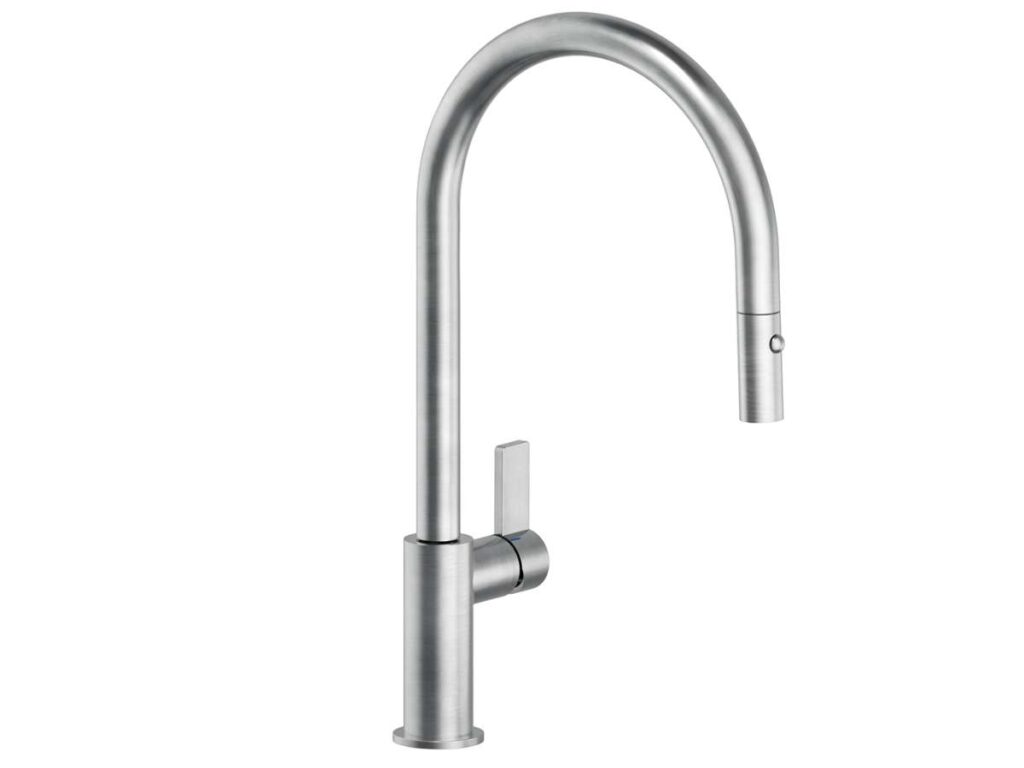
It doesn’t glare like a mirror finish, but it’s not completely flat either. Satin finishes give you that soft glow — a polished but understated look that says, “I’m refined, but I don’t need to show off.”
I’ve used satin finishes on everything from consumer packaging to medical housings. It’s one of those textures that works almost anywhere, especially when you want something clean, modern, and timeless. It feels familiar, high-quality, and professional without demanding attention.
Common Use Cases
- Bathroom and kitchen fixtures (faucets, knobs, handles)
- Consumer electronics (mouse bodies, remote controls, wearables)
- Household appliances (coffee makers, blenders, countertop devices)
- Health & wellness tools (devices, dispensers, beauty tech)
- Packaging for upscale but accessible products
Satin is a favorite across product categories because it blends so well into different environments — home, office, medical, retail.
Tactile Feel
To the touch, satin finishes feel smooth but not slippery. There’s a low-friction softness that gives a product a “settled-in” comfort when held.
It doesn’t have the sticky feel of rubberized matte or the sleekness of gloss, just a soft-slide texture that feels intentional and easy to handle.
It’s particularly great for products people interact with daily, nothing sharp, nothing cold, just smooth confidence.
Ideal For
Satin is ideal when you want a product to look refined, clean, and gently premium, without crossing into the “luxury” or “showpiece” category.
Use it when:
- You want a neutral, professional appearance
- The product will be frequently touched, and you want low-maintenance handling
- Your finish needs to work under natural and artificial light without glare
Satin finishes also pair beautifully with modern branding, especially for companies focused on wellness, personal care, or lifestyle tech.
Avoid satin if you want high visual impact — it’s not dramatic. It’s subtle.
Pros & Cons
Pros:
- Smooth, clean look with subtle reflectivity
- Doesn’t show fingerprints as easily as gloss
- Comfortable in-hand feel
- Very versatile across industries and materials
Cons:
- Can appear “plain” if the product design lacks strong form or color
- Less visually striking than high-gloss finishes
- May vary slightly between batches if not controlled tightly in production
5. Textured Finish
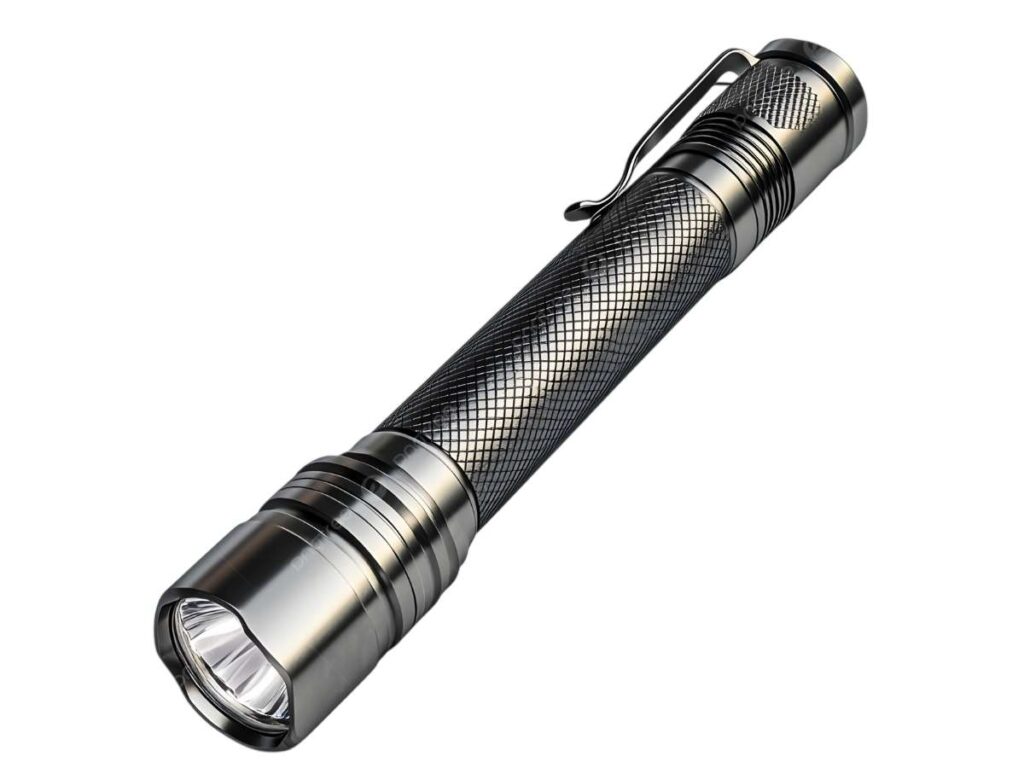
Sometimes, smooth isn’t the goal. Sometimes, your product needs to feel rugged, grippy, or boldly tactile, and that’s where the textured finish delivers.
One of our clients at MachMaster came to us with a problem: their handheld tool looked premium, but users kept dropping it. The glossy coating felt nice, but in the real world, in sweaty, dusty hands, it just didn’t work. We switched it to a light textured finish, and not only did it fix the grip issue, but the product looked tougher, more professional. Sales went up in the next quarter.
That’s the beauty of texture. It’s not just about looks — it’s about function meeting feel.
Common Use Cases
- Power tools and industrial equipment
- Outdoor products (flashlights, gear, cases, bottles)
- Sporting goods (fitness devices, bike parts, grips)
- Medical and lab equipment
- Heavy-use consumer products (remotes, controllers, protective casings)
Textured finishes thrive where durability and performance matter just as much as — if not more than — appearance.
Tactile Feel
Depending on the texture pattern, it can feel grippy, grainy, slightly raised, or even pebbled. The key here is traction.
It makes the product easier to hold, harder to scratch, and less prone to slipping, even with gloves or wet hands. And that feel communicates toughness. It feels intentional, like this product was made for real work, not just display.
Ideal For
Choose a textured finish when your product is:
- Designed for demanding environments
- Handheld or constantly handled
- Expected to take abuse, wear, or exposure to rough conditions
- Built for performance in polish
This is a go-to for brands that prioritize utility, durability, and real-world function. Textured finishes also mask imperfections and are highly forgiving on parts with complex geometries or material inconsistencies.
Avoid it if your product relies on sleekness, shine, or elegance — this finish leans more industrial than refined.
Pros & Cons
Pros:
- Excellent grip and anti-slip properties
- Hides wear, scratches, and fingerprints
- Adds a sense of toughness and function
- Great for outdoor or high-contact products
Cons:
- Can trap dirt or oils in deep textures
- Not ideal for sleek, modern aesthetics
- Limits visual branding elements (like metallic shine or color pop)
6. Bead-Blasted / Sandblasted Finish
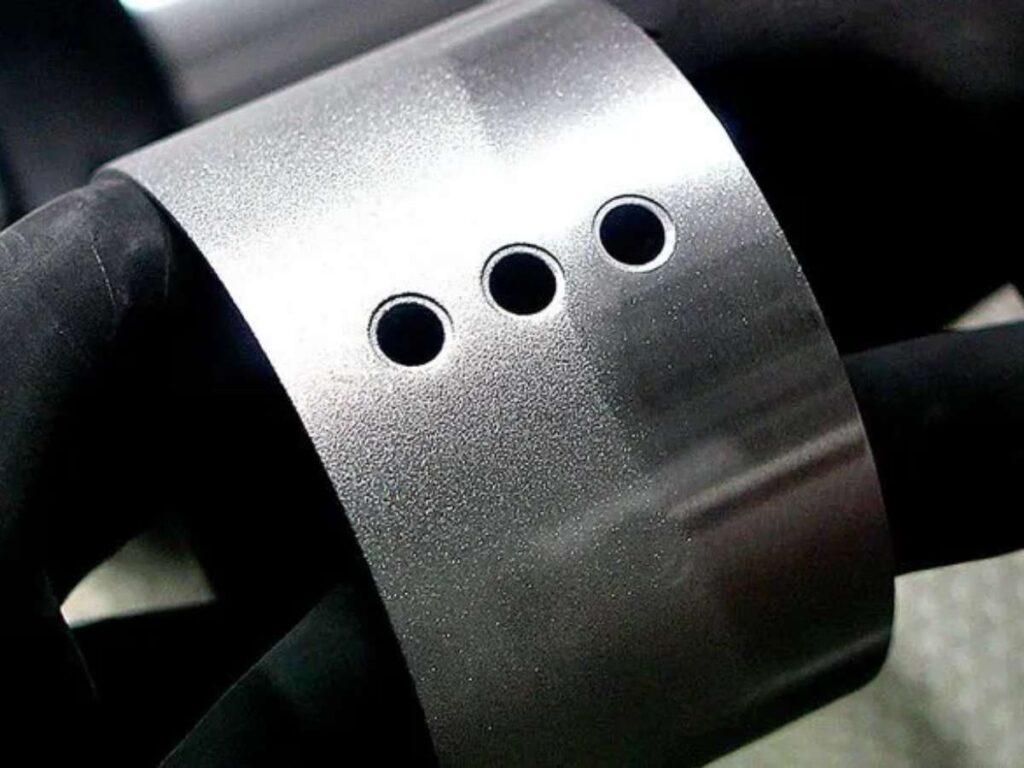
There’s something quietly powerful about a frosted, uniform surface — no glare, no fingerprints, no nonsense. That’s the beauty of a bead-blasted (or sandblasted) finish.
I’ve used this finish on high-end tools and rugged components alike, and it always gives off the same impression: precision. There’s nothing flashy about it, but it immediately communicates seriousness, functionality, and durability. I once had a client describe it as “Apple meets aerospace,” and honestly, I couldn’t have said it better.
If your product needs to look engineered, matte, and tactile, this finish should be on your shortlist.
Common Use Cases
- Watch housings and jewelry with a matte metal look
- Firearms and military-grade equipment
- Medical devices and surgical instruments
- High-end tools and cutting instruments
- Aerospace and automotive components
- Premium consumer goods where anti-glare and texture matter
It’s a go-to for sectors where precision and wear resistance are key, especially when paired with metals like aluminum, stainless steel, or titanium.
Tactile Feel
Bead-blasted finishes have a fine, even texture that feels smooth but not slick — almost like silk with grip. It offers a satisfying resistance under your fingers.
It’s dry to the touch, and it gives users the impression of stability and quality. There’s no gloss, no oily feel — just a solid, functional grip.
Ideal For
Use this finish when you want your product to feel:
- Engineered, refined, and built to perform
- Neutral and professional, without the shine
- Resistant to handling, smudging, or glare
- Suitable for industrial or precision environments
Bead-blasted surfaces are often used in tools, instruments, and equipment that need to be performed under pressure — and look good doing it.
Avoid it if your product relies on visual pop, high shine, or bold color effects, blasting mutes those visual elements in favor of texture and consistency.
Pros & Cons
Pros:
- Creates a highly uniform, professional surface
- Great for anti-glare and fingerprint resistance
- Adds subtle grip and tactile value
- Elevates the look of precision parts or devices
Cons:
- Can reduce color vibrancy or metallic shine
- Requires careful masking during processing
- May wear unevenly in high-friction applications
- Not suitable for designs that require polish or gloss
7. Glossy Finish
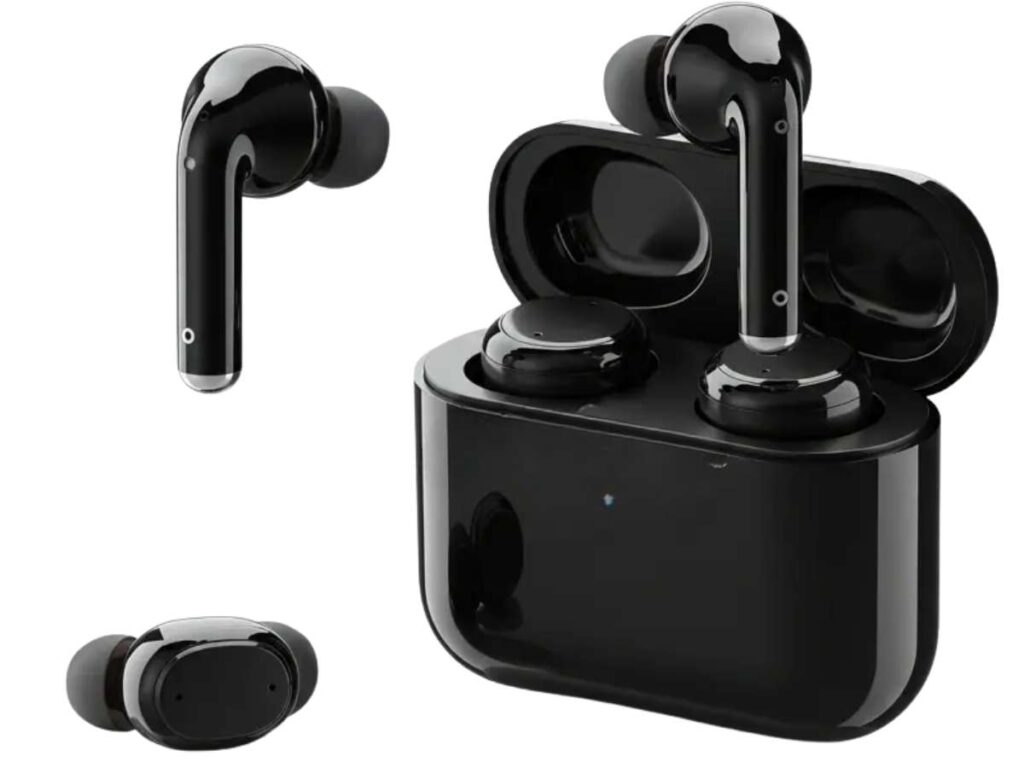
Let’s be honest, nothing turns heads faster than a glossy surface done right. It’s bold, high-impact, and says, “Look at me.”
I’ve seen glossy finishes transform simple products into shelf stars. A basic electronics enclosure suddenly looked like a luxury item. A low-cost case design got picked up by a premium brand. The reason? Gloss sells — and in the right context, it sells fast.
Gloss isn’t just a design choice, it’s a statement. If your product needs to catch the eye, this is one finish you can’t ignore.
Common Use Cases
- Cosmetics and beauty packaging
- Consumer electronics (smartphones, earbuds, charging docks)
- Retail displays, signage, and point-of-sale stands
- Automotive trim and interior components
- High-end plastic enclosures (especially in tech or lifestyle markets)
Glossy finishes dominate in retail-forward industries, where shelf presence, perceived quality, and first impressions are everything.
Tactile Feel
A glossy surface feels slick, ultra-smooth, and cool to the touch. It’s the kind of finish that makes users pause for a second just to admire the surface — or wipe it down.
Depending on the material, it can feel premium and luxurious, or slippery and delicate. That sensation matters — especially if you’re designing something users will hold frequently.
Ideal For
Use a glossy finish when you want to:
- Maximize visual impact in retail or showroom environments
- Make colors look deep, bold, and vibrant
- Give a product a polished, high-end appearance
- Reinforce a modern, tech-driven brand identity
It’s a smart choice for products that sell through visual appeal, especially when handling is limited (think: boxed goods, displays, accessories). Gloss can turn even a simple form into something that looks expensive.
Avoid it for high-touch tools, rugged products, or anything that needs grip — fingerprints and micro-scratches will show up fast.
Pros & Cons
Pros:
- Eye-catching and highly reflective
- Enhances colors and branding elements
- Feels premium when clean and scratch-free
- Great for visual merchandising and shelf presence
Cons:
- Shows fingerprints, dust, and scratches easily
- Can feel slippery in hand
- May require protective coatings or treatments to maintain
- Reflectivity can cause glare in some environments
8. Oxidized / Patina Finish
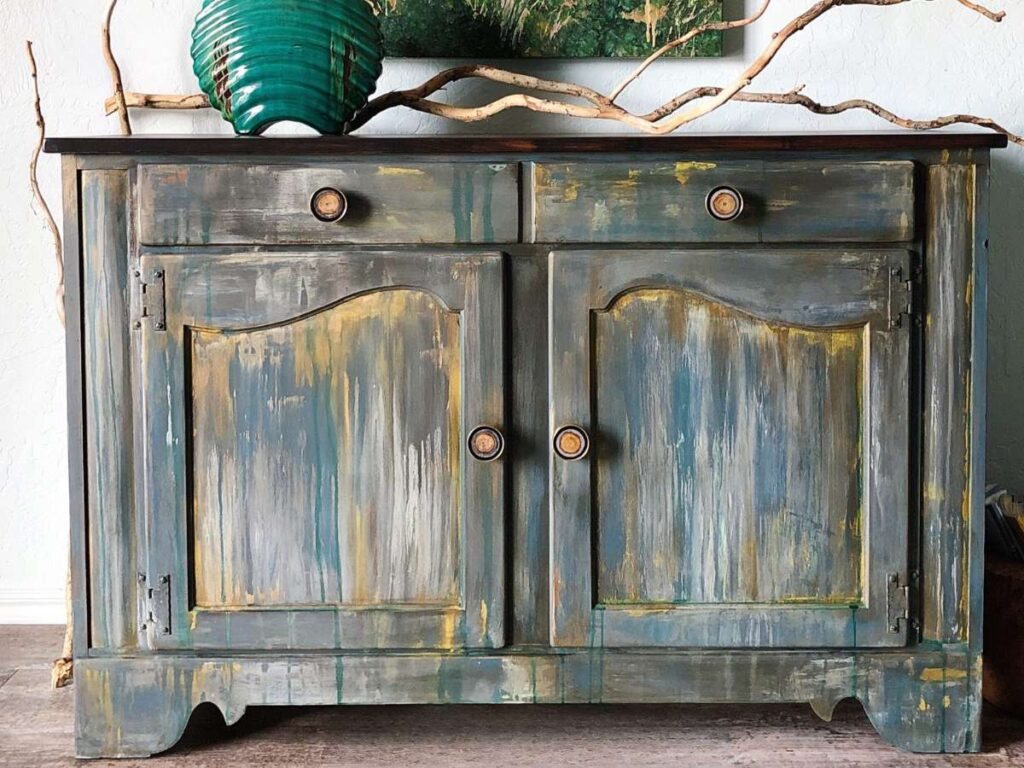
There’s a kind of beauty that comes from letting materials age with intention, not hiding it, but highlighting it. That’s what an oxidized or patina finish offers: a surface that tells a story, looks alive, and feels like it has character.
I had a client in the architectural space who wanted every piece of their hardware to look “like it had a past.” We used controlled patina finishing on brass components, and when they arrived on-site? The designer said, “It looks like this was always meant to be here.” That’s the power of patina, it feels authentic, grounded, and quietly premium.
This finish isn’t about shine or polish. It’s about mood. Depth. Emotion.
Common Use Cases
- Architectural hardware (door handles, light fixtures, wall plates)
- Furniture accents (legs, trim, edging on wood/metal hybrids)
- Luxury branding and packaging (perfume caps, cigar boxes, limited editions)
- Decorative consumer goods (jewelry, watch cases, artisanal accessories)
- Outdoor features (sculptures, signage, railing systems)
Oxidized or patina finishes are a favorite in design-driven industries, especially where the end user values uniqueness over uniformity.
Tactile Feel
Patina surfaces usually feel natural, matte, and slightly textured.
They don’t have the uniform smoothness of gloss or satin — and that’s the point. They feel raw, organic, even a little rustic, which adds to their charm.
Touching a patina-finished surface feels like connecting with something that’s aged gracefully — a sense of craftsmanship you can feel.
Ideal For
Use this finish when your product or brand wants to communicate:
- Authenticity and craftsmanship
- A connection to nature, heritage, or tradition
- A bespoke or artisanal quality
- Subtle luxury with emotional texture
It’s perfect for premium markets, architectural products, or lifestyle goods that embrace material honesty and uniqueness. No two patina finishes are ever exactly the same, and that’s what makes them unforgettable.
Avoid it if your production requires strict visual uniformity or if your brand leans modern and high-tech, patina might feel too aged or irregular.
Pros & Cons
Pros:
- Creates a unique, high-end, aged aesthetic
- Adds depth and character to metallic surfaces
- Feels organic and hand-crafted
- Evokes luxury without the need for high polish
Cons:
- Inconsistent by nature — each piece may vary
- Requires specific base metals (usually copper, brass, bronze)
- Not suitable for all industries or environments
- Can wear unevenly over time if not sealed
Conclusion
That box of shiny parts? It taught me a lesson I won’t forget.
Surface finishes matter more than I knew at the time. But now you know better.
You’ve seen what’s out there. The textures. The costs. The uses. You know what to ask and what to avoid. And when it’s time to choose a finish for your part, you’ll be ready.
You don’t have to guess like I did.
So, what kind of finish would make your product shine?
Let’s talk about it. Contact us today.
Recommended Reads for You
If you need more options, take a look at our full range of products. You might find just what you need:
- Anodizing Service
- CNC Milling Service
- CNC Turning Service
- Injection Molding Service
- CNC Machining Service
Interested in more? Here are some additional articles with insights and tips to keep you informed:
Still haven’t found what you’re looking for? Don’t hesitate to contact us. We’re available around the clock to assist you.