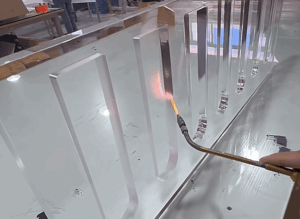

Years ago, I watched a shipment of beautifully machined parts fail inspection—only because the plating didn’t meet spec. It costs us time, money, and trust.
That mistake left a mark, and I never forgot how much the finish matters.
Since then, I’ve helped teams compare coatings side by side, tested finishes in rough environments, and documented the long-term impact of each.
You’re not just reading theory here. You’re getting what actually holds up in the real world.
You’ll get a straight-up look at how nickel and zinc plating stack up in terms of strength, cost, appearance, and application fit. This article cuts through the marketing lingo so you can make a decision that holds up.
The right coating can save a deal, or sink it.
Let’s get into it!
1. What Is Nickel Plating?
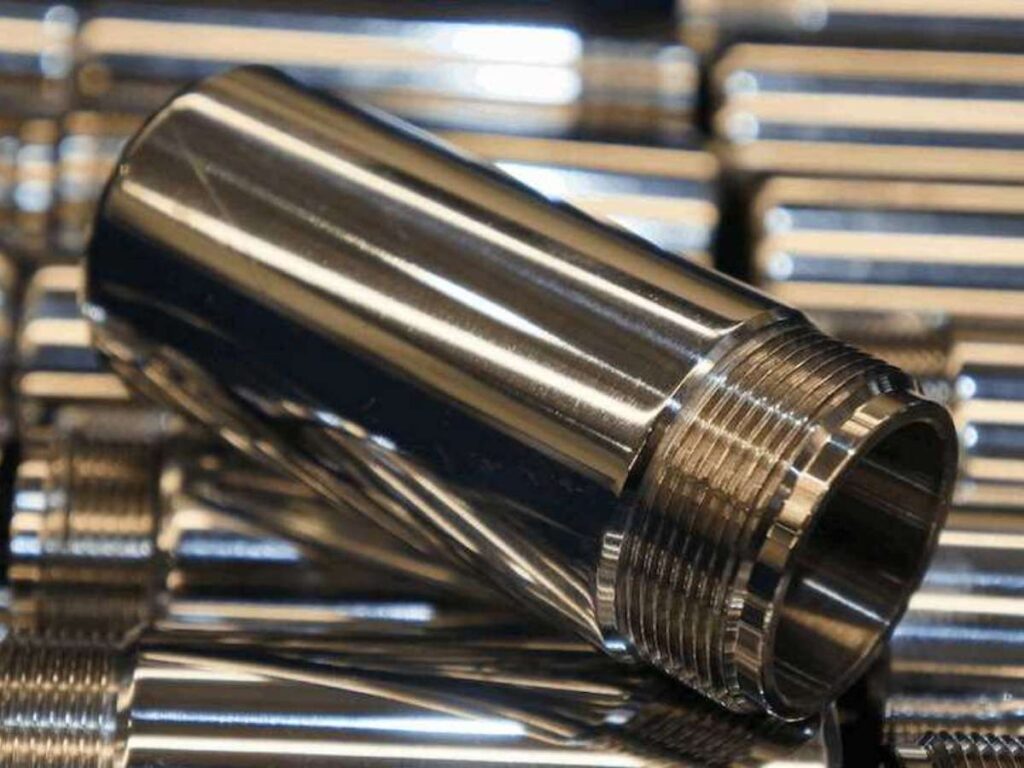
Nickel plating is a tough, versatile coating used in industries that can’t afford surface failure. At its core, nickel plating involves depositing a thin layer of nickel onto a metal object using either an electroplating or electroless process. It’s commonly used on steel, brass, copper, and other alloys.
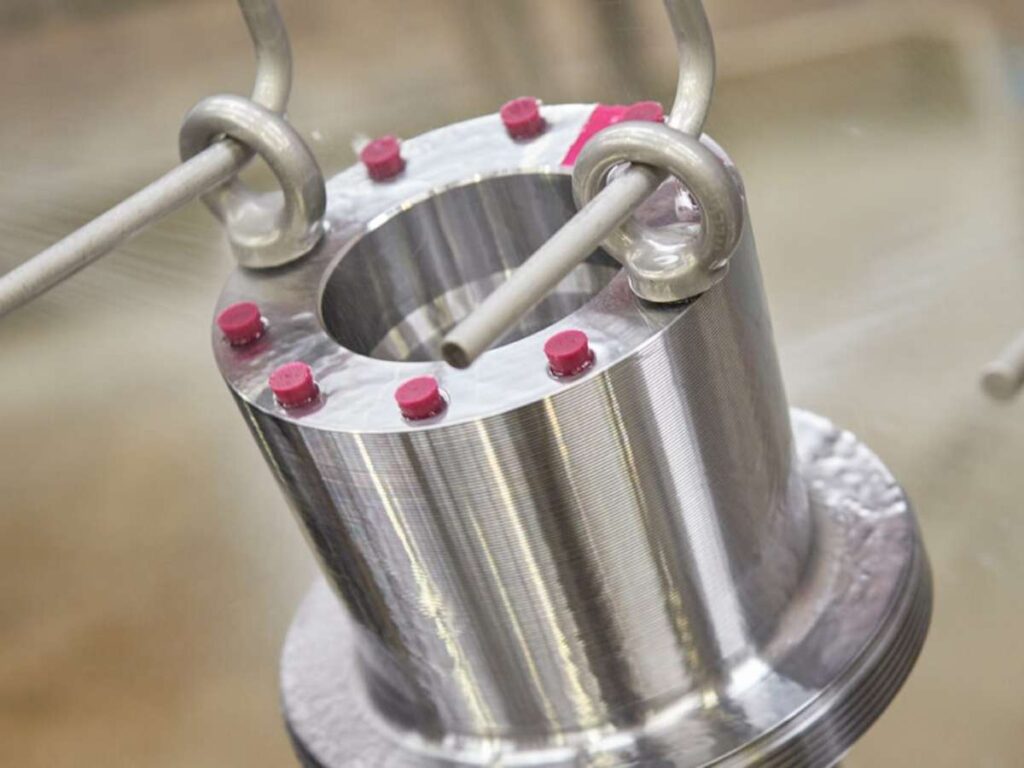
There are two major types you’ll hear about: electrolytic nickel plating (which uses electric current to apply the coating) and electroless nickel plating (which uses chemical reactions). Each has its own strengths. Electrolytic tends to be faster and cheaper, but electroless gives more uniform coverage, especially on complex geometries.
So why use nickel at all? For starters, it resists corrosion well, creates a hard surface, and adds that professional metallic finish. It’s especially popular in aerospace, electronics, and precision machining where tolerances matter. It’s not just for looks, it’s a workhorse finish with a clean edge.
2. What Is Zinc Plating?
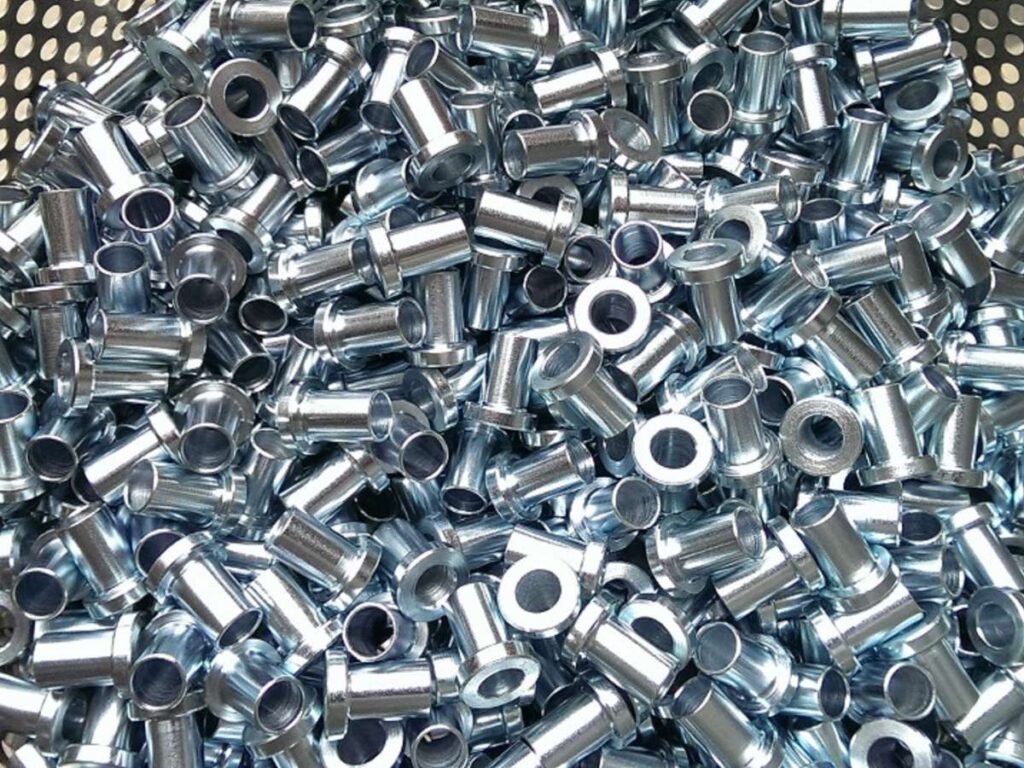
If nickel is the rugged coat, zinc is the sacrificial hero. Zinc plating is mostly about protection, and it’s cost-effective, which is why it’s widely used in mass-produced hardware, fasteners, and automotive parts. The process involves coating a metal (usually steel or iron) with a layer of zinc through electroplating.
Why “sacrificial”? Because zinc corrodes before the underlying metal does. It acts like a shield, taking the environmental damage, so your actual part doesn’t. That’s why it’s commonly used in outdoor or semi-exposed conditions where rust is a risk.
Zinc plating doesn’t offer the same kind of hardness or high-end aesthetic as nickel, but it’s lightweight, efficient, and budget-friendly. You’ll often see it with a dull gray or silvery finish, though additives can adjust the color: blue, yellow, even black. It’s one of the most commonly used finishes in industrial applications for good reason: it gets the job done at scale.
3. Corrosion Resistance Comparison
Corrosion is one of those things you don’t think about until it costs you. I’ve seen components fail early simply because the wrong finish was used, and that’s not a lesson you want to learn the hard way.
- Barrier vs Sacrificial Protection: Nickel works by sealing the surface and preventing oxygen and moisture from reaching the metal. Zinc, on the other hand, breaks down first and takes the hit so the steel underneath doesn’t have to.
- Takes a Scratch Differently: One thing I learned fast is that once a nickel layer gets chipped, corrosion can spread quickly underneath. Zinc keeps protecting the part even if it gets scratched, which makes it more forgiving for rough handling.
- Performance in Real Conditions: Nickel usually lasts longer in aggressive environments, especially when combined with a topcoat. But zinc can handle moderate exposure surprisingly well and is often easier to recoat if needed.
- Where I Use Each: For long-term protection in chemical plants or marine use, I lean toward nickel. But if I’m coating a fastener that’s going to be replaced in six months anyway, zinc often makes more sense.
4. Appearance and Aesthetics
Let’s be honest. Sometimes, you’re not just coating a part to protect it. You want it to look good too, especially when it’s something a client will see or hold.
- Nickel Looks More Refined: It has that clean, polished appearance that just feels high-end. Whether it’s bright or satin, nickel brings a finish that communicates quality right away.
- Zinc Feels More Functional: Zinc tends to look flat and utilitarian, like it belongs on parts that sit inside an engine bay or behind a wall. It works well, but it’s not going to win any style points.
- Color Options Can Help: You can tweak the look of zinc with different passivations like yellow, black, or olive. It helps it blend into certain applications better, but it still doesn’t have the same premium vibe that nickel offers.
5. Thickness, Coverage, and Adhesion
If you’ve ever had a coating flake off or interfere with fit, you know how important these things are. It’s not just about how thick the layer is, but how evenly it covers and how well it bonds.
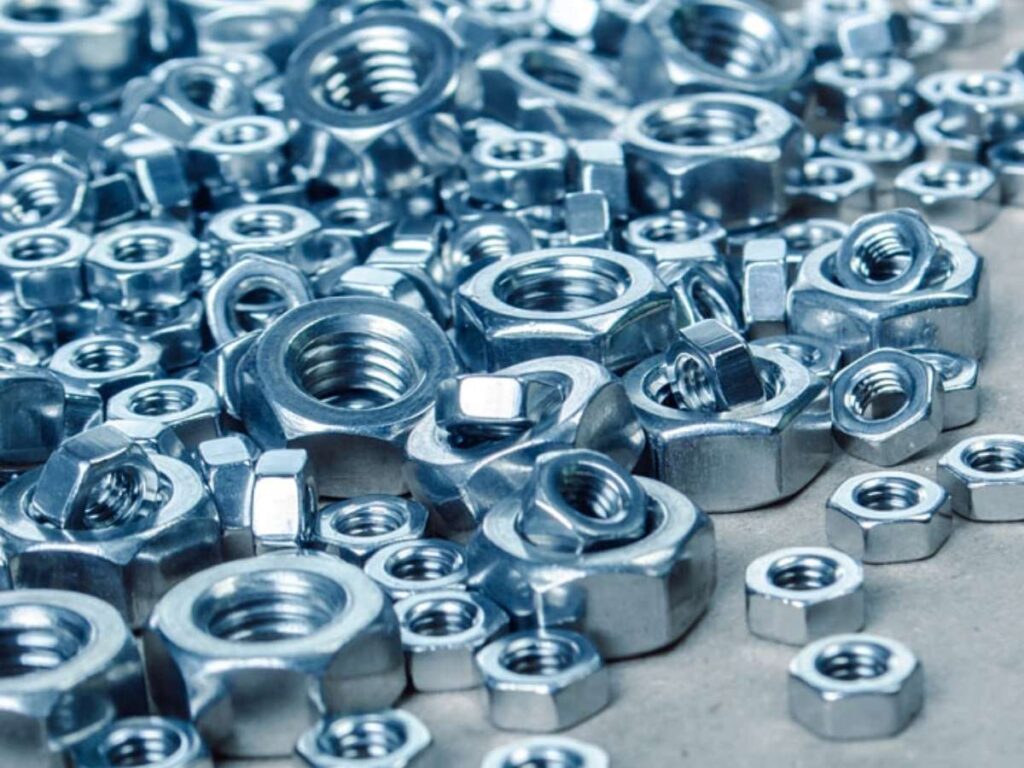
- Nickel Covers Everything Evenly: With electroless nickel, I get great coverage in tight spaces, threads, and undercuts. That uniformity makes a big difference on parts with tricky geometry.
- Zinc Can Leave Gaps: Zinc deposits more heavily on edges and corners, and sometimes it leaves recessed areas a little undercoated. I’ve had to explain that to clients more than once when things started rusting in the wrong places.
- Thickness Needs to Match the Job: Nickel gives you more control over layer thickness, which helps when tolerances are tight. Zinc is better for lower-spec parts that need protection without overthinking the details.
- Prep Is Half the Battle: No matter which coating you choose, the surface has to be properly cleaned and activated. I’ve seen great plating jobs ruined just because the prep work wasn’t taken seriously.
6. Durability and Wear Resistance
Durability is something you only notice when it’s missing. If your coating is wearing off too fast, the problems pile up quickly, especially in mechanical or high-friction settings.
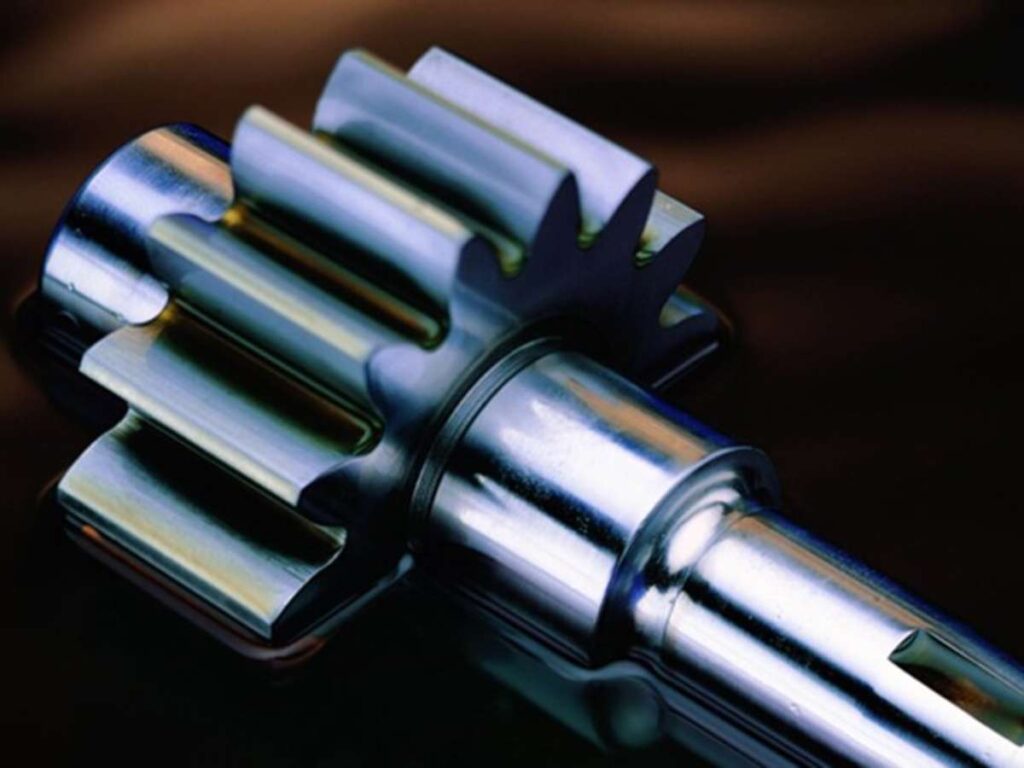
- Nickel Handles Friction Well: Once I started using heat-treated electroless nickel on sliding parts, I noticed a huge difference. It resists wear, holds its surface longer, and really holds up under stress.
- Zinc Isn’t Built for Contact: Zinc isn’t meant for heavy wear. It’s great for parts that just sit in place, but once you start moving them around or applying pressure, it doesn’t last long.
- Longevity vs Short-Term Protection: If you want a finish that stays functional and clean over the long haul, nickel is hard to beat. But for basic corrosion resistance on disposable or easily replaced parts, zinc often does the trick.
7. Environmental and Safety Aspects
I’ve had to answer a lot more questions about compliance and waste lately. Choosing the right plating isn’t just about performance anymore, but about how it affects your process, your team, and your paperwork.
- Zinc Is Simpler to Work With: It’s generally easier to handle in a shop environment, especially with safer chromate treatments now available. It produces less hazardous waste and usually comes with fewer regulatory headaches.
- Nickel Has More Red Tape: Nickel plating can involve more complex chemicals and waste streams. If you’re doing it in-house, you’ll need to plan for stricter disposal and ventilation requirements.
- Safety for Workers Matters Too: Zinc is less likely to trigger allergic reactions or breathing issues. Nickel, especially in fine mist or fume form, can be a concern for operators over time.
8. How to Choose Between Nickel and Zinc Plating
If you’ve made it this far, you already know the strengths and limitations of each coating. But making the right choice means taking what you’ve learned and applying it to your actual situation. So let’s walk through the key factors I always look at before recommending one over the other.
Think About the Environment the Part Will Live In
Before anything else, I ask myself where the part is going and what conditions it will face. If it’s heading into a humid, salty, or chemical-heavy space, nickel is usually the safer long-term bet. For indoor, dry, or moderate exposure, zinc often holds up just fine. When in doubt, match the finish to the environment first.
Consider How the Part Will Be Used
Not every part is treated the same once it’s installed. If it’s going to be handled, moved, or see any kind of physical contact, I tend to lean toward nickel because of its hardness and wear resistance. For hardware that stays static or is only used once, zinc usually does the job without adding unnecessary cost. You want the finish to survive as long as the part does.
Factor in Looks and Customer Expectations
Sometimes function isn’t everything. If a client sees or touches the part, they’re going to judge the entire product by how that surface looks and feels. Nickel gives a cleaner, more premium appearance that signals higher value. Zinc might be fine for hidden fasteners or industrial components, but it doesn’t impress visually.
Weigh the Budget and Process Constraints
Cost always plays a role, especially when you’re coating thousands of parts at a time. Zinc is faster and cheaper to apply, making it better for bulk hardware or when you’re trying to stay lean. Nickel costs more and takes longer, but the quality and performance often justify the extra spend on critical or customer-facing parts. It’s all about balancing protection, appearance, and volume with the resources you actually have.
Conclusion
That failed shipment from years ago still sticks with me. It costs time, money, and hard-earned trust.
Now you know what nickel plating is, when zinc makes more sense, and how to choose based on durability, appearance, or cost.
Ready to stop guessing and start getting it right?
Contact MachMaster today and let’s coat your parts with confidence.
Explore More Helpful Resources
There’s more to explore! Check out our additional product selections to find exactly what you’re looking for:
- Anodizing Service
- CNC Milling Service
- CNC Turning Service
- Injection Molding Service
- CNC Machining Service
Curious for more? These additional articles offer even more insights and advice:
Still haven’t found what you’re looking for? Don’t hesitate to contact us. We’re available around the clock to assist you.