
I still remember a commercial HVAC partner who tried to handle a batch of brackets on their own.
The result?
Uneven bends, mismatched holes, and a full week of production delays.
They meant well, but they skipped a few crucial steps.
I run a fabrication service that handles everything from custom prototypes to high-volume metal parts.
At our shop, we bend sheet metal every single day—and I’ve personally seen how just one bad angle can throw an entire project off track.
In this article, I’ll walk you through how to bend sheet metal like a pro. You’ll learn the exact process we use in-house—measuring, prepping, bending, adjusting—so you can get accurate, clean results the first time.
So, let’s get started!
Step #1: Select the Right Sheet Metal
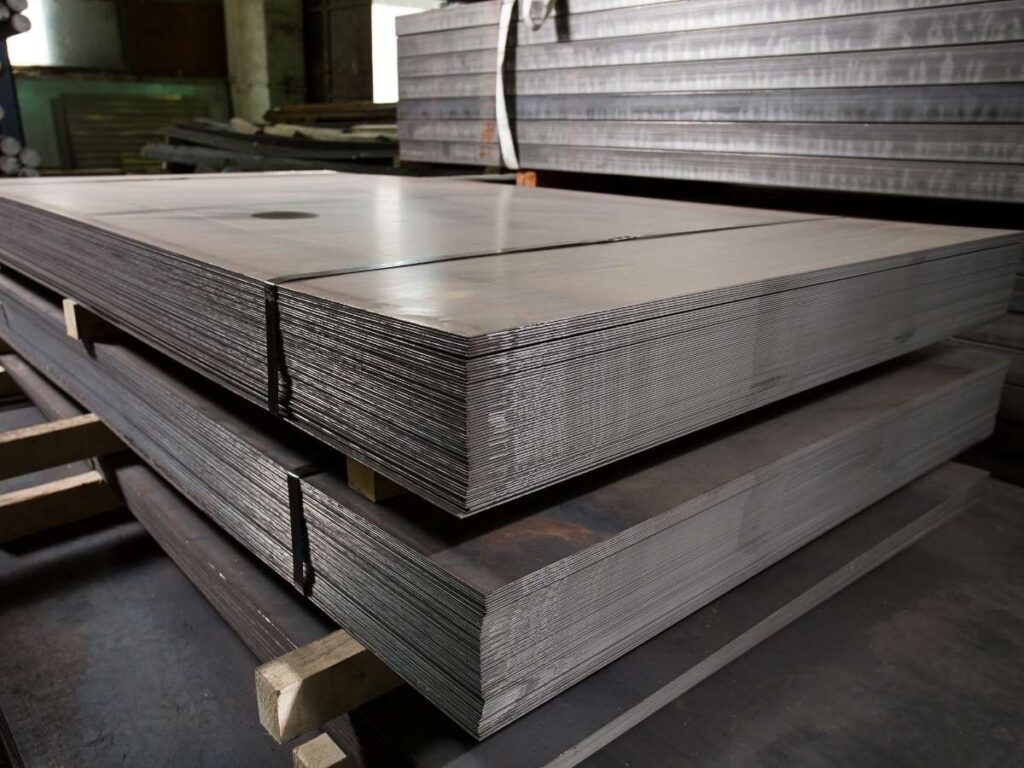
If you ask me, this is the step where most people either set themselves up for success or a whole lot of frustration. So before you even touch a press brake, take a few minutes to get this part right.
Trust me, it makes everything smoother down the line.
Understand What the Job Really Needs
- Start with the End in Mind: Ask yourself what the final part is supposed to do. Will it need to hold weight, resist rust, or handle regular movement? Let the function guide your material decision.
- Choose Material That Fits the Task: Aluminum is great when you need flexibility. Stainless steel is your go-to for durability and strength. Don’t just pick what’s familiar. Match the metal to the challenge.
- Look at Past Projects for Clues: If you’ve worked on similar jobs before, use those as reference points. Sticking with what worked can save time and second-guessing.
Nail the Specs Before You Start
- Double-Check the Gauge: Grab the drawing or spec sheet and make sure the metal you’ve got matches. Working with something too thin or too thick throws everything off.
- Know the Temper or Hardness: Whether it’s annealed, cold-rolled, or hardened, the temper affects how easily the sheet bends. If you’re unsure, test a small piece or reach out to your supplier.
- Verify with Certifications or Labels: Those tags and printed codes are not just for show. They are your final chance to confirm you’ve got exactly what the project calls for.
Run a Quick Reality Check
- Match Labels to Your Specs: Even if the sheet looks right, cross-check it with your order or drawings. One wrong code can lead to a whole lot of rework.
- Bend a Scrap Piece First: If you’re working with unfamiliar stock, try a small test bend. You’ll spot any red flags before committing to the full job.
- Respect the Prep Work: It’s tempting to rush into the hands-on stuff. But taking five extra minutes here can save hours and a few headaches later on.
Step #2: Choose Your Bending Method and Tools
Once you’ve locked in the right sheet metal, it’s time to figure out how you’re going to bend it.
This is where things can get a little tricky, especially if you fall into the habit of using the same tools and methods for every job.
Not all bends are created equal, and you don’t always need a fancy setup to get a clean, accurate result.
Start with the Bend Requirements
- Review the Design and Bend Complexity: Take a close look at how many bends you need to make, what angles are involved, and whether the bend radii are tight or shallow. This tells you if simple hand tools are enough or if you’ll need something more robust.
- Match Your Method to the Precision Needed: Air bending works well for general use, but for tighter or more precise bends, bottoming or coining could be a better fit. The level of accuracy you need should steer your choice.
- Consider the Material and Thickness: Thicker sheets or tougher metals may require a method with more force behind it. You’ll save yourself a lot of time by getting this match right from the start.
Pick the Right Equipment for the Job
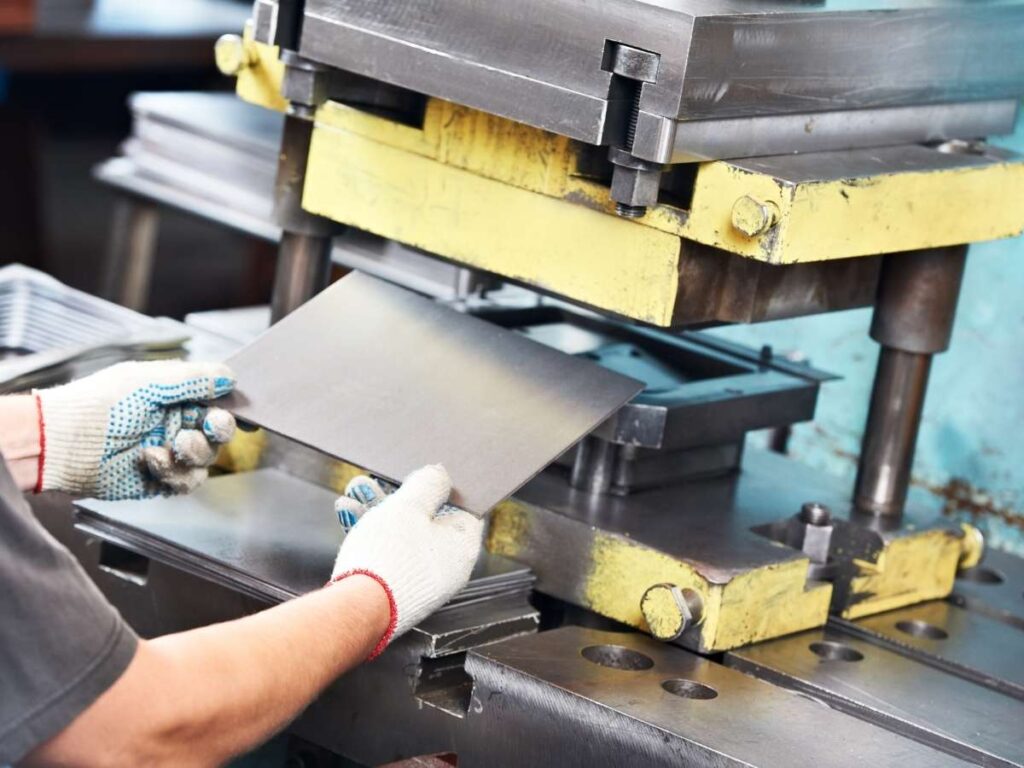
- Select the Proper Tool or Machine: You don’t always need a big hydraulic press brake. Manual brakes or even hand tools can do the job for small or simple parts. For heavier work or large batches, a press brake gives you more control and consistency.
- Install the Correct Die and Punch: The die opening should suit your material thickness and desired bend radius. The punch needs to fit snugly without damaging the metal, and both should be well aligned.
- Center and Secure Everything: Make sure the tooling is seated properly and centered in the machine. If things are off here, the entire bend will reflect that error.
Set Up and Test Before You Commit
- Dial in the Machine Settings: Adjust your bend angle, back gauge, and tonnage based on your material and design. Taking time here helps you avoid wasted parts later.
- Run a Sample Bend First: Use a scrap piece of the same metal to see how it behaves with your current setup. It’s much easier to make small tweaks now than to redo a full run.
- Fine-Tune as Needed: If the sample doesn’t come out quite right, don’t be afraid to pause and adjust. Getting it right early on saves both time and stress down the road.
Step #3: Measure and Mark the Bend Lines
This is the part where accuracy really starts to count. You can have the perfect material and the best bending tools, but if your bend lands a few millimeters off, the whole piece can go sideways.
I’ve seen entire batches tossed for that exact reason.
The key here is slowing down just enough to mark with care before you bend with confidence.
Get Your Workspace and Tools Ready
- Lay the Sheet Flat on a Clean Surface: Set the metal on a steady, debris-free table or bench. A clean, flat surface keeps your sheet from shifting while you work.
- Use a Steel Ruler or Digital Caliper: Stick with rigid measuring tools for accuracy. Tape measures can bend or sag and throw you off just enough to matter.
Mark Carefully and Double-Check
- Mark the Line Clearly but Precisely: Use a fine-tip marker for visibility or a scribe if you want maximum precision. Just make sure the line stands out under your tooling.
- Align to the Design or Drawing: Follow your blueprint or CAD file exactly. Even small deviations at this stage can affect how parts fit later.
- Verify Every Mark Before You Bend: Take one last look to make sure all your lines are in the right place. This step is quick, but it can save you from major headaches during bending.
Step #4: Calculate and Apply Bend Allowance
Metal doesn’t just fold—it stretches.
If you don’t account for that, you can end up with holes out of place, edges that don’t align, or lengths that are just slightly off.
I’ve held parts in my hands that looked great until I tried to fit them into an assembly, and suddenly nothing lined up.
Gather the Right Info First
- Look Up the Bend Radius and Material Thickness: Either pull this from your spec sheet or measure it yourself. You need both numbers before you can move forward with any bend allowance calculations.
- Identify the K-Factor for Your Material: The K-factor tells you how much the metal’s inner and outer surfaces stretch during a bend. Use a material chart or your past project notes to get a solid estimate.
- Use a Formula or Reference Chart: Plug your numbers into a bend allowance formula, or use a shop chart if you want to keep things simple. Both get you where you need to go, as long as the inputs are solid.
Apply, Test, and Record Your Results
- Adjust the Flat Pattern in Your CAD or Layout: Modify the dimensions to include the bend allowance so the final part comes out with the correct shape and size. This is where precision really counts.
- Run a Test Bend to Confirm: Try bending a small strip and measure the outcome. It’s the fastest way to check if your calculations were accurate before committing to a full batch.
- Update Your Notes for Next Time: Once you’ve confirmed the numbers work, write them down. Having that info ready to go saves time and improves accuracy on your next job.
Step #5: Prepare Your Work Area and Secure the Metal
Before you even think about pressing that first bend, take a moment to look around your workspace.
I’ve had setups that seemed fine until a tool got in the way or a sheet slid mid-bend. It only takes a few extra minutes to double-check your surroundings and get everything in place. When you do, you’ll save yourself a lot of headaches later on.
Clean Up and Get Set
- Clear Off Your Workbench or Brake Table: Brush off dust, scrap pieces, or anything else that might get in the way. A clean, solid surface keeps your metal steady and prevents small shifts that can ruin precision.
- Organize Your Tools and Materials: Make sure everything you need—clamps, rulers, safety gear—is within reach. You don’t want to go digging for something in the middle of a setup.
Position and Align the Sheet
- Lay the Metal Flat and Check the Fit: Place the sheet exactly how it needs to sit in the machine. Even a slight angle or overhang can shift your bend out of position.
- Secure the Sheet with Clamps if Needed: For thinner sheets or longer pieces, clamping keeps things from sliding around. Magnetic hold-downs work great if you need quick adjustments.
- Support Both Ends of the Sheet: Use stands, blocks, or even a buddy to hold the material level. This keeps the sheet from sagging and ensures a clean, even bend.
Do a Quick Dry Run
- Test Your Setup Without Bending: Run the tool over the bend area without applying force. This lets you confirm clearance and motion before anything gets damaged.
- Watch for Any Unexpected Movement: If the sheet shifts or the tool binds during the dry run, adjust now. It’s much easier to fix the setup than to fix a ruined part.
- Make Final Adjustments Before You Start: Once everything feels smooth, re-check alignment, clamp pressure, and support. When it’s all dialed in, you’re ready to bend with confidence.
Step #6: Make the Bend Slowly and Evenly
This is the moment when all the prep you’ve done either comes together perfectly or falls apart fast. I’ve rushed this step before and ended up with bent parts that looked more like bananas than clean angles.
Slowing down might feel tedious in the moment, but it gives you the control you need to keep the results sharp and accurate.
Start with Precision and Control
- Position the Metal Precisely on the Brake or Tooling: Take your time lining up the bend line with the punch or die. Being just a few millimeters off can affect everything down the line.
- Apply Pressure Slowly to Start the Bend: A smooth, steady press helps catch material shifts or resistance before things go wrong. This approach mirrors the careful forming methods used by MachMaster when tight tolerances really matter.
Stay Focused Through the Motion
- Watch for Shifting or Slipping as You Bend: Keep your eyes on the sheet as the tooling moves. If it starts to shift, stop right away and realign before continuing.
- Maintain Even Force Throughout the Bend: Try to keep the pressure uniform from one end of the bend to the other. Uneven pressure can leave you with distorted edges or inconsistent angles.
Step #7: Check Your Bend Angle and Adjust
Just because the press brake finishes its cycle doesn’t mean the part is good to go.
I’ve seen bends that looked perfect at first glance but were off by just a few degrees. And when you’re working with tight tolerances, that tiny mistake can throw off an entire build.
Taking a few minutes here to check your angles and make small adjustments can save hours of rework later.
Measure and Compare Your Bend
- Use a Protractor or Angle Gauge: Place the tool along the inside or outside of the bend to get an accurate read. Relying on your eyes alone can lead to subtle but serious errors.
- Check Against a Drawing or Sample Part: Match the bend to a known-good sample or your original spec drawing. This helps catch overbending or underbending before you move on.
Make Small Adjustments as Needed
- Mark Areas That Need Correction: If you spot an angle that’s off, mark it right away. This keeps you from losing track when handling multiple bends.
- Reposition the Part with Care: When adjusting, place the part back into the brake gently and apply pressure in small increments. A controlled re-bend avoids making things worse.
Document What Worked
- Record the Final Angle and Settings: Once you dial it in, take note of the machine settings or final angle. That way, you’re ready the next time you run the same material.
- Update Any Shop Notes or Checklists: Keeping good records saves time down the road and helps the whole team stay on the same page.
Step #8: Handle Complex Bends or Multiple Angles
When you’re working with multi-step bends like Z-shapes or parts with tight angles, it’s not just about bending cleanly—it’s about doing things in the right order.
I’ve definitely learned the hard way that if you don’t plan your sequence, you might finish one bend and suddenly realize you can’t fit the part back into the brake for the next.
Plan Ahead Before You Bend
- Study the Full Bend Sequence Before You Start: Go through the drawing or model and figure out the ideal order of bends. This helps you avoid getting stuck midway with an unreachable angle.
- Mark All Bend Lines Up Front: Use layout tools to transfer every bend line while the sheet is still flat. Trying to mark after a few bends are already in place just makes things harder.
Set Up for Clean, Repeatable Bends
- Leave Room for Tool Access: Before the first bend, make sure it won’t block your setup for the next one. If the tooling can’t reach the next bend, you’ll need to change the order or adjust your plan.
- Adjust Back Gauges or Stops Between Bends: Take the time to reset your gauges or stops with each new angle. It’s easy to overlook this when moving fast, but it keeps your results accurate.
- Use Jigs or Spacers to Stay Consistent: When bending a batch of identical parts, small jigs or spacers can speed things up and remove guesswork. That kind of repeatable accuracy is exactly what MachMaster builds into its forming process from the start.
Monitor Each Step Closely
- Check Each Bend Right After You Make It: Don’t wait until the last bend to find out something’s off. Measure and verify after every step so you can course-correct early.
- Make Small Adjustments as You Go: If something looks off, fix it before moving on. It’s easier to tweak one bend than to redo an entire multi-angle part.
Step #9: Inspect the Finished Bend
After all the careful setup and precise bending, it’s tempting to call the job done and move on.
But I’ve learned that the last step is just as important as the first. A bend that looks perfect at first glance might still cause problems during assembly or down the road in the field.
Spending a few extra minutes here can catch issues before they turn into bigger, more expensive problems.
Start with a Visual and Surface Check
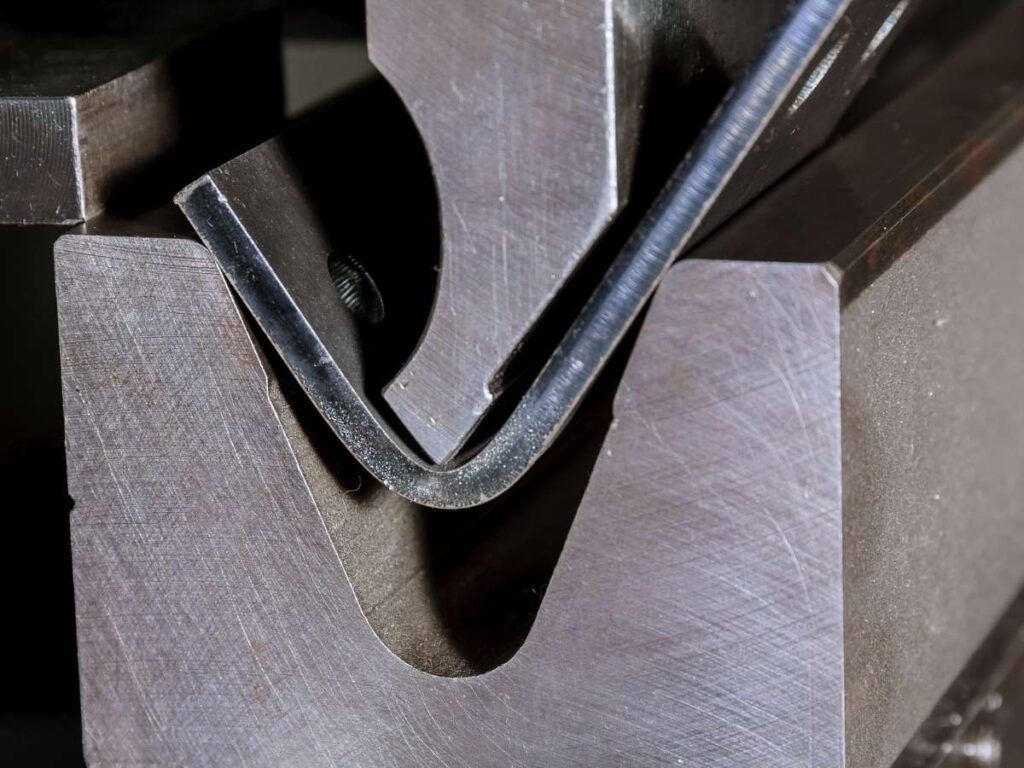
- Look for Cracks, Kinks, or Surface Damage: Under good lighting, scan the bend line for any signs of stress. Even a small crack or crease can weaken the part and cause failure under load.
- Inspect the Finish for Scratches or Marks: If surface appearance matters, make sure the tooling didn’t leave unwanted marks. Catching this now gives you time to buff or rework if needed.
Confirm Key Measurements
- Measure Against the Original Drawing: Use calipers or rulers to check the flange length, bend angle, and overall dimensions. The smallest shift can throw your part out of spec.
- Use Accurate Tools for Angle Checking: A protractor or digital angle finder gives you a clearer read than guessing by eye. Double-checking here avoids surprises later during assembly.
Test Fit and Batch Consistency
- Test the Fit in an Assembly if Possible: Slide the part into place or mock up its position with other components. Even if the bend looks right, fit issues can still show up.
- Line Up Multiple Parts to Check for Variations: In batch jobs, lay out a few parts side by side to compare consistency. Spotting a problem early can keep it from affecting the entire run.
- Log Any Deviations or Notes for Next Time: If you had to tweak or correct anything, jot it down. It helps refine your process and improves results for future jobs.
Conclusion
You made it through the full guide. You’ve got the steps, the mindset, and the tools.
We started with a mistake. We’re ending with momentum. Every clean bend you make from here on out is proof that you’re ready for more.
So what’s your next project? What’s standing in your way?
Contact MachMaster today and let us help you take your vision from drawing board to done.
Learn More: Recommended Reads
Want to see more products? We’ve got plenty of options that might just be the perfect fit for you:
Still haven’t found what you’re looking for? Don’t hesitate to contact us. We’re available around the clock to assist you.