
You can follow every detail on the spec sheet.
You can pick a high-quality powder.
And still, the coating might fail.
That happened to me at a job I thought was solid. A batch of metal parts came back looking perfect—but within weeks, the finish started chipping. We had to redo everything.
The problem? We skipped the blasting step. I didn’t think it mattered that much back then. I was wrong.
After that, I made it my job to understand how blasting and powder coating actually work together. And once I did, I stopped wasting time, money, and good material.
In this article, I’ll explain both processes in a simple, clear way. You’ll learn how blasting helps the powder stick, what methods are out there, and how this affects your coating’s cost, strength, and appearance.
By the end, you’ll be able to make better choices—without second-guessing.
So let’s begin!
1. What Is Blasting?
I used to think blasting was just about cleaning off dirt. But after working with powder coaters for years, I learned it’s much more than that.
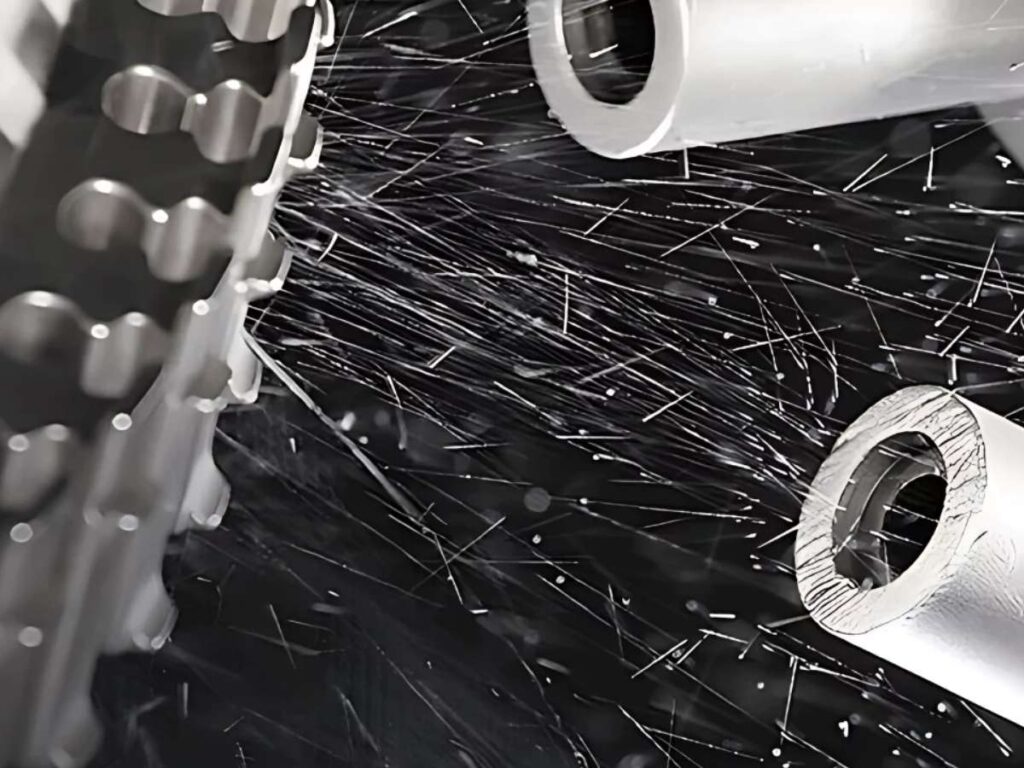
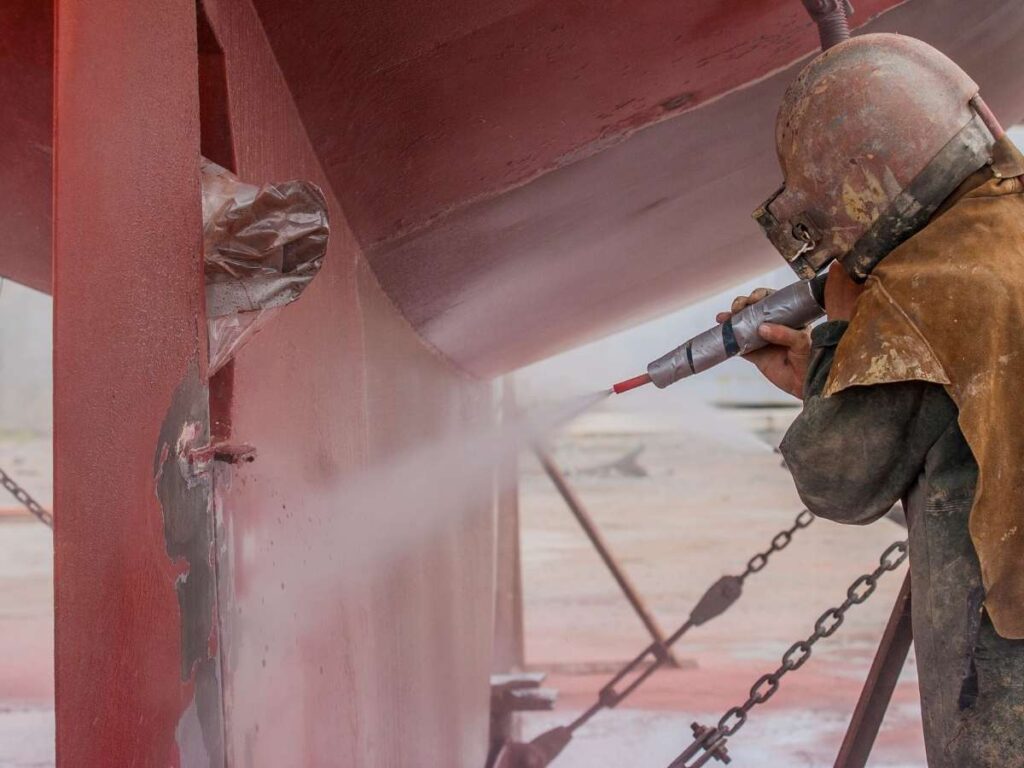
Blasting is a surface preparation method that uses compressed air or a spinning wheel to shoot small particles at metal surfaces. It’s done to clean the part and give it a slightly rough texture. This texture helps the coating grip better, which means it lasts longer and holds up under wear.
At MachMaster, blasting is a standard part of the surface finishing workflow. We use it to clean and texture parts before applying powder—especially when the job requires tight tolerances and long-term durability.
Here’s what blasting removes:
- Rust
- Old paint
- Mill scale (a flaky layer of hot-rolled steel)
- Oil, grease, or other surface contaminants
And here’s what blasting helps with:
- Stronger coating adhesion
- Reduced risk of flaking or peeling
- Better overall finish quality
I’ve seen what happens when this step gets skipped. One customer returned an entire batch because the coating bubbled and peeled within weeks. The part looked fine going out—but the prep wasn’t done right.
Blasting may seem simple, but it lays the foundation for a reliable, long-lasting finish.
Here are the most common blasting methods I’ve used or seen used in real jobs:
- Abrasive blasting (grit or sandblasting): Shoots sharp particles, like aluminum oxide, to strip heavy rust or paint—ideal for steel parts.
- Bead blasting: Uses tiny glass beads to smooth and clean soft metals like aluminum without damaging them.
- Shot blasting: Propels round steel balls using a spinning wheel—great for prepping large surfaces like frames or beams.
- Glass or soda blasting: Uses crushed glass or baking soda to clean delicate materials without bending or scratching them.
Blasting might not be the flashiest part of your finishing process. But if you skip it, you risk coating failure down the road.
2. What Is Powder Coating?
I still remember the first time I saw it done. The powder clung to the part like magic. Then it went into the oven and came out looking like a finished product—tough, clean, and ready to go.
If you’ve ever seen a metal part with a smooth, glossy finish, there’s a good chance it was powder coated.
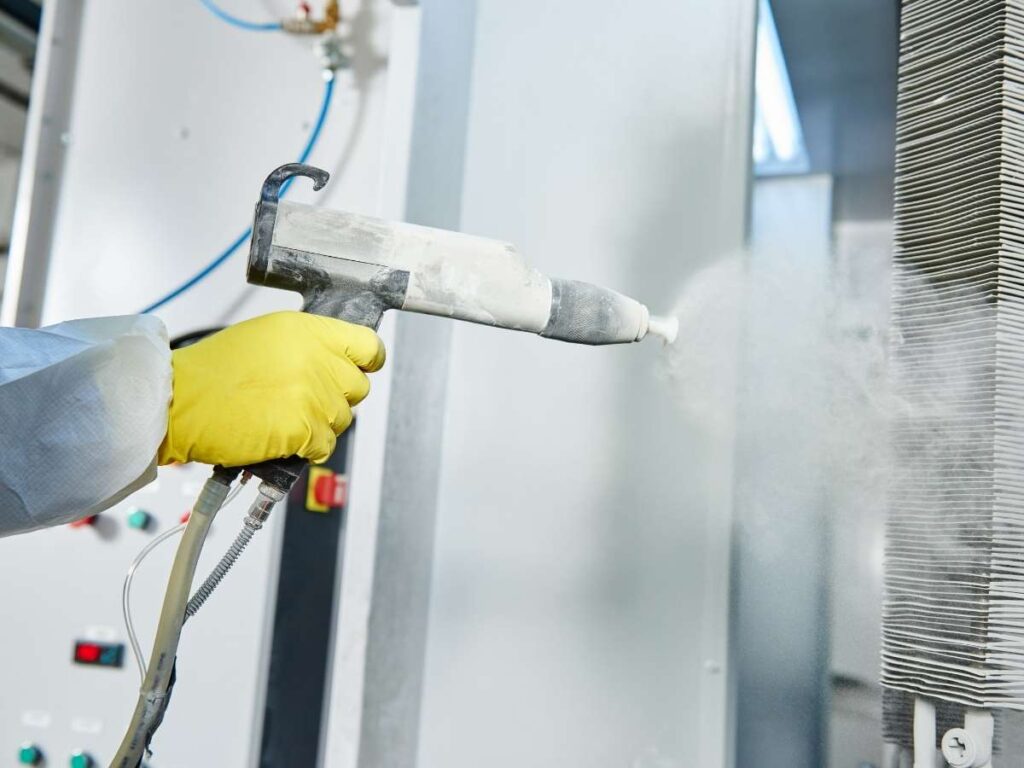
Powder coating is a dry finishing process. Instead of liquid paint, it uses a fine powder made from resin, pigment, and additives. There’s no wet paint, no drips, and no long drying times.
Here’s how it works:
- Electrostatic Application: The powder is sprayed onto the part using a special gun. The gun gives the powder an electric charge, so it sticks to the grounded metal.
- Curing in an Oven: After spraying, the part goes into a curing oven. High heat melts the powder and bonds it to the surface.
- Hardened Finish: Once cooled, the coating becomes a solid, durable layer that resists wear, moisture, and corrosion.
Powder coating isn’t just for looks. It’s tough. And it’s used on everything from car rims to machine parts to outdoor furniture.
Different powders work better for different jobs.
Here are the three most common types and when to use each:
- Epoxy: Use this for indoor parts that need strong protection. It handles impact and chemicals well but breaks down in sunlight.
- Polyester: Best for outdoor use. It holds up against UV rays, weather, and fading.
- Hybrid (Epoxy + Polyester): A mix of both. Good for indoor use when you want a balance between strength and finish quality.
I once used epoxy on a tool cart that sat near a sunny window. Within months, the color faded. If I had used polyester, it would’ve held up better.
Powder coating isn’t just strong—it also has practical and environmental perks:
- No VOCs: It doesn’t release volatile organic compounds like paint does (source: U.S. EPA).
- Tough Finish: Resists chipping, scratching, and corrosion.
- Consistent Look: No brush strokes or drips. Just a clean, smooth finish.
- Color Options: You can choose from gloss, matte, textured, and hundreds of colors.
If you want something that lasts and looks good, powder coating is worth considering—especially when paired with proper blasting.
3. The Blasting and Powder Coating Workflow
When I first started working with coated parts, I thought powder coating was the main event.
But after a few jobs went sideways—peeling edges, flaking corners—I realized I was missing something.
That “something” was blasting.
Blasting and powder coating work best as a team. One preps the surface. The other finishes it.
If you’re sending parts out for coating—or doing it yourself—knowing the full process helps you avoid problems and get better results.
- Step #1: Surface Inspection: Check the part for oil, rust, or paint so you know what needs to be removed.
- Step #2: Blasting: Pick the right blasting method based on the material and part size.
- Step #3: Blow Off Residual Media: Use compressed air to remove leftover blasting particles.
- Step #4: Powder Coating Application: Spray the charged powder so it sticks evenly to the grounded part.
- Step #5: Curing in Oven: Heat the part so the powder melts, flows, and hardens into a smooth layer.
- Step #6: Final Inspection and Packaging: Look for coating defects and pack the finished part safely.
At MachMaster, the blasting-to-coating process is handled under one roof—ensuring that surface prep and final coating align with quality and fit requirements. This also helps reduce handling time between vendors and keeps the entire process consistent from start to finish.
Why Blasting Comes First
Skipping blasting can cost you.
Here’s why blasting is always the first step before coating:
- It improves adhesion, so the powder sticks better and lasts longer.
- It removes hidden rust or contaminants that could cause flaking or bubbling later.
- It exposes clean, bare metal—creating the ideal surface for a strong coating bond.
I’ve seen jobs where blasting was skipped to save time. Those parts came back within months—coating cracked, rust peeking through.
Starting with blasting might feel like an extra step, but it’s the one that helps everything else work better.
4. Benefits of Combining Blasting and Powder Coating
I’ve worked on projects where blasting was skipped to save time.
The result?
Parts came back chipped, rusted, or faded—sometimes just weeks after delivery. Each time, we had to redo everything. It cost more than if we’d just done it right the first time.
That’s why I always recommend using blasting before powder coating.
When both are used together, you get longer-lasting parts, cleaner finishes, and fewer problems down the line.
Here’s why that matters for you:
Better Adhesion and Longer Durability
Have you ever had a coating peel off or crack too soon?
That usually starts with poor surface prep.
- Blasting roughens the surface, giving the powder coat something to grip.
- The powder doesn’t just sit on top—it bonds deep into the texture.
- This helps resist chipping, cracking, and early wear.
I’ve seen parts blasted first hold up better under pressure—literally. Jobs used in high-wear spots lasted longer when they went through blasting before coating.
Stronger Corrosion Protection
Rust often hides under the surface.
If it’s not removed first, the coating traps it in—and that rust will grow later.
Blasting solves that:
- It removes rust, mill scale, and oil that sandpaper or washing can miss.
- You’re left with clean, bare metal.
- The powder coat then seals out moisture and air more completely.
If your parts are used outdoors, near water, or exposed to chemicals, this step is critical. I’ve seen parts last years longer just because we blasted them first.
Cleaner, More Even Appearance
Powder coating can only look as good as what’s underneath.
- Blasting smooths out weld splatter, rough patches, and surface flaws.
- The powder spreads more evenly over a prepped surface.
- You avoid blotches, dull spots, or rough textures.
One time, we skipped blasting to rush a job—and every part came out looking dull and patchy. We had to respray the entire batch. That was a lesson I never forgot.
Fewer Redos and Better Value Over Time
Think blasting is an extra step?
It’s actually the step that helps you avoid doing the job twice.
- Reduces rework and customer complaints
- Lowers the risk of early failure
- Helps you avoid part replacements
Sure, blasting adds some time up front—but the cost of fixing problems later is always higher.
I’ve learned that skipping prep usually means you’ll pay twice: once for the shortcut, and again to fix it.
So, Should You Always Use Both?
Ask yourself:
- Will these parts face wear, moisture, or chemicals?
- Is a clean, smooth look important for your customer?
- Do you want to avoid rework or warranty calls later?
If yes to any of those, then blasting and powder coating together is the smart move.
5. Common Applications in Industries
Blasting and powder coating aren’t just for big factories. You’ll find them used everywhere—from the car you drive to the shelf in your garage.
Over the years, I’ve worked with clients in different industries. And no matter what they made, they all had one goal: strong, clean finishes that last.
Automotive
If you’ve ever looked closely at a custom wheel or a truck frame, you’ve probably seen powder coating in action.
It’s used on:
- Frames
- Chassis
- Wheels
- Engine parts
These parts take a beating—salt, water, heat, and vibration. Blasting cleans the surface. Powder coating locks in protection.
I worked with a shop that restored old Jeeps. They always blasted the chassis before coating, and those frames held up great even off-road.
Furniture & Consumer Goods
Look around your home or office. Powder-coated metal is everywhere.
Common examples include:
- Metal chairs
- Tables
- Bookshelves
- Storage racks
Blasting helps get rid of mill scale and welding marks, especially on factory-made furniture.
I once helped a small furniture brand prep their first batch of steel chairs. After blasting and coating, the finish looked so smooth you’d think it came straight from a high-end showroom.
Electronics & Appliances
You’ll also find this process in electronics and home appliances.
It’s often used on:
- Electrical enclosures
- Cable racks
- Appliance housings
Blasting helps clean the surface before applying powder, which gives the part a consistent, fingerprint-resistant finish.
One appliance maker I worked with used blasting and powder coating on microwave housings. It made the units look sharp—and kept the surface tough during shipping and handling.
Industrial Equipment
In factories and plants, blasting and powder coating protect machines from wear, moisture, and chemicals.
It’s common on:
- Conveyor systems
- Machine frames
- Piping
- Support structures
These parts aren’t just functional—they need to last. I’ve seen piping in food plants that was blasted and coated ten years ago, and it still looks clean and rust-free.
If your parts need to be performed and last, this process helps make that happen.
6. Challenges and Mistakes to Avoid
Even with the right tools and materials, blasting and powder coating can still go wrong. I’ve seen beautiful parts ruined because someone skipped a step—or didn’t know better.
If you want your finishes to hold up, here are some common mistakes you’ll want to avoid.
Inadequate Blasting
When blasting isn’t done right, the powder won’t stick properly.
It may look good at first, but the coating can start to flake or peel weeks later.
What causes it?
- Using the wrong media
- Not blasting long enough
- Skipping tight corners or edges
How to prevent it?
- Choose the right blasting method for your material
- Take time to cover the full surface evenly
- Use clean, consistent blast pressure
I once got back a batch of parts where the coating slid off like eggs from a greasy pan. The shop had skipped blasting on half the surface.
Wrong Powder for the Environment
Different powders are made for different jobs.
Using the wrong one can cause your finish to fail fast—especially outside.
What causes it?
- Using epoxy outdoors (it breaks down in sunlight)
- Choosing based on color or price, not conditions
How to prevent it?
- Use polyester for outdoor or UV-exposed parts
- Ask your supplier what the powder is made for
- Think about where and how the part will be used
I learned this the hard way. I used epoxy on a gate in full sun. Within months, the color faded and the surface turned chalky.
Poor Curing
Curing is the part where the powder melts and hardens in the oven.
If the temperature’s wrong, the coating can come out weak, brittle, or soft.
What causes it?
- Uneven oven heat
- Not heating long enough
- Opening the door too soon
How to prevent it?
- Use a calibrated oven
- Follow the powder’s cure schedule
- Test temperatures with probes, not guesswork
Parts that aren’t cured right may look fine—but scratch with your fingernail.
Contamination After Blasting
Once the surface is blasted, it’s ready to coat—but only if it stays clean.
What causes it?
- Dust or oil on gloves
- Moisture in the air
- Leaving the part sitting too long
How to prevent it?
- Blow off all residue with dry air
- Wear clean gloves
- Coat the part as soon as possible after blasting
You only get one shot at a clean surface. Don’t waste it.
7. Factors to Consider Before Blasting and Powder Coating
Before you send your parts out for blasting and powder coating, there are a few key things to think through.
I’ve skipped some of these in the past—only to deal with rework, blown schedules, and unhappy customers. A little planning up front can save you a lot of stress later.
Here’s what to double-check:
Material Type
Different metals need different prep.
- Steel can handle tough blasting media like steel grit.
- Aluminum is softer. Too much pressure or the wrong media can warp it.
- Stainless steel needs extra care to avoid pitting or surface damage.
If you don’t match the blasting method to the metal, the powder coat may not stick—or the part may get damaged.
Ask yourself:
What’s my material, and is my finisher using the right blast method for it?
I’ve seen aluminum brackets come back bent just because no one checked what media was being used. Don’t let that happen to your parts.
Part Size and Shape
Blasting and powder coating equipment have limits.
- Oversized parts may not fit inside a blast cabinet or oven.
- Tight corners, sharp grooves, or hollow sections can be hard to clean or coat evenly.
- Some parts may need special racks, masking, or extra handling.
If your part doesn’t fit—or can’t be coated evenly—it delays the job or forces last-minute changes.
Plan ahead:
- Confirm part dimensions with your supplier.
- Ask if complex shapes need extra masking or setup.
One time, I had to modify a large frame just to fit the shop’s oven. We could’ve avoided the problem if we’d measured it out earlier.
End-Use Environment
Where will the part be used?
- Outdoors? Use polyester powder. It resists UV, rain, and salt.
- Indoors with chemicals? Epoxy powder may be better. It holds up to solvents and abrasion.
Using the wrong powder can lead to fading, rust, or peeling.
Let your finisher know:
- Will the part be outside or exposed to water?
- Will it face chemicals, heat, or friction?
The more they know about the application, the better they can match the powder to your needs.
Coating Thickness and Tolerance
Powder coating adds thickness. Usually 2 to 5 mils (that’s about 0.05 to 0.13 mm).
That might not sound like much, but it can throw off:
- Press fits
- Sliding parts
- Threaded holes
- Tight-tolerance features
What to do:
- Talk to your finisher about masking or post-machining.
- Flag critical dimensions in your drawing.
- Avoid surprises after coating—it’s harder to fix once cured.
I’ve had jobs where we had to re-thread dozens of holes because we didn’t plan for coating build-up. That’s time you don’t want to spend.
Cost and Turnaround Time
Blasting adds cost and time—but skipping it adds risk.
- Failed coatings mean returns and warranty claims.
- Some industries (like marine or oil & gas) require blasting for compliance.
Ask up front:
- Is blasting included in the quote?
- How long will blasting, curing, and cooling take?
- Will masking or prep add time?
I always ask for a full breakdown—including cure time—so I can schedule downstream work without guessing.
Bottom Line
Before you jump into blasting and powder coating, step back and ask:
- Is my material suitable for blast media?
- Will my part fit the shop’s setup?
- Am I using the right powder for the job?
- Will coating thickness cause fit or function issues?
- Do I understand the full cost and lead time?
Take time to plan, and you’ll get a finish that works right the first time—no rework, no surprises.
Conclusion
I once skipped blasting—and it ruined a whole batch of parts. That mistake taught me how important prep really is.
Now you know it too.
Blasting gives the surface grip. Powder coating adds strength. Together, they make your finish last.
If you’re making parts, think ahead:
Will they face sun, rain, or daily wear and tear?
Don’t let poor prep ruin good work.
Need a finish that holds up? Let’s make sure it’s done right. Contact us today.
Check Out These Additional Resources
Need more ideas? Browse through our extended range of products and discover something new:
- Anodizing Service
- CNC Milling Service
- CNC Turning Service
- Injection Molding Service
- CNC Machining Service
For more in-depth knowledge, take a look at these recommended reads. We think you’ll find them useful:
Still haven’t found what you’re looking for? Don’t hesitate to contact us. We’re available around the clock to assist you.