
I’ve been to trade shows that were a waste of time.
Bad leads and boring booths. Nothing I could use.
That’s why I understand the doubt.
Is IME East worth it? Or is it just another show with flashy displays and no real ROI?
That’s the question I had when I first looked into it. After attending and walking away with new suppliers, better pricing, and practical tools, I had my answer.
If you’re a business owner, product designer, sourcing manager, or even a solo builder… this guide is for you.
I’ll show you:
- What’s inside IME East
- Who it’s for
- And how to figure out if it will move your work forward
By the end, you’ll have the answer you’re looking for and a clear plan to make the most of it.
Let’s start!
1. Decide If IME East Is Right for You
Before you sign up, book flights, or block out three days on your calendar, take a step back. Ask yourself a simple but important question: Will this event actually help me grow my business?
That was the exact question I asked before attending for the first time.
I had been to trade shows before, and to be honest, some felt like a waste. Lots of walking. Lots of small talk. And not much to show for it afterward. I didn’t want that again.
But IME East felt different. It wasn’t just one show—it was six. All in one place. And once I understood how that worked, I realized just how much ground I could cover in one trip.
What You’ll Find at IME East Events
IME East combines six focused expos into one massive event. Here’s what you’ll walk into:
- MedTech: medical device design, engineering, and cleanroom manufacturing
- Robotics: automation, controls, vision systems, and smart machinery
- Packaging: materials, labeling, filling, and production-ready solutions
- Plastics: molding, materials, bioplastics, and custom fabrication
- Quality: testing, inspection, compliance, and process control
- Design & Manufacturing: prototyping, CNC, 3D printing, and contract services
With over 300 exhibitors and more than 4,000 attendees, you’ll have plenty of chances to connect with vendors, watch live demos, and discover tech that might solve problems you’ve been stuck on for months.
You’ll also find free education sessions covering real challenges like supply chain issues, production bottlenecks, and how to move from prototyping to volume production.
There are also technical workshops for deeper learning, including sessions on AI tools and Lean manufacturing.
Who Should Consider Attending
IME East isn’t just for big corporations. It’s built for people who are in the weeds—solving problems, testing ideas, sourcing parts, and trying to move things forward.
It’s a strong fit if you’re:
- A business owner trying to scale, automate, or reduce costs
- A product designer or engineer working on new builds or tight tolerances
- A procurement professional needing better vendors or faster delivery options
- A student or personal project builder looking to learn or meet potential mentors
When I went, I saw engineers talking shop with robotics suppliers, startup founders showing prototypes to material vendors, and buyers comparing packaging solutions in real-time. And I thought, These are my people.
How to Know If It’s a Good Fit
Still on the fence? Try asking yourself:
- Do I need better vendors, new materials, or smarter ways to build what I’m working on?
- Would seeing a machine in action help me make a real decision?
- Am I looking for practical ideas—not just theories—to take home?
If you answered yes to even one of those, there’s a good chance this event will give you value.
Up next, we’ll walk through how to register, what to bring, and how to get the most out of your visit. Because deciding to attend is just the first step. The way you plan for it? That’s what turns a good event into real progress.
2. Register for the Event
Once you’ve decided that IME East is worth checking out, your next step is simple: get registered early. Don’t wait until the last minute.
Why? Because the earlier you register, the easier—and cheaper—it is.
I’ve made the mistake of waiting too long. I showed up expecting to breeze through registration, only to stand in a long line and pay more than I needed to. Lesson learned.
Let’s help you avoid that.
How to Register
To start, head to the IME East Registration Page.
You’ll fill out a quick online form. If you’re in the industry, the expo pass is free. That includes full access to the show floor, networking areas, and all free education sessions.
But there’s one thing to keep in mind. If you work for a manufacturing company and you’re not exhibiting, you’ll fall into a different category: non-exhibiting manufacturer. That group has to pay $499 to attend.
If you’re not sure which group you’re in, check the details on the site. Or send the event team a quick email.
Miss the online window? You can register at the event. But on-site pricing jumps to $399, and you’ll be waiting in line while others head straight in.
So ask yourself: do you want to spend that time and money? Or would you rather have your badge ready and skip the wait?
What You’ll Need
The online form is easy to fill out. Still, it helps to have a few things ready:
| Registration Type | Cost | Includes | Notes |
| Expo Pass (Industry Pros) | Free (online) | Exhibit hall access, free sessions, lounges | Must register early online |
| Non-Exhibiting Manufacturer | $499 | Same as Expo Pass | Required if you manufacture but don’t exhibit |
| On-site Registration | $399 | Exhibit access, free sessions | Lines may be long, bring ID |
| Workshop Add-On | Varies | Hands-on training (Lean, AI Prompting, etc.) | Add to Expo Pass during sign-up |
Get the Right Badge
IME East keeps it simple. There aren’t a dozen ticket levels to choose from.
- Expo Pass: this is the free one and gives you access to the exhibits and free sessions
- Workshop Add-On: this costs extra and gives you access to deeper training, like the AI Prompting or Digital Lean workshops
You don’t need a VIP badge. Everyone at the event has access to keynotes, lounges, and most features on the floor.
That’s one thing I liked about this show. It doesn’t hide the good stuff behind a paywall. If you’re registered, you’re included.
Before We Move On
Think about this: would you rather spend five minutes now to register from your desk or risk standing in a crowded lobby, paying extra for the same pass?
Next, let’s talk about how to plan your trip. Because showing up at the right time and staying in the right place makes a big difference in how much you get out of the event.
3. Plan Your Itinerary
Once you’re registered, it’s tempting to just show up and figure things out on the fly. But I’ve learned that a little planning goes a long way.
The show is big. There’s a lot to see, and time moves fast once you’re on the floor. If you don’t have a plan, it’s easy to miss what you came for.
So let’s map out your time before you arrive.
Use the Agenda and App Tools
The event has tools to help you stay organized. Before the show, download the IME East mobile app. You can find it in the app store by searching “MD&M East 2025.”
Inside the app, use the “My Show Planner”. It’s a free tool that lets you:
- Save sessions you want to attend
- Bookmark exhibitors you don’t want to miss
- Set reminders so you’re not scrambling last minute
This was a game changer for me. I used to walk around with a paper map and circle booths. Now, everything is on my phone. And I get a quick alert before a session starts, so I never miss one by accident.
Must-See Items to Add
There’s a lot on the schedule. But a few things stand out—and they’re worth building your day around.
Make room for:
- Keynote speakers: These fill up fast and offer sharp insights
- One session covers AI in supply chains
- Another breaks down automation in food production
- 30+ free education sessions: Topics include
- Smart factories
- Additive manufacturing
- Packaging trends
- Robotics and automation demos: You’ll see tech in motion, not just in brochures
- Startup booths or innovation zones: Great spots to see what’s coming next
- After-hours networking events: Casual meetups that can turn into future partnerships
Balance Your Time
Don’t try to do everything in one go. Your brain—and your feet—need breaks.
Here’s a simple plan that’s worked for me:
- Spend the morning at sessions and talks
- Use the afternoon for booth visits and supplier meetings
- Leave a few open slots in case you want to follow up with someone or run into something unexpected
The key is flexibility. Plan just enough to stay focused, but leave space to explore.
Because sometimes the best conversations happen when you take a detour.
Next, we’ll talk about how to set goals and prepare the materials that will help you get the most out of those conversations.
4. Prepare Travel and Accommodation
Once your registration is set and your itinerary is shaping up, it’s time to lock in your travel. This step might not feel urgent but trust me, it matters.
The longer you wait, the more you’ll pay. Hotels fill up fast. Flights do too. And rushing last-minute adds stress you don’t need.
Here’s how to make your trip smoother and easier on your budget.
Booking Tips
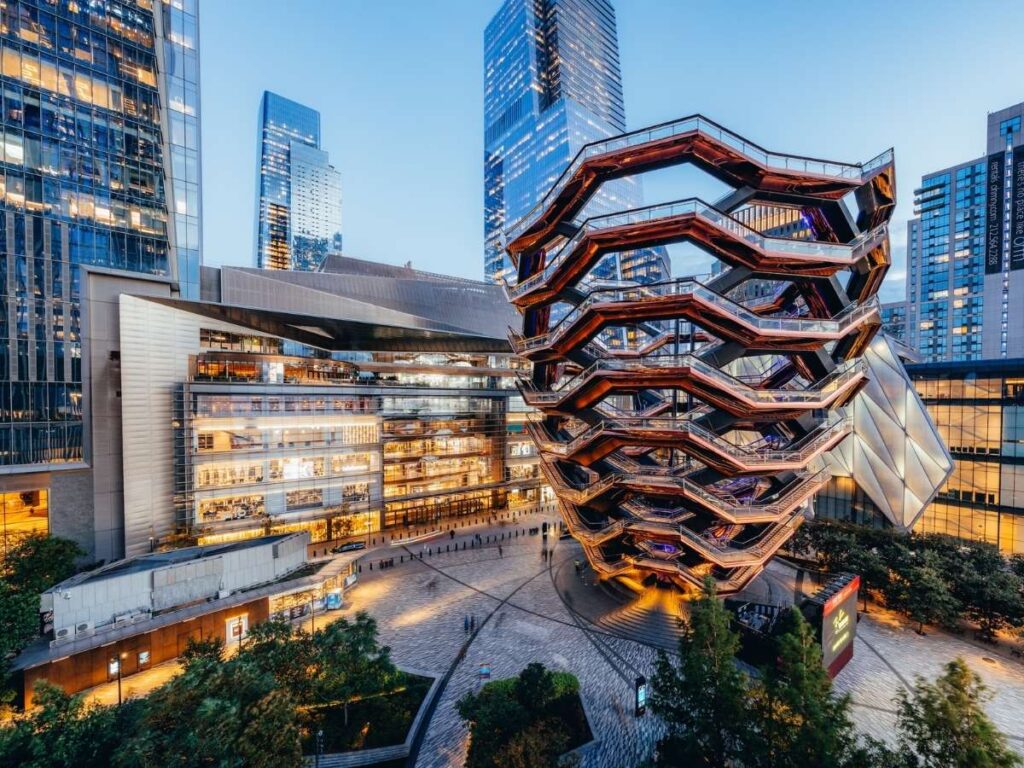
IME East takes place at the Javits Center in New York City. It’s a big, modern venue right by the Hudson River. If you’ve never been, it’s easy to reach but not so easy to park.
So plan ahead. Start by booking your hotel through the event’s official partner, onPeak. You’ll find discounted rates at hotels near the venue. I’ve used them before, and the rates were noticeably better than what I saw elsewhere online.
The closest subway stop is 34th St–Hudson Yards on the 7 train. From there, it’s just a short walk to Javits. If you’re not staying close, this train is your best friend.
Where to Stay
New York has plenty of hotel options. The key is choosing based on what matters most to you: price or proximity.
- If you want to walk: Look at hotels in Hudson Yards or Midtown West. You’ll pay more, but you’ll skip traffic and long rides.
- If you’re watching your budget: Stay farther out and use the subway or Uber to commute. Brooklyn, Queens, or northern Manhattan can offer better deals if you don’t mind the travel time.
I’ve stayed both near and far. Walking was convenient, but taking the train saved hundreds. Both options work, you just need to pick what fits your schedule.
Getting There
Now let’s talk about getting into the city:
- By train: Take Amtrak, NJ Transit, or LIRR to Penn Station. From there, it’s a 15-minute walk to Javits.
- By car: You can drive, but parking is limited. If you must, reserve a spot in a nearby garage in advance. Don’t count on street parking.
- By plane: Use the show’s airline discount codes for United or Air Canada. You’ll find these on the official event site, and they can shave a bit off your airfare.
New York is busy year-round, so book early and keep everything flexible where you can.
5. Prepare Materials and Set Goals
Once your trip is booked, it’s time to think about what you’re bringing and what you’re aiming for.
IME East isn’t the kind of event where you show up, wander around, and hope something clicks.
If you want real value from your time there, go with a purpose.
When I started treating trade shows like business tools not just events, I saw the difference. I walked away with new contacts, better pricing, and real solutions. That only happened because I showed up with clear goals and the right materials in hand.
Define Clear Goals
Before you walk through the doors at Javits, ask yourself “What do I want to walk away with by the end of the show?” Start small and specific.
Try setting goals like:
- Meet at least 3 new suppliers you can follow up with
- Attend 2 technical sessions tied to your current project or challenges
- Get pricing or lead time estimates for an upcoming part or product
- Ask for live demos of at least 2 tools, machines, or software platforms
You don’t need to fill every hour. But a short, focused list helps you stay sharp and keeps you from getting distracted by booths that don’t apply to your work.
If you’re planning to discuss a new part or product with suppliers, it helps to come prepared. Need sample parts or early pricing data? MachMaster supports fast-turn prototyping and tight-tolerance production making your supplier conversations sharper and more productive.
What to Bring
The right tools can turn casual conversations into serious follow-ups.
Pack:
- Business cards: Easy to hand out, quick to exchange
- Product samples or basic drawings: Great if you’re sourcing a part or material
- Notebook or tablet: You’ll want to jot things down fast
- Phone and charger: Use your phone for photos, contacts, and the event app
- Power bank: Outlets get crowded. A battery backup keeps you going
- Water and snacks: You’ll be walking, talking, and likely skipping lunch
You don’t need to carry a lot—but you should carry enough to keep your day moving.
If You’re a Student or Personal Buyer
IME East is open to you too, even if you’re not representing a company.
To make the most of it:
- Bring your student ID if you’re in school
- Ask exhibitors if they offer sample kits, demo access, or student pricing
- Be honest about why you’re there, many companies enjoy supporting learners and makers
When I attended as a solo designer early in my career, I didn’t pretend to be a buyer. I told people I was there to learn. And that honesty opened a lot more doors than I expected.

6. Network and Engage During the Event
Walking the show floor is important but talking to people is what makes the trip count.
Some of the best opportunities at IME East don’t come from a booth or a brochure. They come from conversations.
I used to think networking meant pushing your pitch or working the room. That never felt right. But once I focused on listening, asking good questions, and being real about what I needed, that’s when things started to click.
Where to Network
IME East gives you plenty of chances to connect both formal and informal. You don’t need a suit or a sales deck. You just need to show up and stay open.
Here are a few places to start:
- Booth visits: Don’t just grab a flyer and walk away. Ask about a part you need. Share a challenge you’re facing. These quick chats often lead to useful leads or referrals.
- Welcome Reception (Day 1): Held right on the expo floor, this is a relaxed event with food, drinks, and people ready to talk. It’s easy to walk up and join a conversation.
- After Dark Offsite Party (Day 2): A casual evening event held nearby. The energy is different once the show ends. You’ll meet people here who you might not cross paths with during the day.
- Roundtable Talks on Sustainability (1 p.m. daily): These are small, topic-driven discussions. No stage. Just real talk with others in the room. Show up early, space is limited.
- Mentorship Program: If you signed up during registration, this pairs you with someone experienced in your field. It’s a great way to get guidance and ask questions without pressure.
How to Network Without Feeling Salesy
You don’t have to push anything. You just have to be curious.
Here’s what’s worked for me:
- Ask what they’re working on: People love sharing their projects
- Talk about your goals: “I’m trying to find a faster prototyping service” opens the door
- Trade business cards or LinkedIn links: It keeps the conversation going later
- Join smaller sessions: Workshops and roundtables often lead to real connections
You’ll meet engineers, buyers, founders, and students. You don’t have to impress anyone. You just have to be honest about what brought you here.
Next, we’ll cover what happens after the event ends and how to keep the momentum going once you’re back home.
7. Post-Event Follow-Up
The event might be over, but your work isn’t.
What you do in the days after IME East is what turns a good visit into real results.
I’ve made the mistake of tossing my badge in a drawer and walking away. A week later, I couldn’t remember which booth I liked or who I said I’d email. Since then, I always block time for follow-up.
Here’s how to keep the momentum going.
Right After the Show
You don’t need to do everything at once but don’t wait too long either. Start by getting organized:
- Sort your contacts: Who do you need to reach out to right away?
- Hot leads: suppliers you want to work with now
- Warm contacts: possible partners for later
- Long-term leads: good info, but not urgent
- Email your key contacts within 48 hours: Keep it simple. Mention what you talked about, what you need, and how you’d like to follow up.
- Share notes or photos with your team: If you took pictures of booths, sample parts, or session slides, put them in a shared folder or email recap.
- Organize any brochures or product sheets: Label or group them by category so you’re not flipping through random papers a month from now.
This part doesn’t take long. But it makes sure your conversations don’t get lost.
Within 2 Weeks
Once the dust settles, it’s time to take action:
- Request quotes: Reach out to suppliers you met and ask for quotes on parts, services, or production runs.
- Schedule demos or follow-up calls: If someone showed you something interesting, book a deeper meeting to go over the details.
- Review your notes: Go back to your goals. What ideas did you collect that you can actually use now? What tools or tech seemed worth trying?
One year, I followed up with a 3D printing supplier I almost forgot about. They ended up saving us weeks on prototyping and became one of our best vendors.
So don’t let your stack of contacts collect dust.
Conclusion
When I first went to IME East, I wasn’t sure it would be worth it. But I walked away with real tools, trusted suppliers, and better direction.
You can too.
Now you know what’s inside, how to plan your visit, and how to decide if it’s right for you.
What are you building? What’s your next move?
Start your plan, book your trip, and prepare your goals.
Your next big breakthrough could be one conversation away.
Ready to take the first step? Contact us today!
More Guides and Tips to Explore
Not quite what you’re looking for? Explore our wider product range for more choices:
- Anodizing Service
- CNC Milling Service
- CNC Turning Service
- Injection Molding Service
- CNC Machining Service
We’ve got more for you! These articles provide more tips and guidance to keep you on track:
Still haven’t found what you’re looking for? Don’t hesitate to contact us. We’re available around the clock to assist you.