
A business owner I know missed their product launch.
Not because of design issues. Not because of funding.
Because the sheet metal shop gave them a 6-week lead time, then ghosted them in week 4.
We’ve worked with dozens of custom fabricators over the years, small shops, full-service HVAC suppliers, even specialty metalworkers overseas. Some are fantastic. Others? Not worth the quote they email you. We know who delivers. We’ve seen the difference.
If you’ve ever wondered how to pick the right vendor or spec the right heating components, you’re not alone. You’re also in the right place.
This guide breaks down what you need to know, no fluff. Performance, lead time, costs, design fit, compliance. All covered.
You’ll leave this article knowing what to ask, what to check, and how to avoid surprises.
Let’s get into it!
1. What Is Custom Sheet Metal Fabrication for Heating Systems?
If you’ve ever ordered a part that almost fit but didn’t, this is where custom sheet metal comes in.
When we say custom sheet metal fabrication for heating systems, we’re talking about designing and building metal components that are made to your exact specs.
Not something from a shelf. Not something you hope will work.
But something that will work, because it’s made for your space, your equipment, your layout.
Custom sheet metal is often used to build:
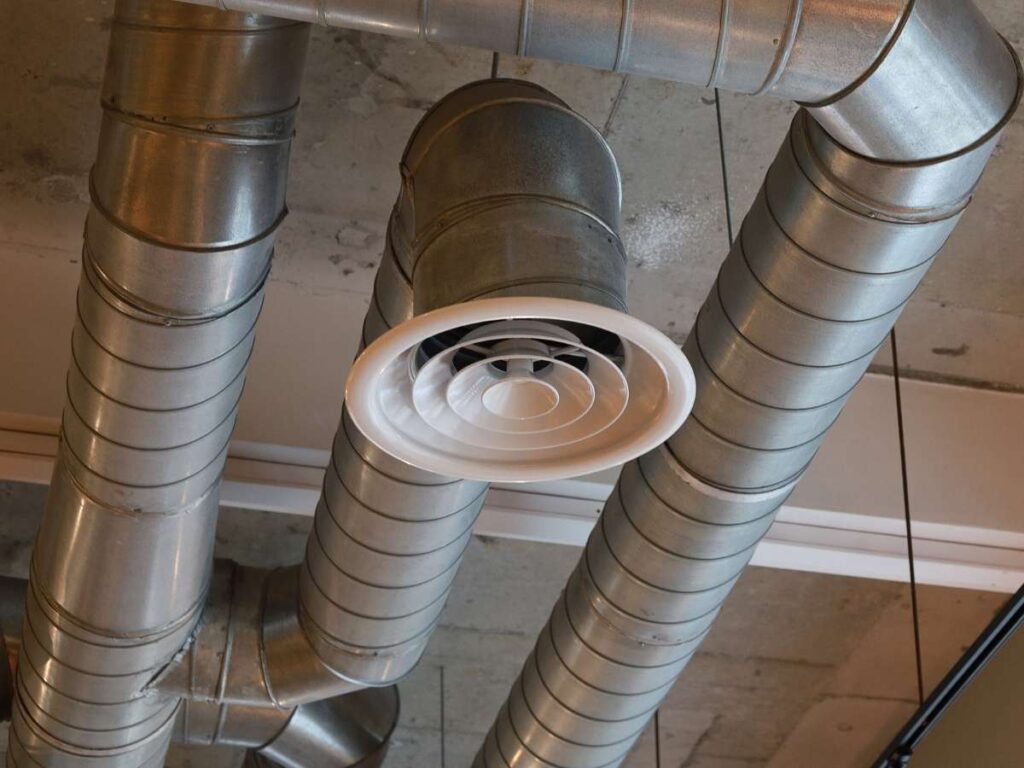
- Ducts and vents that fit oddly shaped or tight mechanical rooms
- Housing or enclosures for heaters or furnaces
- Flanges, brackets, elbows, anything that helps air move where it’s supposed to
- Mounting systems for rooftop or wall-mounted heating units
If it’s part of a heating system and needs to be metal, it can probably be fabricated to spec.
2. Benefits of Custom Sheet Metal for Heating
Custom sheet metal might seem like extra work at first. But in the right hand, it solves more problems than it creates. If you’re wondering what the real value is, here’s what we’ve seen firsthand:
Better Airflow, Less Waste
When your heating system is matched to your layout, every part does its job. Air moves the way it’s supposed to.
There’s less pressure loss.
And you don’t have to worry about warm spots in one area and cold zones in another. Custom sheet metal helps seal your system. That means you keep the heat you’re paying for, where it belongs.
Fewer Surprises During Install
Standard parts can create a lot of guesswork.
You might find yourself trimming, taping, or even cutting into walls to get things to fit. That’s not just a pain, it’s time and money out the door.
Custom builds take those surprises off the table. Your crew works faster. Install stays on schedule. And you won’t need last-minute fixes.
I once saw a team delay an entire warehouse handoff because a plenum box wouldn’t clear a pipe. It took one week to refab it, one week of lost revenue.
That’s the kind of problem custom sheet metal is meant to prevent.
Built for Code (and Longevity)
Heating systems need to meet specific safety and energy codes. When you go customs, your parts are made to those standards from day one.
You also get the benefit of stronger joints, better insulation options, and higher durability. That means fewer breakdowns, and fewer late-night service calls.
Long-Term Value
It’s not always about saving money upfront.
Custom metal parts may cost more at the start. But they fit better, last longer, and protect your heating investment. I’ve seen setups still running clean 10 years later, because the metalwork was done right.
3. Types of Sheet Metals Used in Heating Systems
If you’ve ever had to replace a corroded duct sooner than expected, you know that picking the wrong material can cost you. The type of sheet metal you choose affects everything, from heat transfer to how long your system lasts.
Let’s go through the most common metals used in heating systems, and how to know what’s right for your setup.
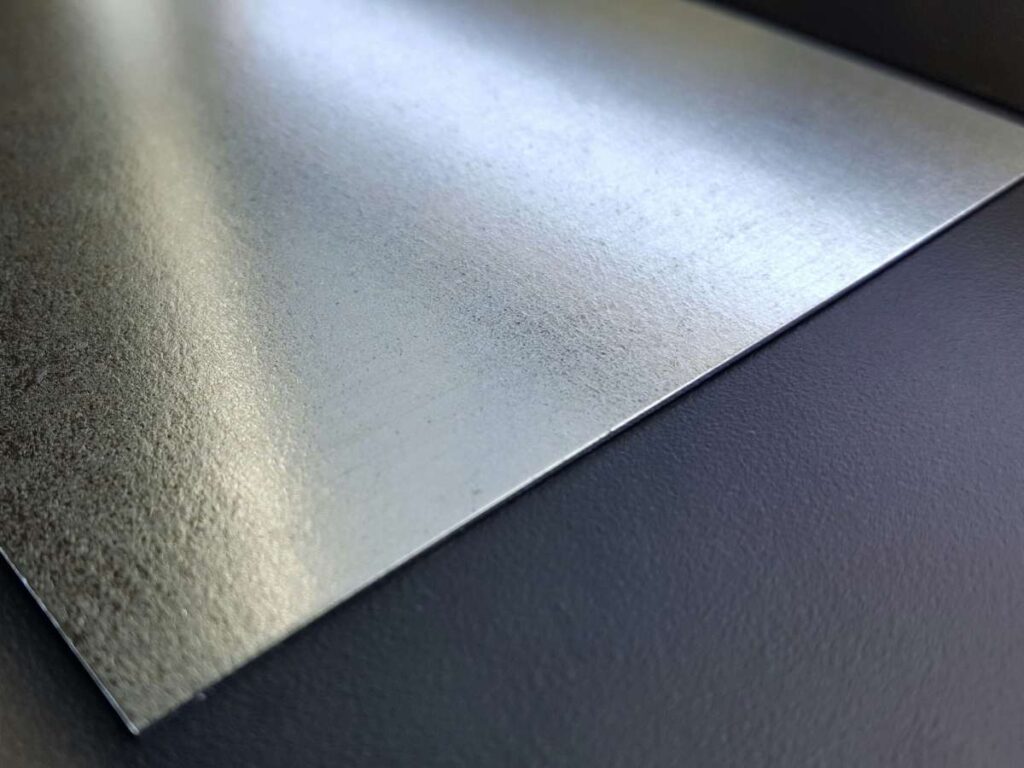
Galvanized Steel
This one’s a go-to for a reason.
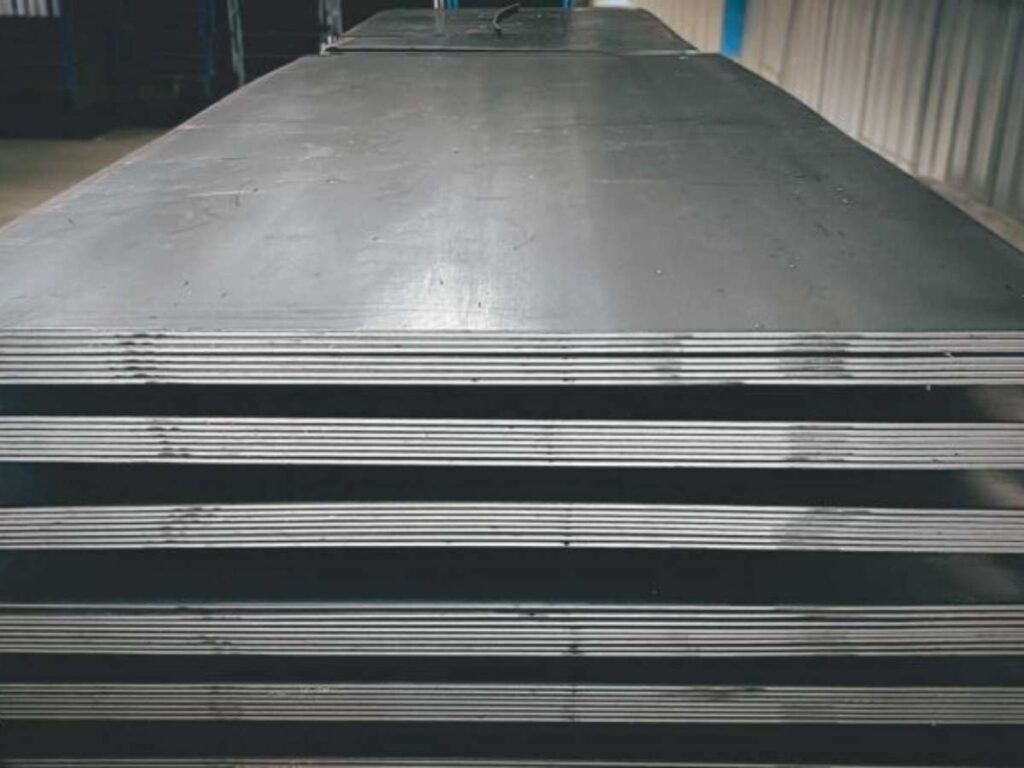
It’s steel coated with a thin layer of zinc to stop rust. It holds up well in most indoor environments, is strong enough for structural parts, and doesn’t break the budget.
I worked with a client once who tried cutting corners by using raw steel for ductwork in a damp plant area. It didn’t even make it a full winter, visible rust, flaking, air leaks. After that, they were galvanized for all high-humidity zones.
When to use it:
- Standard ductwork
- Indoor furnace connections
- Large commercial systems
Aluminum
Aluminum is lighter than steel and resists corrosion on its own. That makes it great for rooftop units or coastal areas where salt air is a problem.
It also forms easily, which helps with more complex shapes.
The downside? It dents easier and isn’t as strong under heavy loads.
Good for:
- Outdoor systems
- Lightweight applications
- Portable or modular heating units
Stainless Steel
When you need something to last, this is it.
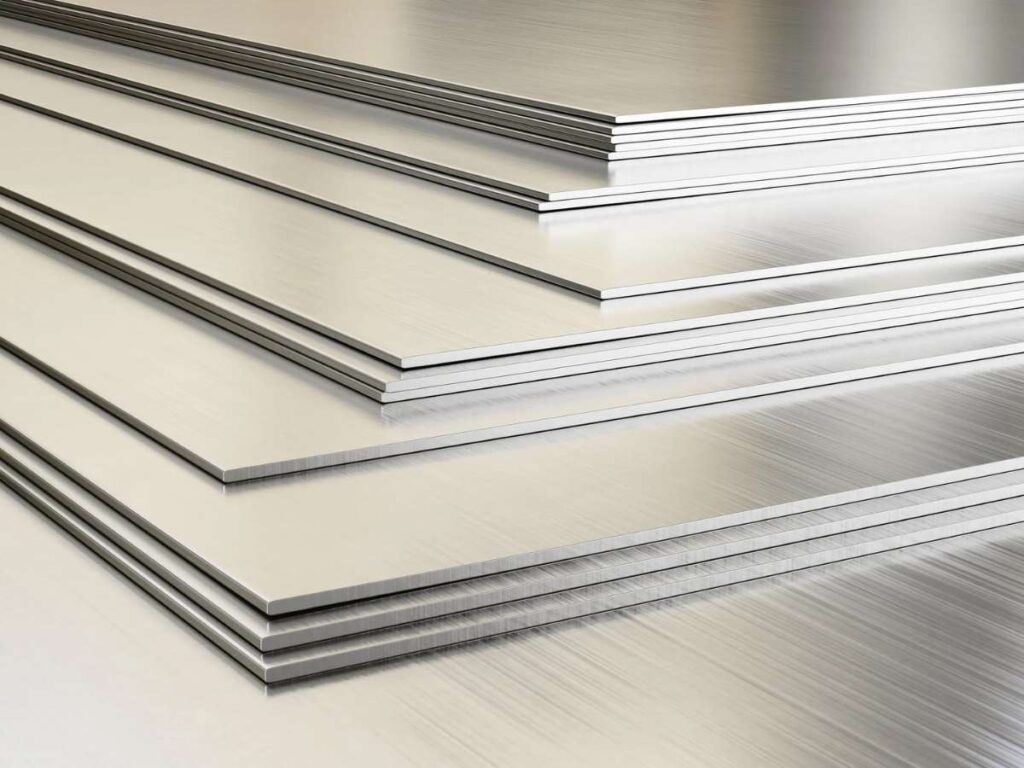
Stainless is heat-resistant, strong, and corrosion-proof. I’ve used it in high-temperature exhaust systems and in areas with constant moisture or chemical exposure. It’s not cheap, but sometimes it’s the only material that makes sense.
Ideal for:
- High-temp applications
- Exhaust systems and flues
- Food-grade or chemical environments
Copper
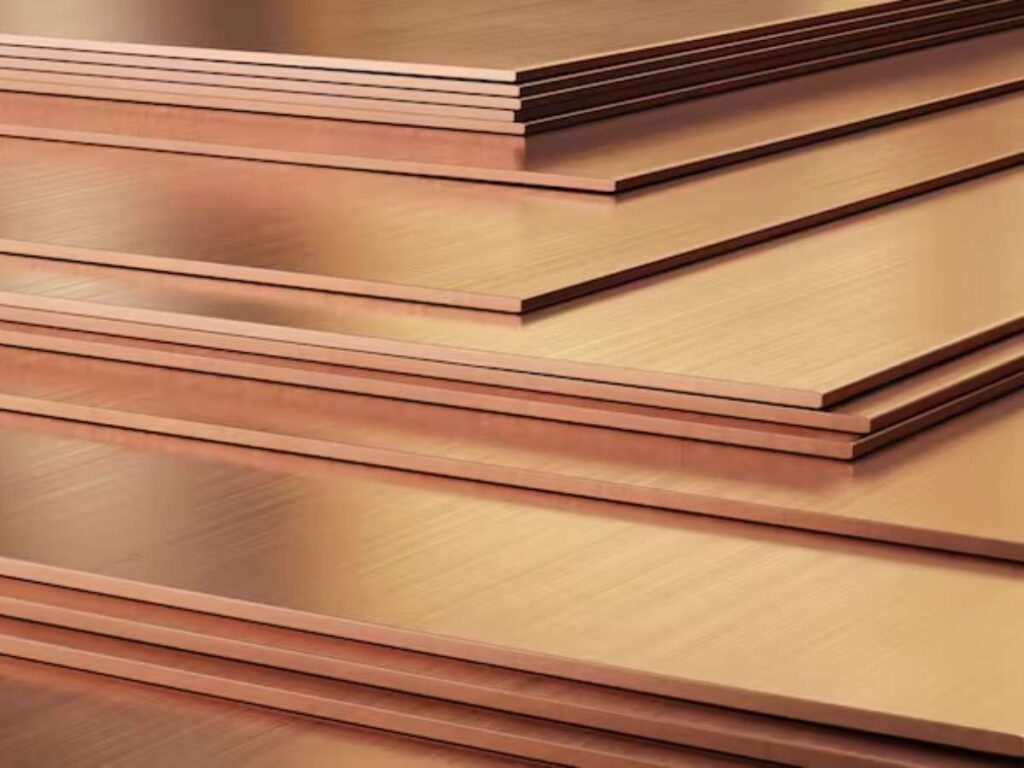
You don’t see copper used often in sheet form for heating, but when it is, it’s usually for specialty work, like radiant panels or decorative enclosures.
It has great thermal conductivity and looks good, but it’s also pricey and more difficult to work with in large runs.
Used in:
- Specialty or aesthetic heating features
- Radiant heating systems
- Historical or design-focused builds
4. Key Fabrication Techniques for Heating Components
Good fabrication isn’t about fancy machines, it’s about knowing when to use what. At Machmaster, we’ve seen how the right technique can turn a simple metal part into a reliable, long-term solution.
If your vendor can’t explain how they cut or join parts, or why they chose one process over another, it’s worth asking more questions.
The right technique gives you parts that fit, last, and perform as intended.
Let’s take a look next at where these components actually go in a real-world heating system.
Cutting Methods
Laser Cutting
This is the most precise method out there. Clean edges. Tight tolerances. Minimal waste.
It’s ideal for ducts or panels with complex shapes, or when appearance matters.
I once visited a shop that switched from mechanical shears to laser for their plenum boxes. Not only did it speed up production, they stopped getting complaints about warped flanges.
Plasma Cutting
Faster and more cost-effective than laser, especially on thick metal. But it can leave rougher edges and isn’t as clean.
Works well for structural brackets or frames where looks aren’t critical.
Bending and Forming
Press Brake Bending
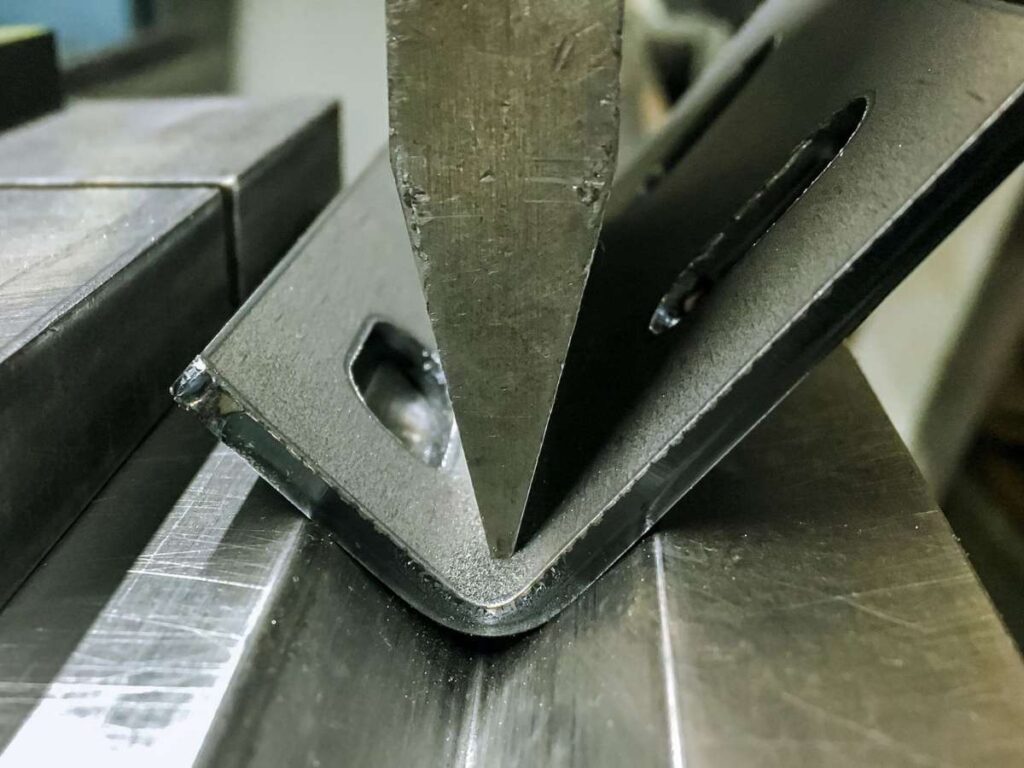
Used to create precise angles in ducts, covers, and housings. This is where the experience of the operator really shows.
I’ve seen techs get 90° bends within a fraction of a degree. I’ve also seen poorly bent panels that didn’t line up with mounting holes. One bad angle, and the whole thing gets reworked.
Roll Forming
Used for round ducts or curved shapes. Requires setup time but produces smooth, consistent results.
Best for large runs of cylindrical or spiral ducts.
Joining
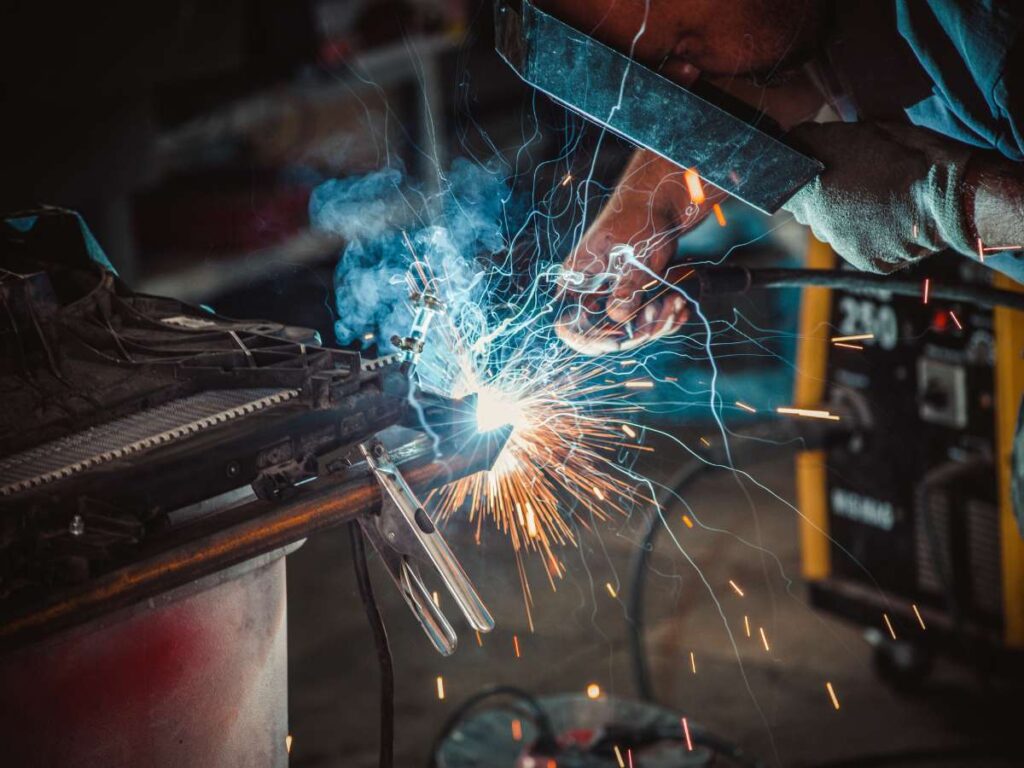
- Welding: Strong, permanent, and great for high-heat areas like exhaust or furnace housings. But it needs to be done right. A poor weld can crack or leak under pressure.
- Riveting and Screwing: Used when parts may need to be taken apart later. Also quicker and cheaper for thin gauge metal. In commercial heating projects, we often combine both, weld the high-stress joints, rivet the service panels.
Finishing Touches
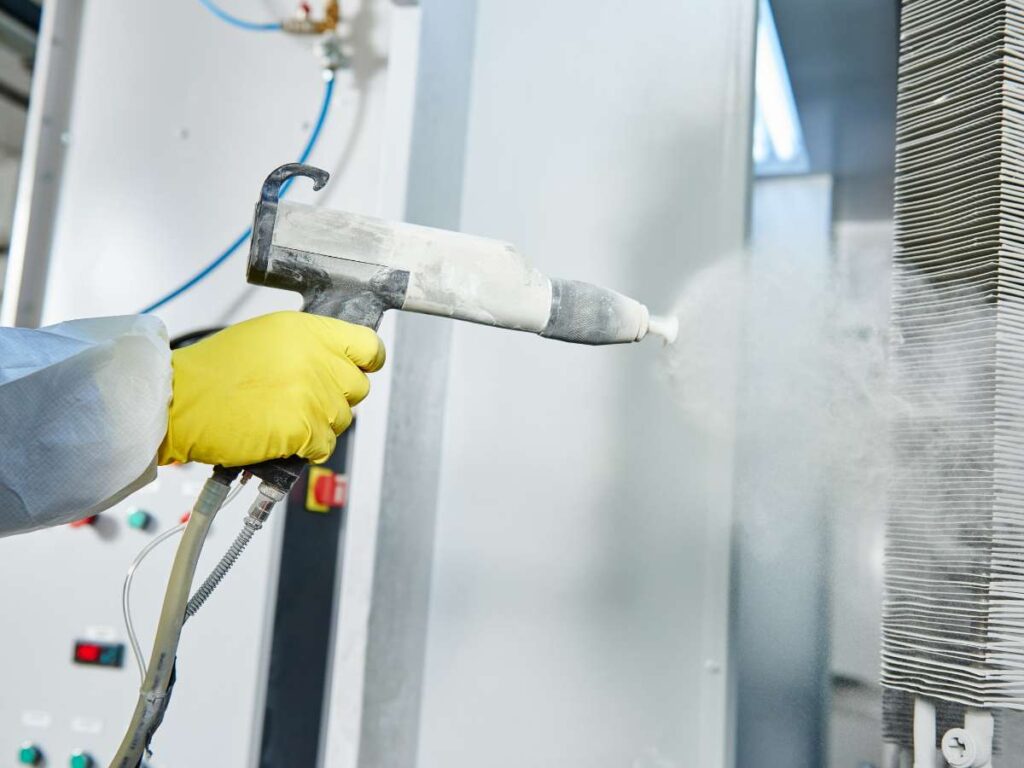
After shaping and joining, most parts get a final finish. This could be:
- Galvanizing (zinc coat for rust protection)
- Powder coating (durable color finish)
- Paint (lower cost, more visual flexibility)
I once worked on a facility that stored volatile chemicals. Their heating ducts needed a specific anti-corrosion coating approved by local code. The fabricator didn’t include it, and had to remake 20+ ducts. Costly mistake.
5. Common Applications of Sheet Metal in Heating Systems
You might not always notice it, but sheet metal is behind a lot of what makes a heating system work. It’s shaped, bent, and fitted to help air move where it should, and to protect the system while doing it.
Here are some of the most common places you’ll find it:
Ductwork
This is the most visible one.
Sheet metal ducts carry warm air from your heating unit to the spaces that need it. Custom ductwork is often used when:
- The layout is tight or uneven
- You need to avoid beams, pipes, or other systems
- Standard duct sizes just won’t do
Plenums and Transitions
Plenums are the air distribution boxes that connect to your heating unit.
They help push air into the duct system evenly. Transitions connect different shapes or sizes of ducts, for example, from a square opening to a round pipe.
When these parts are made wrong, airflow suffers.
I once walked a site where a poorly fitted plenum caused the whole system to sound like a drum every time it kicked on.
Furnace and Unit Housings
Sheet metal also forms the outer casing of heaters, rooftop units, and air handlers. It protects the inside parts and gives access to panels for service.
Custom housing comes in handy when you have unusual mounting needs or space limits.
Exhaust and Flue Systems
Heating systems often need to vent hot gases or steam.
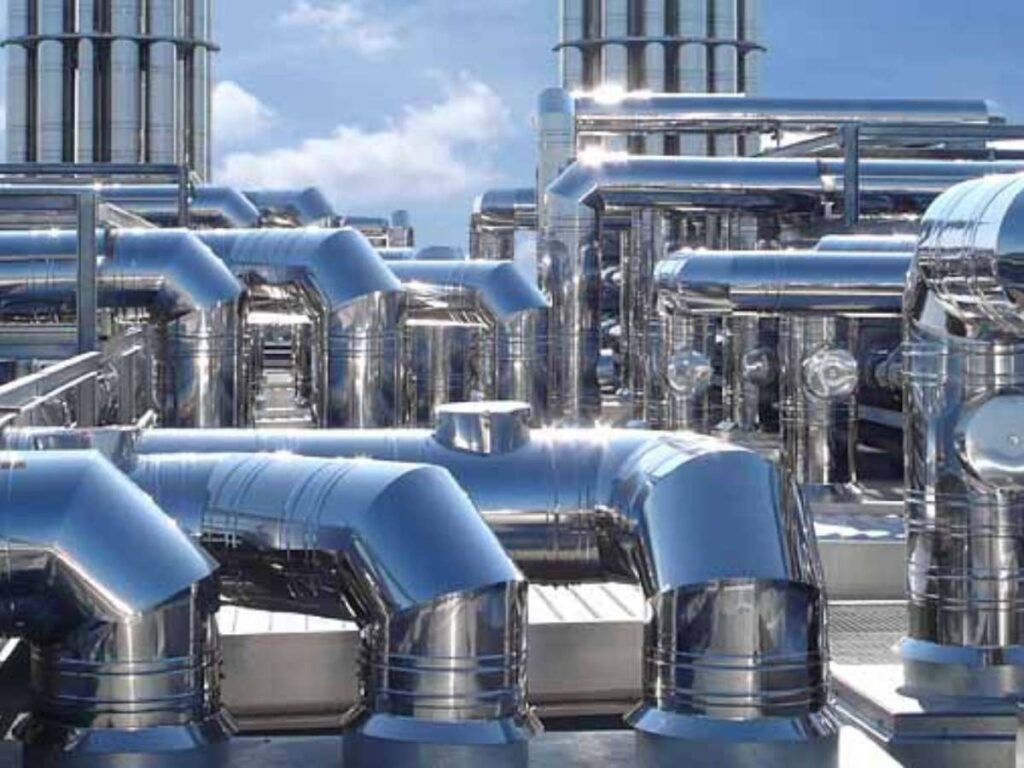
Sheet metal is used to build those exhaust paths safely.
You’ll see stainless or galvanized flue pipes in:
- Boilers
- Furnaces
- Commercial heaters
The material here matters, a lot. These pipes deal with heat, pressure, and sometimes moisture.
6. Challenges in Custom Sheet Metal and Heating Projects
Custom work sounds great, and it usually is, but let’s be honest: it comes with its own set of challenges.
Over the years, we’ve seen projects delayed, redone, or go way over budget because of things that could’ve been caught early. The good news? Most of these issues are preventable once you know what to watch for.
Long Lead Times
Custom means made-to-order.
And made-to-order means you’ll wait longer than if you bought standard parts.
We’ve had projects delayed three weeks because the fabricator was waiting on a specific gauge of stainless steel. If you’re working on a tight schedule, always ask for lead times before you commit.
Miscommunication in Drawings
If the drawing is unclear, the part will be wrong. Simple as that.
I once saw a transition duct built upside down because the arrows on the sketch weren’t labeled. It looked fine on paper, but it didn’t work on-site.
Double-check measurements. Label everything. And make sure the shop understands the environment your parts are going into.
Fit Issues on the Job Site
Even if a part is built to spec, it may not fit the real space.
Walls shift. Pipes are added. Dimensions on paper don’t always match what’s there.
We always recommend a site visit, or at least a 3D scan or good set of photos, before finalizing anything. Custom parts don’t always get a second chance.
Price Fluctuations in Materials
Sheet metal prices move around a lot, especially for steel and aluminum.
We’ve seen quotes change in a matter of days, especially on larger projects. Lock in pricing early when you can, or expect some variation if lead time is long.
7. Tips for Choosing the Right Fabricator for Your Heating Needs
Not all fabricators understand heating.
And not all shops that say “custom” can actually deliver quality that holds up.
You need more than a nice quote. You need someone who can build parts that fit, perform, and arrive on time. Here are the tips for you to pick a fabricator for heating projects:
Relevant Experience
Do they understand heating systems, not just metal?
A good fabricator should know how air moves, what materials work under heat, and how your parts will function inside a real HVAC setup.
I’ve seen fabricators make beautiful ductwork that failed in use, because they didn’t consider system pressure or insulation clearance.
Ask for:
- Photos or examples of past heating-related jobs
- References from mechanical contractors or installers
Quality and Workmanship
Will the work hold up over time?
Welds, cuts, joints, everything should be clean and consistent.
This isn’t just about looks. Poor workmanship can lead to leaks, system inefficiency, or failed inspections.
Check for:
- In-house quality checks
- Consistency across large orders
- Finishing options (coatings, insulation, etc.)
Flexible and Solution-Oriented
Will they flag issues early, or just build what’s on paper?
Sometimes drawings are off. Sometimes the installation site has surprises. A good shop helps fix the problem, not just fill the order.
Look for:
- Willingness to review sketches and site photos
- Suggestions on design improvements
- Backup plans for material shortages or schedule changes
At Machmaster, we take this seriously, we’ve helped teams rework tight transitions, reroute duct runs, and correct spec errors before they cost time on-site.
Conclusion
That product launch we lost? It never happened again.
We took what we learned and built systems that work, because we chose the right fabricators, asked better questions, and stopped cutting corners on heating components.
You now have the same knowledge: what matters, why it matters, and how to get it done right.
Don’t let miscommunication or a missed deadline set you back.
At MachMaster, we help you avoid all that. Custom sheet metal and heating, it’s what we do.
Contact us today and get the support your project deserves.
Dive Deeper Into Our Resources
Looking for more diverse service options? Browse through our handpicked selections:
- Anodizing Service
- Cnc Milling Service
- Cnc Turning Service
- Injection Molding Service
- Cnc Machining Service
For some insightful reads, we’ve curated a list of recommended articles just for you:
Still haven’t found what you’re looking for? Don’t hesitate to contact us. We’re available around the clock to assist you.