
I once chose the wrong metal finish for a product I helped design.
At first, it looked great. Smooth, shiny, just what we wanted. But a few months later, things started to go wrong.
The surface rusted. Customers started asking questions.
That’s when I realized something important: the finish isn’t just about looks. It’s about how the product holds up over time.
Maybe you’re in the same place right now. You need to choose a metal finish—for a part, a product, or maybe a prototype.
But there are so many choices. Some look better. Some protect better. Some cost more. And each one does something a little different.
I’ve worked with factory owners, engineers, and designers. I’ve made mistakes, and I’ve learned from them. That’s why I want to help you avoid the same trouble.
In this article, I’ll walk you through 9 different types of finishes for metal. You’ll see what each one does, how it looks, and why it matters.
By the end, you’ll have what you need to pick the finish that works best for your project—no guessing.
Let’s dive in!
Quick Comparison Chart
Choosing the right finish can make or break your product—visually and commercially. Below is a side-by-side comparison of the 9 finishes we’ve discussed. This table is designed to help you quickly assess how each finish stacks up in key performance categories relevant to business and product decisions.
| Finish | Reflectivity | Surface Texture | Scratch Resistance | Fingerprint Visibility | Maintenance Level | Visual Consistency | Brand Perception |
| Mirror Finish | Very High (mirror-like) | Ultra-smooth | Low (easily scratches) | Very High | High | High if controlled well | Premium, luxury, high-tech |
| Brushed Finish | Moderate (diffused shine) | Light linear grain | Medium | Low | Moderate | High | Clean, industrial, contemporary |
| Matte Finish | Low (non-reflective) | Smooth, soft | Medium–High | Very Low | Low | High | Minimalist, modern, practical |
| Satin Finish | Low–Moderate (soft glow) | Smooth with soft sheen | Medium | Low | Low | High | Subtle, elegant, versatile |
| Textured Finish | Varies (based on depth) | Rough, patterned, tactile | High | Very Low | Low | Medium–Low | Rugged, functional, durable |
| Bead-Blasted Finish | Low (even, matte look) | Fine, non-directional grain | Medium | Low | Low | Very High | Sleek, professional, technical |
| Patina Finish | Low–Varied (aged look) | Uneven, organic | Medium–High (sealed) | Very Low | Medium (if sealed) | Low | Artistic, historic, artisan |
| Colored Finish | Depends on gloss level | Smooth | Medium–High (process-dependent) | Medium–High | Moderate | Medium–High | Bold, customized, brand-forward |
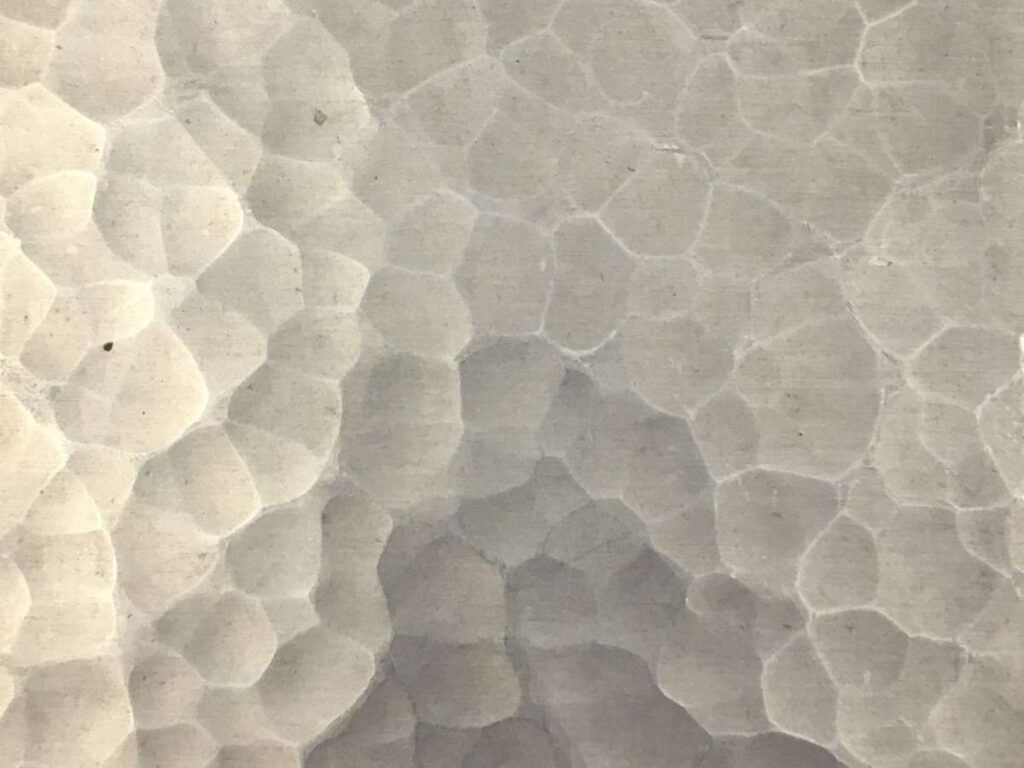
| Hammered Finish | Low (broken reflection) | Deep, uneven dimples | High | Very Low | Low | Medium (varies intentionally) | Craft-built, industrial, expressive |
This table gives you a functional snapshot of each finish across performance and perception categories, so you can narrow down options that align with your goals.
Whether you need durability or premium branding, this makes it easier to make the right call.
1. Mirror Finish
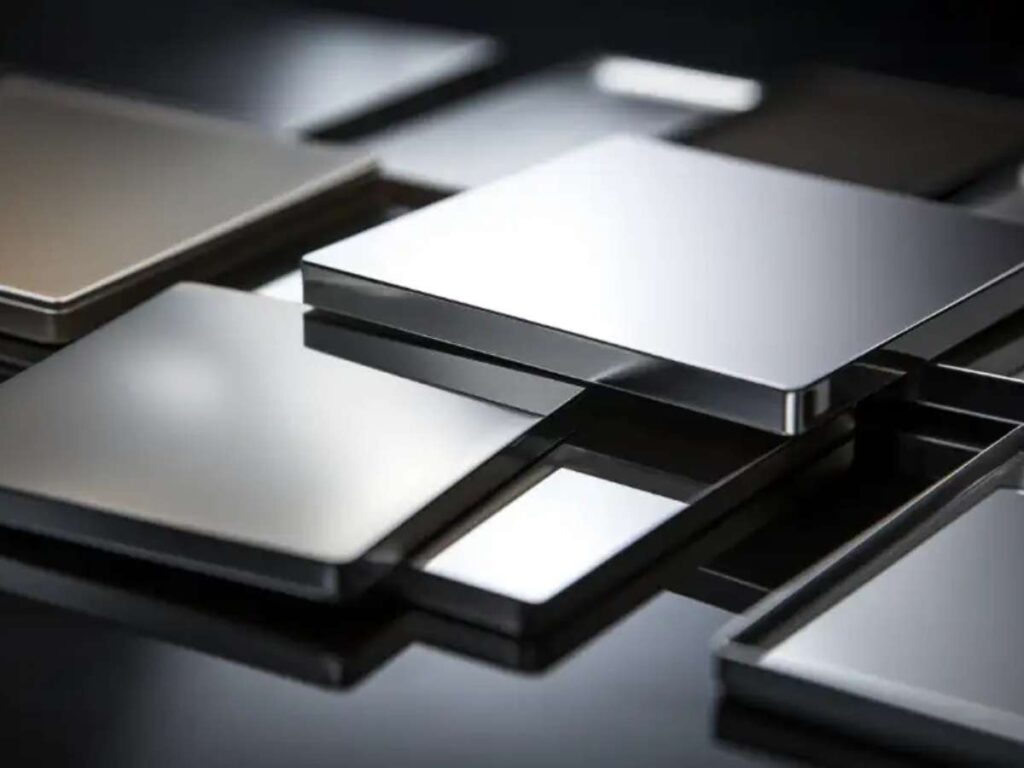
If you want your product to stand out the moment someone lays eyes on it, mirror finish is the showstopper.
I’ve used it in projects where first impressions were everything, like in a commercial lighting build where the client wanted the product to “look like a luxury car part.” And honestly, the mirror polish did most of the heavy lifting. We didn’t even need branding on the face. The finish said it all.
This isn’t just about shine. It’s about making a bold statement in competitive markets where your product only gets a second to prove its value.
Appearance
A mirror finish is exactly what it sounds like—a surface so reflective, you can see yourself in it. It’s sleek, dramatic, and unmissable. When applied correctly, it gives your metal product that ultra-smooth, high-gloss shine you typically associate with premium, high-end goods.
It doesn’t just look clean, it screams precision, luxury, and attention to detail. There’s a reason it’s used to impress.
But with that shine comes responsibility.
Best Use Cases
If your product needs to grab attention or make a statement, this finish delivers. It’s used in:
- High-end consumer electronics and luxury goods
- Architectural panels in commercial buildings
- Interior features like railings, trim, or signage
- Decorative parts on machinery or industrial design pieces
When I was working on a custom manufacturing project for a client in the hospitality sector, they insisted on a mirror finish for every visible fixture. It turned the product into a focal point—and honestly, it made their brand feel expensive. It paid off.
Design & Manufacturing Tips
If you’re considering a mirror finish for your product, don’t wait until post-production to decide. It needs to be factored early.
- Surface prep is critical; any imperfection will reflect right back at you.
- It works best with metals that can be finely polished, like stainless steel or aluminum.
- This finish can increase perceived value, which is a huge plus if you’re targeting a premium market.
Here’s a tip: Use it strategically, not universally. A full-body mirror polish may be overkill and costlier than needed. But an accent or exposed panel? That’s where it shines, literally.
Limitations or Watch-Outs
Now for the flipside.
Mirror finishes are not forgiving. They show everything—scratches, fingerprints, dust. If your product is handled often, you’ll be cleaning it… constantly. In one project, I had to go back and redesign a polished component after customers complained it looked “dirty” within days of use. Lesson learned.
Also, it’s a time-consuming and expensive finish. You’ll want to assess whether the aesthetic return is worth the extra effort and cost, especially for scaled production.
If you need durability and zero maintenance, this probably isn’t your finish. But if you need visual impact and wow factor? Mirror finish won’t let you down.
2. Brushed Finish
One of my earliest production runs taught me something valuable: not every finish needs to scream for attention. Sometimes, the win is subtlety, that clean, industrial look that feels modern without trying too hard.
That’s exactly where brushed finishes come in. I’ve used this finish when clients wanted products to look refined, tactile, and premium, but without the high-gloss intensity of a mirror surface. It’s the quiet confidence of metal finishes.
If your customers value texture, minimalism, and functionality, brushed might be the perfect fit.
Appearance
Brushed metal has a linear, directional grain—fine lines running across the surface in a uniform pattern. The result? A surface that diffuses light, cuts down on glare, and gives off a satin-like, contemporary sheen.
It’s not flashy. But it is clean, professional, and modern.
There’s also a tactile character to it—it looks smooth but has just enough texture to feel grounded.
Best Use Cases
Brushed finishes are workhorses in industries where design meets durability. You’ll often see them in:
- Appliances (think refrigerators, ovens, microwaves)
- Consumer electronics like laptops, keyboards, and speakers
- Architectural trim and metalwork
- Kitchen and bath fixtures, especially stainless steel
I’ve specced brushed finish on high-touch surfaces in a commercial kitchen project—and it made a huge difference in both aesthetics and fingerprint resistance. It looked fresh for longer and reduced the cleaning load for staff. That’s real-world ROI.
Design & Manufacturing Tips
If you want your product to look sharp and hold up to wear, brushed is a smart bet. But here’s what you need to keep in mind:
- The grain direction matters; align it with your design flow.
- It hides small scratches well but won’t mask dents or deep gouges.
- You’ll want to use metals that take brushing well; stainless steel is a favorite, but aluminum and brass also work.
From a design standpoint, brushed finish pairs great with matte plastics, dark woods, or neutral ceramics. It’s often used to signal “premium” in understated ways.
Limitations or Watch-Outs
Brushed finish is durable, but not invincible.
It can still scratch, especially if exposed to abrasive cleaners or rough handling. And while it does reduce visible fingerprints compared to mirror polish, it’s not fingerprint-proof.
Also, it’s important to avoid mismatched grain directions when assembling parts. If the brush pattern isn’t aligned, it cheapens the entire look, something I had to learn the hard way during a product review meeting.
Lastly, depending on the metal and brushing method, color tones can vary slightly between batches. Be sure to align this with your quality control process, especially if consistency matters for your customer base.

3. Matte Finish
I once had a client ask for a product that “feels modern, but doesn’t glare under office lighting.” They didn’t want anything shiny, flashy, or overly industrial. Just quiet sophistication that looked great in-hand and on the shelf.
What we landed on was a matte finish, and it was exactly what the product needed. It gave the surface a clean, soft look that elevated the entire design.
If you’re building something that needs to feel minimal, practical, and contemporary, this is a finish you’ll want to consider.
Appearance
A matte finish is non-reflective and low-gloss. It gives the surface a smooth, muted tone, almost velvety in appearance, without the glare or flash of polished metals.
Instead of bouncing light, matte metal seems to absorb it, creating a calm, steady visual presence. There’s no grain pattern like brushed, and no shine like satin. Just a flat, clean surface that looks intentional and understated.
Best Use Cases
Matte finishes are all about subtlety and control. They’re common in industries where visual clarity and soft touch matter most:
- Consumer electronics (smartphones, tablets, charging stations)
- Office products and accessories
- Architectural elements like cladding, door hardware
- Medical and laboratory equipment (reduces glare under lighting)
In one product line we worked on, going matte made a huge difference. The client was selling to tech offices and didn’t want anything overly shiny, it had to blend into modern workspaces, not dominate them. Matte made the product feel intentional and high-end without screaming for attention
Design & Manufacturing Tips
Matte finish gives you flexibility, but it still needs thoughtful handling.
- Fingerprint resistance is excellent, especially compared to polished surfaces.
- It’s great for hiding light scratches or smudges.
- Compatible with a wide range of metals, including aluminum, stainless steel, and coated steel.
At MachMaster, we offer several matte finishing techniques depending on your desired effect, whether you’re going for a powder-coated look, bead-blasted texture, or anodized matte aluminum. We work with product teams to match matte tone with the rest of their materials or packaging, so the final result feels cohesive, not random.
Limitations or Watch-Outs
Matte isn’t for every application.
If your product needs to reflect light or catch attention from across the room, matte may be too quiet. It also lacks the shimmer or depth that finishes like satin or mirror can provide.
Another thing to keep in mind: not all matte finishes are equal. Some are more porous or prone to uneven wear if not applied correctly. We’ve seen poorly finished matte surfaces that look chalky or inconsistent, especially when mass-produced without proper controls.
4. Satin Finish
During a design review a while back, a client looked at two metal samples, one mirror-polished, the other brushed, and said, “Can I get something in between? Clean, but not flashy?” That’s where satin finish came in.
It struck the perfect balance: a soft glow without the glare, and a clean feel that looked high-end without being high-maintenance. The team loved it. The customer base loved it even more.
If you’re looking for a finish that bridges elegance and practicality, satin might be your best move.
Appearance
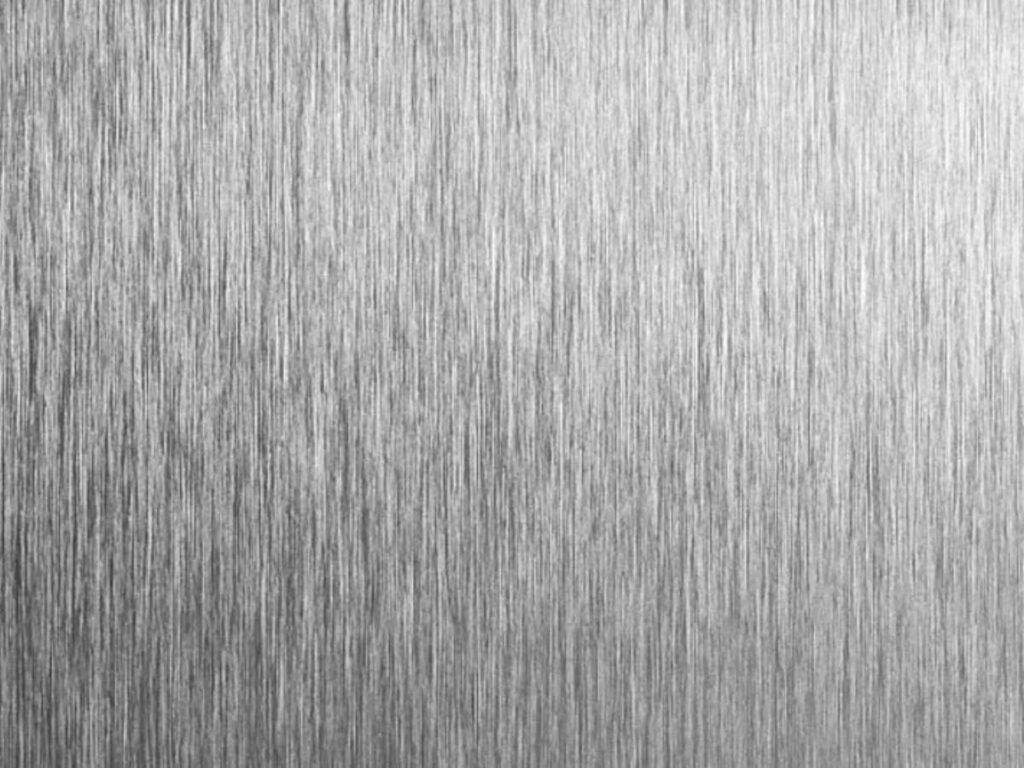
Satin finish sits right between matte and polished. It has a low-luster sheen, not glossy, but not completely dull either. Think of it as a smooth, pearl-like surface that gently reflects light without being too reflective.
It’s often described as having a “warm” or “creamy” look, especially on stainless steel and aluminum. It adds softness to metal, making it feel more approachable while still looking precise and professional.
Best Use Cases
Satin finishes are favored when you need something refined but durable, especially for touchable, visible parts in workspaces or public environments. You’ll commonly see them in:
- Bathroom and kitchen fixtures (faucets, handles, appliances)
- Commercial hardware like door levers, handrails, elevator interiors
- Medical devices where cleanliness meets visual clarity
- Consumer tech where glare-free surfaces are preferred
I once specified satin for a line of architectural hardware for a luxury office space. The goal? Minimalist elegance.
The result? Fixtures that blended seamlessly into the design, while still feeling deliberate and premium. It made the entire install look more expensive, without inflating the budget.
Design & Manufacturing Tips
Here’s why satin is a favorite among industrial designers and engineers:
- Hides fingerprints better than mirror polish
- Softens sharp design elements without sacrificing clean lines
- Pairs beautifully with glass, wood, or matte materials
- Doesn’t require extreme surface prep like mirror finishes
If you’re working with stainless steel or anodized aluminum, satin is a smart default, especially for high-touch surfaces. It also holds up well under routine cleaning, which makes it ideal for environments that need to look clean all the time.
One note: be consistent with finish type across visible parts. Slight shifts in gloss between satin and matte components can disrupt the visual harmony of a well-designed product.
Limitations or Watch-Outs
Satin finish, while versatile, isn’t invincible.
It can still pick up scratches over time, especially on softer metals. And while it resists fingerprints better than gloss, oily residue and dust can still dull the look if not maintained.
Also, satin finishes vary slightly across suppliers or processes. One company’s “satin” might be another’s “light brushed.” That’s why it’s critical to lock in surface samples and QC standards early, especially in a production environment where consistency matters.
And if you’re designing for bright retail spaces or camera-heavy environments, keep in mind that satin reflects light softly, but it’s not 100% glare-free.
5. Textured Finish
I still remember the first time we had a part returned, not because it failed functionally, but because it looked worn after only a few weeks of use. Smooth surfaces, despite their polish, can sometimes highlight wear faster than you’d expect.
That’s when we started exploring textured finishes, and honestly, it changed the way we designed for durability. The result? Fewer returns, better customer feedback, and a product that looked newer, longer.
If your parts take a beating or live in high-contact environments, a textured finish could save you more than just surface-level headaches.
Appearance
Textured finishes are exactly what they sound like: intentionally irregular, patterned, or raised surfaces that break up the uniformity of flat metal. They can be rough, dimpled, pebbled, sanded, or patterned, depending on the method used and the material.
These finishes diffuse light, mask imperfections, and create a rugged, durable look that feels built for function. The result? A surface that’s less about flash and more about confidence.
Visually, textured metal has character. Tactilely, it says, “grip me, use me, I’m ready.”
Best Use Cases
Textured finishes shine in products or environments where grip, concealment, and durability are key. Common applications include:
- Industrial equipment housings or control panels
- Tool handles or grips that need extra friction
- Architectural exteriors or metal panels exposed to the elements
- Transport components like foot pedals, flooring, and handholds
- Outdoor fixtures, where weather and wear are constant threats
We once helped a client switch to a textured finish on a commercial hand tool line. The new surface reduced visible scuffs, added grip, and helped cut down on customer complaints by 40%. Sometimes, a simple finish change has ripple effects across your brand.
Design & Manufacturing Tips
Here’s where textured finishes can give you an edge:
- They’re excellent at hiding wear, scratches, and fingerprints
- They add a functional grip without needing rubber or coatings
- Texture can be aesthetically strategic, especially for rugged branding
- They improve paint adhesion if the metal is coated later
At the design stage, you’ll want to decide early whether your texture is functional, decorative, or both. The chosen pattern, depth, and method (like embossing, sandblasting, or mold texturing) will all affect cost, tooling, and appearance.
Also, be mindful of cleanability—some deep textures can trap debris or oils, which might not work for sterile or precision-required applications.
Limitations or Watch-Outs
Textured finishes aren’t ideal for every scenario.
They can limit logo visibility or fine-detail engraving. If you need branding or part markings, you’ll have to adjust for that, either with contrasting finishes or deeper etching.
Also, not every texture is suitable for touch-sensitive or ergonomic products. If comfort or smooth contact is a must, heavy texture might be too harsh. We had to revise a textured casing once because users found it “scratchy” in bare-handed use—something no spreadsheet will tell you until it’s in someone’s grip.
And lastly, costs may rise depending on the texture depth and method, especially if special tooling or secondary processing is involved.
6. Bead-Blasted Finish
One of the cleanest product launches I’ve ever worked on used a finish most people wouldn’t even notice at first glance. But that was the point.
The client wanted a surface that felt refined, soft, and premium, without being flashy. It needed to reflect their brand: quiet confidence. We recommended a bead-blasted finish, and the results were flawless. It gave the product a smooth, almost “frosted” look that customers instantly associated with quality.
If you’re designing for discretion, uniformity, or a minimalist aesthetic, this finish is worth your attention.
Appearance
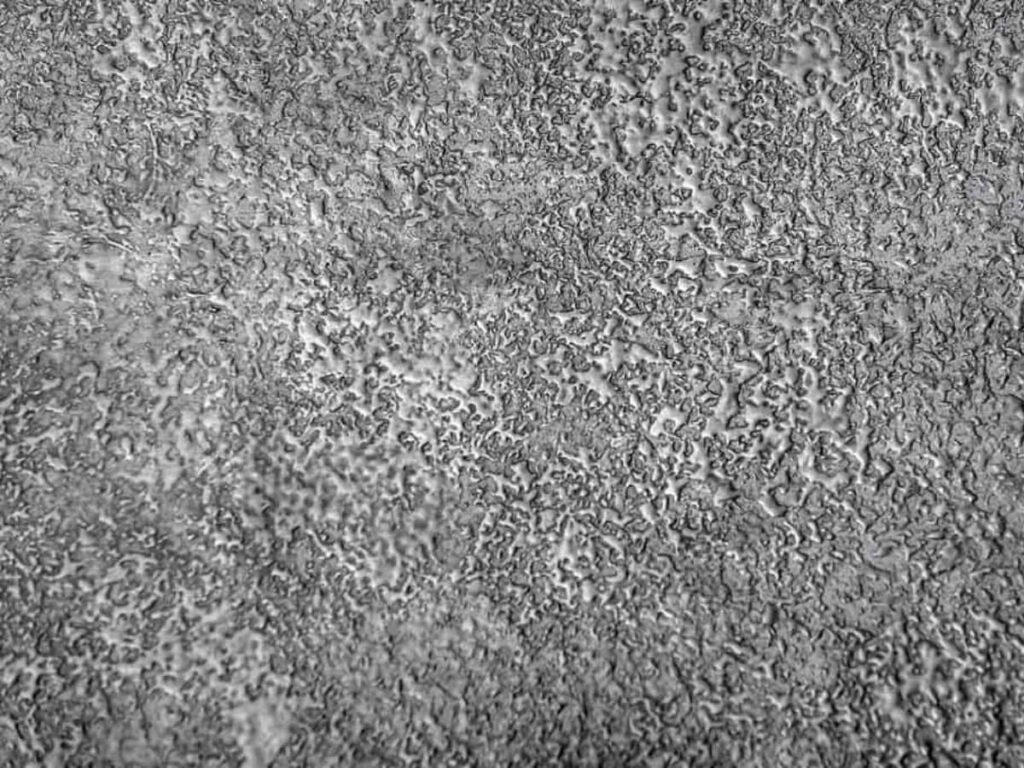
Bead-blasted finishes have a smooth, non-directional matte texture created by blasting the surface with fine glass beads or similar media under pressure. The result? A uniform, satin-matte surface that gently absorbs light and removes visual distractions.
There’s no visible grain like in brushed finishes, and no reflective qualities like mirror or satin. Instead, it creates a soft, almost powder-like appearance that gives metal a clean, subtle presence.
Visually, it feels calm. Tactilely, it feels like fine-sanded stone, smooth, but not slippery.
Best Use Cases
This finish is ideal for products that need to feel premium, understated, and consistent. You’ll often see it used in:
- Consumer electronics like laptops, tablets, or keyboards
- Precision tools or surgical instruments
- Automotive components with a clean aesthetic
- High-end enclosures, panels, or industrial casings
- Luxury accessories where surface uniformity matters
I once saw a prototype come back from bead-blasting and immediately thought, “This is what premium should feel like.” The difference wasn’t just visual, it was emotional. When your product is picked up, held, or installed, that texture leaves a lasting impression.
Design & Manufacturing Tips
Here’s what makes bead-blasted finishes a favorite among industrial designers:
- They create a consistent surface finish across complex shapes and curves
- The texture minimizes glare and softens sharp reflections
- Ideal for branding minimalism, no flash, just form
- Works well with harder metals like stainless steel, titanium, and aluminum
But it’s not just about looks. Bead-blasting also serves as a great pre-treatment for secondary finishes like anodizing or powder coating. It helps coatings adhere more evenly and improves final appearance.
We’ve used this combo finish on tech housings—first bead-blast, then anodize—and it gave the product a sleek, almost ceramic feel that stood out on the market.
Limitations or Watch-Outs
Bead-blasted surfaces can be more delicate than they look.
While the texture hides minor smudges, it can also be prone to scratching or oil absorption, especially if not sealed or coated afterward. Bead-blasted aluminum, for instance, can develop darkened spots from handling if it’s left raw.
Also, while the finish is uniform, it may require more precise quality control. If the bead media size or pressure varies, so will the appearance. Inconsistent blasting across parts can lead to color tone shifts, especially when combined with coatings.
It’s also not ideal for high-wear surfaces, since the texture can smooth out over time with repeated friction.

7. Patina / Aged Finish
I once worked with a boutique brand that specialized in heritage-inspired gear. Their customers didn’t want “new.” They wanted authentic, storied, and raw. That’s when we turned to patina, a finish that doesn’t just coat the surface, it tells a story.
The result was incredible. Every piece looked aged, intentional, and one-of-a-kind. No two units were exactly alike, and that’s what made the product feel personal and real.
If your brand values character over perfection, or if your product is meant to feel historic, natural, or handcrafted, patina is the finish that gets you there.
Appearance
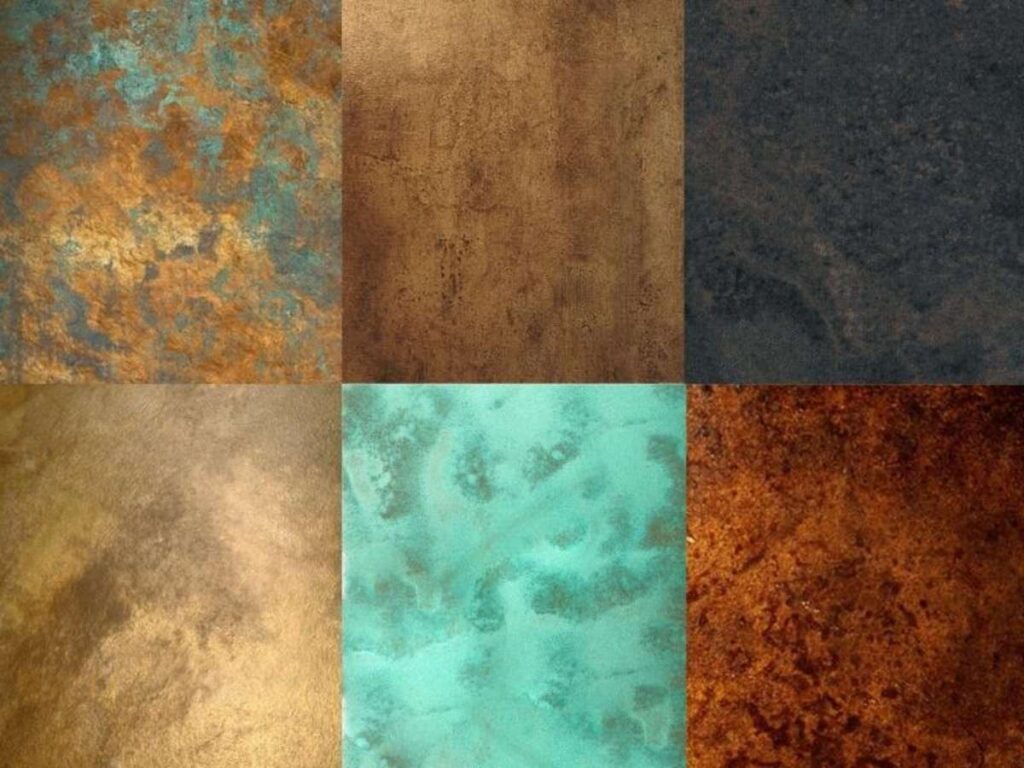
A patina finish gives metal a weathered, aged, or oxidized look. It can appear as darkened bronze, mottled copper, blue-green verdigris, or even rust-toned textures, depending on the metal and treatment used.
The finish may look uneven, streaked, or organically formed—and that’s intentional. Unlike polished or brushed surfaces, patina isn’t meant to be precise. It’s meant to feel alive, evolving, and natural.
Some patinas develop naturally over time (think copper roofs). Others are chemically accelerated to create instant vintage appeal.
Best Use Cases
Patina finishes are often chosen for emotional effect, where surface “imperfection” becomes part of the product’s identity. You’ll see it used in:
- Architectural panels and exterior metals
- High-end furniture and custom hardware
- Signage and branding elements with rustic themes
- Artisan products, jewelry, or interior design accents
- Luxury packaging or limited-edition runs that need uniqueness
We recently worked with a client at MachMaster who wanted their line of craft brewery equipment to have an aged, industrial aesthetic. Instead of applying a fake effect, we used a controlled patina finish on select components. It gave their setup character and credibility, something polished chrome could never achieve.
Design & Manufacturing Tips
Patina isn’t a uniform finish, it’s an expressive one. And that’s the appeal.
- It works best with metals like copper, brass, bronze, and steel
- The process can be controlled or left to evolve naturally, depending on design intent
- Great for storytelling: each unit may vary slightly, and that adds value in niche markets
- Works well with natural materials like wood, stone, leather, or aged glass
Limitations or Watch-Outs
Patina is beautiful, but it’s not for every application.
Because the finish can vary across pieces, it’s not ideal for mass production with strict visual uniformity. Some clients struggle with the unpredictability, but that’s also what makes it special.
Also, if left unsealed, the surface may continue to change with exposure to oils, moisture, or air. That’s great if you want it to age naturally, but risky if you need a fixed, stable appearance.
Finally, some patina chemicals can react with certain environments or users (like producing residue). We always recommend testing for skin contact safety and surface compatibility if your product will be handled often.
8. Colored / Tinted Finish
We once had a client rebrand their entire product line, and their new identity called for one thing above all: color. Not paint. Not stickers. They wanted the metal itself to carry their brand’s palette, clean, bold, and baked into the surface.
That’s when we introduced a colored finish option.
The feedback was immediate. Their products didn’t just look more modern, they looked custom-built, even when manufactured at scale. That single change helped elevate their perceived value across the board.
If you’re trying to tie your product design to your brand’s visual identity, colored or tinted finishes give you serious creative control, without compromising on performance.
Appearance
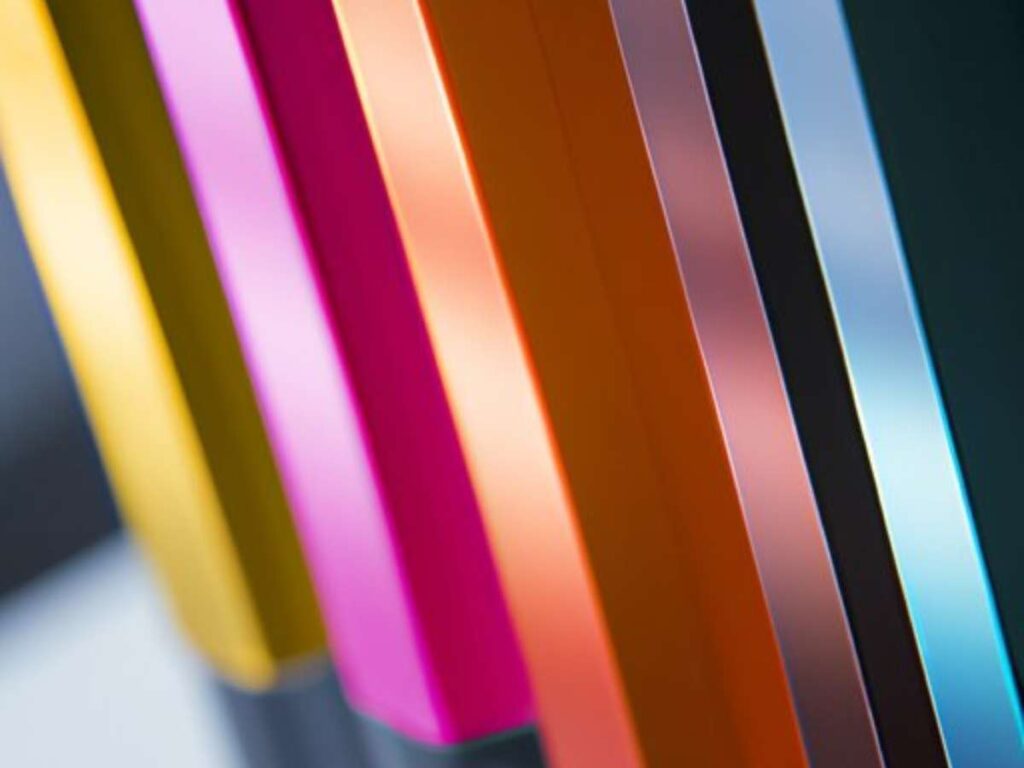
Colored or tinted finishes add hue, depth, and emotion to raw metal surfaces, without hiding the underlying material. Depending on the method used, the color can be vibrant, muted, metallic, or matte.
You can get anything from sleek black, deep gold, gunmetal, bronze, cobalt blue, to custom Pantone-matched tones. Unlike surface painting, colored finishes can integrate into the metal layer, giving the appearance more longevity and refinement.
These finishes can feel cool, bold, technical, or soft, subtle, and high-end. The tone, gloss level, and transparency can all be adjusted.
Best Use Cases
Colored or tinted metal finishes are a designer’s dream when the goal is to build brand identity or stand out in crowded markets. You’ll see them used in:
- Consumer electronics and tech accessories
- Premium packaging or product housing
- Brand-specific hardware (e.g., retail displays, branded enclosures)
- Architectural accents and signage
- Luxury lifestyle products or limited-edition product runs
We worked with a tech client who needed their hardware to align with their brand’s visual DNA—not just with a logo, but in the materials themselves. Using a tinted anodized finish, we gave them a durable, fingerprint-resistant surface in their brand’s exact hue. Their customers noticed the details, and that detail helped close more deals.
Design & Manufacturing Tips
Here’s how to make the most of colored finishes in your product:
- Anodizing is ideal for colored aluminum, hardwearing and consistent
- Electrochemical and PVD coatings work well on stainless steel
- If you’re powder coating, make sure the pigment won’t dull the texture or design
- Lighter tints tend to show more imperfections, and surface prep matters
- Gloss levels can shift how the color reads in natural vs. artificial light
Colored finishes are especially valuable when you want metal authenticity with a visual twist, like blackened steel that still looks raw, or gold-tinted aluminum that stays lightweight.
Limitations or Watch-Outs
Color can be your brand’s best friend, or its biggest risk, if it’s inconsistent.
Small variations in hue across production batches can throw off the look and hurt your quality perception. That’s why you need a supplier who can lock in color targets and stick to them across orders.
Also, not every metal takes color the same way. Stainless steel, for instance, needs specialized processes for stable coloration. And some vibrant colors can fade under UV exposure if not protected.
There’s also the consideration of touchpoints, certain tints may show wear or fingerprints more than neutral finishes. If your product is handled often, opt for darker tones or matte tints to reduce visible maintenance.
9. Hammered or Distressed Finish
A few years ago, a client came to us with a bold request: “Make it look like it’s been through something.” They didn’t want smooth, modern, or minimal. They wanted tough, aged, and full of character, something that looked handmade, not mass-produced.
What we created was a hammered finish, intentionally uneven, rugged, and deeply textured. It brought the design to life. The product instantly felt crafted, grounded, and memorable.
If your product needs to look authentic, industrial, or artisan-built, a hammered or distressed finish might be exactly what your customer didn’t even know they were looking for.
Appearance
Hammered or distressed finishes feature irregular, dimpled, or weathered textures, often created by striking or compressing the metal surface. The result is visually dynamic and physically tactile: no two surfaces are exactly alike.
Light reflects off the texture in uneven ways, giving the metal a hand-forged, old-world charm or a modern industrial edge, depending on the design. It looks lived-in. Tough. Real.
Think of it as a finish that says, “This product has a story.”
Best Use Cases
These finishes are a go-to when the goal is to add emotion, grit, or handcrafted aesthetics. You’ll often find them in:
- Decorative fixtures and interior hardware
- Architectural metalwork with artisan appeal
- Luxury packaging that wants to feel boutique and exclusive
- Restaurant and retail buildings that lean toward industrial or vintage
- Special edition product runs or are limited collections
In one retail display project, we used a distressed finish on steel panels to match the brand’s “salvaged-chic” vibe. It didn’t just look good, it created instant atmosphere. Customers felt it before they read a single sign.
Design & Manufacturing Tips
Hammered and distressed finishes offer visual depth, but they require design intentionality:
- Works best with copper, brass, steel, and aluminum
- Can be applied manually or with automated tooling, depending on scale
- Perfect for hiding surface flaws or wear over time
- Can be combined with patina or color treatments for even more texture
If you’re targeting a handcrafted look, this is the finish to start with. But it’s also useful if your parts are subject to visual wear, because the “worn” look is baked into the design from day one.
Also, this finish has emotional weight. It often creates a perceived value that smooth, uniform metals can’t match, especially in spaces where design is a core part of the product story.
Limitations or Watch-Outs
Distressed isn’t for everyone, or every product.
Highly tactile surfaces may not suit precision parts, cleanrooms, or tech devices. It can also be harder to clean or sanitize, especially if used in public or food-safe environments.
Consistency can also be tricky. If not properly controlled, inconsistently applied distressing can look sloppy, not intentional. And in some industries, rough finishes can raise red flags for quality or hygiene standards.
From a brand perspective, you’ll want to be sure the look matches your market. Rugged texture might signal authenticity for one buyer, and look unfinished to another.
Conclusion
That first product I worked on? I’ll never forget it.
But now, I know better, and so do you.
We walked through 9 different metal finishes. You saw what they are, how they look, and what they’re good for.
So what’s next?
Pick the finish that fits your needs. Use what you’ve learned.
Don’t wait until something fails. You can make a smarter choice today.
Need help deciding? We’ve been there.
Contact MachMaster today. We’d love to support your next step.
Recommended Reads for You
If you need more options, take a look at our full range of products. You might find just what you need:
- Anodizing Service
- CNC Milling Service
- CNC Turning Service
- Injection Molding Service
- CNC Machining Service
Interested in more? Here are some additional articles with insights and tips to keep you informed:
Still haven’t found what you’re looking for? Don’t hesitate to contact us. We’re available around the clock to assist you.