
The client looked at me and asked, “Why are we paying $16 for one part?”
And honestly, I didn’t have a good answer.
The part was just a piece of aluminum with a few holes. We used CNC machining. It worked, but it was slow. And expensive.
That moment stuck with me.
Later, a friend told me to look into die casting. I didn’t know much about it. I wasn’t sure it would help. But I gave it a shot.
What happened next changed how I build parts.
If you’ve ever wondered, “Is there a faster or cheaper way to make metal parts?”, you’re not alone. I’ve been there too. So have many business owners, engineers, and buyers I’ve worked with.
This guide is for you.
I’m going to walk you through the advantages of die casting in plain terms. These are the real things that made a difference for me, and for the teams I’ve worked with.
So let’s dive in!
1. Exceptional Dimensional Accuracy and Consistency
When you’re managing production at scale, “close enough” just doesn’t cut it. Your components need to fit, function, and finish exactly as designed, every time. That’s where die casting shines.
Why Accuracy Matters
I’ve been there, trying to get parts from a supplier that swore they were “within spec.”
But when we ran those parts through assembly? Misalignments. Gaps. Costly rework.
That’s the kind of situation die casting helps you avoid entirely.
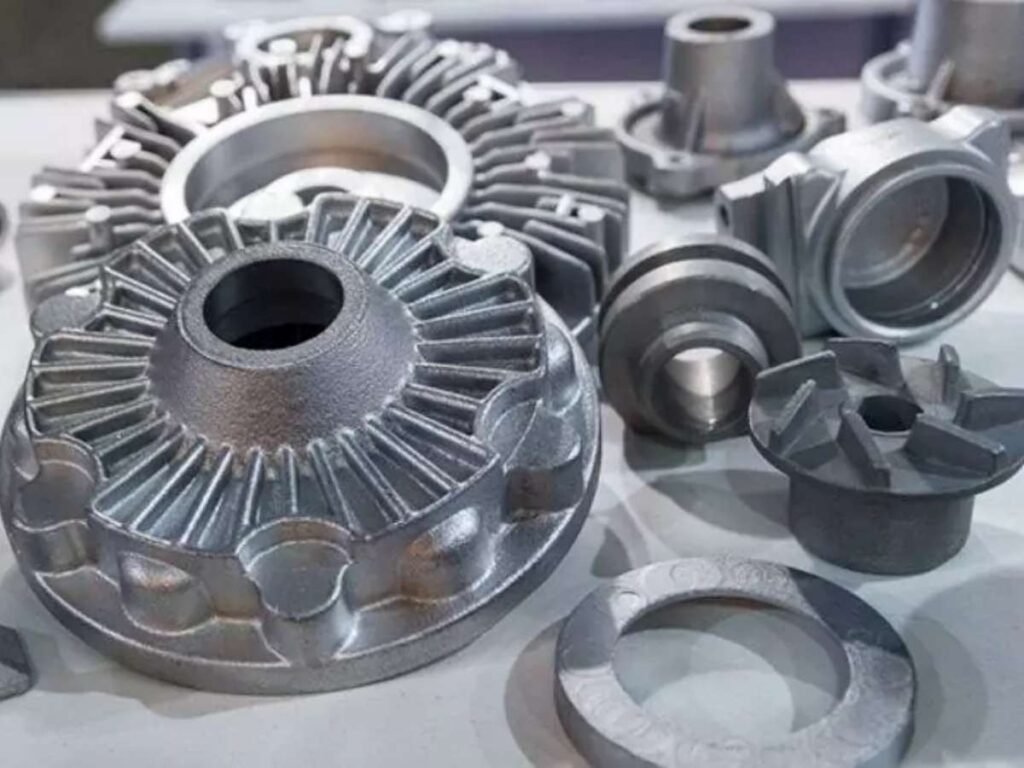
With tolerances as tight as ±0.001 inches, die casting allows you to maintain tight dimensional control that stays consistent across massive production runs. You can forget about parts “wandering” off spec by the thousandth unit.
Here’s What Dimensional Accuracy Gets You:
- Seamless Assembly: No more forcing parts to fit or dealing with tolerance stacking.
- Minimal Post-Machining: Save time, labor, and cost by eliminating secondary operations.
- Lower Scrap Rates: Consistency = fewer rejects = more money in your pocket.
- Reliable Functionality: Critical for components in motion, under load, or under pressure.
Set a Higher Standard
Your clients expect quality. Your team needs predictability. And your bottom line demands efficiency. Die casting delivers all 3, by giving you consistent part geometry you can count on.
If you’re tired of managing around inconsistency, maybe it’s time to remove it entirely.
That’s the power of precision.
2. High-Speed Production Capability
Time is money.
You’ve heard it before, but in manufacturing, it’s not just a saying. It’s a daily reality. When your production line stalls or lags, your entire business feels the impact, missed deadlines, delayed shipments, frustrated clients.
That’s exactly why die casting’s high-speed output is such a game-changer.
Speed That Scales With Demand
Die casting isn’t just fast, it’s built for volume.
Once your tooling is set and your process is dialed in, die casting machines can turn out hundreds or even thousands of parts per hour, depending on the size and complexity.
Cycle times can be as low as 30 seconds or less for many parts. Compare that to machining or sand casting, where you’re looking at minutes or worse, hours per part.
What High-Speed Production Means for You
- Shorter Lead Times: Meet aggressive production deadlines without compromising quality.
- Faster Time-to-Market: Launch new products quickly, especially when you’re scaling a winning SKU.
- Higher Output with Lower Overhead: Get more done without adding shifts, labor, or floor space.
- Less Downtime Between Runs: Thanks to automated systems and long-lasting steel molds, downtime stays low, even during volume spikes.
Built for Automation
Here’s the part most people overlook: die casting thrives in an automated environment. From molten metal injection to part ejection and cooling, the entire process is machine-driven. That means fewer touchpoints, fewer human errors, and a system that just keeps moving.
I remember one project where we had just 6 weeks to fulfill a 20,000-unit contract. With any other method, it would’ve been tight, maybe even impossible. But our die casting partner hit the ground running. We not only met the deadline, we finished a full week early.
Speed Without Sacrificing Quality
Fast doesn’t mean sloppy. With die casting, speed and precision go hand in hand. You’re not just getting high output, you’re getting repeatable, reliable, and dimensionally accurate parts with every shot.
No rushed finishes. No inconsistent tolerances. Just a steady rhythm of high-quality production.
3. Excellent Surface Finish
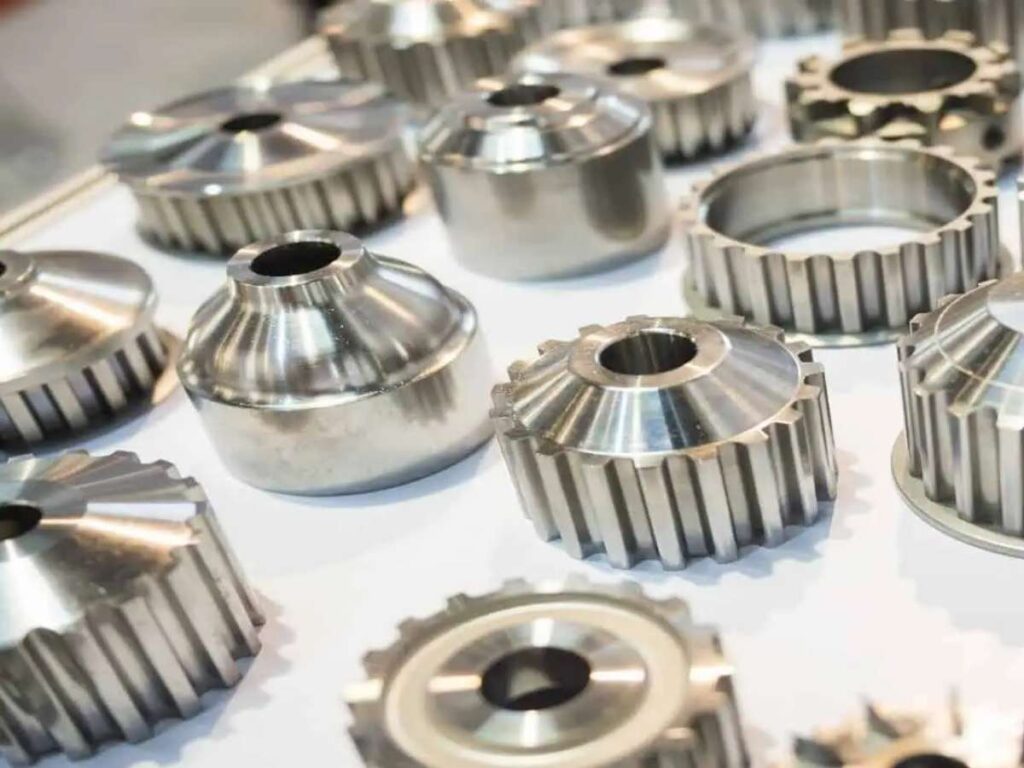
Let’s face it, your product’s surface matters. Whether it’s a visible component or a functional internal part, how it looks and feels sets the tone for how your brand is perceived. A rough, uneven finish sends the wrong message. It screams “cheap,” even when everything else is right.
That’s why die casting’s ability to deliver a clean, smooth, and consistent surface finish right out of the mold is a huge win for manufacturers like you.
Better Finish = Less Work Later
With die casting, parts come out with finishes that often don’t need any secondary processing. You’re not sanding, grinding, or polishing for hours just to get parts production-ready.
Depending on the alloy and mold condition, you can achieve:
- Surface roughness as low as 1–2 microns Ra
- Natural shine and texture that’s ready for coating or plating
- Tight cosmetic consistency across thousands of parts
Benefits of a High-Quality Surface
- Fewer Finishing Steps: Eliminate grinding, sanding, and costly post-processing.
- Enhanced Aesthetics: Sharp edges, smooth curves, and a clean look that communicates quality.
- Ideal for Coating and Painting: Finishes accept powder coating, anodizing, and plating with little prep work.
- Brand-Level Consistency: Every part reflects your quality standards, not your production challenges.
Form Meets Function
Don’t make the mistake of thinking surface finish is just cosmetic.
In many industries, automotive, consumer electronics, medical devices, it directly affects performance, safety, or compliance. Smooth surfaces reduce friction, prevent bacterial buildup, or improve thermal conductivity.
And when customers see a clean, uniform finish? They trust the product. They trust you.
4. Supports Complex and Intricate Geometries
If you’ve ever had to compromise a design just to make it “manufacturable,” you know how frustrating that feels.
You’re not just cutting complexity, you’re cutting performance, innovation, and sometimes even your competitive edge.
With die casting, you don’t have to simplify your designs to fit the process. The process bends to you.
Design Freedom
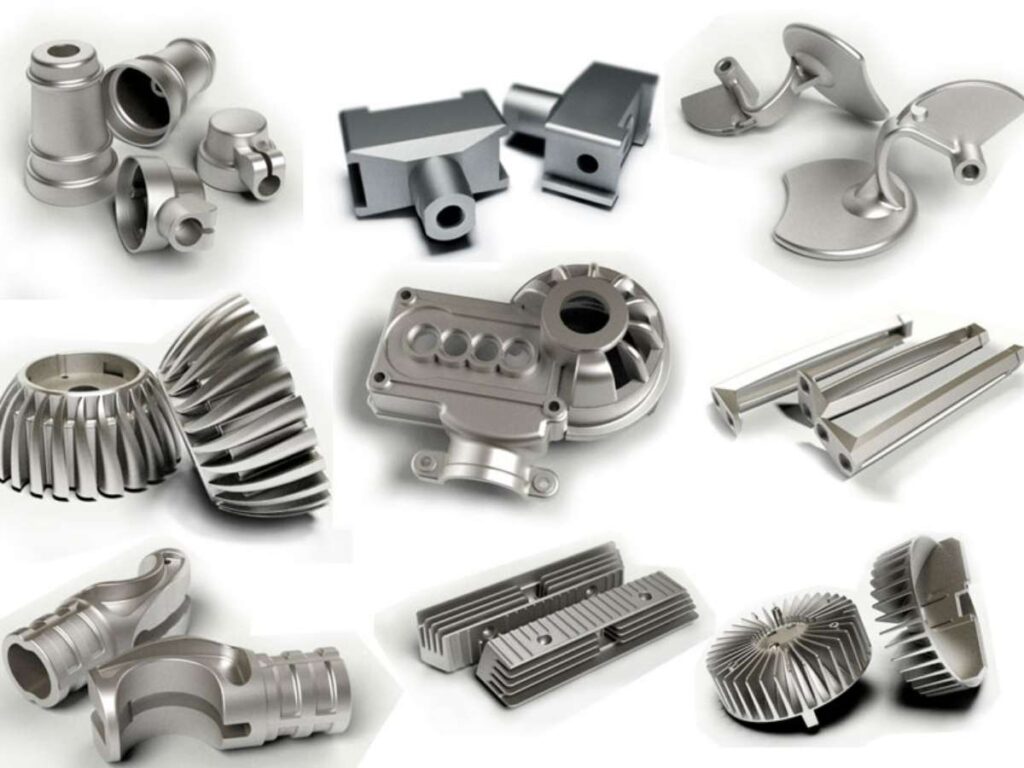
Die casting allows you to produce intricate, highly detailed parts with features that other methods struggle to replicate. Think:
- Thin walls
- Undercuts
- Sharp corners
- Curved channels
- Internal cavities
These aren’t bonus features, they’re essential for many of the components you’re designing or sourcing. Whether it’s a mechanical housing, a heat sink, or a multi-functional bracket, die casting helps you keep the design you intended, without compromise.
Importance of Complex Geometry Support
- Fewer Part Assemblies: Combine multiple parts into a single die cast form, no welding or fastening required.
- Tighter Tolerances on Tough Shapes: Achieve consistent precision even on hard-to-mold features.
- Smarter Space Utilization: Maximize internal real estate for heat flow, wiring channels, or structural strength.
- Functional + Aesthetic Design: You can create shapes that not only work better, but look better, at no extra cost.
Die Casting Vs Other Methods
Methods like CNC machining or sand casting hit real limits here. Machining a complex internal feature? Time-consuming. Molding thin walls in sand casting? Risky and inconsistent.
Die casting doesn’t blink. It was built to produce complexity at scale.
And at MachMaster, we’ve helped clients bring incredibly intricate parts to life, without changing a single design spec. We understand how important it is to preserve your product’s intent, especially when form and function go hand in hand.
5. High Strength and Lightweight Characteristics
When your components need to handle real stress, but weight is a factor, you’re walking a tightrope. Too heavy, and you drive up shipping, slow down performance, or strain the structure. Too light, and strength takes a hit.
Die casting hits the sweet spot between strength and weight, and that’s a major advantage for anyone in manufacturing today.
Stronger Than It Looks
Die cast parts aren’t just precise, they’re tough. Thanks to the way molten metal fills the mold under high pressure, the resulting parts are dense, solid, and structurally sound. There’s no layering, no porosity issues (when done right), and no compromise on core strength.
Many die cast alloys, like aluminum (A380, ADC12) and magnesium, deliver impressive tensile strength, even in thin sections. That means you can reduce material volume without sacrificing mechanical integrity.
Lightweight by Design
Here’s the payoff: You get stronger parts with less mass. That opens the door to:
- Easier handling and installation
- Lower transport and shipping costs
- Better fuel efficiency for automotive and aerospace applications
- Reduced stress on mating components and assemblies
This isn’t just “nice to have”, it can make or break a product’s success in the field.
Material for the Right Job
Die casting gives you access to a range of lightweight metals that balance rigidity, corrosion resistance, and weight savings:
- Aluminum: Strong, corrosion-resistant, and thermal-friendly
- Magnesium: One of the lightest structural metals available
- Zinc: Great strength in smaller parts, plus high impact resistance
Each material brings its own edge, and when you match it to your application, the results speak for themselves.
6. Cost-Efficient at Scale
Let’s be honest, cost makes or breaks most decisions.
You could have the most advanced design, the strongest material, and the best finish, but if the numbers don’t work, it’s not happening.
That’s where die casting brings real value to the table. Because once you scale up, it pays for itself fast.
Cost Advantages
- Lower Per-Part Cost at Volume: The more you produce, the more your fixed tooling cost fades.
- Minimal Waste = More Savings: Precision molds and efficient gating mean fewer rejects and less scrap metal.
- No Assembly Labor for Consolidated Designs: Complex shapes can be cast as a single piece, reducing labor costs downstream.
- Fewer Post-Processing Steps: You save on finishing, machining, and clean-up.
Short-Term Cost vs. Long-Term Payoff
Think of die casting as an investment: You spend up front, but it pays you back in every production cycle.
I’ve had clients hesitate because of tooling costs, understandably. But a year later, they’re running 50,000 units per quarter and wondering why they ever delayed. Their break-even point hit early, and now they’re saving more with every unit produced.
Scale Up Without Bleeding Cash
Whether you’re scaling a new product or stabilizing an existing line, die casting helps you control costs without cutting quality. It’s one of the few processes that actually gets more efficient as you grow.
If your margins are tight and your volume is rising, this is your movement.
Because smart scaling is profitable scaling.
7. Excellent Repeatability and Process Control
When your team’s relying on every part to match spec, every single time, consistency isn’t a luxury. It’s non-negotiable.
Die casting gives you that repeatability you can bank on. Whether it’s the first unit or the 50,000th, you’re getting near-identical results with no surprises and no scrambling to fix dimensional drift or cosmetic issues.
Risks
When output varies, it disrupts assembly, delays quality checks, and damages customer confidence.
Die casting avoids this by operating within controlled, automated process windows:
- Stable injection pressure
- Accurate mold temperatures
- Timed cooling cycles
- Reliable die lubrication and ejection
The result? Ultra-low variation, something other methods can’t achieve at high volumes.
Benefits
- Stable Quality Across Large Runs: No re-inspecting or reworking every batch.
- Streamlined Assembly Downstream: Fewer dimensional surprises mean faster, smoother assembly.
- Better Supplier Reliability: You can forecast timelines, costs, and inventory with confidence.
- Fewer Returns, Fewer Headaches: When parts behave predictably, your product and brand, do too.
8. Wide Range of Alloy Compatibility
Every part you make serves a different function.
Some need to be strong but light. Others need to resist heat, corrosion, or wear. That’s why you need a manufacturing process that doesn’t lock you into onemateriala or one trade-off.
Die casting gives you the flexibility to choose the right alloy for the job without changing your process.
Material Options
Unlike other manufacturing methods that are limited in material compatibility, die casting supports a broad range of non-ferrous metals. That means you can tailor your material selection to your exact needs, without reinventing your tooling or production workflow.
Common die casting alloys include:
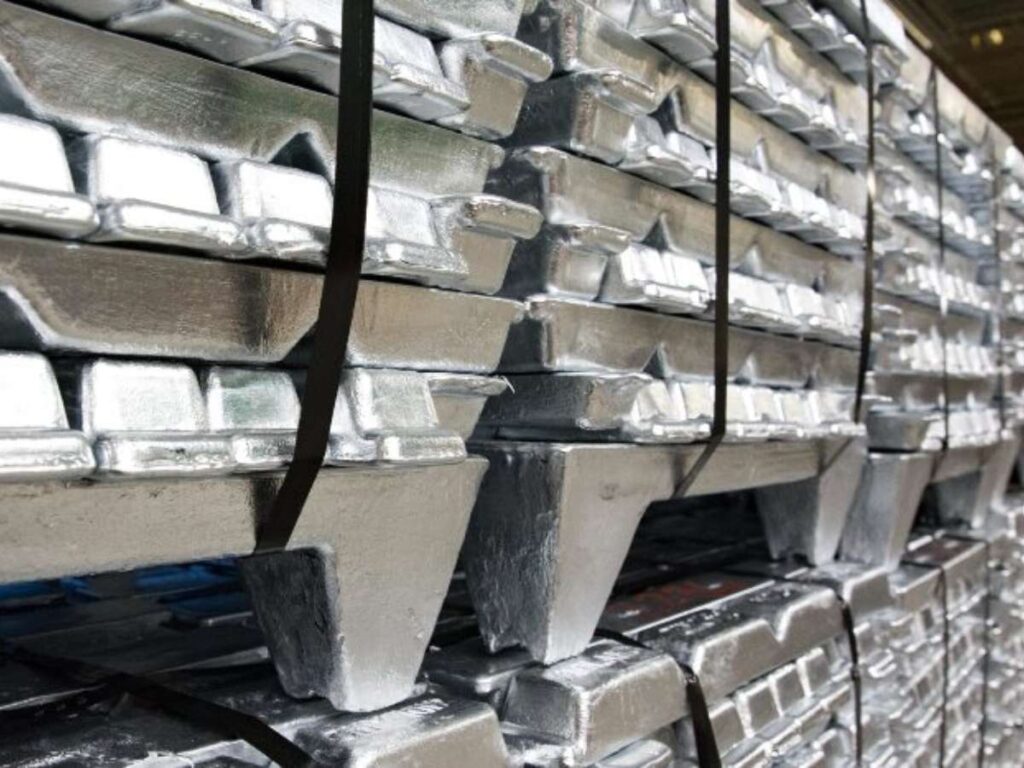
- Aluminum (A380, ADC12): Lightweight, corrosion-resistant, strong at high temperatures. Ideal for automotive parts, enclosures, and structural components.
- Zinc (Zamak 3, Zamak 5): Dense, impact-resistant, perfect for small, detailed parts. Used in electronics, consumer goods, and hardware.
- Magnesium (AZ91D, AM60): Ultra-lightweight with excellent strength-to-weight ratio. Great for aerospace, handheld devices, and mobile components.
Each alloy offers a different blend of strength, weight, conductivity, cost, and finish compatibility.
Why This Matters
- Material Flexibility Without Re-Tooling: Easily pivot between materials as product needs evolve.
- Custom Performance Profiles: Choose the alloy that meets your application’s thermal, mechanical, or chemical demands.
- Supply Chain Resilience: If one metal spikes in cost or becomes harder to source, you’ve got options.
- Optimized Cost-to-Performance Ratio: Select a lower-cost alloy when durability needs are moderate, or go premium when failure isn’t an option.
At MachMaster, we help clients not only cast parts, but cast the right parts, with the right material. From alloy selection to testing and certification, we work closely with your team to match the metal to the mission.
9. Reduced Post-Processing Requirements
If you’ve ever had to build in extra time or worse, extra labor just to finish a part after it comes off the line, you know how fast post-processing can eat into your margins.
With die casting, that problem shrinks fast. Why? Because parts come out of the mold nearly ready to use.
Less Finishing. More Shipping
Die casting creates parts with:
- Smooth surface finishes
- Tight tolerances
- Sharp edges and clean corners
That means most parts don’t require secondary operations like grinding, sanding, or excessive machining. In many cases, they can go straight from mold to assembly, or even packaging.
Depending on your design, you can skip:
- Deburring
- Polishing
- Surface leveling
- Re-drilling or resizing
And that’s not just a time-saver, it’s a money-saver.
Importance
- Lower Labor Costs: Fewer people and fewer hours spent on secondary processes.
- Faster Lead Times: Cut down turnaround cycles by days, or even weeks.
- Tighter Production Schedules: Easier to plan, scale, and deliver on time.
- Better Part Protection: Less handling = fewer chances for scratches, dents, or tolerance damage.
10. Environmental and Material Efficiency
Sustainability isn’t just a buzzword anymore, it’s a business expectation.
Whether it’s pressure from clients, regulatory requirements, or internal ESG goals, more and more manufacturers are being asked a tough question:
“What are you doing to reduce your impact?”
Die casting gives you a solid answer.
Less Waste. More Value.
One of the most overlooked strengths of die casting is its material efficiency. Because the process uses reusable steel molds and precision-controlled injection, very little metal goes to waste.
Whatever excess material does remain, like gates, runners, or flash can be:
- Collected immediately
- Remelted
- Reused in the next production cycle
You’re not throwing away expensive alloy. You’re reclaiming it, recasting it, and reducing your material spend over time.
Importance
- Up to 95% of Scrap Metal Is Recycled In-House: That means less raw material purchased and less waste disposed of.
- Near-Net-Shape Manufacturing: Parts come out of the mold close to final form, no need to machine away bulk material.
- Energy-Efficient Production: High-speed cycles and automated systems use less energy per part compared to CNC or other casting methods.
- Longer-Lasting Tooling: Steel molds used in die casting can produce tens of thousands of parts before needing replacement, cutting down on tooling waste.
Conclusion
When I took the risk on die casting, I didn’t expect much. But it worked. And it worked well.
If you’ve read this far, you now understand the key advantages of die casting. You know what it is, when to use it, and why it matters.
This knowledge is a tool. Use it to make better decisions, faster, smarter, and more confidently.
And if you’re looking for a trusted partner to help you explore die casting options, Machmaster can help.
So, what’s holding you back?
Contact us today. Let’s talk about your next part.
More Guides and Tips to Explore
Not quite what you’re looking for? Explore our wider product range for more choices:
- Anodizing Service
- Cnc Milling Service
- Cnc Turning Service
- Injection Molding Service
- Cnc Machining Service
We’ve got more for you! These articles provide more tips and guidance to keep you on track:
Still haven’t found what you’re looking for? Don’t hesitate to contact us. We’re available around the clock to assist you.