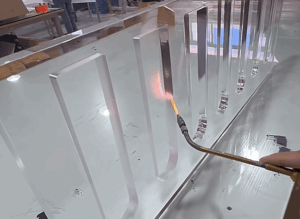

I used to think sheet metal was just for roofs or big sheds.
That changed the day I visited a local fab shop for a housing job. I needed some brackets made. Simple stuff—or so I thought.
But once I stepped onto the shop floor, I saw machines cutting, bending, and forming sheet metal into all kinds of parts. Control panels. Medical trays. Custom enclosures. Even parts for vending machines.
I stood there thinking, Why did no one ever tell me sheet metal could do all this?
If you’re wondering what sheet metal is really used for, I’ve been in your shoes.
I’ve worked with business owners trying to bring a product to life, engineers solving tight design problems, and buyers trying to source parts that won’t break the budget.
This article is here to help. I’ll show you real examples of how sheet metal is used across different industries. You’ll see where it fits, what it’s good for, and what to think about before using it in your own project.
By the end, you’ll have a clear picture—and a solid place to start.
So let’s begin!
Application Table Chart
Before we dive into the full breakdown of each industry, here’s a quick look at how sheet metal is used across them. This table gives you a clear side-by-side view to spot the key differences at a glance.
| Industry | Common Uses | Common Materials | Key Reasons for Use |
| Automotive | Body panels, chassis, exhaust brackets | Galvanized steel, aluminum, HSLA steel | Lightweight, strong, corrosion-resistant, supports high-volume production |
| Construction & Architecture | Roofing, cladding, HVAC ducts | Galvanized steel, aluminum, stainless | Weather-resistant, fire-safe, easy to install, recyclable |
| Electronics & Enclosures | Device housings, racks, battery boxes | Cold-rolled steel, aluminum, stainless | Blocks interference, manages heat, protects parts |
| Medical Equipment | Carts, trays, machine enclosures | Stainless steel, aluminum, powder-coated steel | Easy to clean, corrosion-resistant, meets health standards |
| Furniture & Fixtures | Desks, shelves, lighting housings | Cold-rolled steel, aluminum, stainless | Durable, design-flexible, fits slim profiles |
| Aerospace Components | Aircraft skins, brackets, bulkheads | 2024/7075 aluminum, titanium, stainless | Lightweight, high strength, meets tight tolerances |
| Agricultural Machinery | Tractor panels, feed bins, guards | Galvanized steel, stainless, mild steel | Rugged, weather-resistant, field-repairable |
| Prototypes & Custom Parts | Brackets, test enclosures, mock-ups | Aluminum, mild steel, stainless | Fast to produce, easy to modify, ready for scaling |
| DIY, Hobby & Education | Panels, robot brackets, model building | Aluminum, cold-rolled steel, pre-cut kits | Affordable, tool-friendly, great for small creative builds |
Now that you’ve seen the big picture, let’s take a closer look at how each industry uses sheet metal in more detail.
1. Automotive Industry
I didn’t think much about sheet metal: until I walked through my first auto plant.
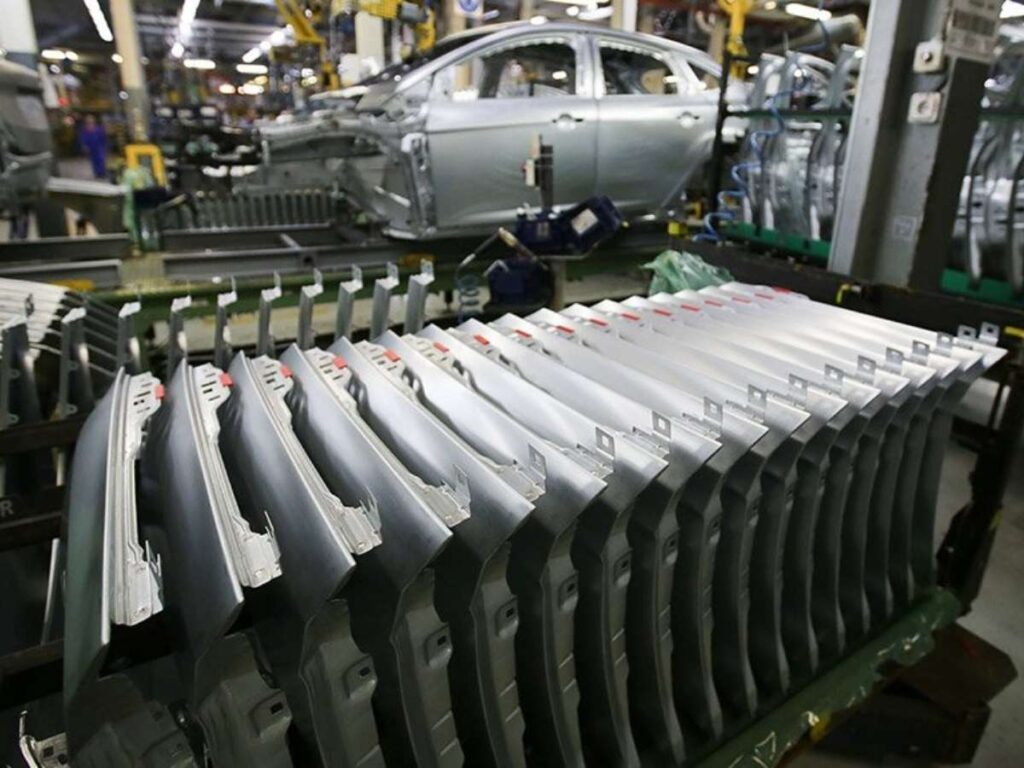
Rows of machines stamped panels faster than my eyes could follow. Sparks flew. Doors, hoods, and fenders took shape in seconds.
That’s when it hit me: Sheet metal is the backbone of a car.
Common Applications
You see it everywhere in vehicles:
- Body panels: hoods, fenders, doors
- Chassis and unibody frames: shape and strength of the car
- Exhaust system parts: brackets, heat shields, muffler covers
- Mounts and shields: protect things like batteries and fuel lines
Without sheet metal, your car wouldn’t be safe—or even drivable.
Materials Commonly Used
Different metals serve different purposes:
- Galvanized steel: standard choice for many parts
- Aluminum: often used in EVs and luxury cars
- HSLA (High-Strength Low-Alloy) steel: strong and still lightweight
Each material affects strength, cost, and performance.
Fabrication and Design Considerations
Automotive sheet metal requires precision and consistency. Here’s what matters most:
- Precision stamping: for shaping large volumes of identical parts
- Tight tolerances: fitment must be exact to avoid gaps or noise
- Robotic welding and assembly: fast, clean, and repeatable
- Dimensional control: especially for mounts and engine brackets
At Machmaster, we meet ±0.01 mm precision and hold ISO 9001 certification, making it easier to support both prototyping and mass production with confidence.
In vehicles, this material is valued for being lightweight to improve fuel efficiency, strong enough to offer crash protection, easy to shape at high volumes, and resistant to rust when properly coated.
2. Construction and Architecture
When I helped a friend build a backyard studio, we had to make a lot of small choices.
But picking the roof and siding materials felt like a big one. We needed something strong, easy to install, and weatherproof.
The answer? Sheet metal.
I didn’t expect to use it in so many places. But once I started noticing, it was everywhere.
Common Applications
Sheet metal is used in all kinds of building work:
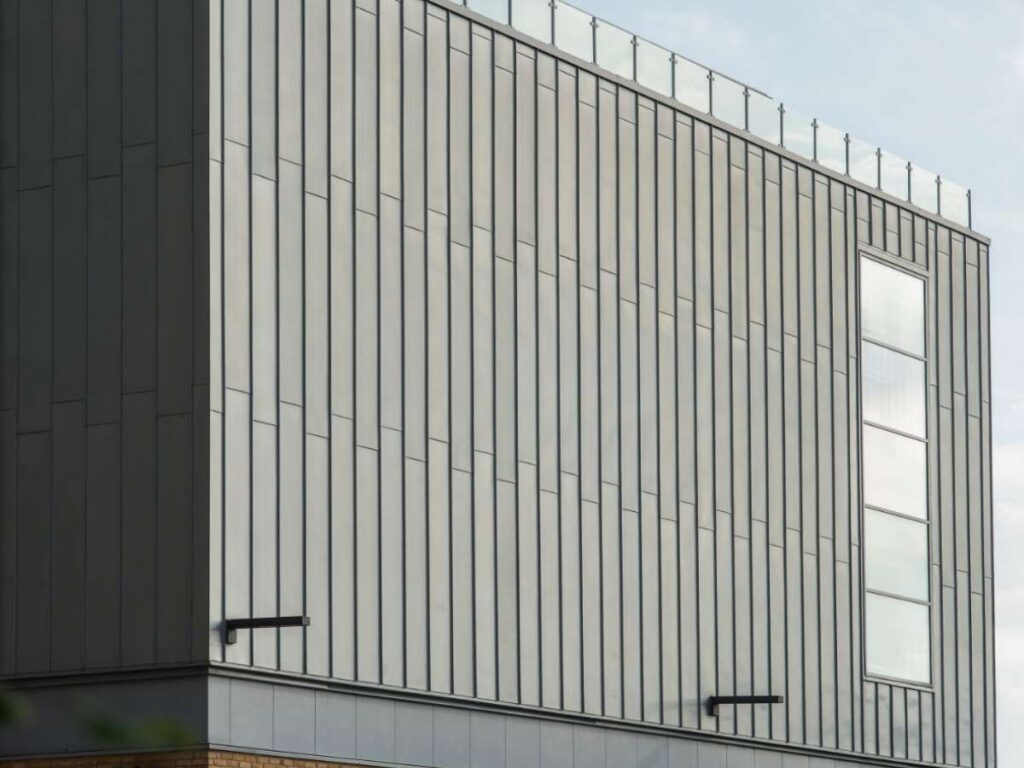
- Roofing panels: sheds, homes, even office buildings
- Wall cladding: protects from weather and adds a clean finish
- HVAC ducts and air diffusers: helps air flow through buildings
- Staircases and frames: gives strength without adding too much weight
- Structural connectors: hold different materials or sections together
Walk through a construction site, and you’ll spot it in more places than you’d expect.
Materials Commonly Used
Each job calls for the right type of metal:
- Galvanized steel: used for outdoor panels because it holds up to rain and sun
- Stainless steel: great for kitchens, bathrooms, or exterior designs
- Aluminum: good when you need light weight or extra rust resistance
I once swapped steel for aluminum on a shed roof. It made installation easier—and no extra help was needed to lift the panels.
Fabrication and Design Considerations
Sheet metal is shaped and prepared using:
- Roll forming: for long panels like roofing
- Bending and laser cutting: for custom shapes or tight spaces
- Flashing and sealing: to keep water from leaking in
- Design planning: accounts for wind, heat, and spacing between panels
If you skip any of these steps, the whole structure could fail over time.
Sheet metal is used in construction because it lasts through bad weather, installs easily on-site, resists fire, and can be recycled when the job is done.
3. Electronics and Electrical Enclosures
A few years ago, I helped set up a small tech lab. We had wires everywhere, loose boards on the table, and gear that needed protection.
That’s when I learned how important sheet metal is in electronics.
Not just for looks—but for safety, airflow, and keeping things running right.
Common Applications
Sheet metal plays a big role in how electronics are built and protected. You’ll find it used in:
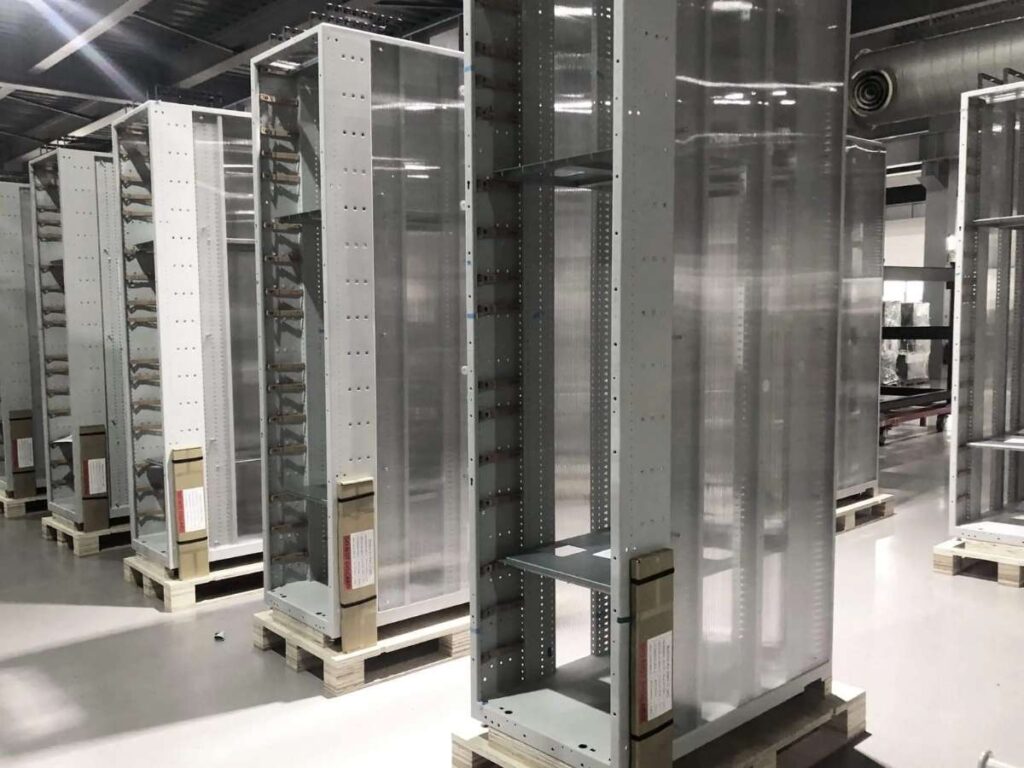
- Device housings: the outer shell of tools, machines, or panels
- Control boxes and displays: like switches, meters, or buttons
- Server racks and power units: keeps everything secure and organized
- Battery boxes and cable trays: protects wiring and keeps things neat
- Mounting brackets: helps attach parts inside enclosures
If you’ve opened a metal box to fix a cable, you’ve already worked with it.
Materials Commonly Used
Each type of metal has a job to do:
- Cold-rolled steel: smooth and strong, good for painted finishes
- Aluminum: light and easy to cut, helps with heat
- Stainless steel: resists rust, used in clean or damp areas
Once, we had a project that kept corroding in a basement setup.
Switching to stainless steel solved it fast.
Fabrication and Design Considerations
Building enclosures takes precision.
Most parts are shaped using:
- Laser cutting: for exact holes and clean edges
- Press brake forming: bends sheet metal without cracking
- PEM inserts: small fasteners that press into the metal
- Grounding points: help carry away extra electricity
- Smooth edges and vents: reduce cuts and let heat escape
I’ve seen a box that overheated just because vents were too small. Little things matter.
Sheet metal is used in electrical enclosures because it blocks interference, allows heat to escape, and protects parts from damage.
4. Medical Equipment
If you’ve ever walked through a hospital, you’ve probably noticed something.
The metal trays. The arms that hold up monitors. The panels on machines. That’s sheet metal. And it plays a big role in keeping things safe, clean, and reliable.
I once helped replace a cracked cover on a patient monitor. As soon as I touched the old panel, I understood why metal matters. It was solid, easy to wipe, and fit perfectly—no loose edges or warped parts.
Common Applications
You’ll find sheet metal used in many areas of medical equipment:
- Device enclosures: like diagnostic machines and bedside monitors
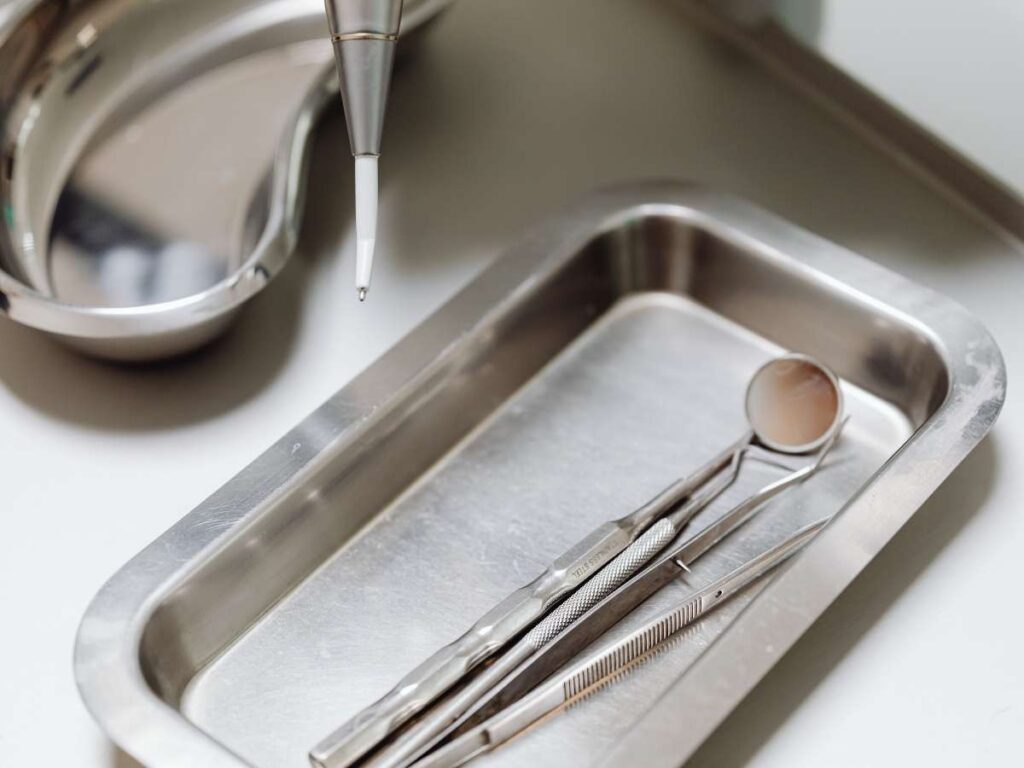
- Surgical carts and trays: for holding tools during procedures
- Wall-mounted arms and supports: for lights, screens, or equipment
If you’re working with hospital gear, you’ve already seen it in action.
Materials Commonly Used
Here’s what you’re likely working with:
- 304 or 316 stainless steel: doesn’t rust and is simple to clean
- Powder-coated cold-rolled steel: adds color and protects the surface
- Anodized aluminum: lighter, but still strong and clean
If your gear needs to move often or stay light, aluminum can make things easier to handle.
Fabrication and Design Considerations
When it comes to health care, small details matter.
You want:
- Smooth edges: so no one gets cut and bacteria has nowhere to hide
- TIG welding: for clean seams with no open gaps
- Certified parts: many pieces follow strict rules like ISO 13485 or FDA guidance
If you’re building or buying equipment, these details keep people safe—and meet inspection standards.
You use sheet metal in medical equipment because it’s easy to clean, resists damage, and gives you strong, precise results you can count on.
5. Furniture and Fixtures
I once helped a friend open a small retail store.
We were on a tight budget, but we wanted everything to look clean and modern.
That’s when we turned to sheet metal.
It gave us strong shelves, sleek racks, and smooth finishes—without spending too much. If you’re building or buying furniture for public spaces, shops, or even offices, sheet metal might be your best friend.
Common Applications
You’ll find sheet metal in a lot of everyday furniture:
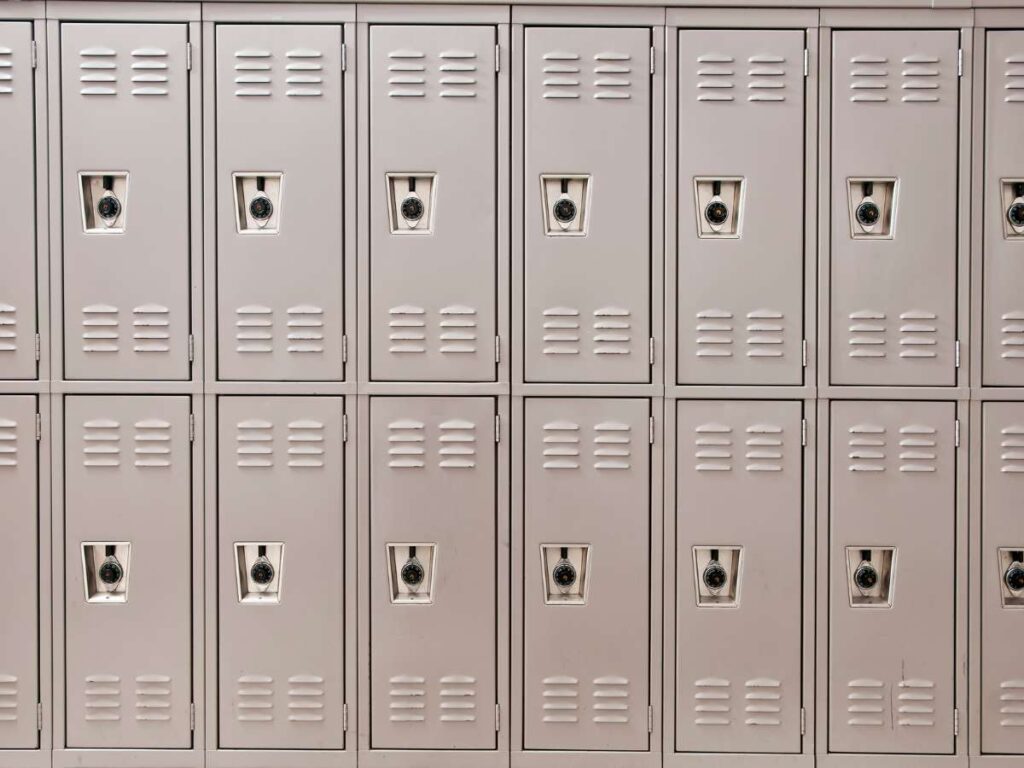
- Shelving, desks, and lockers: used in offices, schools, gyms, and warehouses
- Retail display systems: for clothing, tech gear, or packaged goods
- Lighting housings and accents: adds clean lines to ceilings and walls
If you’ve used a metal locker or looked at a backlit retail shelf, you’ve already seen it in action.
Materials Commonly Used
Depending on your needs, here are the most common choices:
- Cold-rolled steel: smooth and easy to shape
- Aluminum: light and good for movable fixtures
- Stainless steel: used when you want a polished, high-end look
Fabrication and Design Considerations
To build this type of furniture, you’ll usually see:
- CNC bending: for sharp corners and clean folds
- Spot welding: joins parts without bulky hardware
- Decorative finishes: like brushed, polished, or powder-coated surfaces
You use sheet metal in furniture because it holds its shape well, stays clean with minimal effort, allows for creative designs, and stays slim without losing strength.
6. Aerospace Components
The first time I visited an aerospace shop, I was surprised by how thin the parts looked.
One panel felt like it could bend with my hands—yet it was made to handle high speeds, pressure changes, and heat. That’s what sheet metal does in aerospace.
It’s light, precise, and ready for extreme environments.
If you’re working in this space, every gram and every detail matters.
Common Applications
You’ll see sheet metal used in:
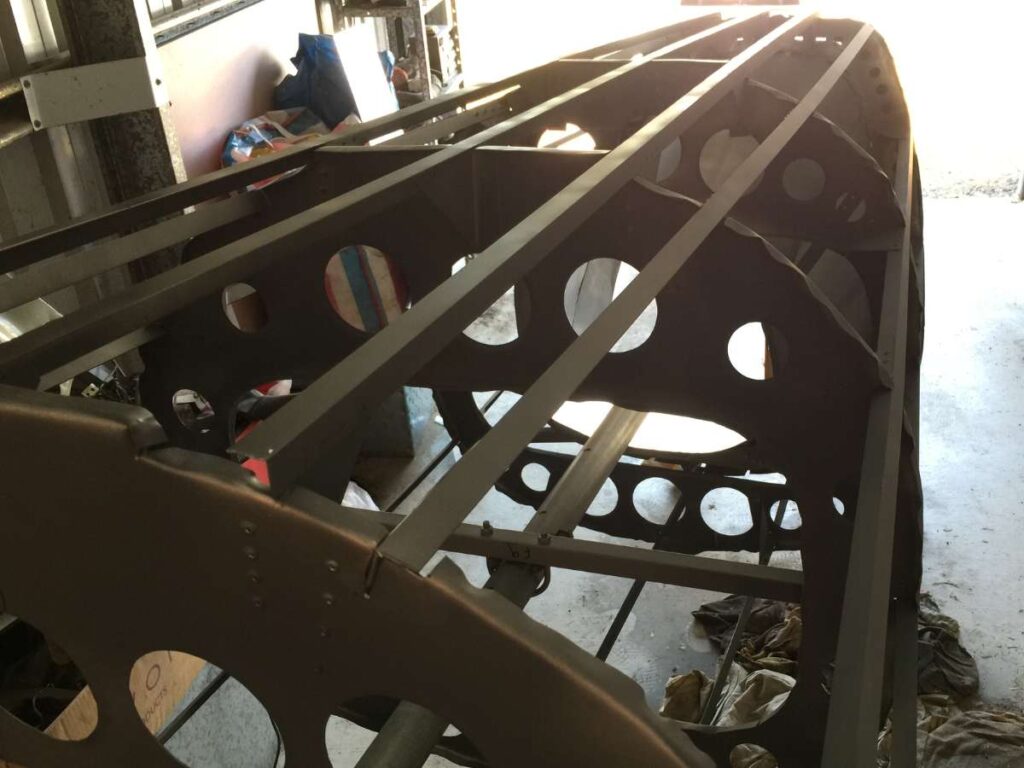
- Aircraft skins and fuselage panels: the outer body of the plane
- Brackets and trays: holding components in place inside the aircraft
- Interior bulkheads and mounting assemblies: for structure and support
Everything is made to be strong, but not heavy.
Materials Commonly Used
In aerospace, standard materials won’t cut it. You’ll find:
- 2024 aluminum: strong and fatigue-resistant
- 7075 aluminum: used for parts that cause high stress
- Titanium: handles heat and weight better than most metals
- Specialty stainless steels: for tough, corrosive conditions
I once handled a titanium bracket used in an engine bay—it was featherlight but incredibly solid.
Fabrication and Design Considerations
You’ll need accuracy at a different level here. Parts are often made to tolerances as tight as ±0.005 mm.
Shops use:
- CAD/CAM software: to plan exact layouts and save material
- Surface prep: like sanding or cleaning before painting or bonding
- Nesting: arranging parts on a sheet to reduce waste
There’s no room for error. Even a hair off can cause delays or rejections.
Sheet metal is chosen in aerospace because it stays strong under stress, keeps weight low, resists corrosion and fatigue, and fits easily into both riveted and bonded assemblies.
7. Agricultural Machinery
I once spent a weekend helping fix up an old combine harvester.
The job wasn’t easy. Mud, rust, and dents covered most of the body.
But once we replaced the outer panels with fresh sheet metal, it looked solid again.
More importantly, it worked.
That’s the thing about sheet metal in farming—it’s not just about looks. It’s about lasting through tough use.
Common Applications
You’ll find sheet metal used all over agricultural equipment:
- Harvester and tractor panels: protect the engine and controls
- Equipment guards and covers: shield moving parts and keep operators safe
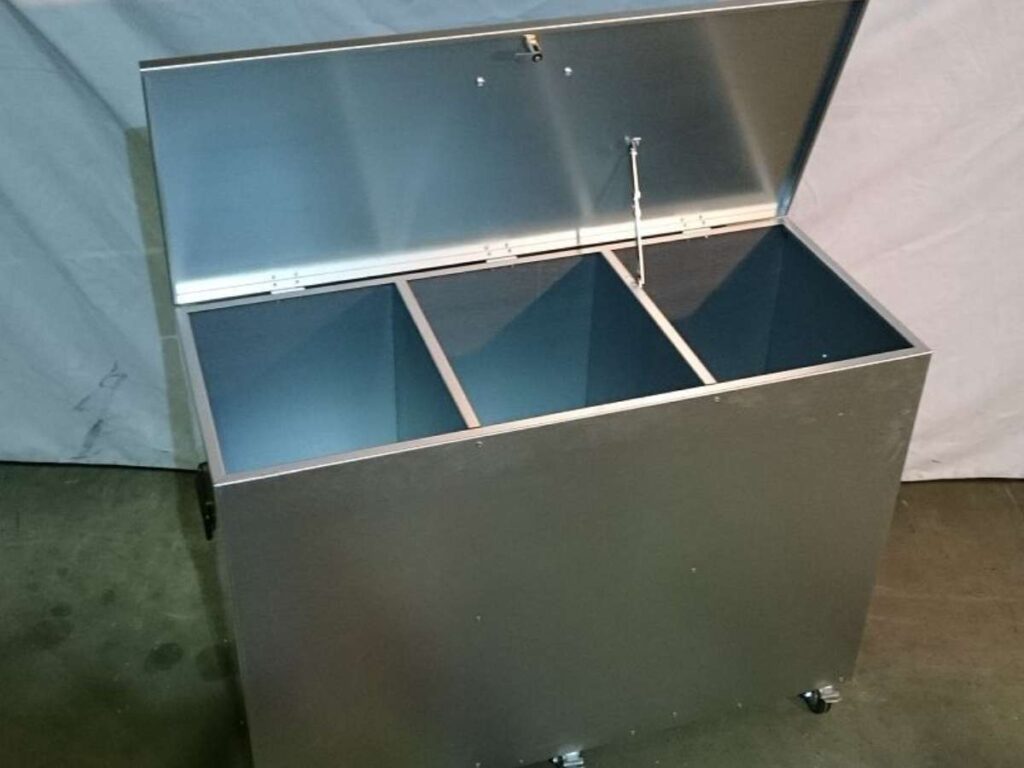
- Feed bins and conveyor housings: manage grain, feed, and debris
If you’ve worked on a farm, you’ve probably banged your knuckles on one of these parts.
Materials Commonly Used
In agriculture, weather and wear are part of the job. So you’ll often see:
- Hot-dip galvanized steel: fights off rust from rain and mud
- Powder-coated mild steel: adds color and durability
- Stainless steel: used where exposure to chemicals or water is constant
I’ve seen feed bins made with galvanized steel last for years, even in damp barns.
Fabrication and Design Considerations
Farm equipment is big and gets knocked around.
That means the metal parts need to be tough and easy to fix. Common features include:
- Large-format bending and welding: to shape oversized panels
- Drain holes and added reinforcements: to keep water out and strength up
- Field-serviceable designs: so parts can be swapped without fancy tools
I once watched a panel get replaced in the middle of a cornfield with just a wrench and a welder. That kind of fix matters.
Sheet metal is used in agricultural machines because it holds up against rough use, handles weather well, and can be repaired or replaced without much downtime.
8. Product Prototypes and Custom Parts
I once helped build a quick prototype for a small machine. We didn’t have much time, and the design kept changing.
Sheet metal made it easy.
We cut, tested, and adjusted—without delays or big costs. That flexibility is what makes it perfect for early builds and custom parts.
Common Applications
Sheet metal is a favorite for early builds and one-offs. You’ll often see it used for:
- Mounting brackets, covers, and frames: holds parts in place
- Pilot enclosures: lets you test before mass production
- Structural mock-ups: helps visualize how things fit together
If you’re building something from scratch, sheet metal makes it easier to move from idea to reality.
Materials Commonly Used
Most prototypes are made from materials that are easy to work with:
- Aluminum: light and fast to cut
- Mild steel: affordable and sturdy
- Stainless steel: good for testing real-world strength and wear
Once, we switched from plastic to stainless just to see if the hinge would hold. It passed—and we kept the design.
Fabrication and Design Considerations
Prototyping with sheet metal is all about speed and accuracy:
- Laser cutting and rapid forming: gets parts made in days
- Tolerances depend on your stage—loose for fit checks, tight for function
- Simple setups: no big tooling required
At Machmaster, we often support customers who are prototyping. Whether it’s a one-off test or the start of something bigger, we help move designs forward quickly.
This method is popular for prototypes because it’s fast to produce, easy to adjust, and precise enough to go straight into production when needed.
9. DIY, Hobby, and Educational Projects
A while back, I helped a student build a small robot for a school competition. We didn’t have fancy tools—just a drill, a hacksaw, and a few sheets of aluminum.
But that little machine came to life.
And it all started with sheet metal.
If you like making things with your hands, sheet metal gives you the freedom to build, test, and try again.
Common Applications
You’ll find sheet metal used in many personal and school projects:
- Small enclosures and panels: to protect electronics or power supplies
- Brackets: for robotics, motion kits, or automation setups
- Model building or metal crafts: from sculpture to DIY signs
It’s tough, but easy enough to shape and customize.
Materials Commonly Used
For most hobby builds, you’ll want materials that are easy to cut and shape:
- Aluminum: light and simple to bend—great for beginners
- Cold-rolled steel: stronger and easy to paint
- Pre-cut blanks: often used in schools or makerspaces for teaching
Fabrication and Design Considerations
You don’t need big machines to work with sheet metal. Just keep safety and basics in mind:
- Always smooth sharp edges with a file or sandpaper
- Use manual benders or benchtop tools for clean bends
- Connect pieces with screws, rivets, or epoxy—whatever you have on hand
Even small adjustments make a big difference. A slight bend, a clean hole, a smoothed corner—it all adds up.
It is popular in DIY and school projects because it’s affordable, easy to shape with basic tools, and flexible enough for almost any creative build.
Conclusion
Now you’ve seen where sheet metal fits—in cars, hospitals, schools, farms, and more. You know what to use, where it works, and why it matters.
Whether you’re building something big or just getting started, the right material makes a difference.
Start with a small step. Pick your project. Make it real.
What’s the first thing you’ll build or fix with sheet metal?
Contact us today—we’re here to help.
Explore More Helpful Resources
There’s more to explore! Check out our additional product selections to find exactly what you’re looking for:
- Anodizing Service
- Cnc Milling Service
- Cnc Turning Service
- Injection Molding Service
- Cnc Machining Service
Curious for more? These additional articles offer even more insights and advice:
Still haven’t found what you’re looking for? Don’t hesitate to contact us. We’re available around the clock to assist you.