
You’ve probably heard “PMMA” pop up in a quote, a product drawing, or maybe from a supplier who seemed surprised you didn’t already know.
I get it. Years ago, I was helping a friend with his small business. We were working on a new gadget. The supplier said, “We’ll use PMMA for the cover.”
We both paused, looked at each other, then quietly Googled it. We didn’t want to look clueless.
Since then, I’ve used PMMA in all kinds of projects from sleek displays to sturdy machine parts. I’ve messed up cuts, cracked sheets, and found better ways. I’ve also learned what to watch out for so you don’t waste time or money.
So why listen to me? Because I’ve been in your spot. Wondering what PMMA really is, how it holds up, and if it’s right for your job.
Whether you’re running a shop, designing a new product, managing buying, or tackling a school project, I’ve been close to it all.
This guide will break it down in plain words. You’ll see what PMMA is, how it works, what it’s made of, and where it shines. By the end, you’ll have the solid basics you came for.
Let’s dive in!
1. What is PMMA?
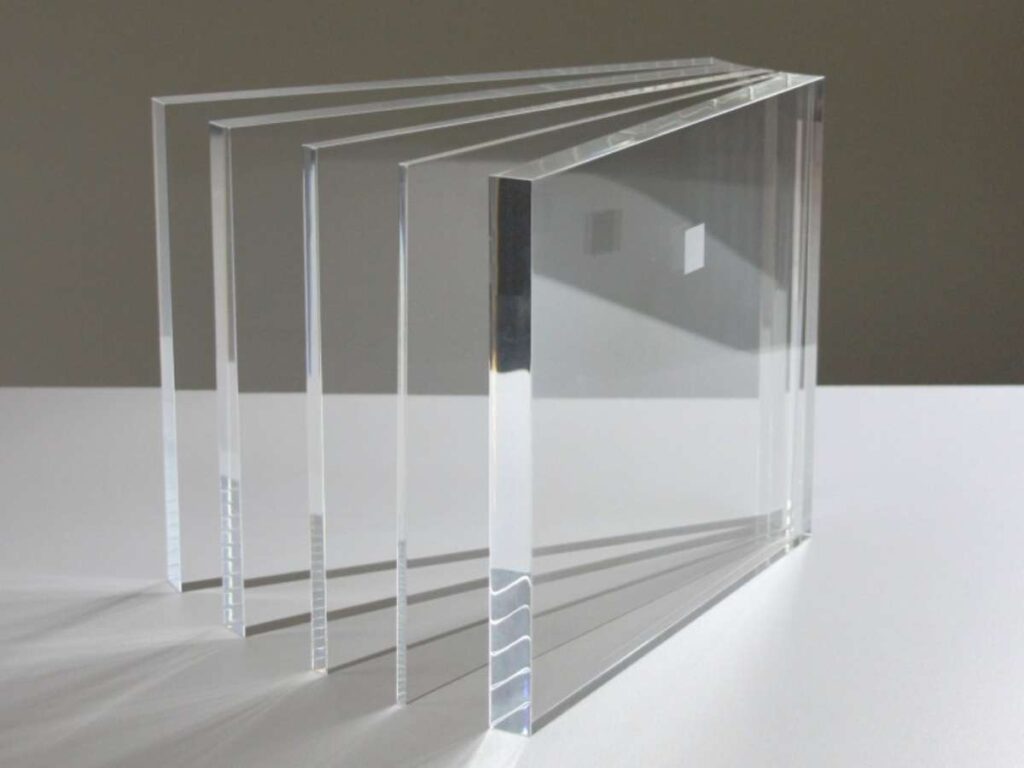
If you’ve ever picked up something that looked like glass but felt lighter and didn’t shatter when dropped, you’ve likely handled PMMA.
The first time I touched PMMA, I didn’t even know what it was.
That small moment pushed me to dig deeper.
PMMA stands for Polymethyl Methacrylate. It’s a clear plastic material that falls under a group called thermoplastics.
Thermoplastics are plastics that can be melted down and reshaped again and again. No permanent changes. Just heat and form. Cool it down, and it’s solid again.
PMMA is often sold under brand names like:
- Acrylic
- Plexiglas
- Acrylite
- Lucite
These are brand names you might see in stores or product catalogs.
What’s Inside PMMA?
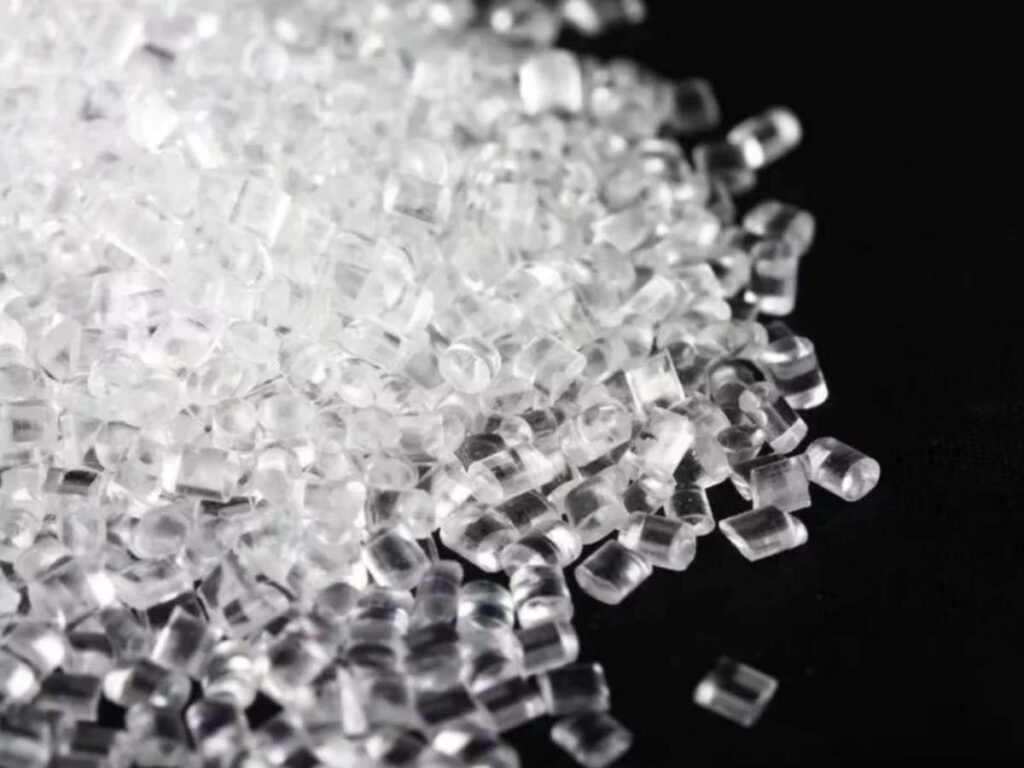
PMMA is made from a chemical building block called methyl methacrylate (MMA). During production, MMA molecules link together to form a strong, transparent plastic sheet or shape.
This process is called polymerization.
Here’s the breakdown in simple terms:
- Monomer = one building block (methyl methacrylate)
- Polymer = many building blocks linked together (PMMA)
This structure gives PMMA its strength and glass-like clarity. It’s also why it resists sunlight, cracking, and weather damage better than many other plastics.
One of the things I personally like about PMMA is that it’s stable. It doesn’t turn yellow in the sun like cheaper plastics. And it holds its shape well, whether it’s used indoors or outside. At MachMaster, they use this material for projects. Its reliability makes it a go-to choice when visual clarity and long-term performance matter.
2. Key Properties of PMMA
PMMA is one of those materials that looks simple but performs well in ways many people overlook. I didn’t fully appreciate it until I started working on projects that needed clear, durable panels. At first, it just seemed like a cheaper alternative to glass. But over time, I noticed the benefits went beyond cost.
Here are key properties of PMMA:
High Optical Clarity
PMMA lets up to 92% of visible light pass through more than most types of glass.
You’ll want to use it for signage, lightboxes, or covers where transparency matters. When you need sharp visuals without distortion, PMMA gives you a clean, clear surface that holds up over time.
Lightweight
PMMA weighs about half as much as glass.
That makes shipping easier, reduces load on frames, and helps you cut down on install time. If you’re building displays, covers, or panels, you’ll notice how much quicker handling and setup becomes.
Moderate Impact Resistance
PMMA doesn’t shatter like glass. It breaks cleanly and safely, which makes it a better choice in busy or public areas.
While it’s not as strong as polycarbonate, it gives you a good middle ground between strength and cost. Use it where everyday wear is likely but extreme impact isn’t expected.
I recommend it for indoor displays, covers, and cases where breakage is a concern but extreme impact isn’t expected.
UV and Weather Resistance
PMMA handles sunlight better than many plastics. It resists yellowing, fading, and cracking, even outdoors.
If you’re planning outdoor signs, skylights, or covers, this material gives you long-term performance with less worry about sun damage.
Thermal and Chemical Resistance
PMMA stays stable under most indoor and outdoor conditions. It starts to soften around 100°C (212°F), so it’s not right for high-heat applications.
It’s resistant to mild chemicals, making it easy to clean. You can use soap and water without trouble but avoid strong solvents, which can damage the surface.
3. Advantages of Using PMMA
When working on custom displays or protective panels, I kept returning to one material, the PMMA. Not because it’s the newest thing, but because it consistently does the job right.
Here are three key reasons why it’s a smart choice:
Easy to Machine, Cut, and Bond
You can work with PMMA using basic tools. It cuts cleanly, drills without cracking, and bends well when heated.
You’ll find it easy to polish, glue, or shape making it ideal for quick prototypes or repeat production. That means fewer delays and smoother results at every stage.
Available in Many Styles and Finishes
PMMA isn’t limited to clear sheets. It comes in frosted, tinted, mirrored, and textured options, with matte or glossy finishes. That means the same material can be used across multiple parts of a project while still matching different design needs. It keeps things simple without sacrificing appearance.
Cost-Effective for Prototyping and Production
Compared to polycarbonate or glass, PMMA is usually more affordable, especially for small to mid-sized batches. It’s also cheaper to ship and easier to process, which cuts down on labor and material waste. I’ve saved thousands on projects just by switching to PMMA early in the planning stage. It’s a solid balance between quality and cost.
4. Industry Applications of PMMA
If you’re building custom displays, protective covers, or clear parts, you’ll likely come across PMMA more than once. It’s not a new material, but it’s one that works well over and over again. Whether you’re making a prototype or scaling up for production, PMMA helps you save time, reduce effort, and control costs.
Here are three practical reasons you might choose it for your next job:
Architecture and Construction
PMMA is widely used in building and infrastructure projects where light weight, clarity, and weather resistance are important.
Common applications include:
- Skylights and roof panels
- Transparent partition walls
- Noise barriers on highways
- Safety glazing for windows and balconies
- Canopy covers and awnings
I’ve seen contractors choose PMMA specifically to reduce installation time and avoid handling heavy glass panels at height.
Retail and Commercial Displays
PMMA offers high transparency and a polished finish that enhances the way products are shown to customers. It’s easy to clean, lightweight, and doesn’t yellow over time under indoor lighting.
Often find PMMA in:
- Product display stands and risers
- Signage and nameplates
- Retail shelf dividers
- Security covers for electronics
- Transparent price tag holders
One shop owner I worked with swapped all their glass displays for PMMA to avoid repeat breakage and the visual quality improved too.
Automotive and Transportation
If you’re working in the automotive or transportation space, PMMA gives you a way to reduce part weight while keeping the clarity and finish you need. It’s not as impact-resistant as polycarbonate, but it holds up better under UV exposure and offers a smoother surface gloss.
Typical applications include:
- Headlight and taillight covers
- Dashboard and interior panels
- Light diffusers in cabin lighting
- Motorcycle windscreens
- Aftermarket car accessories
It’s also favored by custom car part manufacturers for its easy shaping and ability to take on tints or finishes.
Lighting and Electronics
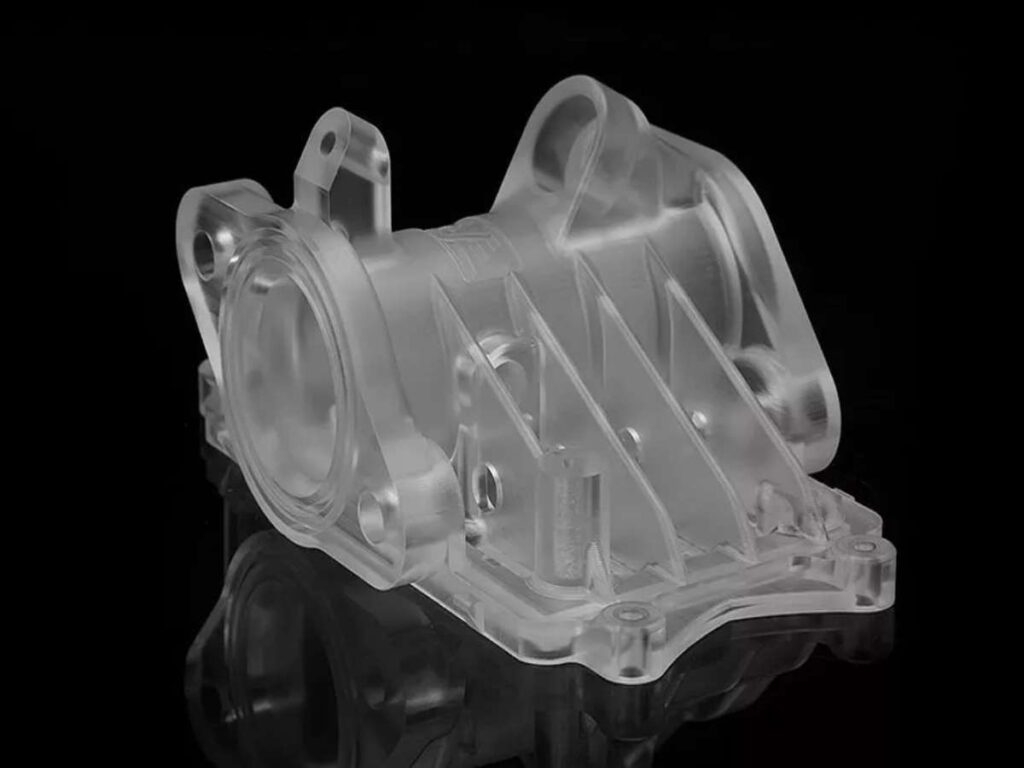
Thanks to its excellent light transmission, PMMA is often used in projects where smooth light diffusion and clear visual output are critical.
Examples include:
- LED light diffusers
- Optical light guides
- Display panels in electronics
- Protective covers for light fixtures
- Backlit signage boards
I once made a run of backlit menu boards using PMMA, the light was evenly distributed, and the material stayed stable even with heat from LEDs.
5. PMMA vs Other Plastics
When you’re choosing a plastic, it comes down to what your part actually needs, optical clarity, outdoor durability, impact strength, or lower cost.
Here’s a quick comparison to help you decide if PMMA is the right fit, or if another option makes more sense:
| Property | PMMA | Polycarbonate | ABS | PETG | PVC |
| Clarity | Excellent (very clear and glossy) | Very good, but slightly duller | Opaque | Good (clear, but soft surface) | Poor (not used for transparency) |
| Impact Resistance | Moderate (cracks under force) | Very high (used for safety gear) | Good (tough and flexible) | Good (bends without cracking) | Low (brittle when thin) |
| UV Resistance | High (resists yellowing) | Low unless treated | Low (fades outdoors) | Fair (can discolor over time) | Fair (can warp or yellow) |
| Surface Finish | High gloss, polishable edges | Less glossy, scratches easily | Matte or dull finish | Slightly soft surface | Dull or matte finish |
| Machining | Easy to cut, drill, bond, and polish | More difficult, needs care | Moldable, not ideal for cutting | Thermoforms well, cuts clean | Cuts easily, welds well |
| Heat Resistance | Softens at ~100°C | Higher heat resistance | Good for structural use | Moderate (can deform under high heat) | Varies, but generally good for piping |
| Finish Variety | Wide range: clear, tinted, frosted, textured | Limited options without coatings | Mostly solid colors | Limited styles compared to PMMA | Mostly industrial finishes |
| Best For | Signs, displays, panels, covers | Safety shields, machine guards | Housings, enclosures, brackets | Low-cost prototypes, flexible signage | Piping, fittings, low-cost panels |
| Cost | Moderate (good value for quality) | High (premium material) | Low | Moderate | Very low |
6. Challenges and Limitations in Using PMMA
PMMA has a lot going for it but like any material, it comes with trade-offs. If you’re planning to use it in your project, it’s important to know where it falls short and how to work around those issues.
Below are the main challenges of PMMA, along with practical ways to manage them:
Brittle Under Heavy Impact
PMMA is rigid and can crack under strong force. It won’t bend or absorb impact like polycarbonate.
Where this matters:
- Protective covers
- Machine panels
- Outdoor panels prone to impact
Solution: Use PMMA only in low-impact environments or where visual appearance is more important than toughness. For exposed or critical parts, consider adding a backing layer of tougher plastic or switching to polycarbonate if impact is expected.
Scratches Easily
PMMA’s smooth, glossy surface looks great, but it scratches easily. Even normal cleaning can leave marks over time.
Where this matters:
- Retail displays
- Touchscreens
- High-contact parts
Solution: Apply a protective film or choose PMMA with a scratch-resistant coating. Use microfiber cloths for cleaning and avoid dry-wiping dusty surfaces. For heavy-use areas, consider replacing PMMA panels periodically or using tempered glass where clarity and durability are both critical.
Low Heat Resistance
PMMA starts softening at around 100°C (212°F). It can warp or bubble under high heat or strong lighting.
Where this matters:
- Enclosures near motors or heating units
- Lighting installations
- Products placed outdoors in hot climates
Solution: Design parts with heat shielding or ventilation if PMMA must be used near heat sources. In high-temperature environments, replace PMMA with heat-resistant plastics like polycarbonate, PPSU, or glass-filled nylon.
Limited Flexibility
PMMA is rigid and doesn’t flex well without heat. It breaks under pressure if bent cold.
Where this matters:
- Snap-fit or clip-on parts
- Enclosures with moving pieces
- Areas with vibration or movement
Solution: If the design needs a curve, heat-form it slowly with a strip heater. But if flexing is a constant requirement, go with PETG or polycarbonate instead. I’ve broken more than one PMMA test piece trying to force a bend, now I know better.
7. Tips for Choosing PMMA for Your Project Needs
PMMA looks clean, works well, and fits in a lot of places but it’s not always the best material for the job. Over time, I’ve learned that picking PMMA without thinking about how it will actually be used can lead to cracks, warping, or extra costs. These tips come from real project wins and a few mistakes too.
These tips can help you avoid common mistakes and choose PMMA when it actually fits the need.
Tip#1 Understand the Final Environment
Think about where the part will be used.
PMMA holds up well outdoors. It resists UV damage and stays clear in sun and rain. But it softens at around 100°C, so it’s not a good match near heat sources like motors or lighting.
If your part faces higher temperatures, polycarbonate may be a better option. If you’re unsure, working with a supplier who understands actual usage conditions not just the spec sheet can save you time and money.
If you are struggling if PMMA is the right material for your project, MachMaster can help. They help engineers, designers, and sourcing teams match materials to real conditions, not just product specs.
Tip#2 Consider Impact Risk
PMMA can handle regular handling, but it’s not impact-resistant like some tougher plastics.
If your part might get bumped, dropped, or vibrated like a machine cover or protective guard in a busy space, it may crack under stress. For those uses, it’s safer to choose a more impact-tolerant material.
Thinking about how the part will be handled day to day helps you avoid problems down the line.
Tip#3 Select the Right Finish and Appearance
PMMA comes in clear, frosted, tinted, mirrored, and other finishes.
This lets you match both function and appearance. Frosted sheets can diffuse light or provide privacy. Clear and tinted versions work well for displays and branded panels.
If you check available styles early, you’ll avoid last-minute design changes or material swaps.
Tip#4:Plan for Fabrication Methods
PMMA is easy to cut, polish, and bond. But it doesn’t bend cold, it needs heat to form without cracking.
If your design includes curves or rounded shapes, plan to heat-form those areas. If your parts are flat and clean-cut, you’ll get great results using basic machining tools.
Knowing how PMMA behaves during fabrication helps you reduce mistakes, waste, and rework in production.
Conclusion
Remember that day I stood there Googling PMMA? You won’t have to anymore.
From how it’s made to where it shines, when it fails, and how it compares to other materials, you’ve got the full picture.
This guide was written for people building real things like you.
Need help making the final call?
MachMaster can walk through specs, applications, and trade-offs with you.
Contact us today and let’s get started!