
When I first started in precision manufacturing, I kept hearing terms I didn’t understand. One of them was CNC turning.
I remember sitting in a meeting, nodding like I knew what it meant.
But I didn’t. Not even close.
People around me either used big words or gave short answers that didn’t explain much.
It was frustrating. I wanted to ask for help—but didn’t want to look like I didn’t belong.
Eventually, I stopped pretending. I visited machine shops. I watched parts being made.
I asked real questions, even the “dumb” ones. And that’s when things started to click.
Over time, I learned how CNC turning works, what it’s used for, and how it helps make parts faster and more precise.
Now I help others who are asking the same questions I once had.
This article will explain CNC turning in simple terms. You’ll learn how the process works, what kinds of parts it’s best for, and whether it’s a good fit for your job or project.
By the end, you’ll feel more confident. You’ll have a clear understanding of CNC turning—and how to use it in real life.
So let’s get started!
1. What Is CNC Turning?
At first, I thought CNC turning was overly technical. But once I saw it, it made perfect sense.
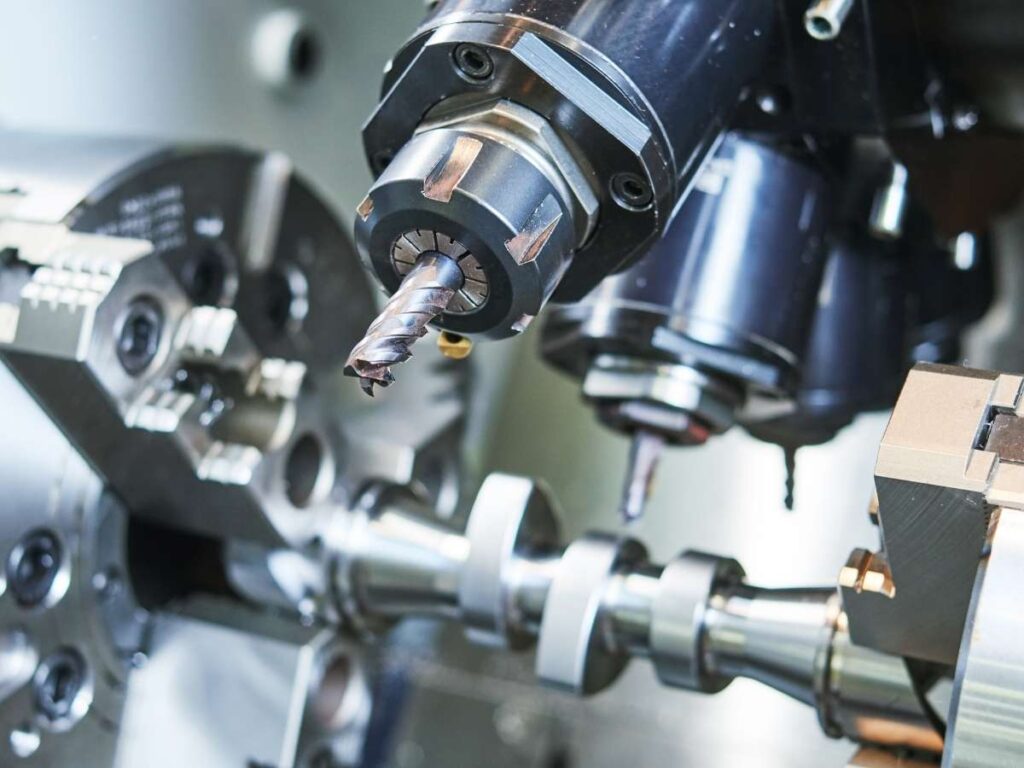
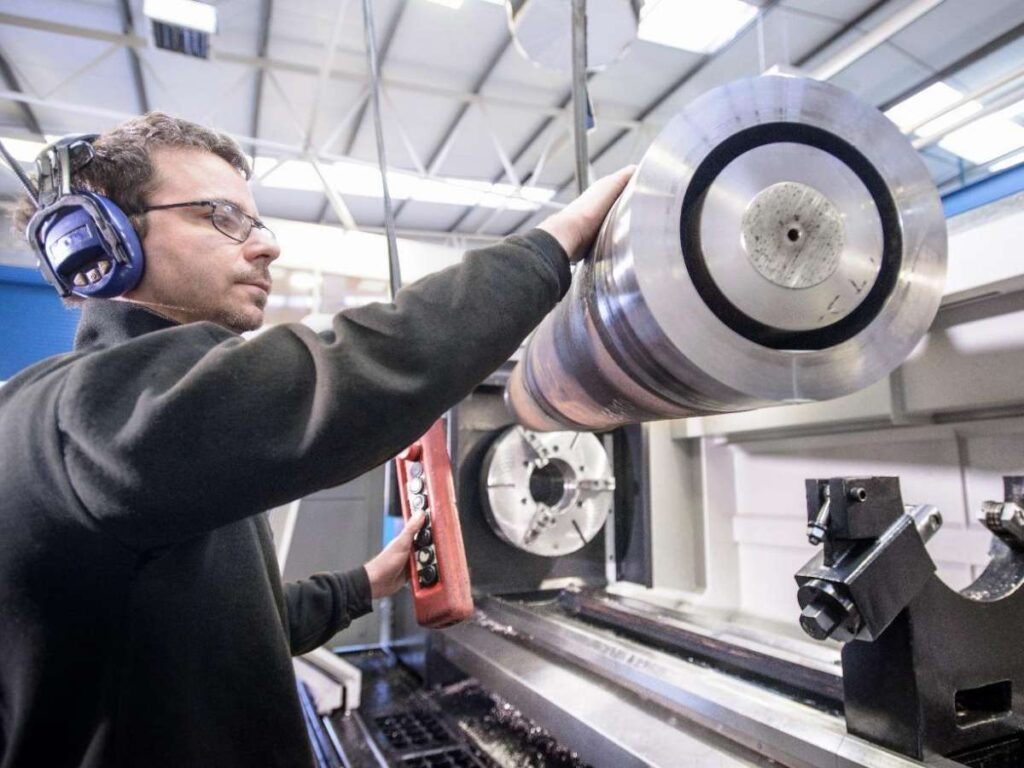
CNC stands for Computer Numerical Control. It uses a computer program to control a lathe. That means it moves tools, spins material, and cuts precisely—without manual adjustments.
It’s built for cylindrical parts like:
- Shafts
- Bushings
- Threaded connectors
Here’s the process:
- You load a bar of round material like aluminum or steel.
- The lathe spins the bar quickly.
- Stationary cutting tools shape the part by removing material.
It can handle:
- Outer and inner cuts (OD and ID)
- Grooves
- Threads
The results? Precise, repeatable, and efficient. Tolerances can reach ±0.01mm.
So, who’s it for?
If you’re producing lots of the same round part and need high accuracy, CNC turning is your go-to.
At MachMaster, CNC turning is one of the core services we provide—helping clients achieve ±0.01mm tolerances for high-precision cylindrical parts used in electronics, medical devices, and industrial automation.
If you’re working on a project that needs smooth, round parts—this could be exactly what you’re looking for.
2. Key Advantages of CNC Turning
When I started working with CNC-turned parts, I was surprised by how fast and consistent the results were. I have been used to slower methods, longer waits, and small mistakes adding up. But CNC turning changed that—for me and the teams I’ve worked with.
If you’re thinking about using this process, here are the key advantages that really matter.
Fast and Efficient
CNC turning is built for speed.
- The machines cut fast
- They handle multiple tools in one setup
- You can go from raw bar to finished part in minutes
And once your part is programmed?
Repeat orders are even faster.
Shorter lead times mean you get parts quicker. That’s a big win if you’re trying to meet tight deadlines or launch a product fast.
Accurate and Repeatable
With CNC turning, what you get the first time is what you’ll get the hundredth time.
These machines hold tight tolerances—often within ±0.01mm.
That kind of precision is critical when you’re making:
- Fittings
- Bearings
- Parts that need to slide, lock, or seal perfectly
You don’t have to worry about parts being slightly off. The machine follows the program, exactly the same way, every time.
This level of repeatability is one of the biggest reasons I recommend CNC turning for high-volume jobs.
Better Control Over Costs
Let’s talk money.
CNC turning cuts down on manual labor. That means lower labor costs compared to traditional machining.
Also:
- Fewer mistakes = less scrap
- Faster cycles = more parts per shift
- Less downtime between batches
It’s especially cost-effective when you’re making medium to high volumes. The more parts you need, the more you save.
Clean Finishes and Flexible Designs
One thing that surprised me? How smooth the final parts were.
Many CNC-turned parts don’t need extra polishing. You can get clean surface finishes right off the machine.
Plus, it handles:
- Simple shapes
- Complex profiles
- Internal cuts, threads, and grooves
Whether you’re working with aluminum, stainless steel, brass, or even plastic—CNC turning can shape it.
If you need speed, accuracy, and control—CNC turning checks all the boxes.
3. Common Materials Used in CNC Turning
One of the first questions I ask customers is: “What material are you planning to use?”
That’s because the material you choose affects everything—how the part performs, how long it lasts, and how much it costs.
CNC turning works with a wide range of materials. Metals. Plastics. Each one has strengths and trade-offs. I’ve worked with most of them, and choosing the right one can save you a lot of trouble later on.
Metals
If you need strength, durability, or high precision, metal is usually the way to go. Here are some of the most common ones I see:
- Aluminum: Lightweight and easy to machine. Great for prototypes, housings, and aerospace parts.
- Stainless steel: Strong and corrosion-resistant. A top choice for medical and food equipment.
- Brass: Machinable and great for threads. Often used for fittings and valves.
- Mild steel: Budget-friendly and strong. Perfect for general-purpose components.
- Titanium: Very strong, very light, and corrosion-resistant. Used in aerospace and medicine. More expensive and harder to machine.
Each of these materials handles differently on a lathe. Some cut cleanly. Others take more time or special tooling.
Plastics
You don’t always need metal. For lightweight or chemical-resistant parts, plastics can be a better fit.
Here are some popular choices:
- ABS: Easy to machine and low cost. Great for test parts and covers.
- Nylon: Strong and slippery. Used in bushings and wear-resistant parts.
- PEEK: High-performance plastic. Strong, heat-resistant, and chemical-resistant.
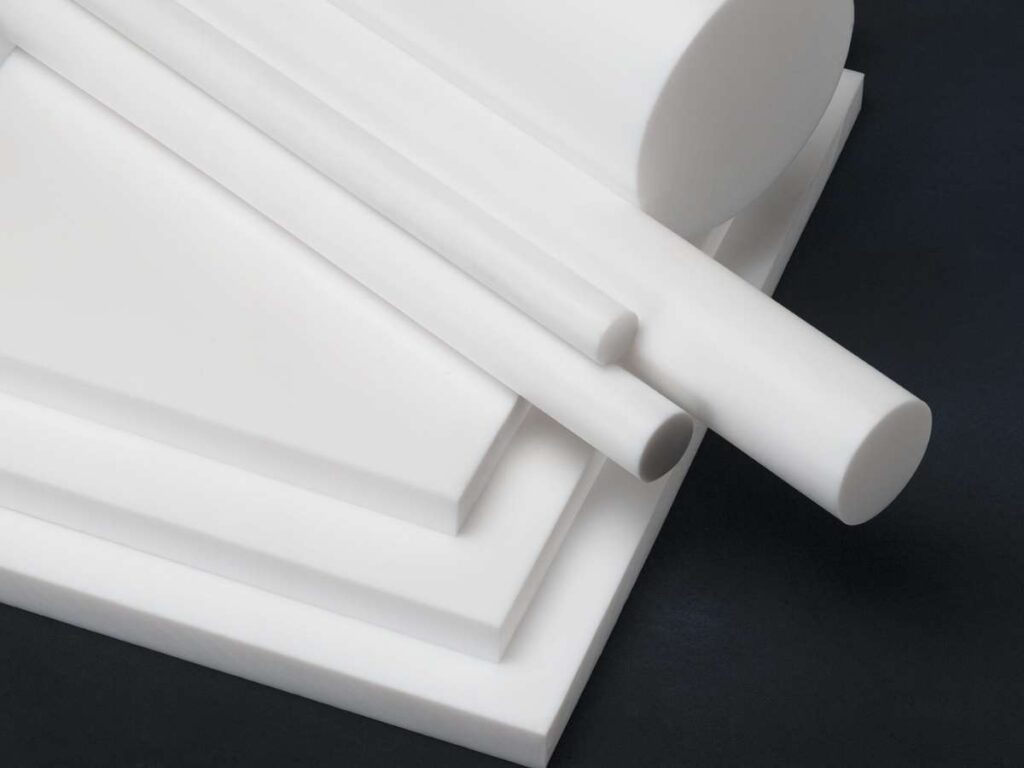
- PTFE (Teflon): Very slippery and handles heat well. Used for seals and gaskets.
Plastics are great when weight, friction, or corrosion are concerns. But they can deform if not machined carefully.
The right material makes a big difference. And if you’re not sure, ask your machinist—they’ll help you balance cost, performance, and production needs.
4. Different Types of CNC Turning
Once you understand what CNC turning is, the next question is: what can it actually do?
Turns out, a lot. CNC turning isn’t just one kind of cut. It includes many techniques, each with its own purpose.
I didn’t realize that at first.
But once I visited more machine shops, I saw the variety in action.
That’s when it really started to make sense.
Let’s break it down. Here are the common types you’ll come across:
- Straight Turning: The tool moves in a straight line along the part. This reduces its diameter and leaves a smooth, even surface. It’s simple but essential.
- Taper Turning: The tool cuts at an angle instead of straight. This makes the part wider at one end and narrower at the other. Think of it like a cone.
- Facing: This flattens the end of a part. The tool moves toward the center to shorten the piece. It’s used to clean up edges or get the part to a specific length.
- Parting: Also called cut-off. This slices the part off from the leftover material. I like to think of it as the final step: separating the finished piece.
- Grooving: Adds a channel or groove to the surface. These are often used for clips, rings, or seals.
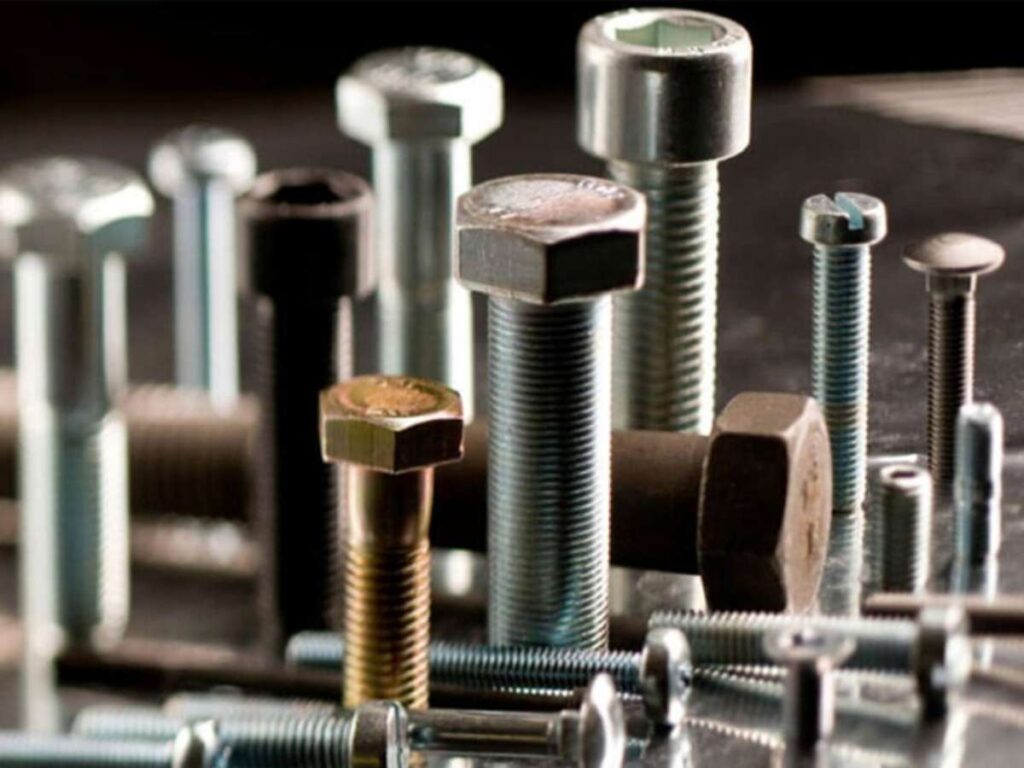
- Thread Cutting: Makes screw-like threads. You’ll see this in bolts, nuts, and pipe ends.
- Multi-Axis CNC Turning: These machines move in more than two directions. You can make complicated parts faster with fewer operations.
- Hard Turning: This is done on materials that are already heat-treated. It’s often used instead of grinding to save time.
- Trepan Turning: Instead of drilling a full hole, this technique removes a ring of material. It’s helpful for creating hollow shapes without wasting the center.
Some shops use just a few of these. Others use all of them, depending on the job. Knowing what each type does helps you choose the right one—or talk with a supplier who can.
5. Industries That Use CNC Turning
CNC turning shows up in more places than you might think.
The first time I visited a machine shop, I assumed most parts were for cars or heavy equipment. But I was wrong. I saw tiny components for medical tools. I saw lightweight parts for robots and aerospace. That’s when it hit me: CNC turning reaches almost every industry.
Let’s break it down by sector.
Electronics
Have you ever looked inside a phone, computer, or control panel? Many of the small metal parts come from CNC turning. These include:
- Housings
- Connectors
- Pins and sockets
These parts must be accurate and repeatable. If one piece is off by a fraction, it can cause the whole system to fail.
Medical
CNC turning helps make safe, precise parts for hospitals and surgical use. These include:
- Orthopedic screws
- Bone pins
- Custom implants
The stakes are high here. These parts go inside the human body. That’s why they’re made to strict standards.
Automotive
Cars, trucks, and motorcycles need strong, rotating parts that last. CNC turning plays a big role in:
- Engine shafts
- Gear parts
- Valve bodies
Without these components, vehicles don’t move. I’ve seen how even one faulty gear can shut down a production line.
Aerospace
Planes and satellites require lightweight yet reliable parts. CNC turning helps produce:
- Precision fasteners
- Brackets
- Small engine parts
There’s no room for error in the air. Every part needs to be tested and exact.
Automation and Robotics
Robots and factory machines need smooth, moving components. CNC turning is used for:
- Spindles
- Actuators
- Bearings
These parts help robots move quickly and repeat actions with control.
So, where do you see yourself? Whether you’re designing for cars, robots, or medical tools, CNC turning likely plays a role in your supply chain.
6. CNC Turning vs Other Machining Methods
If you’re trying to figure out whether CNC turning is right for your project, it’s helpful to compare it to other popular methods.
| Method | How It Works | Best For | Pros | Cons |
| CNC Turning | The part rotates while the cutting tool stays still | Cylindrical parts: shafts, bushings, fasteners | – Very accurate (±0.01mm)- Fast cycle time- Good surface finish | – Limited to round or symmetrical shapes |
| CNC Milling | The cutting tool rotates and moves around a stationary part | Flat or prismatic parts: brackets, housings, plates | – Handles complex 3D shapes- Works on multiple surfaces | – Slower for round parts- May require more setup |
| Manual Turning | Operator uses a hand-controlled lathe | Simple, low-volume parts | – Cheap for one-offs- No programming needed | – Slower- Depends on operator skill- Hard to repeat exactly |
| 3D Printing | Builds part layer by layer from plastic or metal | Prototypes or lightweight complex parts | – Great for complex designs- Fast design changes | – Weaker parts- Poor surface finish- Not good for tight fits |
7. Factors to Consider When Choosing CNC Turning Services
I’ve worked with suppliers that were fast, friendly, and affordable—but couldn’t hit the tolerances I needed.
I’ve also worked with high-tech shops that looked great on paper, but they weren’t a good fit for small batch work.
So here’s the truth: Choosing a CNC turning service isn’t just about price. You need a partner who understands your part, your deadline, and your real priorities.
So what should you look for?
Let me walk you through the key points I always check—and the ones I think you should, too.
Technical Capabilities
Can the shop actually do the job?
Some CNC turning jobs are straightforward. Others get complicated fast—with tight tolerances, deep grooves, or special threads.
Here’s what to check:
- Tolerance range: Can they meet your spec? Ask what they’ve done before.
- Machine type: Do they use standard lathes, or do they offer multi-axis turning or live tooling for more complex parts?
- Material handling: Can they work with the metal or plastic you’ve chosen?
- Special features: Threading, grooving, undercuts—do they have experience with these?
I’ve had projects fail because a shop couldn’t hit ±0.01mm. The quote was cheap—but the results cost more in the end.
Tip: Ask to see past work examples. Even better—send them a sample drawing and ask how they’d run it.
Certifications & Compliance
Even if you’re not in aerospace or medical, don’t skip this.
Shops that follow recognized standards like ISO 9001 tend to have better systems in place. That means:
- Fewer mistakes
- More reliable inspection
- Better documentation (like material maturation or first-article reports)
In my experience, certified shops are more likely to catch issues early—and work with you if something goes off-track.
Need traceability? Material reports? Ask about them up front.
Supplier Support & Service
This part often gets overlooked—but it matters just as much as the machines.
Here’s what I personally look for:
- Fast, honest communication
- Design for Manufacturability (DFM) support
- Consistent lead times (not just fast once, but fast every time)
- Clear inspection process and photos with shipments
At MachMaster, our engineers help our customers tighten their design before production. That small change often makes parts easier to machine—and lowers the cost.
Typical sample lead times? About 5–10 days. And we give feedback early so you don’t waste time guessing.
Conclusion
You’ve learned what CNC turning is, when to use it, what materials work best, and how it compares to other methods.
If your part is round, precise, and needs to be repeatable—CNC turning could be your best option.
Don’t wait until a bad part costs you money. Start with the right process today.
Are you ready to bring your part to life the right way?
Contact us today to get started.
Learn More: Recommended Reads
Want to see more products? We’ve got plenty of options that might just be the perfect fit for you:
Still haven’t found what you’re looking for? Don’t hesitate to contact us. We’re available around the clock to assist you.