
Ever get a batch of aluminum parts that looked great at first—then turned dull, faded, or scratched way too fast?
You’re not the only one. We hear that from customers all the time.
I’ve been working in aluminum industry for over 10 years. I’ve worked on parts for lighting, furniture, signs—you name it.
And trust me, choosing the right finish can save you from a lot of problems later. That’s why I always bring up anodizing when someone asks how to keep their aluminum looking good and holding up over time.
If you’re here because you want to know what anodizing really is, and whether your parts need it—you’re in the right place.
I’ll walk you through how the process works, what it does to the aluminum, what finish options are out there, and when it might not be the best choice.
By the end, you’ll walk away with a tool to check if anodizing is the right move for your parts.
So let’s get started!
1. What is Anodizing of Aluminum?
Working on aluminum projects? Then you’ve probably asked yourself—how do I make it tougher, cleaner, or more resistant to wear?
That’s where anodizing comes in.
Anodizing is an electrochemical process that strengthens aluminum.
It doesn’t coat the surface—it transforms it.
It makes parts harder, more corrosion-resistant, and even gives them a consistent finish.
Here’s how it works in simple terms:
- The part is cleaned in acid.
- It’s placed in a chemical bath.
- An electric current passes through.
- This builds up a layer of aluminum oxide on the surface.
This layer is part of the metal. It won’t peel, flake, or rub off.
I learned the value of anodizing after a customer returned parts that scratched too easily. That mistake cost me. Since then, I never skipped this step for aluminum products that need durability or aesthetics.
If you’re choosing finishes for housings, panels, brackets—or anything that needs protection or a clean appearance—this is worth considering.
2. How Anodizing of Aluminum Works?
Before I started using anodizing regularly, I used to think it was just for looks. But when I saw how much longer my parts lasted—and how much less rework I had to do—I knew it offered more than appearance.
So how does it work? And is it the right process for your product?
Let’s break it down simply.
Anodizing is an electrochemical process that changes the surface of aluminum. It creates a layer of aluminum oxide—harder than the base metal itself. That layer becomes part of the surface. It won’t chip, flake, or peel like paint or plating.
Here’s the basic process:
- Clean the part to remove grease, dirt, or machining oils
- Dip it in an acid bath (usually sulfuric acid)
- Apply electric current—this builds the oxide layer
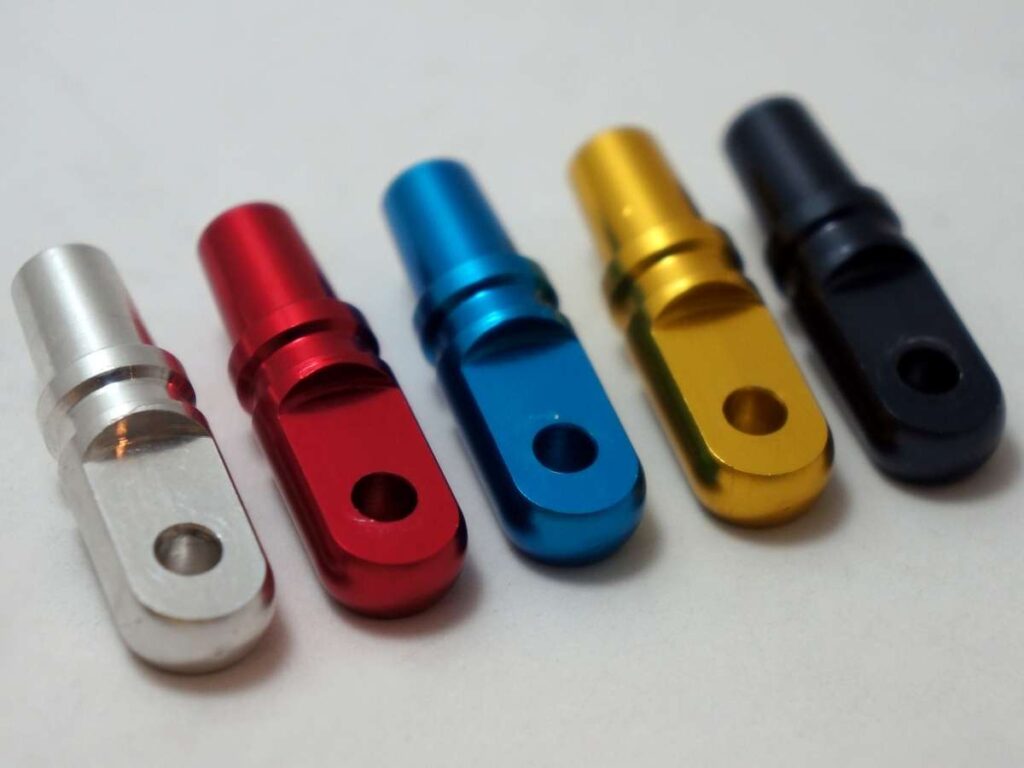
- Add dye if color is needed (black, red, blue, etc.)
- Seal the surface in hot water or steam to lock everything in
This process gives you:
- A harder, more wear-resistant surface
- Better corrosion resistance
- A clean, matte or colored finish
- Electrical insulation (important for enclosures or electronics)
If your parts need durability, performance, and a clean finish—anodizing may be a smart investment.
3. Benefits of Anodizing Aluminum
When I used aluminum parts, I didn’t think about surface treatment. I just wanted something that fit, looked clean, and worked. But after dealing with scratched surfaces and early signs of corrosion, I started to pay attention.
Anodizing changed everything for me.
Here are the key benefits that anodizing brings to your aluminum parts:
Improve Corrosion Resistance
Anodizing builds a thicker oxide layer that shields aluminum from moisture, air, and chemicals. That added barrier slows down rust and surface damage. It’s a simple upgrade that extends the lifespan of your parts in outdoor or humid environments—giving you more durability with less worry.
Reduce Scratches and Surface Damage
Raw aluminum scratches and dents easily. Even light contact can leave a mark. Anodizing toughens the outer layer, making it more resistant to scuffs during shipping, handling, or daily use. I’ve seen polished finishes get ruined just from sliding across a bench. Anodized parts hold up much better.
Add Long-Lasting Color Without Peeling
During anodizing, adding dye directly into the surface can do. The color bonds into the oxide layer—it’s not just painted on. That means it won’t chip or flake over time. If you need something that looks sharp and stays that way, anodized color finishes are a smart choice for your projects.
Cut Down on Maintenance Needs
Anodized surfaces are easy to keep clean. No greasy fingerprints, no constant wiping. Even in tough environments like dusty workshops or oily hands, a quick cloth is usually all it takes. That low-maintenance finish saves time—and keeps parts looking sharp longer.
If these benefits matter to your project, choose a trusted service provider like MachMaster—where precision, consistency, and surface reliability come standard.
4. Types of Aluminum Anodizing
Anodizing isn’t a one-size-fits-all process. Different methods produce different results, depending on the part’s use, thickness requirement, or appearance.
Below are the most common types used in manufacturing:
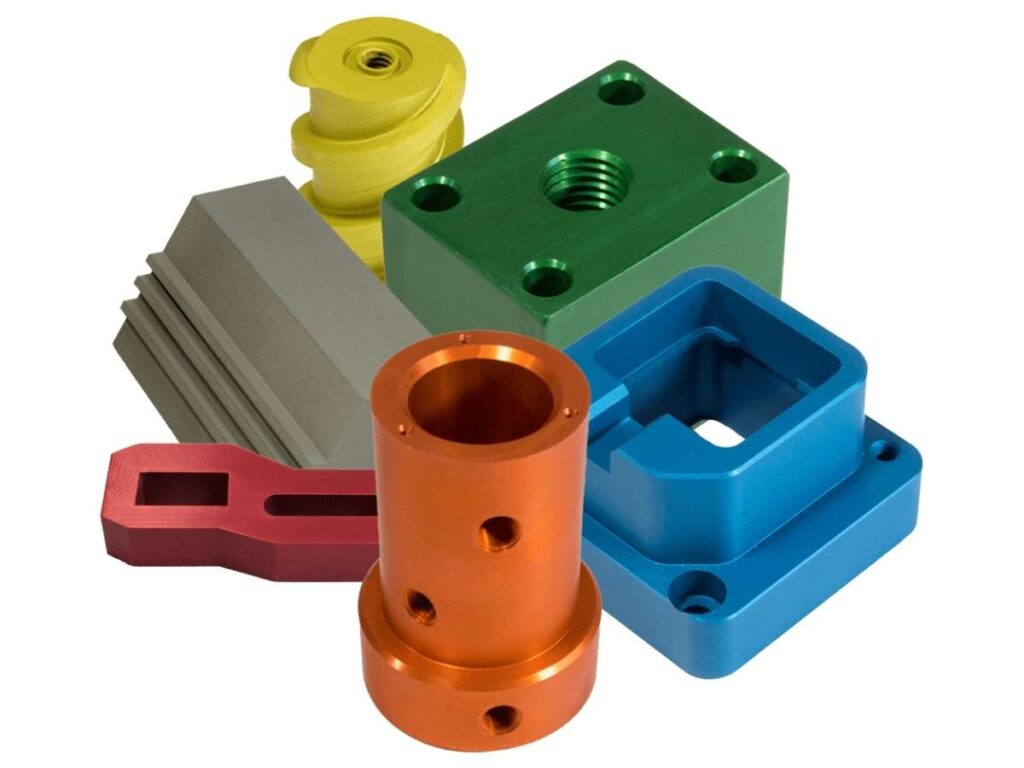
Type I – Chromic Acid Anodizing
This is the earliest form of anodizing and uses chromic acid instead of sulfuric acid. It creates a very thin oxide layer, which means it doesn’t change part dimensions much.
It’s often selected for aerospace parts where tight tolerances and fatigue strength are critical. While it doesn’t offer as much wear resistance as other types, its minimal thickness makes it useful for specific, high-precision applications.
Type II – Sulfuric Acid Anodizing
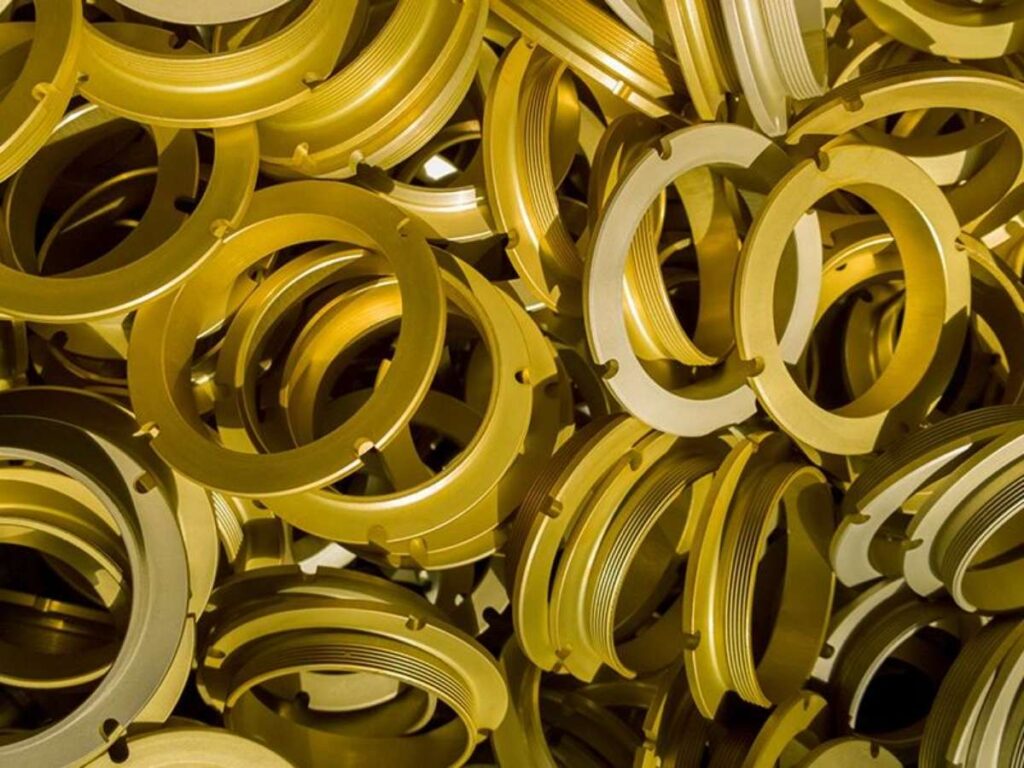
Type II is the most common and cost-effective option. It forms a medium-thickness oxide layer and allows for easy dyeing, which is why it’s widely used for colored finishes.
It’s suitable for general-purpose parts like consumer products, enclosures, and mechanical components. The finish offers solid corrosion protection and an even surface texture.
Type III – Hard Anodizing (Hardcoat)
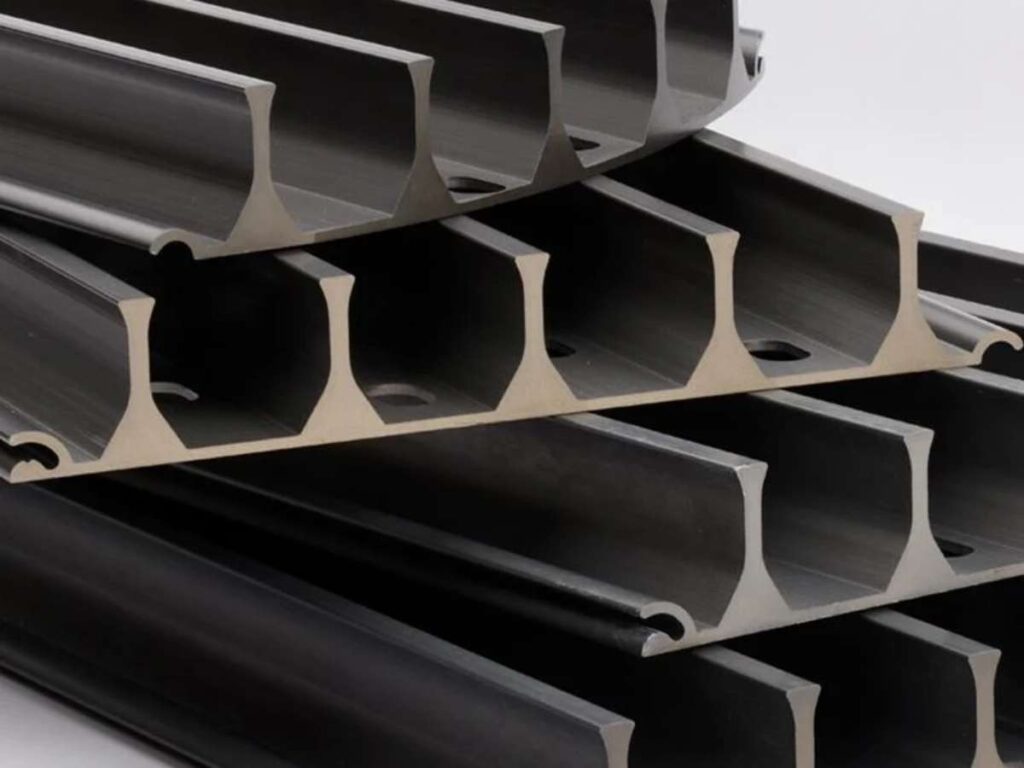
When your part needs to handle friction, repeated use, or harsh environments, this is the finish to choose.
Hard anodizing builds a thicker, denser oxide layer that stands up to wear and abrasion. It’s ideal for tools, gears, and high-use parts. You’ll pay a bit more, but if part failure isn’t an option, it’s worth it.
Clear Anodizing
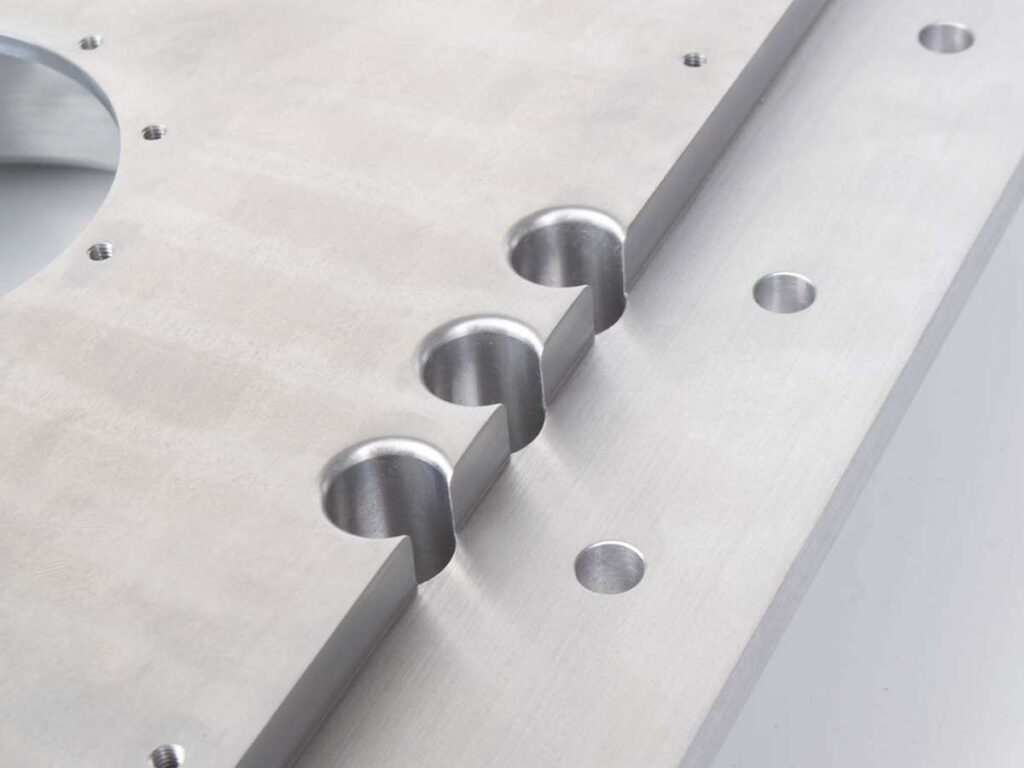
Clear anodizing leaves the aluminum in its natural metallic color. The oxide layer still forms, but without dyes. It gives a clean, matte finish and good corrosion resistance.
This option is popular for internal parts, cleanroom components, and projects where appearance is less of a concern, but performance still matters.
Colored Anodizing
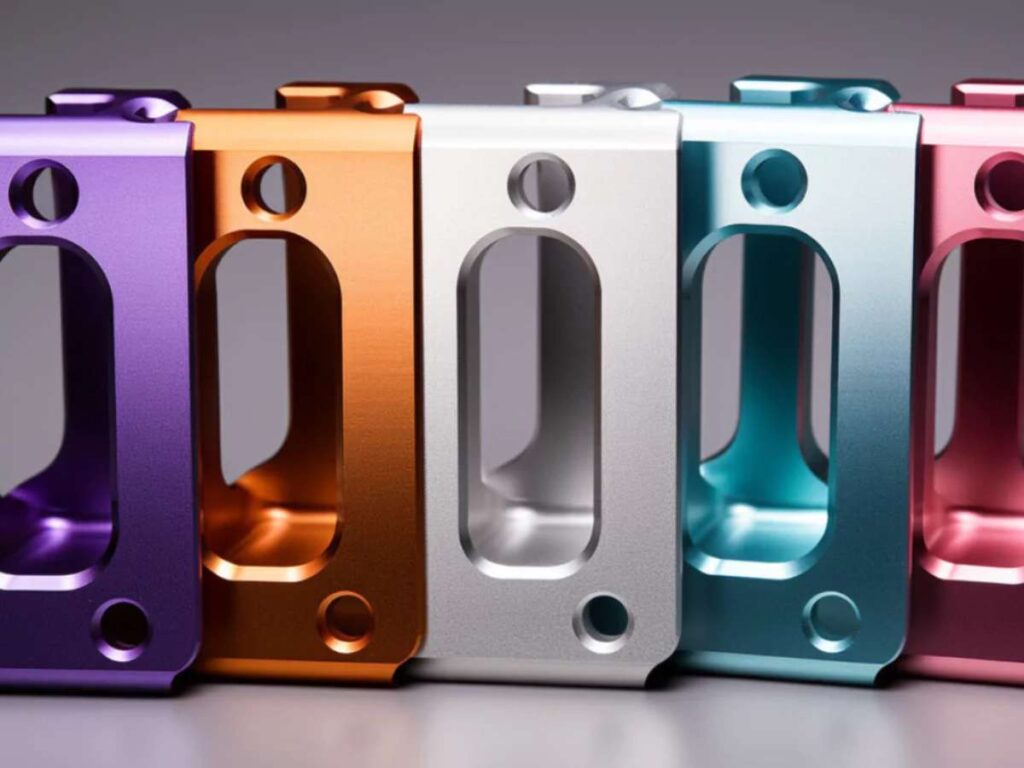
Adding dye after the oxide layer forms to get finishes in black, blue, red, gold, and more. Since the color locks into the surface, it won’t chip or peel.
This is great when you want to match brand colors, organize parts visually, or give products a finished, eye-catching look for your working project.
Choosing the right anodizing type depends on your part’s performance needs—whether that’s durability, precision, appearance, or all three.
5. Common Applications of Anodized Aluminum
The more I worked with anodized aluminum, the more I noticed how often it shows up in everyday products. It’s not just used in factories or tech—it’s all around.
I’ve seen it in tools, home goods, machinery, and even laptops. The surface is clean, strong, and reliable. That’s what makes it so widely used across different industries.
Here are some of the most common applications:
- Consumer Electronics: Think laptops, phones, or tablets. Anodizing gives a clean, scratch-resistant finish. It also keeps the surface cool and sleek without paint.
- Architectural Panels: Used in building exteriors, window frames, and cladding. It holds color for years, even in sun and rain.
- Automotive and Motorcycle Parts: Parts like trim, pedals, fuel caps, and brackets often need extra wear protection without adding weight.
- Kitchenware and Appliances: Cookware, sinks, and handles use anodized aluminum to resist wear, corrosion, and daily cleaning.
- Industrial Equipment: Machine housings, control panels, and brackets need protection in rough environments.
- Aerospace and Defense: Lightweight + durable = a perfect fit. Anodizing protects parts without adding bulk.
If your parts face weather, hands, heat, or wear, anodizing is worth considering.
6. Anodizing of Aluminum vs. Other Coatings
Not all surfaces finish work the same way. I’ve used paint, powder coat, plating, and anodizing across different projects. Some hold up better than others depending on the application.
Here’s a clear comparison of anodizing versus other common coating options:
| Feature/Aspect | Anodizing | Painting | Powder Coating | Plating (Zinc/Chrome) |
| Surface Bonding | Grows from the aluminum itself | Sits on top of the metal | Sits on top of the metal | Deposits metal layer on surface |
| Durability | High – doesn’t peel or flake | Moderate – prone to chipping/scratching | High – thick and impact resistant | Varies – depends on coating thickness |
| Thickness | Thin, precise layer | Thin to moderate | Thicker, covers flaws | Thin to moderate (chrome is very thin) |
| Corrosion Resistance | Excellent after sealing | Low unless paired with primer | Good, especially with UV-resistant options | Good for steel, less effective on aluminum |
| Color Options | Yes (through dyes) | Yes | Yes | Limited (usually metallic) |
| Appearance | Clean, matte or satin finish | Glossy or matte (depends on paint) | Smooth, can be glossy or textured | Shiny (chrome) or dull (zinc) |
| Applications | Electronics, aerospace, tools, architecture | Low-cost consumer goods | Furniture, appliances, automotive parts | Automotive trim, fasteners, electrical parts |
| Best For | Aluminum needing long-term surface strength | Low-wear or low-cost applications | Parts needing thicker impact protection | Decorative or corrosion protection for steel |
Understanding how anodizing compares to other finishes helps you make better decisions—especially when durability, precision, or aesthetics are on the line.
7. Challenges and Solutions of Anodizing Aluminum
Anodizing works well—but it does come with challenges. I’ve had parts that looked off even when everything seemed correct. One small mistake—like a skipped rinse or wrong alloy—can lead to delays, added costs, or rework.
Most issues show up during production or right after. The good news? Once you spot the cause, the fix is usually simple.
Here are some common problems—and how to deal with them:
Inconsistent Color Results
One part comes out darker, another lighter. This often happens when suppliers mix aluminum alloys in the same batch. Even small differences between alloys affect how the surface takes in dye.
- Solution: Stick to the same alloy across all parts in a run. 6061 and 5052 usually give the best consistency. Ask your supplier to prep every part the same way before anodizing.
Poor Dye or Coating Adhesion
If dye doesn’t hold or paint doesn’t stick well, it’s usually because the pores are blocked too early or the surface is sealed before coating.
- Solution: Keep the pores open until the dye or coating step is fully done. Only seal the surface afterward to lock everything in place.
Peeling or Flaking
While anodizing doesn’t peel like paint, bad surface prep can still cause flaking or weak adhesion.
- Solution: Make sure the parts are degreased, rinsed, and cleaned before anodizing. A good supplier should never skip this step.
Uneven Finish
You’ll notice patchy or blotchy areas if the aluminum surface isn’t uniform—especially on cast parts or rough surfaces.
- Solution: Use parts with a smooth, consistent finish. Machined or brushed aluminum usually anodizes more evenly than castings.
Every problem I’ve seen in anodizing came from rushing, mixing materials, or skipping prep. But with the right steps, these issues are easy to avoid—and the results are worth it.
8. Considerations Before Choosing Anodizing Aluminum Services
If you’re working with aluminum, anodizing might come up sooner than expected. It’s a reliable finish—but not all services give the same result for your project needs.
Here are a few key things to check before choosing an anodizing partner. These will save time, budget, and prevent rework down the line:
Match the Service to the Alloy
Start by checking your material. Alloys like 6061 anodize well. Others, like 2024 or 7075, can show patchy or uneven color because of higher copper content.
Ask your supplier if they’ve worked with your specific alloy before. If they can show you samples or test finishes, that’s a good sign.
Know the Anodizing Type Needed
Not all aluminum alloys anodize the same.
6061 does well. But 2024 and 7075 can turn out blotchy due to copper content.
- Tip: Ask if your supplier has experience with your exact alloy. Even better—ask to see finish samples before full production.
At MachMaster, they provide different types of anodizing with controlled parameters to match the functional needs of every project. From decorative finishes to industrial-grade durability, the process is tailored to fit the application.
Ask About Color Consistency
Color mismatch is one of the most common issues. Small changes in voltage or bath conditions can shift the final shade.
If your parts must match across batches, ask how the shop controls consistency. Some keep process logs and track every cycle. Others don’t. That makes a difference.
Don’t Skip the Quality Check
A reliable anodizing shop will inspect parts for coating thickness, finish, and color before they ship. Look for providers who follow standards like MIL-A-8625 or ISO 9001.
If inspection isn’t mentioned, ask directly. Catching mistakes at their end is much easier than correcting them in your workflow.
Conclusion
We’ve covered a lot—what anodizing of aluminum is, how it’s done, and why it matters. You now have a clear picture of how it compares to other coatings and where it truly shines.
If surface performance matters to your part, anodizing should be on the table.
And if you need a service provider that understands your priorities, choose MachMaster.
We offer reliable anodizing services that gets it right from the start.
Don’t wait until corrosion or wear ruins your parts.
Contact us today for expert anodizing services built for real-world performance!
Recommended Reads for You
Interested in more? Here are some additional articles with insights and tips to keep you informed:
Still haven’t found what you’re looking for? Don’t hesitate to contact us. We’re available around the clock to assist you.