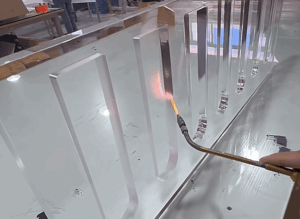

Let’s start!
I used to think anodizing was mostly cosmetic, just a sleek way to add color to aluminum. Then I worked on a part that kept failing in the field.
The finish was wearing off, moisture got in, customers were frustrated. So was I.
That’s when someone on our team suggested anodizing not for looks, but for protection. We tried it. The difference? Immediate.
If you’re here because you’ve heard of anodizing but don’t really know what it does or if it’s worth adding to your process you’re in the right place.
In this article, I’ll walk you through what anodizing actually is, how it works, and what it does to your parts. I’ll also help you figure out if it fits your product, your process, and your budget.
Let’s start!
1. What Is Anodizing?
I’ll be honest. The first time I heard the word anodizing, I nodded like I understood it… but I didn’t.
I thought it was just a fancy way to add color to aluminum.
Later, after a batch of parts started corroding on the shelf, a supplier asked if I’d considered anodizing. That’s when I dug in and finally got it.
Anodizing is a process that changes the surface of metal. It uses electricity and a chemical bath to create a hard, protective outer layer. That layer is called an oxide finish. You can’t see it forming, but it makes a big difference.
It’s not paint. It doesn’t sit on top. It becomes part of the metal.
And it sticks.
This process works best on aluminum. You might also see it used on titanium or magnesium, but aluminum is by far the most common.
So why do people anodize metal?
It helps your parts:
- Resist corrosion from water, air, and chemicals
- Handle more wear from contact or friction
- Take on color for appearance or branding
- Stick better to paint or glue
- Act as an electrical insulator (for some applications)
That’s a lot of value from one finish.
Maybe you’re working on a product right now. Or you’re planning a prototype. Would anodizing protect it? Would it make it easier to sell?
This article will help you answer those questions clearly and simply.
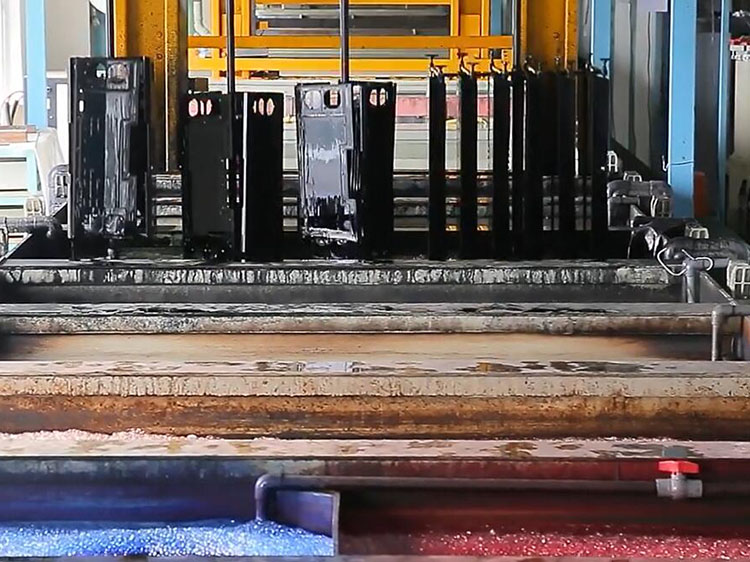
2. How Anodizing Works
If you’re like me, you want to understand the how before trusting a process. I don’t just want to be told something works, I want to see what’s happening underneath.
Anodizing might sound technical. But once you break it into steps, it’s actually pretty clear.
Step 1: Cleaning the Metal Surface
Before anything else, the metal has to be clean.
Really clean.
Any oil, dust, or fingerprints can cause problems later. If the surface isn’t prepped properly, the final finish can turn out patchy or uneven.
Most shops use an industrial cleaner or an acid etch to get rid of dirt, grease, and oxidation. This gives you a fresh, even surface to start with.
Step 2: Acid Electrolyte Bath
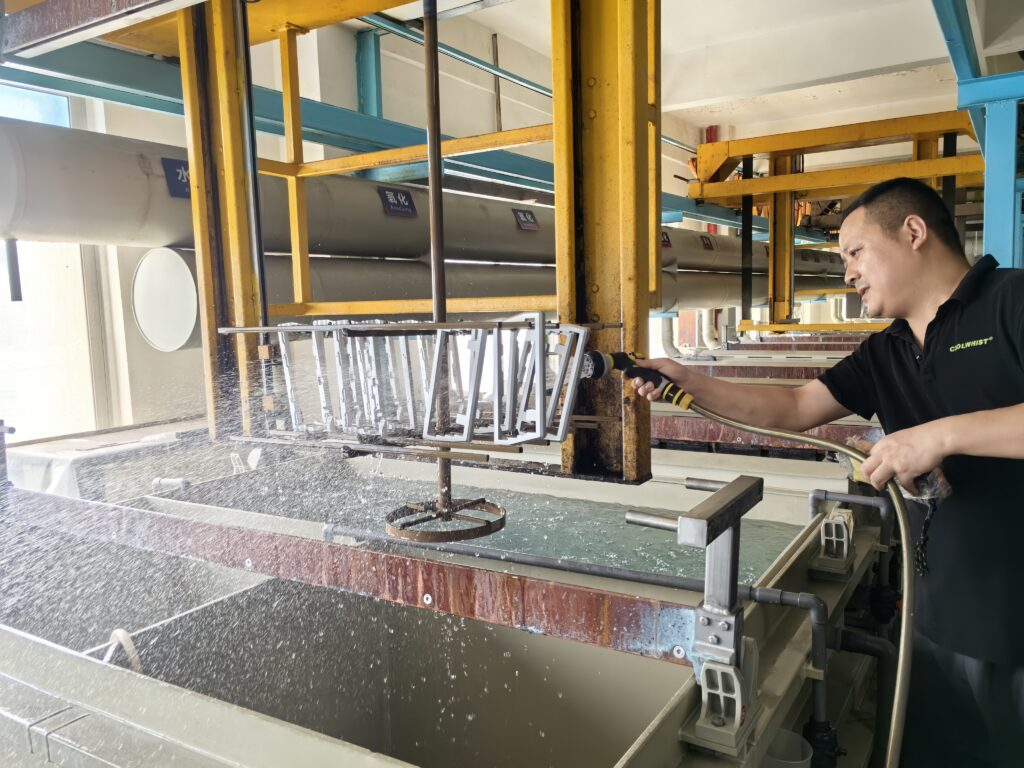
Next, the clean part is lowered into a tank filled with a chemical solution. This is called the acid electrolyte bath.
Most of the time, the bath contains sulfuric acid and water. It may sound harsh, but this mixture helps conduct electricity and makes the anodizing process possible.
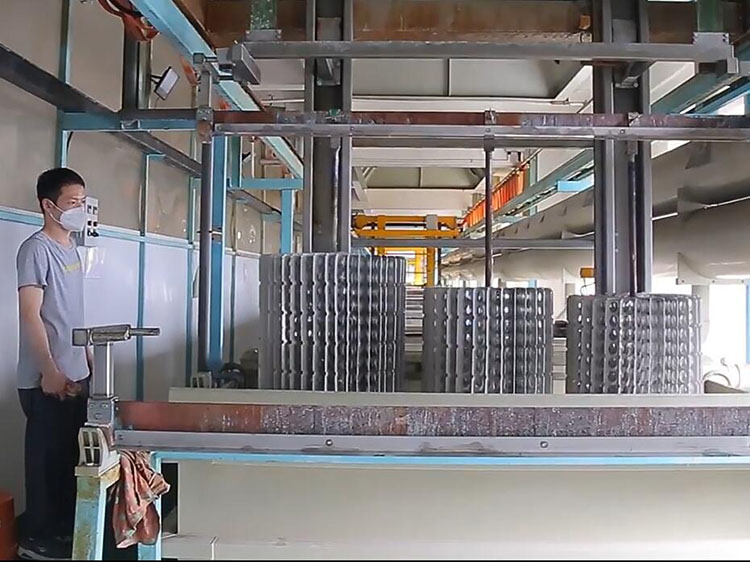
Step 3: Applying Electrical Current
Now the power gets turned on.
The part becomes the anode, or positive electrode. That’s where the term anodizing comes from.
Electricity flows through the tank. As it moves, oxygen is released at the surface of the metal.
Step 4: Forming the Oxide Layer
That released oxygen reacts with the metal. And here’s the key moment: it forms an oxide layer.
This new layer is what gives anodized metal its strength, corrosion resistance, and ability to hold color.
It’s not painted on. It grows from within the surface.
3. Types of Anodizing
Now that you know how anodizing works, let’s talk about the types.
Not all anodizing is the same.
Each type creates a different thickness, texture, and level of durability.
So how do you choose the right one?
It depends on your part’s purpose, how it’s used, and what matters more from looks, strength, or precision.
Here’s a breakdown of the three main types.
Type I: Chromic Acid Anodizing
This is the lightest coating of the three.
It uses chromic acid instead of sulfuric acid. The result is a very thin oxide layer.
That thin layer makes it perfect for parts that need tight tolerances. You’ll often see it used in aerospace components, where even a small dimensional change matters.
It’s not ideal if you want color or added thickness. But it works well if you need corrosion resistance without changing the part too much.
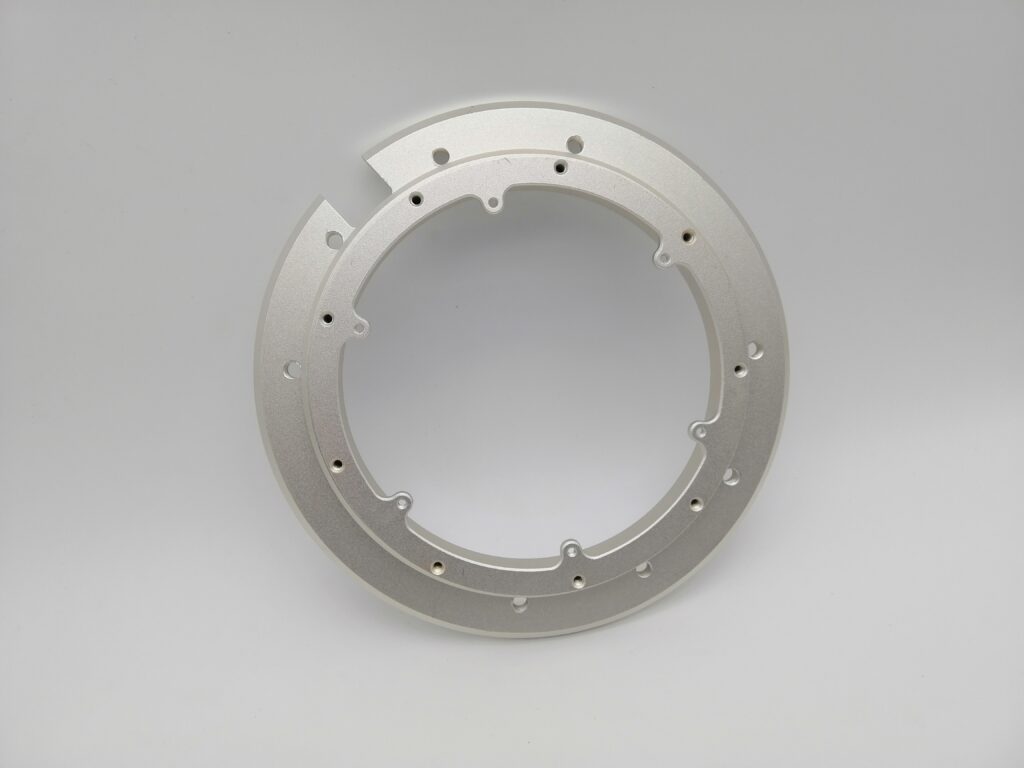
Type II: Sulfuric Acid Anodizing
This is the most common type.
It’s used in everything from consumer products to building hardware. If you’ve ever seen colored aluminum, it was probably Type II.
The coating is thicker than Type I, but still good for general use.
It supports a wide range of dyes, making it great for both protection and appearance.
Type III: Hardcoat Anodizing
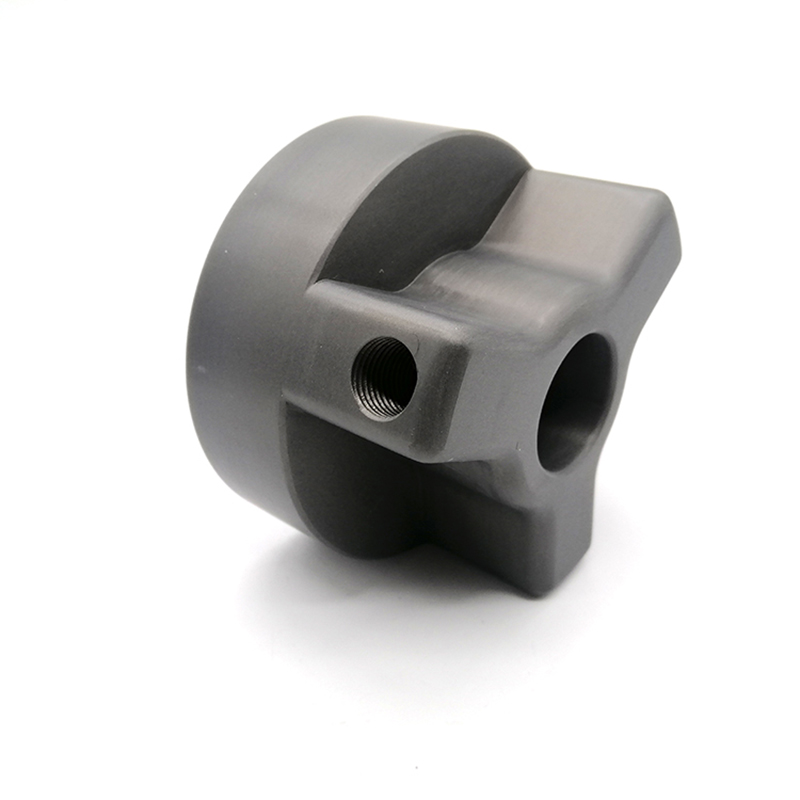
This is the heavy-duty version.
Type III creates a thick, dense oxide layer. It’s made to handle wear, friction, and heavy use.
That’s why it’s often found in industrial equipment or parts that need to last under tough conditions.
It also offers better insulation and stronger protection, but it can slightly change the size of your part—something to keep in mind if you’re working with close fits.
Quick Comparison Table
| Type | Acid Used | Thickness | Color Support | Best For |
| Type I | Chromic Acid | Very Thin | No | Aerospace, tight tolerances |
| Type II | Sulfuric Acid | Medium | Yes | General use, colored finishes |
| Type III | Sulfuric Acid | Thick (Hardcoat) | Limited | Industrial, high-wear parts |
Choosing the right type can save you time, money, and headaches later on.
Let’s look next at how anodizing can affect your design and what to plan for in the early stages.
4. Materials That Can Be Anodized
Now that you’ve seen how anodizing works and the types available, the next question is simple…
Can your part be anodized?
That depends on the metal.
Anodizing isn’t a one-size-fits-all process. It only works well with certain materials. I learned this the hard way when I tried to anodize a small steel bracket for a prototype.
The result? Rust. Not a protective coating, just a mess.
Mostly Aluminum
Aluminum is by far the most popular choice for anodizing.
It reacts well to the process, forming a clean and even oxide layer.
It’s also widely used across industries:
- Aerospace
- Consumer electronics
- Architecture
- Automotive
- Prototypes and custom parts
If your part is aluminum, you’re in good shape.
Some Magnesium and Titanium
Other metals like magnesium and titanium can be anodized, but they need different methods and settings.
Titanium anodizing is often used in medical or aerospace parts and even for colorful jewelry.
Magnesium is more sensitive and less common, but it can still be treated with special care.
Not for Steel, Copper, or Stainless Steel
Here’s the catc, you can’t anodize steel, copper, or stainless steel using the same process.
These metals don’t form the kind of stable oxide layer that anodizing depends on. Instead, they’re prone to corrosion or discoloration.
So before you plan your finish, ask yourself: Is my part made from the right material?
That answer will save you from wasted time and the wrong surface treatment.
5. Pros and Cons of Anodizing
You’ve learned what anodizing is, how it works, and which materials it’s suited for. Now let’s look at the big picture, the benefits and the drawbacks.
No finish is perfect. I’ve used anodizing on dozens of projects, and while I like the durability, there were times I had to stop and rethink it. Especially when tolerances were tight or when the metal wasn’t a good fit.
If you’re trying to decide whether anodizing is worth it, this section will help.
Advantages
There are several reasons why anodizing is a popular choice, especially for aluminum parts.
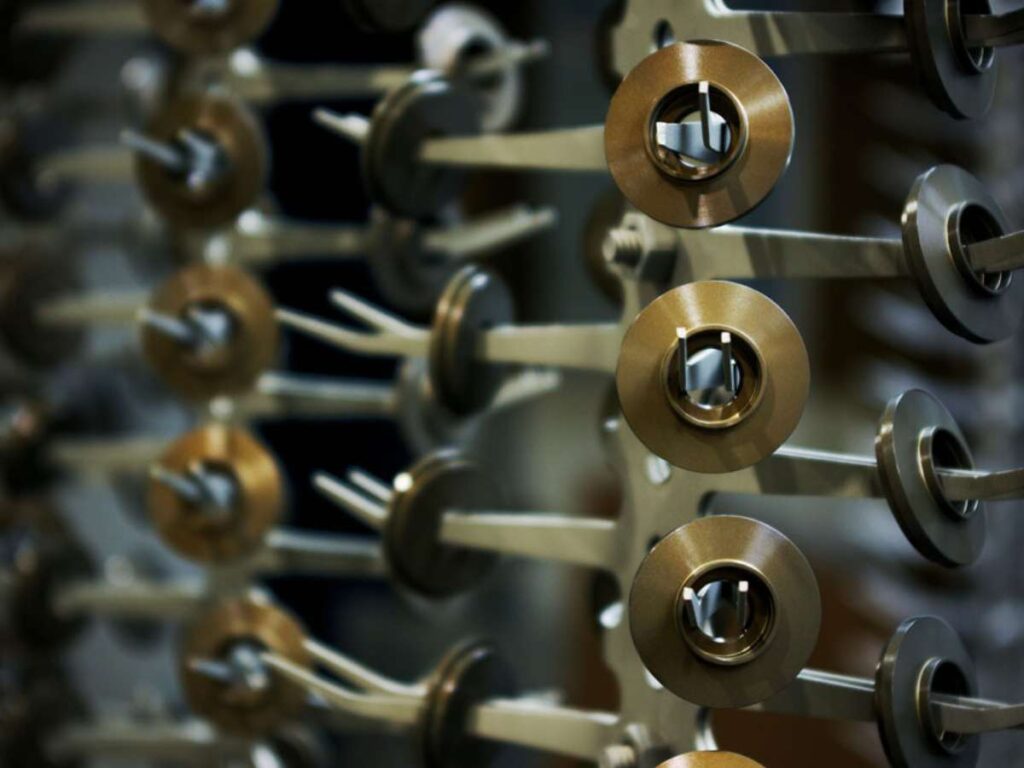
- Corrosion resistance: The oxide layer protects the metal from air, moisture, and chemicals. It can extend the life of your parts without adding extra coatings.
- No peeling or chipping: Unlike paint or plating, anodizing bonds with the metal itself. It doesn’t flake off over time.
- Color options: You can add dye to create different finishes without adding much thickness. That makes it great for parts that need to look clean and fit precisely.
- Environmentally safer: Anodizing doesn’t use heavy metals, so it’s often a better option if you’re trying to avoid harmful chemicals in your process.
Limitations
Even with all those benefits, there are a few things to watch out for.
- Limited to certain metals: If your part isn’t aluminum, magnesium, or titanium, anodizing might not be an option.
- Size changes: The oxide layer adds thickness. It’s small, but in high-precision parts, even a little bit can matter.
- Surface flaws show through: Anodizing won’t hide scratches, dents, or rough machining. If the surface isn’t smooth before treatment, it won’t look right after.
Anodizing can work well but only if you understand what it can and can’t do.
6. Anodizing Industry Application
Understanding how anodizing works is helpful. But seeing how it’s used in real products? That’s what brings it to life.
After working on my first anodized part, I started noticing it everywhere, from aircraft interiors to the phone in my pocket. That’s when I realized how common (and valuable) this finish really is.
Let’s walk through a few key industries where anodizing plays a major role and why companies rely on it.
Aerospace & Automotive
In aerospace and automotive, every component matters. Parts need to be lightweight, durable, and resistant to wear especially when exposed to harsh environments.
That’s where anodized aluminum shines.
It offers corrosion resistance without adding weight, which is critical in applications where performance and efficiency go hand in hand. You’ll often find it used for:
- Structural brackets
- Trim pieces
- Heat shields
- Engine components
By adding protection without extra bulk, anodizing helps extend the life of these parts—without affecting the way they fit or function.
Consumer Products
If you own a laptop or carry a smartphone, chances are you’ve already handled anodized aluminum.
Manufacturers choose it because it holds color well, resists scratches, and gives a clean, modern finish. Common uses include:
- Electronics (laptops, phones, tablets)
- Flashlights and tools
- Cookware and drinkware
- Sporting goods and bicycles
The finish also helps create a consistent look across product lines, which matters in competitive markets.
Industrial & Manufacturing
On the production floor, finishes need to do more than look good—they need to last.
In manufacturing environments, parts are exposed to oils, cleaners, vibration, and repeated handling. Anodizing helps protect those surfaces from corrosion and wear over time.
You’ll often find it on:
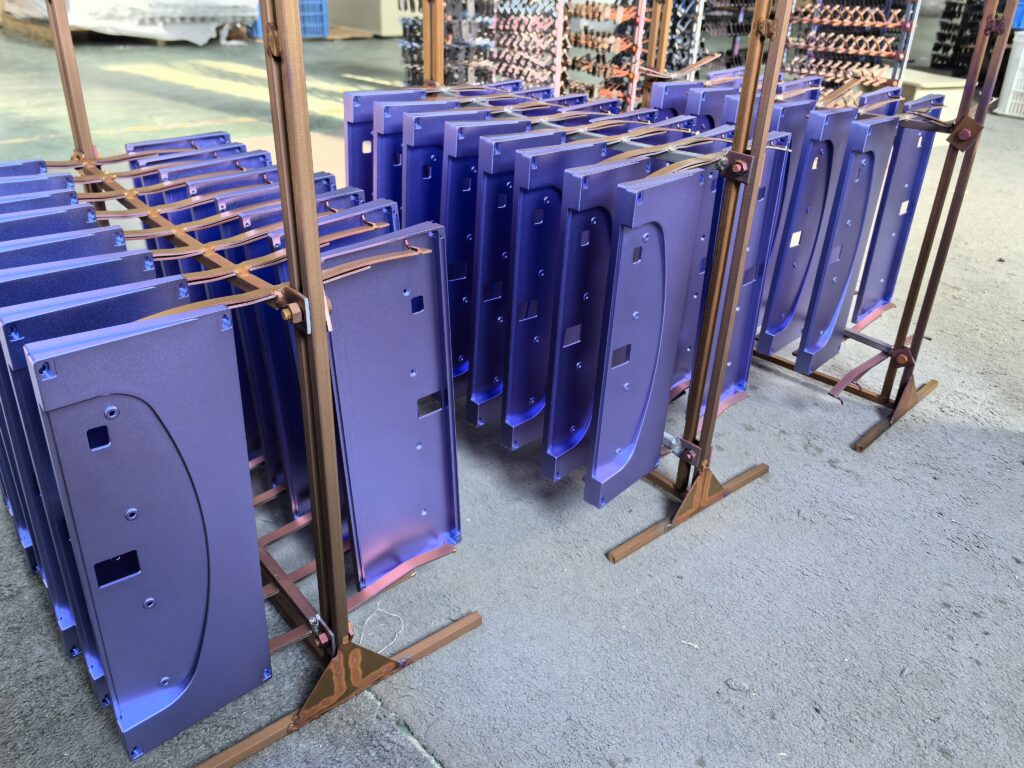
- Machine housings
- Control panels
- Custom aluminum brackets
- Framing systems and structural parts
The added layer doesn’t just protect, it reduces maintenance and helps the equipment stay reliable longer.
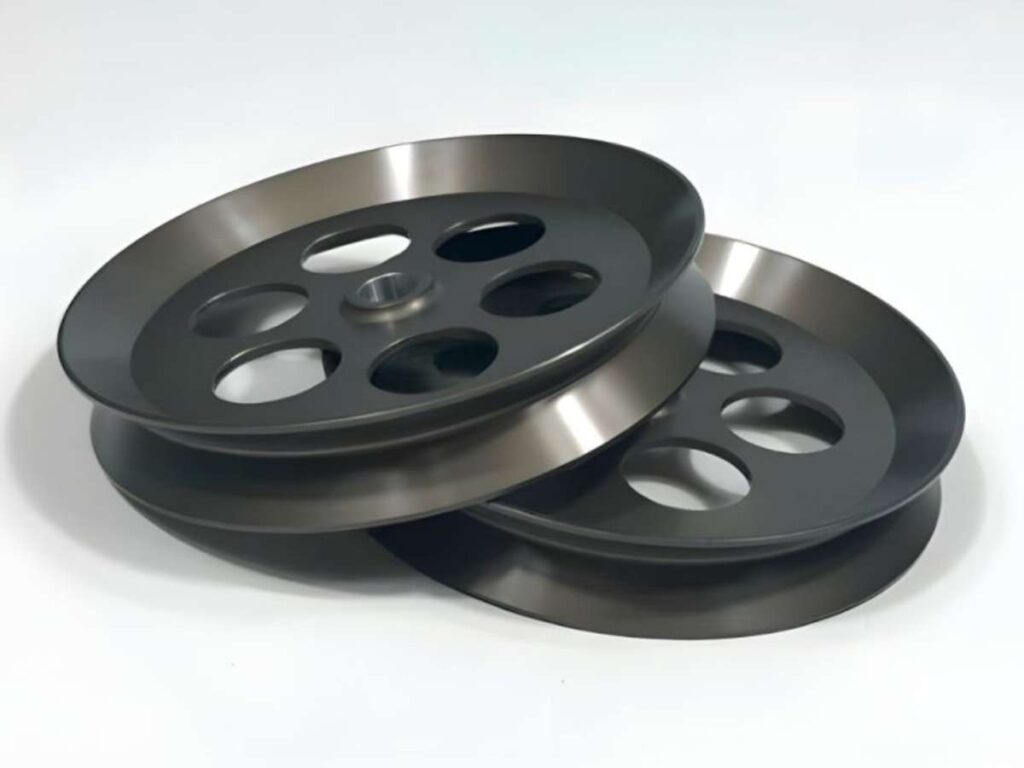
Whether you’re designing consumer tech, industrial tools, or critical components, anodizing offers practical value that shows up in real use.
7. Anodizing vs. Other Finishing Methods
If you’re comparing finishes, you’re not alone.
I’ve been in that spot too trying to decide between anodizing, powder coating, and plating. Each has its use, and picking the right one can save you time, money, and a lot of back-and-forth with suppliers.
Let’s break it down:
| Feature | Anodizing | Powder Coating | Plating (Zinc or Nickel) |
| Finish Method | Electrochemical (oxide layer forms) | Dry powder sprayed, then baked | Metal layer deposited via electroplating |
| Location of Finish | Embedded into surface | Layered on top | Layered on top |
| Common Materials | Aluminum, titanium, magnesium | Works on many metals | Steel, copper, brass |
| Thickness | Thin to moderate | Thick and consistent | Thin to moderate |
| Color Options | Supports dyeing (can vary by batch) | Highly consistent | Limited, usually metallic tones |
| Scratch Resistance | High | Moderate | Moderate |
| Peeling/Chipping Risk | Very low | Can chip or peel | Higher risk over time |
| Paint/Adhesive Bonding | Strong surface for bonding | May reduce paint adhesion | Varies by process |
| Conductivity | Low (insulating) | Low | Often conductive |
| Weight | Lightweight | Adds some weight | Can be heavier |
| Best For | Durable, corrosion-resistant aluminum parts with tight tolerances | Decorative finishes and thick coatings | Steel parts needing corrosion protection or electrical flow |
8. What to Know Before Choosing an Anodizing Supplier
Finding the right anodizing supplier isn’t just about price. It’s about trust.
I’ve worked with shops that delivered consistent, beautiful finishes—and others that caused delays, ruined parts, and dodged responsibility when things went wrong.
If you’re a business owner or in charge of procurement, your supplier choice matters. A lot. An unreliable anodizing process can hold up your timeline, increase scrap, or disappoint your customer.
Here’s what you should ask before placing an order—and what warning signs to watch out for.
Questions to Ask Your Supplier
Don’t be afraid to ask direct, technical questions. A good supplier won’t hesitate to give you clear answers.
- What type of anodizing do you offer? Make sure they offer the type that fits your part—Type II for color and general use, or Type III for industrial durability.
- Can you control thickness to tight tolerances? Even a small change in size can affect your part fit. Ask how they monitor and measure coating thickness.
- Do you follow ISO or MIL-SPEC standards? These quality standards help confirm the supplier uses tested, traceable processes.
- Do you offer masking services for threads or electrical areas? If your part has features that shouldn’t be anodized, ask if they can mask those zones properly.
Red Flags to Watch For
A supplier might talk a good game—but the real test is how they handle production. Watch out for:
- Lack of certifications No ISO or MIL-SPEC standards often means poor process control.
- Inconsistent color across samples Especially important for customer-facing parts. Color mismatch can point to weak process stability.
- Long lead times with vague updates If timelines keep shifting without clear reasons, you could face delays and missed deadlines.
- Poor packaging Anodized parts scratch easily before assembly. If they don’t take packaging seriously, you might receive damaged product.
A great anodizing finish starts with a great partner. Taking time to ask the right questions and spot the red flags can save you from costly mistakes later.
If you’re still building your supplier list, consider working with a manufacturer who understands both precision and finish quality.
MachMaster supports custom parts from prototype to production, offering CNC machining, sheet metal, injection molding, and professional anodizing, all under one roof.
Conclusion
I used to approve surface finishes without really understanding what they did. That cost me time—and money.
Now I ask better questions. And anodizing? It’s one of the most reliable finishes I’ve worked with.
In this article, you learned:
- What anodizing is
- How the process works
- When it’s the right choice
- And how to compare it to other options
If you’re working on a part right now, this is your chance to make a smarter call.
So what’s next for your design? Is anodizing the missing piece?
Contact MachMaster today if you want help reviewing your finish options. We’re here to support your build.