
The first time I held an anodized part, I didn’t even know it was aluminum. It felt smooth, almost like stone. The color looked locked in—not like paint. I remember thinking, “What kind of metal is this?”
So I asked the machinist.
He laughed a little and said, “That’s anodized aluminum.”
I nodded, but honestly? I had no idea what that meant.
Back then, I didn’t understand why people used anodizing—or what it really did to the metal.
But over the years, working on real projects and talking with factories, I started to do it.
It’s not just about color. It’s about protection, durability, and getting the surface just right.
If you’ve ever looked at a part and wondered what kind of finish to choose, or how to keep it from corroding or scratching—this article is for you.
I’ll walk you through what anodizing is, how it works, and why it matters in manufacturing. Simple words. Real examples. Nothing overcomplicated.
By the end, you’ll know how anodizing works—and when it’s worth using on your parts.
So let’s begin!
1. What Is Anodizing?
Anodizing is an electrochemical process that strengthens and protects metal—especially aluminum. It doesn’t just coat the surface; it transforms it into aluminum oxide, which is much harder, more corrosion-resistant, and longer-lasting.
I learned this the hard way after skipping anodizing on a batch of parts. They looked fine at first—but quickly became dull, scratched, and corroded.
At MachMaster, we work with product teams every day to help them avoid mistakes like that. We’ve seen how the right finish can completely change the way a part performs—and how long it lasts.
Since then, we’ve helped countless teams avoid the same mistake.
Why anodize?
- Appearance: Matte or glossy finishes, with color options.
- Durability: Resists corrosion and wear.
- Premium feel: Used in high-end electronics and tools.
- Performance: Improves surface friction and lifespan.
- Branding: Keeps products visually consistent.
From smartphones and bikes to machinery, anodizing adds value. Skipping it might save upfront costs—but often leads to returns and complaints. If durability, performance, and visual appeal matter to you, anodizing is a smart investment.
2. How the Anodizing Process Works
I used to think anodizing was like painting—simple and quick. But watching it in a real shop showed me it’s all science: acid tanks, electricity, and exact timing.
Here’s the typical process for anodizing aluminum:
- Cleaning: Dirt and oil are removed first to prep the surface.
- Acid Bath: The part is dipped in sulfuric acid to start the chemical reaction.
- Electrical Setup: The aluminum becomes the anode in a circuit—hence “anodizing.”
- Power On: Electricity flows, triggering a reaction.
- Oxide Layer Forms: Oxygen bonds with aluminum, forming a tough, integrated surface layer.
- Coloring (Optional): Dye can be added before sealing.
- Sealing: Hot water or steam closes the surface and locks in the color.
It varies based on the type of anodizing and how thick the finish needs to be.
- Type I is thin and fast.
- Type II is good for color and general use.
- Type III (also called hard anodizing) is thicker and more durable.
Thicker layers take more time. Some finishes are done in under 30 minutes. Others take longer. If you’re making something that needs to last—like bike parts, tools, or machine parts—hard anodizing might be worth it.
But for most everyday uses, a standard finish does the job just fine.
Anodizing isn’t just about looks. It’s a choice that affects how your product performs. Once you understand the steps, you’ll be better prepared to choose what’s right for your project.
3. Advantages and Disadvantages of Anodizing
I’ve worked on enough aluminum parts to know that anodizing can be a great finish—or an unnecessary cost. It depends on what you’re making, how it’ll be used, and what your customers expect.
Advantages
- Long-lasting protection: Anodized parts resist rust, wear, and exposure, because the oxide layer forms a barrier that shields the metal.
- Harder surface: It adds strength and reduces scratching, which makes it great for tools, housings, and equipment.
- Won’t peel or chip: It’s not a coating—it becomes part of the metal, so the finish stays intact even after long use.
- Keeps a metallic look: The surface still looks like aluminum, just smoother, more refined, and better protected.
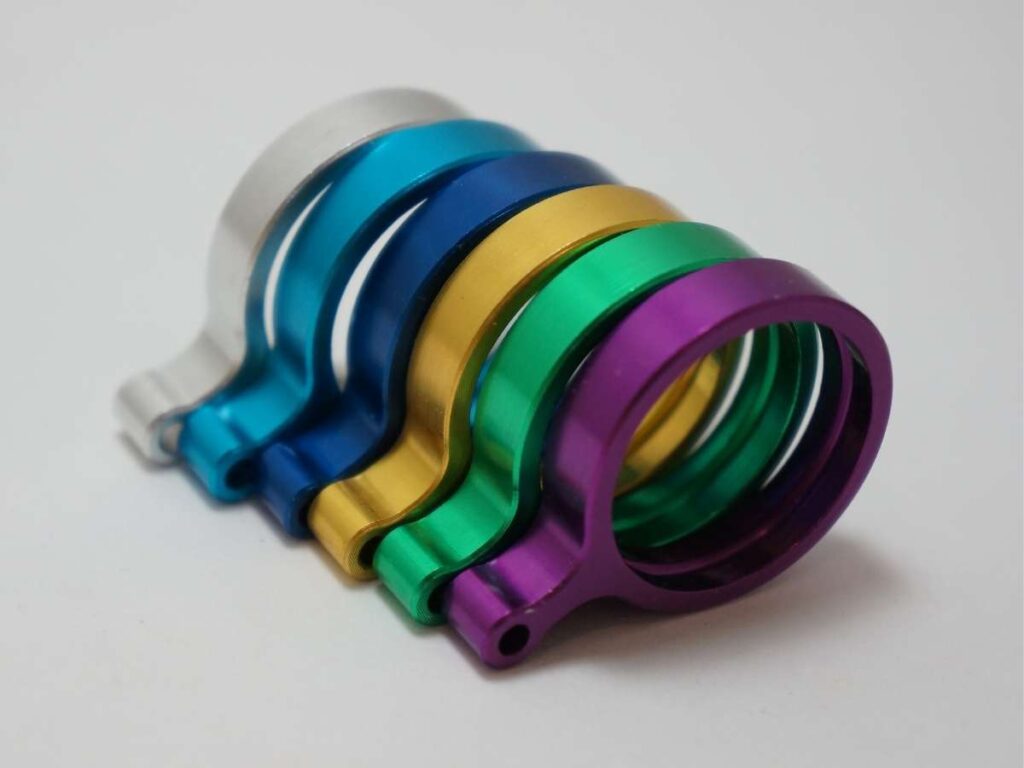
- Color options available: You can dye parts black, red, blue, and more, without changing dimensions or adding paint layers.
- Better for the environment: It uses fewer harmful chemicals and creates less waste compared to painting or plating, according to the Aluminum Anodizers Council.
Disadvantages
- Only works on certain metals: It’s best for aluminum and sometimes titanium, but not for steel or other ferrous metals.
- Finish options are limited: Most anodized parts come in matte or satin finishes, so you won’t get glossy or mirrored surfaces.
- Adds thickness to the part: The oxide layer builds up slightly, which could affect tight tolerances if not planned for.
- Higher cost for small orders: It’s not ideal for one-off parts, because setup and dye matching add extra expense.
Anodizing isn’t for every job. But when it fits, it gives your parts a clean, durable, and long-lasting finish. Now that you know the pros and cons, you can decide if it’s the right move for your next project.
4. Different Types of Anodizing Process
Not all anodizing is the same. I used to think there was just one kind—until I got the wrong type for a batch of parts.
They looked fine. But the finish wore off too fast. The shop used Type II, but I really needed Type III. If you’re ordering parts or planning a design, it’s important to pick the right anodizing type from the start.
Type I – Chromic Acid Anodizing
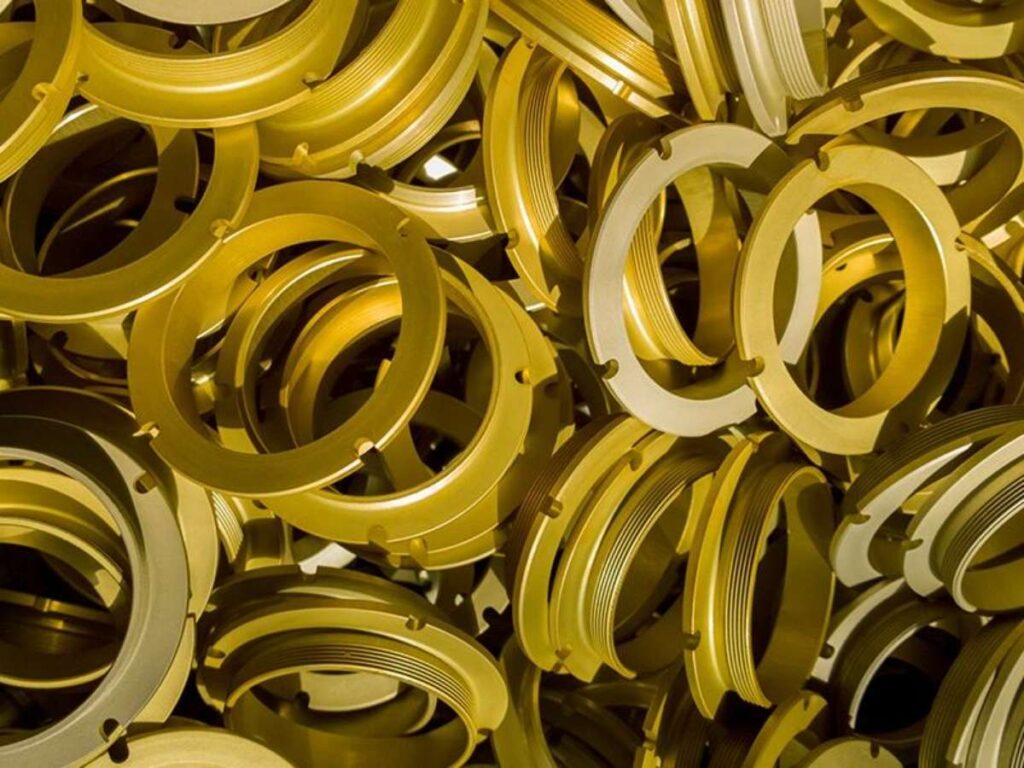
This is the oldest method. It creates a very thin layer on the surface—just enough to add basic protection.
- Best for: Parts that need to stay as close to their original size as possible
- Corrosion resistance: Mild
- Coloring: Not great for adding color
- Common use: Aerospace parts, especially where weight and size matter
I once worked with a designer building lightweight enclosures for aircraft electronics. Type I was the only option that didn’t throw off the fit. If you’re working on tight-tolerance or sensitive parts, this might be your pick.
Type II – Sulfuric Acid Anodizing
This is the most common type. It creates a medium-thickness layer and works well with color dyes.
- Best for: Consumer parts where looks and moderate protection matter
- Corrosion resistance: Good
- Coloring: Excellent
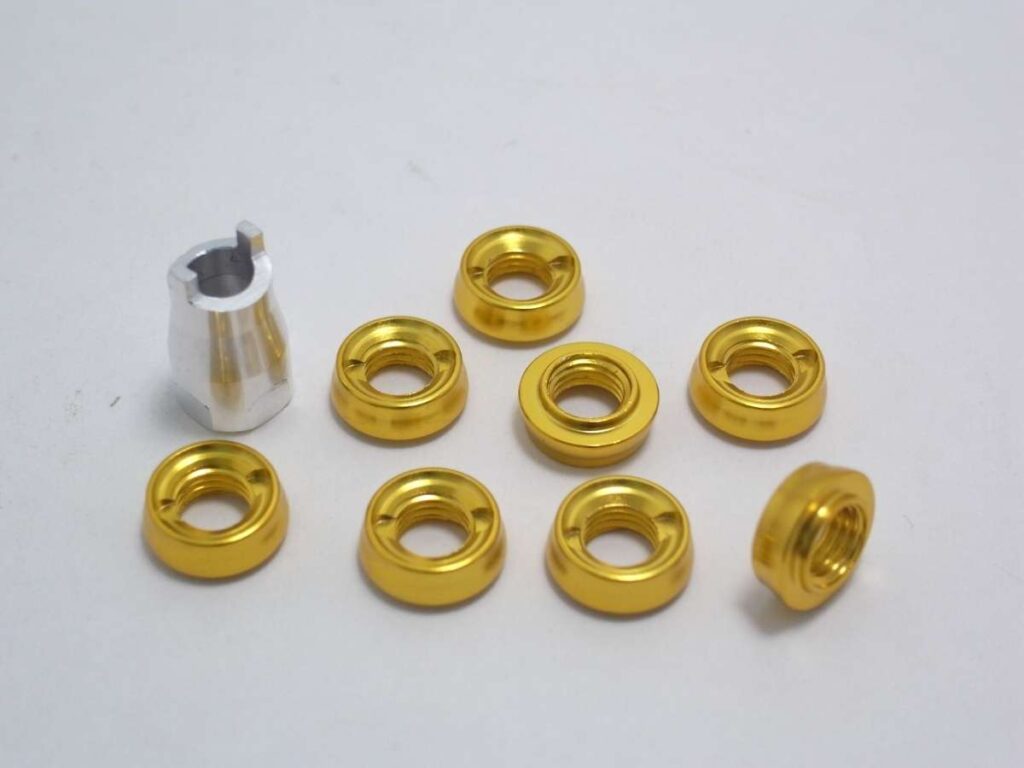
- Common use: Phone bodies, car parts, home tools, furniture
This is the type I see most often in product design. It’s flexible, affordable, and looks great. If you’re building something that needs a clean finish and basic durability, Type II gets the job done.
Type III – Hardcoat Anodizing
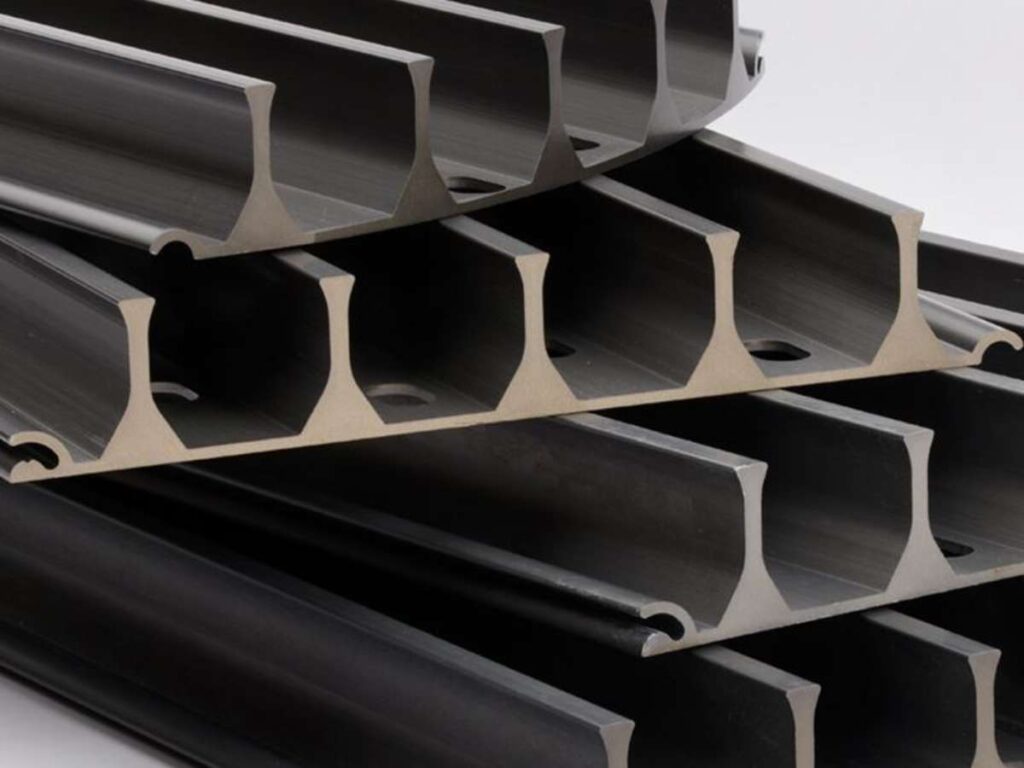
This is the heavy-duty version. It creates a thicker, harder oxide layer that can handle more abuse.
- Best for: Industrial parts exposed to friction, chemicals, or outdoor wear
- Corrosion resistance: Excellent
- Coloring: Limited (usually darker shades)
- Common use: Military gear, factory equipment, automation parts
I’ve seen hardcoat finishes on parts that take a beating every day—and still look solid months later. If your project involves heavy use, harsh conditions, or critical performance, Type III is worth considering.
5. Materials Used in Anodizing Process
If you’re thinking about anodizing, start by asking this: is your material even suitable?
Not every metal responds well to the process. Some accept the oxide layer easily. Others resist it or even react poorly. I’ve had factories reject parts because the material was wrong for anodizing. That’s why this step matters more than most people think.
Let’s look at what works—and what doesn’t.
Aluminum and Aluminum Alloys
Aluminum is the most widely anodized material. It works well because it naturally forms a stable oxide layer. This layer bonds with the metal, making it stronger and more resistant to wear.
Aluminum isn’t just good—it’s predictable. That’s important in manufacturing.
But different aluminum alloys behave differently:
- 1000 series: Pure aluminum. Great for bright finishes and smooth results.
- 5000 series: Contains magnesium. Good corrosion resistance.
- 6000 series: A popular choice. Easy to machine and anodize.
- 7000 series: Strong, but tricky. Can look blotchy after anodizing.
If you’re not sure what alloy you’re using, ask your supplier. Getting the wrong one can waste time and money.
Other Metals That Can Be Anodized (Limited Use)
Some other metals also work, but they’re less common:
- Titanium: Used in medical parts and jewelry. Takes on vibrant colors.
- Magnesium: Lightweight, but harder to handle during anodizing.
- Zinc: Rarely anodized. The surface is unpredictable.
- Niobium: Also used in jewelry. Great for decorative color effects.
These metals often need specialized processes and tight controls. Not every shop handles them.
Picking the right base material is step one. Anodizing depends on it.
6. Anodizing vs Other Surface Finishes
I’ve had plenty of conversations where people ask, “Should I anodize this—or just paint it?” It’s a fair question. There’s no one-size-fits-all answer. But once you see the differences laid out clearly, the right choice usually becomes obvious.
Here’s a side-by-side look at how anodizing stacks up against three other common surface finishes.
| Feature | Anodizing | Powder Coating | Painting | Electroplating |
| How it works | Changes the metal surface using electricity | Sprays on plastic powder and cures with heat | Applies liquid paint to the surface | Adds a thin metal layer (like nickel or chrome) |
| Layer type | Grows from within the metal | Sits on top as a thick coating | Sits on top as a thin coating | Bonds a new metal onto the surface |
| Durability | Very strong and wear-resistant | Durable but can chip under impact | Less durable—can peel or fade | Strong but may wear off in high-friction areas |
| Color options | Limited but stable | Wide range, including bright and glossy | Unlimited colors | Mostly metallic (silver, gold, chrome tones) |
| Look and feel | Matte or satin, keeps metal appearance | Coated look, sometimes glossy | Smooth or glossy depending on paint type | Shiny and reflective |
| Common uses | Tools, enclosures, electronics, aerospace | Bikes, furniture, outdoor items | Appliances, signs, consumer products | Jewelry, electronics, decorative parts |
| Eco impact | Lower chemical waste | Some waste and energy use | Higher due to solvents | Higher due to toxic chemicals |
If you’re looking for a finish that adds durability without covering up the natural metal, anodizing is hard to beat.
7. Factors to Consider When Choosing Anodizing Services
Picking the right anodizing partner isn’t just about price. There’s more to it. I’ve worked with shops that looked great on paper—but couldn’t deliver the quality or timeline we needed. Other times, smaller local suppliers surprised me in a good way.
If you want fewer headaches, here’s what to check before placing an order.
Application Requirements
Start by thinking about where and how your part will be used.
Is it indoors or outdoors?
Will it face moisture, heat, or chemicals?
Do you need it to look nice, or just perform well?
Here’s a quick breakdown:
- Indoor, decorative parts: may only need basic protection.
- Outdoor or industrial parts: need better corrosion and wear resistance.
- Moving parts: may need a smooth finish with tight tolerances.
Knowing this helps your supplier choose the right process.
Type of Anodizing Offered
Not all anodizing is the same. Different types give different results depending on what the part needs.
The three main types are:
- Type I: A thin coating made using chromic acid. It’s softer and used less often now.
- Type II: Uses sulfuric acid. This is the most common type. Good for adding color and basic protection.
- Type III: Known as hardcoat anodizing. It creates a much thicker layer and is great for high-wear or outdoor parts.
So what do you choose?
Think about what the part will face.
Will it be exposed to rough handling, moisture, or friction?
Does it need a decorative finish or heavy-duty protection?
Some supplier offer all 3 types. Others might specialize in just one. It’s a good idea to ask upfront. That way, you’re not stuck with a process that doesn’t match your application.
Batch Size and Lead Time
Some suppliers are set up for high-volume jobs. Others do better with prototypes.
Ask:
- Can they run small batches?
- What’s the average lead time?
- Do they offer rush services?
Quality Control and Certification
This part often gets overlooked—but it matters.
You want parts that are consistent, batch after batch. That means the supplier needs a solid process.
Look for:
- ISO 9001 certification
- In-house testing for coating thickness, hardness, or salt spray resistance
- Clear inspection steps before shipping
At MachMaster, we focus on meeting strict quality standards. We’re ISO 9001 certified and test for thickness and finish in-house.
That helps catch problems early—so you don’t deal with reworks later.
Not every supplier can hit those targets.
Cost vs Value
Don’t just look at price per part. Ask:
- Are coloring and sealing included?
- Do they charge extra for touch-ups?
- Will poor finishing cause rework on your end?
Sometimes paying a little more saves you a lot of trouble later. Choose value over just price.
Conclusion
You’ve learned what anodizing does, when to use it, and how to choose the right type.
From aerospace parts to consumer products, anodizing makes metal better—stronger, smoother, and longer-lasting.
And if you’ve ever felt unsure about surface finishes, now you’ve got the clarity to make the right call.
So… are you ready to take your design from “good enough” to reliable?
Start now. Contact us today. We’re here to help.
Dive Deeper Into Our Resources
Looking for more diverse service options? Browse through our handpicked selections:
For some insightful reads, we’ve curated a list of recommended articles just for you:
- What Is Anodizing of Aluminum?
- What Does Anodizing Do to Aluminum?
- How Anodizing Is Done: Step by Step
Still haven’t found what you’re looking for? Don’t hesitate to contact us. We’re available around the clock to assist you.