
The first time someone asked me, “Do you know aluminum die casting?” I nodded.
But truthfully? I didn’t.
I had a rough idea—but not enough to answer follow-up questions, let alone guide a decision. I didn’t want to seem unprepared in front of a client, so I played along. That choice cost me. I missed details. The project dragged. And honestly, I felt frustrated for not asking sooner.
If you’re reading this, maybe you’ve been in that spot too—nodding along in meetings, Googling terms afterward, wondering if die casting is the right move for your part.
You’re not alone.
Since then, I’ve worked closely with factory owners, engineers, and buyers across different industries. I’ve stood on shop floors, held freshly cast parts, and reviewed more drawings than I can count. And I’ve learned what works—and what doesn’t.
In this article, I’ll walk you through the basics of aluminum die casting: what it is, how it works, where it shines, and where it doesn’t. You’ll also get some real-world comparisons, plus tips to help you decide if it’s a good fit for your next product.
By the end, you won’t be guessing. You’ll be ready.
Let’s dive in!
1. What Is Aluminum Die Casting?
I didn’t really understand die casting until I saw it happen.
The factory was loud. Hot. A machine pumped out part after part—each one identical to the last. No grinding. No trimming. Just clean, solid shapes.
That’s when it clicked.
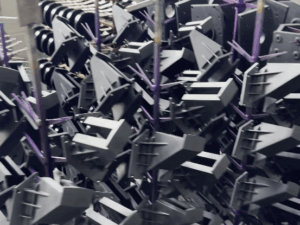
Aluminum die casting is a process. Molten (liquid) aluminum is injected into a steel mold using high pressure. Think of it like pouring cake batter into a mold—but the mold is made of steel, and the batter is 600°C aluminum.
The machine clamps the mold shut, fills it quickly, then opens once the aluminum cools and hardens. You get clean shapes with little or no extra finishing needed.
The result? Strong, lightweight aluminum parts that come out consistent every time.
You might choose this method if you need:
- High-volume production
- Consistent part shapes
- Smooth surfaces with fine details
- Fewer post-processing steps
- Lightweight but solid structure
You’ve probably touched aluminum die cast parts without even knowing it. They’re everywhere.
Common examples include:
- Automotive: engine blocks, gear housings, brackets
- Lighting: LED fixture frames
- Electronics: router shells, charger cases, laptop frames
- Machinery: tool handles, covers, internal parts
- Appliances: toaster bodies, blender parts, AC panels
Because aluminum doesn’t rust and stays lightweight, it works well in a wide range of products.
At MachMaster, we offer aluminum die casting services that help produce clean, repeatable parts—without slow production or constant rework.
2. How Aluminum Die Casting Works
The first time I saw die casting in action, I was hooked.
Speed. Heat. Pressure.
But more than anything—precision.
One small mistake, and the part fails.
If you’re new to aluminum die casting, don’t worry—it’s simpler than it sounds.
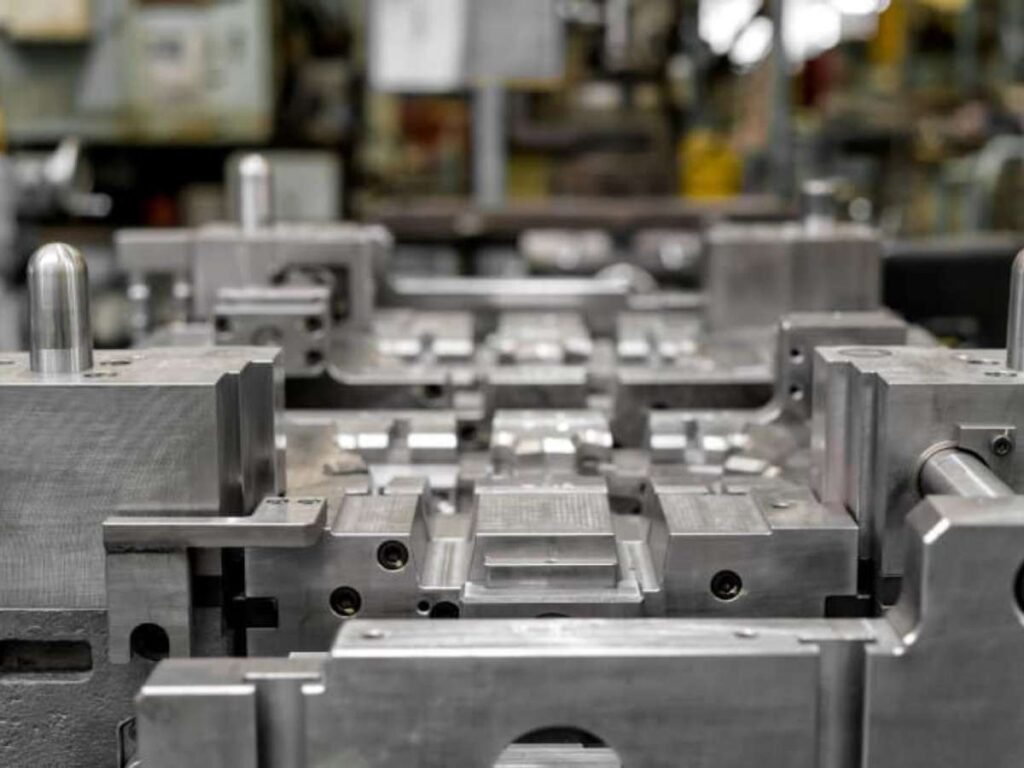
It all starts with a solid mold. No good part comes from a bad one.
Here’s the basic process:
- Build the mold (die): Made of hardened steel, shaped to match your part.
- Melt the aluminum: Usually an alloy for added strength.
- Inject the metal: A machine shoots molten aluminum into the mold—fast and under high pressure.
- Cool and open: The part solidifies. The mold opens.
- Eject and finish: The part pops out. Any extra flash is trimmed. It may be polished, coated, or drilled.
That’s it. Repeat thousands of times, and you’ve got high-volume production without starting over each time. I’ve seen raw aluminum turn into finished parts in minutes. But only when the setup’s right.
Aluminum melts hot—too hot for most machines.
That’s why factories use cold chamber die casting for aluminum:
- Molten metal stays in a separate furnace
- Only the needed amount is injected with each cycle
- Machine parts last longer under high heat
Hot chamber machines? Not great for aluminum. The heat wears them out fast.
So if you’re casting aluminum, cold chamber is the go-to.
It’s fast, reliable, and built for heavy runs.
3. Advantages of Aluminum Die Casting
So why do so many manufacturers choose aluminum die casting?
If you’re balancing cost, design, and production needs, it often checks the right boxes. I’ve seen factory owners shift entire projects to die casting after realizing how much time and rework it saved them. But like anything else, it depends on your goals.
Let’s break down the key benefits.
Technical Advantages
If your part needs to be precise, die casting delivers.
- You can hold tight tolerances
- You get consistent shapes part after part
- You can cast thin walls without losing strength
- The surface finish is usually smooth, reducing post-machining
That kind of repeatability is hard to get with other methods like sand casting or machining. If you’re designing parts that need to fit together or seal properly, this matters.
Cost Benefits (Especially in Mass Production)
Tooling can be expensive upfront. I won’t sugarcoat that.
But once the mold is made, your unit cost drops fast.
- Each cycle takes only seconds
- You can make thousands—or millions—of the same part
- Less finishing work means fewer steps and less labor
For high-volume jobs, the cost-per-part can be very low. I’ve worked with purchasing teams who were shocked at the long-term savings after switching from CNC machining.
Material-Specific Benefits
Aluminum itself brings its own advantages:
- It’s strong, but lightweight
- It resists rust
- It handles heat well and conducts it efficiently
That makes it ideal for electronics housings, engine components, and structural parts where weight matters.
Have you been trying to reduce weight without giving up durability? Die casting with aluminum might help you get there.
And that’s why many engineers and buyers keep coming back to it. It works—technically and financially.
4. Design and Material Considerations
Aluminum die casting offers a lot of flexibility. But to get the most out of it, your design needs to match the process. I’ve seen great-looking 3D models fall apart in production just because of small oversights. That’s why a few early adjustments can make a big difference.
Let’s take a look at the key things to keep in mind when designing for aluminum die casting.
Design Guidelines
Start with the basics:
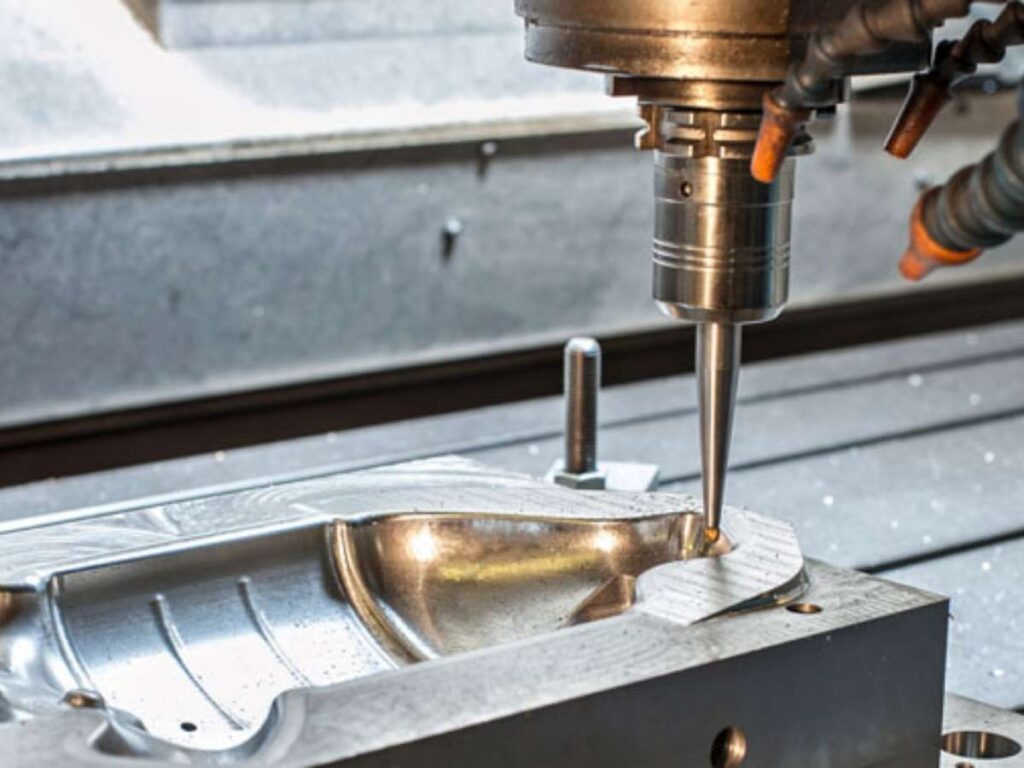
- Draft angles: These help the part release smoothly from the die. Even 1 or 2 degrees can prevent damage and sticking.
- Fillets: Rounded edges lower stress on the mold and reduce the chance of cracks or breakage.
- Wall thickness: Keep it even wherever possible. Thin areas cool too fast, thick areas too slow—that causes distortion.
Also, watch out for undercuts. These are shapes that block the mold from opening cleanly. They often need extra tooling, which adds cost and time.
Here’s a simple DFM checklist for aluminum die cast parts:
- Draft angle: 1–3 degrees
- Wall thickness: 2–4 mm
- Radii: 0.5 mm or more
- No sharp corners
- Avoid thick, solid sections
- Use ribs for support
Material Considerations
Not all aluminum alloys used in die casting behave the same. Some are stronger. Some resist corrosion better. Others are easier to cast.
Let’s take a look at three common choices for aluminum die casting:
- A360: High corrosion resistance and strength, but harder to cast
- A380: A balanced option with good castability and decent strength
- ADC12: Flows well into complex molds, widely used in general parts
The best choice depends on your part shape, performance needs, and surface finish plans. Testing a few alloys early on can help avoid problems during production.
Surface Finish Options
Aluminum die cast parts don’t have to stay raw. You’ve got finishing options depending on what’s needed:
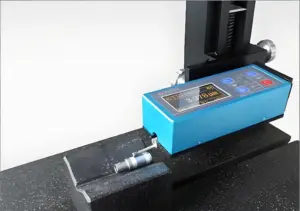
- As-cast: Slightly textured, works for non-visible or internal parts
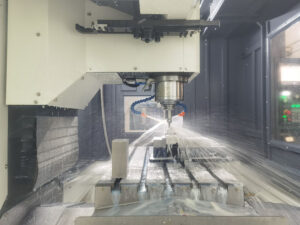
- Machined: Smoother surfaces for function or tighter fits
- Coated: Powder coating, anodizing, or painting adds both appearance and protection
Think about where the part will go and what it needs to do. That will guide the finish you pick.
Planning your design and materials early makes the aluminum die casting process smoother—and gives you better results in the end.
5. Die Casting vs Other Manufacturing Methods
Is aluminum die casting the right method for your part? Or would another process make more sense?
I’ve had to ask myself that question more than once. And I’ve learned that it really depends on your goals: volume, precision, budget, and even surface finish.
Let’s take a look at how aluminum die casting compares to other common manufacturing methods.
| Method | Best For | Precision | Surface Finish | Tooling Cost | Speed | Per-Part Cost (at Scale) | Material Waste | Durability |
| Aluminum Die Casting | High-volume metal parts that need to be repeatable and strong | High – tight tolerances | Smooth – often needs little finishing | High upfront (steel molds) | Very fast after setup | Low – once scaled | Low – metal reused | High – strong and corrosion-resistant |
| CNC Machining | Small batches or one-off custom parts | Very high – precise cuts | Excellent – can be polished | None (but time adds cost) | Slow – cut one part at a time | High – due to time and labor | High – lots of material removed | High – depends on material used |
| Plastic Injection Molding | Lightweight parts not exposed to heat or stress | Moderate – depends on mold | Very smooth – great for looks | High upfront (plastic molds) | Fast – once mold is running | Very low – especially at high volume | Low – plastic trimmed and reused | Low – weaker and melts under heat |
| Sand Casting | Large metal parts or low-volume production | Low – less accurate | Rough – needs extra finishing | Low – uses simple sand molds | Slow – long cooling times | Moderate – varies with part size | Moderate – some waste in sand reuse | Moderate – depends on alloy used |
6. Challenges and Practical Limits
Aluminum die casting has a lot going for it. But like any process, it’s not perfect.
I’ve worked on projects where die casting looked great on paper—until we hit certain limits. That’s why it’s important to know the trade-offs before you commit.
Let’s take a closer look at the challenges.
High Upfront Tooling Costs
The die—the mold used in die casting—is expensive. You’ll need to invest in it before production starts.
If you’re making thousands of parts, that cost spreads out. But for low-volume jobs, it can be hard to justify. I’ve seen projects stall just because the tooling quote blew past the budget.
Ask yourself: is this a long-term part? Or something likely to change?
Design Restrictions
Die casting works best with simple, open shapes. Deep undercuts, thick walls, and hidden pockets can be tricky.
Some features may need extra tooling like slides or cores. That adds cost and can slow down the cycle time.
If your design has tight corners or fine threads, you might need secondary machining. That means more steps, and sometimes, more money.
Size and Thickness Limits
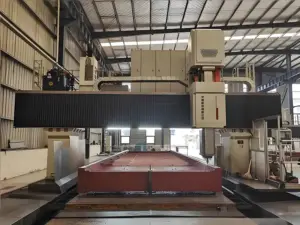
Aluminum die casting isn’t ideal for very large parts. The mold and machine size set limits. Also, extremely thick sections don’t cast well. They can trap air or cool unevenly.
From my experience, wall thicknesses over 5 mm often lead to defects unless carefully managed. And super thin walls under 1 mm can be hard to fill.
Porosity and Strength Limits
Because of the high-speed injection, tiny air pockets (called porosity) can form. These can weaken the part or cause surface defects.
If your part needs to be airtight or pressure-tight, make sure to talk about this early. Some teams switch to machining for those areas.
Knowing these limits helps you plan smarter—and avoid surprises later on.
7. 4 Factors to Consider Before Choosing Die Casting Services
Choosing a die casting supplier isn’t always easy. I’ve been there—comparing quotes, asking the right questions (and sometimes forgetting a few), and trying to figure out what really matters.
At first, I focused too much on price. Later, I learned the hard way that there’s more to it. The right supplier can save you time and stress. The wrong one can hold up your whole project.
So what do you choose? What should you check before committing?
Let’s take a look at the key things you should think about—based on real lessons learned.
Production Volume Requirements
Aluminum die casting starts with tooling. And tooling costs money.
If you only need a small batch, it might not be the best choice. But for high-volume production, the cost per part drops fast.
Ask yourself: Is my order size high enough to make that tool worth it?
Quality and Tolerance Demands
Aluminum die casting can reach tight tolerances—sometimes as close as ±0.01 mm. But that depends on the part shape, the mold design, and how the metal flows.
If your part has critical fit zones, ask upfront whether it needs secondary machining.
It’s better to know now than after the first run.
Lead Time and Tooling Setup
Tooling takes time. Most projects need 2 to 6 weeks just to build the mold.
Planning a launch date? Be sure to include tooling time in your timeline.
Also, get clarity on mold ownership. If you ever switch suppliers, this becomes important.
Supplier Evaluation Checklist
Here’s a list I go back to every time:
- Do they have ISO 9001 certification?
- Is tooling made in-house or outsourced?
- Can they handle post-machining or surface finishes?
- What’s their MOQ (minimum order quantity)?
- Do they offer room to scale up?
At MachMaster, we give clear answers to these questions from the start—including tooling ownership, in-house machining, and flexible MOQ options. It helps our customers make faster, smarter decisions.
No matter who you work with, take your time. A few extra questions now can save you a lot of stress later.
Conclusion
Now you know what aluminum die casting is, how it works, and when it’s worth using.
It’s fast, strong, and reliable—when your design and volume match the process.
If you’re building something that needs strength, scale, and consistency… don’t wait.
Start planning today.
Need help deciding if die casting fits your part?
Contact us today—we’ll walk through it with you.
Learn More: Recommended Reads
Want to see more products? We’ve got plenty of options that might just be the perfect fit for you:
Still haven’t found what you’re looking for? Don’t hesitate to contact us. We’re available around the clock to assist you.