
I used to think Type 2 and Type 3 anodizing were just about how the surface looked.
Type 2 meant color. Type 3 meant gray. That’s it, right?
Wrong.
I learned that the hard way after greenlighting a batch of parts that ended up wearing down way too fast. The finish looked nice—but it couldn’t take the heat or friction.
That mistake taught me something: anodizing isn’t just cosmetic. It’s a performance decision.
If you’re trying to figure out the difference between Type 2 and Type 3 anodizing, I get it.
I’ve been in your shoes—scratching my head over which one was “good enough” and when it actually mattered.
In this guide, I’ll walk you through what each type is, what it’s good for, and how to choose the right one based on real use—not theory.
By the end, you’ll have a simple, clear way to pick the right finish for your project—without second-guessing yourself.
So let’s begin!
Quick Comparison Chart
Before we dive deeper, here’s a quick side-by-side comparison of Type 2 and Type 3 anodizing. This table gives you a clear snapshot of how they differ in performance, appearance, and use.
| Feature | Type 2 Anodizing | Type 3 Anodizing |
| Alternate Name | Decorative Anodizing | Hardcoat Anodizing |
| Coating Thickness | 0.00007″ to 0.001″ | 0.001″ to 0.004″ |
| Surface Hardness | Lower | Higher |
| Wear Resistance | Moderate | High |
| Corrosion Resistance | Good (indoor/light use) | Excellent (harsh environments) |
| Dyeing Capability | Easy to dye, wide color range | Difficult to dye, limited to dark tones |
| Appearance | Smooth, shiny | Matte, darker, uneven in some areas |
| Electrical Insulation | Good (400–600V) | Better (up to 1,000V+) |
| Thermal Resistance | Fair | High (withstands thermal cycling) |
| Chemical Resistance | Mild chemicals | Better with acids and bases |
| Typical Applications | Consumer goods, cosmetic, electronics | Aerospace, industrial, defense, tooling |
| Cost per Sq. Inch (est.) | $$0.06$$0.15 | $$0.15$$0.30 |
| Turnaround Time | 2–4 business days | 5–10 business days |
Now that you’ve seen the quick comparison, let’s look closer at each anodizing type and what it means for your project.
1. What Is Type 2 Anodizing?
When I first started working with anodized parts, I kept hearing the term Type 2. At the time, I didn’t really understand what it meant. I just assumed all anodizing was the same.
But it’s not.
Once, I saw how Type 2 coatings reacted to real products—how they held color, how they scratched—I started paying closer attention. And if you’re choosing a finish for your own parts, you should too.
Here’s what Type 2 anodizing really means:
- Also called: sulfuric acid anodizing or decorative anodizing
- How it works: Uses sulfuric acid to create a thin oxide layer on aluminum
- Thickness: Usually between 0.00007 inches to 0.001 inches
- Purpose: Adds color options and mild corrosion resistance
That oxide layer is thinner than a human hair—but it still makes a difference. It gives aluminum a clean look and some protection, without changing the size or shape much.
At MachMaster, anodizing is one of several surface finishing options offered. Others include plating, powder coating, and sandblasting. Each one is chosen based on the material, function, and appearance you’re going for.
Here’s what makes Type 2 anodizing stand out:
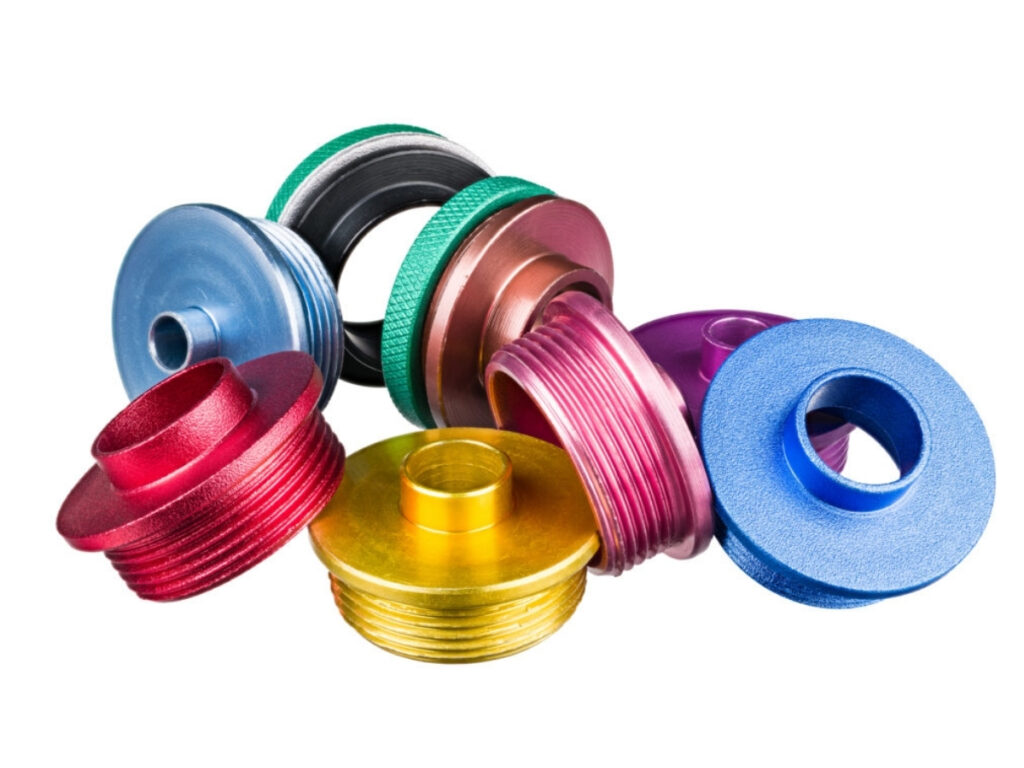
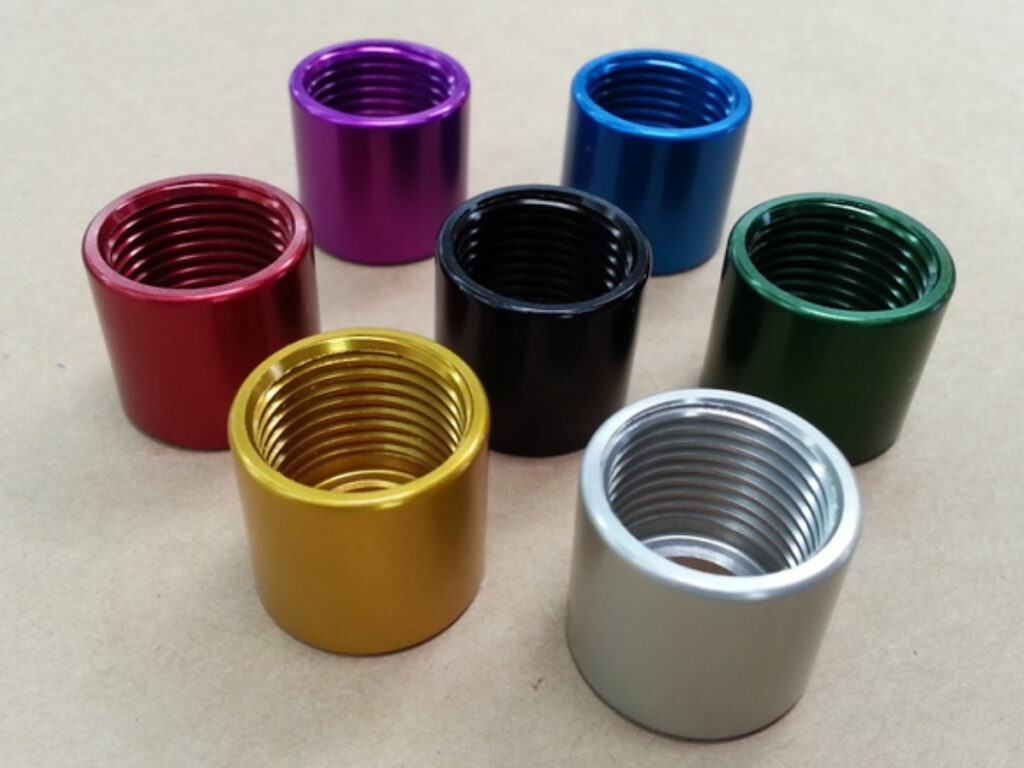
- Takes dye really well: You can get colors like black, red, blue, and gold
- Moderate corrosion resistance: Fine for daily use, but not for extreme conditions
- Lower hardness: Scratches more easily than Type 3 if handled roughly
I once used Type 2 for a batch of housing parts on a handheld device. We needed them to look clean and colorful for a trade show—not survive rough use. They looked sharp, and the finish held up just long enough to impress.
You’ll find Type 2 anodizing in a lot of common products:
- Phones and laptops: That sleek colored finish? Often Type 2
- Car trim: Like emblems and decorative edges
- Appliance panels: Where a clean, smooth look matters more than protection
- Cosmetic tools: Like compact cases or shiny metal handles
If your goal is appearance, light protection, and a lower cost, Type 2 is usually a good fit. Just make sure it matches how your part will actually be used.
2. What Is Type 3 Anodizing?
The first time I used Type 3 anodizing, I was working on a project that needed real toughness. Not just a clean look. I’m talking about parts that would take a beating every single day.
We were building sliding components for an industrial machine. Type 2 wouldn’t last. That’s when I learned what Type 3 is really made for.
Here’s what it means:
- Also called hardcoat anodizing
- Process: Uses colder temperatures and longer processing times
- Coating thickness: Usually between 0.001 inches to 0.004 inches
That’s a much thicker layer than Type 2. You can feel the difference, and your parts will feel it too—especially under stress.
Type 3 anodizing is built for performance:
- Very hard surface: Great for resisting scratches, wear, and friction
- Tough in harsh conditions: Holds up under chemicals, heat, and pressure
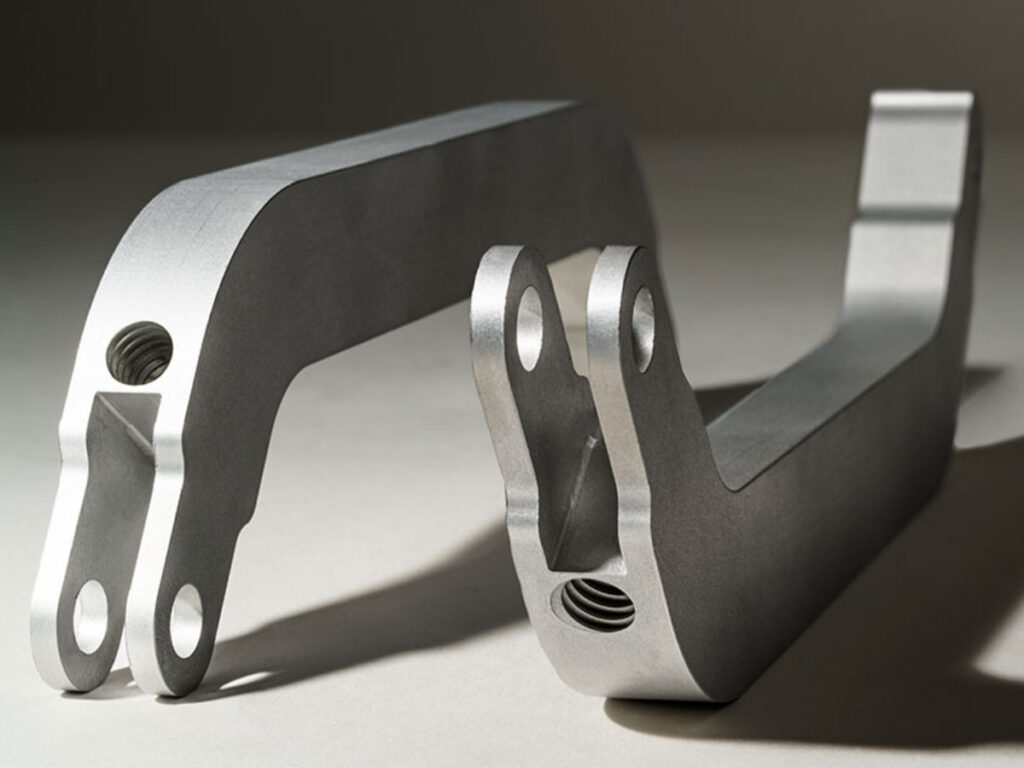
- Darker color: Usually comes out in shades of gray or black
- Harder to dye: Color options are limited, and results can be uneven
I’ve seen this coating protect machine housings that grind against other parts daily. It doesn’t flake or wear off like some coatings. It holds its ground. But if you’re looking for bright, bold colors? This isn’t the one. Dyes don’t take as easily, and it’s harder to get even results.
You’ll find Type 3 anodizing in high-stress environments, like:
- Aerospace parts: Where strength, heat resistance, and weight matter
- Defense equipment: Durable enough for field use
- Industrial machinery: Sliding parts, housings, and gears that face wear every day
- Medical or tooling components: Where precision and protection go hand-in-hand
I once worked on a batch of custom clamps for a CNC system. The customer needed them to last under constant movement.
Type 3 did the job. No scratches. No breakdowns. Just strong performance. If your parts need to last—and looks come second—Type 3 is the option you want. It’s more work. It costs more. But it delivers where it matters.
3. Performance and Durability Differences
I’ve had projects where looks mattered more than strength. And others where parts had to survive constant wear, day after day.
That’s when the difference between Type 2 and Type 3 anodizing really shows up.
If you’re trying to decide between the 2, it often comes down to performance and durability.
Wear Resistance
If your part moves, rubs, or slides—it needs wear resistance.
That’s where Type 3 stands out.
- Type 3, Builds a thicker and harder oxide layer
- Great for friction-heavy parts like gears, clamps, or sliding components
- Handles physical stress better and lasts longer under pressure
I used Type 3 for a set of parts that went through constant movement in a food-packaging machine. Months later, they still looked almost new.
Type 2 is more for light use. It helps a bit, but it’s not made to take a beating. If your part just sits in place or gets handled gently, it might be fine.
Corrosion Resistance
Both Type 2 and Type 3 protect against rust and corrosion.
But Type 3 gives stronger protection, especially when things get tough.
Here’s why:
- Thicker coating: Type 3 builds a deeper oxide layer, which blocks out moisture better
- Great for harsh conditions: Holds up well in marine, industrial, or outdoor use
- Lasts longer over time: Resists chemical damage and salt exposure
I’ve used Type 3 on parts exposed to humidity and cleaning agents. They stayed solid—no pitting, no flaking.
Now compare that to Type 2:
- Lighter protection: Works well indoors or in mild conditions
- Not ideal for chemicals or salt spray: Can wear faster if exposed too often
- Good for appearance-based projects: Where corrosion isn’t the top concern
If you’re building something that faces heat, moisture, or rough environments, go with Type 3. If it’s more about looks or basic coverage, Type 2 might be enough.
Coating Thickness and Tolerance Impact
This part matters more than most people realize.
- Type 3 thickness: 0.001″ to 0.004″
- Type 2 thickness: 0.00007″ to 0.001″
That added thickness on Type 3 can mess with tight-fitting parts. Holes might shrink. Edges might not line up. You’ll need to factor that into your machining.
Type 2, on the other hand, is thinner and better for tight tolerances or decorative parts where fit is critical.
Here’s a simple look at how they stack up:
- Type 2 Thickness: 0.00007″–0.001″
- Type 3 Thickness: 0.001″–0.004″
- Hardness: Type 3 is much harder
- Corrosion Protection: Type 3 is better for harsh use
- Lifespan: Type 3 lasts longer under wear or chemicals
Bottom line: If your part needs to last under stress, go with Type 3. If it just needs to look good and fit right, Type 2 can work well.
4. Appearance and Color Options
Looks aren’t always the priority—but when they are, anodizing type makes a big difference. I’ve worked on parts where finish was everything. Bright colors. Clean lines. Smooth texture. For those jobs, Type 2 always came out on top.
But when appearance took a back seat to toughness, Type 3 made more sense—even if it didn’t look as polished.
Visual Finish
Type 2 anodizing:
- Smoother surface
- Shinier, more reflective
- Clean and even look
Great for parts that need to stand out. I’ve used it on knobs, covers, and demo pieces where first impressions mattered.
Type 3 anodizing:
- Matte surface
- Duller, darker finish (often gray or black)
- May look uneven or chalky in spots
It’s built for function—not style. I used it once on a set of clamps that needed to hold up under pressure. No one cared how they looked—just that they worked.
Dyeing and Color Variety
If you want color, this is where Type 2 really shines.
Type 2:
- Absorbs dye well
- Supports a wide range of vibrant colors: black, red, blue, green, gold, and more
- Consistent results across parts
I’ve done custom projects in bright orange, deep blue, even hot pink. It worked every time.
Type 3:
- Hard to dye
- Fewer options (mostly black or natural gray)
- Uneven color is common
Even when dyed, Type 3 rarely gives that bold or clean look. It’s fine for function—but not for show.
Quick Comparison:
- Finish: Type 2 = shiny and smooth | Type 3 = matte and rough
- Color options: Type 2 = wide range | Type 3 = limited and harder to control
- Best for looks: Type 2
- Best for performance: Type 3
So ask yourself—does your part need to stand out, or just hold up? That answer will lead you to the right anodizing.
5. Cost and Lead Time Differences
Let’s be real—budget and timing can make or break a project. I’ve been there. You find the perfect finish, then realize it costs too much or takes too long. That’s why it’s important to understand how Type 2 and Type 3 anodizing compare in both price and lead time.
You’ll see a clear difference once you start asking for quotes.
Type 2: Lower Cost, Faster Turnaround
If you’re trying to keep costs down, Type 2 is usually the better option.
Here’s why:
- It’s a simpler process
- Doesn’t need special equipment
- Takes less time and uses less energy
- Most finishing shops can do it without delay
Because of that, Type 2 is more widely available—and cheaper to run.
Typical pricing:
- Around $0.06 to $0.15 per square inch
- Or $1–$3 per part for small to mid-size pieces (depending on volume, surface area, and color)
Turnaround is usually quick. I’ve had Type 2 jobs completed in 2 to 4 days, especially for in-stock colors like black or clear. If you need something fast, this is often the way to go.
Type 3: Higher Cost, Longer Lead Times
Type 3 costs more—and there’s a good reason for it.
- Needs chilled tanks and tightly controlled settings
- Takes longer to build the thicker oxide layer
- May need special tooling or fixturing
- Not every shop offers it
You might also run into minimum order quantities, especially for small parts.
Typical pricing:
- Around $0.15 to $0.30 per square inch
- Or $3–$6 per part, depending on complexity and thickness
Lead times can stretch out. In my experience, Type 3 jobs take 5 to 10 business days, sometimes longer if the shop is backed up or running custom specs.
Key points:
- Type 2: Faster, cheaper, more available
- Type 3: Slower, pricier, requires more setup
- Best for budget or short runs: Type 2
- Best for wear-heavy or high-performance parts: Type 3
If you’re on a tight timeline or need to keep costs down, Type 2 usually works well.
But if your part’s life depends on strength and durability, Type 3 might be worth the wait—and the extra dollars.
6. Functionality: Electrical, Thermal, and Chemical Properties
Sometimes, choosing anodizing isn’t just about how it looks or what it costs. It’s about how your part performs under real-world stress—electricity, heat, or chemical exposure. I’ve had projects fail not because of bad machining, but because we picked the wrong surface finish for the job.
If your part needs to resist more than just scratches, here’s what you need to know.
Electrical Insulation
Both Type 2 and Type 3 anodizing provide strong electrical insulation. The oxide layer they create doesn’t conduct electricity.
But Type 3 gives a bit more protection. That’s because its coating is thicker and denser.
- Type 2: Good for general insulation needs
- Type 3: Better for high-voltage or safety-critical parts
If you want numbers:
- Type 2 can handle 400 to 600 volts before breaking down
- Type 3 may handle 1,000 volts or more, depending on thickness and part design (Source: MIL-A-8625F standard)
For most projects, Type 2 works fine. But if you’re dealing with high-voltage circuits or electrical isolation, Type 3 gives you extra confidence.
Thermal Resistance
When it comes to heat, both types help—but Type 3 holds up better.
That thicker layer gives it an edge in thermal cycling, where parts heat up and cool down over and over again.
I’ve seen Type 3 used on housings near motors, heaters, and other hot spots. The coating stayed intact and didn’t flake or degrade under heat.
If your part lives in a warm environment or handles friction, Type 3 is the safer pick.
Chemical Resistance
Both Type 2 and Type 3 can stand up to most mild chemicals.
But here’s the difference:
- Type 2: Fine for water, mild cleaners, and day-to-day use
- Type 3: Better in acidic or alkaline environments
- Holds up longer when exposed to cleaning agents, oils, and even some industrial fluids
I once had a batch of parts used in a lab setting. The Type 2 coating wore down after repeated chemical cleaning. We switched to Type 3, and the problem went away.
If your part faces harsh conditions—electrical, thermal, or chemical—Type 3 offers stronger protection. But if it’s a low-stress part, Type 2 might be more than enough.
7. Factors to Consider When Choosing Between Type 2 and Type 3 Anodizing
Choosing between Type 2 and Type 3 anodizing isn’t always easy.
I’ve had clients come in asking for the “strongest” coating—thinking it was the safest choice. But once we looked closer at part fit, cost, and finish, they realized strength wasn’t the only factor.
So how do you pick the right one?
Here are some key things you should think about before deciding.
Tolerances and Coating Thickness
Anodizing adds material to the surface. That can change how your parts fit.
- Type 2 builds a thinner layer—about 0.00007″ to 0.001″
- Type 3 builds up more—up than 0.004″
If your parts snap together or slide into other components, that extra thickness matters. I’ve seen hardcoat (Type 3) ruin clearances when no one double-checked tolerances.
At MachMaster, we help you review tolerances early—so your parts fit and perform as expected.
Wear and Abrasion Resistance
How much wear will your part see?
- Type 3 is called hardcoat anodizing for a reason. It forms a tougher, more wear-resistant layer.
- Type 2 is softer. It works well for parts that won’t see much movement or rubbing.
One client was making drawer slides. At first, they used Type 2. But after a few months, wear marks showed up fast. We switched them to Type 3—and the problem disappeared.
If your parts move or take regular friction, go with Type 3.
Corrosion Protection
Both types protect aluminum from corrosion.
But how much protection you get depends on the environment.
- Type 3 handles moisture, salt, and harsh chemicals better. It’s great for outdoor, marine, or industrial settings.
- Type 2 is good for indoor, clean, and dry environments.
If you’re making parts for outdoor gear or cleaning-heavy areas, Type 3 is the safer choice.
According to MIL-A-8625F, Type 3 anodizing is rated for heavy-duty corrosion and wear protection.
Appearance and Color Options
Some parts need to look good. Others just need to last.
- Type 2 takes color well—bright blues, reds, golds, and clear finishes are all possible.
- Type 3 is harder to dye. It usually ends up black or dark gray, with a matte look.
I once worked with a designer who needed sleek, colorful parts for a home appliance. Type 2 gave him the finish he wanted. Another customer building outdoor brackets didn’t care about color—they needed durability, so we used Type 3.
Ask yourself: Do I need this part to look great—or just work hard?
Conclusion
Choosing between Type 2 and Type 3 anodizing isn’t just about specs—it’s about knowing what your part truly needs. You’ve seen how they differ in thickness, strength, color, and cost.
I started this journey confused, but once I understood the impact of each type, I stopped guessing—and you can too.
Your next step? Decide based on your real priorities: performance, appearance, or budget.
What does your part face every day—and what kind of finish does it deserve?
Contact us today to get expert advice.
Explore More of Our Resources
Want to learn more? Here are some articles filled with valuable tips and information to guide you further:
Still haven’t found what you’re looking for? Don’t hesitate to contact us. We’re available around the clock to assist you.