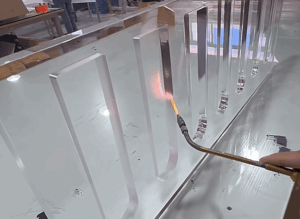

The first time I machined titanium, I thought I broke the tool.
The bit screamed. Chips flew like sparks. Then silence. The spindle just stopped.
That job taught me a lot. Titanium isn’t hard to machine because it’s stronger than everything else. It’s hard because it behaves differently. It holds heat. It wears tools fast. It takes planning.
If you’re working with titanium or thinking about it you might be wondering: Can this really be machined well? Is it the right fit for my parts?
I’ve asked the same questions.
In this guide, I’ll walk you through what I’ve learned the hard way.
You’ll get the facts about titanium machining, how it behaves, how to handle it, and how to decide if it works for your production.
By the end, you’ll have what you need to make a confident choice and get better results.
So let’s get started!
1. What Is Titanium CNC Machining?
CNC stands for Computer Numerical Control. It’s a method of shaping parts using automated machines that follow precise instructions. Instead of cutting metal by hand, you use software to tell the machine exactly what to do.
Titanium CNC machining is one way to do that, specifically with titanium. It’s a subtractive process, which means the machine starts with a solid block of titanium and removes material step by step. It can drill, mill, cut, and finish surfaces to create precise parts.
I remember my first titanium job. I skipped a few of those steps especially cooling and paid the price. Burnt tools. Missed specs. Lots of rework.
Titanium isn’t like machining aluminum or steel. It’s strong, but it behaves differently during cutting. Here’s why:
- High Cutting Resistance: Titanium is tough. It takes more force to cut, which wears out tools faster.
- Heat Build-up: Unlike some metals, titanium doesn’t carry heat away in chips. It holds heat at the cutting edge, which damages tools.
- Tool Wear: Without the right speeds and feed rates, your cutting tools won’t last long.
- Vibration and Chatter: Titanium parts can flex slightly during machining. That causes vibrations, poor finishes, and dimensional inaccuracy.
2. Benefits of Titanium in CNC Machining
The first time I worked with titanium, I didn’t understand what made it different. I just knew it wore out my tools faster and needed slower speeds. But once I learned how it behaves and why people still choose it I started to see its value.
Titanium isn’t just hard to machine. It’s also full of upside if you know what you’re doing.
Mechanical and Performance Benefits
- High Strength-to-Weight Ratio: Titanium is strong but doesn’t weigh much. That means you can build parts that hold their shape under pressure without adding bulk.
- If you’re working on designs where weight matters, this is a big deal. It helps your parts stay reliable without being oversized.
- Corrosion Resistance: Titanium doesn’t rust or break down easily. Even in moisture or chemical exposure, it holds up well.
- You don’t need to add coatings or worry about it breaking down over time. I’ve seen titanium parts last for years in rough conditions without any visible wear.
- High Temperature Stability: Some materials get soft or lose strength when heated. Titanium holds up. Depending on the grade, it can stay stable at up to 400–600°C.
- That makes it useful for any design that might face high heat or repeated heating and cooling.
- Non-Magnetic and Biocompatible: Titanium doesn’t interfere with magnets, and the body accepts it well. If you’re working on parts where magnetism or safe contact with the body matters, titanium checks both boxes.
Machining and Manufacturing Benefits
- Precision-Capable: Titanium holds tight tolerances. You can design for ±0.01 mm or even tighter. It also resists stretching or shrinking under stress. That helps your part stay consistent during machining and in actual use.
- Finish-Friendly (With the Right Setup): Titanium can look rough if you use dull tools or bad feeds. But with sharp inserts and the right speed, it cuts clean.
Operational and Long-Term Benefits
- Extended Service Life: Titanium stands up to wear, bending, and repeated stress. That means your parts won’t crack or wear out quickly.
- Reduced Maintenance Needs: Once a titanium part is installed, it tends to stay in good shape. If you’re designing for long-term use, this saves time and avoids costly replacements.
- Design Flexibility Without Compromise: You don’t have to pick between performance and form. With good planning, titanium can handle both. It gives you strong, lightweight, precise parts—without forcing design sacrifices.
Titanium asks for more up front. More time. More planning. But it gives back in strength, stability, and lifespan.
If you’re wondering whether it’s worth it the answer depends on your goals. If your design calls for performance, titanium might be your best bet.
3. Titanium Grades Used in CNC Machining
Not all titanium is the same.
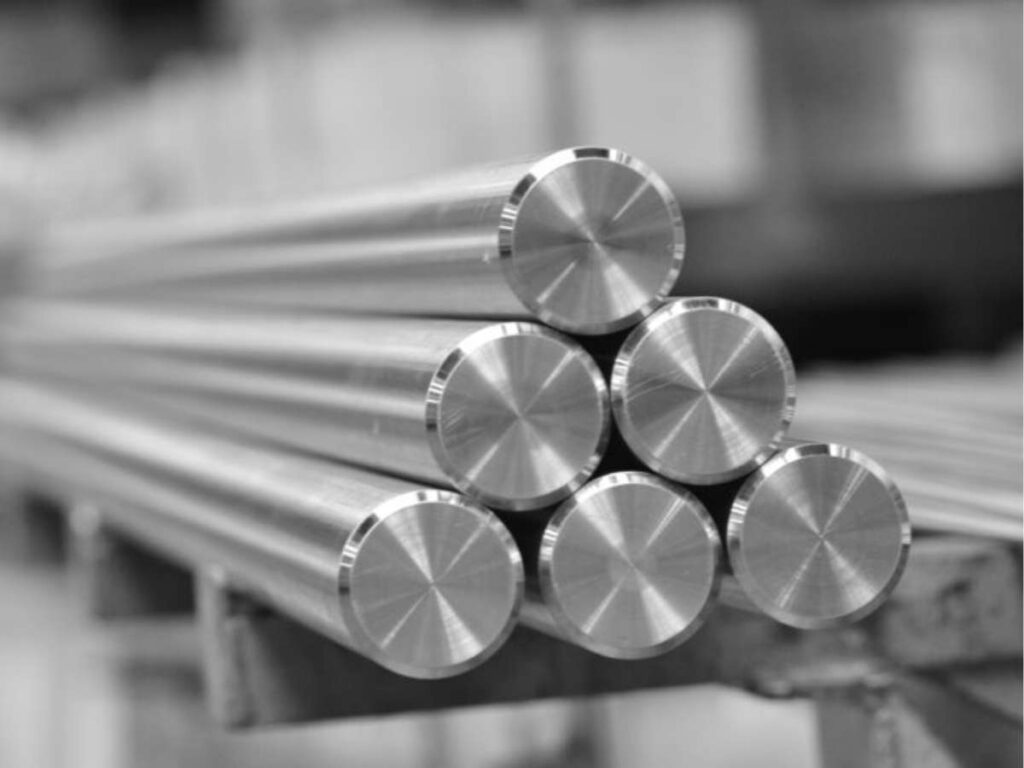
Different grades have different strengths, costs, and machining challenges. I learned that the hard way is when I accepted a job with no clear material spec. The buyer just said “titanium.” We ended up using the wrong grade and had to remake the entire batch.
If you’re working with titanium, choosing the right grade matters. It affects how the part performs, how easy it is to cut, and how much it costs.
Here are 3 grades you’ll see most often in CNC machining:
Grade 2: Commercially Pure Titanium
- Almost pure titanium (around 99%)
- Easier to machine than other grades
- Great corrosion resistance
- Common in chemical equipment, heat exchangers, and marine parts
This grade is softer than others. That makes it easier to cut, but less strong.
I’ve used Grade 2 for simple parts that didn’t need high strength. It saved time and money.
Grade 5: Ti-6Al-4V
- Alloyed with 6% aluminum and 4% vanadium
- Stronger and more durable
- But also harder to machine
- Used in aerospace parts, implants, and high-stress components
This is the most popular titanium grade for precision machining. If someone asks for “titanium,” they probably mean this.
I’ve machined Grade 5 more than any other. Once you get your settings right, it cuts clean but it can be rough on tools.
Grade 23: Ti-6Al-4V ELI (Extra Low Interstitials)
- A medical-grade version of Grade 5
- Fewer impurities = better for use inside the body
- Used in dental implants, bone screws, surgical tools
It’s more expensive, but necessary for anything implanted long-term.
What Grade Is Right for You?
Here’s how to decide:
- Need easy machining and corrosion resistance? Go with Grade 2.
- Need high strength and wide industry use? Grade 5 is the best choice.
- Need biocompatibility for medical use? Grade 23 is worth it.
Most vendors suggest Grade 5 because it’s a good middle ground. It’s strong, durable, and available in many shapes and sizes.
If you’re not sure what to choose, start there and ask the supplier for a material cert (like ASTM B348 or F136) so you know exactly what you’re getting.
4. Common Titanium Machined Parts
Titanium shows up in more places than you might think.
Once you understand how it behaves and get the machining right it becomes a solid choice for high-performance parts.
I’ve worked on jobs where titanium made the difference between failure and long-term success. The same part, made from steel, cracked under stress. The titanium version lasted for years.
Medical
Titanium is biocompatible. That means it’s safe to use inside the human body.
You’ll often find it in:
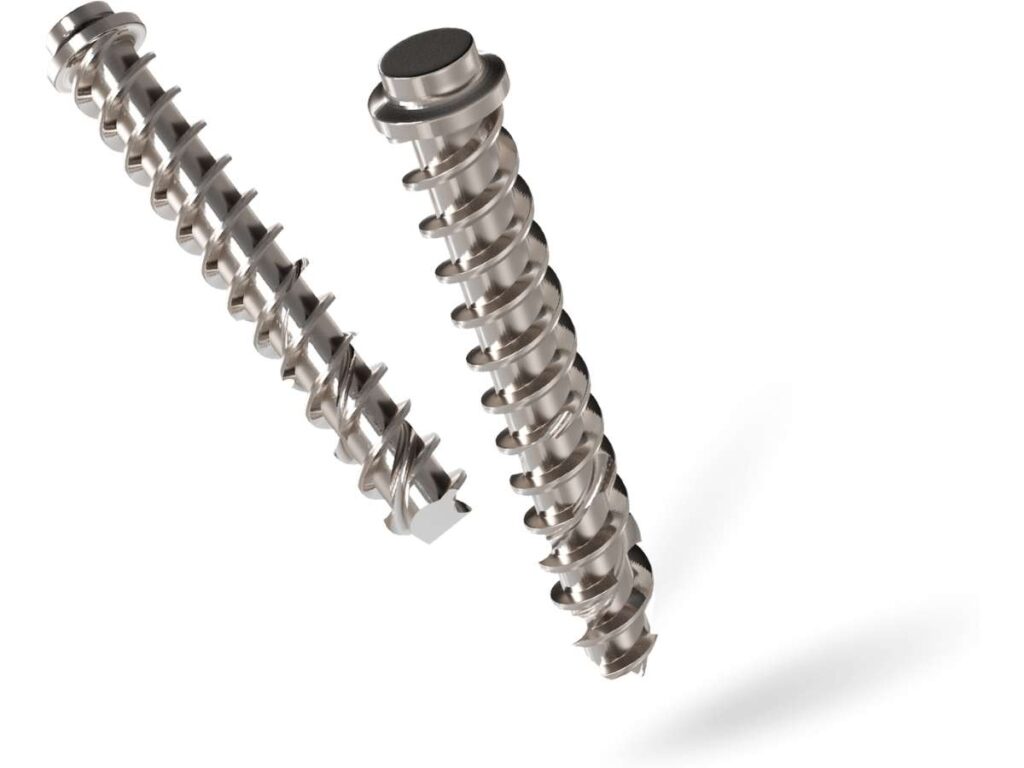
- Bone screws
- Orthopedic plates
- Dental posts and implants
These parts must be strong, lightweight, and non-reactive. Titanium fits all three. It also bonds well with bone over time especially when surface-treated.
I’ve worked on low-volume runs of bone screws. The tolerances were tight, but the material held its shape, even during hard milling.
Aerospace
This is where titanium really shines.
Its strength-to-weight ratio makes it perfect for flight parts. Plus, it holds up under extreme heat.
Common titanium aerospace parts include:
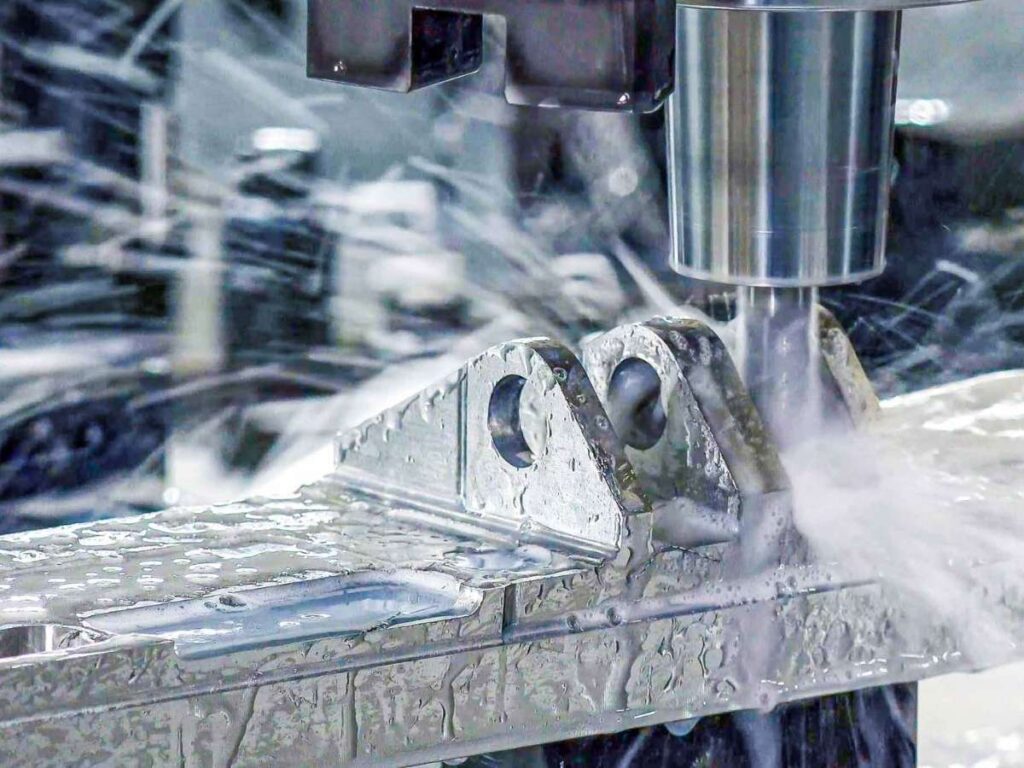
- Structural brackets
- Actuator housings
- Turbine components
One bracket I machined for an aircraft system replaced a heavier steel version. It saved almost 1.5 pounds per unit and passed all stress tests.
That’s big when you multiply it across a fleet.
Automotive
In high-end or racing applications, titanium is used to cut weight and handle heat.
You’ll often see:
- Suspension components
- Fasteners and bolts
- Exhaust system parts
Some clients asked for custom titanium exhaust tips. After polishing, they looked clean, ran cool, and outlasted the steel ones by miles.
Consumer Products
Titanium’s look and feel make it popular in everyday gear too.
Examples include:
- EDC (everyday carry) tools
- Bicycle components
- Watch cases and bezels
I’ve machined bike stems and knife handles that needed both toughness and a sleek finish. Titanium delivered both.
5. Best Practices for Titanium CNC Machining
Titanium can be a tough material to work with.
But with the right plan and the right setup you can get great results.
I’ve run titanium jobs that went smooth from start to finish. I’ve also had parts fail because we rushed the setup or didn’t adjust the feeds. Experience matters. So does knowing how titanium behaves.
Design for Manufacturability (DFM) Tips
Before you even start cutting, the part design matters.
Titanium doesn’t like overly complex cuts. It’s not very forgiving.
Here are a few design tips to help things go smoothly:
- Keep designs simple when you can
- Avoid thin walls . They vibrate, chatter, and can distort
- Watch out for sharp internal corners tools struggle to reach these
- Give enough space for the cutter to access features without awkward angles
I once had a job with tiny slots on a titanium bracket. We had to reprogram the toolpaths twice just to avoid tool breakage. A small design change would’ve saved us hours.
Machining Parameters & Techniques
This is where most titanium jobs succeed or fail.
You can’t treat titanium like steel or aluminum. It needs its own playbook.
Use these machining tips:
- Use carbide tools, preferably with TiAlN coating (great for heat resistance)
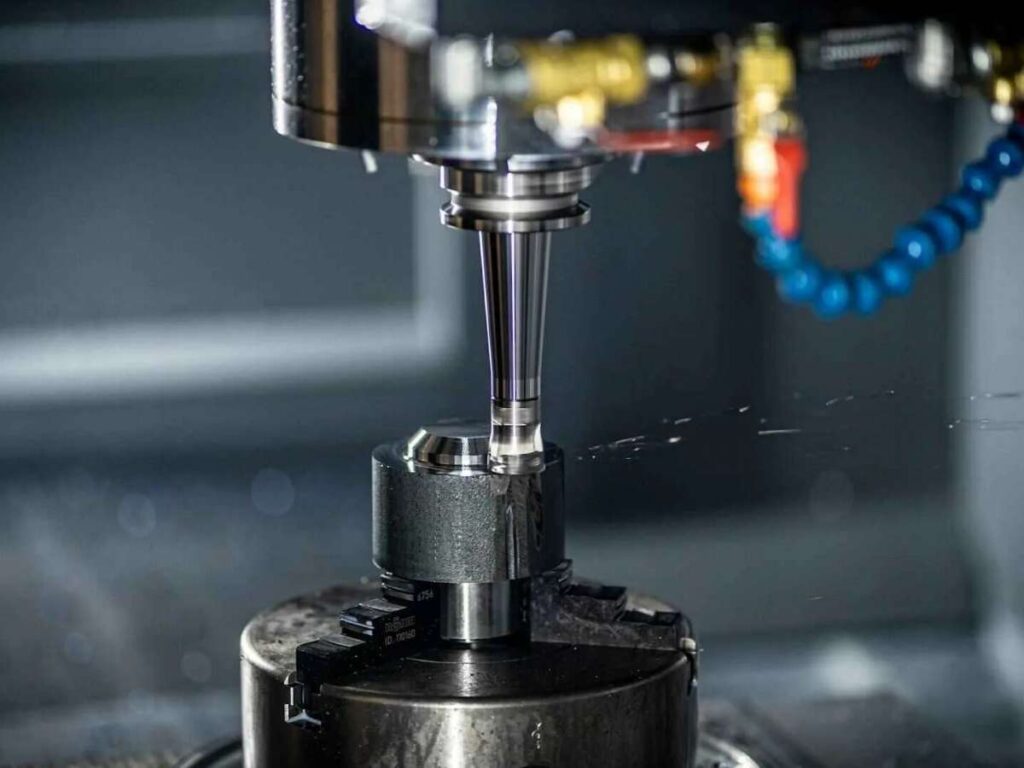
- Lower RPM, but increase feed rate slightly keeps heat out of the cut
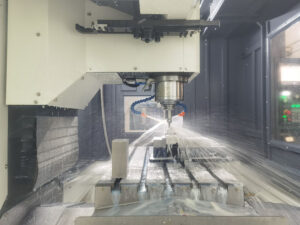
- Use plenty of coolant flood or high-pressure works best
- Use climb milling (cutting with the feed direction) for smoother cuts
At MachMaster, we’ve seen how poor fixturing or generic tooling strategies can ruin titanium parts. That’s why we offer guidance on optimal feeds, coated tooling, and coolant methods even before production begins.
Coolant can make or break your tool life. I’ve had tools last three times longer just by upgrading to high-pressure delivery.
Avoiding Common Pitfalls
Titanium punishes mistakes. Here’s what to watch out for:
- Don’t use aluminum or steel speeds they’ll overheat and dull tools fast
- Minimize dwell time (when the tool stops moving in the cut) this can work harden the titanium, making it even harder to cut
- Use rigid fixturing to reduce vibration and tool deflection
Rigidity is key. On a past project, switching to a heavier-duty fixture made the difference between a failed part and a clean run.
If you’re outsourcing titanium work, make sure the shop has experience. The setup, tooling, and strategy all play a role.
6. Titanium vs. Other Metals: What’s the Difference?
Titanium isn’t the only choice for CNC machining.
But it might be the right choice if you know what makes it different.
I’ve had customers ask, “Why does titanium cost so much more?” And the truth is, it’s not just about the price of the metal. It’s about the performance, the machining time, and the value over the part’s life.
| Factor | Titanium | Aluminum | Stainless Steel | Inconel |
| Weight | Light (about 45% lighter than steel) | Very light (one of the lightest structural metals) | Heavy | Heavy |
| Strength | Very high—especially for its weight | Medium—good for low-stress parts | High—but also heavy | Very high—even at extreme temps |
| Heat Resistance | Excellent—holds strength at high temperatures | Poor—loses strength with heat | Decent—better than aluminum, but worse than titanium | Outstanding—used in jet engines, extreme heat areas |
| Corrosion Resistance | Very high—great in saltwater and harsh chemicals | Good—but can oxidize over time | High—good for water, acids, and general corrosion use | Excellent—even in chemical or high-temp settings |
| Machinability | Moderate to low—hard on tools, requires slow cutting | High—machines quickly, easy on tools | Medium—needs care, but more forgiving than titanium | Low—very tough, slow, tool-intensive |
| Tool Wear | High—tools dull fast without correct speed and cooling | Low—tools last long, even in high-speed cuts | Medium—can dull tools, especially on long runs | Very high—burns through tools quickly |
| Surface Finish | Excellent with proper setup | Smooth and clean easily | Can be rough if feeds/speeds are off | Challenging—prone to work hardening and tearing |
| Cost per Part | High upfront, but long-lasting and lightweight |
7. Choosing the Right CNC Machining Method for Titanium
Titanium doesn’t always play nice. The machining method you choose can make your job easier—or harder. I’ve been there. What looked simple on paper turned into broken tools and blown timelines because I picked the wrong setup.
So how do you choose the right one?
Start by thinking about your part’s shape, size, and what matters most: accuracy, cost, or speed.
3-Axis CNC Milling
Choose this if your part has flat features and basic geometry.
3-axis mills move in straight lines up/down, left/right, front/back. They’re a solid choice for simple pockets, drilled holes, and open shapes. At MachMaster, we often use this method when the design doesn’t require angled cuts or deep cavities. It keeps things fast and budget-friendly, especially for short runs or less complex parts.
5-Axis CNC Machining
Choose this if your part has curves, angles, or features on multiple sides.
5-axis machines tilt and rotate, allowing the tool to reach tough spots without flipping the part. That means fewer setups, better surface finish, and higher accuracy. If your design calls for tight tolerances and complex geometry, this is the way to go. I’ve used it for titanium parts with multi-face details that just wouldn’t work on a 3-axis machine.
Swiss Turning or Mill-Turn
Choose this if your part is small, round, and needs consistent accuracy.
These machines spin the part while cutting great for shafts, pins, screws, or bushings. You get tight tolerances and clean finishes, even on tiny features. I once tried milling titanium dowels, and it was rough. Switching to Swiss turning gave faster cycle times and better tool life.
When to Use Each Method
Ask yourself:
- Is the part simple or complex?
- Does it need tight tolerances?
- How many do I need?
- What’s my budget?
Here’s a quick breakdown:
- 3-axis: For simple parts and tighter budgets
- 5-axis: For precision parts with multiple surfaces
- Swiss Turning: For small round parts that need consistency
Titanium isn’t forgiving. Picking the right method early can save you from stress later. Trust me I’ve learned that one the hard way.
Conclusion
Titanium is strong, light, and long-lasting.
But it’s tricky to cut without the right tools and setup.
This guide gave you everything: grades, methods, best practices, and real-world advice.
You don’t have to guess anymore. I’ve made the mistakes so you don’t have to.
Now it’s your move.
At MachMaster, we machine titanium every day, with tight tolerances, clean finishes, and fast lead times.
Contact us today to get started.