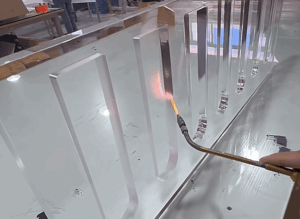

I used to think sandblasting was just for looks.
Make something matte, remove rust, smooth out a weld. That was it, right?
Turns out, it’s way more than that.
Surface texture affects bonding, it affects paint and how your part performs.
If you’re here asking What is sandblasting? you’re probably trying to solve a problem or avoid one. You might be designing a product, sourcing parts, or running a shop.
This guide is for you. I’ll show you exactly what sandblasting does, how it works, and when it makes a difference.
Let’s begin!
1. What is Sandblasting?
Have you ever held a part in your hand and thought, Why won’t this paint stick?
I have. And more than once, the problem wasn’t the coating. It was the surface underneath.
That’s where sandblasting comes in.
Sandblasting is a type of surface treatment. It uses compressed air to shoot a stream of abrasive material onto a surface. Think of it like pressure washing but with grit instead of water.
The goal is simple, to change the surface. You can clean it, roughen it, or prepare it for the next step in your process.
This is often done before painting, coating, bonding, or welding. Without that prep, the finish might not last. Or worse it might fail.
Now that you know the basic idea, let’s talk about what materials you can sandblast safely.
Materials That Can Be Sandblasted
Different materials respond in different ways. Here are some common ones you might work with:
- Metal: steel, aluminum, brass
- Plastics: some can be blasted, but gently
- Glass: often used for etching
- Stone and wood: mainly for non-industrial or decorative work
Be careful with softer materials. The blasting process can damage or warp them if the settings aren’t right.
Use of Sandblasting
So, why bother with this step at all?
Here’s what sandblasting can help you do:
- Remove rust, old paint, or scale
- Roughen smooth surfaces to improve adhesion
- Add texture for better grip
- Clean welds or prep parts for final finishing
It’s a small step with a big impact.
Want cleaner finishes and stronger bonds? Sandblasting might be exactly what you’re missing.
2. How Sandblasting Works
The first time I watched someone sandblast a part, I expected a messy cloud of dust and noise.
What I didn’t expect was the precision. Every move had a purpose.
If you’re new to this, don’t worry. The process might seem technical at first, but once you break it down, it’s easy to understand.
Let’s walk through the steps.
Prep
Before anything else, you need to prepare the part.
This means cleaning it and masking off any areas you don’t want blasted. Think of it like taping edges before painting a wall. You only want the abrasive to hit where it’s needed.
Media Selection
Next, you’ll choose your blasting media. Media just means the type of grit or particles you shoot at the surface. This depends on the material and the finish you’re trying to achieve. Want a smooth satin look? Try glass beads. Need heavy rust removal? Aluminum oxide might work better.
Equipment Setup
Now it’s time to get your equipment ready:
- An air compressor to provide pressure
- A blast gun or nozzle to control the stream
- A cabinet for enclosed jobs or an open-air setup for large parts
Blasting
This is where the action happens.
You’ll adjust the pressure and your movement to create a consistent finish. Go too slow, and you might overdo it. Go too fast, and the surface may come out uneven.
Post-Blast Cleanup
After blasting, clean the part thoroughly.
Blasting leaves behind dust and loose media. Dry the part and inspect the surface. This step matters, especially if you’re bonding or coating next.
Getting this process right takes practice. But once you do, the results speak for themselves.
3. Common Types of Sandblasting
Once you understand how sandblasting works, the next step is figuring out which type fits your project best.
Not all blasting methods are the same. Each one comes with its own pros, cons, and setup.
Let’s go through the most common types.
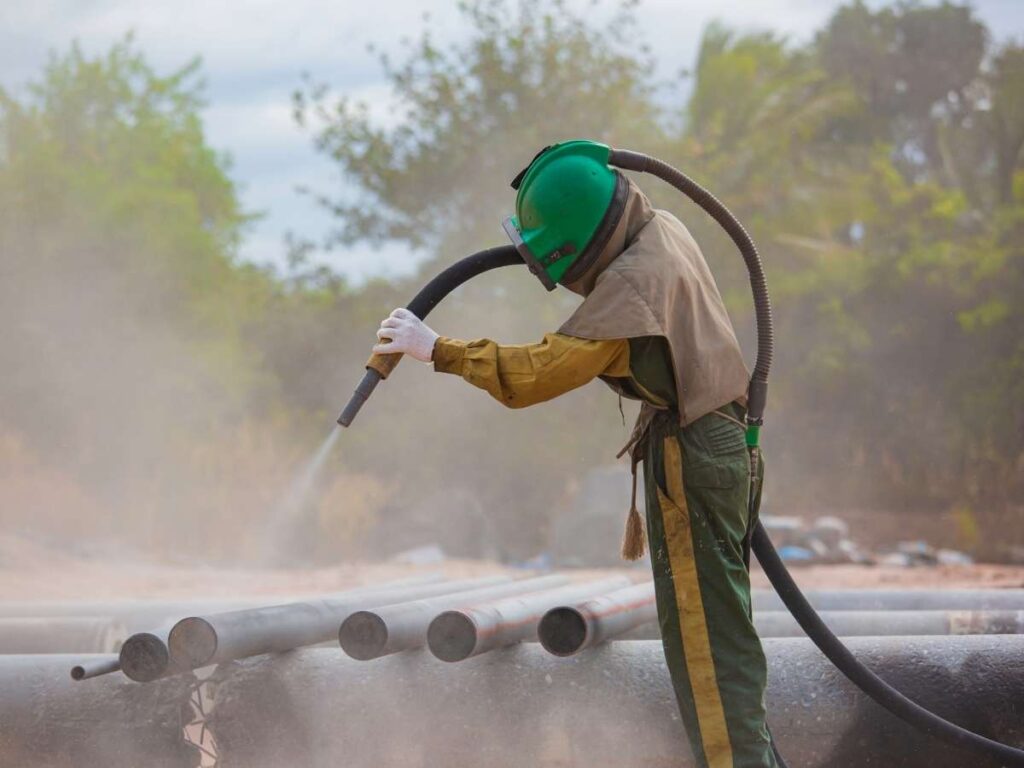
Dry Sandblasting
This is the version most people think of first.
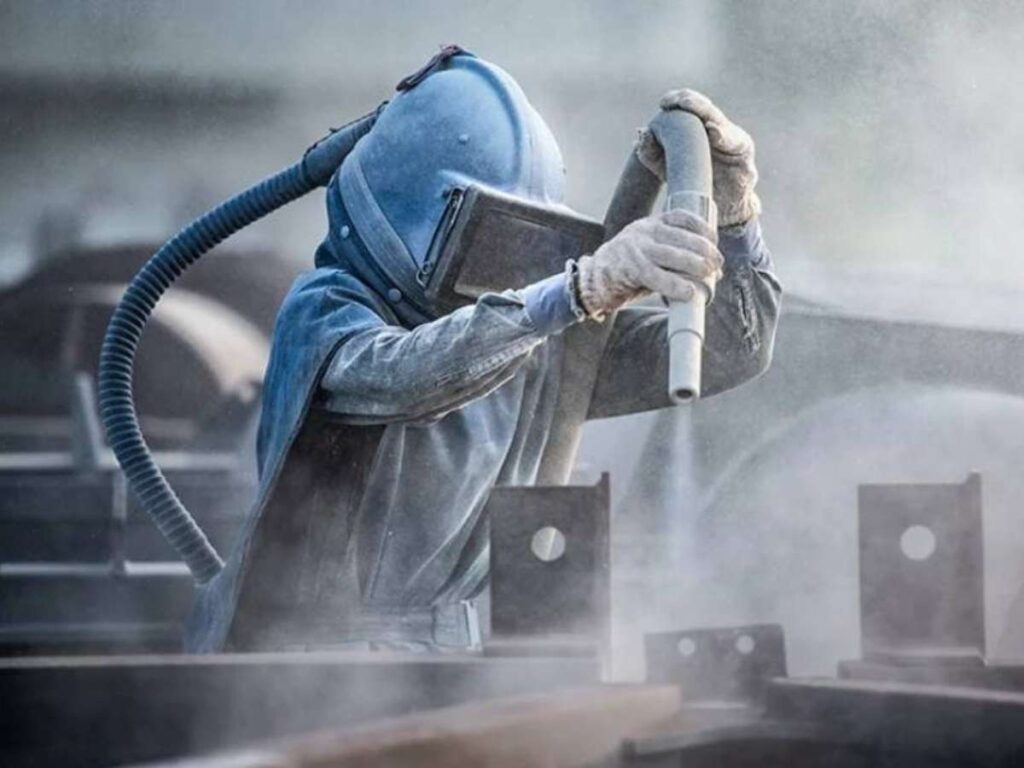
Dry sandblasting uses compressed air to blast abrasive particles at a surface. There’s no water involved. It’s fast and effective, great for removing rust, paint, and heavy buildup.
But here’s the catch: it creates a lot of dust. You’ll need proper ventilation and protective gear.
I once worked in a shop that skipped this step. Let’s just say… we didn’t make that mistake twice.
Wet Sandblasting
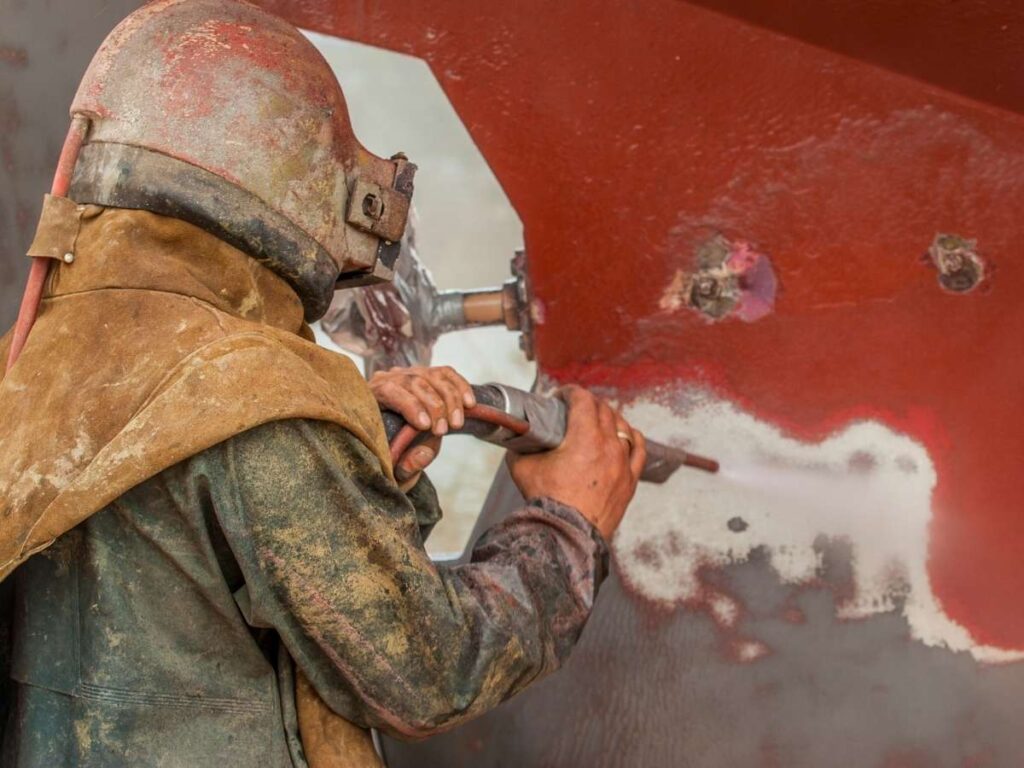
If dust is a problem, wet sandblasting might be the better option.
It uses water mixed with abrasive. That water helps keep dust down and cools the surface at the same time. It’s a bit slower than dry blasting, but much cleaner.
This is helpful when blasting delicate parts or working in small indoor spaces.
Vacuum Sandblasting
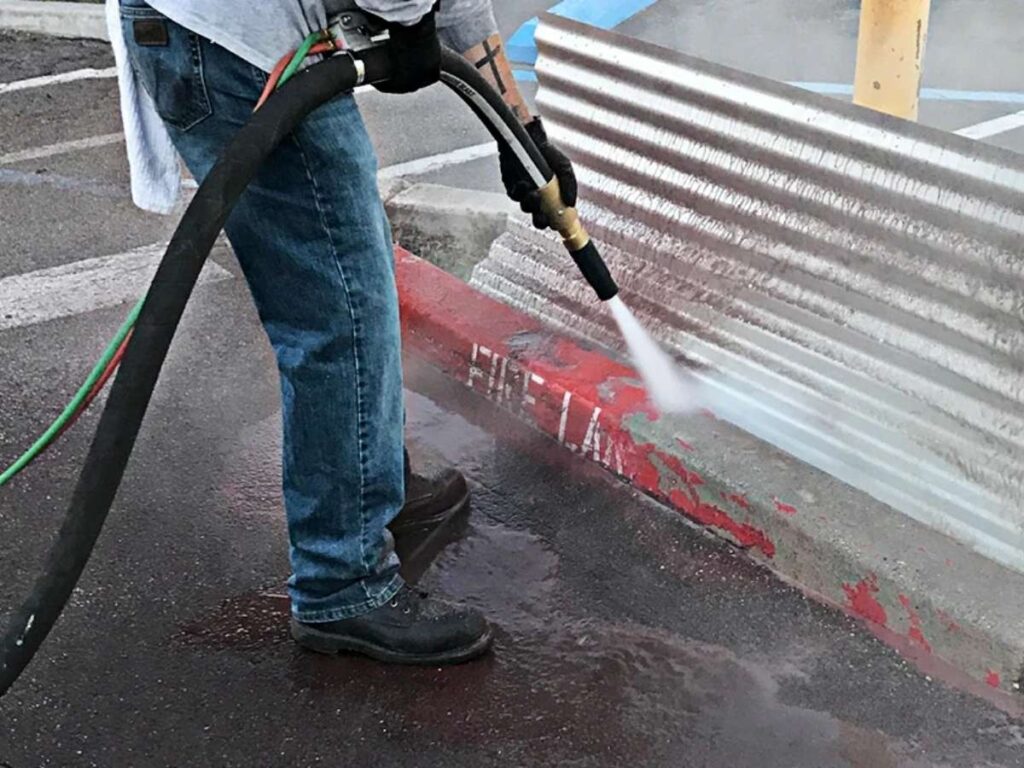
Need a clean and contained process? Vacuum blasting is your friend.
This system blasts and collects media at the same time. It’s often used for jobs where cleanup is critical—like in food or medical manufacturing.
It costs more and moves slower, but it keeps your workspace neat.
Choosing the right type depends on your space, material, and goals. Each method has its place. What matters most is what you need it to do.
4. Types of Blasting Media
Now that you know the common sandblasting methods, let’s talk about what actually hits the surface: the media.
Blasting media means the particles used in the blasting process. And your choice matters. It affects how the surface looks, feels, and performs later.
Different projects need different textures. So which one should you choose? Here’s a breakdown to help you decide.
Aluminum Oxide
This one is tough.
It’s sharp and aggressive, which makes it great for removing rust, scale, or thick paint. I’ve used it on corroded metal parts before and it stripped them clean fast.
But be careful. It can leave a rougher finish, which isn’t always what you want.
Glass Beads
Need something smoother? Try glass beads.
They create a satin-like finish and are gentler on surfaces. I’ve used them when the goal was looks over strength like prepping a piece before anodizing.
They’re reusable too, which saves money.
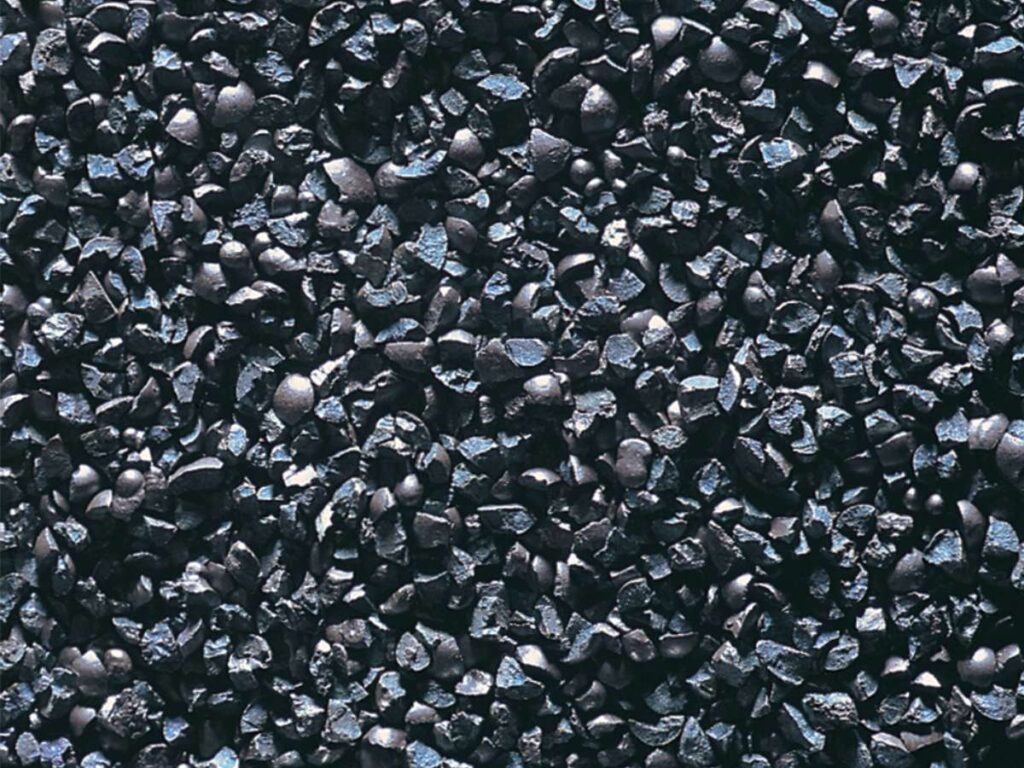
Steel Grit
Steel grit is heavy-duty.
If you’re working with large steel parts or thick coatings, this is a strong choice. It hits hard and clears fast. But it can damage soft materials, so use it wisely.
Walnut Shells or Corncob
These are soft media types.
They’re best for delicate parts like plastics or soft metals. They clean without cutting deep. I once used walnut shells on an old aluminum engine cover. It looked new without losing detail.
Silica Sand
Silica used to be common. Not so much now.
Breathing silica dust can be harmful. Because of health risks, it’s mostly been replaced with safer options.
Choosing your media depends on the job. Think about the surface you’re blasting, and what kind of finish you want. That’s where good results begin.
5. When Should You Use Sandblasting?
You might be wondering: Is sandblasting right for my project?
That’s a good question because while it’s useful, it’s not always the best fit.
Let’s go over some situations where sandblasting works well and a few where it might cause more trouble than it’s worth.
Ideal Use Cases
In the right setting, sandblasting can save time and improve results. Here are common situations where it makes sense to use it:
- Before powder coating or painting: Blasting removes surface contaminants and creates texture. That gives the coating something to hold onto.
- Before bonding or welding: Clean surfaces help adhesives and welds hold better. A roughened surface can also increase bond strength.
- When removing old coatings: Stripping paint, rust, or grime? Sandblasting can clear it fast without using harsh chemicals.
- To roughen smooth surfaces for mechanical grip: Sometimes a little texture goes a long way. If you need friction or grip, blasting can help.
These are all cases where I’ve seen sandblasting make a clear difference in performance.
When Not to Use It
But it’s not perfect for every job. In fact, blasting the wrong part can lead to rework or damage.
Avoid sandblasting if:
- The part has tight tolerances: Blasting removes surface material. That can affect critical measurements.
- You’re working with heat-sensitive plastics: The friction from blasting creates heat. Some plastics can warp or melt.
- You have enclosed or hard-to-clean parts: Media can get stuck inside small cavities. Cleaning it out afterward is tough.
6. Sandblasting vs Other Finishing Methods
If you’re choosing a finishing method, it helps to lay out the options side by side. Each process has its strengths. The best choice depends on your surface, your goal, and your budget.
Here’s a quick comparison:
| Method | Best For | Surface Finish | Limitations |
| Sandblasting | Surface prep before painting, bonding, or welding | Matte, rough, or textured | Can remove material and affect tolerances |
| Tumbling | Smoothing edges on many small parts | Smooth, rounded | Less control, not ideal for large parts |
| Polishing | Decorative parts needing shine | Glossy, mirror-like | Time-consuming, not good for prep or grip |
| Shot Peening | Strengthening metal parts under stress | Slightly textured | Doesn’t clean or prep for coating |
| Chemical Treatment | Precision etching or plating prep | Depends on chemical used | Hazardous waste, strict handling requirements |
Sandblasting fits well if you need clean surfaces, better adhesion, or a bit more grip. But if you’re after gloss, extreme precision, or structural reinforcement, another method may be a better fit.
Still unsure? Think about what the part needs to do and the finish will follow.
7. How to Specify Sandblasting in Manufacturing Orders
Getting the right finish starts with clear instructions. If you’re sending out drawings or RFQs (Requests for Quotation), don’t leave sandblasting up to guesswork.
I’ve seen projects delayed or worse, parts ruined just because the finish details weren’t clear.
You don’t need to write a novel. But you do need to be specific.
Here’s what to include to make sure you get what you expect:
Surface roughness (Ra value)
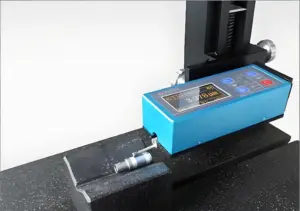
This tells the manufacturer how smooth or rough the finished surface should be. Ra (roughness average) is usually measured in micrometers. For example, 3.2 µm gives a fine texture. A lower number means a smoother surface.
Media type and grit size
Not all media create the same finish. Say what kind of media you want—like glass beads or aluminum oxide—and include the grit size. Finer grits make smoother finishes. Coarser grits cut faster but leave more texture.
Pressure range (if known)
If your part is sensitive to heat or warping, you can include a pressure range. Even if you’re not sure of the exact setting, it’s helpful to flag if the material needs a gentler touch.
Masking requirements
Let them know if certain areas should not be blasted. A simple callout or note can prevent over-processing and protect critical dimensions or finishes.
Finish area (entire surface or selective) Should the whole part be blasted, or just one side? Be clear. If it’s selective, mark the areas on your drawing.
Taking the time to specify these details up front makes everything smoother, less confusion, fewer surprises, better parts. Not all suppliers handle surface treatments with care but it makes a difference.
At MachMaster, we offer in-house sandblasting, tight tolerances up to ±0.01mm, and clear communication from quote to delivery.
Conclusion
You’ve come a long way through this guide.
You’ve learned what sandblasting is, what materials it works on, and how to apply it. You saw where it shines and where it doesn’t.
This time, you’ll know what to ask for so you’ll get the finish you planned for.
Are you getting ready to place a new order? Or still weighing your options?
Either way, we’re here if you need a second opinion.
Contact us today. Let’s get it right.