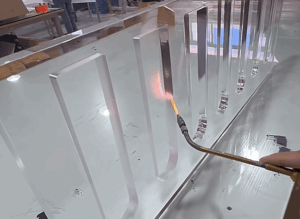

I remember the first time I saw a metal part go from rusty and rough to smooth and clean in minutes. But then someone asked, “Was that sandblasting or shot blasting?” and I had no clue.
That moment pushed me to finally learn the difference. It wasn’t just about curiosity. It was about making the right choice for surface prep jobs.
This breakdown is based on hands-on industry work, trusted manufacturer resources, and hours of field-level research. I’ve used both methods, compared results, and talked with experts who rely on these techniques daily.
In this article, you’ll get a clear, side-by-side view of sandblasting and shot blasting. You’ll know exactly how they differ, where each works best, and which one suits your operation.
It’s easy to assume they’re interchangeable. But that mistake could cost you time, money, and material damage.
So, let’s get into it!
Quick Comparison Chart
When it comes to sandblasting versus shot blasting, the two methods might seem similar at a glance, but they differ a lot in how they work, what they’re best suited for, and how they impact your shop setup.
This table gives you a side-by-side look at the key differences to help you choose the right fit for your needs.
| Category | Sandblasting | Shot Blasting |
| Blasting Mechanism | Uses compressed air to shoot abrasive through a nozzle. Offers real-time control over pressure, angle, and media flow. | Uses a rotating blast wheel to propel media at high speed. Designed for consistent, automated performance. |
| Operator Control | Highly manual and adjustable—great for surfaces that need extra attention or variation. | Minimal manual control once set up—built for repeatability and production efficiency. |
| Flexibility vs. Efficiency | Flexible and ideal for low-volume, varied jobs. | Efficient and consistent, best for high-volume or repetitive work. |
| Surface Impact & Finish | Finish can be dialed in—from light satin to rougher textures. Ideal for delicate or irregular surfaces. | Produces a deeper, uniform texture. Excellent for strong bonding and hard surfaces. |
| Material Suitability | Forgiving on softer materials like aluminum, plastic, wood, and glass. | Best for hard metals and industrial surfaces where durability is a priority. |
| Abrasive Media Types | Wide range including garnet, glass beads, aluminum oxide, walnut shells, and corn cob. Offers flexibility across many industries. | Mostly metallic abrasives like steel shot, steel grit, cast iron grit, and stainless steel media. Geared toward heavy-duty work. |
| Equipment Footprint | Compact and portable. Requires basic setup with air compressor, pressure pot, and dust control. | Larger and more complex. Needs dedicated floor space for wheel system, chamber, and media recovery. |
| Startup and Cost | Lower cost, easier to install. Good entry point for small to mid-sized operations. | Higher upfront cost and setup time. Better suited for long-term, high-output environments. |
| Cleanup & Maintenance | Tends to be messier with more dust unless well-contained. Less mechanical upkeep. | Cleaner operation due to enclosed system. Requires more maintenance for moving parts and recovery systems. |
Below is a more thorough discussion of each section if you want to dive deeper into how these two methods really compare in day-to-day use.
1. What Is Sandblasting?
Sandblasting involves projecting fine particles (usually silica sand or a substitute) at high speed to clean, smooth, or roughen a surface. It’s a method often used for stripping paint, removing rust, or preparing a material for coating. This is done using compressed air or a blasting cabinet setup, depending on the scale.
What makes sandblasting especially attractive is its adaptability. Whether you’re working with concrete, glass, metal, or even plastic (with the right setup), sandblasting can be customized to fit the surface. It’s often used in automotive, marine, and metal restoration industries—anywhere surface prep is critical.
That said, traditional silica sand isn’t as common today due to health concerns like silicosis. Safer alternatives like garnet, glass beads, or walnut shells have taken over, depending on the gentleness or aggressiveness you need. It’s not just about cleaning anymore. It’s about doing it responsibly.
2. What Is Shot Blasting?
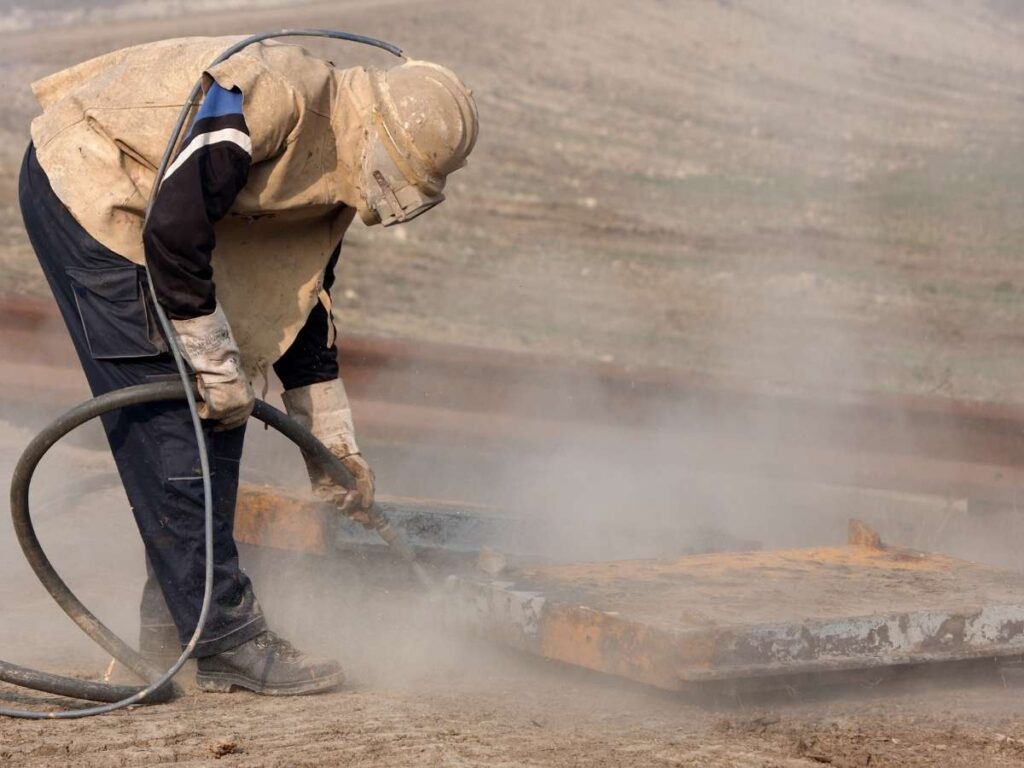
Shot blasting uses small metallic beads or pellets (“shot”) rather than sand or grit. It’s a mechanical process, often enclosed in a chamber, where the abrasive is propelled using a centrifugal wheel rather than air. That change in delivery system makes a big difference in the result.
This method is more aggressive and is ideal for heavy-duty applications like preparing structural steel or cleaning casting surfaces. You’ll see shot blasting in industries like aerospace, construction, shipbuilding, and heavy equipment manufacturing. It not only cleans but also strengthens the surface through a process called “shot peening.”
Unlike sandblasting, shot blasting is often automated or semi-automated. It’s great for batch processing or large-volume runs, especially when consistent surface texture is essential. Think of it as a heavy-duty solution with industrial-level consistency.
3. Blasting Mechanism
If you’ve ever seen sandblasting and shot blasting in action, you’ll notice they feel completely different.
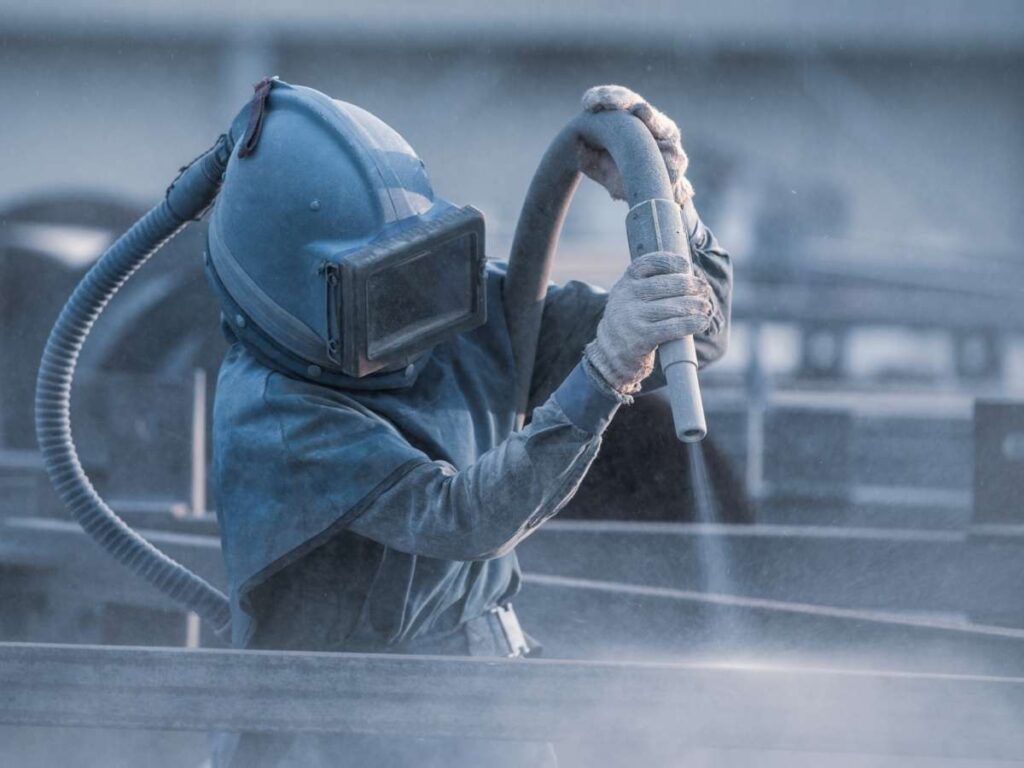
Sandblasting has that loud hiss and a cloud of dust trailing behind, while shot blasting feels more like a smooth, enclosed factory operation.
And that difference in vibe comes straight from how each method works—which seriously affects when and how you’d want to use them.
Sandblasting
Sandblasting is powered by compressed air that shoots abrasive material out of a nozzle. What’s cool about it is how adjustable everything is—you can dial in the pressure, change out the media, or tweak your approach depending on how tough or delicate the surface is.
- You’re in Control: The operator (that’s you or your team) makes all the real-time decisions—angle, distance, pressure. That’s a big plus when you’re working on something uneven or a little finicky.
- Perfect for Variety: Got a mix of surfaces to handle? Or doing restoration where you need a light touch? Sandblasting gives you the freedom to adapt as you go.
In short, if you like having control and need flexibility, this is your tool.
Shot Blasting
Shot blasting, on the other hand, doesn’t rely on air. Instead, it uses a spinning wheel to hurl media at the surface with serious force. It’s enclosed, self-contained, and runs like a production line.
- Set It and Let It Run: Once you’ve dialed in the machine settings, you can expect the same result every time. No surprises, no variations.
- Factory-Grade Output: This is the kind of setup you’d want when you’re blasting large floors or prepping surfaces in bulk. It’s faster, more efficient, and totally repeatable.
If you’re after speed and consistency, especially for bigger jobs, shot blasting is the way to go.
4. Type of Abrasive Media
I’ve had businesses ask, “Can’t I just use the same media in both machines?” Not quite.
Media choice is one of the clearest ways to distinguish between the two methods, and picking the wrong one can mess with your results or your budget.
Sandblasting
There’s a huge variety of media, and that’s one of the reasons sandblasting is so flexible across different industries and surfaces.
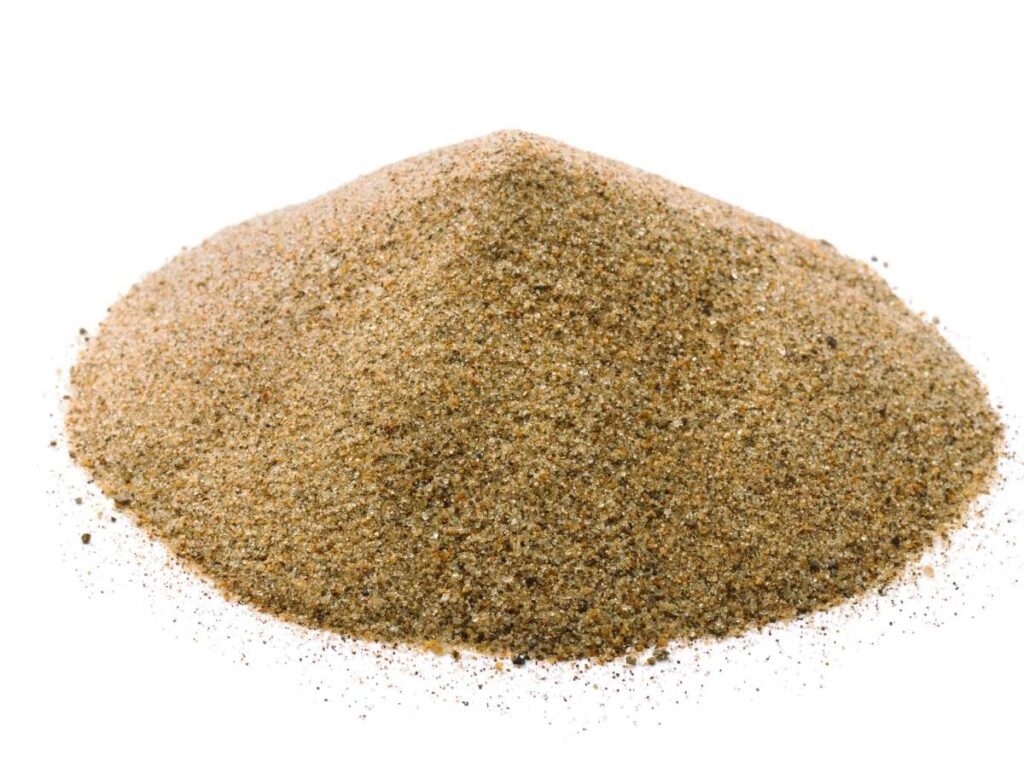
- Silica Sand: This used to be the go-to option, but it’s mostly phased out now due to serious health risks like silicosis. Most companies have moved to safer alternatives that still get the job done.
- Garnet: It’s tough, efficient, and creates very little dust, which keeps cleanup simple. Garnet is a solid choice for businesses looking for an eco-friendlier, reusable option.
- Glass Beads: These are great when you want a soft, satin-like finish on delicate parts. They’re also ideal for peening without removing too much surface material.
- Aluminum Oxide: This one’s aggressive and cuts through rust, paint, and corrosion fast. It’s widely used in metalwork where surface prep has to be thorough.
- Walnut Shells or Corn Cob: If you’re working on wood, plastic, or fiberglass, this is a gentle yet effective solution. They clean without damaging the base material, which makes them perfect for restoration jobs.
Shot Blasting
Shot blasting usually sticks to metallic abrasives, and each one serves a specific purpose in heavy-duty environments.
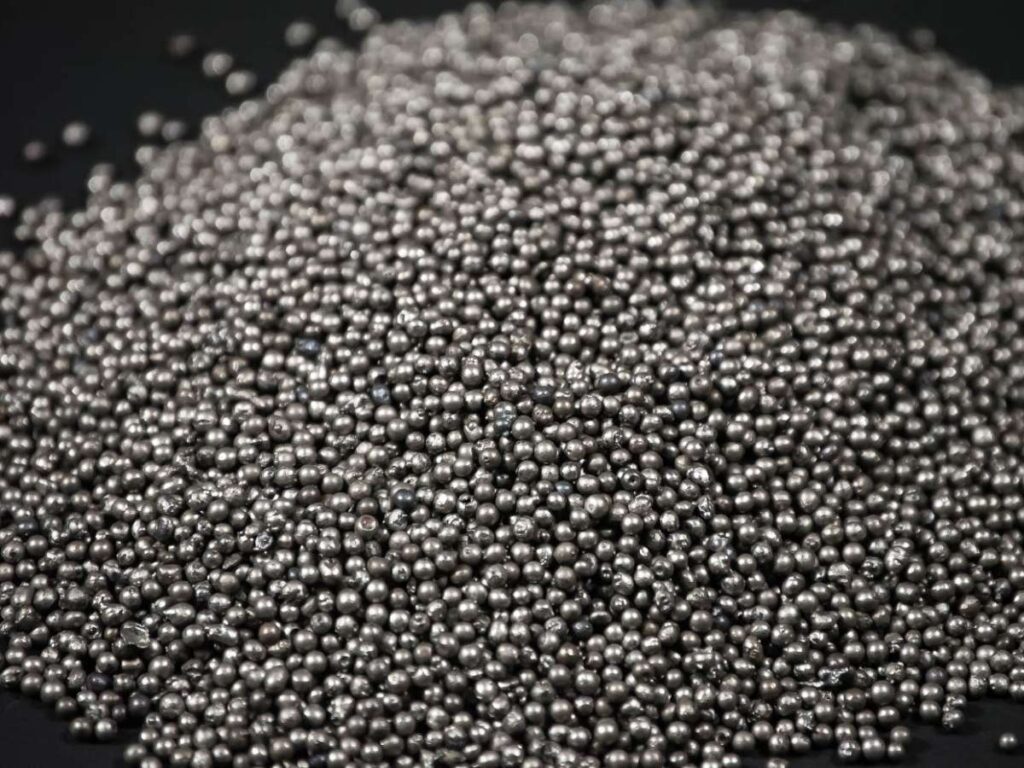
- Steel Shot: These round pellets are commonly used when surface strengthening is part of the goal. They also help with creating a uniform profile on structural steel or cast parts.
- Steel Grit: With its angular shape, it bites into the surface more than steel shot does. It’s the better choice when you need fast, aggressive cleaning.
- Cast Iron Grit: It’s a bit harsher and sometimes used when extra texture is needed. It also wears down faster, so it’s often used for one-off or low-volume work.
- Stainless Steel Media: This is the clean choice when you’re working in environments that can’t risk iron contamination. It’s also highly reusable, which helps offset its higher cost.
Each media type has different strengths, wear rates, and price points. That’s why picking the right one matters not just for how the surface looks, but for how much your process ends up costing in the long run.
5. Surface Impact and Finish
This is the part that really makes or breaks your results.
The texture you leave behind after blasting isn’t just about looks, it affects everything from how well a coating sticks to whether a part fits properly. Use the wrong method, and you might end up with more problems than progress.
But if you know what each process delivers, you’re in control.
Sandblasting: Smooth, Controlled, and Gentle When Needed
One of the biggest perks of sandblasting is how much control you have over the final finish. Whether you’re going for a soft matte look or something with more bite, you can fine-tune the pressure, media, and technique to get it just right.
- Dial In the Look and Feel: Want a smooth, satin-like finish? Keep it light. Need more grip? Crank it up a notch. It’s that simple.
- Gentle on Fragile Materials: Working with aluminum, thin sheet metal, or even glass? Sandblasting lets you take a softer approach so you don’t damage the surface.
- Ideal for Custom Work: That kind of precision makes it a favorite for restorations, specialty coatings, and one-off pieces where the finish really matters.
Shot Blasting: Tough, Uniform, and Built to Perform
Shot blasting doesn’t give you as much flexibility, but what it does offer is consistency and strength, especially on heavy-duty materials. If you need a surface that’s going to take a coating well and hold up under pressure, this is your go-to.
- Stronger, Rougher Finish: You’ll get a deeper, more even texture across the board. Perfect for powder coating or primer adhesion where bonding strength matters.
- Made for Hard Materials: Cast iron, steel, big industrial parts—shot blasting handles these like a pro and even helps reinforce the surface by adding compressive strength.
- Repeatable Results: Every part comes out looking just like the last. No surprises, no inconsistencies.
6. Equipment and Setup
If you’re thinking about setting up either sandblasting or shot blasting in your own space, there’s more to consider than just the machine itself.
Things like space requirements, maintenance demands, and how the system fits into your daily workflow can all make or break your decision.
It really comes down to how often you’ll use it and what kind of jobs you’re doing.
Sandblasting
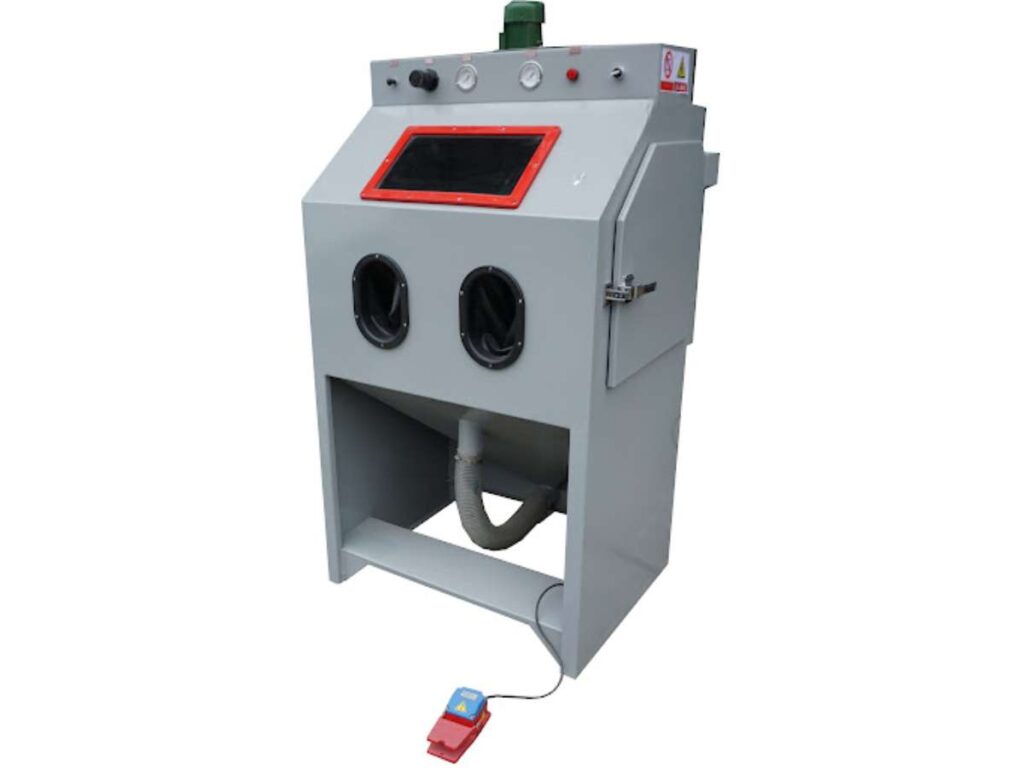
Sandblasting setups are usually simpler and more portable. You won’t need a full-scale overhaul of your shop just to get started.
- Compact and Mobile: Most setups include a pressure pot, air compressor, nozzle, and a dust control unit. It all fits into a modest-sized workspace without much hassle.
- Lower Barrier to Entry: Sandblasting systems are generally more affordable and easier to install. If you’re just getting into surface prep or running a small to mid-sized operation, this is a great way to start.
- Messier but Manageable: Unless you’ve got a dedicated blast cabinet or enclosure, expect a bit of dust and debris. Good containment and ventilation go a long way in keeping things under control.
Shot Blasting
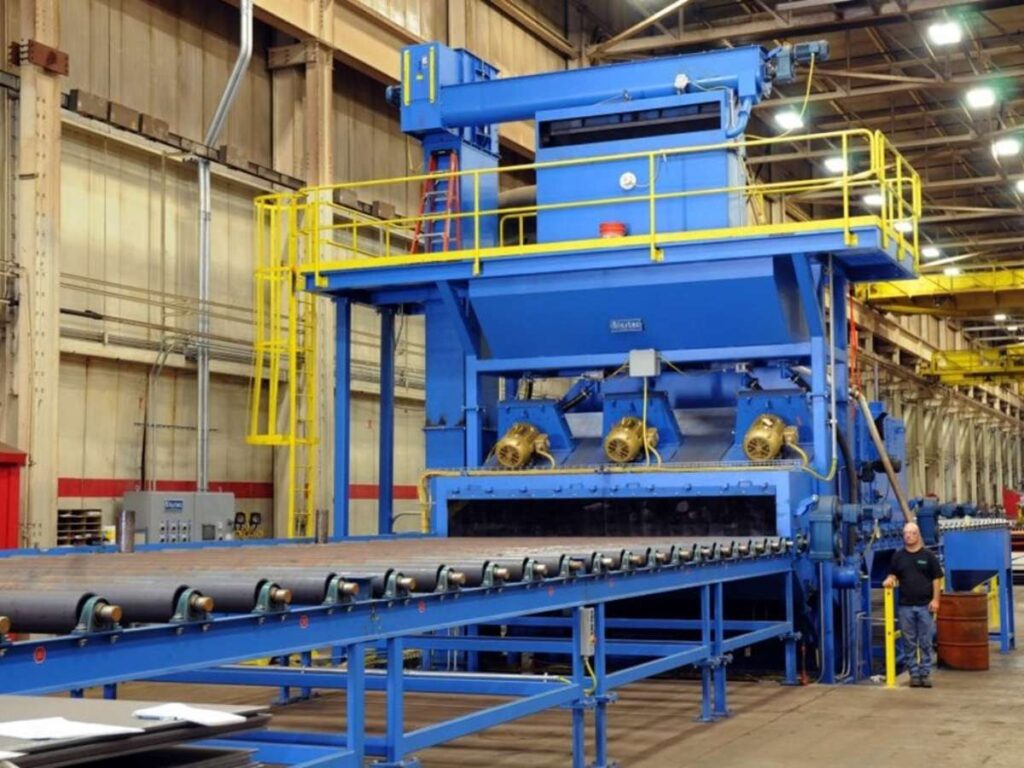
Shot blasting systems take things to the next level in terms of automation and throughput, but they come with a more complex setup.
- Larger and More Involved: You’ll be working with a blast wheel system, an enclosed chamber, and a built-in media recovery setup. These machines are built to work hard, so they need their own space.
- More Automated Workflow: Once it’s installed, shot blasting is smooth sailing. Just load the parts, hit start, and let the system do its thing. Perfect for repetitive or batch jobs.
- Maintenance Looks Different: While the process itself stays cleaner, there’s more mechanical upkeep involved. Keeping the blast wheel, filters, and recovery system in good shape is key to long-term performance.
7. How to Choose the Right Method for Your Needs
I’ve seen businesses waste time and money just because they didn’t stop to ask the right questions before choosing a blasting method. The key is to match the blasting method to the type of work you actually do, not just what’s available or cheaper up front.
#1 Material Type and Part Geometry
If you’re working with softer materials like aluminum, plastic, or fiberglass, sandblasting gives you more control with less risk of damage. It’s especially helpful when dealing with intricate shapes or thinner parts that could warp under heavy impact.
Shot blasting, on the other hand, is ideal for dense metals like steel, cast iron, or large structural pieces. Its forceful delivery can clean and harden surfaces but isn’t gentle on fragile or irregular parts.
#2 Surface Profile and Coating Requirements
The finish you need should heavily influence your choice. If your goal is to create a light etch for paint or powder coating, shot blasting gives a consistent, coarse texture that coatings bond well to. Sandblasting can also prep surfaces, but it offers more flexibility in how deep or aggressive that profile is. For precision jobs like restoring engraved surfaces or prepping welds for inspection, sandblasting is often the better tool.
#3 Production Volume and Efficiency
Shot blasting is the clear winner when it comes to large-scale, repeatable processes. If you’re processing hundreds or thousands of similar parts, the automation and speed save serious labor hours. Sandblasting works better for custom jobs, short runs, or surfaces that need finesse. While it may take more time, the flexibility it offers pays off when uniformity isn’t the top priority.
#4 Budget, Setup, and Maintenance
Sandblasting systems usually cost less upfront and take up less space, making them easier to integrate into smaller shops. They do require regular media replacement and dust control, especially in open systems.
Shot blasting equipment is more expensive to install, but it reuses media efficiently and contains dust within its enclosed system. Long-term, shot blasting may offer better ROI for high-throughput operations, while sandblasting keeps costs lower for varied or occasional work.
Conclusion
Remember how I didn’t know the difference between sandblasting and shot blasting? That confusion nearly cost me a client.
Now you know better. You’ve seen what works, where, and why.
So what’s next for your team? Which method matches your goals?
Contact us today. Let MachMaster help you move forward with expert advice and custom production support.