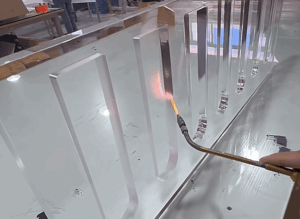

I thought everything was good to go.
Parts arrived. They looked clean. The coating looked smooth.
But a few weeks later? Peeling. Cracking. Like the finish never had a chance.
That’s when I found out: the supplier skipped sandblasting.
No one told me it mattered that much. And honestly, I didn’t know to ask.
If you’re like me—trying to get better surface results, longer coating life, or just fewer surprises—this article will help.
You’ll learn what sandblasting does, why it matters, and how it can make or break your part performance.
I wish I had this info earlier. Now you don’t have to learn the hard way.
So let’s get started!
1. Why Grit Size Matters in Sandblasting
I used to think all sandblasting media worked the same. I’d just pick something that looked coarse enough and let the machine do the rest. But that approach cost me.
One time, I used a grit that was too aggressive on a batch of aluminum parts. The surface came back scratched, uneven, and past the point of repair. I had to remake half the order. That’s when I learned: grit size matters. A lot.
Grit size controls how rough or smooth the surface gets.
It also affects:
- How deep the blast cuts
- How fast the job goes
- How well coatings stick later
If you pick the wrong grit, things can go wrong fast. Choose it with care. It’ll save you time, money, and a whole lot of rework.
2. Common Types of Grit Media and Their Grit Ranges
Choosing a blasting grit isn’t just about size. I’ve made the mistake of using the wrong grit type before. I once used aluminum oxide on a plastic panel. The result? A rough, scratched mess and a very unhappy client.
So if you’re wondering what grit to choose, start with the material. Then think about what surface you need.
Here are some of the most common grit types you’ll see:
Aluminum Oxide
This one’s popular for a reason. It’s tough, recyclable, and cuts fast.
- Works well on: steel, aluminum
- Grit range: 24–220
- It’s aggressive, so be careful with soft metals or fine features
Use it when you need to clean heavy rust or prep a surface for coating.
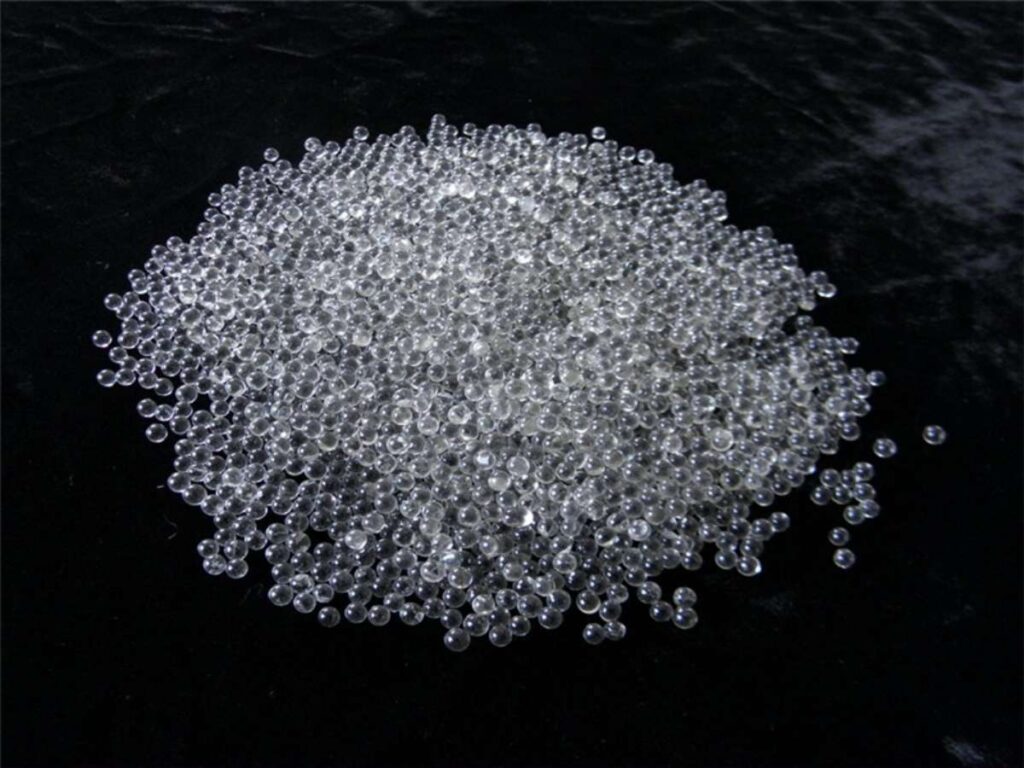
Glass Beads
- Best for: polishing, cosmetic finishes, stress relief (called “peening”)
- Grit range: 60–325 mesh (measured differently than sandpaper)
- Won’t cut as deep, but it’ll leave a nice, clean look
Garnet
- Grit range: 20–120
- Lower dust output makes it good for indoor or sensitive environments
- Not too harsh, not too soft
Silicon Carbide
- Good for: ceramics, hardened steels
- Extremely hard, very sharp
- It’s pricey, but it works fast
Crushed Walnut Shell / Corn Cob
- Ideal for: plastics, wood, delicate parts
- Grit sizes vary a lot—check the manufacturer’s chart
- Low impact, biodegradable, and less dusty
3. Mistakes to Avoid When Choosing Sandblasting Grit
I’ve made a few grit mistakes in my time. One of the worst was picking a cheaper media just to save money. That mistake taught me something important: grit choice isn’t where you cut corners.
Here are some common mistakes you’ll want to avoid:
Choosing Based on Price Instead of the Job
It’s easy to go with what’s cheap or on hand.
But cheap grit can:
- Wear out faster
- Create more dust
- Take longer to do the job
Using Coarse Grit on Delicate Parts
Coarse grit sounds powerful—but that’s not always a good thing.
I once blasted a set of thin aluminum covers with grit that was way too rough.
They warped from the heat and pressure. Every single one had to be scrapped.
Be extra careful with:
- Soft metals
- Plastics
- Thin or hollow parts
Ignoring Finish Standards
Some jobs have clear surface finish rules. Like SSPC-SP or ISO 8501. These tell you how clean or rough a part should be before painting or coating.
If you skip these? Your finish might not stick. Or worse, it might fail in the field. Check the spec sheet before you blast.
Assuming One Grit Fits Every Job
It doesn’t.
The right grit for steel beams won’t work on cast aluminum.
And what works for weld prep might ruin a polished part.
Take the time to match the grit to:
- Material
- Surface goals
- Final use
In blasting, one size never fits all.
Mistakes with grit can ruin good parts or your timeline. Choose smart. It’s worth it.
4. Tips for Choosing the Right Media with the Right Grit
I used to think picking blasting media was all guesswork. I’d grab whatever the supplier had in stock and figure it out later. Eventually, I learned to ask better questions. And that changed everything.
Here are some tips that helped me—and might help you too.
Start with the Material
What’s your part made of?
That’s the first question to ask.
- Steel or iron can handle coarse grit like aluminum oxide.
- Softer metals like brass or aluminum need something gentler.
- Plastics or wood? Go with walnut shell or corn cob.
Hard materials need harder media. Soft ones need light touch.
Think About What Comes Next
Is the part getting painted? Welded? Powder-coated?
The post-process matters. Some finishes need a rougher profile to grip. Others need a clean, smooth base.
For example:
- Painting may call for 80–120 grit
- Polishing needs finer glass beads
- Adhesive bonding needs a textured bite
Match your grit to your next step, not just the part.
Match the Grit to the Function
What’s the part supposed to do?
A structural beam and a cosmetic panel won’t need the same surface finish.
If it’s meant to look clean and smooth, use finer media.
If it’s for strength or bonding, go rougher.
Test First on Scrap
Don’t guess with your final part.
If possible, test your media and grit on scrap material.
You’ll see the finish, check the blast speed, and avoid surprises.
I learned this after wrecking a set of stainless covers. One quick test would’ve saved a full re-order.
Talk to Your Media Supplier
Some grit types vary by brand. Ask questions. Share what the part does and what happens next.
You don’t need to be a sandblasting expert. But you do need to ask the right questions.
Choosing the right combo takes a little time—but it keeps your job on track, your parts looking right, and your finish built to last.
Not every supplier understands how surface prep fits into your bigger picture.
MachMaster does. We handle precision CNC, injection molding, and finishing under one roof, so your specs don’t get lost between vendors. Just clear answers and consistent results.
Conclusion
You’re not just blasting parts. You’re building something that has to last.
Looks matter. Function matters more.
Now you’ve got the info to make better choices:
- Grit size affects finish, speed, and cost
- Different materials need different media
- One mistake can ruin a whole run
I’ve made those mistakes. You don’t have to.
So what are you working on next? A new product? A tight deadline?
Whatever it is, don’t let a small surface decision turn into a big setback.
Contact MachMaster today. Let’s get it right.