
I once held a batch of aluminum housings that looked fine—until they got rejected. The color was uneven. The finish felt rough.
We skipped sandblasting before anodizing. Big mistake.
That moment taught me something important: surface prep changes everything.
If your anodized parts don’t turn out how you expect, this article will help.
I’ve spent years working with aluminum parts—watching what works, what fails, and what saves time. This isn’t guesswork. It’s experience.
In this guide, you’ll learn how sandblasting works, why it matters, and what it does to your final finish.
By the end, you’ll have a clear tool to get better, more reliable results from anodizing.
So let’s begin!
1. What Is Anodizing?
When I first started working with aluminum housings, I thought anodizing was just for looks. A way to add color or shine. I didn’t realize how much it actually protects the part.
Anodizing is a surface treatment that strengthens aluminum. It’s an electrochemical process, which means it uses electricity and a chemical solution to change the metal’s surface.
Here’s what happens: Aluminum builds a thin oxide layer on its own when exposed to air. That layer offers a little protection, but not much. Anodizing makes that layer thicker and harder and it becomes part of the metal, not something that sits on top.
This is why anodized parts don’t flake or peel like painted ones.
At MachMaster, we use anodizing on a lot of our CNC-machined housings. Especially for industries that need strong, lightweight parts that can stand up to wear.
There are a few key reasons people use anodizing, especially for housing:
- Corrosion resistance: The thickened oxide layer helps protect aluminum from moisture and air. That means it won’t rust or wear down easily.
- Scratch resistance: Anodized surfaces are harder than raw aluminum.
- Non-conductive finish: That’s a big deal in electronics where you don’t want electricity flowing where it shouldn’t.
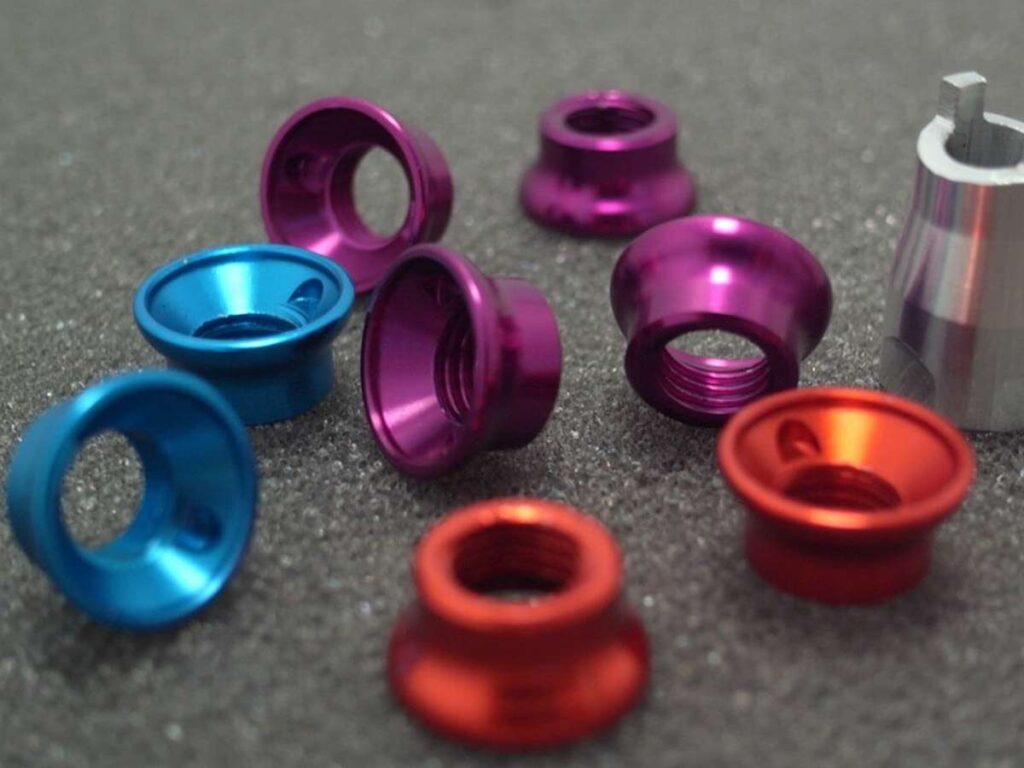
- Better dye absorption: Want color? Anodized aluminum dye really well. That’s why you often see colored parts on gadgets or tools.
I’ve seen anodized housings used in all kinds of places. It’s not just about looks. It’s about performance.
These houses can take hits. They don’t wear down fast. And they hold their color over time.
Some common uses include:
- Electronics: Think smartphones, tablets, or sensor enclosures.
- Medical tools: where clean surfaces and durability matter.
- Cars and planes: Light parts that still need to hold up under stress.
I remember working with a startup that made aluminum sensor housings. Their first batch wasn’t anodized. After a few months in the field, the parts started to pit and corrode. They came back for replacements. After switching to anodized housing, the problem stopped.
That’s when I learned: anodizing isn’t just extra. It’s protection.
2. What Is Sandblasting?
The first time I touched a sandblasted aluminum part, I was surprised. It didn’t feel sharp or rough it felt smooth, like satin. That’s when I realized sandblasting isn’t about damage. It’s about preparing the surface for something better.
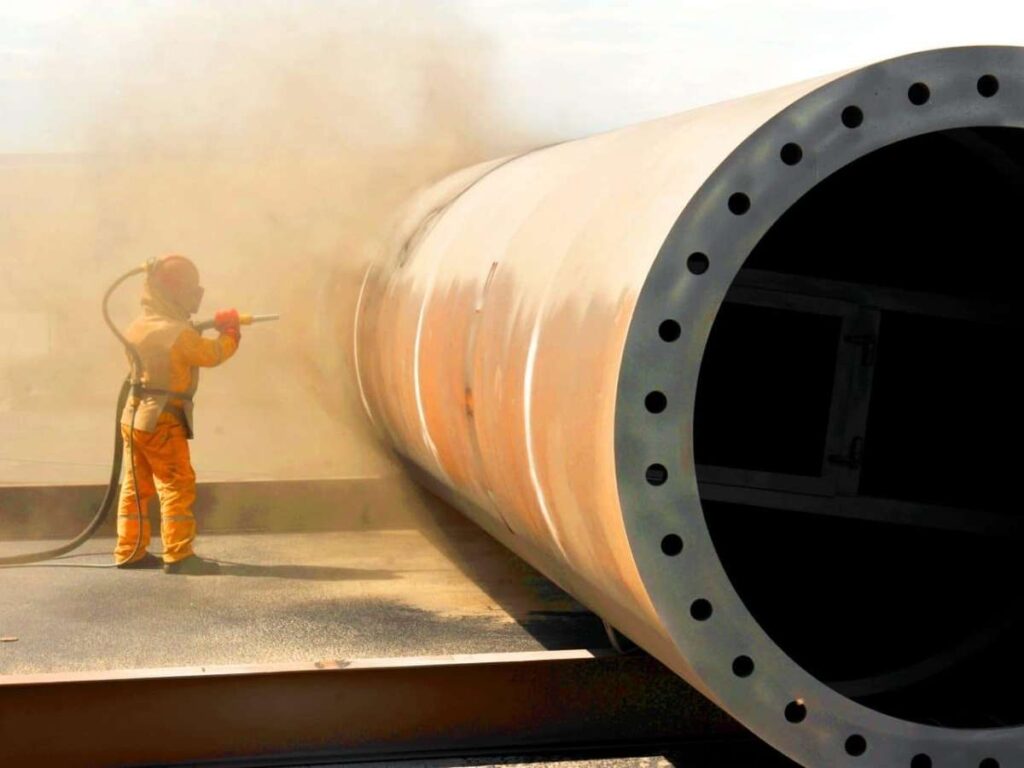
Sandblasting is a surface cleaning process. It uses high-pressure air to shoot tiny abrasive particles at a metal surface. Think of it like pressure-washing, but instead of water, you’re blasting things like:
- Aluminum oxide
- Glass beads
- Silicon carbide
These particles scrape off tiny bits of the surface. But they don’t go deep. Instead, they create a matte texture that’s even and clean.
Here’s what that means for aluminum housings:
Before anodizing, the surface needs to be free of oil, dirt, or oxidation. Sandblasting takes care of all of that. It:
- Removes fingerprints, machining oils, and dust
- Erases small scratches or defects
- Makes the whole surface more uniform
- Creates tiny peaks and valleys that help the anodizing stick better
I once worked on a batch of aluminum housings that came out cloudy after anodizing.
At first, we blamed the anodizing tank. But the real problem? The parts hadn’t been blasted. Once we added sandblasting to the process, the finish looked sharp, even, and professional.
No more blotches. No more do-overs.
So if you’re wondering whether sandblasting is worth it the answer is yes. It’s one of the easiest ways to improve your final result.
3. Benefits of Sandblasting Before Anodizing
If you work with anodized aluminum housings, you want the finish to be clean, even, and built to last. That’s where sandblasting makes a real difference.
I’ve seen what happens when people skip this step poor color, visible flaws, and weak coatings. I’ve also seen what happens when they get it right.
- Stronger adhesion between the anodizing and aluminum.: Sandblasting gives the surface a fine texture. That texture creates more surface area, so the anodizing bonds deeper into the metal. Parts that weren’t blasted tend to show weak spots or thin coating areas.
- Consistent dye color across the part: Anodizing dyes soak into the surface. If the surface is patchy or oily, the color will look uneven. Sandblasting creates a clean, even texture that helps the color go on smoothly and stay consistent.
- Matte or satin finishes are easier to achieve: A lot of phones, tools, and laptops have that soft, satin look. That comes from blasting before anodizing. It reduces gloss and gives the surface a calm, non-reflective look that feels high-end.
- Surface flaws become less visible.: Machining often leaves behind tiny lines or swirl marks. You might not see them at first, but anodizing can make them pop. Sandblasting smooths these out, so the finish looks clean and professional.
- Corrosion Resistance: When the surface is even, the anodizing layer covers better. That means fewer thin areas and stronger protection against moisture, wear, and everyday use.
4. Types of Sandblasting Finishes for Aluminum Housings
Not all sandblasting is the same. The type of blasting media you choose changes how your aluminum housing looks and feels.
I’ve tested different blasting methods over the years some gave a smooth, soft finish. Others were rougher but perfect for hiding deep flaws. What you choose depends on what your part needs.
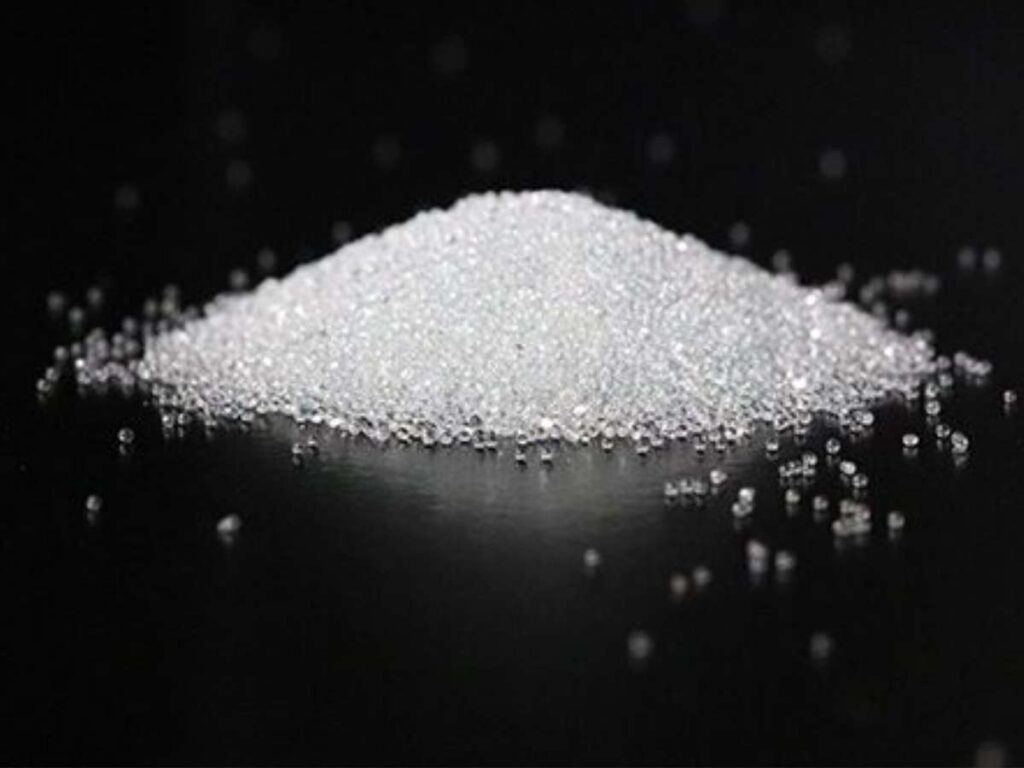
Glass Bead Blasting
This is my go-to when appearance matters most.
- Leaves a smooth, satin finish
- Ideal for consumer-facing products like electronics or tools
- Doesn’t cut deep better for light surface prep
- Often used when you want parts to look clean and feel polished
I once used this for a batch of enclosures that went into a cleanroom. They came out looking almost silky. No sharp edges. No harsh texture. Just clean.
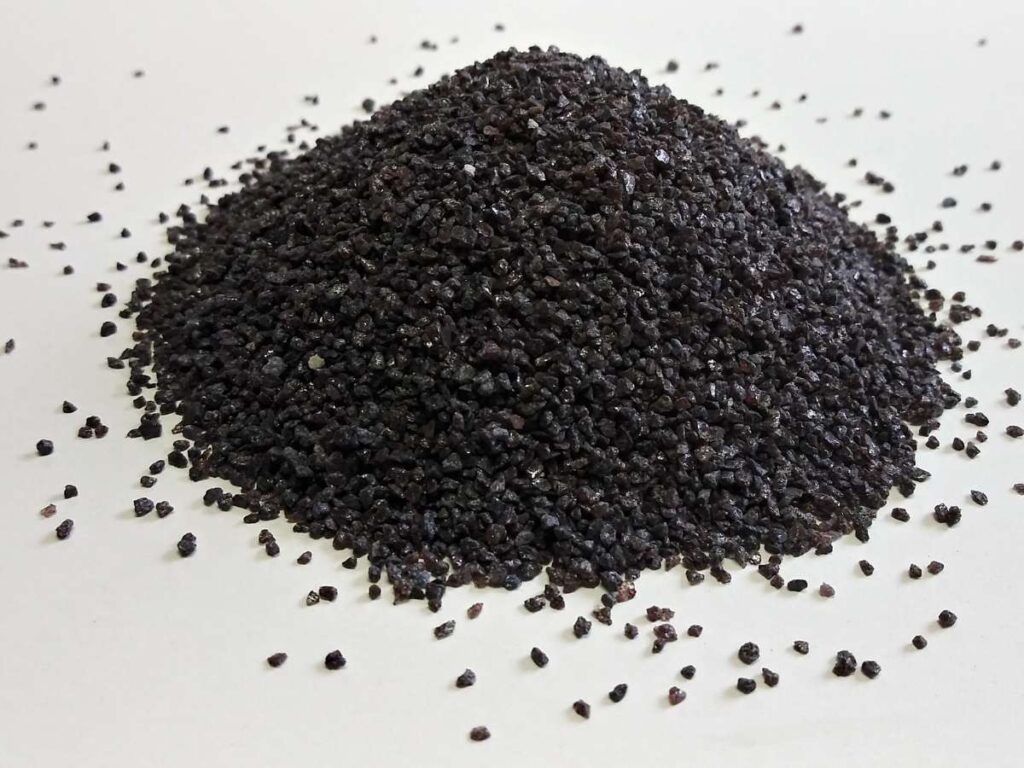
Aluminum Oxide Blasting
If a part has heavy oxidation or machining lines, I reach for this.
- Cuts more aggressively into the surface
- Removes deeper scratches, dents, or rust
- Prepares the part well for anodizing
- Leaves a slightly rougher finish, but still uniform
This media works great when you’re starting with raw, rough stock that needs serious prep.
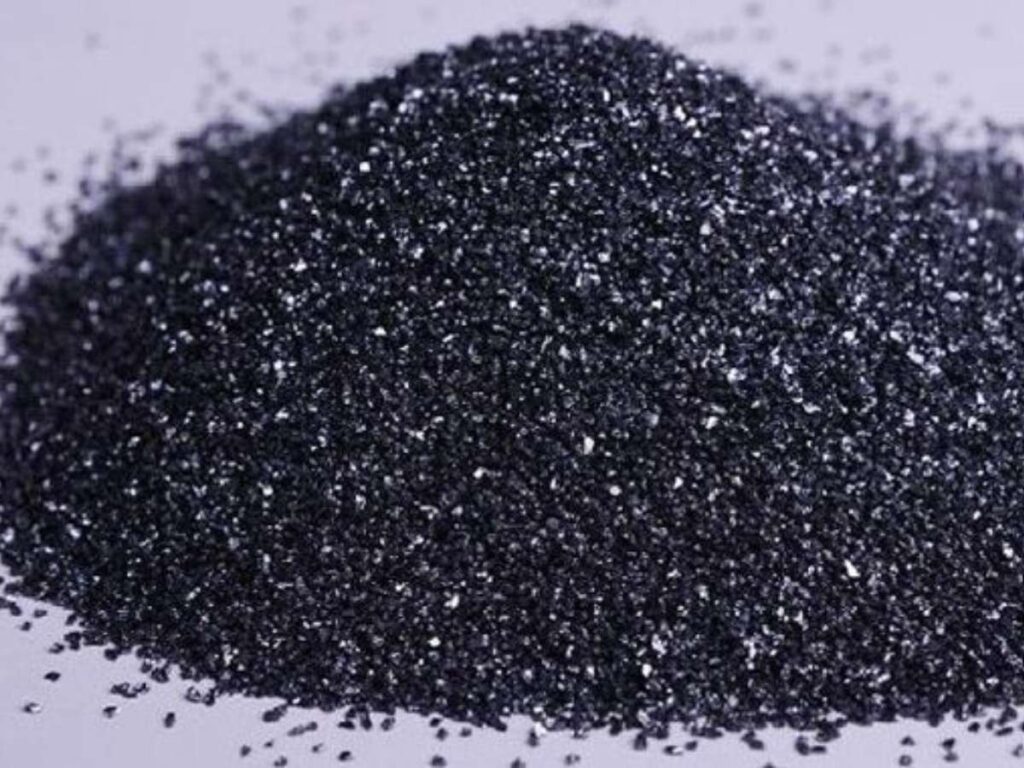
Silicon Carbide or Steel Grit
These aren’t as common in shops that focus on looks. But they’re useful when strength matters more than appearance.
- Used for industrial housings with deeper imperfections
- Creates a rougher texture
- Best for parts that won’t be touched often or seen up close
- Great for prepping parts in high-wear environments
Think motor housings or heavy-duty brackets places where performance matters more than looks.
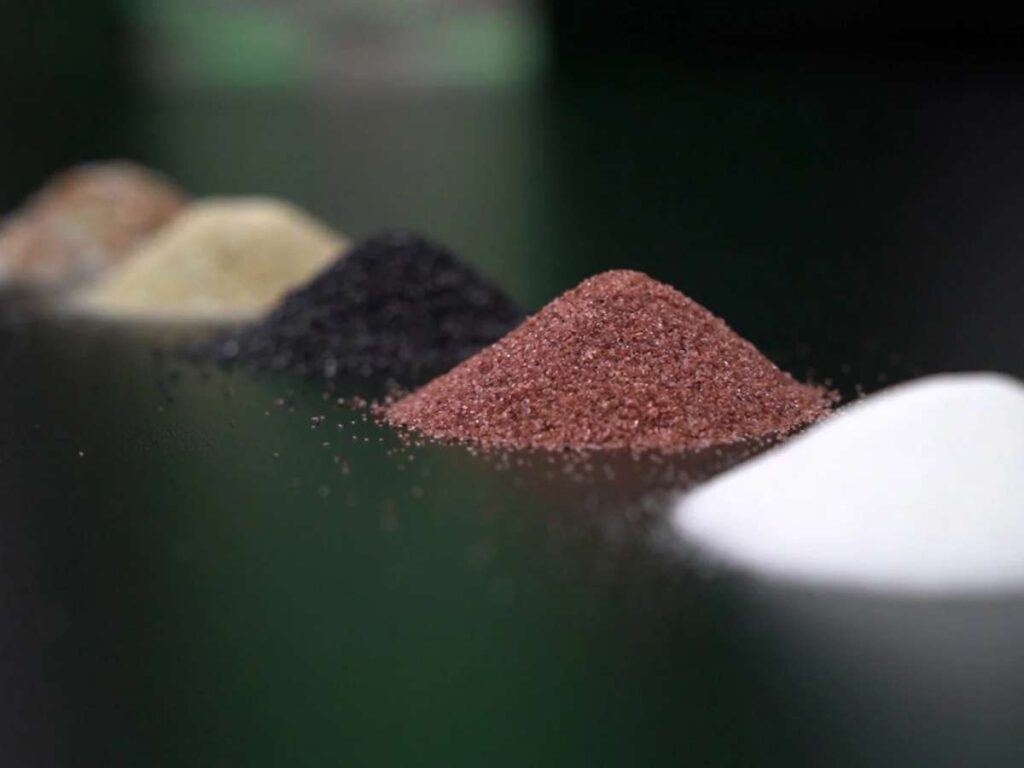
Custom Media Blends
Sometimes you need something in between.
- Mix different materials to get a specific finish
- Used to reduce cost or adjust texture
- Helpful when switching between cosmetic and structural parts
One client asked for a smooth finish but didn’t want to pay for all-glass bead. We blended it with a softer grit and hit the sweet spot clean look, lower cost.
5. Key Considerations in the Sandblasting Process
Getting a good sandblasted finish isn’t just about choosing the right media. It’s also about how the process is controlled from the setup to the smallest detail.
I’ve seen shops run the same batch twice and still get different results. Why? Because something changed. Pressure. Fixturing. Even leftover oil on the part.
If you’re in charge of sourcing or quality checks, these are the things that matter.
Media Type & Size
Different blasting media produce different textures.
- Fine particles give a smoother finish
- Coarse particles create more aggressive surfaces
- Media size also affects how the dye looks after anodizing
If you’re working on cosmetic parts, a smaller grit size is usually better. For rougher jobs, you may need something heavier.
I once saw a mix-up where the team switched to a coarser grit mid-run. The color didn’t match between batches. We had to scrap the whole order.
Pressure Settings
This one’s easy to overlook but it matters a lot.
- High pressure can warp thin aluminum housings
- Low pressure may leave spots under-prepped
The goal is balance. Enough pressure to clean the surface, but not so much that it changes the shape. I’ve seen thin parts come out slightly bent just because the nozzle was turned up too high.
Fixturing and Part Handling
How the part is held during blasting affects the result.
- Parts need to stay still
- If they shift or rotate, the finish becomes uneven
- “Shadowing” happens when one side gets blocked and doesn’t get blasted properly
I always recommend using soft clamps or holding jigs to keep parts steady. It helps keep every surface exposed and treated the same.
Cleanliness
Even the best blasting job won’t matter if the part is dirty.
- Oil, grease, and fingerprints can block the anodizing layer
- These spots can show up as blotches or streaks
Parts should be cleaned before and after blasting. I’ve seen batches fail inspection just because someone handled parts without gloves.
6. Industry Applications of Sandblasted and Anodized Aluminum Housings
Aluminum housings show up everywhere. From your pocket to an airplane.
But the finish? That changes based on where the part goes. Some need to look good. Others need to hold up in tough conditions.
Sandblasting and anodizing help with both.
I’ve worked on parts across industries, and each one had different needs.
Electronics
This is where I see the most demand for smooth, even finishes.
- Phone cases
- Laptop bodies
- Drone shells
These parts need consistent color and a matte finish. That soft look? It comes from glass bead blasting before anodizing.
I once helped a startup get their drone housings just right. The first batch looked streaky. After switching to sandblasting, the finish matched across every unit.
Medical Devices
Here, it’s all about hygiene and feel.
- Surgical tool handles
- Instrument covers
- Control knobs
Anodizing provides a non-conductive, corrosion-resistant surface, while sandblasting makes it smooth to grip.
In one project, we used aluminum oxide blasting to prep surgical handles. The result felt clean, safe, and easy to sanitize.
Automotive & Aerospace
These parts live in high-stress places.
- Lightweight brackets
- Dash panel covers
- Sensor housings
Function comes first. The finish needs to be even, not just for looks but for performance.
Sandblasting helps with adhesion. That means the anodizing lasts longer, even in vibration or weather. I’ve seen it extend part life by months, sometimes years.
Consumer Goods & Tools
This category has the widest mix of needs.
- Flashlights
- Watches
- Custom project boxes
Some want color. Some want grip. Some just want the part to hold up.
For one flashlight brand I worked with, we used a custom blend media. It gave them a satin finish that didn’t feel slippery and still looked premium.
Each industry values something different.
Whether it’s color match, surface feel, or durability, sandblasting and anodizing help aluminum housings meet the need without cutting corners.
7. Common Challenges and How to Avoid Them
Even with the right tools and materials, things can still go wrong. I’ve made these mistakes myself especially when I was new to aluminum finishing.
Some problems show up right away. Others don’t appear until weeks later. Either way, they cost time, money, and trust.
Over-blasting or Warping Thin Walls
Thin housings can’t take the same pressure as thick parts.
- Too much pressure or too long in one spot can bend the walls
- Over-blasting also roughens the surface more than needed
Tips:
- Use lower air pressure for thin parts
- Keep the nozzle moving to avoid heat buildup
- Test on scrap first it saves headaches later
I learned this after a batch of light enclosures came back warped. We had to remake everyone.
Inconsistent Surface Finish Across Batches
One run looks perfect. The next looks dull or uneven. Sound familiar?
This often happens when:
- Different operators run the machine
- Media wears out and isn’t replaced
- Pressure settings shift between batches
Tips:
- Use checklists for pressure, media type, and part handling
- Replace or refresh media regularly
- Keep blasting and anodizing under the same roof if possible
I’ve seen huge improvements just by standardizing the setup. It’s simple but powerful.
Dye Blotching from Poor Surface Prep
If a part isn’t fully clean before anodizing, it shows.
- Oil, fingerprints, or dust leave patches where the dye won’t stick
- These spots turn up as blotches or lighter areas
Tips:
- Clean parts before and after blasting
- Handle with gloves to avoid contamination
- Rinse immediately before anodizing
One batch I worked on came out spotted. Turns out someone touched them after blasting. That tiny step led to a big failure.
Higher Costs from Poor Process Integration
Working with separate vendors sounds easy until things go wrong.
- One shop blasts, another anodizes
- Parts get damaged in transit
- Quality varies from batch to batch
Tips:
- Choose a supplier that does both sandblasting and anodizing in-house
- If not, align both teams on spec sheets and handling methods
Keeping everything under one roof has saved me from late deliveries and blame games.
Avoiding these challenges isn’t about luck. It’s about small choices that add up choices you can make today.
8. Best Practices for Integrating Sandblasting into the Anodizing Workflow
If you’re planning to outsource aluminum housing production or want to tighten your current process how you connect sandblasting and anodizing matters more than you think.
I’ve worked on projects where the finish came out perfect. I’ve also seen things fall apart just because 2 shops weren’t on the same page. You want fewer surprises, smoother production, and results you can count on. That’s where these tips come in.
Combine Sandblasting and Anodizing Under One Supplier
This is one of the easiest ways to avoid problems.
- Cuts down on part handling and transport damage
- Speeds up lead time
- Reduces miscommunication between vendors
At MachMaster, we handle both processes in-house. That means you get better control, tighter timelines, and consistent results, especially in batch production.
Define Finish Specs Clearly (Ra value, media type, color tone)
Don’t leave room for guesswork.
- Set clear surface roughness targets (Ra)
- Name the exact blasting media you want used
- Include color tone and anodizing type in your drawings or orders
When everyone knows what you expect, it’s easier to deliver consistently.
Run Sample Parts Before Full Production
It’s better to catch problems early.
- Test the surface finish and color on a few parts first
- Make sure they meet your standard before you approve the whole run
- Adjust pressure, media, or cleaning steps if needed
A five-part trial once saved one of my clients thousands. The color didn’t match their old spec and we had time to fix it.
Include Sandblasting as Part of DFM (Design for Manufacturing)
Think about the finish when you design the part.
- Leave enough material for surface removal
- Avoid sharp corners that may get blasted too harshly
- Make sure cosmetic areas are accessible for blasting
I’ve seen designs with tight grooves that couldn’t be blasted evenly. Planning early avoids that.
Document and Control Process Parameters for Repeatability
If you want reliable results, the process must stay stable.
- Log pressure, nozzle distance, angle, and media batch
- Use the same setup for every run
- Keep operators trained and consistent
When everything is written down and followed, good results become normal not lucky.
Conclusion
Now you know what sandblasting really does, how it protects, improves color, and strengthens your anodized aluminum housings.
You’ve seen the types, the common mistakes, and the best ways to get it right.
So, are you ready to do things better?
You don’t have to guess. You don’t have to waste time fixing problems later.
Start with a smarter finish let the team at MachMaster help you get it right from the start.