
I still remember the first time I stepped into a rubber molding shop.
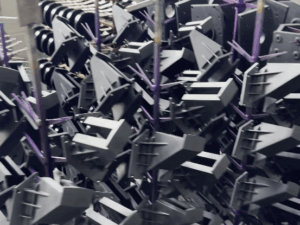
Machines slammed shut like jaws. Hot molds hissed as they opened. And everywhere I looked, there were black parts cooling in trays—shapes I couldn’t even name.
I stood there pretending to understand. But I didn’t. Not even close.
When I asked someone how it all worked, he just shrugged and said, “The machine does everything.”
That wasn’t helpful. I needed real answers.
Why did the rubber go in soft but come out solid? What happened in those few seconds inside the mold?
If you’ve ever felt that kind of confusion, I get it.
I’ve been through the guessing, the bad drawings, the failed parts. But I got stuck with it—learning step by step, mistake by mistake—until the process finally made sense.
This guide is for you if you want to understand rubber injection molding without getting lost in jargon or technical noise.
I’ll break it all down. Step by step. By the end, you won’t just guess how it works.
So let’s get down to it!
Step #1: Preparing Rubber Material
This is where everything starts. And honestly, it’s one of the most overlooked steps—even though it sets the tone for the whole process.
I remember the first time I saw a rubber molding job. I thought they just tossed in some rubber, closed the mold, and ran the machine.
I was wrong.
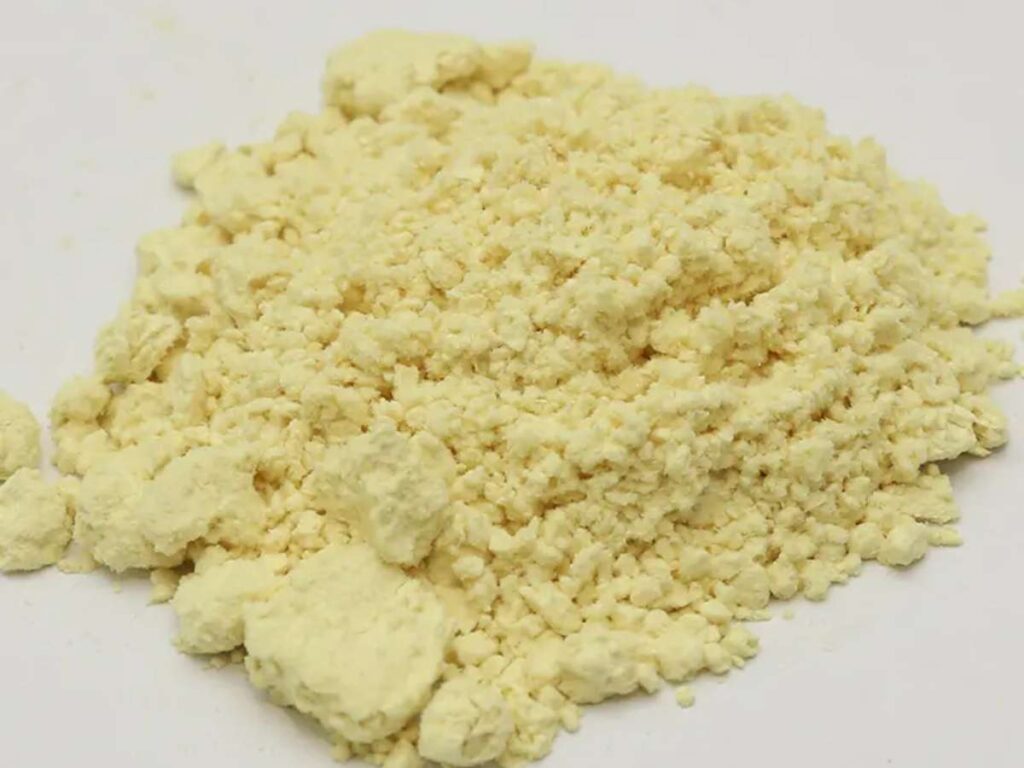
It begins with choosing the right rubber compound. This usually comes in strips or blocks. The type of rubber you need depends on your part’s use. Think: heat resistance, flexibility, or chemical toughness.
At MachMaster, raw rubber is prepared under controlled conditions to maintain batch consistency. This step includes precision mixing with vulcanizing agents and stabilizers, so every load meets strict processing standards.
Next comes the mixing stage. This part matters more than most people think.
Several ingredients are added:
- Vulcanizing agents: Help the rubber cure and harden
- Fillers: Add strength or lower cost (like carbon black or silica)
- Pigments: Add color
- Plasticizers: Make the rubber softer and easier to shape
Sometimes, the rubber also needs to be preheated or preconditioned. This helps it fill the mold more evenly. Some rubbers don’t need it—but when they do and you skip it, things go wrong fast.
I once worked on a batch where the team skipped preheating. The result? Uneven parts. Some were too soft. Some had surface bubbles. We had to toss the whole lot.
Why This Step Matters
You might think this part’s simple. But it’s not.
If the rubber isn’t prepared right, you’ll run into problems later:
- Uneven curing: Parts don’t harden the same way
- Surface defects: Like bubbles or flash
- Weak spots: Caused by poor mixing or trapped air
Even moisture can ruin things. Steam can form inside the mold and mess up the shape or structure of the part.
Your goal is simple: make the material as consistent as possible.
Before the machine even starts, this step builds the foundation. Ask your manufacturer how they handle mixing and prep. It tells you a lot about what you can expect from the final product.
Done right, it saves time, money, and a lot of frustration later.
Step #2: Loading the Rubber into the Injection Barrel
Now that your rubber is mixed and ready, it’s time to load it into the machine.
This step sounds simple, but it’s a big deal. It’s where many small mistakes begin.
The rubber—still in solid form—is fed into the injection barrel. This is the heated chamber that prepares the rubber to flow into the mold.
You can feed it in:
- Manually: An operator places the rubber into the machine by hand
- Automatically: A feeder loads the material at a steady pace
Once inside the barrel, a screw or plunger system pushes the rubber forward. As it moves, the rubber slowly heats up. It softens—just enough to flow smoothly—without damaging the material.
I’ve seen what happens when this step gets rushed or skipped. Parts come out with air gaps, weird flow lines, or uneven finishes. It all traces back to how the rubber entered the barrel.
Key Points to Remember
This part of the process works differently from plastic injection molding.
Here’s how:
- Plastic: Starts as small pellets and melts quickly
- Rubber: Starts as thick solid blocks and softens slowly
This matters because:
- The food must be steady. If it’s too fast or too slow, the mold might not fill properly
- Air pockets can form if the rubber feeds unevenly
- Overheating can happen if the material gets stuck or waits too long in the barrel
Ever seen a part with strange swirls or thin spots? That usually starts here.
Why It Matters to You
If you’re working with a manufacturer or planning your own setup, ask this:
- Do they use manual or automatic feeding?
- How do they control the feed rate?
- Do they monitor temperature and pressure inside the barrel?
These small details can make or break the final part.
Done right, this step helps your mold fill smoothly, your parts stay strong, and your lead times stay short.
Take this stage seriously—it’s where consistency begins.
Step #3: Heating and Plasticizing the Rubber
This is where the rubber starts to come alive.
After loading, the rubber moves deeper into the injection barrel, where it’s gently heated. The goal here is to make it soft enough to flow—but not so hot that it starts to cure.
That’s a tricky balance.
Inside the barrel, a rotating screw (or sometimes a plunger) keeps the rubber moving. It does two things at once:
- Mixes the rubber evenly
- Softens it into a thick, flowable state
This process is called plasticizing. It turns solid rubber into something that can fill even the tiniest corners of your mold.
I’ve seen parts ruined because the material scorched at this stage. That means it started curing too early. Once that happens, it can’t be reversed. The rubber stiffens and clogs the barrel. You lose both time and money.
Key Points to Know
You’re probably wondering: How hot is too hot?
Good question.
The plasticizing temperature usually falls between 175°C and 230°C (that’s about 350°F to 450°F). The exact number depends on the rubber type—EPDM, silicone, nitrile, and others each behave differently.
If the temperature is too low:
- The rubber won’t flow well
- You’ll get short shots (incomplete fills)
If the temperature is too high:
- The rubber may begin to cure too early
- You’ll see defects like rough textures or scorched areas
This early curing is called scorch. It’s a common issue in shops that don’t monitor barrel heat closely.
So what should you ask your manufacturer?
- What temperature range do they use?
- How do they check for scorching or over-softening?
- Do they track barrel pressure and screw speed?
Why This Step Matters
You want your rubber to move like honey—not like cold clay or burnt glue.
Getting this step right means smooth flow, complete mold fills, and strong parts.
Miss it, and you’re looking at waste, rework, or worse—a full stop on your production line.
This is where the part really begins to take shape. Make sure your supplier knows how to handle it.
Step #4: Injecting the Rubber into the Mold
This is the moment where everything starts to take shape.
The mold closes—tight and secure. No room for gaps. It has to hold pressure and seal every edge.
Once the mold is locked, the machine injects the softened rubber into the cavities. This happens fast. The rubber is pushed through at high pressure, filling every corner and detail of the mold.
I remember watching my first injection cycle. It was over in just seconds. But so much depends on those few seconds. Get it right, and the part looks perfect. Get it wrong, and you’ll be scrapping material and starting over.
Key Points to Know
This stage may seem fast—but there’s a lot happening behind the scenes.
Here’s what matters most:
- Fill must be quick: The rubber starts curing as soon as it enters the mold. You want the entire cavity filled before that happens.
- Pressure must be strong and steady: If the pressure drops too early, the mold won’t fill all the way.
- Flow must be uniform: This helps avoid defects like:
- Air pockets: Caused by trapped air
- Short shots: When the rubber doesn’t reach all parts of the mold
Have you ever seen a part with a missing corner or weird bubbles inside? That usually starts here.
You might ask: Why not inject slower to be safe?
The answer: rubber cures with heat and time. Go too slow, and the rubber starts curing before the mold is full. That leads to blockages, uneven fill, or rough textures.
Why This Step Matters
This is where the pressure—literally—builds.
Ask your supplier how they control injection pressure and speed. Do they use sensors to monitor fill rate? Are they experienced with your part’s geometry?
A smooth, full injection means better quality, fewer rejects, and shorter lead times.
This step might only take seconds, but it makes or breaks your final part.
Step #5: Vulcanization (Curing) Inside the Mold
Now a real transformation happens.
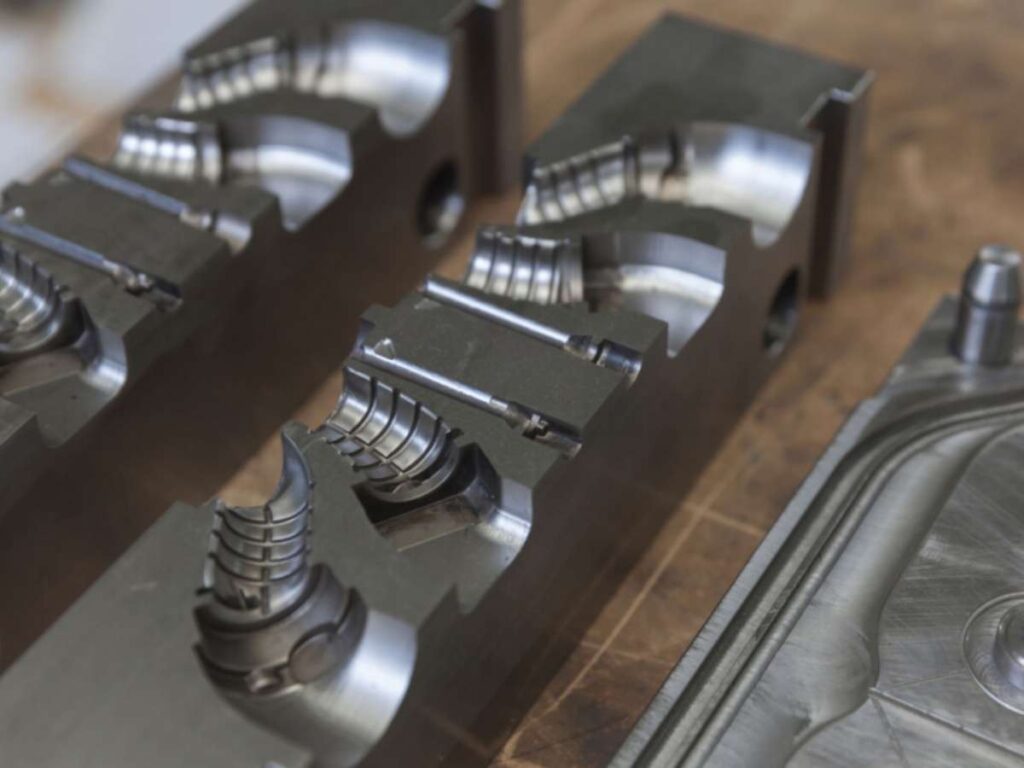
After the rubber is injected, the mold stays closed under heat and pressure. This is when the soft rubber turns into a strong, elastic part.
This process is called vulcanization.
During vulcanization, crosslinking takes place. That means the rubber molecules start to bond together. These bonds are what give rubber its strength, flexibility, and bounce.
I remember the first time I saw a cured part pulled from the mold. It looked the same as before—but felt completely different. Soft rubber became firm, stretchy, and durable. That’s the power of vulcanization.
Key Points to Know
You might be wondering: How long does curing take?
It depends on a few things:
- The type of rubber (EPDM, silicone, nitrile, etc.)
- The temperature used in the mold
- The thickness of your part
Here’s a simple breakdown:
| Rubber Type | Cure Temp (°C) | Typical Time (min) |
| Natural Rubber | 140–160 | 3–8 |
| EPDM | 160–190 | 5–10 |
| Silicone | 170–230 | 1–5 |
| Nitrile (NBR) | 150–180 | 3–7 |
If the rubber isn’t cured enough, the part stays too soft. It might tear or deform. But if it stays too long, you waste time and energy.
The goal is to hit that sweet spot: fully cured, but not overcooked.
Why This Step Matters
Vulcanization is what turns your rubber part from “just shaped” to ready for real use.
If you’re talking to a supplier, ask them:
- How do they control time and temperature?
- Do they test parts for elasticity after molding?
- What’s their method for thicker or multi-layer parts?
Don’t skip over this step or rush it.
This is where your part gains its strength, flexibility, and durability. Get it right—and your part is ready to work.
Step #6: Cooling and Mold Opening
The curing is done. Your part has taken shape.
But don’t open the mold just yet.
Right after vulcanization, the rubber part is still hot and soft. If you pull it out too soon, it can bend, warp, or tear. That’s why the next step is cooling.
The mold stays closed for a bit longer. Sometimes it cools naturally. Sometimes cold water or air is used to speed up the cooling. This depends on the part size, rubber type, and production volume.
Once the part is cool and stable, the mold opens.
That moment is always satisfying. I still remember watching a machine open to reveal a perfect rubber gasket. No defects. No warping. Just clean, solid rubber.
Key Points to Know
Cooling is more important than it sounds.
Here’s why:
- Cooling allows the rubber to firm up: The part needs to be solid enough to hold its shape during ejection.
- Proper cooling reduces defects: Like shrinking, warping, or distortion.
- Different parts need different cooling times: Based on size and thickness.
In higher-volume production, this step is often automated. Mold openers and robotic arms remove the part without human touch. That speeds things up and avoids damage.
Here’s a simple look at cooling methods:
| Cooling Method | Used For | Notes |
| Natural Air Cooling | Small parts, low-volume jobs | Takes more time |
| Water-Cooled Molds | Thick parts or high-temp rubbers | Faster, more consistent cooling |
| Fan or Air Blast | General parts in busy cycles | Common in mid-volume shops |
Why This Step Matters
If you skip or rush cooling, the rubber might not hold its shape. You’ll see bending, uneven surfaces, or shrink marks.
Ask your supplier:
- How long do they cool parts before opening the mold?
- What cooling method do they use for your rubber type?
- Do they check for post-mold shrinkage?
Cooling might feel like a break in the process. But it’s not.
This is where your part settles, stabilizes, and gets ready for use. Treat it right—and your part will look and work the way it should.
Step #7: Part Ejection and Trimming
The mold opens. The rubber has cooled. It’s time to remove the part.
This is called ejection. It sounds simple, but it still needs care. If the part bends, stretches, or tears—it’s wasted.
There are 2 main ways to get the part out:
- Ejector pins: These are small rods inside the mold that push the part out
- Manual removal: For delicate or odd-shaped parts, someone might remove them by hand
You can sometimes hear soft pop as the rubber breaks free from the mold. It’s satisfying when everything goes smoothly.
But the part isn’t ready yet. There’s usually a thin edge of extra rubber around it. That’s called flash.
Key Points to Know
Flash forms where the mold halves meet. These are called parting lines. A tiny gap lets rubber seep through during injection. It’s normal—but it needs to be removed.
Trimming is where that happens. And you’ve got options:
- Manual trimming: Done by hand with blades or scissors. Slower, but useful for small jobs or custom shapes
- Machine trimming: Uses cutters or presses. Faster and more consistent
- Cryogenic deflashing: The part is frozen, then tumbled with media that knocks off flash without harming the surface
I once visited a shop that skipped proper trimming. Their parts looked rough. Edges were uneven. Some even had flash sticking out like tiny rubber whiskers. That’s not something you want to hand to a customer.
Why This Step Matters
Flash might seem harmless, but it affects:
- Appearance: Your part looks unfinished
- Fit: Flash can get in the way of tight assemblies
- Function: It can trap dust or break off during use
Ask your supplier:
- How do they eject parts—pins, robots, or by hand?
- What trimming method do they use for your part’s shape and size?
- Do they inspect flash levels before shipping?
This step gives your part that final polish.
Done well, it makes the difference between a rough prototype and a part that’s ready to go straight to the customer.
Step #8: Post-Processing and Final Quality Inspection
The part is molded. Cooled. Trimmed.
But it’s not done yet.
Some rubber parts go through post-curing—a second heating step. This is common with materials like silicone. The part gets placed in an oven to finish the cure. It improves heat resistance and reduces leftover chemicals.
Next comes surface finishing. That could mean:
- Deburring: Removing any leftover edges
- Cleaning: Washing off mold release agents or dust
- Coating: If the part needs special finishes like anti-stick or paint
Once that’s done, it’s time to inspect the part. This is one of the most important moments in the whole process.
Final inspection may include:
- Visual checks: Looking for cracks, bubbles, or surface flaws
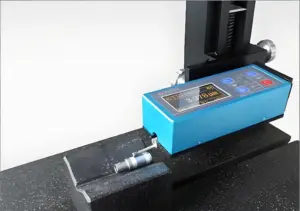
- Dimensional checks: Measuring to see if the part meets exact size specs
- Function tests: Like stretching, compressing, or fitting the part onto a sample tool
- Tensile testing: For parts that need to stretch or hold tension under force
Key Points to Know
This is the final gate before your part moves to packing or assembly.
If it hasn’t been fully cured or trimmed, it stops here. If it doesn’t pass inspection—it doesn’t leave the line.
At MachMaster, every molded rubber part passes through visual, dimensional, and functional checks. Inspection data is logged and stored for traceability. Third-party inspection support is also available upon request. Our process follows ISO 9001-certified standards, giving you confidence that each part meets your exact specifications.
Conclusion
You’ve made it through every stage—from soft rubber blocks to tested, trimmed, and ready-to-ship parts.
You now know what to watch for. What questions to ask. And how to make smart calls before you commit time or money.
This isn’t just theory. It’s how real parts get made.
So what will you do with this knowledge?
Are you ready to stop guessing and start producing with confidence?
We’re here to help—contact us today.
Dive Deeper Into Our Resources
If you’re looking for more insights, we’ve put together a list of helpful articles that you might enjoy:
Still haven’t found what you’re looking for? Don’t hesitate to contact us. We’re available around the clock to assist you.