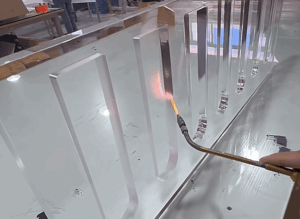

Last year, I watched a product launch fall apart because of a late machining job.
The parts weren’t even complicated.
They just couldn’t be delivered fast enough.
That situation pushed me to rethink our sourcing strategy from the ground up.
Since then, I’ve helped businesses—especially in fast-paced sectors like robotics and consumer tech, successfully integrate rapid CNC machining into their operations.
This guide is built from those results.
Inside, you’ll learn how rapid CNC works, where it fits, and how to avoid common mistakes. If you’re navigating deadlines, scaling up, or just want better control, this will deliver what you’re looking for.
Deadlines don’t wait. Your production shouldn’t either.
So let’s get started!
1. What is Rapid CNC Machining?
When I first heard the term “rapid CNC,” I assumed it meant someone just worked overtime. But it’s more than that.
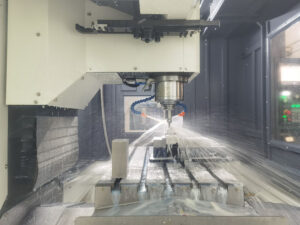
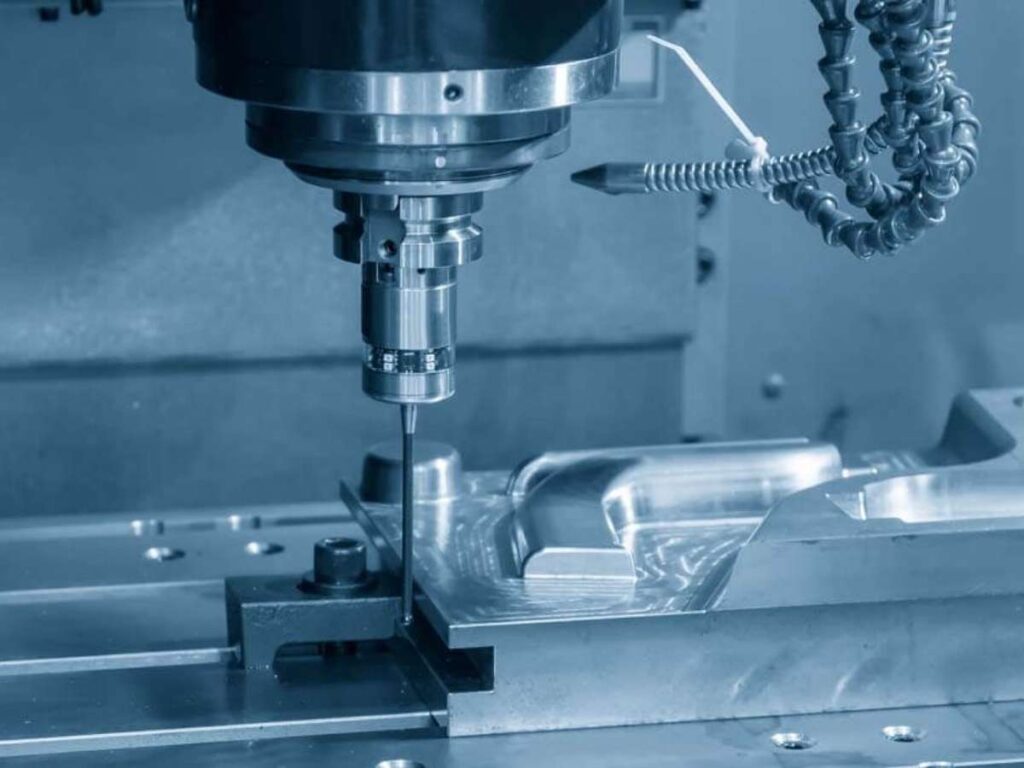
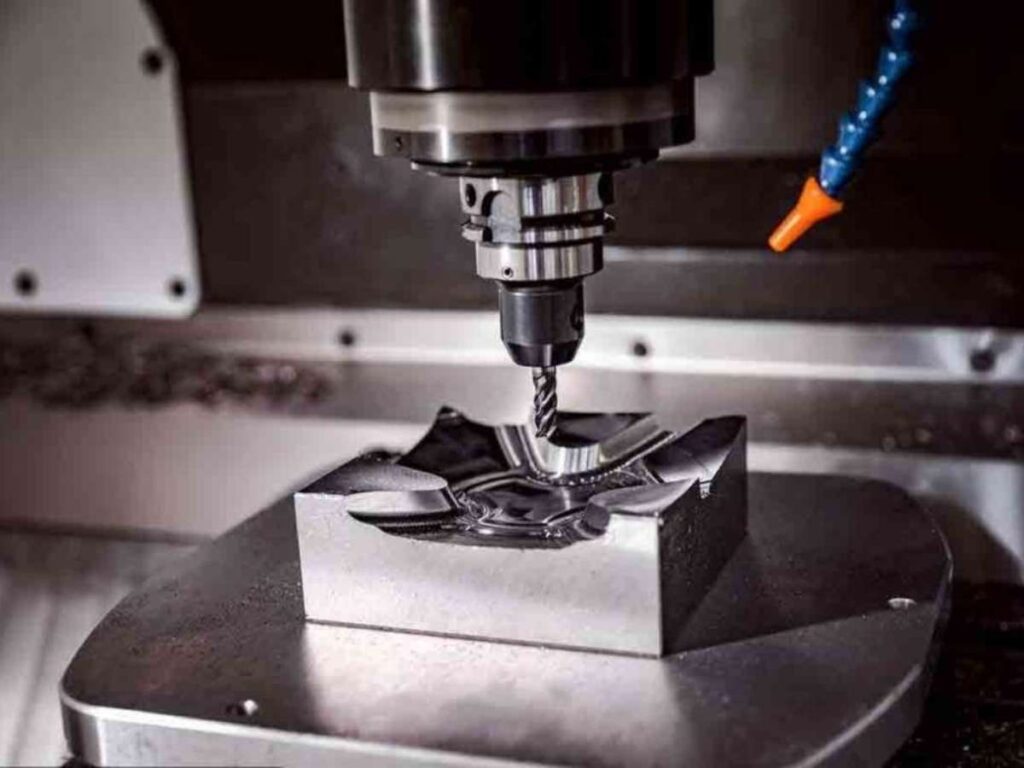
Rapid CNC machining is a fast, subtractive manufacturing process. It uses computer-controlled machines to cut, drill, and shape raw materials into final parts with tight tolerances.
What makes it “rapid” isn’t a different machine. It’s how the entire machining workflow is compressed.
Instead of slow batch production and weeks of back-and-forth engineering, rapid CNC machining focuses on:
- Faster programming and toolpath generation using CAM software
- Minimized setup time with modular fixturing and standard stock
- Optimized cutting strategies that prioritize speed without skipping precision
- Machining parts directly from CAD—often with no manual drawings required
The core of it is still classic CNC. You start with a solid block of material: aluminum, stainless, Delrin, whatever suits the job, and remove material until you’re left with the part.
But in rapid CNC, every step is compressed and simplified. The machine doesn’t run faster, but it starts sooner. And in B2B, that’s where time is usually lost.
I’ve seen teams cut lead time from 3 weeks to 3 days just by reworking how parts were machined. No magic, just process.
2. Advantages of Rapid CNC Machining
If you’ve ever lost time or a contract waiting on machined parts, you already know how valuable speed can be.
But rapid CNC isn’t just about going fast. The real value shows up in how it helps your team move with more control, less risk, and tighter timelines.
Here’s what makes it worth considering.
Speed Without the Sloppiness
The obvious benefit? You get parts fast. But what surprised me the first time around was how consistent the quality still was.
Because CNC machining is inherently accurate, speeding up the process doesn’t mean sacrificing tolerances. I’ve run parts at ±0.005″ even on 2-day turnarounds.
It’s not a trade-off. It’s just a smarter workflow.
Smooth Iteration Cycles
Whether you’re in R&D or low-volume production, iteration speed matters.
I’ve seen teams burn weeks waiting for minor design tweaks to come back. With rapid CNC, you can test, revise, and remachine parts in days instead of months.
This helps teams validate geometry, function, or fit without slowing momentum. And when changes cost less time, they happen more often and more confidently.
It keeps development moving forward.
Bridge the Gap Before Production
Let’s be real. Injection molds take time. So do large production runs.
Rapid CNC fills that awkward space in between when you’re too early for full production but too late to be stuck in prototype limbo.
You can build functional parts for customer testing, internal assembly, or small launches. I’ve used it to fill inventory gaps during supplier transitions more than once.
It buys you time without holding back quality.
Reduced Risk on Tight Deadlines
Sometimes, you just need a backup plan. Or a plan B for your plan B.
I’ve used rapid CNC as a fallback when overseas production slipped or a supplier flaked mid-project. Because it’s local, or at least fast, you get options instead of excuses.
That flexibility reduces stress when timing matters most. And honestly, it’s saved more than one deadline on my end.
It’s not just about parts. It’s peace of mind.
3. Materials Used in Rapid CNC Machining
One of the first things I ask when planning a CNC job is, “What’s the part made of?” Because material isn’t just a spec—it affects speed, cost, and tool wear.
Here are the ones I’ve worked with the most in rapid CNC projects.
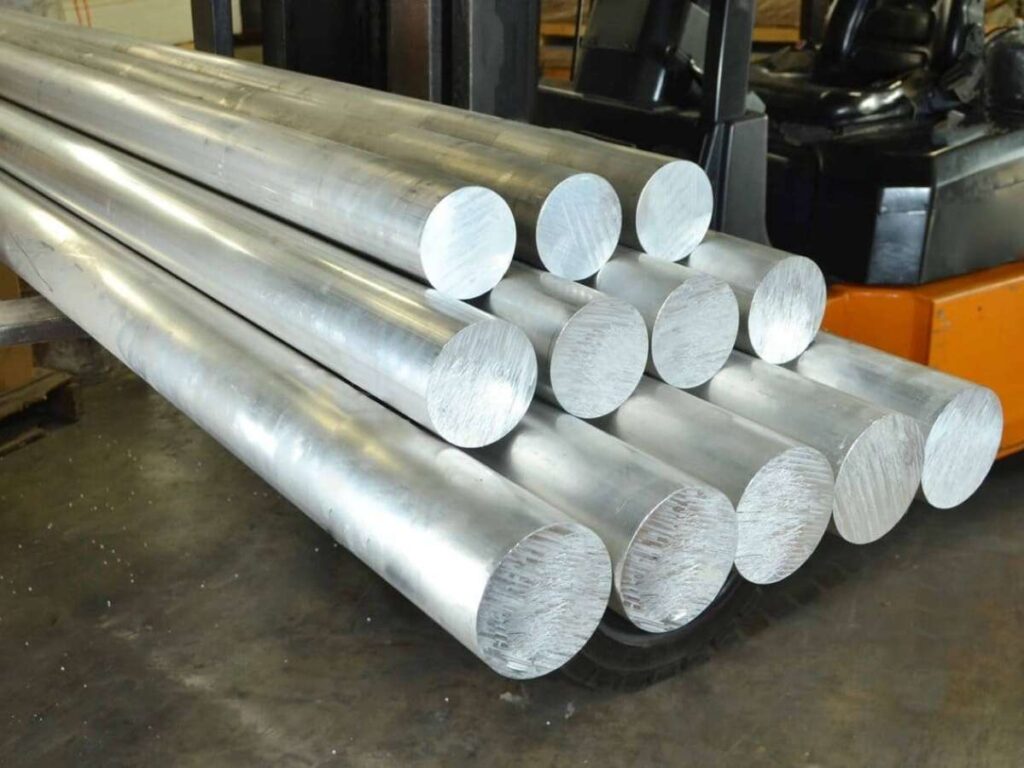
- Aluminum (6061, 7075, etc.): It’s light, easy to machine, and holds tolerance like a champ. I’ve used it for enclosures, brackets, and most prototype parts where strength and turnaround time both matter.
- Stainless Steel (304, 316): This one’s tougher on tools but great for durability and corrosion resistance. I usually use it for hardware or anything customer-facing in harsh environments.
- Mild Steel: A good balance of strength and affordability. It’s my go-to when corrosion resistance isn’t critical but structural performance still matters.
- Plastics (Delrin, ABS, Nylon, PEEK): Fast to cut and easy on tools, plastics are great for lightweight or non-conductive parts. I’ve used Delrin for precision components and ABS for concept models.
- Brass and Copper: These machine beautifully and are ideal for electrical or thermal components. I often recommend brass for fittings and copper when heat transfer is part of the job.
- Titanium: Tougher to work with and more expensive, but unbeatable for high-performance parts. I only bring it into the mix when weight and strength are both mission-critical.
4. Design Considerations for Rapid CNC Machining
Designing for rapid CNC is not quite the same as designing for traditional machining. There’s less time for adjustments, so your model has to be clean and ready to cut.
Here’s what I’ve learned after running hundreds of fast-turnaround jobs.
Keep Geometry Simple and Clear
The fastest jobs are the ones with simple, well-structured geometry.
Features like deep pockets, thin walls, or sharp corners can slow down machining and increase setup time. In a rapid project, that often leads to delays or added cost.
I always aim for clean geometry by rounding internal corners, avoiding unnecessary features, and minimizing tool changes. When the machine has a straight path to follow, the job runs smoother.
Use Standard Dimensions and Tolerances
Tight tolerances are possible, but they should be used only where they really matter.
When I apply tolerances only to functional areas like mating features or sliding fits, everything else runs faster. Generic tolerances make quoting easier and machining quicker.
I also stick to standard hole sizes and thread types whenever I can. It saves time and reduces the chance of rework.
Think About Workholding Early
This is something I learned the hard way.
If a part doesn’t have flat faces or obvious clamp points, it might be harder to fixture. That slows things down and could require custom setups that defeat the purpose of rapid CNC.
Now, I always check how the part will sit on the machine table before finalizing the design. Even small adjustments like adding a flat surface can make a huge difference.
5. Applications and Use Cases
One of the things I love about rapid CNC is how flexible it is.
It’s not just for prototypes anymore. I’ve seen it used across full product lifecycles, from early design to urgent repairs.
Here are a few ways I’ve personally seen it make a real impact.
Rapid Prototyping During Product Development
When you’re moving fast and iterating on hardware, nothing beats CNC-cut parts that actually behave like the real thing.
I’ve used rapid CNC to test fit, form, and function before committing to tooling. Unlike 3D prints, these parts give accurate performance for stress, heat, or movement.
It helps engineers make better decisions with fewer surprises down the line. And it saves weeks of back-and-forth with slower prototyping options.
Bridge Production While Scaling Up
There’s always that awkward stage between final prototype and full-scale production.
I’ve helped companies run small batches of CNC parts while waiting for injection molds or casting tools to be ready. It keeps products moving and lets sales teams deliver without delay.
In one case, we shipped 400 CNC-milled parts over six weeks before the full line came online. That saved the product launch and avoided a customer gap.
Spare Parts and Maintenance
Downtime kills productivity. I’ve seen operations stall for days because a single part wore out and had a long lead time.
With rapid CNC, we’ve reverse-engineered and machined critical components fast enough to keep systems running. No need to wait for overseas suppliers or legacy parts.
For equipment-heavy businesses, this kind of flexibility adds real operational resilience.
Custom Tooling and Fixtures
I’ve worked on projects where the product wasn’t the only thing we needed fast—we also needed jigs, clamps, and assembly aids.
Rapid CNC machining makes it possible to build custom fixtures in parallel with production. That means faster assembly, better quality control, and fewer human errors.
It’s a quiet use case, but a powerful one when deadlines are tight and teams need every edge they can get.
6. Rapid CNC Machining vs Other Rapid Manufacturing Methods
Over the years, I’ve tested just about every rapid manufacturing option out there.
And while they all have their place, they’re not interchangeable—especially when deadlines, function, and finish all matter.
Here’s how Rapid CNC stacks up against the rest.
| Method | Speed | Part Strength | Surface Finish | Material Options | Best For |
| Rapid CNC Machining | 1–7 days | Very high (metal/plastic) | Excellent (machined) | Wide (metals, plastics) | Functional prototypes, short-run parts |
| 3D Printing (FDM) | 1–3 days | Low–moderate | Moderate (layer lines) | Limited (mostly plastics) | Basic prototyping, concept validation |
| 3D Printing (SLA) | 1–3 days | Moderate | Very high (smooth resin) | Resins only | High-detail visual models |
| Urethane Casting | 7–14 days | Moderate | Good (cast finish) | Limited (PU resins) | Low-volume production, test runs |
| Sheet Metal Fabrication | 3–10 days | High (depends on design) | Fair (visible tooling) | Metals only | Enclosures, brackets, flat parts |
| Injection Molding | 4–12 weeks (tooling) | Very high | Excellent (tool-polished) | Very wide (plastics) | High-volume production |
My Take:
If you need functional parts, real materials, and production-grade tolerances, CNC is usually the safest bet. Especially for short runs or engineering validation.
But if all you need is a visual prototype or something disposable, there may be faster or cheaper routes.
Knowing which tool fits which job can save your team time, money, and a lot of unnecessary rework.
7. Tips for Choosing the Right CNC Rapid Machining Partner
Not all CNC partners are created equal—especially when speed is involved.
Some are built for low-risk, high-volume work. Others specialize in fast turnarounds but may cut corners if you’re not careful.
Here’s what I always look for before sending a single file.
#1 Evaluate Their Tooling and Machine Capability
Start with the basics: what machines are they running, and can they handle your material and tolerance requirements?
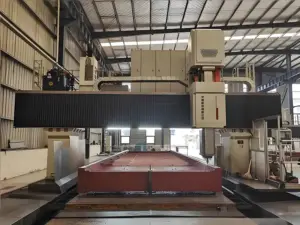
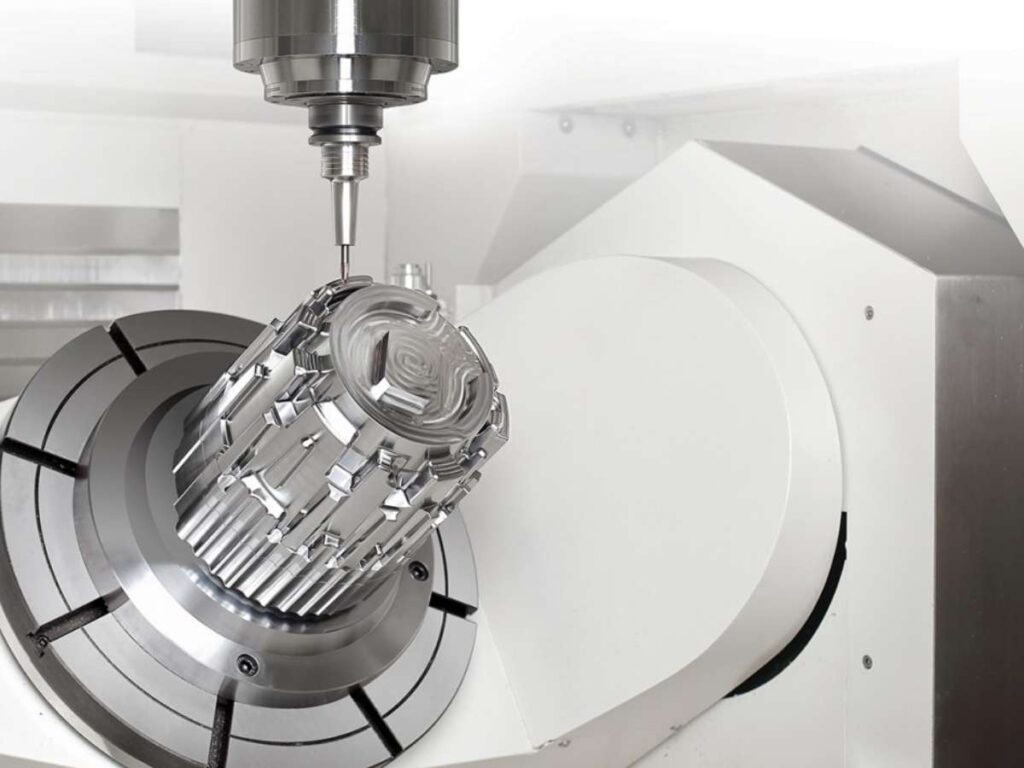
At MachMaster, we have have multi-axis machines, high-speed spindles, and experience with both metal and plastic materials.
I’ve had better luck with partners who list their in-house tooling openly and are transparent about what they can’t do. That honesty saves time later.
Machine capability directly affects both speed and finish quality.
#2 Review Their CAM and Programming Workflow
Speed isn’t just about cutting—it’s about setup and programming too.
Ask how they handle toolpath generation, fixture planning, and CAM prep. Shops that automate CAM workflows or use templated setups can move much faster without sacrificing precision.
If a partner can take your STEP file and program it within hours, that’s a huge advantage. But if they need days to prep, you lose the rapid part before cutting even starts.
This is one of the biggest hidden time sinks in the process.
#3 Ask About Lead Time Flexibility and Queue Management
Rapid CNC only works when the shop has the capacity to flex with your schedule.
I always ask how they prioritize rush jobs, how their queue is managed, and whether they guarantee any lead times. If they’re always “booked solid,” they’re not truly rapid.
The best shops have set-aside capacity or fast-track lanes for repeat customers. That kind of flexibility has saved me during supplier delays more than once.
You want a partner who can jump when the timeline gets tight, not just promise speed on paper.
Conclusion
Rapid CNC machining changed the way I run projects. No more waiting, no more scrambling.
This article gave you the full picture: the process, materials, pros, pitfalls, and how to choose the right shop. It’s all here.
Now, it’s your turn. The faster you move, the sooner you grow.
So what’s stopping you from delivering on time, every time?
MachMaster is ready. Contact us today.