
I remember staring at my inbox, waiting.
The prototype was supposed to arrive two days ago. The client was checking in. I had no good news.
That delay cost me a deal. And a lesson: not every prototyping partner is reliable.
If you’re trying to turn your plastic product idea into a real part—fast, affordably, and without painful surprises—this article will help.
I’ve made the mistakes. I’ve worked with great teams and terrible ones. You won’t have to guess.
Inside, I’ll break down everything you need to know about plastic prototype manufacturing. From methods to materials to timing.
So you can make smart decisions and skip the stress I went through.
So let’s start!
1. What Is Plastic Prototype Manufacturing?
Imagine this: You’ve got a product idea.
You’ve spent weeks designing it on your computer. It looks good. It feels ready.
But on paper or a screen everything works.
Real life? That’s where things get tricky.
Plastic prototype manufacturing is the process of turning your digital design into a real, physical part made of plastic. It’s usually done before full production, and it helps you test, fix, and move forward with confidence.
I used to think prototyping was only for big companies. But after a rushed project failed because we skipped this step, I changed my mind. A small plastic part could have saved us thousands.
So why should you care?
Here’s what a good plastic prototype helps you do:
- Catch design mistakes early
- Speed up how quickly you move from idea to production
- Show investors and buyers a real sample—not just drawings
- Lower the chance of expensive problems later
Let’s say your plastic part doesn’t fit into your assembly. Or a snap hook breaks after one use. Without a prototype, you may not spot that until it’s too late. And by then, you’re stuck with wasted time, wasted material, and a product you can’t ship.
Prototypes help you fail fast so you can succeed faster.
They’re used in every stage of product development, from early models to final testing samples.
Some are rough and quick. Others are polished and presentation-ready. The right one depends on your goal.
So ask yourself:
- Do you need to test size and shape?
- Do you need a clean sample for a pitch meeting?
- Are you looking for functional testing before investing in molds?
If you said yes to any of these, a plastic prototype is your next step.
2. Material Choices for Plastic Prototypes
The first time I made a prototype, I picked the wrong plastic.
It looked great.
But once we tested it, the clips snapped off. Way too brittle. We had to start over.
That’s when I realized: picking the right material matters just as much as the design.
When you’re making a plastic prototype, there isn’t just one “best” material. It depends on what you’re testing and how the part will be used.
Let’s break down a few common options:
- PLA: This is a 3D printing plastic. It’s cheap, easy to print, and looks clean. But it’s brittle. Use it for looks and basic shape checks—not stress tests.
- ABS: Also used in 3D printing. A little stronger than PLA. It’s good for functional parts, though it can be tricky to print.
- Nylon: This one surprised me the first time I used it. It’s flexible and strong at the same time. Perfect for parts that bend or snap into place. Great for hinges or gear-like parts.
- Polycarbonate (PC): This plastic is tough. I’ve dropped parts made from PC and they didn’t even crack. Use it for high-impact areas or pieces that need to survive rough handling.
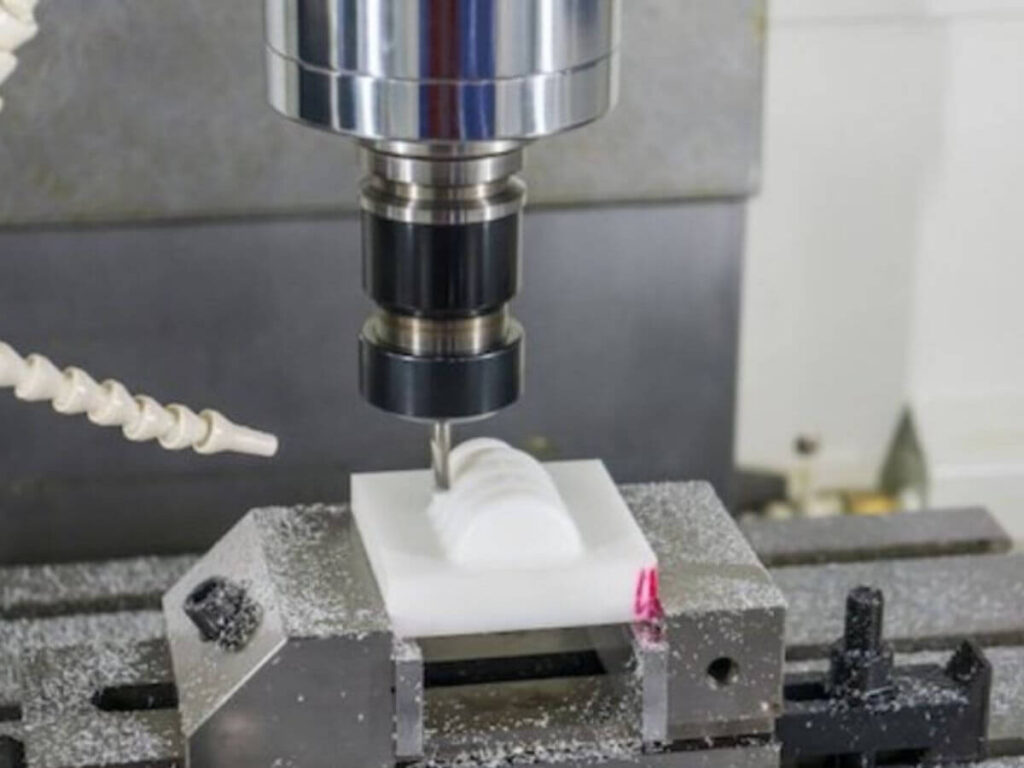
- POM (also called Delrin): If you’re using CNC machining, this is a top pick. It’s strong, smooth, and handles wear well. I’ve used it for sliding parts, and it holds up over time.
- Resins: These are used in SLA 3D printing and urethane casting. They’re great for fine details. If you need a clean surface or sharp edges, resins work well—but they can be brittle.
So, what should you ask yourself?
- Is your part for looks or function?
- Will it need to bend, snap, or hold weight?
- Are sharp corners or fine details important?
Choosing the right material makes your prototype work like your real product. And that brings you one step closer to production.
3. Most Common Plastic Prototyping Methods
Choosing how to make your plastic prototype can feel like staring at a menu in a new restaurant. So many choices. And you don’t want to pick the wrong one.
I’ve been there. Once, I went with the cheapest option. Fast, yes—but the part warped in the sun. Lesson learned: each method has its place.
Let’s walk through the most common options so you can figure out what fits your project best.
3D Printing (Additive Manufacturing)
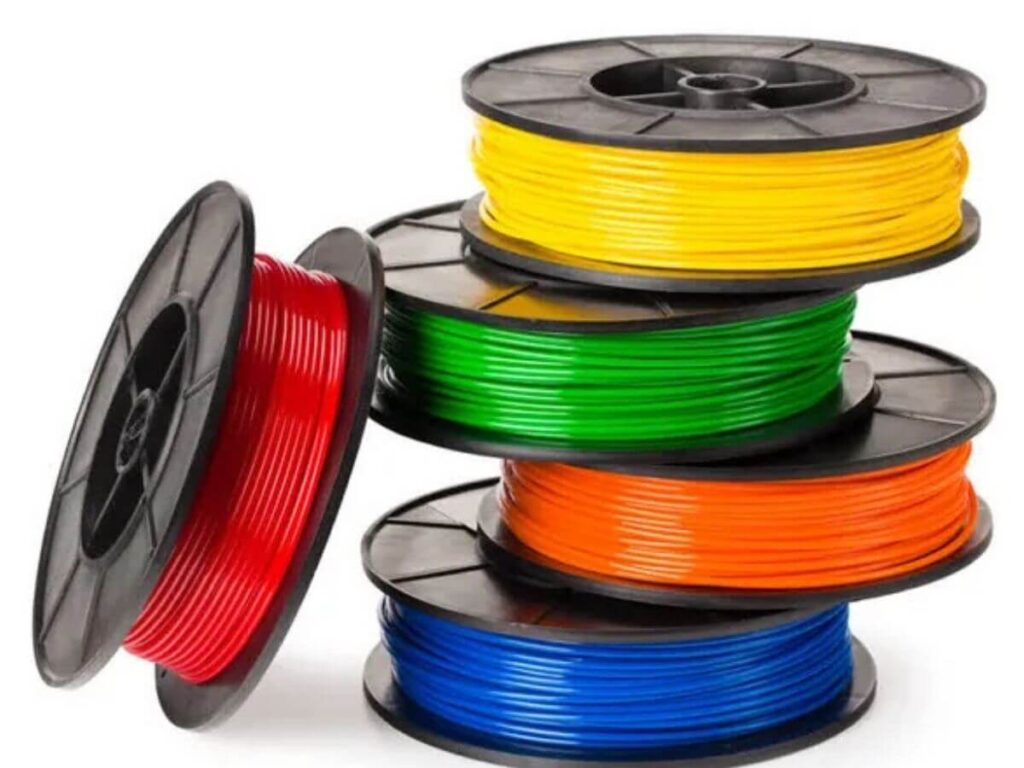
This method builds your part layer by layer from plastic filament or resin.
Best for:
- Quick, one-off parts
- Early design testing
- Personal projects or first concepts
Limitations:
- The surface may be rough without extra work
- Not great for parts needing high strength or tight tolerances
I’ve used 3D printing for shape checks and fast mockups. It’s fast and affordable. But don’t expect a finished-looking part right out of the machine.
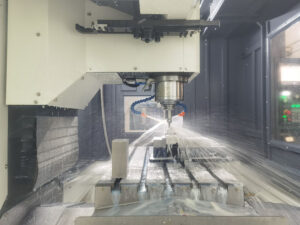
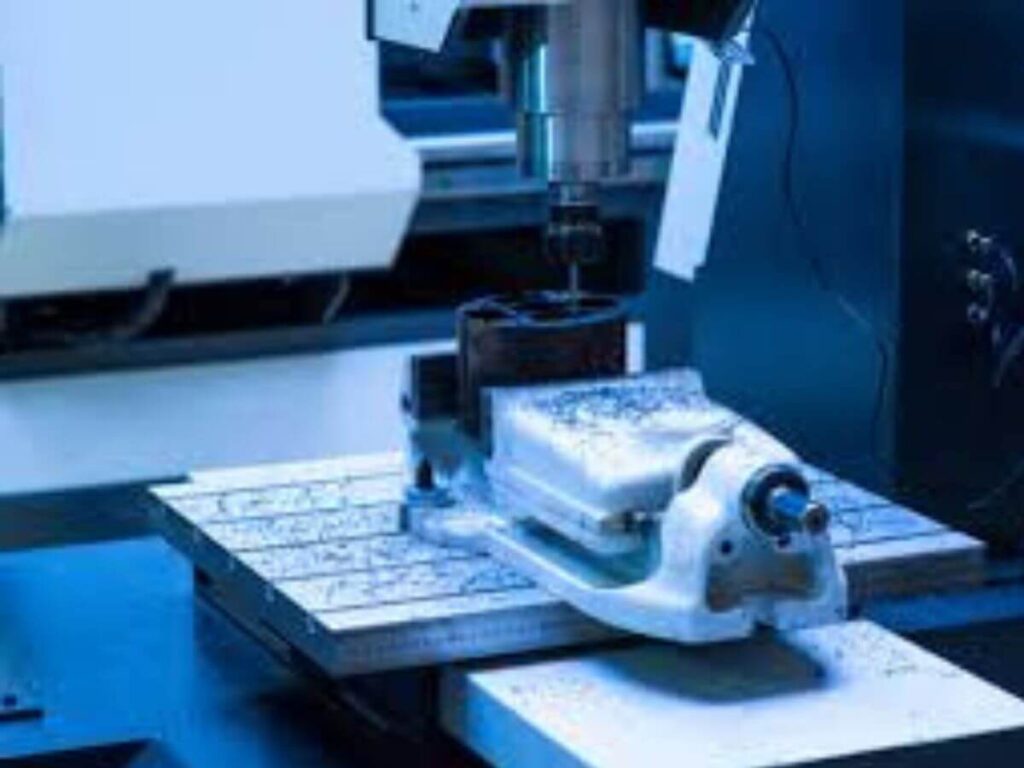
CNC Machining (Subtractive Manufacturing)
This process starts with a block of plastic and cuts away everything you don’t need.
Best for:
- Strong, accurate parts
- Functional testing
- Small runs of final-quality material
Limitations:
- Costs more than 3D printing
- Slower setup, but better results
If you’re testing fit or need to know exactly how a part performs under stress, CNC is a great choice. I trust it for critical components.
Urethane Casting / Vacuum Casting
Here, you make a mold using a master pattern, then pour in liquid plastic.
Best for:
- Short runs: 10 to 100 parts
- Smooth finishes
- Mimicking injection-molded parts
Limitations:
- Needs a pattern and mold
- Slightly longer lead time
This saved me once when I needed a small batch for a product pitch. The parts looked finished, and no one guessed they were cast.
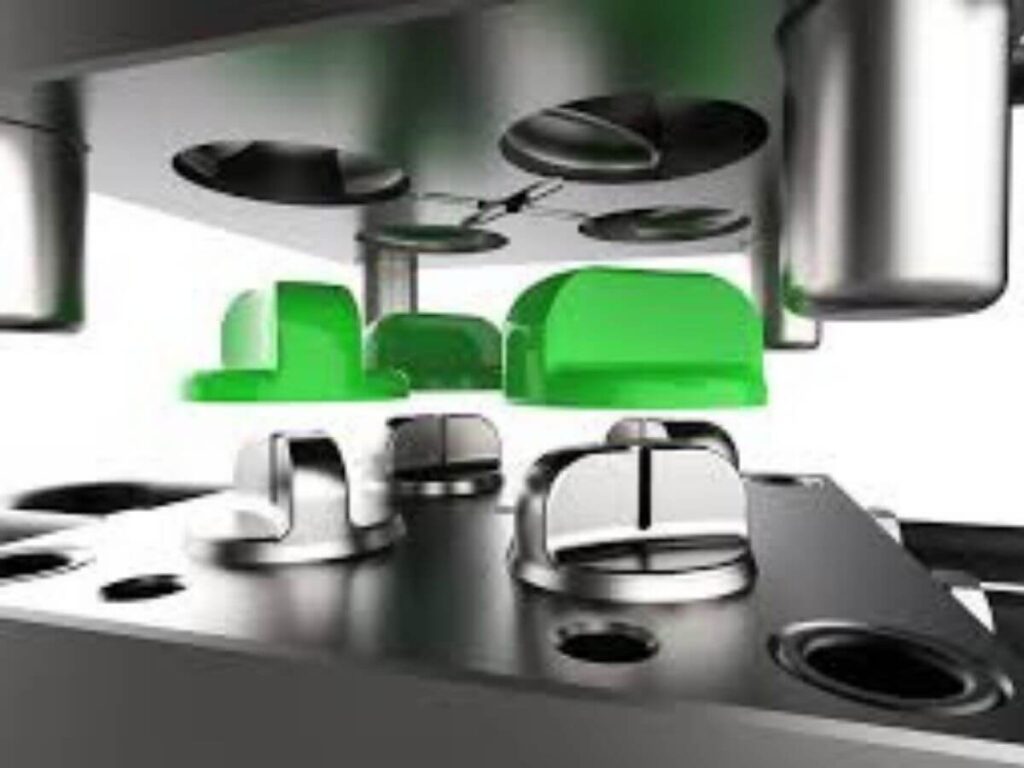
Injection Molding for Prototypes
This one uses steel or aluminum molds to inject molten plastic.
Best for:
- 100+ parts with real production quality
- Scaling after design is finalized
Limitations:
- High upfront tooling cost
- It only makes sense if you’re heading into production
At this point, your method matters—but so does who you trust to run it.
MachMaster helps teams like yours go from early mockups to final production with ISO-certified processes and precise tolerances, all in one place.
4. How Much Does Plastic Prototyping Cost?
Let’s be honest.
Before you start anything, you probably want to know: How much is this going to cost me?
That was my first question too. I had a tight budget and didn’t want to waste money on the wrong process.
The truth? Prices vary a lot. But once you understand what affects the cost, you can plan smarter.
Key Cost Drivers
Several factors can change how much you’ll pay:
- Process type:
- 3D printing is the most affordable
- CNC machining is more expensive
- Urethane casting adds mold cost
- Injection molding costs the most but is worth it for large runs
- Material cost: Some plastics are cheap. Others, like industrial-grade resins or nylon, cost more.
- Part design: A simple part with flat surfaces is easier and faster to make. Complex shapes, snap fits, or multiple components cost more.
- Finish level: If you want a polished, painted, or sanded part, that adds labor—and cost.
Typical Cost Ranges
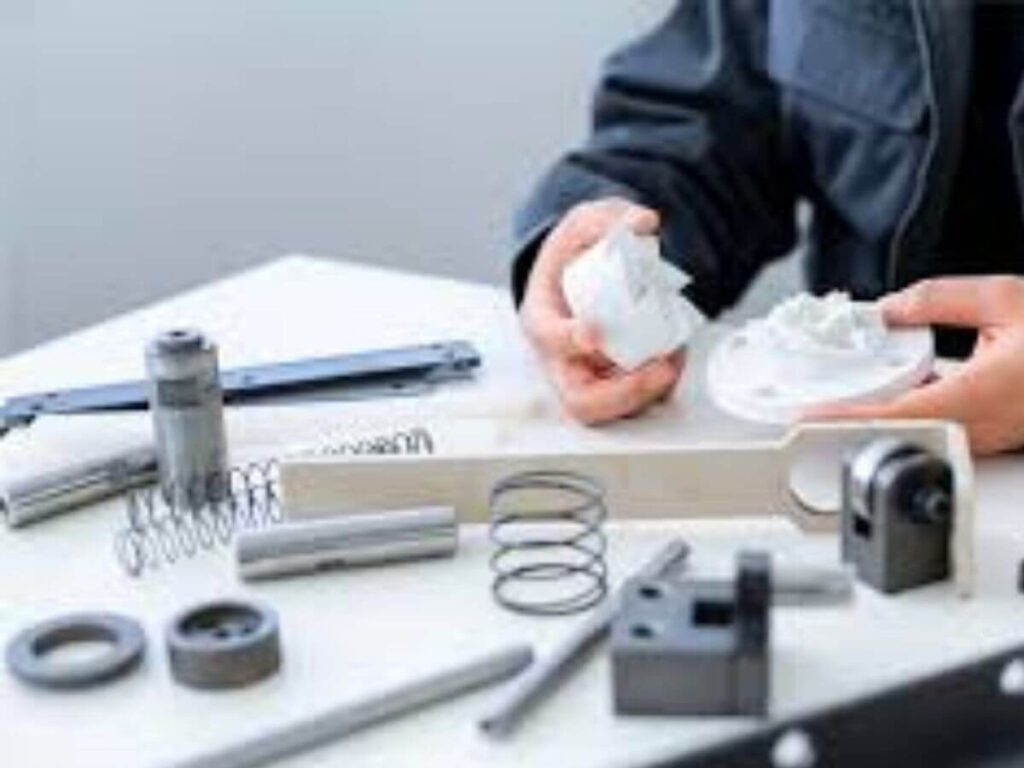
Here’s a general idea of what to expect:
- 3D printed parts: $20 to $100
- CNC or urethane cast: $100 to $500+
- Injection molded prototypes: $1,000 and up
Prices vary based on size, location, and how fast you need it. I’ve seen a $60 print turn into $300 just from rush fees and finish requests.
Tips to Keep Costs Down
- Stick to simple shapes in early versions
- Limit how many versions you make
- Use basic materials like PLA or entry-level resin
- Request free quotes from local shops or trusted online services
So what’s your next move?
If you know your goals and stay flexible, you can get a working prototype without blowing your budget.
5. Common Mistakes to Avoid in Plastic Prototype Manufacturing
Some of my biggest prototype setbacks didn’t come from bad luck.
They came from small mistakes I didn’t know I was making.
If you want to avoid delays, wasted money, and stress, these are the missteps to watch for—and how to dodge them.
Skipping DFM Review
DFM means Design for Manufacturing. It’s a step where someone checks whether your part is actually buildable using the method you’ve chosen.
I once sent a design straight to production without this review. It looked fine on the screen, but once printed, thin walls buckled and warped. We had to start over.
A quick DFM check up front could have saved days of waiting and a pile of wasted material.
Choosing the Wrong Material
Just because something prints easily doesn’t mean it will perform in real use. PLA is fine for visual mockups. But if your part needs to flex, hold weight, or deal with stress, you need something tougher.
Each material has different strengths. Pick based on what the prototype needs to do, not just how it looks.
Over-Finishing Early Prototypes
I used to sand and paint every early part like it was the final product. But most of those models never made it past the second revision.
Skip the polish first. Focus on shape, fit, and function instead.
Ignoring Fit and Tolerance
Tolerance is the small space between parts that helps them fit together. Sounds minor, but it can make or break a prototype. I once printed parts that should’ve snapped together, but they wouldn’t budge. Had to reprint with looser tolerances.
Forgetting About Post-Processing
Time adds up. So does labor. If your prototype needs sanding, polishing, or special coatings, plan for it. Those steps can be the difference between a 3-day job and a 2-week wait.
The bottom line?
Ask a few questions before you hit “go”:
- Will this design work in real life?
- Am I using the right material?
- Have I kept it simple enough for testing?
Avoiding these common mistakes won’t just save time—it’ll help you get better results, faster.
6. Tips for Choosing the Right Prototyping Method
Choosing the right way to prototype your plastic part isn’t always simple.
I’ve made choices based on speed alone—and later regretted them. I’ve also spent too much money on high-end parts I didn’t really need.
What I’ve learned? It all comes down to asking the right questions first.
Ask These Questions
Before you pick a process, take a minute to answer these:
- What is the purpose of your prototype? Are you checking how it looks? How it functions? Or both?
- How many parts do you need? One piece? A dozen? More?
- How quickly do you need them? Are you working with a tight deadline? Or do you have a few weeks?
- What’s your budget? Can you spend a few hundred dollars, or are you trying to stay under fifty?
- How close does the prototype need to be to the final product? Is this a rough draft or a near-finished part?
Each answer helps narrow down your best method.
Use This Basic Rule of Thumb
Here’s a simple way to decide:
- Idea sketch: Start with a 3D print. Fast and cheap. Great for early feedback.
- Functional testing: Go with CNC machining. Accurate and strong.
- Investor or sample batch: Use urethane or vacuum casting. Clean parts with solid feel.
- Pre-production testing: Consider injection molding. Best if you’re close to launch and need quantity.
I’ve used every one of these paths. And each one served a different purpose.
So, what’s your goal right now?
If you know what you need your prototype to do, the right method will become much clearer. It’s not about picking the fanciest tool—it’s about choosing the one that moves your project forward.
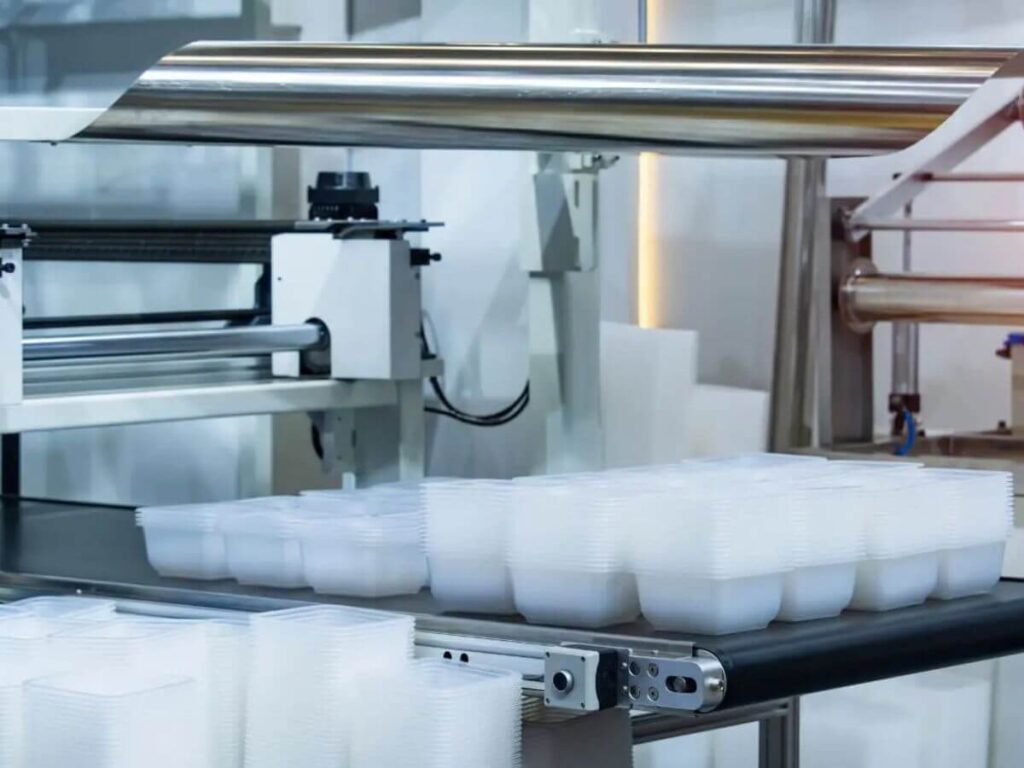
7. How to Choose a Reliable Plastic Prototyping Supplier
A great design means nothing if your supplier drops the ball.
I’ve had it happen—twice. One forgot to update me. The other missed the delivery date and didn’t say a word. That delay? It cost me a client.
Finding a supplier you can trust matters just as much as the prototype itself. But what does “reliable” actually look like?
Let’s break it down.
What to Look For
You want more than just someone with a machine. Look for these signs:
- ISO 9001 certification: This means they follow consistent quality systems. It’s a good sign they take process control seriously.
- Clear quoting: You should know exactly what you’re paying for—no hidden fees.
- In-house production or strong partner network: They should control quality or work with people they trust.
- Material and finish options: A good supplier will offer choices for both materials and post-processing.
- Fast, clear communication: Questions should get answered quickly, in simple terms.
Need a partner that meets these standards? MachMaster offers ISO-certified prototyping with fast quotes, precision results, and a wide range of plastics to match your needs.
Where to Find Them
You don’t have to stick to local options—unless time is tight.
Here’s where to look:
- Online platforms: Sites like Xometry, Hubs, and Fictiv let you upload files, get quotes, and track progress.
- Direct manufacturers: These often give better pricing and deeper design feedback.
- Local shops: Great if you need to drop by, check samples, or get something done fast.
Red Flags to Avoid
Some warning signs are easy to miss—until it’s too late. Watch out for:
- Vague quotes: If they can’t tell you cost or lead time, that’s a problem.
- No design review: A good supplier should catch obvious issues before they cut plastic.
- Slow replies or unclear file requests: If they can’t explain what they need from you, expect delays later.
Take your time here.
A reliable supplier makes every other part of your project easier—and helps you hit your goals without surprises.
Conclusion
That prototype I told you about the one that broke?
We fixed it. Fast. With the right material, the right method, and a supplier who actually answered emails.
You can do the same.
Now you’ve got the tools to choose your method, avoid costly mistakes, and turn your design into something real.
So, what’s holding you back?
Start small. Start smart. Start now.
Need help picking the right path? Or want someone to double-check your file?
Contact us today. Let’s build something real.
Explore Related Resources
Want to see more? We’ve gathered additional product choices to give you even more variety:
Still haven’t found what you’re looking for? Don’t hesitate to contact us. We’re available around the clock to assist you.