
I once had a supplier tell me they could machine plastic “just like metal.” It sounded promising, until we received warped parts and wasted two weeks fixing the mess.
That experience forced me to learn what really makes plastic CNC machining so different. And once I did, it changed how I source plastic parts forever.
This article comes from years of working with CNC shops on everything from acrylic enclosures to PTFE seals. If you’ve ever been burned by assumptions or vague supplier promises, you’re not alone, and this guide is built to give you clarity.
We’ll walk through materials, machining methods, tolerances, design limits, and common mistakes. By the end, you’ll know how to confidently plan or outsource any plastic CNC job.
Because no one wants to lose time or money on something that could’ve been avoided with the right information.
So, let’s jump in!
1. What Is Plastic CNC Machining?
I’ll be honest, when I first heard about CNC machining for plastic, I thought it was just a budget-friendly version of metal machining.
Turns out, I was wrong. Really wrong.
The tools, the speeds, the material behavior, it’s an entirely different ball game. And if you’re expecting to treat plastic like aluminum or steel, you’re in for a few costly surprises.
Here’s what caught me off guard early on:
- Plastic Melts, Not Chips: If your speeds and feeds are too aggressive, you’re not cutting—you’re melting. That means warped parts, poor finishes, and even clogged tools.
- Tool Geometry Matters More Than You’d Think: Standard cutters for metal don’t always work well with plastic. You need sharp tools with high rake angles to get clean, burr-free edges.
- Fixturing Needs a Gentler Touch: Clamp too hard, and you’ll deform the part. Unlike metals, many plastics will flex under pressure, especially during long machining cycles.
- Not All Plastics Are Created Equal: From ABS and Delrin to PEEK and Ultem, each has its own machining behavior, temperature tolerance, and structural limits.
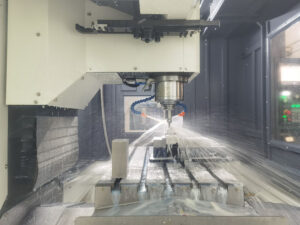
Plastic CNC machining refers to the process of using computer-controlled machines to shape and cut plastic workpieces into precise components.
It uses the same basic CNC principles as with metals, but everything from material selection to fixturing and feed rates needs a rethink.
This isn’t just a simplified version of metal machining. Plastic brings its own unique challenges and benefits.
2. Types of Plastics Commonly Used in CNC Machining
Here’s something that still amazes me: the variety of plastics you can machine.
Not all of them behave the same, and choosing the wrong one can lead to warped parts, slow production, or even failed projects.
Here are some of the most common plastics I’ve worked with in CNC machining, and what makes each one stand out:
- ABS (Acrylonitrile Butadiene Styrene): This is a reliable choice for prototypes and basic functional parts. It’s easy to machine, impact-resistant, and finishes nicely for visual models.
- POM (Delrin / Acetal): Delrin is one of my favorites for precision work. It holds tight tolerances, has low friction, and works great for parts like gears and bearings.
- Polycarbonate: If you need something strong and clear, polycarbonate is a solid bet. Just make sure to control heat carefully, since it can melt or deform under high temperatures.
- PTFE (Teflon): PTFE is ideal for chemical or slippery applications. It’s non-stick and resistant to most substances, but it’s also soft and requires gentle handling during machining.
- Nylon: Nylon offers great mechanical strength and is often used for load-bearing parts. Keep in mind it absorbs moisture, which can affect performance and size over time.
- PVC and CPVC: These are excellent choices for chemical environments or pipe fittings. They’re rigid and corrosion-resistant, but overheating them can release dangerous fumes.
- PEI (Ultem): Ultem is a premium plastic that excels in aerospace and medical applications. It handles high temperatures and stress, and it’s worth the price when precision and durability matter most.

3. Key Differences Between Machining Plastic vs Metal
I learned early on that switching from metal to plastic machining isn’t as simple as swapping out materials.
The tools, feeds, even how the material behaves under pressure, it all changes in ways that can mess with your workflow if you’re not prepared.
| Factor | Plastic CNC Machining | Metal CNC Machining |
| Heat Sensitivity | Plastics are highly sensitive to heat and can melt or warp if temperatures rise too fast. | Metals handle higher heat levels and typically require more aggressive cooling. |
| Cutting Speeds | Requires slower spindle speeds and faster feed rates to prevent overheating. | Allows higher cutting speeds and slower feed rates due to better thermal tolerance. |
| Tooling | Needs razor-sharp tools and often single-flute cutters to avoid chip buildup. | Uses standard carbide or high-speed steel tools suitable for tougher materials. |
| Chip Removal | Produces stringy, sticky chips that can re-weld or clog tools. | Produces manageable metal chips that are easier to clear from the cutting zone. |
| Surface Finish | Some plastics polish well but may need post-processing like sanding or flame polishing. | Metals generally achieve smooth finishes straight from the tool. |
| Holding and Fixturing | Clamping too tightly can deform parts, so softer fixtures or vacuum setups are common. | Metals are rigid and easier to secure without worrying about distortion. |
| Tolerance Capability | More prone to dimensional changes from temperature and humidity; tight tolerances are tricky. | Tolerances are easier to hold due to material stability. |
| Tool Wear | Softer plastics reduce tool wear, but sticky materials can cause gumming. | Metals wear down tools faster but are more predictable in cutting performance. |
| Material Cost | Plastics are often cheaper per unit, especially for prototyping and small runs. | Metals usually cost more but may justify the price with durability and strength. |
| Post-Machining Stress | Plastics can develop internal stress that causes warping after machining. | Metals are more stable post-machining and don’t typically shift over time. |
4. Tolerances and Surface Finishing in Plastic Machining
When I started outsourcing plastic parts, I assumed the shop could hit the same tolerances and finishes as they did for aluminum.
Big mistake.
If you want plastic CNC jobs to go smoothly, you’ve got to know what’s realistic and how to plan for it.
Holding Tight Tolerances Isn’t Always Straightforward
Not all plastics hold shape like metal, and chasing precision without understanding the material can lead to wasted time and money. Here’s what I’ve learned about tolerances that actually hold up:
- Plastic Expands More Than Metal: Temperature shifts during machining or shipping can change dimensions, especially in materials like nylon or polyethylene.
- ±0.005″ Is a Good Baseline: Most plastics can manage this tolerance range if the machining setup is solid. Tighter tolerances need high-stability materials.
- Some Plastics Are More Dimensionally Stable: POM (Delrin), PEI (Ultem), and PTFE (Teflon) resist thermal changes better than cheaper options.
- Stress-Relief Helps Hold Shape: Some shops pre-anneal plastic stock or do a secondary pass to reduce internal stress. This reduces warping after machining.
- Avoid Thin Walls If Possible: Thin features can flex or deform just from tool pressure or clamping force, even if your design meets tolerance specs.
Surface Finish Is More Than Just Looks
Even if the dimensions are perfect, a rough or glossy surface in the wrong place can ruin functionality or cause wear over time. Different plastics finish differently, so your strategy needs to adjust based on the material.
- Finish Depends on the Material: Acrylic and polycarbonate can look crystal clear with post-processing, while Delrin usually comes off the mill looking great.
- Tooling Matters a Lot: Sharp cutters reduce friction and leave cleaner surfaces. A dull tool will tear, melt, or scratch your plastic.
- Cooling Strategy Affects Quality: Too much heat causes melt lines or glossy burns, so cooling air or misting is often needed.
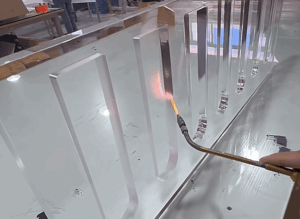
- Polishing Options Vary: Flame polishing, sanding, or vapor polishing can turn rough cuts into smooth, professional finishes, but they add time and cost.
- Finish Requirements Affect Part Design: If you need a fine surface in a tight corner, make sure your part allows tool access and finishing room.

5. Common Applications Across Industries
Once I got involved in CNC machining projects for industrial clients, I quickly realized just how vital precision plastic components are across high-performance sectors.
From cleanrooms to conveyor belts, plastic is everywhere, and not just as a cost-saver.
Medical and Life Sciences
Plastic CNC parts are a staple in the medical field because of their cleanliness, durability, and chemical resistance. I’ve seen components like diagnostic device housings, surgical jigs, and even sterilizable tool trays made from materials like PEEK and Ultem.
These plastics can be sterilized without degrading and offer excellent dimensional stability. Plus, when your part needs to avoid conductivity and corrosion, plastic is often the safer, smarter choice.
Electronics and Semiconductors
In electronics, plastic is a must-have because of its insulating properties and fine machinability. I’ve worked on projects where CNC-milled ABS or Delrin were used for circuit board brackets, mounting blocks, or sensor casings.
Unlike metal, plastic doesn’t conduct electricity, which reduces the risk of shorts or interference. And when you’re working in a high-precision environment, a custom-milled plastic part fits right into even the tightest assemblies.
Automotive and Transportation
At first glance, cars and trucks seem like they’d be all metal, but plastic is doing just as much work under the hood. I’ve seen machined nylon used for brackets, fluid routing components, and even custom bushings. These parts need to be tough, vibration-resistant, and able to handle fluctuating temperatures. Plastic delivers all that without adding unnecessary weight to the vehicle.
Robotics and Automation
Plastic CNC parts are practically everywhere in robotics, from the frame to the moving joints. I’ve worked with teams that used Delrin and PTFE for everything from sliders to grippers to mounting plates. These parts benefit from low friction and quiet motion, which is critical in automation lines. And when you’re making multiple revisions during prototyping, plastic makes changes fast and affordable.

6. Limitations and Challenges of Plastic CNC Machining
As much as I like working with plastic, I’ve also learned that it’s not all smooth sailing.
There are trade-offs that you just don’t face with metal, and if you’re not careful, those can turn into expensive mistakes.
Material Behavior Can Be Unpredictable
Plastics move in ways metals don’t. I’ve had parts come off the machine perfectly dimensioned, only to shrink or warp the next day from moisture absorption or residual stress.
Some materials, like nylon, are especially sensitive to humidity and temperature, which can throw off your entire assembly if you’re not expecting it.
You have to plan for those changes in your design or machining strategy, or deal with the fallout later.
Tooling and Setup Require Extra Attention
People think plastic is easy on tools, but I’ve seen cutters wear out faster from gumming than from cutting steel. Plastics like PVC and polycarbonate can melt and re-weld to the bit if chip removal isn’t perfect.
You also can’t clamp parts down too tightly, or they’ll deform right on the table.
Every detail, from tool choice to fixturing, needs to be dialed in carefully.
Not Always the Right Fit for High Volume
For low to mid-volume runs, plastic CNC machining works well, especially for prototyping and custom parts.
But once you start scaling up, CNC gets pricey compared to processes like injection molding.
I’ve seen teams try to run thousands of plastic parts on a mill, only to realize too late that it wasn’t sustainable. If volume is your goal, CNC might be a stepping stone, but not the end solution.

7. How to Choose the Right Plastic and Machining Partner
One of the biggest mistakes I’ve seen in plastic CNC projects is picking the right design but the wrong partner. Whether it’s the material or the machine shop, the details matter.
If you want reliable parts without constant back-and-forth, here’s what to look for.
Material Compatibility and Stock Selection
Not all shops carry the right plastic grades, and some will substitute without telling you.
That can be a huge problem if your application needs FDA compliance, heat resistance, or specific mechanical properties. Make sure your vendor has access to certified stock and understands the differences between virgin and recycled plastics.
It’s better to delay a job by a day than to redo it because the material was wrong.
Thermal Management in Machining Setup
Plastic heats up fast, and if the shop doesn’t manage heat correctly, your parts will suffer. Ask if they use air blasts, mist cooling, or reduced spindle speeds to keep temps under control. I’ve seen parts with perfect dimensions right off the mill that later warped because the heat wasn’t handled during cutting. Your partner should be able to explain how they avoid thermal distortion.
Toolpath Strategy and Fixturing for Soft Materials
Plastic is more flexible than metal, so it needs a different approach for toolpaths and holding. If the shop uses the same strategy they do for aluminum, expect chatter, distortion, or tool marks. They should know how to avoid deflection, use the right entry angles, and balance clamping pressure to prevent crushing the part. Vacuum fixtures, soft jaws, and lighter passes are all good signs they know what they’re doing.
Experience with Secondary Operations and Finishing
Plastic parts often need more than just cutting—they might require polishing, deburring, or annealing. I always ask shops what finishing steps they include or recommend based on the material. A shop that machines acrylic should be able to deliver a clear surface without fogging or scratches. If they can’t speak confidently about post-processing, they probably don’t do it often enough.
Conclusion
That first failed plastic part taught me more than any guide ever could. But you don’t need to learn the hard way.
You now know what plastic CNC machining is, where it shines, how to choose the right material, and why your partner matters.
So what’s holding you back?
Contact MachMaster today and get the parts you actually need. On time, on spec, and on point.