
At first, I didn’t think surface finish mattered that much.
I was wrong.
We had a batch of stainless parts ready for delivery—polished, packed, and looking perfect. But months later, the customer came back. Scratches. Discoloration. Frustration. Turns out, we’d chosen a finish based on looks, not function.
That was the moment I realized how important this step really is.
If you’re here, you might be working on a part, a product, or maybe your own build—and wondering what finish will hold up best.
This article will give you that answer. I’ll break down the most common metal finish types and explain how each one works, what it’s best for, and what materials it’s compatible with.
You’ll leave with a clear picture of your options—and which finish makes the most sense for your needs.
Let’s start!
Side-by-Side Glance of Metal Finish Types
I get it, 15 finishes is a lot to take in.
So here’s a simple chart that breaks things down at a glance. Use it as your map before we explore each finish step-by-step.
| Finish Type | What It Does | Best For | Drawbacks | Compatible Materials |
| Polishing | Smooths surface for shine | Decorative parts, consumer products | Needs upkeep, no real corrosion protection | Steel, Aluminum, Brass, Copper, Titanium |
| Brushing | Creates a matte, textured finish | Appliances, enclosures | Can trap dirt, low corrosion resistance | Steel, Aluminum, Brass |
| Buffing | Boosts shine to mirror finish | High-end decorative pieces | Smudges easily, minimal protection | Stainless Steel, Brass, Aluminum, Copper |
| Anodizing | Hardens surface + adds color | Aluminum parts needing corrosion resistance | Only works on some metals | Aluminum, Titanium, Magnesium |
| Electroplating | Applies a thin layer of metal | Appearance + added hardness | May peel, needs good prep | Steel, Brass, Copper, Zinc |
| Powder Coating | Adds strong, colorful protective layer | Furniture, tools, bikes | Thick layer, not good for fine details | Steel, Aluminum, Iron, Brass |
| Galvanizing | Coats metal with zinc for corrosion resistance | Outdoor structures, fencing | Dulls appearance, adds thickness | Steel, Iron |
| Black Oxide | Adds a matte black finish | Tools, firearms, low-wear parts | Limited protection, fades over time | Steel, Stainless Steel, Copper alloys |
| Passivation | Cleans stainless and boosts corrosion resistance | Food, medical, and clean environments | Doesn’t fix rust, invisible finish | Stainless Steel, Titanium |
| Sand/Bead Blasting | Textures surface + cleans | Prepping for painting or coating | No long-term protection | Steel, Aluminum, Brass, Copper |
| Painting (Liquid) | Applies a wet coating of paint | Affordable color + rust protection | Chips, needs reapplication | Most metals with prep |
| Chemical Conversion Coating | Adds light protection and keeps conductivity | Aerospace, electronics | Some types toxic, low durability | Aluminum, Zinc, Magnesium |
| Hot-Dip Coating | Dips parts into molten metal for tough coverage | Heavy-duty outdoor applications | Thick coating, rough surface | Steel, Iron |
| Electropolishing | Removes top layer to smooth + shine | Medical tools, clean equipment | Doesn’t protect, can’t fix defects | Stainless Steel, Titanium |
| PVD Coating | Thin decorative + durable coating in vacuum | Watches, knives, tools | Expensive, not for large items | Steel, Aluminum, Brass, Titanium |
Feeling a bit clearer? Good.
Let’s move forward and look at each finish more closely, so you can decide what really fits your part.
1. Polishing
Have you ever run your fingers across a smooth metal surface and thought, “This just feels right”?
That’s often the result of polishing.
Polishing is a mechanical process that makes metal look shiny and smooth. You use abrasive wheels or compounds to rub the surface until imperfections disappear. It doesn’t change the shape of the part—it just makes it look better and feel cleaner.
There are different levels of polishing. Some finishes are mirror-bright. Others are more subtle, like a soft sheen. It all depends on how much material you remove and how fine your polishing tool is.
If you’re working on anything that’s customer-facing or needs a clean, professional look, polishing is usually a good starting point.
Now that you know how it works, let’s look at the benefits.
Advantages
Polishing can help in a few ways:
- It removes small scratches and marks
- It makes surfaces easier to clean
- It improves appearance and gives a professional feel
- It can slightly improve corrosion resistance (by removing pits or rough spots where rust could start)
This process is often used for stainless steel, aluminum, brass, and even titanium.
But like most things, it’s not perfect.
Drawbacks
Before you decide to polish a part, keep this in mind:
- It doesn’t offer strong protection by itself
- Fingerprints and smudges are more visible
- It can be time-consuming and expensive for large batches
- Re-polishing may be needed to keep the finish looking good
Wondering if your material is a good match?
Let’s talk about that next.
Compatible Materials
Polishing works best with:
- Stainless steel
- Aluminum
- Brass
- Copper
- Titanium
It’s not great for very soft metals or those with rough, uneven surfaces. Those can get damaged or wear down too fast.
Think about what you want your part to look like and how it will be used.
Is appearance more important than durability? Will this part be handled a lot?
Questions like these will help you decide.
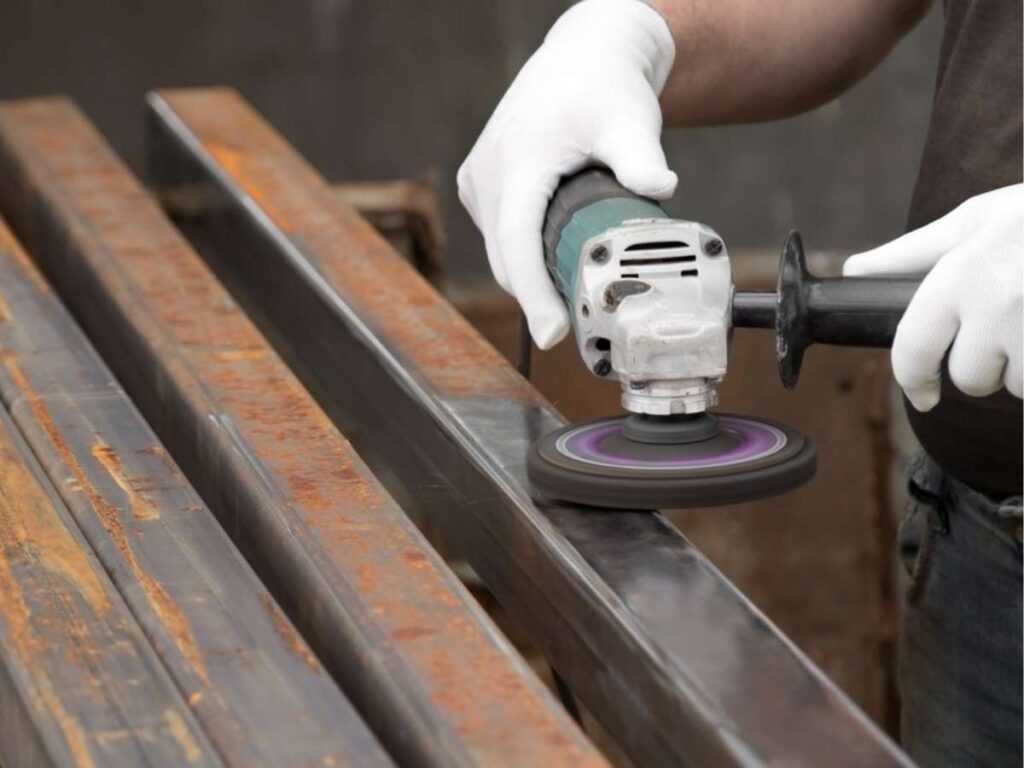
2. Brushing
Brushing is a finish that gives metal a soft, lined texture.
It doesn’t shine like polishing. Instead, it has a matte look with fine, consistent strokes. The surface feels smooth but slightly textured like satin.
This type of finish is popular when you want something clean and modern without being flashy.
Brushing is done with an abrasive belt or pad. The tool moves in one direction to create small, uniform lines. It removes the top layer of metal, which helps smooth out the surface and gives it that distinct pattern.
You’ll often see this on kitchen appliances or electronics.
So what makes brushing worth considering?
Advantages
- Reduces glare and reflections
- Hides small scratches and fingerprints
- Gives a clean, professional appearance
- Works well for parts that are handled often
But it’s not ideal for every situation.
Drawbacks
- Doesn’t protect against rust or corrosion
- Lines can trap dirt or grease
- Not great for outdoor use unless sealed
Does your project need more than just good looks?
Then let’s check which metals can actually handle brushing well.
Compatible Materials
Brushing works best with:
- Stainless steel
- Aluminum
- Brass
It can be tricky on softer metals, which may wear unevenly. If durability matters, think about how the part will be used and where it’ll be placed.
3. Buffing
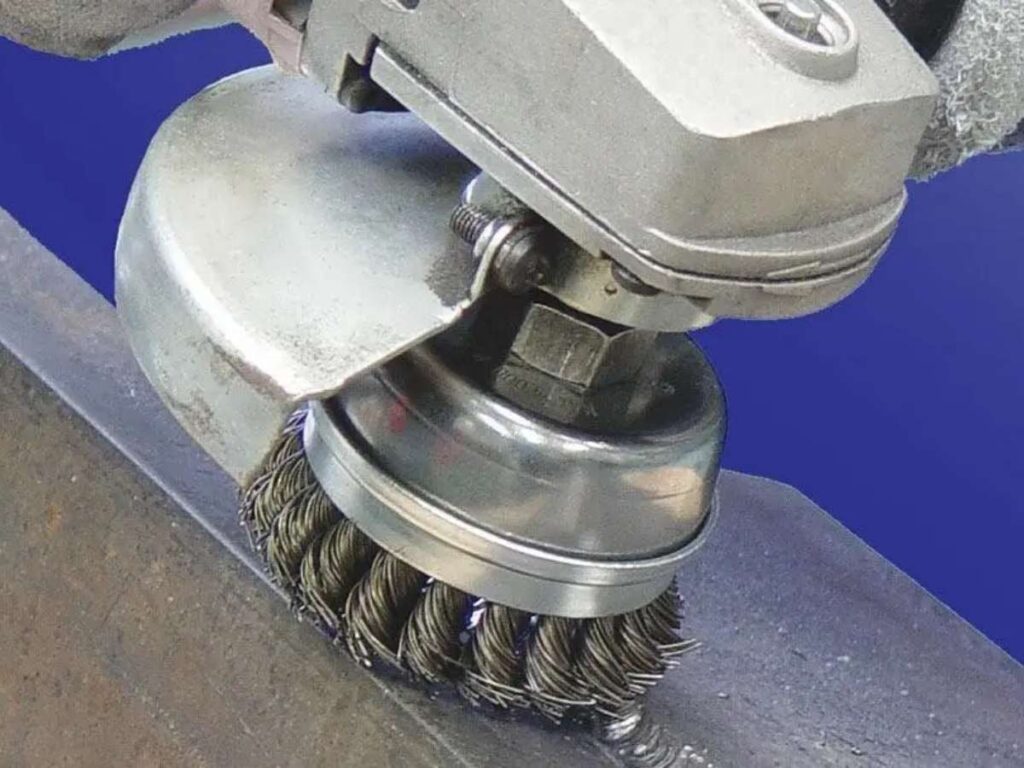
Buffing is similar to polishing but it goes a step further.
It’s used when you want a mirror-like finish. Think of a car bumper or a high-end faucet. Buffing brings out that extra shine and smoothness.
It’s all about appearance.
Buffing uses soft wheels and fine polishing compounds.
The process is gentler than grinding or sanding. It doesn’t remove much material. Instead, it smooths out the surface little by little until it reflects light evenly.
It’s often the final step after polishing.
Wondering if it adds any protection? Let’s take a closer look.
Advantages
- Produces a high-gloss, reflective finish
- Improves surface smoothness
- Great for decorative parts or displays
- Can remove light scratches and blemishes
Still, it has a few downsides to keep in mind.
Drawbacks
- Offers little to no corrosion resistance
- Easily shows fingerprints and smudges
- May need frequent rework to keep the shine
Ask yourself: is this finish just for looks? Will it be touched often?
If so, maintenance might be a concern.
Compatible Materials
Buffing works well with:
- Stainless steel
- Aluminum
- Brass
- Copper
It’s usually avoided on soft or coated materials.
4. Anodizing
Anodizing is a chemical process that changes the surface of metal.
It builds a protective layer by thickening the natural oxide layer on the metal. This layer helps guard against rust, wear, and damage.
The cool part? It can also add color.
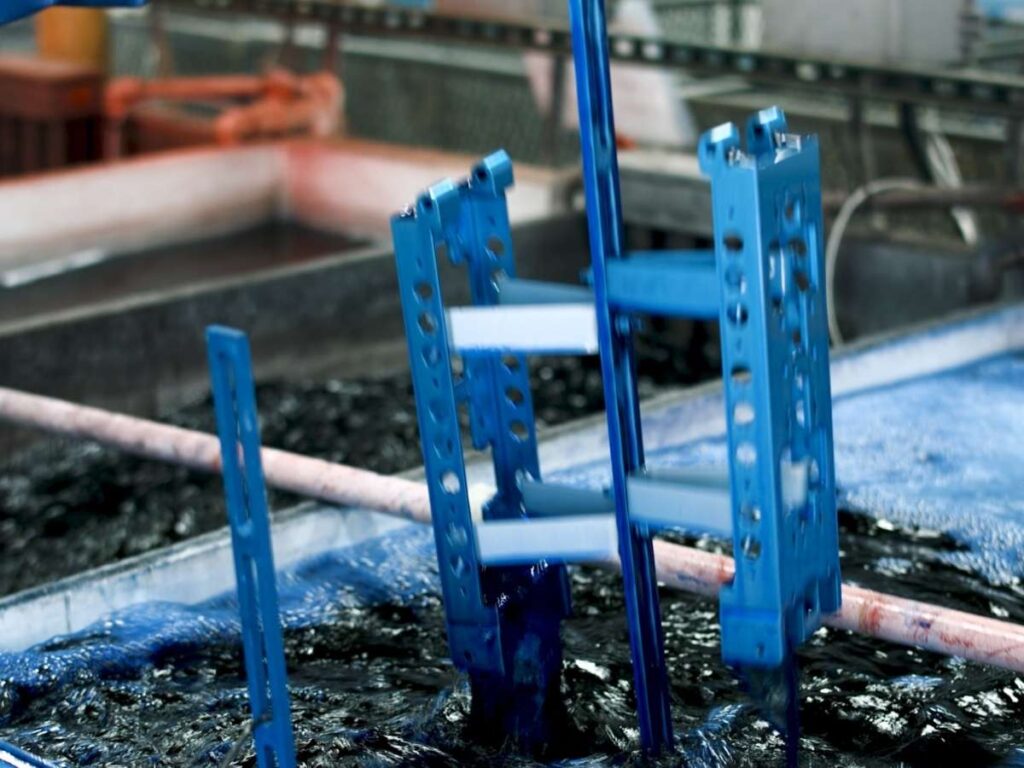
Anodizing is done by dipping metal into an acid bath and passing an electric current through it.
This reaction forms a controlled layer of oxide. Afterward, the part can be dyed or sealed for extra durability.
It’s common in aerospace, electronics, and consumer products.
So why choose it?
Advantages
- Strong corrosion resistance
- Scratch resistance
- Available in many colors
- Doesn’t peel or chip like paint
But it’s not the right fit for everything.
Drawbacks
- Doesn’t work on all metals
- Can change part dimensions slightly
- Surface may still show fingerprints or stains
Are you working with aluminum? If yes, this might be a top choice.
Let’s see what metals work with this finish.
Compatible Materials
Anodizing works best with:
- Aluminum
- Titanium
- Magnesium
It doesn’t work on steel or iron. If you’re using those, anodizing isn’t an option.
5. Electroplating
Electroplating is when you coat one metal with a thin layer of another.
It changes how the surface looks and behaves. Want a shiny chrome finish on steel? That’s electroplating.
It’s often used to improve durability or add a decorative touch.
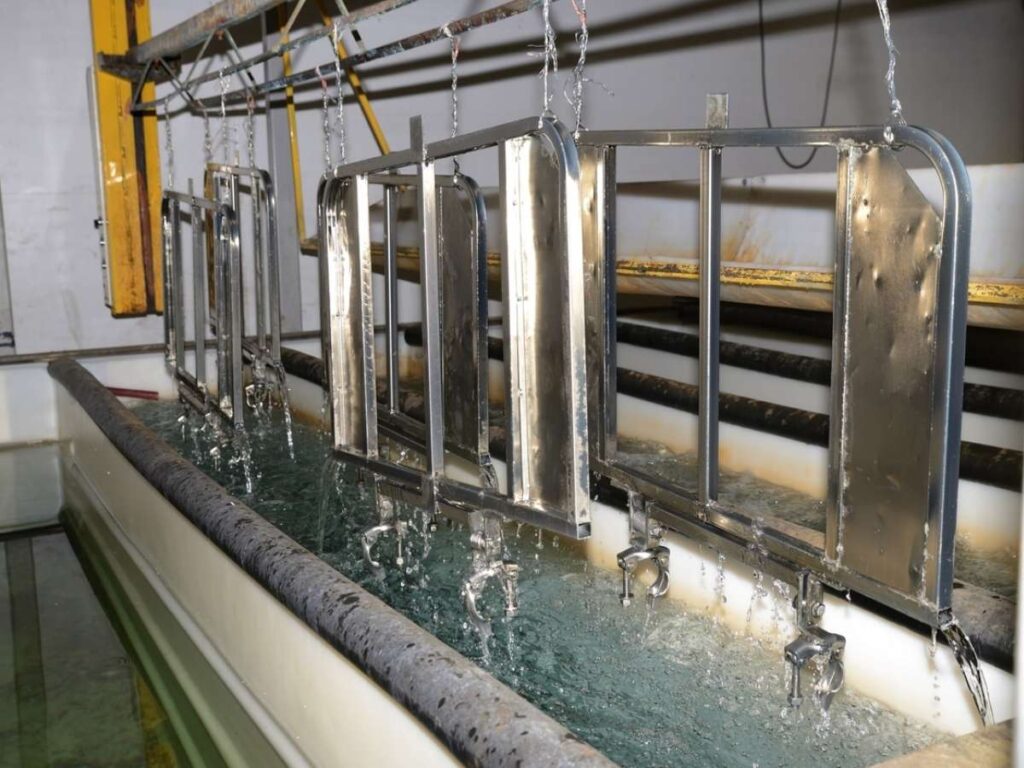
The part gets cleaned and placed in a liquid solution that contains metal ions.
An electric current is used to deposit those ions onto the surface of the part. That thin layer sticks and creates a new finish.
It can be done with gold, nickel, zinc, chrome, and others.
If you’re looking for a reliable supplier that can handle surface treatments like electroplating or anodizing alongside machining and production MachMaster offers fully integrated services with ISO 9001 certification and ±0.01mm tolerance.
Now let’s talk about the perks.
Advantages
- Improves corrosion resistance
- Enhances appearance (shiny or matte)
- Adds hardness and wear resistance
- Can increase electrical conductivity
Still, it has a few things to watch out for.
Drawbacks
- Can peel or flake if applied poorly
- May wear down over time
- Adds cost and production steps
Is your part going to face heavy use or just need to look good?
That’ll help you decide if electroplating is worth it.
Compatible Materials
Electroplating works with:
- Steel
- Brass
- Copper
- Zinc
It’s best on conductive metals. Plastics need special prep and might not hold the layer well.
6. Powder Coating
Powder coating is a dry finishing method that adds color and protection.
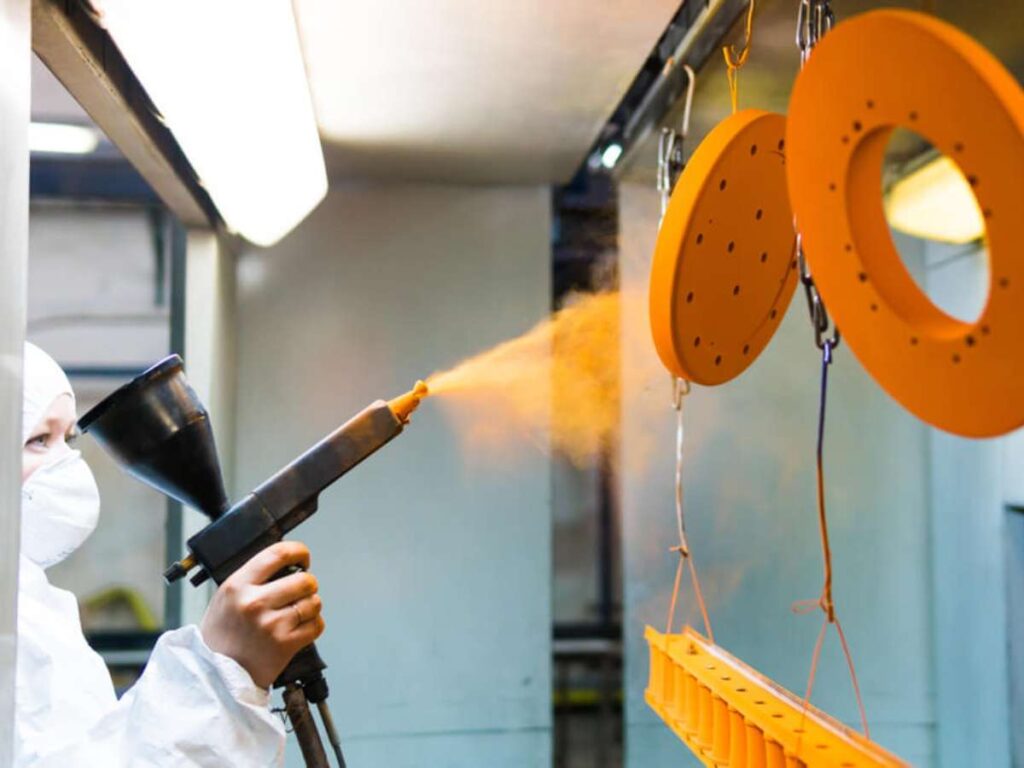
It doesn’t drip or run like paint. Instead, it goes on as a fine powder and gets baked onto the metal. The result is a hard, even surface that holds up well over time.
You’ve probably seen it on outdoor furniture, toolboxes, or bike frames.
How it’s applied?
First, the part is cleaned and grounded. Then the powder which is made from resins, pigments, and other additives is sprayed on using a special gun that gives the powder an electric charge.
Because the part is grounded, the powder sticks right away.
After coating, the part is baked in an oven. The powder melts and fuses into a solid layer.
So, why might you pick powder coating over paint?
Advantages
- Tough and long-lasting finish
- Resistant to chipping, scratching, and fading
- Available in many colors and textures
- Doesn’t release harsh fumes like liquid paint
But it’s not always perfect for every job.
Drawbacks
- Adds thickness to the part
- Can crack if applied too thick
- Needs heat, so not suitable for all materials
- Difficult to touch up once damaged
Thinking about durability? Powder coating might be your go-to.
But make sure your material can handle the heat.
Compatible Materials
Powder coating works well with:
- Steel
- Aluminum
- Brass
- Iron
Non-metallic materials like plastic usually don’t work unless specially prepared.
7. Galvanizing
Galvanizing is a method used to protect steel or iron from rust.
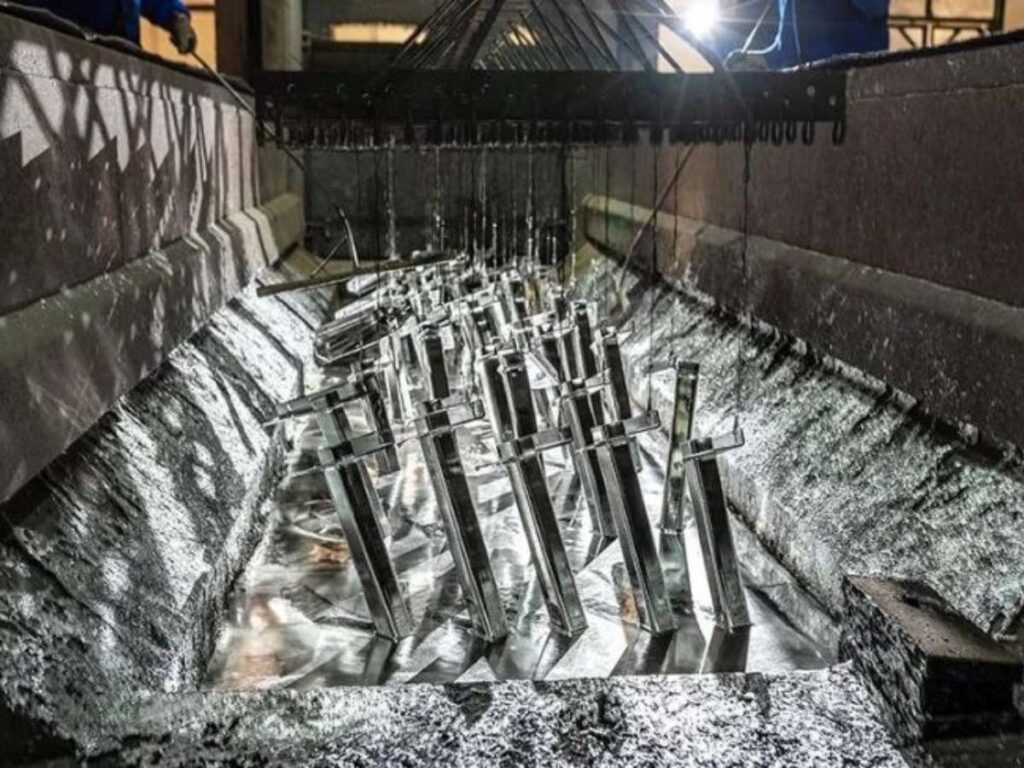
It works by coating the metal with a layer of zinc. That zinc becomes the barrier between the metal and the environment.
If you’ve seen metal street signs, fences, or guardrails, you’ve probably seen galvanized steel.
The most common method of applying it is hot-dip galvanizing.
The part is cleaned, then dipped into a bath of molten zinc. Once removed, the zinc hardens on the surface.
There are also other methods like electro-galvanizing, which uses electricity to apply a thinner zinc layer.
So why go through all that?
Advantages
- Strong corrosion resistance
- Long lifespan, especially outdoors
- No need to reapply coating often
- Protects even if the surface gets scratched
That said, there are some things to think about.
Drawbacks
- Can add a rough, dull appearance
- Not great for precision parts (zinc layer is thick)
- May require post-processing to paint or weld
Does your part need long-term outdoor protection? Galvanizing might be the right pick.
Let’s see what metals it works with.
Compatible Materials
Galvanizing is best for:
- Steel
- Iron
It doesn’t bond well with aluminum or copper. If you’re using those, you’ll need a different finish.
8. Black Oxide
Black oxide is a finish that adds a dark, matte look to metal.
It doesn’t build up a thick layer. Instead, it chemically reacts with the surface to create a darkened, corrosion-resistant finish.
It’s subtle but effective used on tools, fasteners, and gun parts.
To apply, the part is dipped into a hot alkaline solution with oxidizing salts.
This process creates a layer of magnetite, which is black and stable. The part is then treated with oil or wax to add moisture resistance.
This finish is more about surface conditioning than building a barrier.
Let’s talk about why you might choose it.
Advantages
- Adds mild corrosion protection
- Reduces glare and light reflection
- Doesn’t change part size or shape
- Gives a uniform, matte black appearance
But it’s not meant for harsh conditions.
Drawbacks
- Limited rust resistance without oil
- Wears off over time with handling
- Not suitable for outdoor exposure
Working with metal parts that won’t face tough environments? This might do the trick.
Let’s look at materials that take well to this process.
Compatible Materials
Black oxide works best with:
- Steel
- Stainless steel
- Copper alloys
It doesn’t work on aluminum or zinc.
9. Passivation
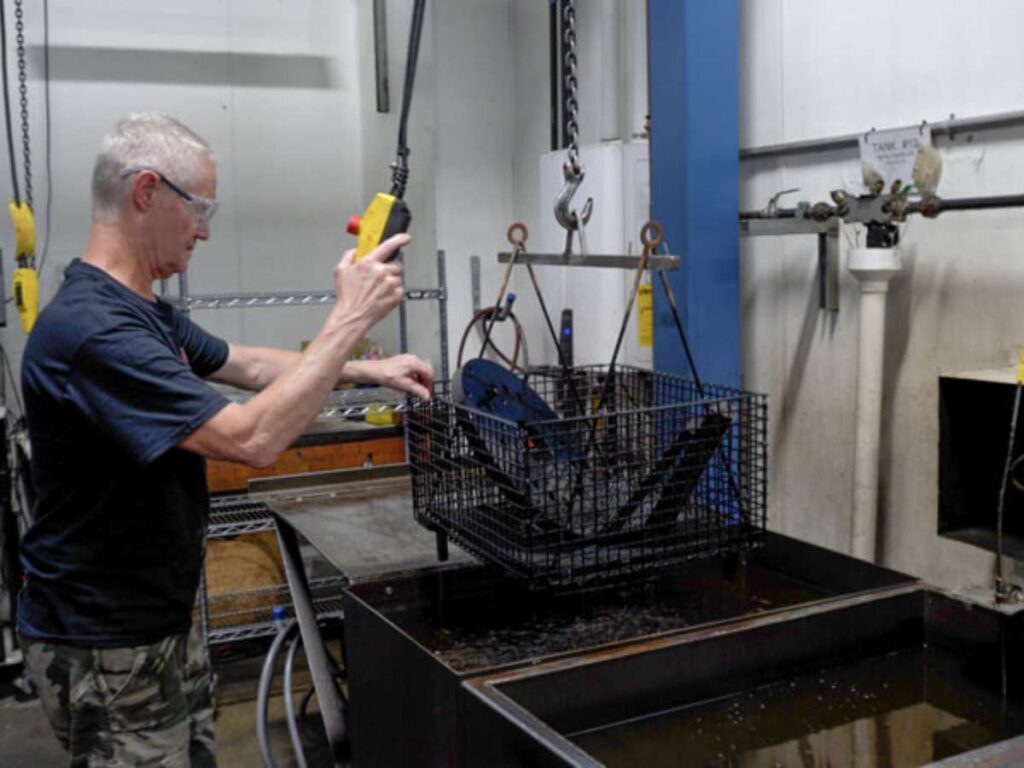
Passivation is a chemical process used to clean and protect stainless steel.
It removes free iron from the surface and leaves behind a thin, protective layer. That layer helps stop rust before it starts.
You won’t see a big change in appearance but the protection is there.
The metal is first cleaned, then dipped into an acid bath usually nitric or citric acid.
This strips away contaminants. What’s left is a clean, chromium-rich layer that resists corrosion.
So what are the benefits?
Advantages
- Improves corrosion resistance
- Doesn’t affect dimensions
- Enhances cleanliness for sensitive environments
- Works well in food, medical, and aerospace applications
Still, it’s not right for every metal.
Drawbacks
- Doesn’t change appearance
- Won’t fix existing rust
- Not suitable for carbon steel
Do you need to keep stainless steel clean and rust-free? Then passivation might be exactly what you’re looking for.
Let’s see what metals are compatible.
Compatible Materials
Passivation works best with:
- Stainless steel
- Titanium
It’s not used on copper, aluminum, or regular steel.
10. Sandblasting / Bead Blasting
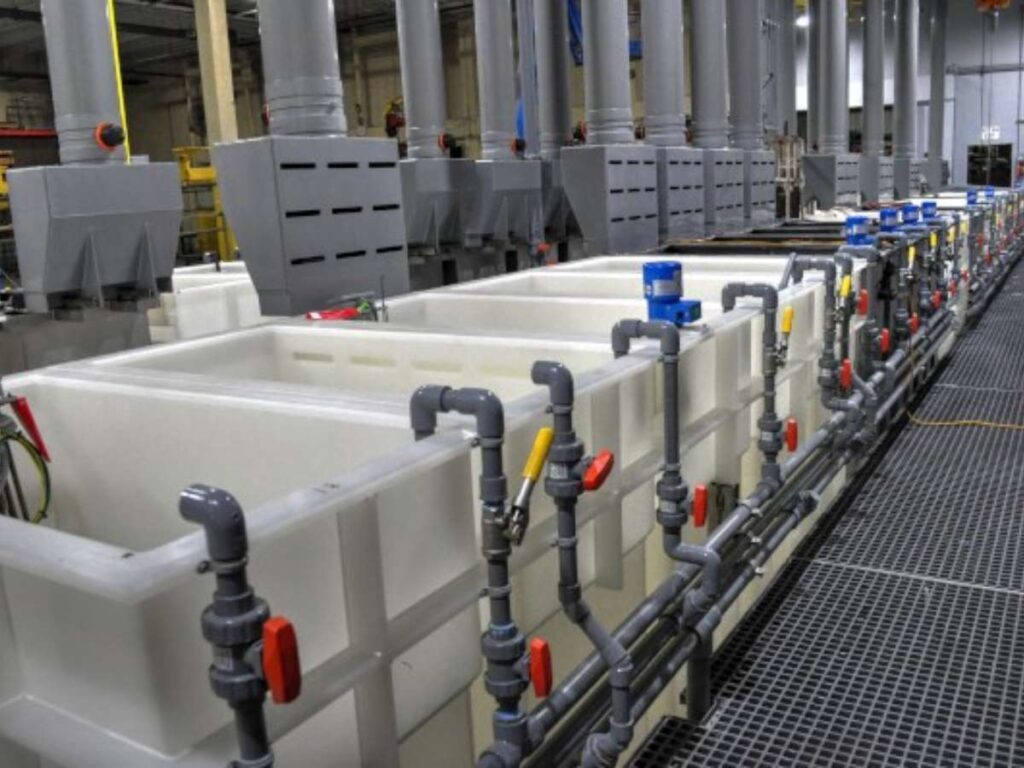
Sandblasting and bead blasting are mechanical finishes.
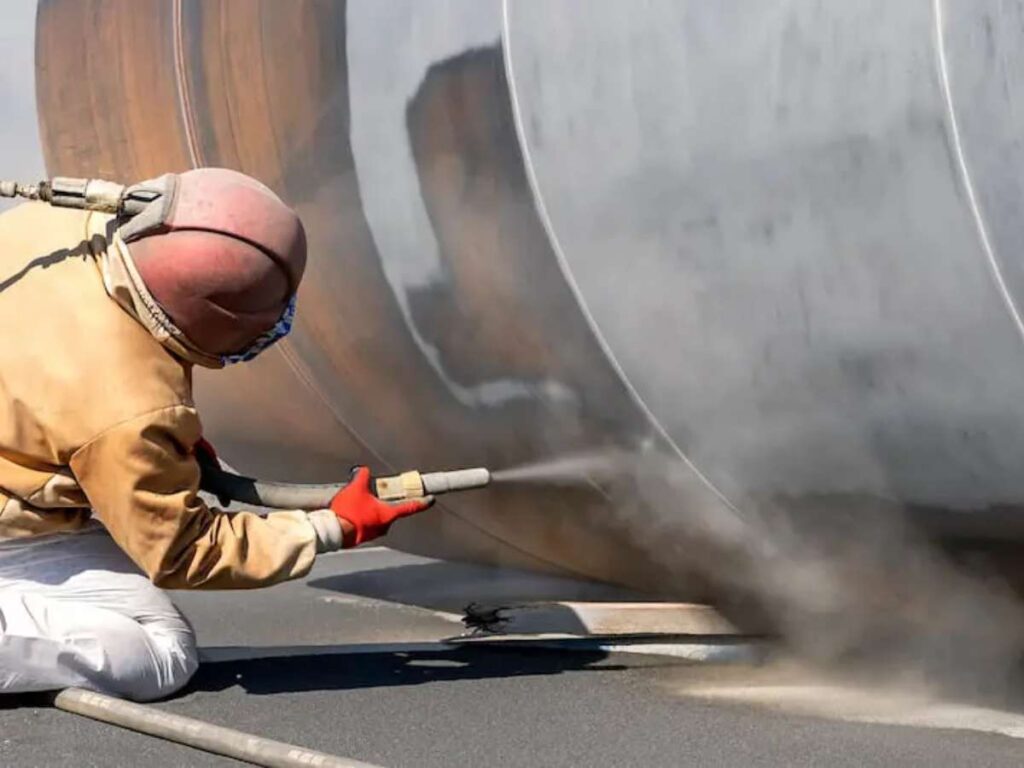
They clean and smooth metal surfaces by blasting them with tiny particles like sand or glass beads at high speed.
The result? A matte, even texture that’s clean and slightly rough.
The part is placed inside a blasting cabinet or booth.
A machine shoots the abrasive particles across the surface. You can use different materials for different textures: coarse sand, fine glass beads, or even walnut shells.
It’s quick, effective, and widely used before painting or coating.
Let’s look at what makes it helpful.
Advantages
- Removes rust, paint, and surface dirt
- Prepares surface for coating or welding
- Leaves a uniform matte texture
- Works on complex shapes and corners
But blasting does come with a few downsides.
Drawbacks
- Doesn’t offer long-term protection
- Surface can rust quickly if not coated afterward
- Can damage soft metals if too aggressive
Is your goal to prep a part for painting or powder coating? Then blasting might be the right first step.
Here’s what it works best with.
Compatible Materials
Sandblasting and bead blasting work well with:
- Steel
- Aluminum
- Brass
- Copper
Avoid blasting very thin or delicate materials, they might bend or warp.
11. Painting (Liquid Coating)
Painting, or liquid coating, is one of the most familiar finishes.
It adds color and surface protection using wet paint applied by brush, spray, or dip. Once dry, it leaves a thin coating that protects and decorates.
You’ve likely seen this on machinery, cars, or metal furniture.
The surface is cleaned first often blasted or sanded.
Then the paint is sprayed or brushed on. It dries and cures to form a protective layer.
Some paints are air-dried. Others need heat to fully cure.
So why use paint over other finishes?
Advantages
- Offers a wide range of colors
- Good for indoor and outdoor use
- Helps resist moisture and corrosion
- Easy to touch up or recoat
But like all finishes, paint has its weak spots.
Drawbacks
- Can chip or peel over time
- Requires surface prep to last
- May need reapplication in harsh conditions
Are you trying to balance appearance and affordability?
Then liquid coating might work well for your project.
Let’s wrap up with the materials that take paint best.
Compatible Materials
Painting works with:
- Steel
- Aluminum
- Iron
- Brass
Almost any metal can be painted if it’s properly prepped.

12. Chemical Conversion Coating (e.g., Chromate)
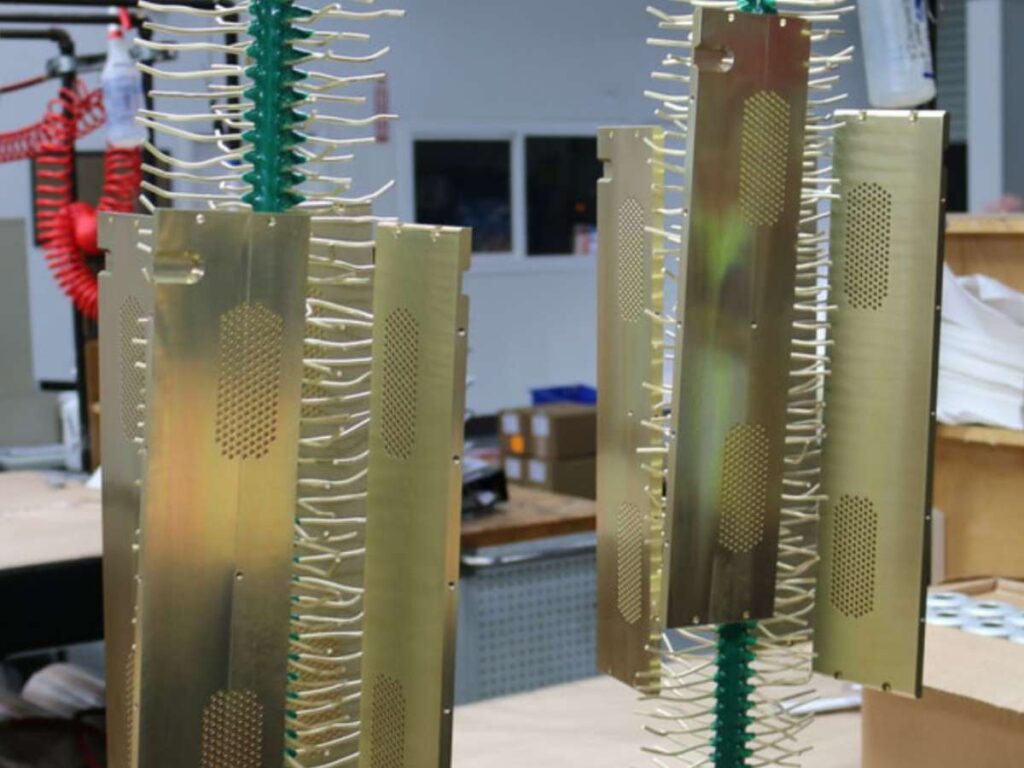
Chemical conversion coating is a surface treatment that reacts with the metal to form a thin, protective layer.
One common type is chromate conversion coating. It’s often used to protect aluminum without changing how it looks much.
This type of finish is popular in aerospace, electronics, and automotive parts.
The part is cleaned, then dipped into or sprayed with a chemical solution.
That solution reacts with the metal’s surface to create a thin, corrosion-resistant layer. Sometimes, it’s yellow or iridescent, but clear versions are also common.
You won’t feel much difference to the touch, but the protection is there.
Advantages
- Prevents corrosion
- Doesn’t add thickness
- Maintains conductivity (useful for electronics)
- Can be used as a primer before painting
Still, there are reasons to be careful with it.
Drawbacks
- Some versions contain toxic chemicals (like hexavalent chromium)
- Not ideal for high-wear parts
- Needs careful handling and disposal
Do you need light protection without changing the part’s shape?
This might be a good fit.
Compatible Materials
Works best with:
- Aluminum
- Zinc
- Magnesium
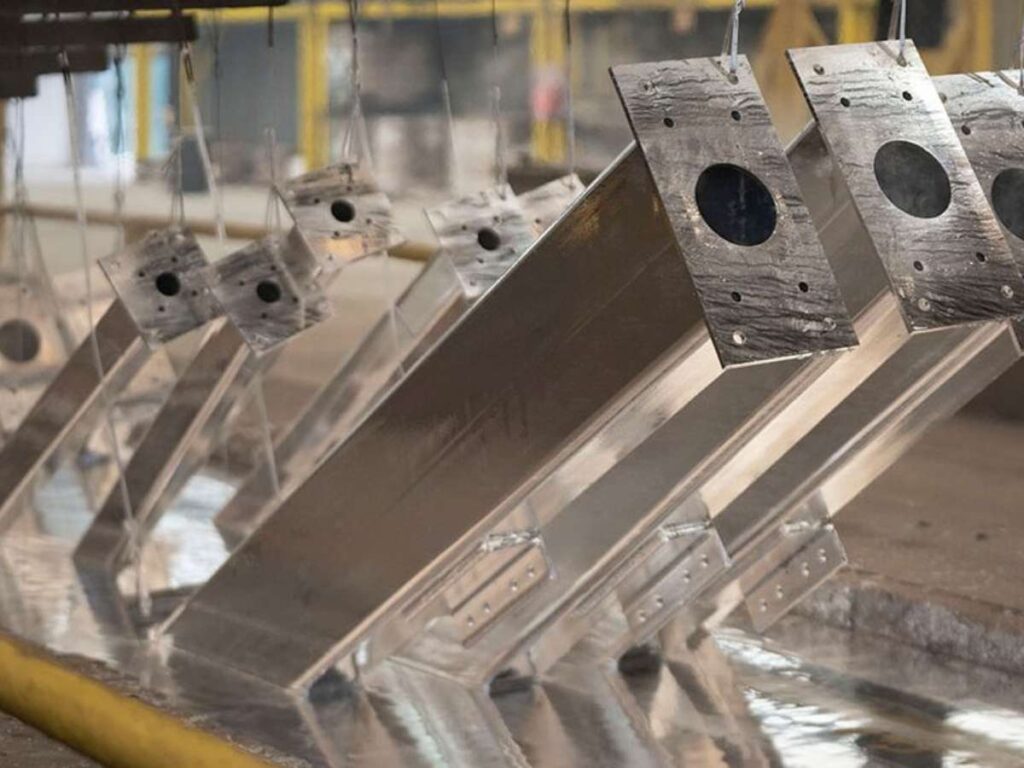
13. Hot-Dip Coating
Hot-dip coating protects metal by covering it with another metal usually zinc, aluminum, or a mix of both.
It’s kind of like giving the metal a full-body shield. Strong, simple, and built to last.
This process is used for bridges, buildings, and anything exposed to harsh weather.
The part is cleaned and then dipped into a bath of molten metal.
Once removed, the coating solidifies on the surface. It bonds tightly and protects the base metal from moisture, rust, and impact.
You’ll often see this used for structural steel.
Advantages
- Very strong corrosion protection
- Works well outdoors and in wet areas
- Coating heals itself if scratched slightly
- Long-lasting with little maintenance
But it’s not always the right choice for tight tolerance parts.
Drawbacks
- Thick coating can change dimensions
- Rougher surface finish
- Not suitable for small or delicate pieces
Is your project going outside or underground? If yes, this could be the finish to go with.
Compatible Materials
Best used on:
- Steel
- Iron
Other metals usually don’t take to molten coatings well.
14. Electropolishing
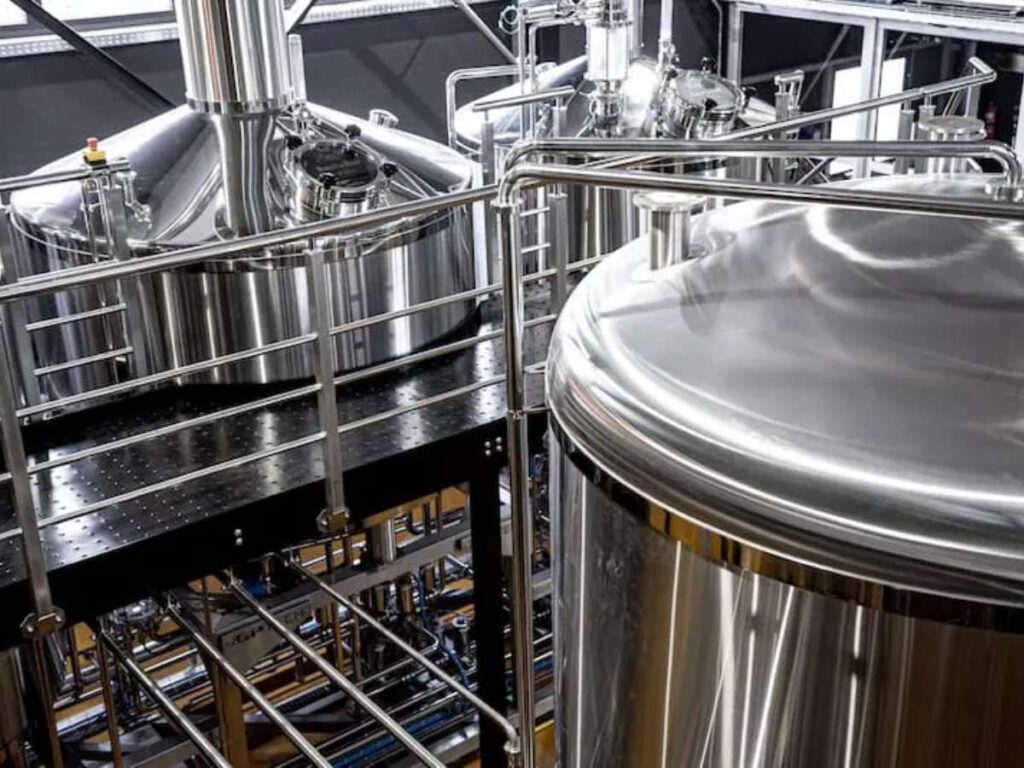
Electropolishing is like reverse plating.
Instead of adding metal, it removes a tiny layer from the surface. That smooths out peaks and valleys, making the part cleaner and shinier.
It’s commonly used for medical tools, food equipment, and high-purity environments.
How it’s applied?
The part is placed in a chemical bath and connected to a power source.
Electric current causes the surface to dissolve slightly. That removes roughness and leaves a smooth, bright finish.
It’s a precise process and needs controlled settings.
Advantages
- Creates a very smooth surface
- Removes contaminants and burrs
- Improves corrosion resistance
- Helps with cleaning and sterilization
Still, there are a few limits.
Drawbacks
- Doesn’t add protection just smooths what’s there
- Can’t fix deep flaws or cracks
- Works only on certain metals
Are you working on something that needs to be clean, safe, or sterile?
Then electropolishing might make sense.
Compatible Materials
Best used with:
- Stainless steel
- Titanium
- Aluminum (in some cases)
15. PVD Coating (Physical Vapor Deposition)
PVD stands for Physical Vapor Deposition.
It’s a method that puts a thin, hard film onto the metal. That coating improves wear resistance and can change the color or appearance too.
You’ll find PVD coatings on tools, watches, and even kitchen knives.
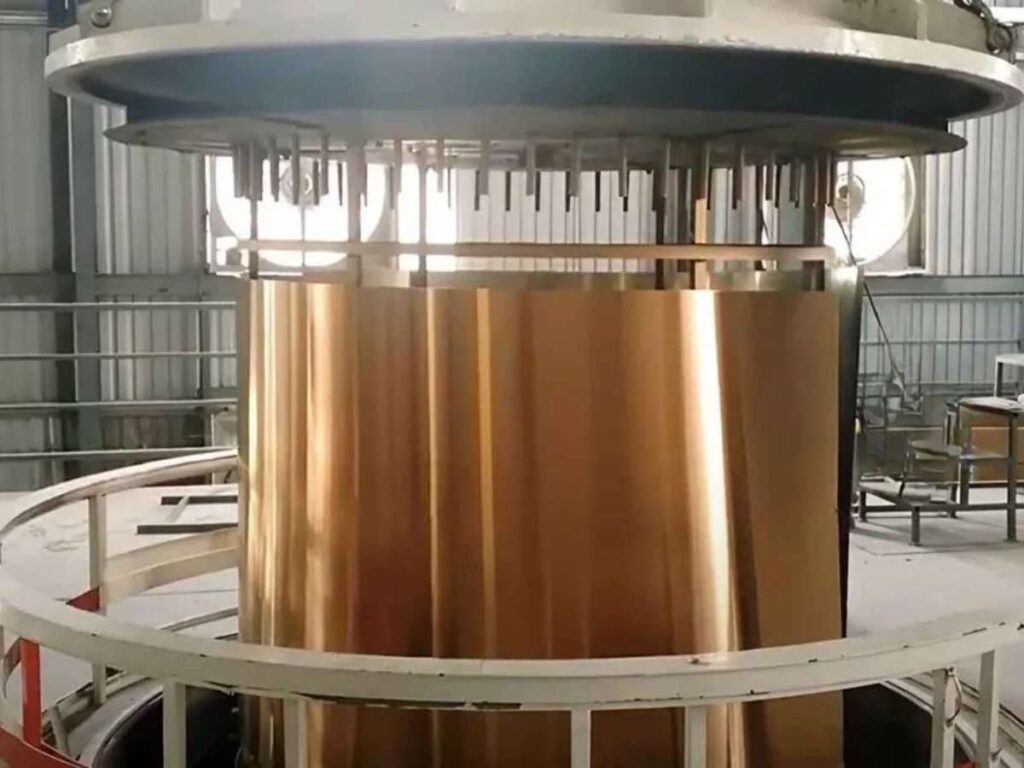
In applying it, the part goes into a vacuum chamber.
A solid coating material like titanium or chromium is heated until it becomes vapor. That vapor settles on the metal and forms a thin, strong layer.
It bonds at the atomic level. Super thin, but super strong.
Advantages
- Hard, scratch-resistant surface
- Thin layer, won’t affect part size
- Adds decorative finishes (gold, black, rainbow)
- Works at low temperatures
But it does have a few trade-offs.
Drawbacks
- Requires expensive equipment
- Not ideal for large parts
- Doesn’t protect against corrosion unless combined with other finishes
Do you need something that looks sharp and holds up to wear?
Then PVD could be worth considering.
Compatible Materials
Works best with:
- Steel
- Titanium
- Aluminum
- Brass
And that brings us to the end of our list of metal finish types.
Conclusion
You’ve just taken a big step forward.
Choosing the right metal finish doesn’t have to feel overwhelming. In this guide, you’ve seen what each finish does, where it works best, and what materials it fits.
You’ve got the insight and options. All that’s left is to act.
Ready to move forward with confidence? Contact MachMaster today!
Recommended Reads for You
If you need more options, take a look at our full range of products. You might find just what you need:
- Anodizing Service
- CNC Milling Service
- CNC Turning Service
- Injection Molding Service
- CNC Machining Service
Interested in more? Here are some additional articles with insights and tips to keep you informed:
Still haven’t found what you’re looking for? Don’t hesitate to contact us. We’re available around the clock to assist you.