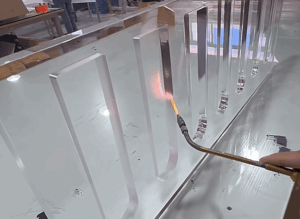

I once got stuck approving a batch of parts with a mirror finish that looked perfect. Then a customer complained about friction problems during assembly. Turns out, the surface wasn’t actually machined to spec.
That moment taught me a hard truth. Looks can be deceiving in surface finish.
If you’re reading this, chances are you want clarity, not confusion, when dealing with machined surfaces. I’ve worked with manufacturers, reviewed specs, and audited suppliers. What I’m sharing comes from real-world trial and error.
This article cuts through the jargon. You’ll learn what machined surfaces are, how they’re measured, what they affect, and how to choose the right finish for your business needs.
There’s no point wasting time or money on a surface that looks good but performs badly.
So, let’s jump into it!
1. What Are Machined Surfaces?
A machined surface is the final layer left behind after a part goes through cutting, grinding, milling, or turning. It might look polished, rough, or somewhere in between. But no matter the look, its finish affects everything, from friction to sealing capability to how the part interacts with coatings or mating surfaces.
In a business environment, this isn’t a cosmetic issue. If the surface isn’t right, the part fails. It might cause unnecessary wear, poor adhesion, or mismatched fits. And when that happens, it’s not just the part that’s affected. Your lead time, your budget, and your reputation are all at risk.
That’s why surface finish matters. Whether you’re sourcing precision components, handling quality control, or running a machine shop, understanding machined surfaces is crucial. And it’s not as complex as it sounds. Once you break it down, the fundamentals are clear and actionable.
2. Common Machining Processes That Impact Surface Finish
When I first started working with CNC vendors, I assumed machining was a one-size-fits-all process.
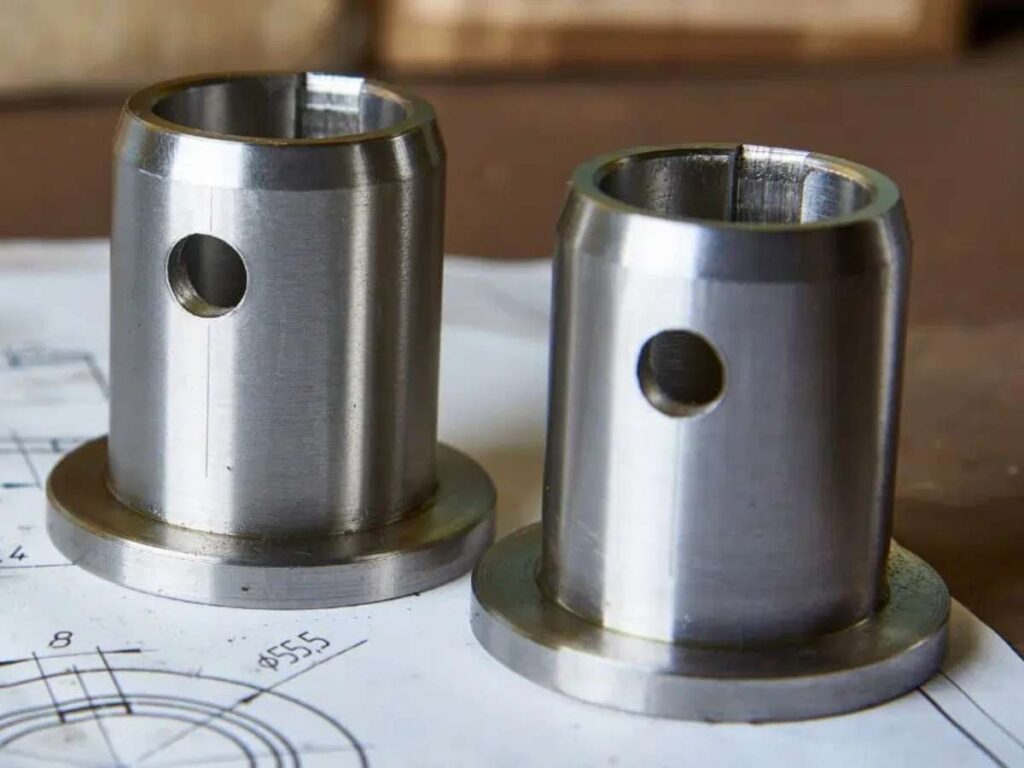
But I quickly learned that how you machine something makes a big difference in how the surface turns out. Every method leaves a different kind of mark, and that mark affects performance.
Let’s go through the most common machining processes and how each one impacts surface finish.
- Turning: Turning is used mostly for round parts on a lathe. It can produce very smooth finishes, especially if the tool is sharp and the machine is stable. But if the insert is worn or the alignment is off, you’ll get chatter or spiral lines that can throw off function.
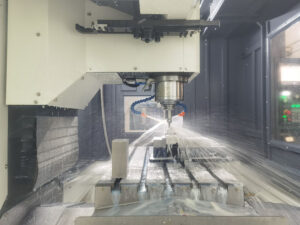
- Milling: Milling is one of the most versatile methods out there. It’s great for flat surfaces, slots, and profiles. However, it often leaves behind tool marks in a crisscross pattern. The surface quality depends on spindle speed, feed rate, toolpath, and how fresh the cutting edge is.
- Grinding; When you need an ultra-smooth finish or tight tolerances, grinding is usually the go-to. It uses an abrasive wheel and creates very fine finishes, but it also generates heat. Without proper cooling, you could overheat the surface and change its structure or hardness.
- Drilling: Drilling is mostly used to make holes, and the surface inside the hole might not be a concern for every application. But when hole quality matters, you need to watch out for burrs or rough walls, especially on the exit side.
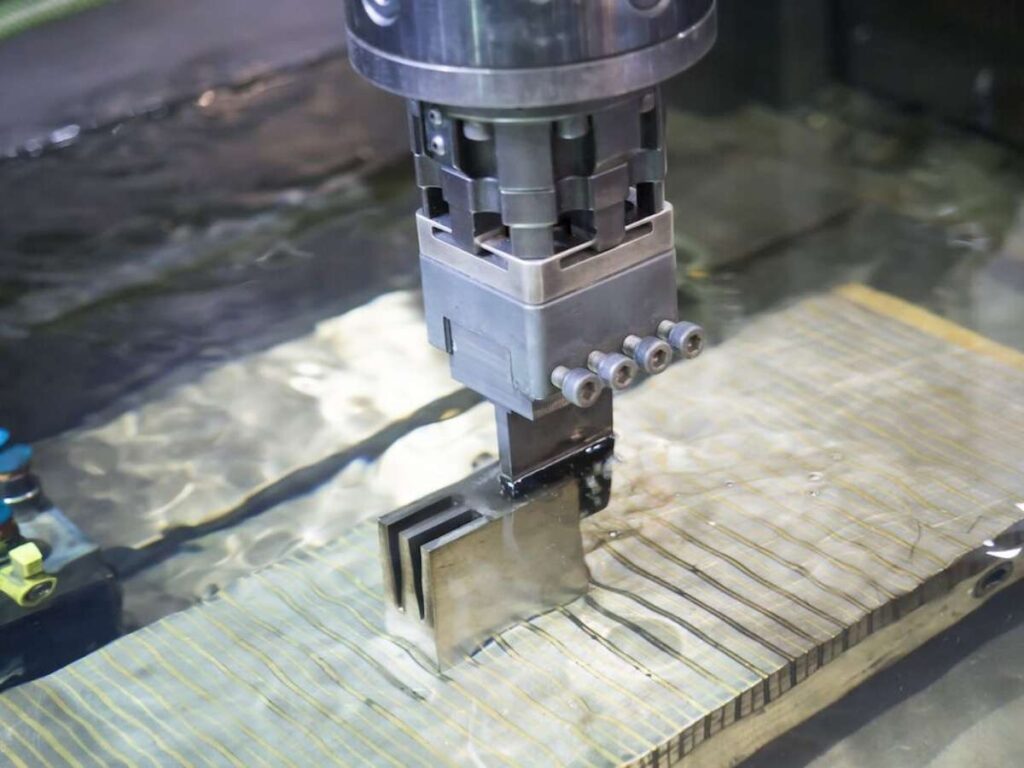
- Electrical Discharge Machining (EDM): EDM is perfect for complex shapes and hard materials. It uses spark erosion rather than a physical tool. While it’s accurate, it can leave a recast layer on the surface, which might need to be removed if the finish is critical to part performance.
- Broaching and Honing: These are more specialized but valuable when surface quality is key. Honing, in particular, can achieve extremely fine finishes. It’s often used in engine cylinders or hydraulic parts where surface texture directly affects lifespan and efficiency.
3. Key Surface Finish Parameters and Measurements
Surface finish measurements aren’t just for engineers. If you’re in procurement, production, or QA, knowing what these values mean can save time, money, and a lot of frustration.
Let’s break down the most common surface finish parameters and how they work in practice.
Ra (Roughness Average)
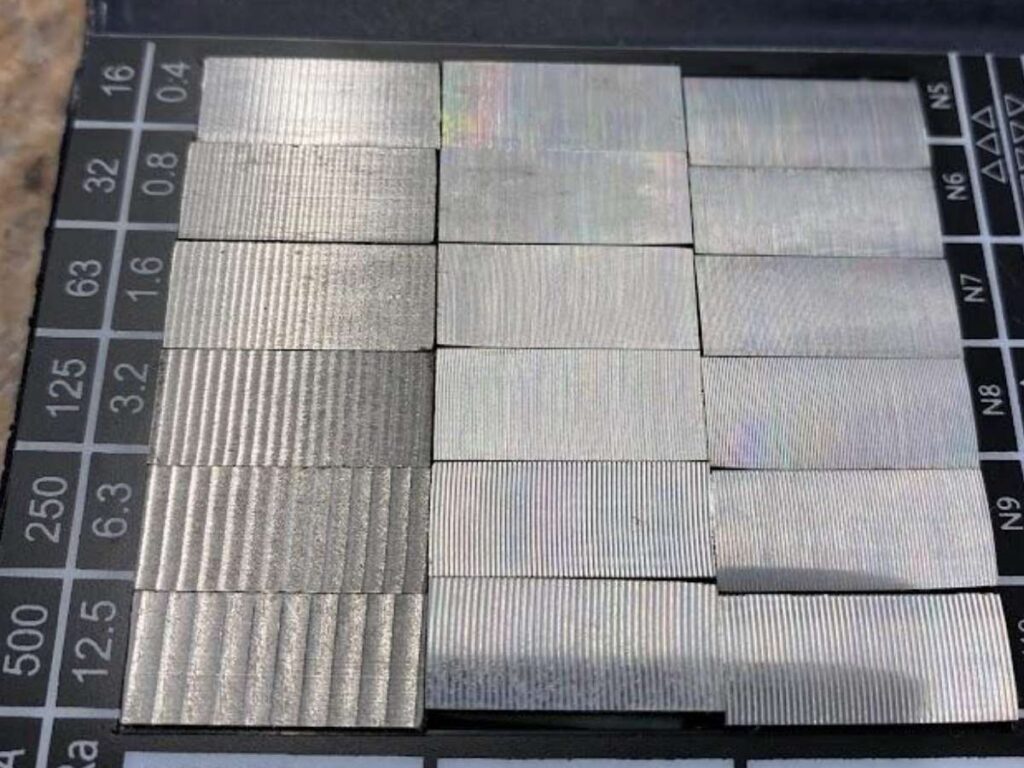
This is the one you’ll see most often. Ra calculates the average height of the surface peaks and valleys over a sample length. A low Ra means a smoother surface, and a high Ra means it’s rougher.
It’s a good starting point, but it doesn’t tell you everything about how the part will perform.
Rz (Average Maximum Height of the Profile)
Rz gives you a better sense of the extremes. It calculates the average vertical distance between the five tallest peaks and five deepest valleys.
f sealing or friction is a concern, Rz can be more informative than Ra because it reveals outliers that might affect performance. It helps you catch problems Ra alone might miss.
Rt (Total Height of the Profile)
Rt shows the full distance from the highest peak to the lowest valley within the measured length. It’s useful when you want to know the worst-case surface condition, especially in applications where failure isn’t an option.
This is a go-to metric when tolerances are tight and there’s no room for surprises.
Lay and Waviness
Lay describes the direction of the dominant pattern on the surface. It might be circular, straight, or crossed, depending on the machining method. Waviness refers to the more widely spaced surface deviations, often caused by machine or tool vibration. These patterns can affect how well a part fits or functions when moving against another surface.
How We Measure Surface Finish
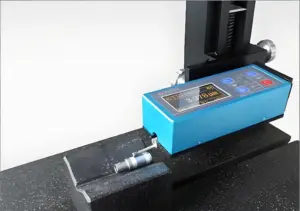
- Contact Profilometers: These tools use a stylus that drags across the surface and records vertical movement. They’re accurate and popular, but they might not be ideal for soft or coated surfaces since the stylus can scratch them. Still, they’re widely used for routine inspections on metal parts.
- Non-Contact Profilometers: These use lasers or white light to measure the surface without touching it. They’re great for fragile finishes or reflective parts, but they can be more expensive. They’re especially useful in industries like electronics or aerospace where even small damage can’t be risked.
- Replica Tape: This is a simple and portable method. You press tape against the surface to create an imprint, then measure the imprint with a micrometer. It’s less precise, but very handy in field work or hard-to-reach areas. When lab tools aren’t practical, this method gets the job done quickly.
The big mistake I see is people relying only on Ra. It’s easy to specify, but it hides the details. If your part relies on sealing, sliding, or bonding, you need to pair Ra with Rz or Rt for a more accurate picture.
4. Surface Roughness Grades and Their Applications
Not all surface finishes are created equal. The right grade depends entirely on how the part will be used and what it needs to do once it leaves the shop floor.
| Surface Roughness Grade (Ra) | Micrometers (µm) | Microinches (µin) | Typical Applications | Why It’s Used |
| Super Fine Finish | 0.1 – 0.2 µm | 4 – 8 µin | Precision bearing races, optical components, high-end valves | Ensures low friction, precise movement, and minimal wear |
| Very Fine Finish | 0.2 – 0.4 µm | 8 – 16 µin | Hydraulic pistons, sealing surfaces, medical implants | Prevents leaks, supports hygiene, and ensures tight sealing in dynamic systems |
| Fine Machining Finish | 0.4 – 0.8 µm | 16 – 32 µin | Gears, shafts, precision machine components | Balances cost and performance for moving mechanical parts |
| Standard Machined Finish | 0.8 – 1.6 µm | 32 – 63 µin | Cast housings, general-purpose shafts, brackets | Acceptable for non-critical surfaces with moderate function requirements |
| Commercial Machine Finish | 1.6 – 3.2 µm | 63 – 125 µin | Structural parts, mounting blocks, large fittings | Used where cosmetic appearance or fine tolerance is not essential |
| Rough Machined Finish | 3.2 – 6.3 µm | 125 – 250 µin | Weld prep areas, rough-cut blanks, interim machining stages | Suitable for operations where final machining or further processing is expected |
| Extra Rough / As-Cast Finish | 6.3 – 12.5 µm | 250 – 500 µin | Die castings, sand castings, forged parts | Common in raw forms that will undergo secondary machining or finishing |
5. Challenges and Mistakes to Avoid
Surface finish might seem straightforward, but it’s one of those areas where small missteps lead to big problems. Here are three of the most common mistakes I’ve seen and how to keep them from slowing you down.
Asking for a Finish That’s Too Fine
It’s easy to get carried away and ask for the smoothest finish possible. I’ve done it myself, thinking tighter specs meant better parts. But that extra polish doesn’t always help, and it usually adds cost and delays. If the part isn’t doing precision work, you’re probably better off keeping the spec practical.
Only Using Ra to Judge the Surface
At one point, I thought Ra told me everything I needed to know. Then a part passed inspection but failed in use because the surface had hidden peaks that Ra didn’t catch. That’s when I learned to include Rz or Rt, especially for sealing or sliding parts. It takes just a bit more effort, but it can save you a lot of trouble.
Overlooking the Little Things in the Process
I’ve seen great machines turn out bad parts simply because a tool was dull or the coolant wasn’t flowing right. Surface quality depends on the whole setup, not just the numbers on the control panel. When problems pop up, it’s often something simple that was missed. Taking time to check the basics can prevent a lot of rework later.
6. Factors That Affect Machined Surface Quality
I used to think that once a machine was programmed and running, the surface finish would just take care of itself. But I quickly learned that surface quality can shift from one part to the next if you’re not watching the right variables.
Tool Condition and Sharpness
One of the biggest surface killers is a worn or dull cutting tool. When the tool edge breaks down, it drags or tears the material instead of slicing cleanly. That tiny bit of wear can leave behind rough patches, micro-tears, or even inconsistent textures across a batch. I’ve had jobs where the only fix was stopping production and swapping the insert. Staying ahead with tool inspection saves you from having to redo parts later.
Feed Rate, Speed, and Depth of Cut
Getting the surface right often comes down to your feed and speed settings. Go too fast, and you risk chattering or leaving a wavy texture. Go too slow, and the tool can rub instead of cut, which creates heat and leaves a dull surface.
The depth of cut matters too. A shallow pass might polish the part, while a deep one could rough it up. I’ve had to tweak these settings more times than I can count, especially when switching between materials.
Machine and Setup Stability
Even with the best parameters, a shaky setup will ruin your finish. I once watched a part get ruined just because the fixture wasn’t tight enough and the tool bounced ever so slightly. That slight vibration left ripple marks all over the surface. Machines with worn bearings or sloppy slides can do the same thing without you noticing right away. Investing in solid fixturing and regular machine checks makes a big difference.
Material Type and Surface Behavior
Different materials react to cutting forces in their own ways. Soft aluminum might smear or gall if you don’t use the right coating on your tool. Stainless steel needs more force and often leaves behind a rougher finish unless your tool geometry is dialed in. Even plastics come with their own surface quirks, especially if they’re heat-sensitive. I always look up the material’s machining profile before I commit to a surface finish spec.
Conclusion
That part I told you about? The one we thought was perfect? We fixed it, not by polishing harder, but by learning what the surface really needed.
You’ve now got the tools to do the same.
So, what’s your next step?
Let MachMaster help. We offer one-stop CNC, injection molding, and finishing services built for precision.
Contact us today, and let’s make your next part your best one.