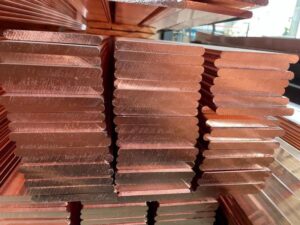

The first time I used a grinder, I messed up badly.
The part got too hot. The surface turned blue. The edge bent. That piece went straight to the scrap bin.
Back then, I thought grinding was simple. Just spin the wheel and shape the part, right? But once I tried it, I realized how easy it is to make mistakes—and how much precision the process really takes.
If you’ve ever looked at a grinding machine and wondered how it works, I’ve been in your shoes. Whether you’re running a shop, designing a product, or sourcing parts, grinding can seem confusing at first.
In this article, I’ll explain everything in simple terms—what grinding is, how it works, and why it matters. You’ll learn when to use it, what it’s good for, and what to watch out for.
By the end, you won’t just understand grinding. You’ll know how to use it to make better decisions—whether you’re on the shop floor or behind a desk.
So let’s begin!
1. What Is Grinding?
Grinding might not grab attention, but it’s key to getting precision right. I still remember handling my first ground part—it felt smooth, sharp, and just right. That moment stuck with me.
So, what is it?
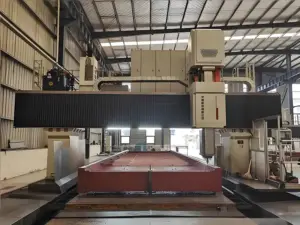
Grinding is a finishing process. It uses an abrasive wheel to remove tiny amounts of material from a surface—kind of sanding, but for metal and with much greater precision.
You don’t use grinding to shape something from scratch. Instead, it’s usually the final step before inspection or assembly.
Grinding helps:
- Smooth surfaces
- Improve accuracy
- Remove small imperfections
- Meet tight tolerances
The typical workflow:
- Machine the part
- Heat treat (if needed)
- Grind for final size and finish
- Inspect and ship
Which parts usually need it?
- Shafts and pins
- Mold components
- Hardened tools
If you’re making parts that need to fit or move precisely, grinding isn’t optional. It’s what makes the difference.
2. How Does Grinding Work?
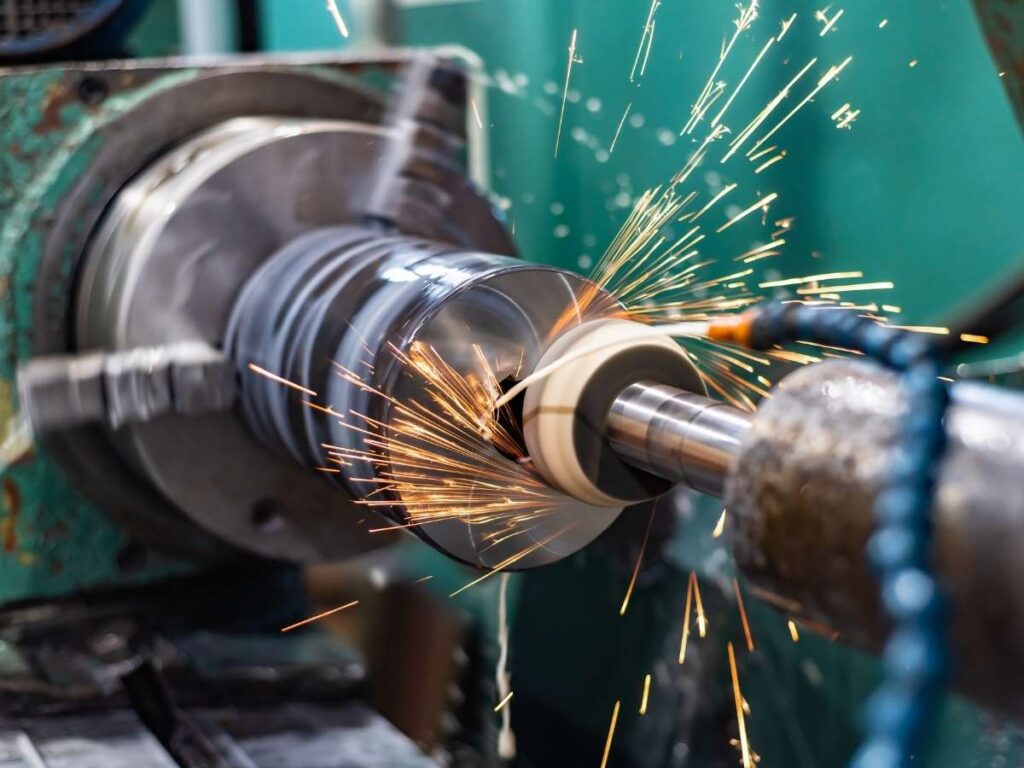
At first glance, grinding looks simple: a wheel spins, a part touches it, and sparks fly. But if you’ve ever scorched a part or ended up with a rough surface, you know—it’s not that easy.
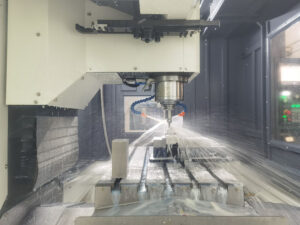
Grinding is a machining process that removes material using abrasives instead of blades. Each abrasive grain on the wheel acts like a tiny cutter, wearing away material slowly through friction.
Here’s how it works:
- A grinding wheel spins, made of abrasive grains, bonding material, and pores.
- The workpiece is brought into contact at the right pressure.
- Coolant is sprayed to manage heat and flush debris.
- Material is removed in thin layers until the right size or surface finish is achieved.
Typical steps:
- Mount the part
- Set wheel speed
- Start grinding in light passes
- Apply coolant
- Repeat until finished
Even small setup errors—wrong speed, no coolant, worn wheel—can ruin your part. I’ve learned this the hard way.
What affects results?
- Wheel speed: Too fast builds heat.
- Feed rate: Too quick causes chatter.
- Coolant flow: Reduces burns and improves finish.
- Wheel wear: dull wheel scratches.
If your surface looks off, start by checking these four areas.
3. Benefits of Grinding
When I first started working with metal parts, I didn’t think much about grinding. I figured once the shape was cut, the job was done. But I was wrong. Grinding isn’t just the last step—it’s the step that makes everything else work.
If you’ve ever had parts that don’t fit right, or surfaces that feel rough, grinding can make a huge difference.
High Dimensional Accuracy
Grinding can hit tight tolerances—really tight. In many cases, you can get accuracy down to ±0.001 mm. That’s thinner than a strand of hair.
This matters when you need parts to:
- Slide into place
- Turn smoothly
- Lock up without play
If your part has critical dimensions, grinding helps you stay on target.
Smooth Surface Finish
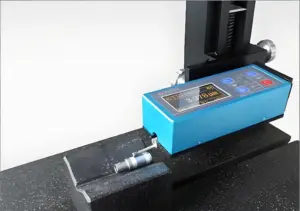
A well-ground part feels smooth to the touch. Grinding can produce surface finishes as low as Ra 0.2 µm. That’s mirror-like.
This is great for parts that:
- Move against other parts
- Need low friction
- Need a clean, professional look
I’ve had clients run a finger over a surface and say, “That’s it.”
That kind of finish builds trust.
Works on Hard Materials
After heat treatment, some parts get too hard for regular machining.
But grinding still works.
Use it for:
- Hardened steels
- Carbide tools
- Heat-treated dies
Grinding cuts even when the material is tough.
Handles Thin or Delicate Parts
If you’re working with small or fragile parts, grinding is gentler than milling.
It removes material without creating much force.
That means:
- Less bending
- Less vibration
- Less scrap
You get clean, usable parts—without damage.
Consistency for Large Runs
Grinding is repeatable. Once the setup is right, you can run part after part and get the same result.
This helps you:
- Keep tolerances tight
- Reduce inspection time
- Avoid surprises in assembly
Grinding gives you control—over size, shape, and finish.
If your parts need to look good, feel right, and fit perfectly, grinding is the process that makes it happen.
4. Main Types of Grinding Processes
When I first stepped into a grinding shop, I thought all the machines looked similar. But once I saw the parts they worked on, I realized how different each process really was.
If you’re working on a project, the type of grinder you choose depends on the part’s shape, size, and tolerance. Some machines are best for flat faces. Others are better for round parts or deep cuts.
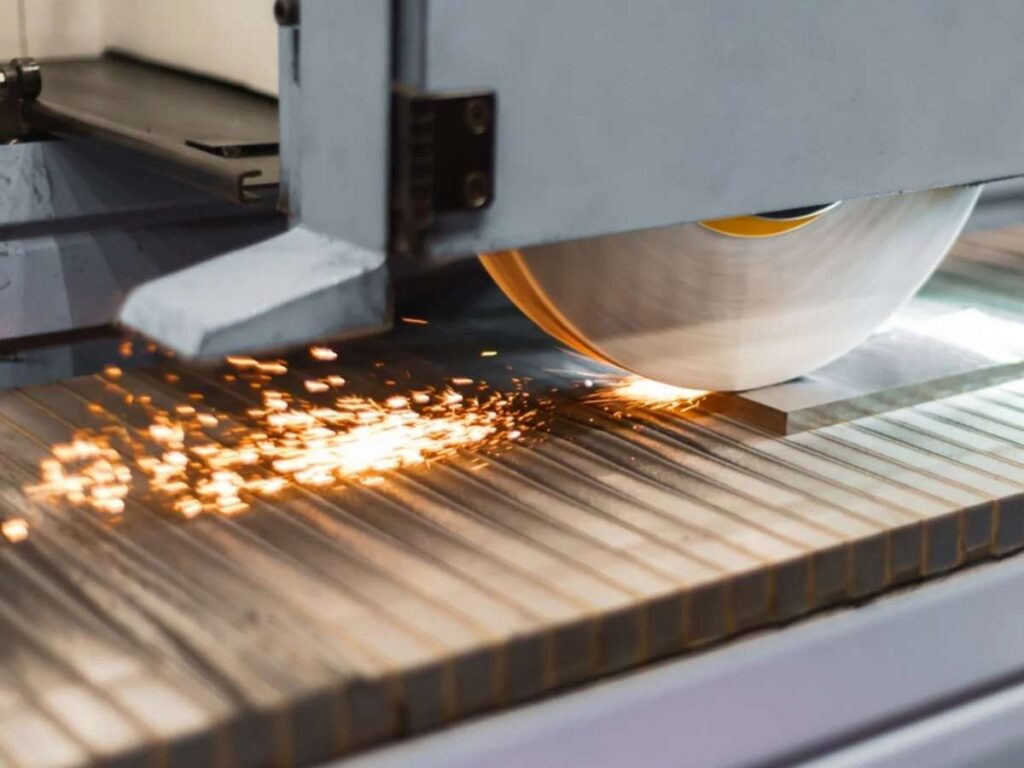
Surface Grinding
Surface grinding is used to make flat surfaces smooth and accurate. The grinding wheel moves across the face of the part, removing material a little at a time.
You’ll use this method for:
- Mold bases
- Tooling plates
- Flat components that need tight thickness or clean finishes
It’s the go-to for making parts sit flush or mate cleanly with others.
Cylindrical Grinding
Cylindrical grinding works on the outside of round parts. The part spins while the grinding wheel moves along its length.
It’s a great fit for:
- Shafts
- Rods
- Rollers
If the outer size needs to be round, straight, and smooth, this is the process you’ll want.
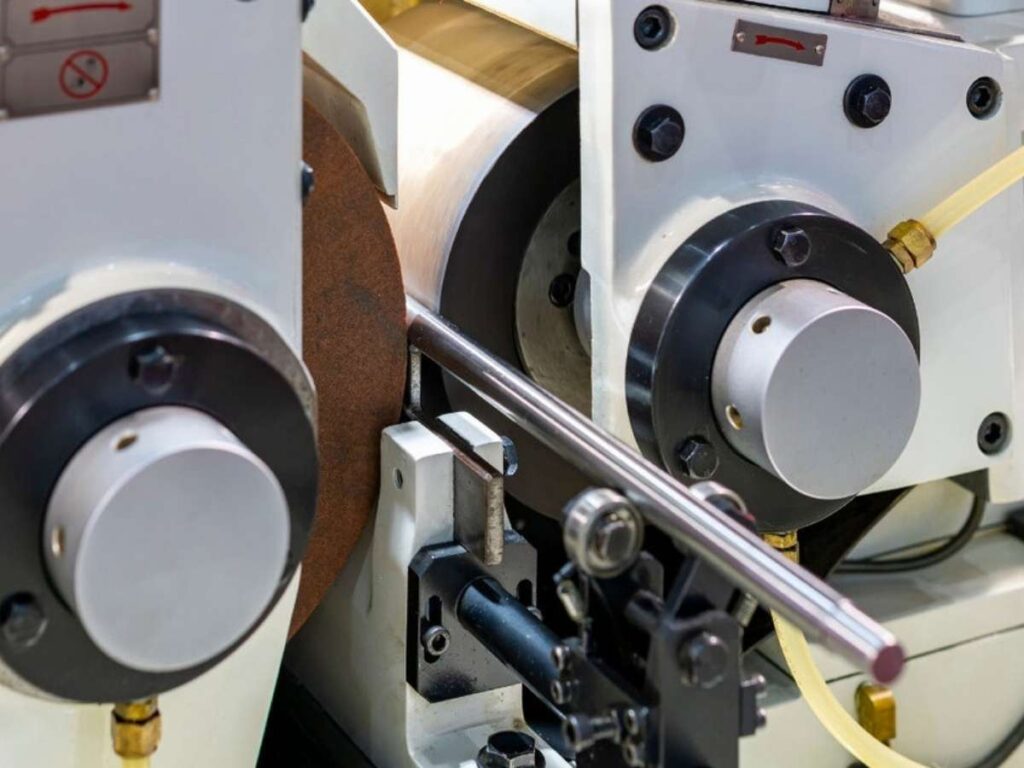
Centerless Grinding
In centerless grinding, the part isn’t held between centers. Instead, it’s supported between two wheels—one that grinds and one that guides.
This method is best for:
- Small round parts
- Jobs that need high volume
- Parts that can’t be easily clamped
It’s fast, accurate, and repeatable once the setup is locked in.
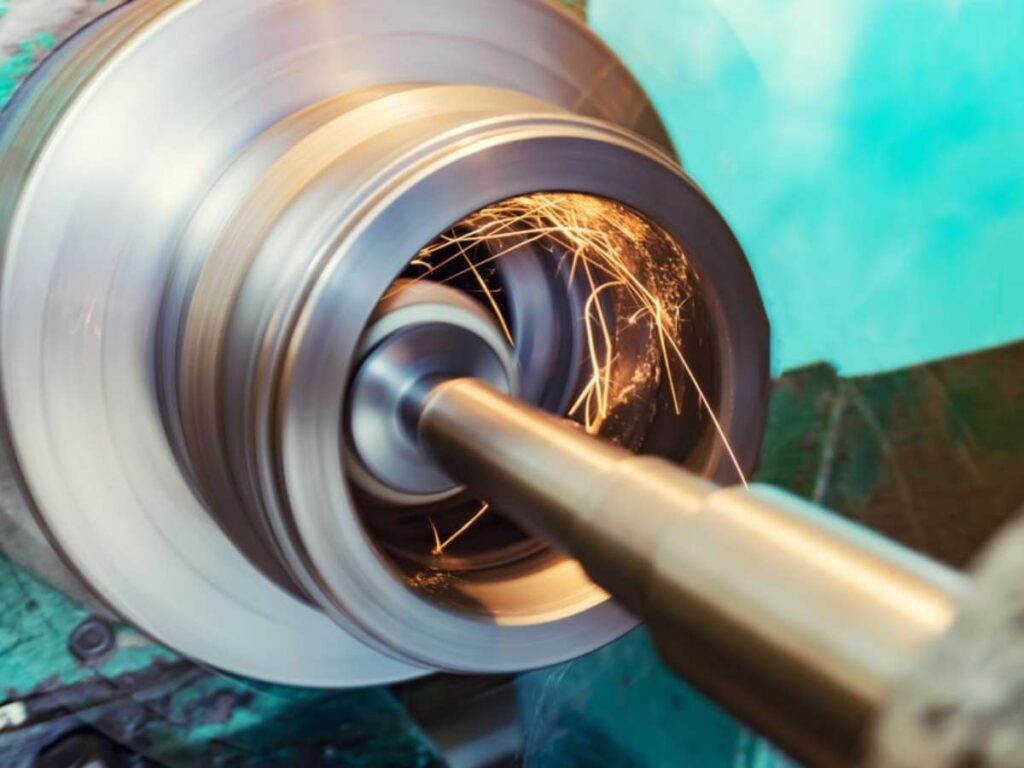
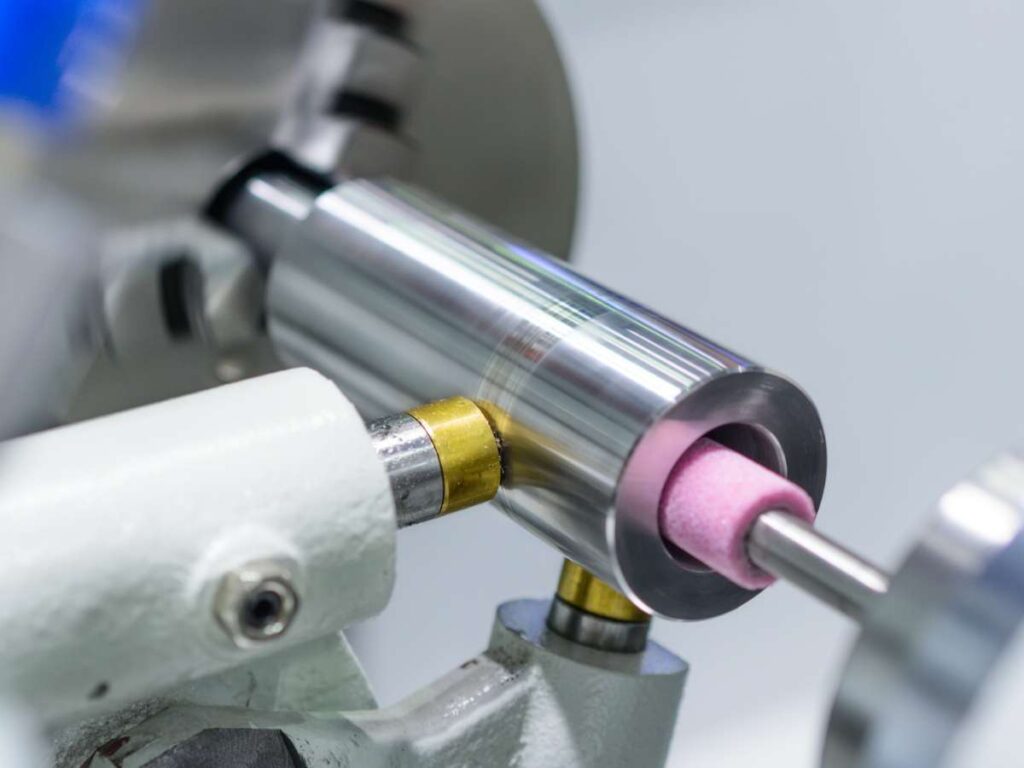
Internal Grinding
Internal grinding is used when the inside of a part needs work. A small wheel goes inside the hole and removes material from the inner wall.
Use this method for:
- Precise bores
- Bearings
- Bushings
- Sleeves
If the inner diameter matters, internal grinding is your best option.
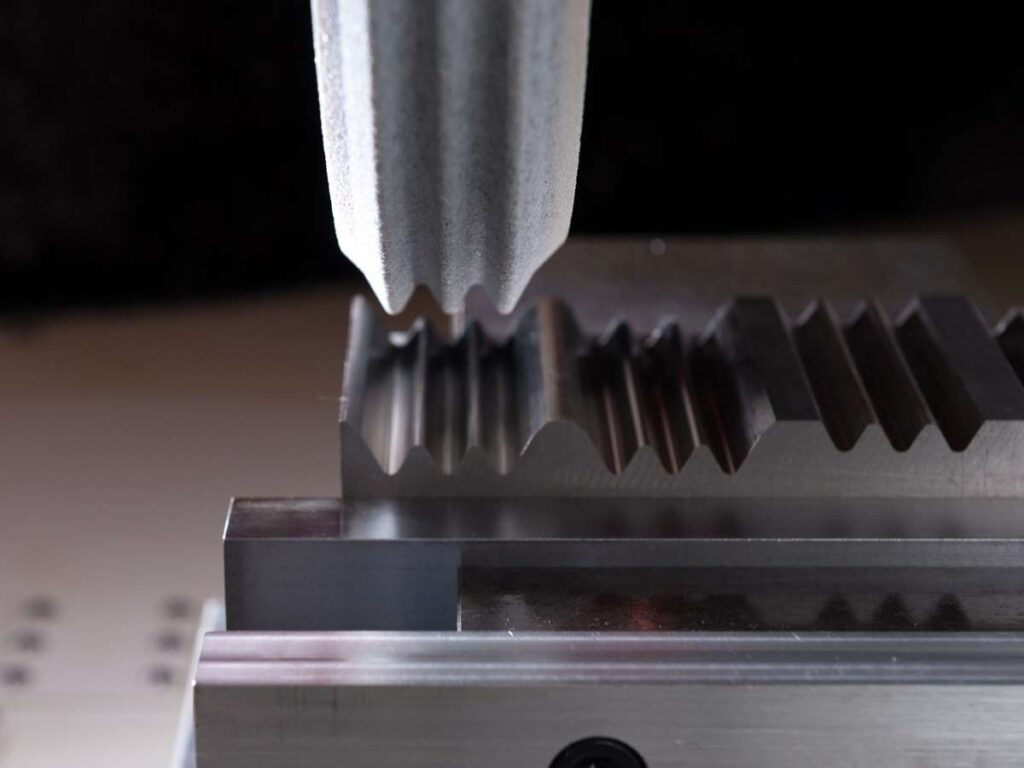
Creep Feed Grinding
Creep feed grinding is used when you need to remove a lot of material in one pass. It cuts deep but moves very slowly.
It’s ideal for:
- Tough alloys
- Deep slots or grooves
- Parts that are hard to machine with traditional methods
This process takes longer, but it handles hard jobs other methods can’t.
The better match you make between process and part, the smoother your project will run. I’ve learned that the hard way—so you don’t have to.
5. Grinding vs. Other Finishing Methods
I used to think all finishing methods gave you the same result. But after seeing the difference on real parts, I realized—each one has its place.
Sometimes grinding is the better choice. Sometimes it’s not. It depends on what your part needs.
Here’s a simple way to compare grinding with other finishing processes. I’ve broken it down in a table so you can see what each method does best.
| Process | Best For | Surface Finish | Precision | Cost per Part | Speed |
| Grinding | Tight tolerances, smooth surfaces | Very fine (Ra < 0.2 µm) | Very high (±0.001 mm) | Medium | Medium |
| Milling | General shaping, fast material removal | Moderate | Medium | Low | Fast |
| Lapping | Ultra-smooth flat surfaces | Extremely fine | High | High | Slow |
| Honing | Smooth internal bores | Very fine | High | Medium | Medium |
| EDM (Electrical Discharge Machining) | Complex shapes, hard metals | Good | High | High | Slow |
6. Limitations and Challenges of the Grinding Process
Grinding can do a lot. It helps you hit tight tolerances, clean up surfaces, and work with hardened parts. But like any process, it has its limits.
When I first added grinding to my workflow, I expected it to fix every part problem. But I quickly learned—it’s not a magic trick. If you don’t set it up right, things go wrong fast.
Heat Buildup
Grinding creates a lot of heat. That heat can cause:
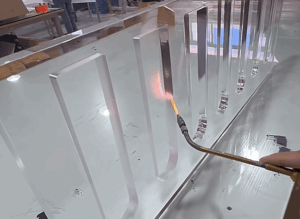
- Surface burns
- Cracks
- Part distortion
If the wrong wheel or feed rate is used, the part might look fine—but fail later. That happened to me once on a small shaft. It passed inspection but snapped during use. All because of a heat crack.
Coolant helps, but you still need to manage speed and pressure.
Skilled Setup Is Needed
Grinding takes more setup time than milling or turning.
You need:
- The right wheel type
- Correct wheel dressing (reshaping the wheel)
- Accurate alignment
If you’re new to grinding, this part can feel tricky. But with practice, it gets easier.
Slower Material Removal
Grinding isn’t meant for fast cutting.
Compared to milling or turning, it removes less material per pass.
That means:
- Longer cycle times
- Higher cost for roughing work
Use grinding for finishing—not shaping a raw block.
Wheel Wear and Reconditioning
Grinding wheels wear down with use.
As they dull, they:
- Cut poorly
- Cause vibration
- Leave rough finishes
You’ll need to dress (resharpen) the wheel often. And eventually replace it. This adds time and cost.
Geometry and Material Limits
Not every part can be ground.
Grinding works best for:
- Flat or round parts
- Rigid materials
It struggles with:
- Soft plastics
- Flexible parts
- Deep pockets or complex 3D shapes
If your part doesn’t fit well on a grinder—or moves too much—it’s better to look at other processes.
Grinding is powerful, but it’s not always the answer. You’ll get great results if you know when to use it—and when to pass. I’ve made both choices in the past. The good ones saved me time. The bad ones taught me lessons.
7. Tips on How to Choose the Right Grinding Services
Finding the right grinding shop isn’t just about getting a low quote.
It’s about getting parts that meet your specs, fit properly, and hold up over time.
I’ve learned this the hard way and I want to help you avoid those mistakes.
CNC Capability
Always ask: Do you offer CNC grinding?
CNC (Computer Numerical Control) machines are programmed for high accuracy. They don’t rely on guesswork or operator “feel.” That means you get:
- Tighter tolerances: Parts that consistently meet size specs
- Repeatability: Even across high volumes
- Speed: Faster setups and shorter lead times
At MachMaster, we use CNC grinding to deliver precise results for both prototypes and high-volume production—without cutting corners.
Tolerance and Surface Finish
Before any work starts, ask the shop:
- What tolerances can you meet?
- What surface finish can you achieve?
Don’t assume. A tight part might need:
- ±0.001 mm tolerance: For shafts, bores, or sealing fits
- Ra 0.2 µm surface finish: For smooth, low-friction movement
If they can’t meet those numbers, the part may not function properly. I’ve seen issues where parts fit loosely or seize up—all because finish or size was off by just a hair.
Quality Certification
Do they follow a structured system?
Look for:
- ISO 9001 certification: Verifies controlled and audited processes
- Engineering support: Helps spot risks before production starts
- Delivery tracking: Keeps you informed, without having to chase updates
At MachMaster, we combine ISO 9001-certified processes with full project tracking and technical review. That means better results, fewer delays, and less stress on your side.
Sample Work
Ask to see examples before committing. Good shops should share:
- Photos of completed parts
- Job summaries or before-and-after comparisons
- Surface finish or dimensional reports
One client once asked to see proof of our surface grinding work. We sent them a batch of parts finished to Ra 0.2 µm—and that was all they needed to move forward.
Trust builds fast when results speak for themselves.
Lead Time and Volume Capacity
Ask direct questions like:
- How fast can you finish my job?
- Can you handle 5 parts—or 5,000?
Why it matters:
- Prototype-only shops: Good for samples, but may slow down under volume
- Production-ready shops: Can scale up, but may not flex easily for small runs
If your project is on a deadline, their capacity and schedule need to match yours. I’ve seen projects stall because a supplier overpromised their bandwidth.
Process Fit
Not every grinding shop is built for every part.
You need to confirm they understand your:
- Material type: Some shops don’t handle hardened or exotic alloys
- Part geometry: Tight corners, hollows, or large diameters need specific setups
- Post-process needs: Like grinding after heat treatment or plating
I’ve seen failures happen just because the shop didn’t have the right fixture—or didn’t understand how heat-treated material behaves during grinding.
Ask how they’ll set up and inspect your part. If the answer feels vague, that’s a red flag.
Conclusion
Now you know what grinding is, how it works, when to use it, and which method fits your part. From surface finish to tight tolerances, it all connects back to performance.
If your part needs to fit, slide, or shine, grinding might be your next move.
So what’s stopping you from getting parts that actually work?
Contact us today—and let’s get your project off the bench and into production.
More Guides and Tips to Explore
We’ve got more for you! These articles provide more tips and guidance to keep you on track:
Still haven’t found what you’re looking for? Don’t hesitate to contact us. We’re available around the clock to assist you.