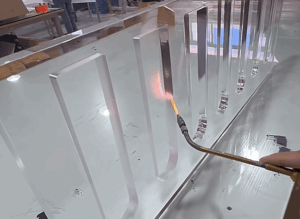

Grinding. Polishing. I used to hear those terms used like they meant the same thing.
Back then, I didn’t question it. I just assumed finishing was finishing—until I had to inspect a batch of aluminum parts for a client.
The surface didn’t look right. It was rough, almost patchy. The team had used a grinder, thinking that was what the drawing called for. But what the job actually needed was a polished finish.
That one mistake held up delivery, and I had to explain the mix-up.
Since then, I’ve taken surface finishing more seriously. I’ve worked with machinists, finishers, and even suppliers to get a better handle on what each process really does—and where the line between them actually is.
If you’ve ever had this kind of confusion—or just want a clear, no-nonsense breakdown—this article is for you.
You’ll learn the real difference between grinding and polishing, how each works in practice, and how to choose the right one for your parts or projects.
Let’s dive in!
1. What Is Grinding?
Grinding is one of the first steps in surface finishing.
It’s a process that removes material from a surface using abrasive tools—like spinning wheels or discs. These tools don’t cut the material like a blade. Instead, they scrape or shave off tiny bits, layer by layer.
I’ve used grinding when a part came out too thick or the surface wasn’t flat. It’s not the final touch—but it gets things close. Think of it as prep work before polishing or coating.
Grinding isn’t fancy. But it’s necessary.
After working with machinists, engineers, and production teams, here’s what I’ve seen again and again:
- High Material Removal Rate: Grinding works fast. You can shape or correct parts quickly—especially metals like steel or aluminum.
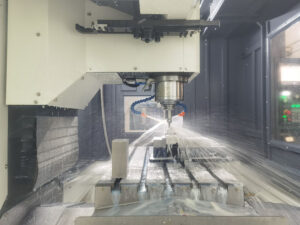
- Generates Heat: Because of friction, grinding creates a lot of heat. That’s why coolant is often needed, especially with tight tolerances or heat-sensitive materials.
- Rougher Surface Finish: Grinding doesn’t leave a shiny surface. The result is usually coarse or matte. That’s okay—because polishing can come later.
- Helps with Dimensional Accuracy: Let’s say your part is 0.02mm too thick. Grinding can fix that. It’s often used to fine-tune parts so they meet exact measurements.
Grinding is about control, not just removal. When used right, it saves time, reduces rework, and helps your parts move one step closer to done.
2. What Is Polishing?
Polishing is all about how the surface looks and feels.
It’s what you do when the part needs to be smooth, clean, or shiny—especially when appearance matters to your customer. I’ve worked on parts where one small scratch meant the whole order had to be redone. On the flip side, I’ve had jobs where polishing wasn’t needed at all.
That’s the thing about polishing. It’s not for every part. But when it’s needed, there’s no skipping it.
Polishing usually comes at the end—after grinding, machining, or deburring. You’re not trying to change the size or shape. You’re fine-tuning the surface.
And unlike grinding, it’s much gentler.
Let’s take a closer look at what makes polishing different:
- Very Low Material Removal: Polishing doesn’t take much off. Sometimes, nothing at all. The goal isn’t to reshape—it’s to refine.
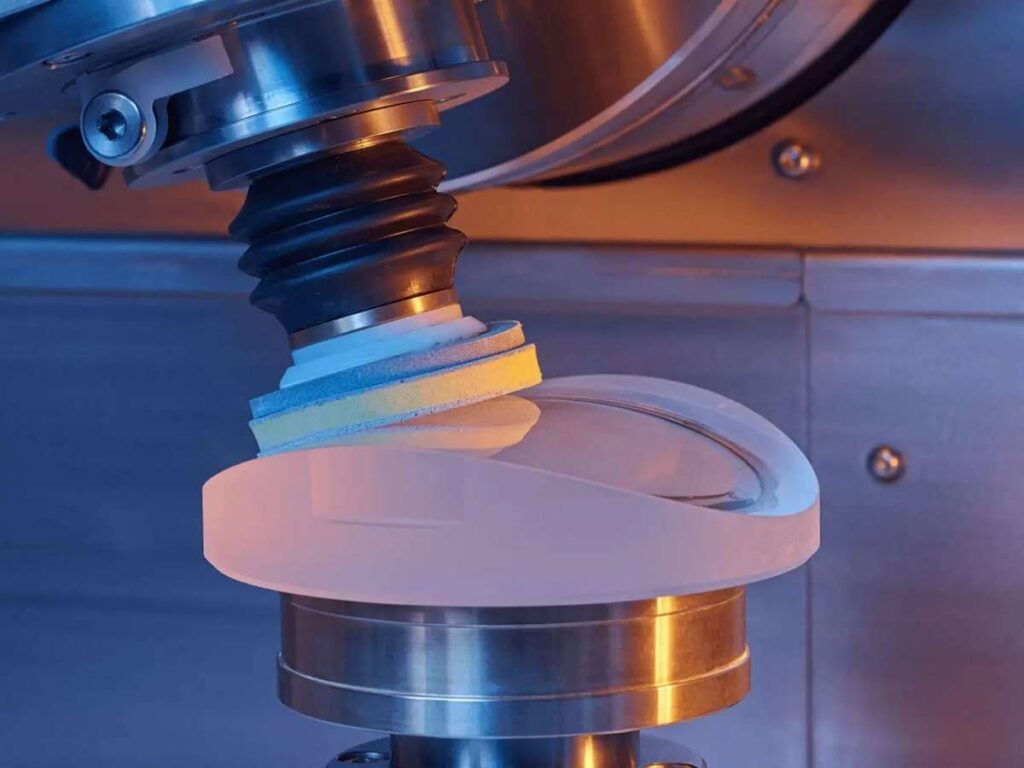
- Uses Fine Abrasives or Compounds: You’ll use things like polishing pads, pastes, or fine grit wheels. The tools are softer and smoother.
- Improves Shine and Reflectivity: I’ve seen dull stainless steel turned into a mirror with the right polish. That shine can also help with cleaning or hygiene.
- Used on Medical, Food, or Consumer Products: Polished parts are easier to clean. That’s why you’ll see it in surgical tools, kitchen equipment, or anything the customer touches.
Polishing also helps reduce friction or corrosion, depending on the material. On some aluminum parts, for example, we polish to make sure the surface stays clean and doesn’t trap dirt or moisture.
3. Application Suitability by Industry
Different industries expect different results. Some care about speed. Others need clean finishes that pass strict inspections.
Over the years, I’ve worked with factory managers, R&D teams, and sourcing professionals who all asked the same question: “Do I need grinding or polishing for this part?”
Here’s how I break it down.
Manufacturing / Industrial
This is where I see both grinding and polishing used often—but for different reasons.
- Grinding: Common for tool sharpening, die prep, and resizing. I’ve seen it used on jigs, molds, and anything that needs a tight mechanical fit.
- Polishing: Chosen when surface performance matters. I’ve worked on precision valves and machined parts where even a small scratch could affect sealing or movement.
If a part moves, seals, or reflects—it’s usually polished. If it just needs to fit, grinding may be enough.
Electronics and Medical
These sectors focus on accuracy and cleanliness.
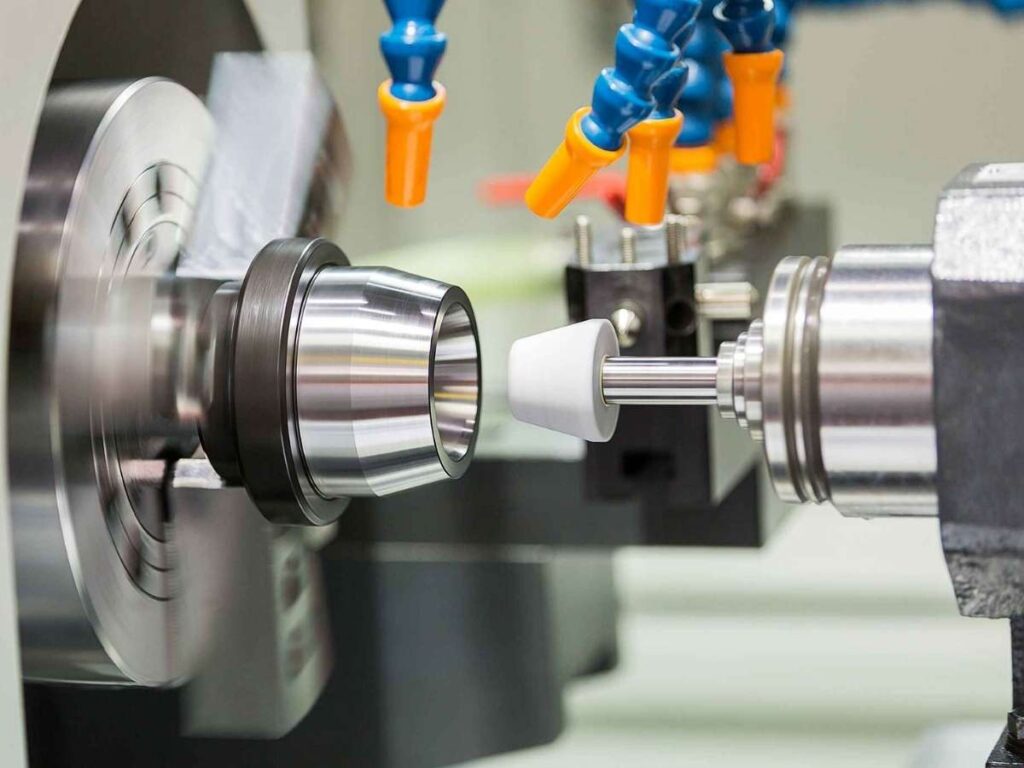
- Grinding: Useful for dimension control on metal connector pins or sensor housings. A small size error here can ruin the whole building.
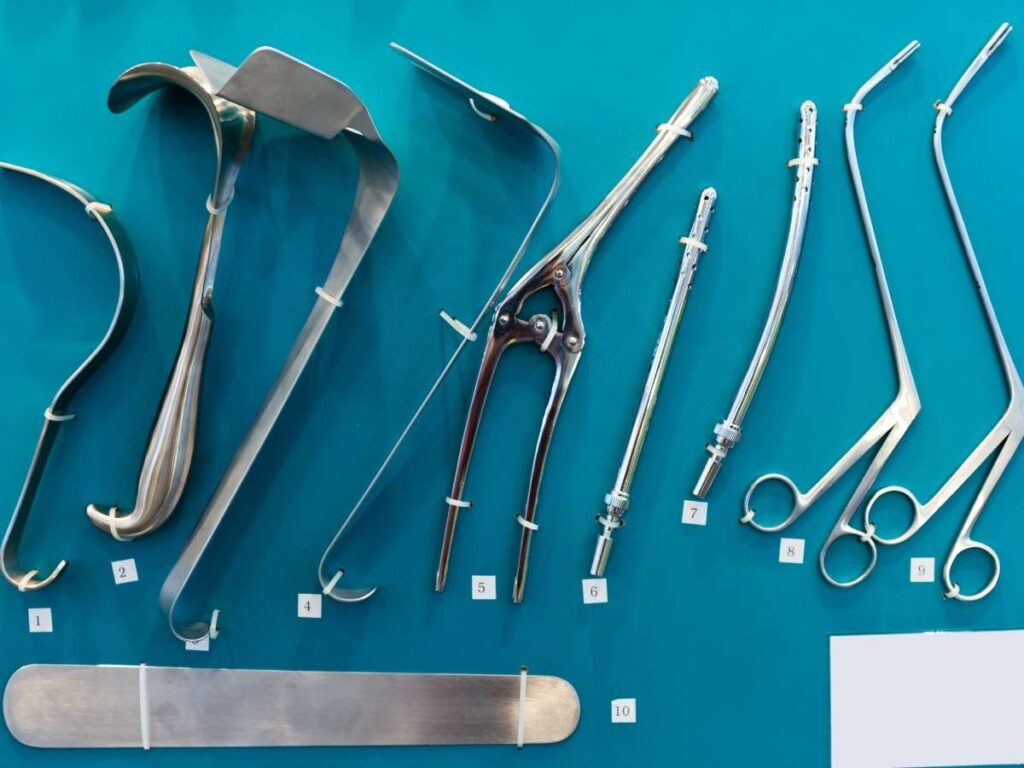
- Polishing: Needed for corrosion resistance and hygiene. I’ve handled medical tools and housings where polishing made the surface easier to sterilize and inspect.
In cleanroom and lab settings, polishing isn’t optional—it’s part of compliance.
Personal or Educational Projects
Budget and speed matter more here.
- Grinding: Often enough for fit and function. If the part works, it’s good.
- Polishing: Adds a visual or handling benefit. I’ve had students polish capstone projects just to make them feel more “finished” during presentations.
So ask yourself:
Is this part meant to move, seal, be touched—or just work?
That one question can guide your surface prep.
And if you’re still unsure, at MachMaster, we’ve helped thousands of customers decide which process
fits their part best—based on function, finish, and budget.
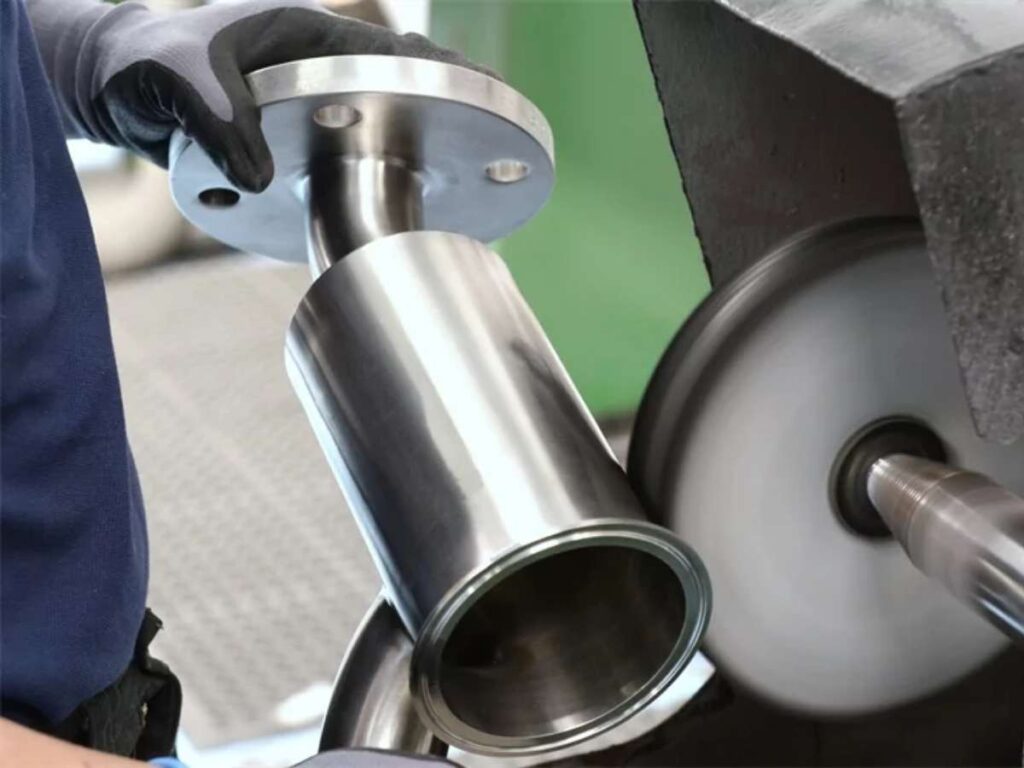
4. Tooling, Abrasives & Process Method
Tool choice makes a big difference.
I learned that the hard way when I used the wrong wheel on a stainless part—it clogged, overheated, and ruined the finish. That’s when I realized: grinding and polishing don’t just feel different—they are different in the tools, abrasives, and how you run them.
Let’s break it down in a way that’s simple and useful.
Tools Used in Grinding
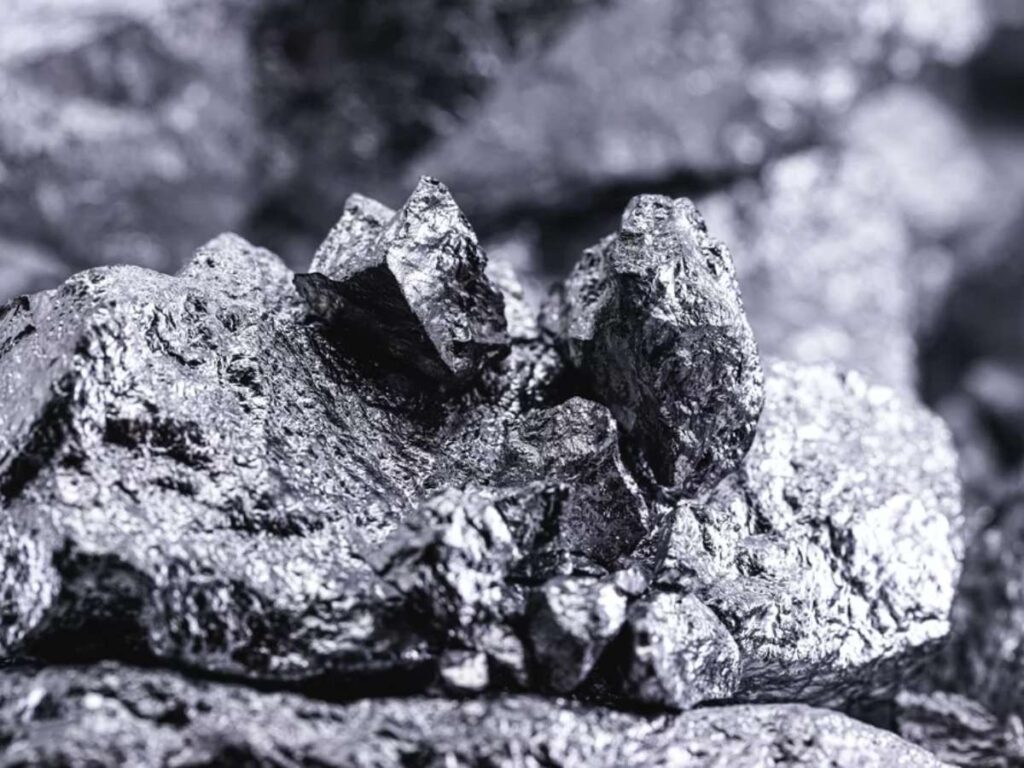
Grinding uses bonded abrasives—hard particles stuck together in a solid form. These abrasives are cut into the material, removing it bit by bit.
Common grinding abrasives include:
- Aluminum oxide: Good for steel and other hard metals
- Silicon carbide: Better for softer metals or non-metal materials
Grinding tools can vary by the shape of the part and the job:
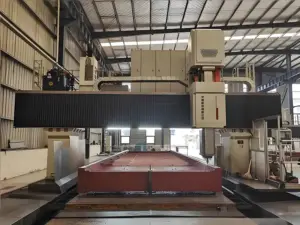
- Surface grinders: For flat surfaces
- Cylindrical grinders: For round parts like shafts
- Belt grinders: For shaping and cleanup
I’ve also seen more shops move to CNC grinding. This means automated control for better consistency and precision—especially in production lines.
Tools Used in Polishing
Polishing tools are softer. They don’t cut into the part as much—they glide across it.
Here’s what you’ll usually work with:
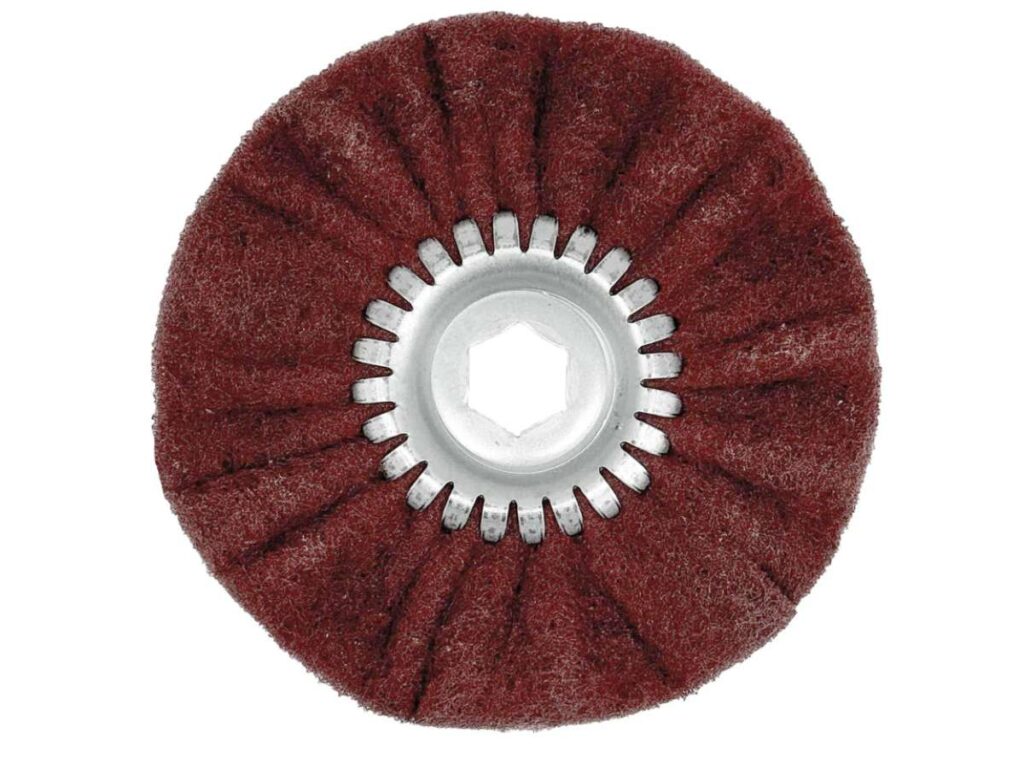
- Buffing wheels: Soft rotating wheels made of cloth or felt
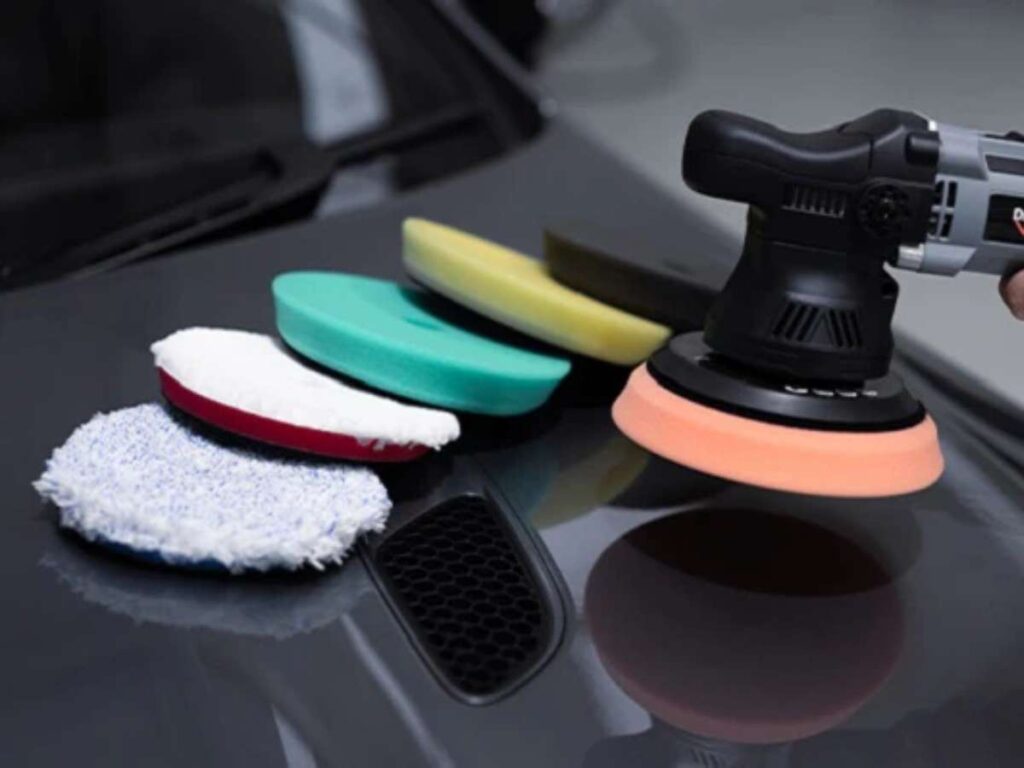
- Polishing pads: Flexible pads used with a handheld or bench tool
Polishing also needs compounds to do the real work. These include:
- Rouge: A fine red powder used for metals
- Diamond paste: Ultra-fine for mirror finishes
- Cerium oxide: Often used for glass or plastics
Polishing is often done by hand or with a simple motorized tool. Some high-speed polishers exist, but control is more important than speed.
Process Differences
- Grinding: strong and steady. It needs pressure, rigid setups, and coolant to manage heat.
- Polishing: light and careful. You use soft contact, smooth motion, and aim for a clean, even finish. One shapes. The other shines.
Knowing how each one works—and what tools it needs—helps you make the right call every time.
5. Cost, Time, and Production Impact
I’ve worked on projects where time was tight, budgets were tighter, and every process had to count.
One thing I’ve learned? Grinding and polishing affect your schedule—and your wallet—very differently.
If you’re trying to plan production or figure out costs, here’s what you need to know.
Grinding
Grinding moves fast.
It’s made for material removal, not fine finish. That’s why it’s usually at the beginning of the workflow.
You’ll see these impacts:
- Faster Process: Grinding removes more in less time. That’s great when you’re shaping or leveling parts.
- More Wear on Equipment: The force and friction take a toll. You’ll need to replace abrasive wheels often.
- Coolant Needed: Because it generates heat, coolant is often required—especially in high-volume runs.
- Early-Stage Operation: Since it’s one of the first steps, any delays here can ripple through the line.
In short, grinding is fast and aggressive. But it comes with more tool wear and operating costs.
Polishing
Polishing is slower.
You’re not just trying to finish the part—you’re trying to make it look good and feel smooth.
Here’s what that means in production:
- More Labor-Intensive: Especially if it’s done by hand or with light machines.
- Time-Consuming: A good polish takes time. You can’t rush it without hurting the finish.
- Less Tool Wear: Pads and compounds last longer than grinding wheels.
- Final-Stage Operation: Polishing usually comes last. So if it falls behind, your shipment doesn’t leave.
At MachMaster, we plan both grinding and polishing into the production flow based on the part’s purpose and finish needs. One sets the structure. The other completes the surface. Both affect timing, cost, and quality—so it’s important to schedule them right.
So what’s the trade-off?
Grinding is quick, but wears out tools faster.
Polishing takes more time, but it finishes the job.
If you’re running a line, plan your schedule around these 2. One starts the process. The other wraps it up. And both can impact your bottom line if they don’t run right.
6. Finish Quality, Strength & Dimensional Accuracy
Choosing between grinding and polishing isn’t just about tools.
It’s about what your part really needs—smoothness, strength, or precision.
Let’s break it down.
Surface Finish: Ra/Rz Levels
- Polishing:
- Creates smooth, shiny, mirror-like surfaces
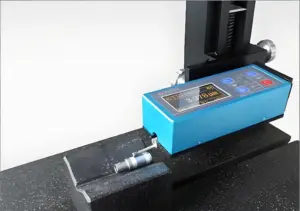
- Can reach Ra < 0.2 µm (very low surface roughness)
- Great for medical parts, food equipment, and anything visible
- Makes surfaces easier to clean
- Grinding:
- Leaves visible lines or scratches
- Rougher finish unless followed by finer steps
- Works well for pre-coating or bonding where roughness helps
Structural Integrity & Strength
- Grinding:
- Adds surface stress from heat and pressure
- Surface texture can improve weld bonding or coating grip
- Good for structural parts that need durability
- Polishing:
- Softer on the surface
- Can round off edges if overdone
- May weaken sharp features or load points if not done carefully
Dimensional Control
- Grinding:
- Ideal for tight tolerances
- Can reach ±0.01 mm or better
- More stable and consistent in shaping
- Polishing:
- Not meant for size control
- Can slightly distort small or delicate features
- Better for looks than exact dimensions
- Use polishing when your part needs to look clean, feel smooth, or stay sanitary
- Use grinding when your part needs strength, flatness, or precise fit
Each process does something different. Pick the one that matches your part’s purpose.
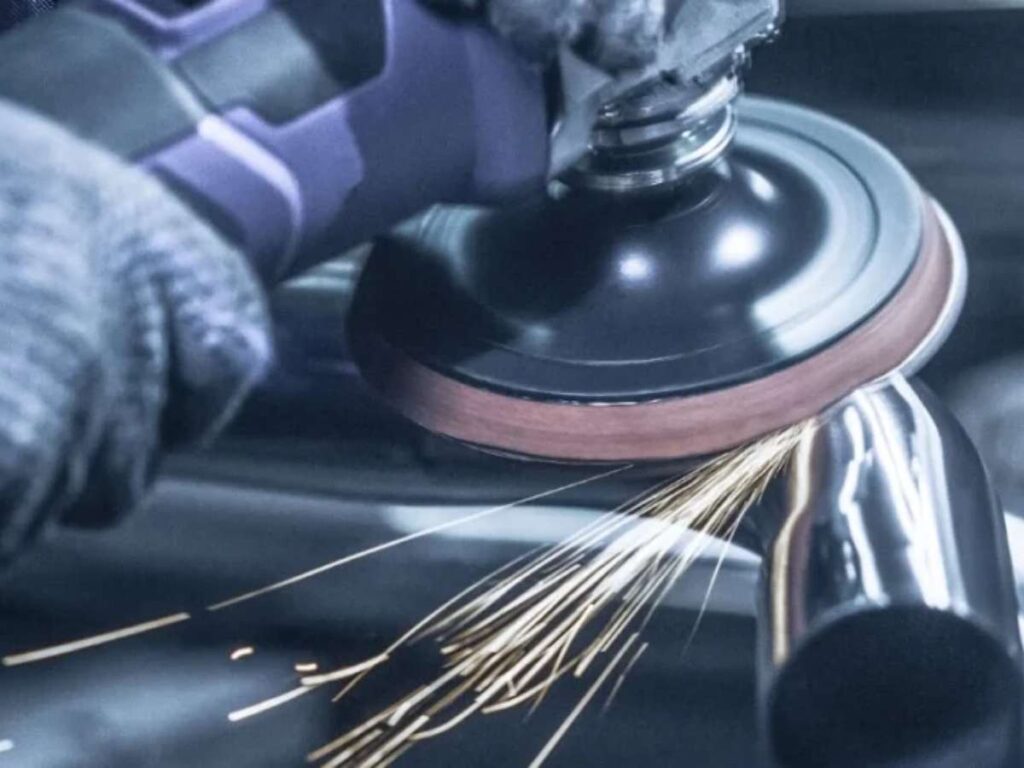
7. How to Choose Between Grinding and Polishing
I’ve stood in front of a workbench, part in hand, wondering—should I grind this or polish it? It’s a common question. And it matters more than most people think.
Choosing the wrong process can lead to wasted time, ruined parts, or failed inspections.
So how do you make the right call?
Start by asking what the part needs.
Ask These Questions:
- Is the part too thick, uneven, or rough? → You probably need grinding to level it out.
- Does it need to fit tightly with other parts? → Go with grinding for better control over size and shape.
- Will someone see or touch the surface? → You’ll want polishing to make it smooth and clean.
- Does it need to stay clean, reduce friction, or resist corrosion? → Polishing helps with all of that—especially on metal and plastic surfaces.
- Is the surface being coated or welded later? → Grinding helps prep the base for better bonding.
Match the Process to the Purpose:
- Use grinding:
- To remove extra material
- For flatness or dimensional accuracy
- When the surface will be coated or welded
- Use polishing:
- To improve surface shine or cleanliness
- For parts people touch or see
- In final-stage finishing (like medical tools or electronics)
Conclusion
You started this article looking for clarity—and now you’ve got it.
Grinding shapes.
Polishing finishes.
Each one matters, but for different reasons.
I’ve made mistakes by rushing the process. You don’t have to.
Use this guide as your go-to when you’re stuck.
Match the process to the part. Think about the function. Then go build something that lasts.
Contact us today if you want expert advice.
More Guides and Tips to Explore
We’ve got more for you! These articles provide more tips and guidance to keep you on track:
Still haven’t found what you’re looking for? Don’t hesitate to contact us. We’re available around the clock to assist you.