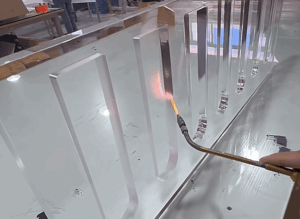

Are you planning to have electroplating done but don’t know what really happens in the process?
I’ve been right there too.
When the electro galvanizing process first came up for parts I was in charge of, I felt stuck. A supplier even asked me to explain it, and I couldn’t. That was tough. I felt embarrassed in front of people I needed to impress.
After that, I wanted to truly understand it.
I spent time in plating shops, standing by the tanks, listening to the buzz of power lines, and carefully checking every small setting myself. I made the process personal.
I’m sharing this because I want you to trust that what you’re about to read isn’t guesswork.
In this guide, you’ll get the full step-by-step electro galvanizing process in simple words. We’ll cover how it begins, what happens inside each tank, and why each part matters.
By the end, you’ll understand electro galvanizing well enough to make smart calls — whether you’re running a shop, designing parts, handling orders, or working on a personal build.
So let’s get started!
Quick Guide
Before diving into the finer details, here’s a quick look at the full electro galvanizing process. This table gives you a fast reference to how each stage fits together.
| Step | What to Do |
| Step#1 Surface Cleaning | Clean the surface using degreasers, brushes, or electrocleaning. This removes dirt, oil, and oxides that could block zinc bonding. |
| Step#2 Pickling | Submerge the part in an acid bath to remove rust and scale. Make sure to time it right and rinse immediately afterward. |
| Step#3 Rinsing | Rinse each part thoroughly with clean water after pickling. This stops acid from drying on the surface and affecting plating. |
| Step#4 Electrolyte Bath Preparation | Mix a zinc salt solution and balance pH and additives. Prepare the anode setup and test a sample before full runs. |
| Step#5 Electroplating (Zinc Deposition) | Use direct current to deposit zinc onto the part. Keep the current stable and parts agitated for an even finish. |
| Step#6 Post-Plating Rinsing | Rinse again to remove leftover plating chemicals. Use clean, flowing water and transfer parts quickly to avoid staining. |
| Step#7 Passivation Treatment | Dip the part in passivation solution to seal and protect the zinc layer. Agitate gently and rinse right after treatment. |
| Step#8 Drying and Inspection | Dry the part with air or low heat, then inspect under good lighting. Check for even coating, no flaws, and log results. |
Each of these steps has its purpose. Let’s unpack what makes them work so well.
Step#1 Surface Cleaning
If you’re thinking about electro galvanizing for your parts, start here.
Clean metal matters.
I once worked on a batch that looked fine on the outside. It had pre-cleaned it—but not deeply. A week later, the zinc coating started to lift. We had to strip and redo the job.
That’s when I stopped assuming surface prep was “good enough.”
Here’s what you’re really dealing with on unfinished metal:
- Oil or grease from cutting tools
- Dust from storage or shipping
- Rust or oxidation from air exposure
And if that stuff stays on the part?
The zinc won’t bond. The coating won’t last.
Proper surface cleaning uses methods like:
- Solvent cleaning to dissolve oil
- Alkaline baths to lift dirt and grease
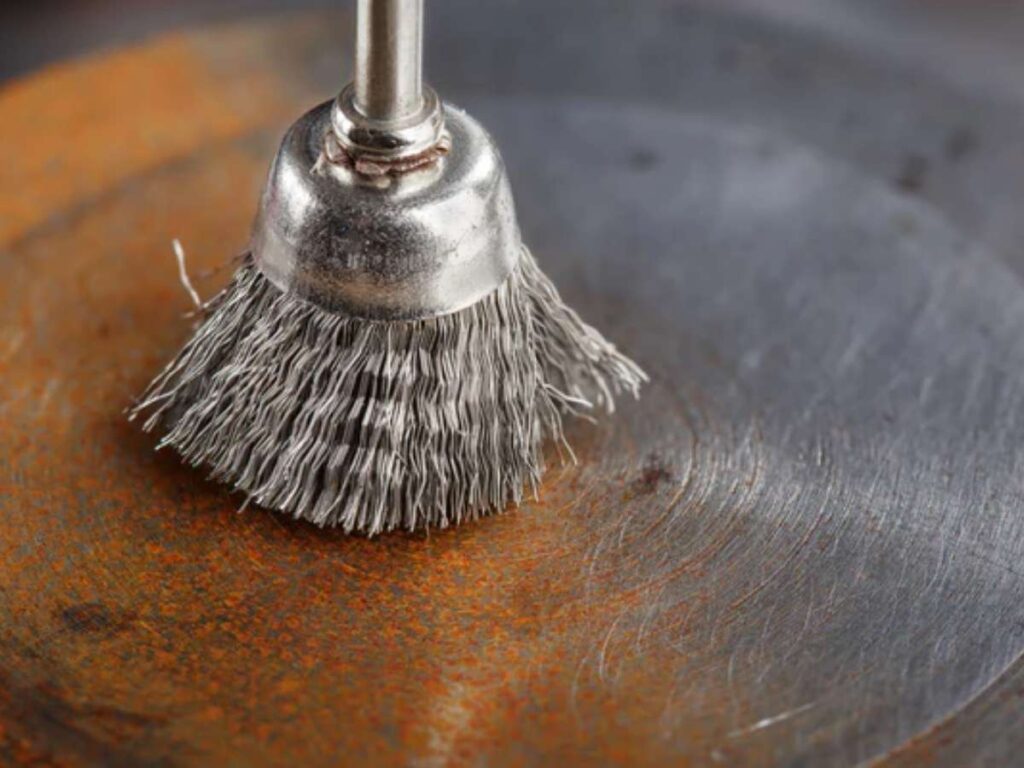
- Mechanical abrasion to remove rust
I choose the method based on the part’s shape and material. Tight corners? Go with chemical cleaning. Heavy scale? Use brushing.
If you’re sourcing electro galvanizing or comparing suppliers, ask how they clean before plating.
At MachMaster, they make sure to match the cleaner to your specific material and production needs—because the right start changes everything.
Step#2 Pickling
After surface cleaning, the next step is pickling—and yes, it’s just as important.
Even if a part looks clean, it can still have oxide layers—which means built-up rust or mill scale left from cutting, welding, or storage. These layers stop zinc from sticking well.
Pickling solves that.
It’s a process where your parts are dipped in a mild acid bath, usually using diluted hydrochloric or sulfuric acid.
The acid reacts with the rust and scale, stripping it off and leaving fresh, clean steel behind.
In our production I always ask:
- Has steel been sitting in storage?
- Was it heat-cut, laser-cut, or welded?
- Does it have any dull, dark, or flaky areas?
If the answer is yes to any of those, I run it through pickling—no question.
If you’re working with a supplier, here’s what to ask:
- Do you include pickling before electroplating?
- What type of acid do you use, and how do you monitor it?
- How do you prevent over-pickling, which can damage thin parts?
You don’t need to be a chemist.
But knowing the right questions to ask can save you from adhesion problems, coating failure, and rework later.
Step#3 Rinsing
It might just look like water—but rinsing is one of the most important steps.
After pickling, the part still has traces of acid.
If that residue stays on the surface, the zinc coating won’t stick right.
I’ve seen parts come out with blotches, uneven layers, and even bubbles—just from poor rinsing.
That’s why I always rinse immediately after pickling.
Clean water removes:
- Acid residue
- Loose particles
- Leftover scale or dirt
Sometimes, I use one rinse. Other times, two or three—especially if the surface had heavy rust or rough spots. It depends on the part and how much prep it needed.
If you’re sourcing electro galvanizing or reviewing specs for your part, don’t overlook this step.
Ask your supplier:
- Do you rinse the parts right after pickling?
- How often is the rinse water replaced or filtered?
- Do you use multiple rinses for complex or dirty parts?
Bad rinsing leads to poor plating. Even if the zinc sticks, you could get uneven coverage or long-term flaking.
Step#4 Electrolyte Bath Preparation
Now we get to the part that makes electro galvanizing work—the electrolyte bath.
This is where the zinc gets ready to move onto the metal.
What’s in the Bath?
The electrolyte bath is a liquid mix of:
- Zinc salts (usually zinc sulfate or zinc chloride)
- Water
- Sometimes additives to help control brightness or plating speed
The part goes into this bath and becomes the cathode.
The zinc becomes the anode.
When the power turns on, zinc ions move through the solution and deposit onto the part’s surface.
What You Should Ask
You should ask your supplier a few things:
- What type of electrolyte do you use—zinc sulfate or chloride?
- How do you monitor pH and chemical levels?
- Do you adjust the bath for different materials or part sizes?
Why It Matters
A well-prepared bath gives you:
- Smooth, even zinc coverage
- Consistent appearance
- Fewer defects or rework
And when you’re trusting a batch of parts to be coated right, the chemistry behind the scenes can’t be ignored.
This is where quality begins to show.
Step#5 Electroplating (Zinc Deposition)
This is the step where the real action happens. I always tell clients—this is where protection begins.
But it only works if everything before this step was done right.
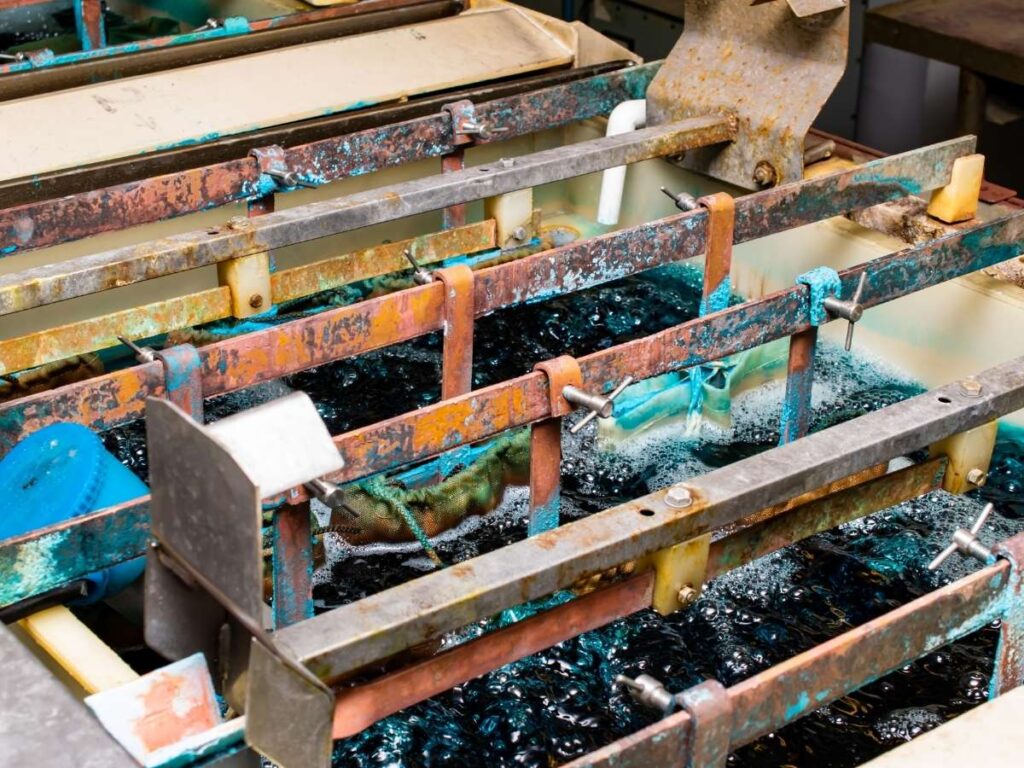
How Electroplating Works
Here’s what happens:
- The part is placed in the electrolyte bath (we covered that in Step 4)
- It’s connected to a negative electrical charge—this makes it the cathode
- A block of zinc, connected to the positive charge, acts as the anode
- When the current flows, zinc ions move through the liquid and settle on the metal surface
The longer the part stays in the bath, the thicker the coating.
But time isn’t everything—voltage, temperature, and solution strength all matter too.
What To Watch For
In my own shop, I carefully adjust:
- Current levels (too much can cause burning)
- Plating time (more isn’t always better)
- Part spacing (to avoid uneven deposits)
Even small changes can affect the finish.
What You Should Ask
If you’re choosing a supplier, here’s what to ask:
- How do you control coating thickness?
- Do you monitor current and temperature throughout the process?
- Can you meet a specific microns requirement?
The zinc layer is what protects your part from corrosion. Done right, it’s smooth, even, and durable.
Done wrong, and you’ll see rough spots, thin patches, or early rust.
Step#6 Post-Plating Rinsing
The zinc is on—but we’re not done yet.
Once electroplating is complete, the parts go straight into a clean water rinse.
Why This Rinse Matters
Post-plating rinsing helps:
- Prevent surface staining
- Avoid chemical buildup
- Prep the surface for the next step (passivation)
Think of it like washing your hands after using soap.
If you don’t rinse well, the residue stays—and that causes problems later.
How To Do It
- Clean, running water
- Agitation to help flush tight areas
- Multiple rinse tanks for large batches
Each part gets checked before moving on.
What You Should Ask
When working with a supplier, ask:
- Do you use a final rinse after plating?
- Is the rinse water changed or filtered regularly?
- How do you handle parts with complex shapes?
This rinse may seem minor but it protects your investment. Without it, even a great zinc coating can look unfinished or fail faster.
If you take a little extra time here, you’ll send out parts that look clean and stay protected.
Step#7 Passivation Treatment
Zinc protects your metal. But zinc itself can still react with air and moisture. That’s where passivation comes in.
I used to think zinc plating alone was enough. Then I saw how fast untreated zinc dulled and corroded in humid storage.
What Is Passivation?
Passivation is a chemical treatment.
The freshly plated part is dipped into a solution—often chromate-based or trivalent chromium—
That forms a thin, invisible layer over the zinc.
This layer:
- Delays white rust
- Improves surface appearance
- Extends service life
Some coatings even add a slight yellow or blue tint, depending on the formula used.
What I Use and Why
I choose the passivation type based on:
- The client’s application (indoor vs. outdoor)
- Desired color or finish
- RoHS compliance (for electronics and export)
Trivalent chromates are safer and widely accepted.
They still perform well, especially for indoor use or light-duty parts.
What You Should Ask
When evaluating a supplier, ask:
- Do you apply passivation after zinc plating?
- What type of passivation do you use—hexavalent or trivalent?
- Can you meet RoHS or other environmental requirements?
Passivation might not get a lot of attention, but it adds real value. These small actions help your finish last longer and look cleaner—and they’re worth doing right.
Step#8 Drying and Inspection
You’re almost done. The part is plated, passivated, and rinsed. Now it needs to dry—completely.
If water stays trapped in corners or crevices, it can leave stains.
How To Dry Parts
Depending on the part’s size and shape, I use:
- Warm air blowers
- Drying ovens
- Clean cloth or air jets for small runs
I make sure every part is fully dry before inspection.
No shortcuts here. Moisture ruins good work.
Inspection: What I Look For
Once dry, check:
- Coating thickness
- Surface finish (smooth, no spots)
- Edge and corner coverage
- No flaking, no missed areas
Sometimes I’ll run a tape test or visual comparison if the project requires tighter tolerances.
What You Should Ask
When working with a supplier, it’s worth asking:
- How do you dry the parts after plating?
- Do you perform visual or thickness inspections?
- Can you provide inspection reports or samples before full delivery?
Inspection is your last chance to confirm quality before shipping. It’s where you make sure every part leaves your shop clean, coated, and ready to be trusted.
I saw that MachMaster is very hands-on—this is where they double down, checking every detail to make sure parts ship out clean, coated, and dependable.
Conclusion
Remember me, standing by those tanks, embarrassed because I couldn’t explain the process?
Now that won’t be you. You’ve learned what electro galvanizing is, how it flows step by step, and why each stage matters.
You don’t have to learn the hard way.
Ready to avoid my mistakes and protect your next project?
Contact MachMaster today. Let’s get your next job done right!
Explore Related Resources
Want to see more? We’ve gathered additional product choices to give you even more variety:
Machining & Molding Services:
Finishing Processes:
Still haven’t found what you’re looking for? Don’t hesitate to contact us. We’re available around the clock to assist you.