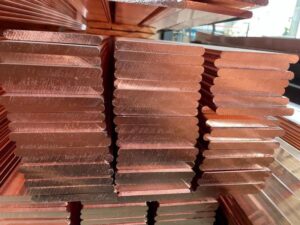

Back when I started working with CNC shops, I thought wire drawing was just about looks. Then I saw how it saved dozens of parts from being scrapped over minor surface flaws.
That changed how I saw surface finishing entirely.
Today, I help businesses use wire drawing as a cost-effective way to enhance value, improve quality, and reduce waste, especially for aluminum and stainless steel parts.
This article gives you a full, no-nonsense breakdown of how wire drawing works, what tools you need, and how to avoid common mistakes.
If you need reliable finishes and repeatable results, this is for you.
Looks matter—even in B2B manufacturing.
Because the finish you deliver reflects your standards.
Let’s get into it!
Quick Process Chart
The wire drawing process involves refining the surface of metal parts to enhance their appearance and texture. Below is a step-by-step summary table outlining the key stages, tools, and considerations involved.
| Step | Purpose | Key Actions | Tools/Materials | Notes |
| 1. Understand Purpose | Improve look, hide flaws | Define finish goals | — | Match to application/material |
| 2. Surface Prep | Clean for uniform finish | Degrease, pickle, dry | Solvent, acid, air gun | Pre-sand if damaged |
| 3. Choose Pattern | Select texture style | Pick from 5 pattern types | Visual samples | Fit with shape & design |
| 4. Select Tools | Prepare equipment | Choose machine & abrasives | Sanders, rollers, 3M pads | Use proper grit size |
| 5. Set Up | Ensure stability & safety | Clamp, adjust settings | Clamps, jigs, PPE | Avoid shifting or vibration |
| 6. Perform Drawing | Apply surface texture | Run part through process | Belts, brushes, polishers | Use steady pressure |
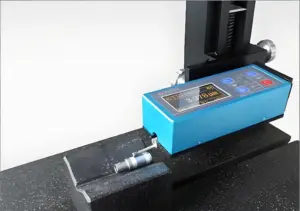
| 7. Inspect Finish | Confirm quality | Visual & tactile check | Gloves, light, calipers | Look for flaws or streaks |
Step#1 Understand the Purpose of Wire Drawing
Wire drawing enhances the look and feel of machined metal parts by giving them a sleek, brushed finish. This process not only adds a professional, uniform appearance but also helps hide surface imperfections like machining marks or minor scratches.
It’s a go-to finishing technique for parts that need to look clean, modern, and high-end, especially when visual appeal is just as important as function.
Common Applications
Wire drawing is widely used across industries, especially in consumer electronics and hardware. If you’ve ever admired the satin texture on a laptop lid or the clean finish on stainless steel appliances, you’ve seen the results of this process.
- Laptop panels and digital device casings
- Stainless steel appliances like ovens and refrigerators
- Aluminum enclosures for electronics and tools
- Custom nameplates, signage, and membrane switches
- Camera housings, battery covers, and lens components
Materials Suitable for Wire Drawing
Wire drawing works best with metals that are strong yet soft enough to be abrasively treated without cracking or distorting. Here are the most commonly used materials:
- Aluminum & Aluminum Alloys: Lightweight and corrosion-resistant, aluminum is a top choice for modern consumer electronics. It accepts a wide range of finishes and produces a clean, uniform grain when drawn.
- Stainless Steel: Known for its strength and durability, stainless steel is ideal for both decorative and functional surfaces. MachMaster specializes in wire drawing for stainless steel, delivering a distinctive matte sheen while preserving the material’s toughness.
- Magnesium Alloys: Valued for their low weight and good strength, magnesium alloys are often used in digital products and aerospace components. Wire drawing gives them a premium appearance while keeping weight down.
- Brass & Other Soft Metals: Brass is commonly used for nameplates, trims, and custom components. It responds well to wire drawing, which enhances its natural luster and gives it a refined finish.
Step#2 Surface Preparation
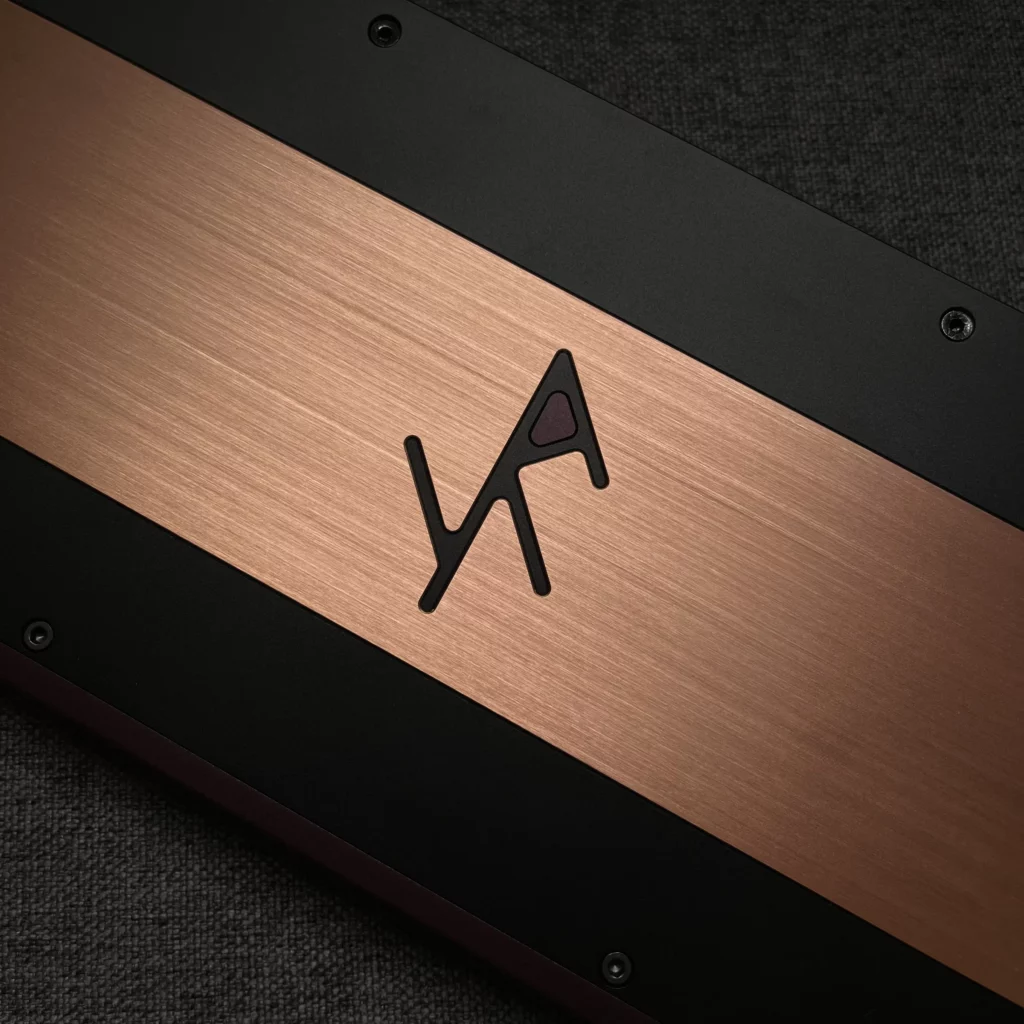
Before any wire drawing can begin, the surface of the metal part needs to be properly cleaned and prepped.
This step is absolutely essential, not just for visual quality, but also for making sure the abrasive process adheres evenly and doesn’t get disrupted by contaminants. .
Actions to Take
- Degreasing or Solvent Cleaning: Remove any oils, cutting fluids, or machining residues using an industrial degreaser or alcohol-based cleaner. This eliminates the slick layer that can interfere with abrasive contact.
- Acid Pickling (for Stainless Steel): For stainless steel parts, acid pickling is often used to remove oxides, discoloration, or scale from prior processes like welding or machining. It helps reveal a clean, raw surface for drawing.
- Drying or Air-Blasting: Once cleaned, parts should be thoroughly dried. Compressed air or clean cloths can be used to remove any lingering moisture or dust particles that might scratch the surface during drawing.
Considerations
- Handle with Care: Always use lint-free gloves or cloths when handling prepped parts to avoid reintroducing oils or particles. Even a fingerprint can disrupt the drawing pattern.
- Address Surface Damage First: If the part has deep scratches, dents, or gouges, consider pre-sanding or localized polishing before wire drawing. Drawing alone won’t remove deep imperfections — and may even highlight them if left untreated.
Step#3 Choose Wire Drawing Pattern Type
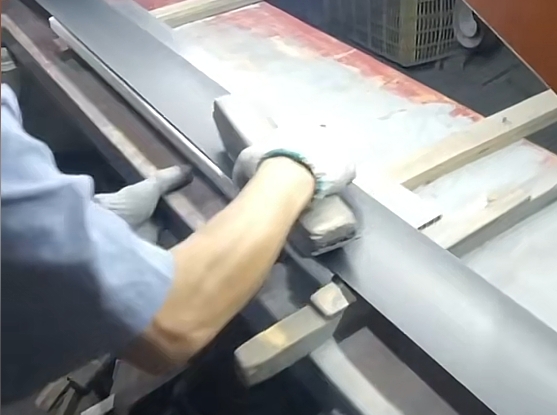
Wire drawing isn’t one-size-fits-all . The finish you choose depends on both the function and aesthetic you’re aiming for. From clean, professional lines to decorative textures, each pattern brings a unique personality to your part.
Here are the most common wire drawing pattern types:
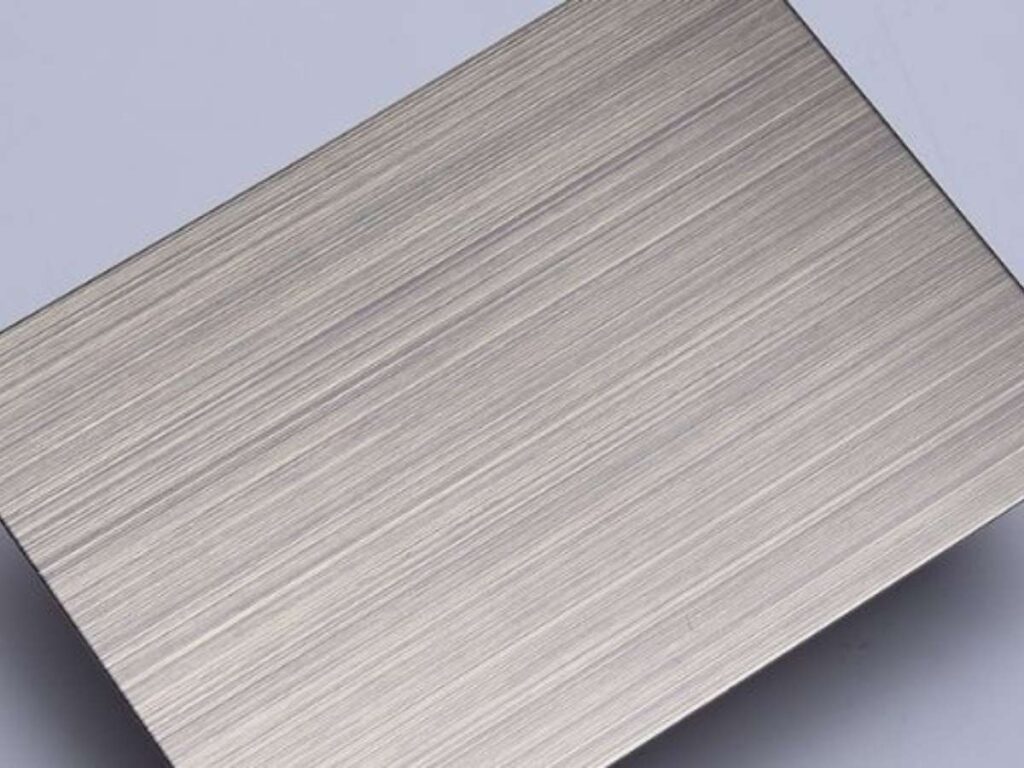
Straight Grain (Hairline)
- Creates uniform, parallel lines that run in a single direction.
- This is the most widely used finish — clean, modern, and often seen on consumer electronics, appliances, and signage.
- Great for parts that need a minimalist, professional appearance.
Chaotic (Snow Pattern)
- Features irregular, non-directional matte textures, typically applied using high-speed brushes.
- Ideal for aluminum or aluminum alloys, especially when you want to hide imperfections or add subtle visual depth.
- Common in decorative parts where a soft, diffused look is preferred.
Swirl (Optical Rotation)
- Produces circular or spiral-like patterns by polishing with a rotating felt wheel or nylon disc.
- Often used on small, round parts like knobs, badges, or dials where a focal decorative effect is desired.
- This finish adds a dynamic, almost holographic look.
Corrugation (Wave Pattern)
- Achieved through axial movement of grinding rollers, this pattern resembles gentle wave-like textures.
- Provides a sophisticated, flowing appearance that works well on long, flat surfaces.
- Common in industrial panels and decorative aluminum trims.
Thread Pattern (Spiral or Continuous Curve)
- Involves creating long, curved or spiral lines across the surface.
- More complex to produce, but delivers a distinctive, artistic finish.
- Great for branding or specialty components where visual identity is key.
Choosing the right pattern is about balancing function, form, and fabrication method. Consider where the part will be used, what impression you want it to give, and how much complexity your production process can handle.
Step#4 Select Tools and Abrasives
Now that you’ve chosen your desired wire drawing pattern, it’s time to gather the right tools and abrasives. The equipment you select will directly impact the final finish, efficiency, and consistency of the process.
Whether you’re working on flat plates or complex curves, there’s a setup that fits your needs.
Common Tools for Wire Drawing
- Flat Belt Sanders: Perfect for straight-grain finishes on flat surfaces. These machines use a continuous abrasive belt that runs across the workpiece with consistent pressure.
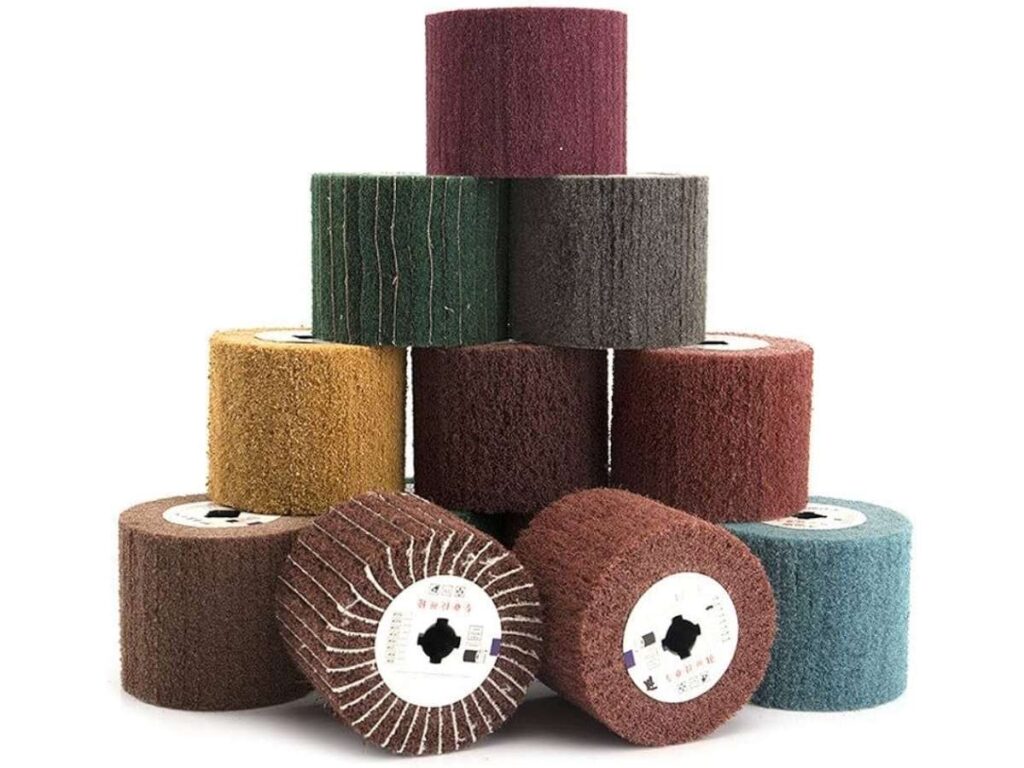
- Non-Woven Nylon Roller Brushes (Vibrating or Fixed): Ideal for large or curved surfaces, roller brushes are flexible and effective for both continuous (non-vibrating) and broken-line (vibrating) patterns. Great for aluminum and magnesium alloy panels.
- Polishing Machines with Felt Wheels: Typically used for swirl or optical finishes. The felt wheel is paired with polishing compounds and rotated to create dynamic circular patterns.
- Abrasive Pads (Manual Application): Used for smaller, detailed, or irregular surfaces. These are best for spot-touching or when machine access is limited.
Abrasive Materials
- Sand Belts: Available in a range of grits:
- Coarse (80–120 grit) for deeper, more visible textures
- Fine (240–400+ grit) for smoother, subtler finishes
- Non-Woven Abrasives: Products like 3M 7447C offer a consistent scratch pattern without removing too much material. These are ideal for satin or snow-pattern finishes.
- Polishing Pastes or Kerosene-Blended Compounds: Used primarily for swirl patterns, these compounds reduce friction and help achieve a glossy, decorative effect when paired with felt or nylon wheels.
Step#5 Set Up Workpiece and Machinery
Before you fire up the machine, it’s essential to get everything properly set up. A stable, well-secured workpiece and calibrated machine settings will make all the difference in achieving a clean, consistent wire drawing finish, while also keeping you safe throughout the process.
Workpiece Fixation
- Clamp Securely: Ensure the part is tightly clamped in place to prevent shifting, sliding, or vibrating during drawing. Even minor movement can ruin the finish and cause uneven grain lines.
- Use Jigs or Fixtures: If you’re processing a batch of parts, using a custom jig or fixture guarantees repeatable positioning and consistent results across every unit. This is especially helpful for small or oddly shaped components.
Machine Settings
- Adjust Speed and Pressure: The speed and downward pressure of your drawing tool should match the material you’re working with. Softer metals like aluminum require gentler settings to avoid deformation, while harder metals can handle more force.
- Tune Roller Contact and Vibration: For roller brushes, fine-tune how much surface contact is made and whether vibration is enabled. These adjustments help you control the depth and definition of the finish — from bold to subtle.
Safety Precautions
When performing wire drawing, safety should always be a top priority. Always wear protective gear such as cut-resistant gloves, safety goggles, and a dust mask or respirator to guard against flying particles and fine metal dust generated during the process. Staying alert and maintaining a clean, organized workspace will help you avoid common hazards and keep the operation running smoothly and safely.

Step#6 Perform the Wire Drawing Process
With your workpiece secured and the machine ready, it’s time to apply the wire drawing technique. The process will vary slightly depending on the surface pattern and equipment, but the basic flow remains consistent across applications:
- Flat Belt Sander Method: Ideal for straight-line finishes on flat surfaces. The abrasive belt runs continuously while the operator maintains steady pressure. MachMaster offers this method to deliver clean, consistent finishes on aluminum and stainless steel parts.
- Non-Woven Roller Brush Method: Used for curved or large surfaces. The part is fed through or against a rotating brush, which applies either vibrating or continuous abrasion depending on the desired pattern (short-thread vs. long-thread effects).
- Swirl (Optical Rotation) Method: A felt or nylon wheel attached to a polishing machine rotates while gently pressing against the part’s surface. Often paired with a polishing paste or kerosene blend, this method produces circular or spiral swirl patterns.
- Wide Belt Machine Method{ Typically used for metal sheets or panels. The belt spins at high speed while the sheet moves underneath, creating fine, consistent patterns — commonly used for stainless steel or aluminum panel finishing.
- Manual Abrasive Pad Method: Best for small, hard-to-reach areas or irregular shapes. The operator manually rubs the surface using abrasive pads to apply texture with controlled force and direction.
Step#7 Inspect the Surface Finish
After the drawing process is complete, it’s essential to carefully inspect the surface to ensure it meets both functional and aesthetic standards. This step helps catch any inconsistencies before the part moves on to packaging or post-treatment.
Visual Checks
- Look for uniformity in grain or pattern across the entire surface.
- Check for unintended streaks, scratches, blotches, or discoloration that may have occurred due to uneven pressure, debris, or tool wear.
- Inspect under angled lighting to better highlight subtle flaws or inconsistencies.
Tactile Check
- Run your fingers lightly across the surface to assess smoothness and consistency.
- Any rough spots or textural irregularities may indicate missed areas or over-processing.
Taking time for a thorough inspection ensures a high-quality, professional finish — and prevents costly rework down the line.
Conclusion
That project changed my view on wire drawing forever.
What started as a fix for minor flaws turned into a process that saved time, boosted quality, and gave our parts a professional finish.
Now, you have the full step-by-step guide to do the same. From setup to inspection, each step matters. Whether you’re finishing aluminum, steel, or anything in between, consistency counts.
Ready to improve your surface treatment process?
MachMaster is here to help with expert solutions and reliable tools for every step. Contact us today!
Check Out These Additional Resources
Need more ideas? Browse through our extended range of products and discover something new:
Still haven’t found what you’re looking for? Don’t hesitate to contact us. We’re available around the clock to assist you.