
I remember standing in our workshop, looking at a big bin full of metal parts we couldn’t use.
They were all a little wrong. The edges didn’t line up. The holes were off. We had spent hours designing these—and now they were just scrap.
I felt frustrated and stuck.
That’s when we decided to try custom sheet metal stamping.
And honestly? It changed everything.
The parts came out right. They came out fast. And we stopped wasting time and money.
I’m telling you this because maybe you’ve been in the same spot. Maybe you’re tired of delays, high costs, or designs that don’t quite work in real life.
In this article, I’ll walk you through 8 real benefits of using custom sheet metal stamping. These are things I’ve seen with my own eyes—things that helped us move faster, save money, and make better parts.
By the end, you’ll have what you need to make a smarter decision for your project. And maybe you’ll skip some of the mistakes I made along the way.
So let’s begin!
1. High Precision and Repeatability
When I first started making metal parts, I didn’t think much about repeatability. I just wanted the part to be “good enough.” But once I had to produce 500 pieces that all had to fit into the same assembly, “close enough” didn’t cut it.
One piece was off by 0.2mm. The next was fine. The third wouldn’t fit at all. That small variation added up fast. It slowed everything down.
That’s where custom sheet metal stamping changed the game for me.
Stamping uses a tool called a die. The die is shaped exactly like your final part. Once it’s built, it punches out that same shape again and again. And the best part? The parts come out nearly identical—within ±0.01mm.
That kind of precision saves time, cuts waste, and avoids rework. You don’t have to stop and sand an edge or re-bend a flange.
You just get the part. Every time.
Consistency Across Every Part
If you’ve ever had to stop and double-check every part, you know how frustrating that is.
With stamping, it’s different:
- Dies make each part the same shape
- Tolerances can be as tight as ±0.01mm
- No more “maybe it fits, maybe it doesn’t”
- Great for parts that need to slide, snap, or lock into place
You get consistency—without the stress.
At MachMaster, I’ve seen this firsthand. Their dies are built for repeatability. Whether it’s 50 pieces or 5,000, the quality stays the same.
What Enables This Precision
Stamping works well because of how it’s built.
- Rigid tooling: The die doesn’t move or bend under pressure
- Hardened dies: Built to last through thousands of cycles
- Stable press machines: They hold position and speed during every stroke
- Quality control: Catch problems early before they multiply
If your product needs precision, and you’re tired of second-guessing parts, stamping is worth a serious look.
I wish I had tried it earlier.

2. Cost-Effectiveness for Medium to High Volumes
At first, the price of tooling for stamping can look high. You might think, “Is this really worth it?” I had the same question the first time I looked into it. But once production started, the numbers told a different story.
The more parts we made, the cheaper each one became. That’s the real value of custom sheet metal stamping—it pays off as volume increases.
How Stamping Lowers Cost Per Part
Stamping dies aren’t cheap. You’re investing in a tool that shapes every part. But once it’s made, that tool goes to work—fast.
Here’s how costs drop:
- High-speed presses make hundreds of parts in minutes
- Less time means lower labor costs
- No need for extra machining or hand finishing
- Scrap rates are low, so material waste is minimal
All those savings add up.
Stamping helps you move from “piece-by-piece” costs to “per-batch” efficiency.
When It Becomes Cost-Effective
So how many parts do you need before stamping makes sense?
Here’s a good rule:
- Around 300 to 500 units is the break-even point
- The bigger the batch, the better the price per part
- Repeat orders bring even more savings since the die is already paid for
Check out this example:
| Quantity | CNC Machining Cost | Stamping Cost |
| 50 pcs | $18/part | $50/part |
| 500 pcs | $11/part | $6/part |
| 5,000 pcs | $9/part | $2.50/part |
| 50,000 pcs | $8.50/part | $1.20/part |
One client I worked with needed 3,000 small brackets. They were ready to go with CNC, but the quote was over $30,000. Switching to stamping brought it under $10,000—with tooling included.
If you’re building something that will scale, stamping can give you a big head start on cost.
3. Fast Production and Short Lead Times
A few years ago, I took on a project with a tight deadline. The client needed parts fast—like, within two weeks. We couldn’t afford to wait on long machining cycles or backlogged vendors.
That’s when I realized just how fast custom sheet metal stamping can be.
Once the tooling was ready, production moved quicker than I expected. We had parts rolling off the press in no time.
Rapid Output Once Tooling Is Ready
Stamping isn’t just accurate. It’s fast.
Once the die is set up, the press can produce hundreds of parts per minute. That kind of speed can save your schedule—especially when you’re behind or rushing to launch.
If your team works with:
- Short product development cycles
- Batch deliveries for clients
- Seasonal production spikes
…stamping helps keep things on track.
No more waiting days for parts to trickle in. You get large batches in hours—not weeks.
Drives Speed
There’s a reason stamping moves so quickly. It’s built for it.
Here’s what makes it possible:
- Automated feeding systems: These push sheet metal into the press without stopping
- Quick tool change setups: Reduces time between batches
- Minimal downtime: Machines are built to run long hours
- Efficient material handling: Stamped parts come out clean and ready for packaging or assembly
In one job I handled, we made over 5,000 parts in just a few shifts. That kind of output would’ve taken several weeks using CNC.
If you’ve ever missed a deadline because parts weren’t ready, you know how stressful that feels. With stamping, you can hit the ground running—without cutting corners on quality.
It gave me peace of mind. And it might do the same for you.
4. Versatile Design Options
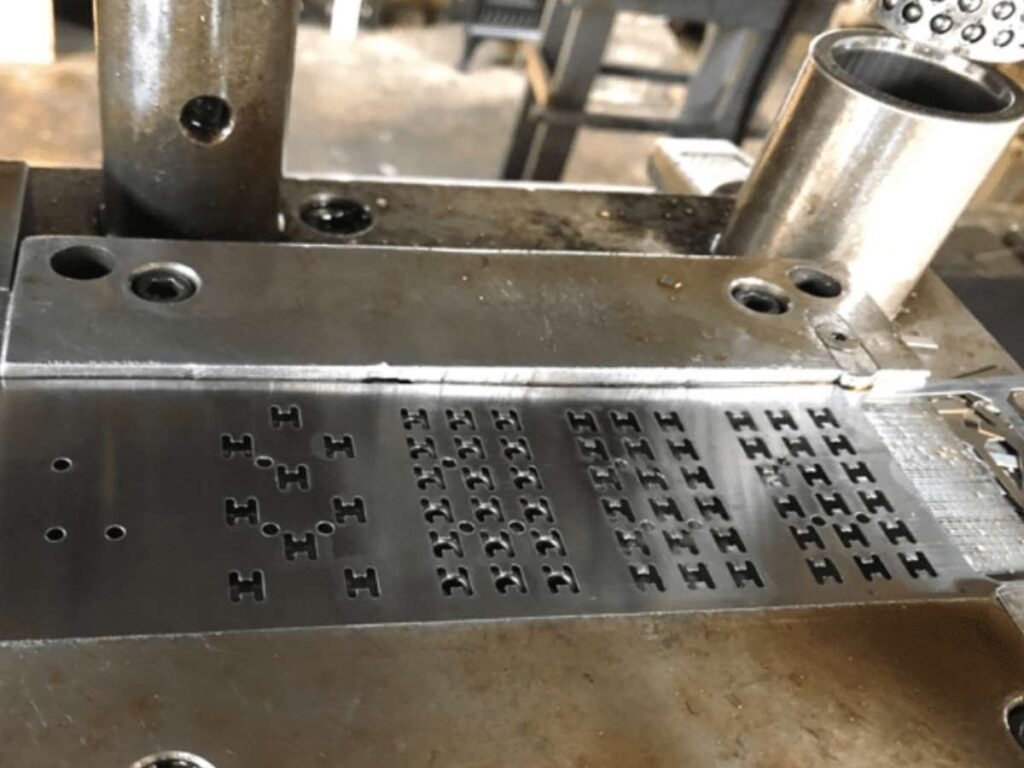
A lot of people think stamping is only for flat, simple parts. I used to think that too—until I worked on a project that needed more than just a clean edge. The part had curves, small holes, and even a logo. Machining would’ve been too slow, and bending by hand wasn’t consistent.
Stamping turned out to be the better option. One press cycle did it all.
More Than Flat Shapes
Custom sheet metal stamping isn’t just about outlines.
With the right die, you can add:
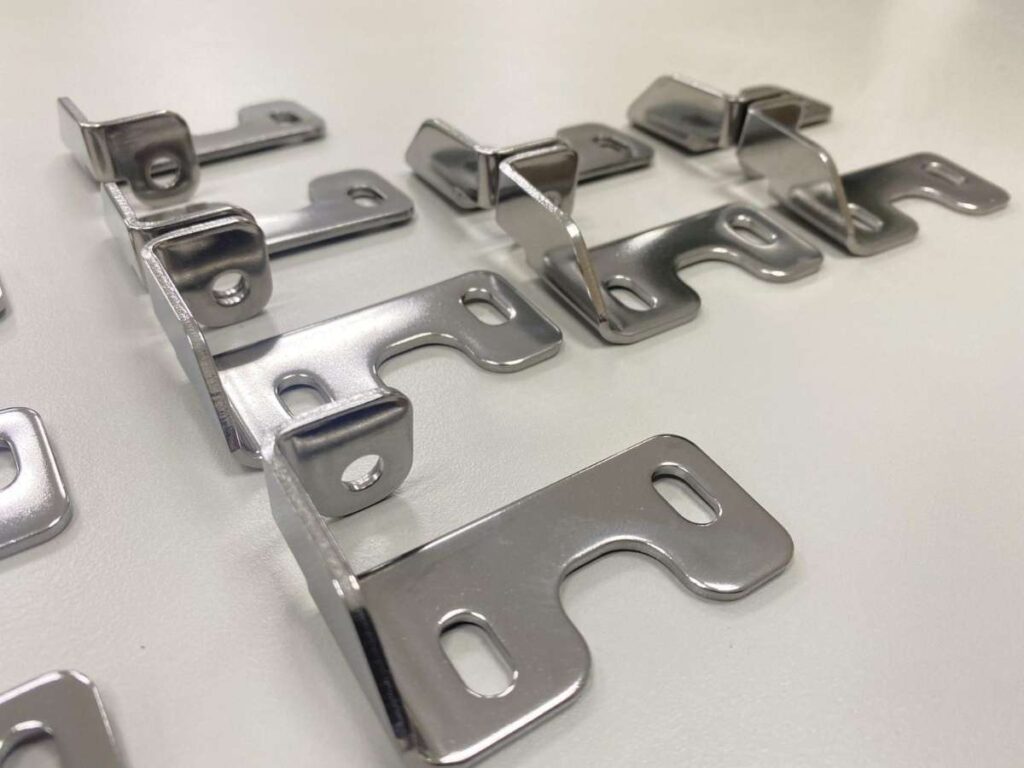
- Bends and flanges for mounting or strength
- Ribs to keep thin metal from flexing
- Louvers to allow airflow
- Holes and slots without drilling
- Embossed features like serial numbers or logos
Even complex shapes are possible. Parts with multiple forms—curves, ridges, and cuts—can come out in one stroke.
On one job, we added ribs and an embossed part ID without extra time or labor. No second process. No post-marking. The parts were ready to use right off the press.
That kind of flexibility can save hours, especially when you’re building at scale.
Tips for Effective Design
To get the most out of stamping, good design matters. You don’t have to do it alone. A supplier with DFM experience can make your idea easier to build and cheaper to produce.
Here are a few things to keep in mind:
- Talk with your supplier early for feedback
- Know the limits of your material: how tight a bend can be, how small a hole you can punch
- Use standard thicknesses to avoid delays or extra cost
Good stamping design is a mix of creativity and practical choices. Once you understand what the process allows, you can start pushing your parts a little further—without pushing your budget.
5. Scalability from Prototyping to Mass Production
One of the hardest parts of product development is moving from a working sample to full-scale production. I’ve seen designs that worked great in small batches fall apart when volumes increased. Things shift. Tolerances change. Lead times explode.
Stamping made that transition easier for me—and it might for you, too.
How Prototyping Works in Sheet Metal Stamping
You don’t have to start with expensive hardened tools.
Early on, you can use soft dies or CNC-machined tooling. These are perfect for low-volume runs. They let you test part fit, check tolerances, and get feedback fast.
You can make small changes without starting from scratch.
Need to adjust a bend angle or hole size? No problem. Soft tooling is easier and faster to modify than full production dies.
This stage helps:
- Catch design issues before they grow
- Validate function and form
- Keep costs down during testing
Prototypes give you confidence before you go big.
Transitioning to Full-Scale Production
Once your design is locked in, you don’t have to switch processes.
The same part can move into hardened steel dies. These are built for long life and high speed. You get:
- Faster production rates
- Lower cost per part
- Reliable accuracy from part one to part 100,000
There’s no need to change materials, redesign your part, or find a new vendor.
Why Using One Process from Start to Finish Matters
This is where stamping really shines.
Using the same method from prototype to production helps:
- Avoid delays from switching processes
- Keep drawings, tolerances, and specs consistent
- Make life easier by working with the same team throughout
It also means fewer surprises.
I’ve worked on jobs where switching processes midstream caused setbacks we didn’t expect. With stamping, you keep the flow smooth.
That makes a big difference when your deadlines are tight and your product needs to grow.
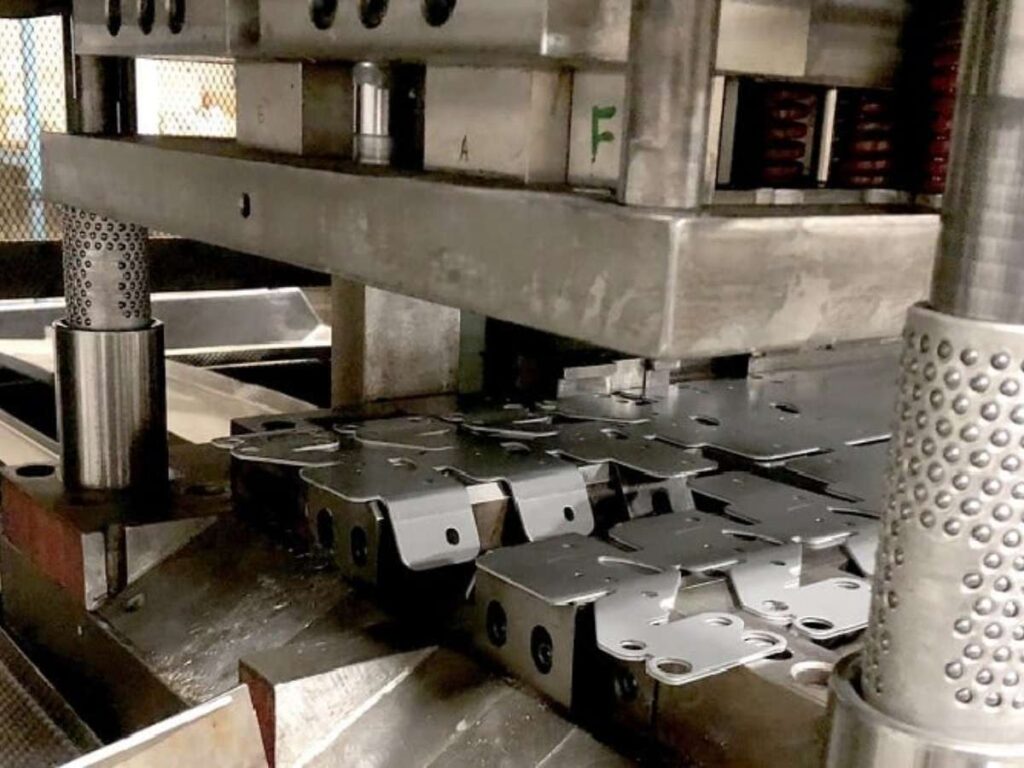
6. Lower Waste and Improved Material Utilization
I used to throw out a lot of scrap. After CNC machining or laser cutting, there were piles of offcuts I couldn’t use. It felt wasteful. And the waste wasn’t just material—it was money.
Switching to stamping helped fix that.
Efficient Use of Raw Material
Sheet metal stamping is efficient by design. Instead of cutting parts from a block or oversized sheet, stamping uses nesting software. This software helps arrange your parts in a tight layout to use every inch of material.
You get:
- Less wasted metal
- Higher part yield per sheet
- Fewer leftover pieces to toss or recycle
Unlike subtractive methods like CNC (where material is carved away), stamping forms the part with minimal loss.
Most of the time, there’s little to no need for extra trimming. That means faster production and cleaner parts.
In one of my past projects, we increased material usage from 65% to over 85% just by switching to stamping. That added up fast—especially when ordering metal in bulk.
Environmental and Cost Benefits
Better material usage isn’t just good for your budget. It’s good for your footprint, too.
- Less scrap means less recycling or disposal
- Lower material use over time reduces cost per part
- It supports sustainability goals without needing extra effort
If your team is under pressure to meet environmental targets—or just wants to cut down on waste—this is a smart step.
Even on smaller jobs, you’ll notice the difference.
Less mess. Lower costs. More parts from every sheet.
And if you’ve ever had to haul bins of scrap to a recycler, you’ll appreciate how clean and simple stamping can be. I sure did.
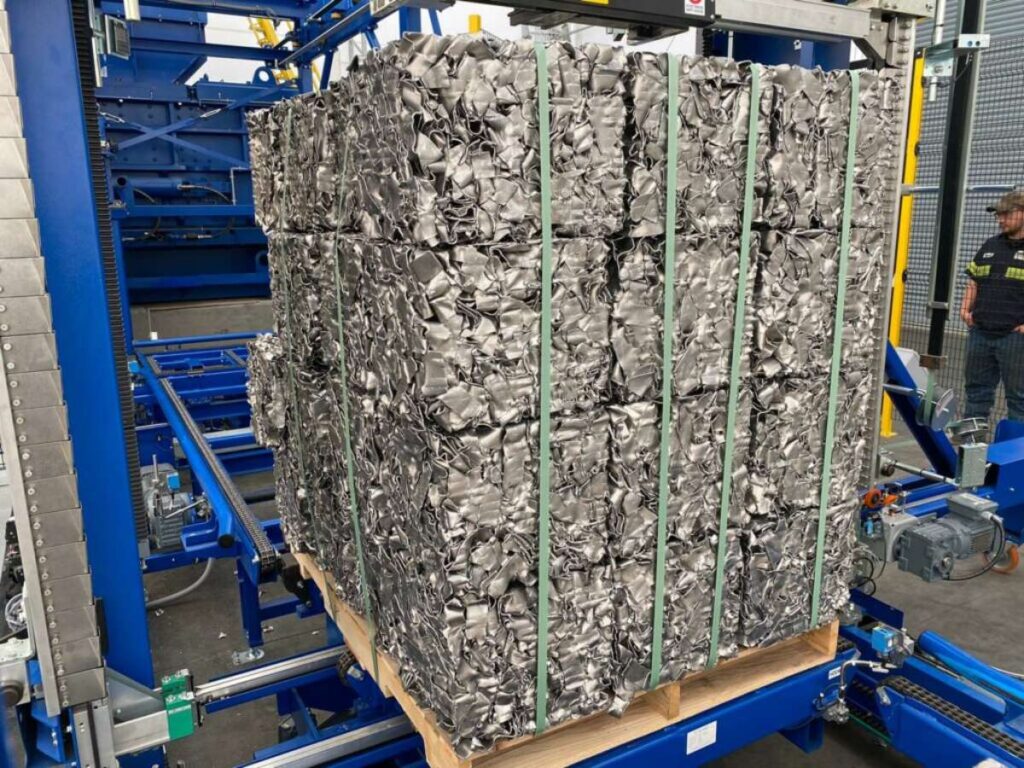
7. Enhanced Part Strength and Consistency
Sometimes I’d get a batch of parts where half were fine, and the rest were just off. Maybe they bent too easily. Maybe one cracked under pressure. Either way, it caused delays and rework.
After switching to stamping, I noticed something right away: parts came out stronger—and the results were consistent.
Built-In Strength Through Forming
Stamping uses cold forming, a process where metal is shaped without heating it up. As the material is formed, it gets work hardened. This means it actually becomes stronger through the shaping process.
The benefits?
- Stronger parts without needing thicker material
- Better control over how much the metal bends or stretches
- Same thickness and strength across every piece
Cold forming keeps the material stable. You don’t weaken it with heat. You make it stronger through compression and controlled deformation.
That means fewer surprises once your parts go into use.
Functional Benefits
If your product needs to handle force, movement, or wear over time, strength matters. Stamped parts can hold up to daily stress better than you might expect.
Some of the benefits I’ve seen:
- Less fatigue over repeated cycles
- More resistance to cracking under vibration
- Fewer parts failing during final inspection
On one project, we replaced a laser-cut bracket with a stamped version. Same shape, same material. But the stamped part lasted nearly twice as long during stress testing.
That’s the power of forming done right.
If you’ve had parts wear out too soon—or pass inspection one day and fail the next—this kind of strength and consistency can give you peace of mind.
You get parts that last. And you don’t have to second-guess your batch.
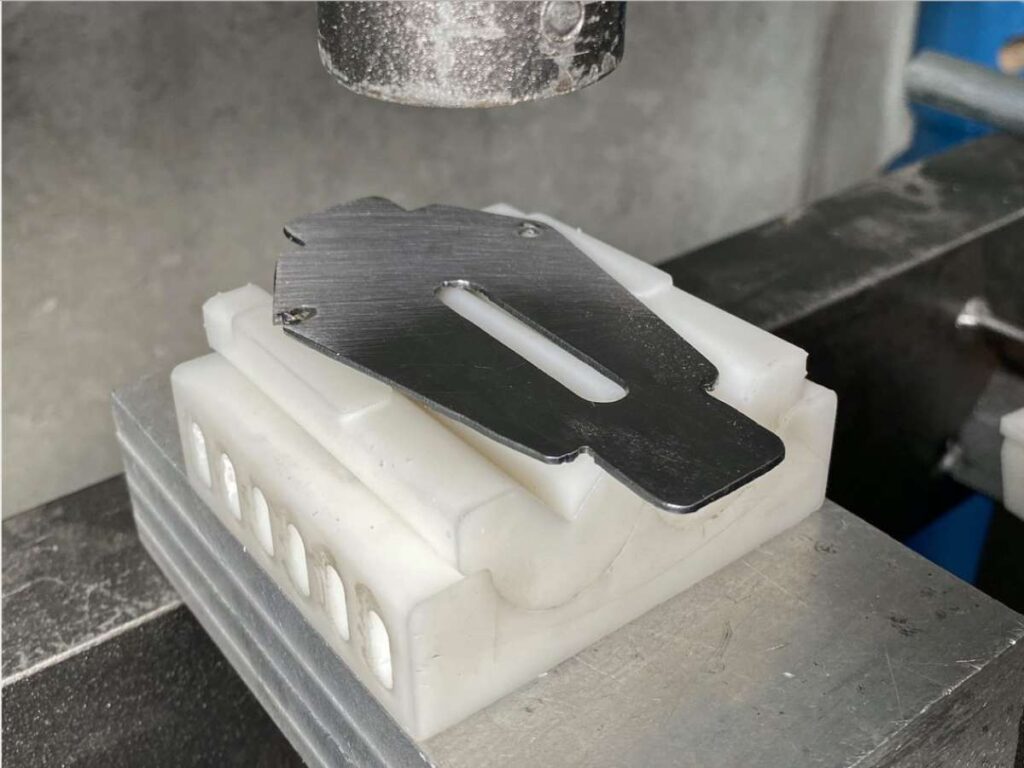
8. Easy Integration with Secondary Processes
Getting a part stamped is only part of the story. Most of the time, it still needs something else—maybe a surface finish, a few threads, or a weld.
I used to send parts to three different shops just to get them ready for assembly. It took forever. And every handoff added a new delay.
Stamping helped simplify that.
Compatible with Post-Processing Steps
Stamped parts play well with others. Once they come off the press, they’re ready for more.
You can:
- Tap threads into holes
- Weld parts together
- Apply coatings or paint
- Assemble them with fasteners
In some cases, extra steps can even be handled during stamping. I once worked on a job that used in-die tapping—threads were added right in the press. That saved us two days in production and cut out a separate tooling setup.
It’s a smart way to keep things moving.
Common Secondary Operations
Here are some post-processing steps that often follow stamping:
- Powder coating: A durable, protective surface finish
- Anodizing: Common for aluminum parts needing added strength or color
- Plating: For corrosion resistance or improved conductivity
- Spot welding: A fast and clean way to join pieces
- Rivet insertion: Great for permanent mechanical fastening
- Laser etching or screen printing: For part numbers, instructions, or branding
At MachMaster, we encourage teams to bring up these needs early—right at the quoting stage. That way, we can help you design for smooth transitions between stamping and secondary steps.
I’ve learned that doing this upfront can prevent delays later. You’ll get cleaner results, faster turnarounds, and fewer headaches down the line.
Conclusion
That early mistake I made—approving parts too fast—taught me the hard way.
Now you know better. Custom sheet metal stamping offers speed, strength, and repeatability.
You’ve seen how grinding and polishing play their roles. You’ve got the facts to make smart choices—whether you’re building 10 parts or 10,000.
So what’s stopping you from taking the next step?
Contact us today to get started.
Discover More Options
For more helpful content, explore our collection of recommended reads:
- Sheet Metal Fabrication: What You Need to Know
- What is Stamping?
- Metal Stamping Process: Step-by-Step Workflow
- How to Do Stamping: Step-by-Step Guide
- Top 7 Custom Metal Stamping Companies
Still haven’t found what you’re looking for? Don’t hesitate to contact us. We’re available around the clock to assist you.