
When one of our clients rejected an order over a bad finish on a machined part, I knew I needed to better understand what went wrong, and fast.
The issue traced back to the CNC process.
That experience showed me how high the stakes are when metal machining isn’t handled properly.
I’ve spent the last few years sourcing and managing CNC machining projects for industrial use, comparing vendors, specs, and outcomes. What you’ll read here comes from that hands-on experience—not theory.
This article walks you through the essentials of CNC metal machining: processes, machine types, tolerances, and more.
Whether you’re a buyer, engineer, or decision-maker, this will answer your questions.
So let’s get started!
1. What Is CNC Metal Machining?
If you’ve ever had to source metal parts for your business, you’ve probably heard the term “CNC machining” thrown around a lot.
CNC stands for “Computer Numerical Control,” and it refers to a manufacturing process where pre-programmed software controls the movement of machinery and tools. When we’re talking about CNC metal machining, we’re specifically looking at machines that cut, drill, mill, or shape metal into precise components using that software-driven process.
What makes CNC so useful in the world of metal fabrication is its ability to produce high-precision, repeatable results, even for complex parts. At MachMaster, whether you’re making custom brackets, engine housings, or high-tolerance prototypes, CNC machining allows for tight control over dimensions, surface finishes, and shapes.
Most modern CNC setups use 3-axis or 5-axis machines, which means the cutting tools can move in multiple directions at once, allowing for greater flexibility and detail. The end result? You get a part that fits exactly where it’s supposed to go, with minimal post-processing.

2. Pros and Cons of CNC Metal Machining
When I first started working with CNC shops, I thought the benefits were obvious, until I ran into my first budget overrun. Like any process, CNC metal machining comes with strengths and trade-offs you need to weigh carefully. Here’s a comparison to help you see both the advantages and limitations clearly:
Pros
- Precision and Repeatability: CNC machines are incredibly accurate. Once a program is set, it will make the same part again and again with nearly zero deviation. This is a game-changer for businesses that rely on consistency.
- Efficiency and Speed: For medium to large production runs, CNC machining is fast. The initial setup might take time, but once it’s running, parts get made quickly and with little intervention.
- Complex Geometry: Need holes at odd angles or intricate surface profiles? CNC machining can handle complex geometries that traditional manual processes would struggle with.
- Wide Material Compatibility: From aluminum to titanium, CNC machines can process almost any metal you throw at them—something not all fabrication methods can do.
- Low Error Rate: With the right tooling and programming, you drastically reduce the chances of human error, especially compared to manual machining.
Cons
- High Initial Cost: CNC machines aren’t cheap. The setup and programming costs can be steep, especially for short runs or prototypes.
- Limited to Subtractive Manufacturing: CNC machining removes material. That means higher material waste compared to additive manufacturing like 3D printing.
- Skilled Labor Still Needed: Yes, the machines are automated, but you still need experienced programmers and operators to ensure everything runs smoothly.
- Not Ideal for Every Part: For ultra-simple parts or extremely high-volume production, other methods like stamping or casting might be more cost-effective.
3. Types of CNC Machines Used in Metal Machining
Understanding what each type of CNC machine does helped me have better conversations with suppliers, and avoid getting sold on the wrong setup. Here’s a breakdown of the key types you’ll likely encounter when sourcing CNC services.
CNC Milling Machines
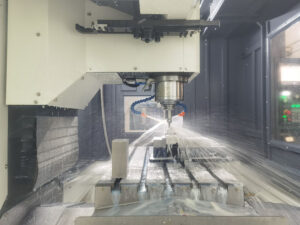
CNC milling machines are the backbone of most machine shops. They use rotating cutting tools to remove material from a block of metal, shaping it with extreme precision. These machines are great for making flat surfaces, slots, contours, and even 3D shapes. I’ve seen 3-axis and 5-axis mills create parts that look like they came straight out of a high-end mold.

CNC Lathes
Lathes are designed to create parts with symmetrical, round shapes like shafts or bushings. The workpiece spins while the cutting tool stays still—kind of like peeling a rotating apple. CNC lathes are excellent for threads, grooves, and tight-tolerance diameters. I learned quickly that if your part is cylindrical, a lathe will probably be faster and more cost-effective than a mill.

CNC Routers
Most people think of routers as woodworking tools, but some CNC routers are built to handle metals like aluminum. They’re best for larger, lighter-duty parts made from sheet material or softer alloys. Routers don’t offer the same tight tolerances as mills, but they’re faster for cutting simple shapes. I’ve used them when speed mattered more than finish.

CNC Plasma Cutters
Plasma cutters slice through conductive metals using an ultra-hot jet of ionized gas. They’re fast, efficient, and great for cutting sheet steel, stainless, and aluminum. You won’t get machined-level precision, but for structural parts or rough shapes, it gets the job done. I’ve used plasma services when I needed basic forms quickly and affordably.
CNC EDM (Electrical Discharge Machines)
EDM machines are like the snipers of the machining world. They don’t cut with blades, they zap material away with sparks. These are used when you need super fine details, internal corners, or work with very hard metals. It’s a slower process, but incredibly accurate for complex tasks. I’ve seen EDM save the day on parts that mills simply couldn’t handle.

4. Common Metals Used in CNC Machining
Not all metals behave the same under a cutting tool. Each material brings a unique balance of strength, machinability, cost, and performance, so choosing the right one is essential for both part functionality and manufacturing efficiency.
- Aluminum: Lightweight, corrosion-resistant, and highly machinable, aluminum is one of the most widely used metals in CNC machining. It is commonly used for brackets, housings, and components that require fast turnaround and high precision.
- Steel: Known for its strength and toughness, steel is preferred for parts subjected to heavy loads or harsh conditions. It’s available in a wide range of alloys and offers solid performance across structural and mechanical applications.
- Stainless Steel: Stainless steel combines durability with excellent corrosion resistance, making it ideal for medical, food-grade, and outdoor environments. It requires more care in machining due to its hardness and work-hardening tendencies.
- Brass: Brass machines easily and leaves a clean, polished finish. It’s a go-to material for fittings, connectors, and applications requiring good corrosion resistance and electrical conductivity.
- Titanium: Titanium offers exceptional strength-to-weight ratio and is highly resistant to corrosion. It’s often used in aerospace, medical, and military industries, though it can be more time-consuming and costly to machine.

5. The CNC Metal Machining Workflow
When I first started working with CNC parts, I assumed the machine did all the heavy lifting from start to finish. What I didn’t realize is that there’s a well-defined process behind each machined part, and skipping or rushing any step usually leads to mistakes. Here’s how a typical CNC job unfolds, from file to finished part.
Step#1 CAD Modeling
It all begins with a digital design, usually built in CAD software like SolidWorks or Fusion 360. This 3D model shows every cut, curve, and hole the machine will need to create. If there’s a flaw in the design, it usually comes back to haunt you later. That’s why I always make sure the model is double-checked before moving forward.
Step#2 CAM Programming
After the design is ready, it gets translated into machine language using CAM software. This step decides what tools will be used, how fast they’ll move, and in what sequence they’ll operate. The final output is a G-code file that tells the CNC machine exactly what to do. I’ve found that solid programming can be the difference between a perfect part and a costly redo.
Step#3 Machine Setup
Once the code is ready, it’s time to prepare the machine. The operator loads the metal stock, installs the right tools, and aligns everything based on the program’s instructions. If anything’s off here, even by a hair, it can throw off the whole run. I’ve seen projects go south simply because the setup wasn’t taken seriously.
Step#4 Machining
Now the magic happens. The machine follows the programmed paths to cut, mill, or drill the part. This phase is usually fast, but it depends on how complex the design is. Some parts are done in 15 minutes, others can take hours.
Step#5 Inspection and Finishing
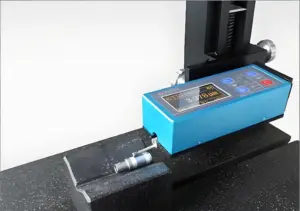
After machining, the part is measured against the original specs using calipers, gauges, or a CMM. If needed, it goes through finishing like deburring, polishing, or anodizing to get the final look and performance. Skipping this step is tempting when you’re in a rush, but it’s never worth the risk. I’ve learned that proper inspection saves time in the long run.
6. CNC Machining vs Other Metalworking Methods
At some point, I had to compare CNC machining with other processes like casting and stamping to figure out what made the most sense for a project. Knowing the strengths and trade-offs of each method helped me avoid costly decisions and choose the right fit based on part complexity, volume, and timeline.
Here’s a side-by-side comparison to help make that decision easier:
| Method | Best For | Key Advantages | Key Limitations |
| CNC Machining | Low to mid-volume production, high-precision parts | Excellent dimensional accuracy, great surface finish, flexible design changes | Higher material waste, longer lead times for large volumes |
| Manual Machining | One-offs, simple parts | Low setup cost, hands-on adjustments possible | Inconsistent quality, slow, not ideal for complex parts |
| Casting | High-volume parts, complex internal geometries | Economical at scale, good for complex forms | Long lead time for molds, dimensional variation, poor surface finish |
| Stamping | High-volume flat or shallow parts | Fast, low cost per part, ideal for sheet metal | Limited part geometry, high upfront tooling costs |
| 3D Metal Printing | Prototyping, intricate internal features | Excellent for complex or lightweight designs, minimal waste | Expensive, slower process, weaker mechanical properties in some cases |
7. Tips for Choosing a CNC Machining Service Provider
I’ve had my fair share of delays, poor tolerances, and unexpected costs when working with CNC vendors. Over time, I realized that most of those problems came down to choosing the wrong shop for the job.These are the key areas I now focus on when vetting CNC machining partners.
Check Material and Tolerance Capabilities
Not all shops are equipped to work with stainless steel, titanium, or hardened alloys. If your project requires tight tolerances, such as ±0.01 mm, you’ll need machines and setups that can deliver that level of accuracy consistently. Ask the supplier what metals they have machined regularly and what tolerance range they hold during production. A good shop will back their numbers with real-world examples or inspection reports.
Review Their Equipment and Software
Advanced CNC machines like 5-axis mills, multi-spindle lathes, or Swiss-style turning centers can make a huge difference in complexity and efficiency. If a shop is still running older machines or lacks CAM software integration, you might face longer lead times or lower quality.
Look for facilities using high-end machines from brands like Haas, Mazak, or DMG Mori. The right equipment directly affects surface finish, cycle time, and repeatability.
Evaluate Quality Control Processes
Inspection is just as important as cutting when it comes to CNC metal parts. MachMaster uses digital calipers, micrometers, and ideally CMM (coordinate measuring machines) to validate every part. Ask how often they run in-process inspections and whether they offer first article reports or certificates of conformance. Poor QA practices are one of the fastest ways to end up with parts that don’t fit or perform.
Assess Communication and Project Support
You want a partner, not just a machine shop. If a vendor takes days to respond, avoids technical questions, or isn’t upfront about capacity, it’s usually a sign of trouble down the road. Look for shops that assign a project manager or point of contact who understands CNC machining terms like runout, lead angle, and surface finish callouts. Clear, responsive communication helps prevent misunderstandings and keeps your project on track.
Conclusion
I once got burned by a CNC job because I didn’t know what to ask. Now you do. From machines and materials to workflow and vendor checks, you’ve got the roadmap.
CNC isn’t magic. But when done right, it feels like it.
The next move? Make it a smart one. The right partner changes everything.
Contact MachMaster today and let’s build something that lasts.