
A design lead once told me they picked injection molding for a pilot run because it “felt more professional.”
The irony? They only needed 200 units.
CNC machining would’ve saved them tens of thousands, and weeks.
This kind of confusion between CNCmachining and injection molding is more common than you’d expect.
As a manufacturing advisor who’s helped businesses scale from prototype to production, I’ve seen how critical this choice is. It’s not just technical, it’s financial and strategic.
In this article, you’ll learn the real difference between CNC machining and injection molding. Costs, timelines, scalability, flexibility.
It’s all broken down, so you can pick the right one for your product and business goals.
You don’t need to guess. You just need to know how these two compare.
Let’s get into it!
1. What Is CNC Machining?
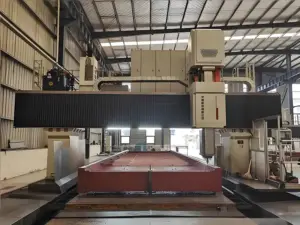
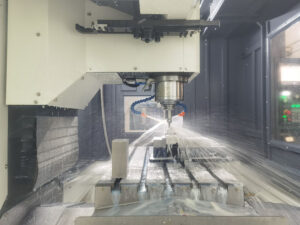
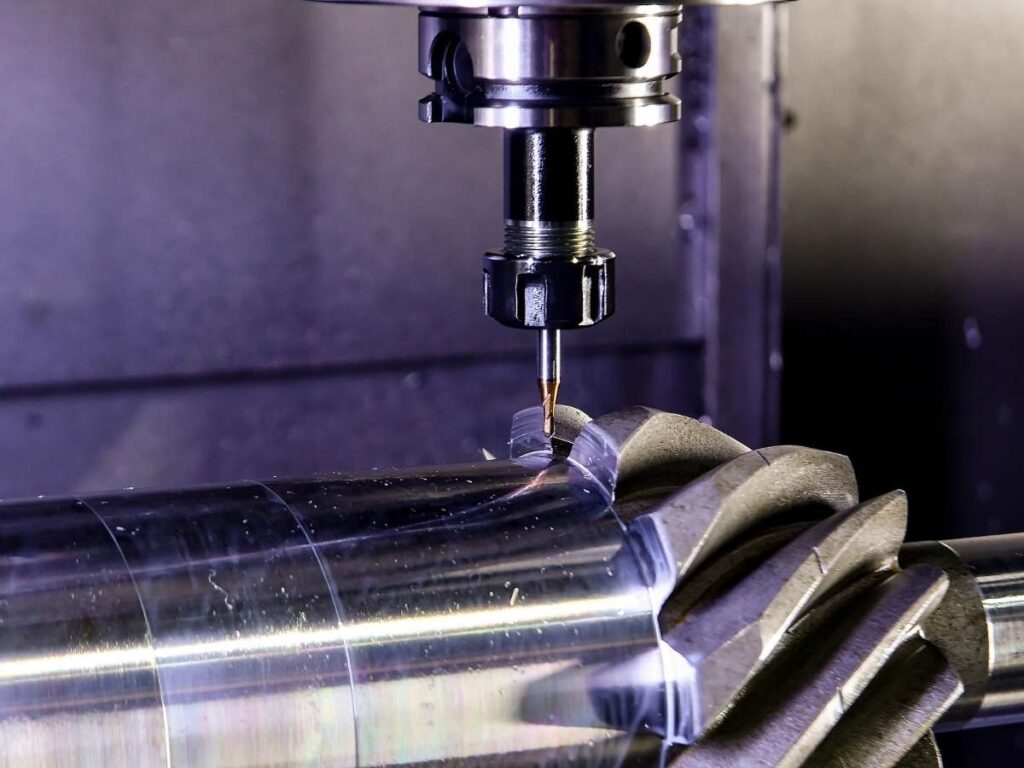
Think of CNC machining like having a robot sculpt your part from a solid block.
You feed in your CAD file, and the machine takes over. Cutting, drilling, milling. All with laser focus and no guesswork.
No molds. No melting. Just pure precision.
It works by removing material, not shaping or pouring it. That’s a huge difference compared to molding or casting.
I’ve used CNC countless times for clients who needed something custom, fast, and accurate. Especially when waiting weeks for tooling wasn’t an option.
Here’s where CNC machining really shines:
- Tight tolerances and crisp details
- Low-volume or one-off production
- Avoiding high up-front tooling costs
- Ideal for aerospace, automotive, defense, and R&D
If your project demands flexibility and precision, CNC is probably the better friend.
And when done right, it just works.
2. What Is Injection Molding?
Injection molding is a completely different mindset from CNC.
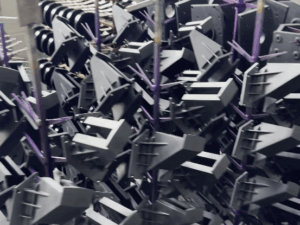
It’s built for scale. We’re talking thousands or even hundreds of thousands of the same part.
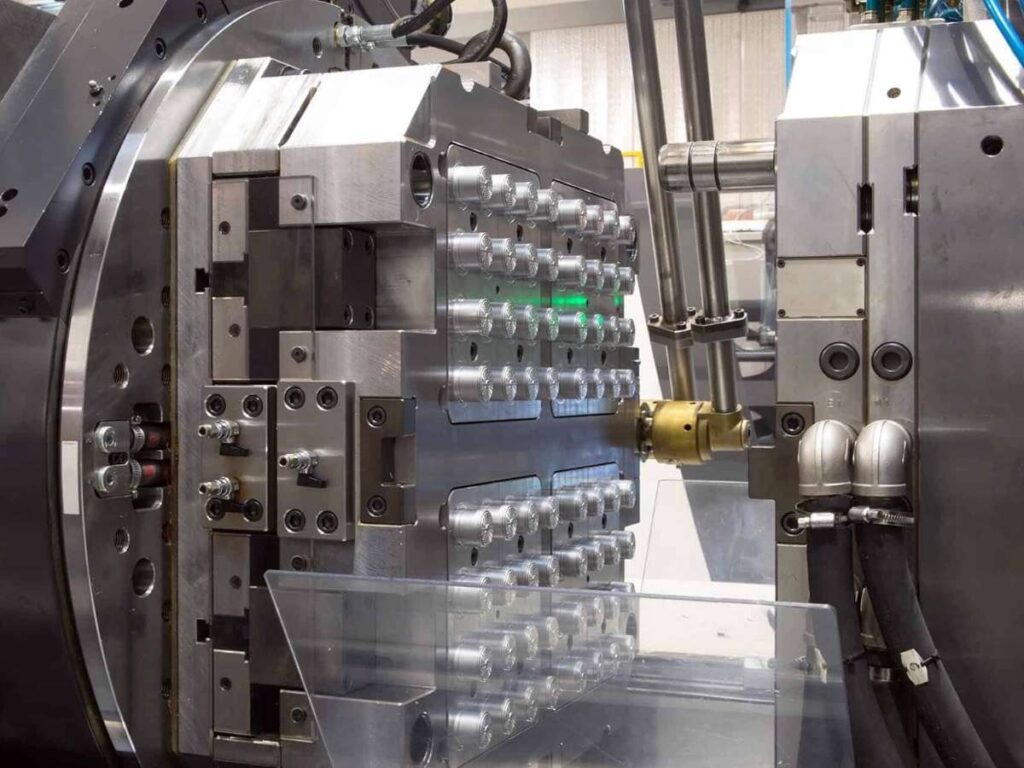
Here’s how it works: plastic pellets are melted and injected into a mold. The mold cools, opens, and out comes a finished part, ready to use.
It’s fast. It’s consistent. And once your mold is built, the cost per part drops big time.
I’ve seen molds cost anywhere from a few thousand to over $100,000 depending on size and complexity. So if you’re not producing at scale, it might not make sense.
Where injection molding really wins:
- High-volume production
- Repeatable quality across every part
- Very low unit cost after setup
- Great for consumer products, packaging, medical devices, and more
If you’re building thousands of the same part, this is your method.
Just be ready to invest up front.
3. Volume and Production Considerations
This is one of those areas where I’ve seen teams make the biggest mistakes. A process that works great for 100 parts might wreck your budget at 10,000.
So before you commit, let’s break down how CNC and injection molding stack up when it comes to scale.
When CNC Is the Right Fit
- Low Volume Makes CNC the Clear Winner: If you’re producing under 1,000 units, CNC keeps costs predictable and lead times short. There’s no tooling phase, so you avoid delays and startup overhead.
- CNC Offers Better Flexibility During Production: Need to tweak a hole size or adjust a feature mid-run? CNC lets you do that without retooling. Great for ongoing iterations or evolving designs.
- Tooling Time Adds to Your Lead Time: CNC parts can often ship in a few days. That speed can make or break an early-stage product rollout.
When Injection Molding Makes More Sense
- Injection Molding Is Built for Scale: Once your volume climbs, the mold cost spreads out. That means your per-part price drops significantly. At MachMaster, we often guide clients toward molding when long-term production runs are planned—it’s where the upfront investment starts to pay off.
- Molding Wins in Repeat Orders: If you’re running the same part multiple times, that one-time mold investment pays off with every batch.
- Think About Future Demand, Not Just Today: Even if your current needs are low, forecast ahead. If you’re scaling soon, investing in molds now could be a smart move.
4. Material Flexibility and Strength
This is where the real trade-offs begin to show. I’ve had conversations with manufacturers who loved the speed of injection molding—until they hit a wall with material limitations.
If your part needs to survive stress, heat, or friction, you need to think carefully about what each process can handle.
When CNC Is the Right Fit
- CNC Works With a Wider Range of Materials: You can machine almost anything—aluminum, titanium, stainless steel, carbon fiber, and high-performance plastics. That’s a big win for structural or mission-critical parts.
- CNC Parts Offer Built-In Strength: Machined parts are cut from solid blocks. No seams, no weak points. Just pure, even strength throughout.
- Revisions Based on Material Are Easier With CNC: Want to switch from plastic to metal? No problem. CNC lets you swap materials fast without reworking your entire design.
When Injection Molding Makes More Sense
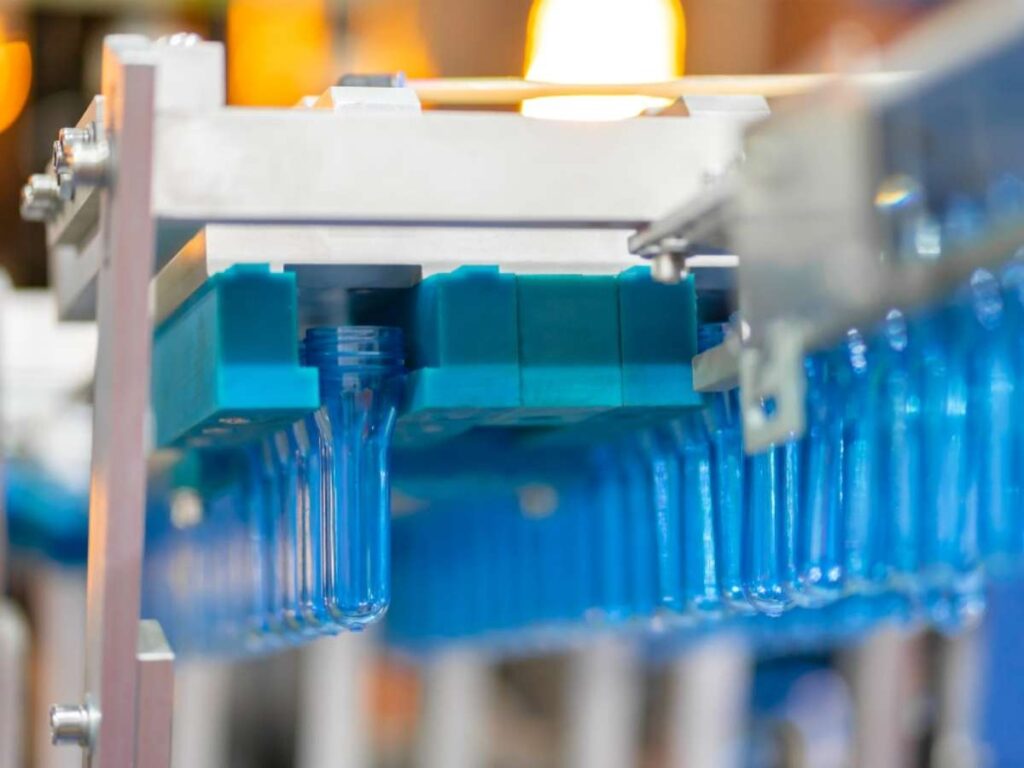
- Injection Molding Stays Mostly in the Plastic World: You’re usually limited to thermoplastics like ABS, polycarbonate, or nylon. They’re great for consumer use but may not handle tough environments.
- Molded Parts Can Be Engineered for Strength Too: With fiber-filled resins or additives, molded parts can hold up better than most people think. Still, they rarely match the strength of machined metals.
5. Design Flexibility and Limitations
Here’s the part that usually trips up teams early in the process.
I’ve seen brilliant designs get delayed for weeks because they looked great on screen but didn’t play well with the chosen manufacturing method.
CNC and molding both have their design sweet spots, and understanding those can save you time, cost, and headaches.
When CNC Is the Right Fit
- CNC Gives You More Freedom to Experiment: No draft angles. No parting lines. No ejection concerns. At MachMaster, we’ve helped clients push boundaries quickly using CNC—especially when speed and design freedom mattered more than volume.
- CNC Works Well for Deep Cuts and Irregular Shapes: Complex features, sharp corners, and multi-surface geometries are all possible with the right multi-axis setup. You don’t have to compromise your design to make it manufacturable.
When Injection Molding Makes More Sense
- Injection Molding Needs Mold-Friendly Designs: Every feature must allow for clean mold release. If your part isn’t designed with that in mind, you’re risking costly rework or worse—tooling rebuilds.
- Molding Shines in Consistent, Simple Designs: Once your design follows mold rules, injection molding delivers smooth surfaces, repeatable results, and tight tolerances at scale.
6. Prototyping vs Mass Production
This is where things usually get real.
I’ve had clients try to rush straight into mass production without properly prototyping, only to realize they locked in flaws that could have been caught earlier.
CNC and injection molding serve very different purposes in this stage, and knowing when to use each can save your project from costly do-overs.
When CNC Is the Right Fit
- CNC Is Ideal for Fast, Flexible Prototyping: You can go from CAD to part in just a few days. No tooling needed, which makes it perfect for testing and tweaking.
- CNC Lets You Prototype in Final-Use Materials: Whether it’s aluminum, stainless steel, or high-grade plastic, you get to test the real thing under real conditions before committing.
- Start With CNC, Then Shift to Molding: This is the path I recommend most often. CNC gives you the flexibility to iterate, and once your design is locked, you transition to injection molding for scale.
When Injection Molding Makes More Sense
- Injection Molding Needs a Commitment Upfront: Mold creation takes time and money. It’s not something you want to dive into until your design is 100% ready to go.
- Rapid Injection Molding Offers a Middle Ground: Temporary aluminum molds let you produce small batches for pilot runs. It’s slower than CNC but gives a more realistic preview of full production.
7. Environmental and Waste Considerations
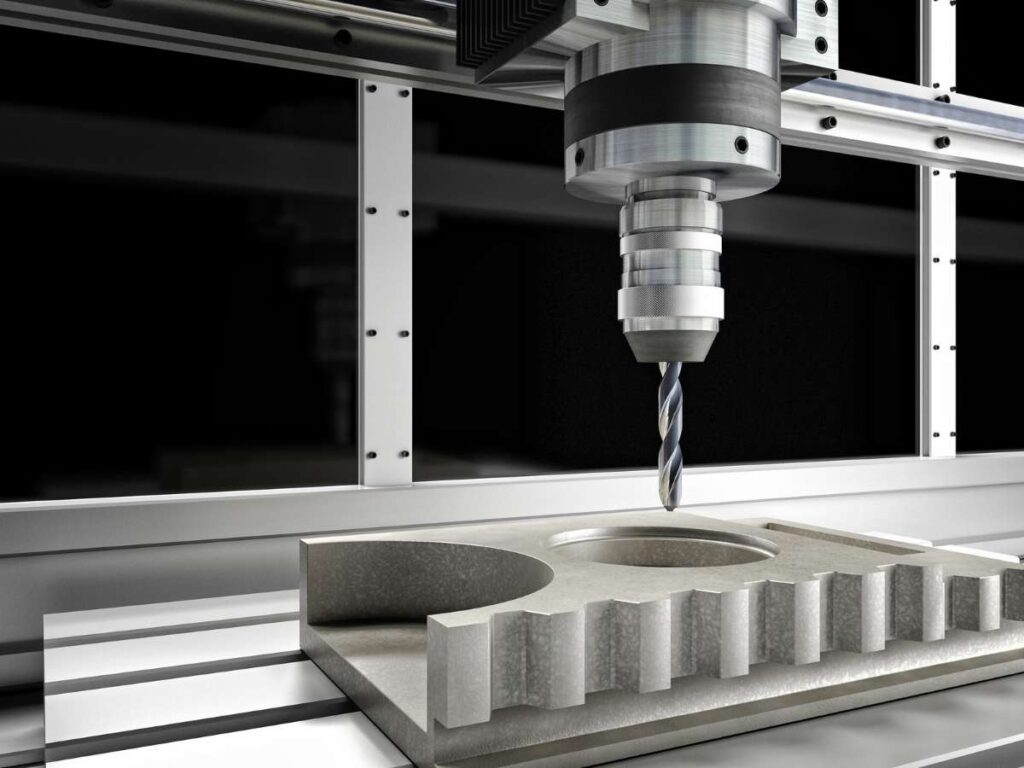
I’ve worked with more businesses lately that are prioritizing sustainability in their production plans—and for good reason.
Whether it’s material waste, energy usage, or recyclability, both CNC machining and injection molding come with trade-offs that are easy to overlook in the early stages.
When CNC Is the Right Fit
- CNC Produces More Physical Waste You’re cutting material from a block, so chips, shavings, and offcuts are part of the process. Some of it gets recycled, but not all.
- CNC Offers Easier Material Reuse in Some Shops Certain facilities collect scrap metal or reuse plastic stock for future jobs. It’s not zero-waste, but it helps soften the environmental impact.
When Injection Molding Makes More Sense
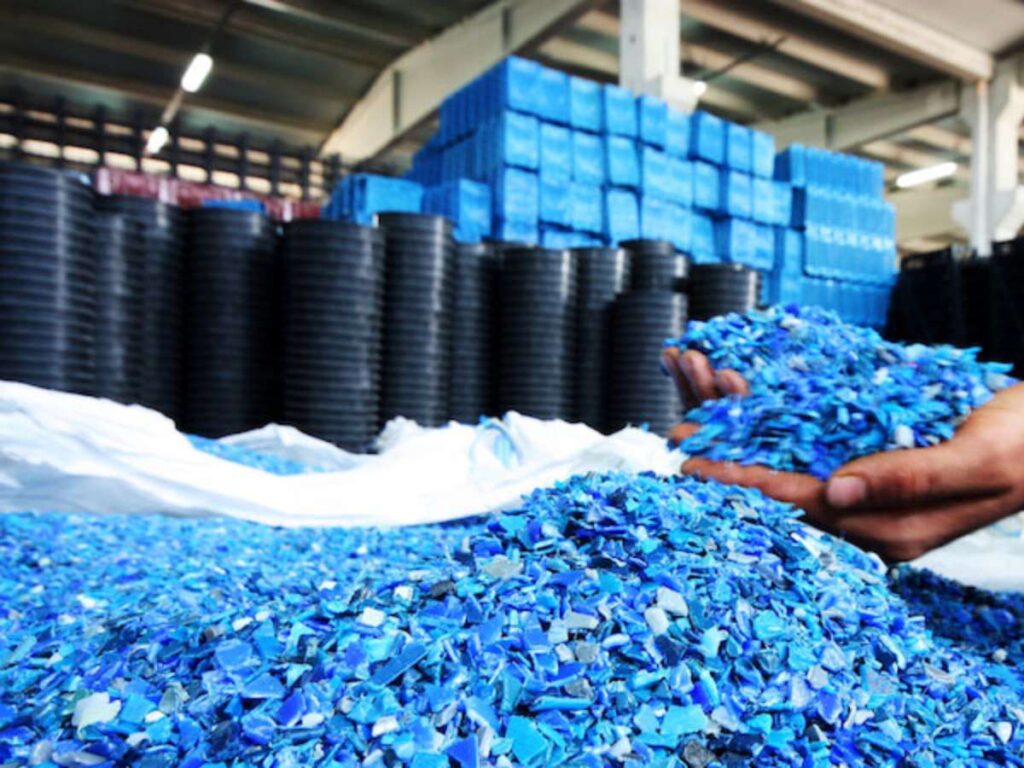
- Injection Molding Is Cleaner per Unit Once your mold is in place, there’s very little excess. Sprues and runners can often be reground and reused, especially in automated setups.
- Tooling in Molding Requires Energy Upfront Making molds takes energy and resources. But over a long run, the low-waste, high-efficiency output becomes much more sustainable.
8. How to Decide: CNC or Injection Molding?
I’ve been on both sides of this conversation with businesses trying to get it right.
Some were just getting started with a single prototype, while others were ramping up for mass production.
Here’s how to think it through in practical terms.
Production Volume and Forecast
If you’re only making a few dozen or even a few hundred parts, CNC is typically more cost-effective and easier to manage. There’s no mold to build, so your parts can be delivered quickly and without a huge upfront spend.
On the other hand, if your production needs are in the tens of thousands or higher, injection molding quickly becomes more economical per unit. High-volume applications are where molding really shines from a return-on-investment standpoint.
Design Stability and Tolerance for Change
CNC machining gives you freedom to adjust designs without restarting the process.
That’s a big plus if you’re still refining features, dimensions, or material choices. In contrast, once an injection mold is built, design changes can get expensive and may require a full tool revision.
If your design is still evolving, CNC gives you the room to prototype and iterate before locking things in.
Material and Structural Requirements
If you need strong structural parts, high-performance plastics, or metals like aluminum and stainless steel,
CNC offers unmatched material variety. It also preserves the integrity of the base material, making it great for parts under stress or wear.
Injection molding mostly works with thermoplastics, and while some advanced blends offer durability, they can’t always match the strength of machined metal. Choosing the right process depends heavily on how your parts will perform in real-world use.
Long-Term Operational Efficiency
Injection molding has a higher barrier to entry with tooling, but once production is underway, it’s fast, repeatable, and cost-efficient for scale. CNC, while flexible, requires longer cycle times and more labor for each individual part.
If your business depends on just-in-time inventory or high throughput, molding aligns better with automation and efficiency goals.
But if you need on-demand production and quick turnarounds for low volume, CNC gives you more agility.
Conclusion
Still unsure which way to go?
If you need short runs or custom parts, CNC might be your best fit.
If you’re ready for volume and consistency, molding could be your game-changer.
I’ve made this choice before. And now you can make yours with confidence.
Contact us today at MachMaster. Let us bring your ideas to reality.
Check Out These Additional Resources
For more in-depth knowledge, take a look at these recommended reads. We think you’ll find them useful:
Still haven’t found what you’re looking for? Don’t hesitate to contact us. We’re available around the clock to assist you.