
It was 11:30 p.m. when I got the email.
A simple project had hit a wall. The steel grade was too hard to machine. Tools wore out. Delivery was late. The team was frustrated.
That night, I realized how much steel choice affects CNC machining. It’s not just about strength it’s about how it behaves under the cutter.
I’ve made those mistakes myself. But over time, I’ve learned how to avoid them.
In this article, I’ll show you how different steels react during CNC machining. You’ll learn which ones are easy to cut, which ones drive up cost, and how to choose the right one for your job.
By the end, you’ll have the tools to pick the right material so your parts are easier to machine and cheaper to produce.
Let’s dive in!
1. What Is CNC Machining Steel?
I once watched a machinist snap a tool mid-cut.
He was working on a steel bracket, treating it like aluminum. But steel doesn’t play by the same rules. It needs more force, stronger tools, and a slower approach. That small mistake? It cost half a day and two cutters.
So what exactly is CNC machining steel?
CNC machining stands for Computer Numerical Control machining. It’s a process where machines cut, drill, or mill materials using digital instructions from a computer. You design a part on your screen, and the machine follows that path with precision.
Now, steel is a whole different beast compared to softer materials like aluminum or plastic.
Steel is harder. It’s tougher to cut. It wears down tools faster.
Because of that, machining steel requires:
- More cutting force
- Slower feed rates
- Heavier-duty tools
If you rush the process, you’ll burn through tooling or ruin your part.
But don’t let that scare you. Steel has a lot going for it.
You might choose steel for many reasons. Here are some of the most common:
- Strength: Steel can handle heavy loads and stress. It doesn’t bend or break easily.
- Durability: Steel parts last longer, even in tough environments.
- Wear Resistance: Some types of steel hold up well against rubbing or friction.
- Heat Resistance: Steel stays strong at high temperatures, which makes it useful in machines or engines.
Because of all this, steel is a great choice for:
- Functional Prototypes that need to handle real testing
- End-use Parts that will be used in the final product
If you’re building something that needs to last or take a beating steel might be the right pick.
But you’ve got to machine it right. Choosing the right type of steel, the right cutting tools, and the right settings makes all the difference.
2. Types of Steel Used in CNC Machining
I once thought all steel was the same. Just hard, shiny metal. But after working on a few jobs, I learned that each type behaves differently in the machine and some can throw off your whole plan if you’re not careful.
If you’re picking steel for a CNC job, it helps to know what you’re working with. Here’s a breakdown of the most common types used in machining, what they’re good for, and what to watch out for.
| Steel Type | Machinability | Cost | Corrosion Resistance | Hardness |
| 1018 (Carbon) | Easy | Low | Low | Low |
| 1045 (Carbon) | Moderate | Low | Low | Medium |
| 4140 (Alloy) | Moderate | Medium | Medium | High |
| 304 (Stainless) | Hard | High | High | Medium |
| 316 (Stainless) | Harder | High | Very High | Medium |
| A2 (Tool) | Difficult | High | Medium | Very High |
| D2 (Tool) | Very Difficult | High | Medium | Extremely High |
3. Common CNC Processes for Machining Steel
I’ve had steel jobs run smooth and others where tools broke back to back. The real difference? Using the right CNC process for each part.
Steel is strong. But that strength makes it harder to machine. Different part shapes need different approaches. Let’s go over the most common CNC processes for steel and how to use them right.
CNC Milling
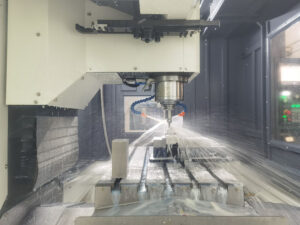
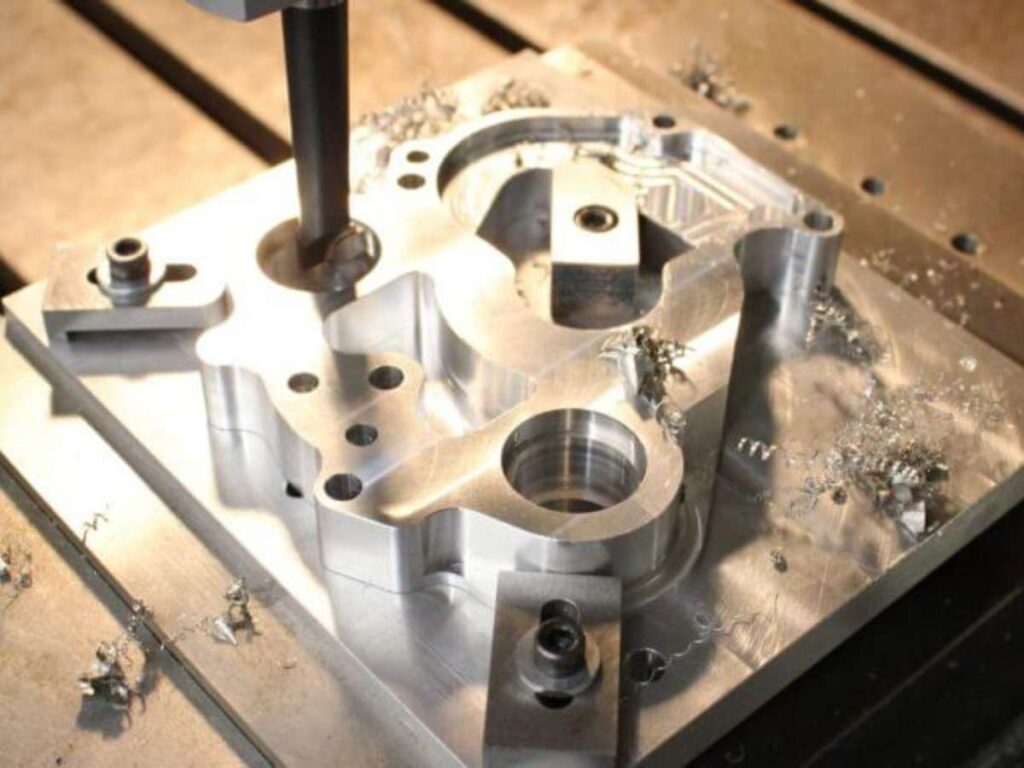
Milling is used for shaping steel by cutting across the surface with a spinning tool.
Best for:
- Flat surfaces
- Pockets and slots
- 3D parts with curves or steps
Keep in mind:
- Steel needs slower feed rates
- It creates more heat and wears tools faster
- Coolant helps keep temperatures down and tools sharp
At MachMaster, we handle steel milling jobs daily, especially for high-precision parts where flatness and surface quality matter. With the right setup, even complex 3D contours come out clean and consistent.
CNC Turning
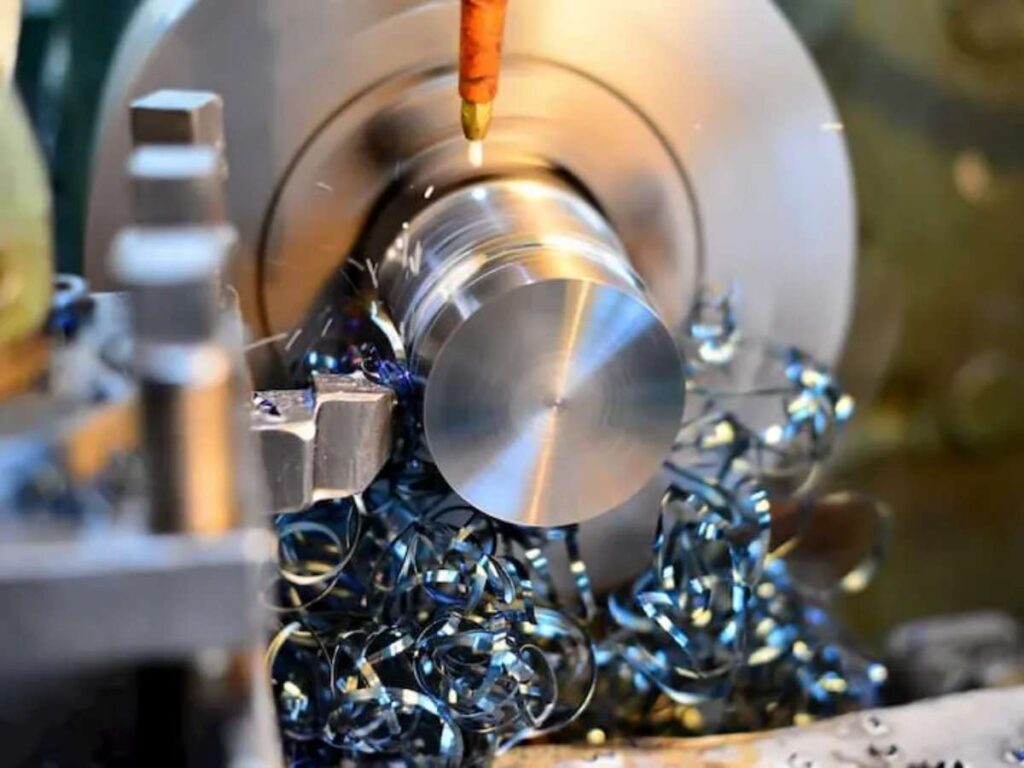
Turning rotates the steel part while a fixed tool cuts material away.
Best for:
- Round or cylindrical parts
- Shafts
- Bushings
- Pins and spacers
Tips:
- Works well with free-machining steels like 12L14
- Tougher grades like 4140 need slower speeds and coolant
- Produces smooth finishes with the right setup
Drilling and Tapping
Drilling makes holes. Tapping cuts threads inside those holes. Sounds simple but in steel, you need to plan ahead.
What to Watch For:
- Steel builds heat quickly
- Tool wear happens fast without coolant
- Peck drilling (in-and-out motion) helps clear chips
- Go slow to avoid breaking the drill or tap
- Use cutting fluid for smoother tapping
Drilling and tapping in steel take more time, but when done right, the results are strong and precise.
4. Tooling Considerations for Steel Machining
I once tried cutting 4140 steel with a cheap tool just to “test it out.” It didn’t even finish the first pass. The edge wore down, the tool chipped, and the part had to be scrapped. That mistake taught me something: tool choice matters a lot more with steel.
Here’s what you need to know before hitting “run” on your next steel job.
Tool Material
Steel is hard. You need tools that are harder.
Use Carbide Tools for the best results. They:
- Stay sharp longer
- Handle high heat
- Work better with tough steel grades
Avoid HSS (High-Speed Steel) in most cases:
- Wears out quickly on harder steels
- Can’t handle the heat from long cuts
- Costs less upfront, but may cost more in downtime and tool changes
Tool Coating
Tool coatings help protect the tool and improve results, especially in long or high-heat jobs.
Common Coatings for Steel Machining:
- TiN (Titanium Nitride)
- TiAlN (Titanium Aluminum Nitride)
These coatings:
- Improve heat resistance
- Reduce friction
- Extend tool life
They’re especially useful for stainless and tool steels, which heat up fast.
Cutting Speed & Feed
Steel needs slower speeds than materials like aluminum.
Why?
- Less heat buildup
- Lower tool wear
- Better surface finish
Going too fast leads to:
- Dull tools
- Burned edges
- Poor part quality
Always balance speed and feed to protect your tools while still hitting production targets.
Coolants & Lubrication
Coolant is a must when machining steel . No exceptions.
What coolant does:
- Pulls heat away from the cutting zone
- Flushes out chips
- Helps prevent tool failure
Use plenty of coolant for stainless steel and tool steels. These materials build heat quickly, and that can kill your tools fast if you’re dry cutting.
DFM Tips for Designers
Want to keep your steel parts easier (and cheaper) than machines? Try this:
- Avoid Thin Walls: They can vibrate or warp under pressure.
- Keep Tolerances Realistic: Tight tolerances cost more to hit.
- Stick to Standard Radii: Non-standard shapes may need custom tools or extra steps.
Small design changes can make a big difference on the shop floor.
5. Industry Applications for CNC-Machined Steel Parts
I’ve worked on steel parts for all kinds of industries. One week it’s brake calipers. The next, it’s surgical clamps. What surprised me most? How many different products depend on CNC-machined steel and how each one needs the right steel grade and process to work.
Automotive
Cars and trucks push steel to its limits.
Common Parts Made from CNC-machined Steel:
- Engine blocks and heads
- Suspension arms
- Axles and hubs
- Transmission gears
Steel’s strength and heat resistance make it perfect for moving parts under pressure. Mild steel works for brackets and supports. Alloy steel is better for drivetrain and suspension parts where strength matters more.
Aerospace
This industry doesn’t mess around parts must be strong and light.
Typical Steel Parts:
- Landing gear arms
- Structural brackets
- Engine mounts
- Shaft housings
Tool steel and alloy steel are often used here. These parts take on heavy loads, vibrations, and extreme temperatures. CNC machining helps hit tight tolerances and create lightweight but durable shapes.
Medical
Surgical tools need to be precise, clean, and tough. That’s where stainless steel comes in.
Examples:
- Bone screws and plates
- Scalpels and forceps
- Implant housings
- Surgical clamps
304 and 316 stainless steel are both common. They resist rust, clean easily, and hold up through repeated sterilization.
Industrial Equipment
Factories and machines run on steel.
CNC-Machined Parts Include:
- Gears
- Dies and molds
- Jigs and fixtures
- Machine bases and spacers
Tool steel is used often for dies and wear surfaces. Carbon steel works for setup jigs or support parts that don’t face as much stress.
Consumer Products
You’ll find steel parts in everyday tools and gadgets.
Examples:
- Pocket knife blades
- Wrenches and pliers
- Hand tools
- Bike components
These parts rely on steel’s edge retention, toughness, and wear resistance. Many are machined, then heat-treated for added hardness.
From factories to hospitals, CNC-machined steel shows up in more places than most people realize.
6. Challenges and Limitations in Machining Steel
Steel is strong, reliable, and used everywhere but it’s not the easiest material to machine.
I’ve had steel jobs go sideways because of worn-out tools or a tiny shift in tolerance. It can be tricky. But once you know what to expect, you can plan ahead and avoid the usual headaches.
Tool Wear
Steel wears down tools faster than softer metals like aluminum or brass.
What happens:
- Tools lose their edge quicker
- Surface finish starts to suffer
- Cycle times go up
- You need more frequent tool changes
How to reduce it:
- Use carbide tools instead of HSS
- Pick machinable grades like 1018 or 12L14
- Use coated tools (TiN or TiAlN) to handle heat better
Work Hardening
This happens when the steel gets harder as you cut it—especially common in stainless steel.
Why it’s a Problem:
- Makes the next cut harder
- Can mess up your dimensions
- Increases the risk of tool breakage
How to Fix It:
- Keep feed rates consistent
- Avoid rubbing the material cut, don’t scrape
- Use sharp tools and don’t pause during cuts
Surface Finish
Getting a smooth finish on steel is tough especially if you want a polished or mirror-like look.
The Issue:
- Steel doesn’t cut as cleanly as soft metals
- You may need extra polishing or grinding afterward
What helps:
- Use finishing passes with fresh tools
- Lower the feed rate slightly for the final pass
- Add post-processing like sanding or vibratory finishing if appearance matters
Cost Factors
Steel takes longer for machines. It also needs better tools, more coolant, and careful planning.
Cost Drivers:
- Slower feed and speed rates
- Frequent tool replacement
- Extra steps for surface finish
- Higher power use on the machine
Ways to Cut Cost:
- Design parts with CNC in mind
- Avoid sharp corners and deep pockets
- Choose steel grades with better machinability ratings
Working with steel has its challenges. But with smart planning, the right tools, and good design, you can keep the job running smooth and stay on budget.
7. Tips for Choosing the Right CNC Machining
I once sent a project to a shop that claimed they could handle 4140 steel. The parts came back late and full of chatter marks. That’s when I learned the hard way: not every machine shop is built for steel.
If you’re working with steel, especially the tougher grades, you need a CNC partner who’s done it before.
Experience With Steel
Not all shops handle steel the same way. Some focus only on aluminum or plastic.
What to check:
- Have they worked with your steel grade before?
- Can they show you past work or test runs?
- Do they understand heat buildup, tool wear, and feed rate limits?
At MachMaster, we’ve machined everything from mild 1018 to tough tool steels like D2 so we know how each type behaves under pressure.
Equipment Capability
Steel needs power. It also needs control.
Look for shops that have:
- Rigid machines that won’t flex under pressure
- High-power spindles for slow, steady cuts
- Proper coolant systems to control heat and chip buildup
Older or lightweight machines might struggle with steel even if the shop says they can do it.
Quality Assurance
Accuracy matters. So does consistency.
Check if the shop has:
- ISO 9001 certification (shows they follow consistent quality processes)
- In-house CMMs (coordinate measuring machines) for dimensional checks
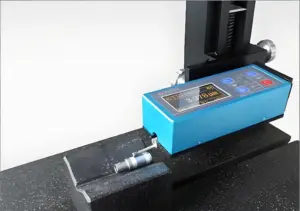
- Tools to measure surface finish and tolerance
Shops with strong quality control catch problems early before they become costly mistakes.
Communication & DFM Support
DFM stands for Design for Manufacturability. A good shop should help make your design easier to machine.
Ask yourself:
- Do they give feedback on tricky features?
- Will they suggest ways to reduce cost or lead time?
- Are they easy to reach during the process?
Shops that ask questions upfront often deliver better results in the end.
Conclusion
I’ve been there stuck on a job with tool failures, rising costs, and no clear reason why.
Now you don’t have to go through that.
You’ve got the full picture: steel types, processes, tooling tips, and real-world advice. It’s all here.
This is your edge. Your next CNC project can run smoother, faster, and smarter.
Need help turning that design into reality? MachMaster is ready to support you from prototype to production.
Contact us today and let’s make it happen.