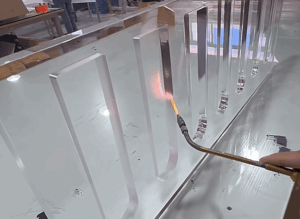

I still remember the look on my face when the stainless workpiece work-hardened mid-cut. Let’s just say I learned the hard way what not to do.
From that moment on, I made it a point to get stainless right.
This article is built from those lessons. What’s worked in production runs, what’s failed in test cuts, and what top shops use every day. It’s practical, not theoretical.
Expect straight answers on which grades to use, how to manage heat, and the key machining strategies that keep tools sharp and parts clean. Everything you came here for is covered.
Working with stainless steel can chew through margins fast.
So, let’s dive into it!
1. What is Stainless Steel CNC Machining
Stainless steel CNC machining might sound straightforward: using computer-guided tools to shape stainless steel into accurate, high-quality parts.
But if you’ve ever worked with stainless, you know there’s more to it than that.
This isn’t your average metal. Stainless steel is strong, durable, and corrosion-resistant, which makes it perfect for everything from aerospace components to food processing equipment. But with those advantages come a few quirks.
- Let’s be honest, stainless can be tricky in the shop.
- It doesn’t behave like aluminum or mild steel.
- It’s tough on tools, builds up heat quickly,
- and if your cutter hangs around too long, the metal will start to work-harden.
That just makes every cut after that more difficult.
So what does this mean for you or your business?
If you want tight tolerances, clean finishes, and fast production times without burning through your tools or your budget, you need more than just a CNC machine. You need one that’s tuned specifically for stainless steel.
Because when you get it right, stainless CNC machining delivers consistent, reliable results. But it takes a deep understanding of the material’s behavior and a strategy that works with it instead of pushing against it.
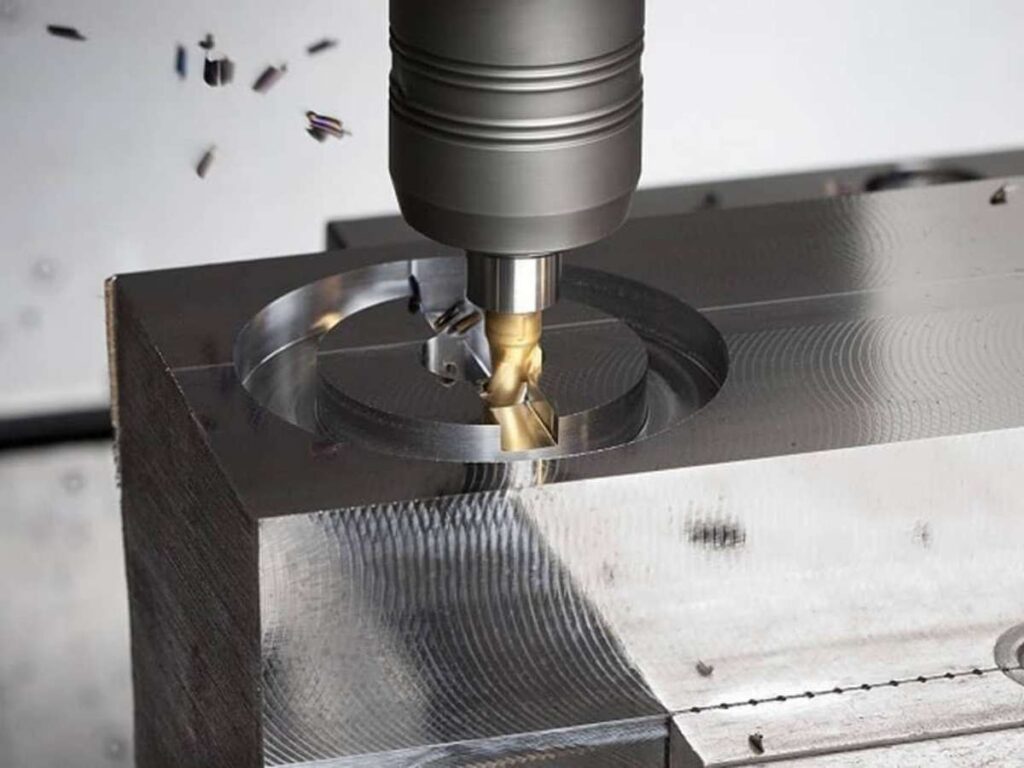
2. Common Stainless Steels Used in CNC Machining
If you’ve ever stood in front of a CNC machine wondering why one stainless part cuts like butter and another fights you every inch of the way, you’re not alone.
Not all stainless steels behave the same, and picking the right grade at the start can make or break your project.
Here’s a breakdown of the most common types and what you can expect from each:
- 304 Stainless Steel: This is your go-to stainless. It’s versatile, corrosion-resistant, and widely available. The downside? It’s a bit gummy during machining and can cause chip control issues.
- 316 Stainless Steel: Better corrosion resistance than 304, especially in marine or chemical environments. It’s also harder to machine, thanks to its molybdenum content, which makes it more abrasive on tooling.
- 303 Stainless Steel: This one was designed for machining. It includes added sulfur to improve chip breaking and reduce tool wear. You trade off a bit of corrosion resistance for easier handling on the machine.
- 410 and 416 Stainless Steels: These are martensitic grades. 416, for instance, machines like a dream but isn’t as corrosion-resistant as 304 or 316. Great for parts that need strength and machinability but aren’t exposed to harsh elements.
- Duplex and Super Duplex Steels: These are high-performance alloys with extra strength and corrosion resistance. You’ll find them in oil and gas or power plant components. Be warned, though—these grades are tough on machines and tools.
Choosing the right grade doesn’t just affect your part’s durability. It also plays a huge role in cycle time, tool wear, and post-processing needs.
That’s why grade selection is never just a material decision, it’s a production one too.
3. CNC Machining Methods That Work Well for Stainless Steel
When I first started working with stainless steel, I assumed all CNC processes would handle it the same way they handled aluminum.
The truth is, stainless responds very differently to heat, force, and speed.
Some methods work beautifully if you adjust your approach, while others need extra care just to avoid disaster.
Here’s how to break it down, one method at a time.
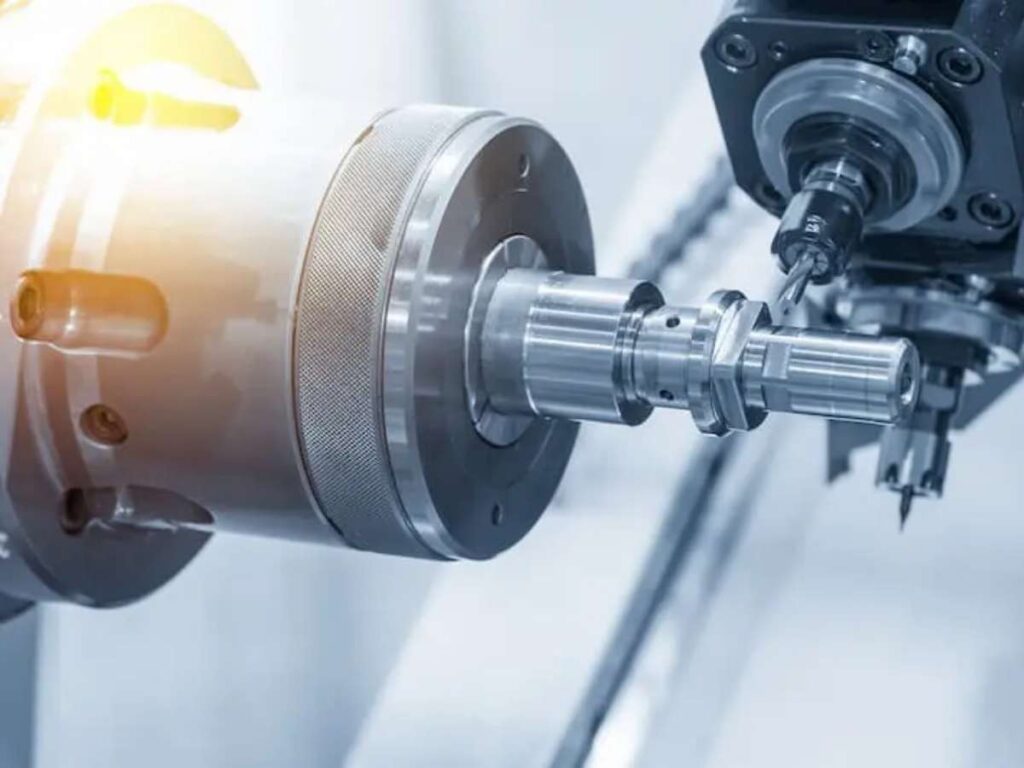
Turning
Turning can give you great results on stainless if you’re using the right setup. It works best with free-machining grades like 303, where chips break easily and tool wear stays manageable.
Once you get into tougher grades like 316, things change fast.
You need coated carbide inserts and dialed-in feeds to keep the tool cutting, not rubbing. If you go too shallow or too slow, the stainless work-hardens, and that’s when chatter and tool wear take over.
Milling
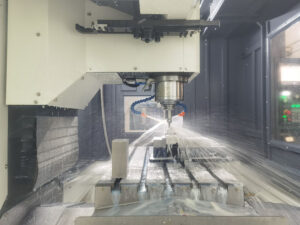
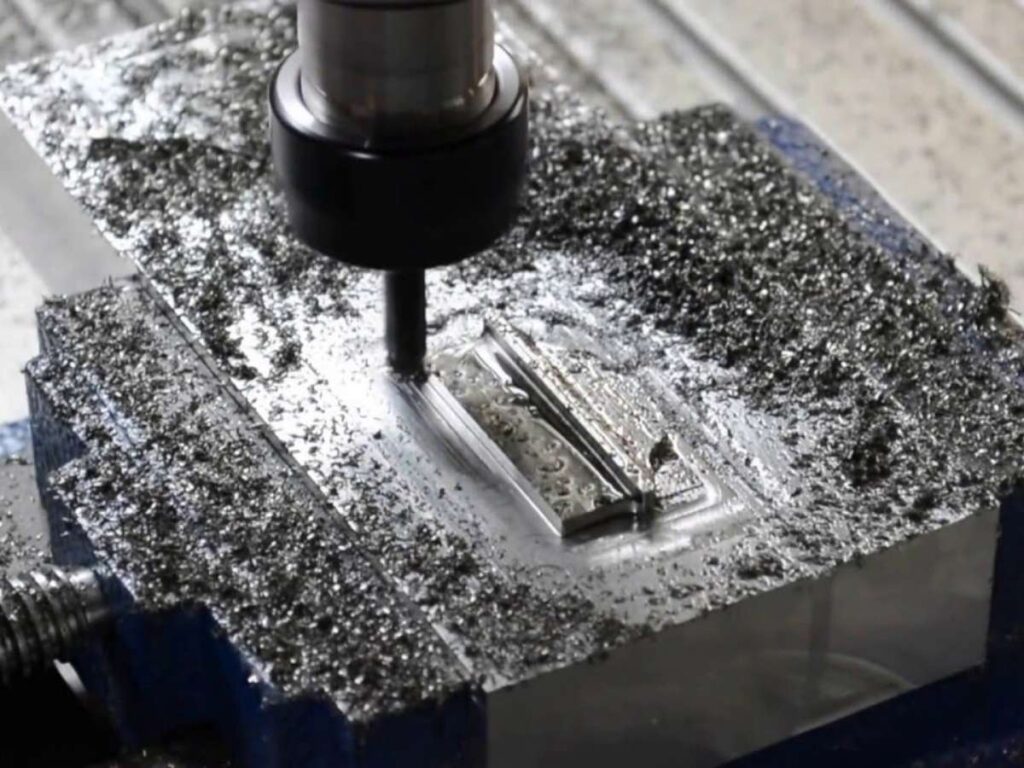
Milling stainless steel requires you to rethink your feeds, speeds, and cutter choices.
Unlike softer materials, stainless holds onto heat, which can quickly destroy cutting edges. High-speed steel just doesn’t hold up, so you’re better off with carbide tools that have coatings designed for heat resistance, like TiAlN.
Full slotting can make things worse by trapping chips and raising heat even more. To avoid overheating, try to use climb milling and keep your passes light but aggressive enough to prevent rubbing.
Drilling
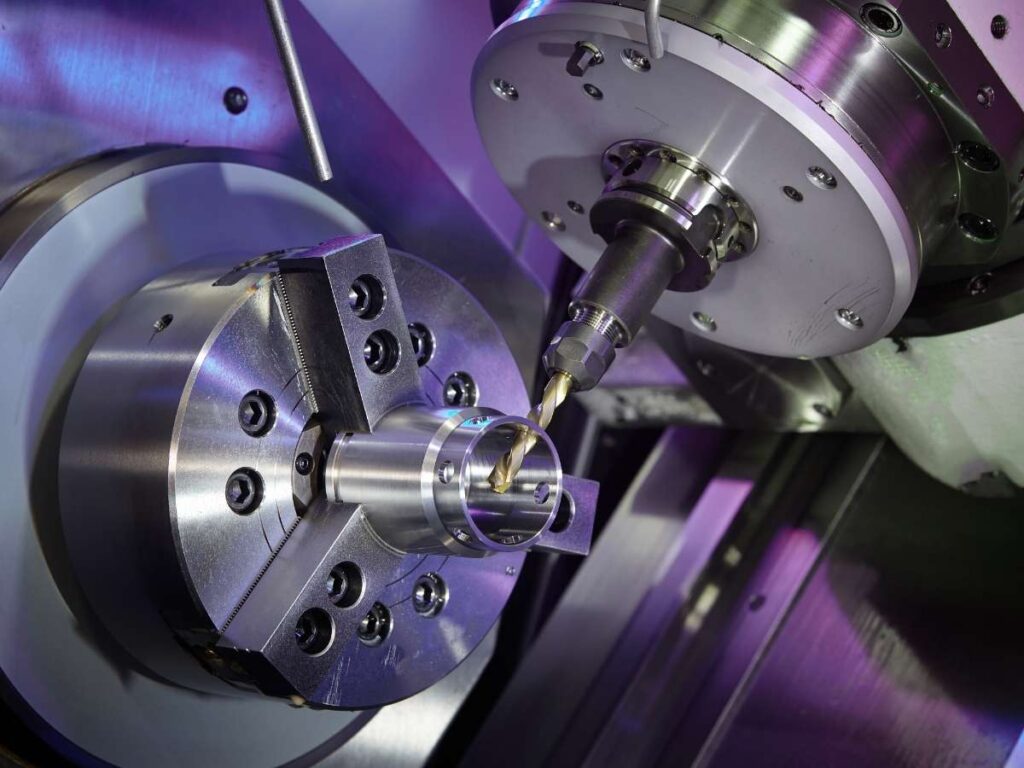
Drilling into stainless steel is where a lot of shops get caught off guard. The chips don’t break easily and tend to cling to the drill flutes, especially during deeper cuts.
That’s why peck drilling becomes essential because it helps clear chips before they cause trouble.
At MachMaster, adding high-pressure coolant makes a huge difference, flushing chips out and keeping the cutting zone cool. Without proper chip control, you’ll burn out drills and risk damaging the part surface.
Tapping and Thread Milling
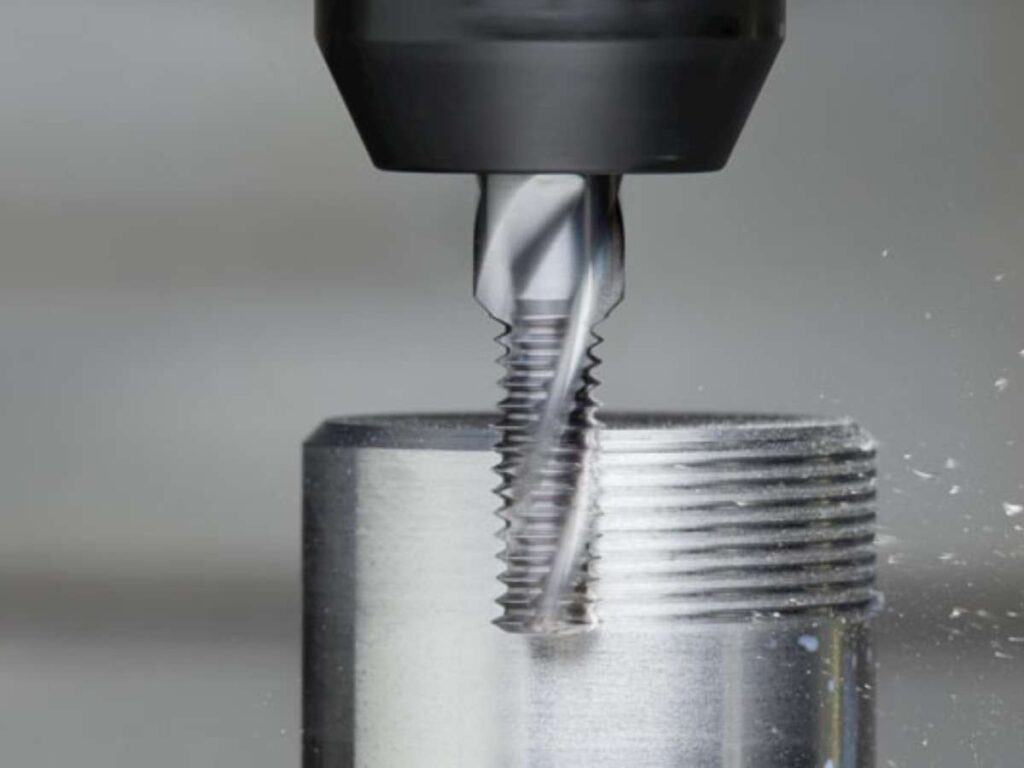
Tapping stainless steel can feel like a gamble, especially with traditional hand taps. The material likes to gall, which can lock the tap and ruin the part.
To get around that, I’ve had better luck with spiral-flute taps paired with generous lubrication.
Still, if the job calls for tight tolerances or repeatable results, thread milling is the safer bet. It’s slower but gives you more control and less chance of breakage, which is worth it for precision-focused applications.
4. Tools and Setup Tips for Machining Stainless Steel
If there’s one thing stainless steel has taught me, it’s that shortcuts don’t work. Over time, I’ve learned that a few key decisions before you press “start” can save hours of frustration and hundreds in tooling.
Below are the setup tips that have made the biggest difference in my stainless steel projects.
- Use Carbide Tools with Heat-Resistant Coatings: Go with solid carbide tools, not high-speed steel, because stainless generates too much heat. Look for coatings like TiAlN or AlTiN to help reduce wear and extend tool life.
- Avoid Light Cuts or Low Feed Rates: Stainless work-hardens fast, and light passes only make it worse. Keep your feeds and depths strong enough to stay in the cut and avoid rubbing.
- Apply Plenty of Coolant or Use High-Pressure Systems: Stainless holds onto heat, so flood coolant or through-tool coolant systems are a must. Keeping the cutting zone cool improves tool life and part quality.
- Clamp Your Workpiece Rigidly: Even a small amount of vibration can cause chatter and poor surface finish. Use strong fixturing and make sure the part can’t move once the machine starts.
- Optimize Chip Evacuation with the Right Strategy: Chips from stainless don’t break easily, and leaving them in the cutting zone will wreck your finish. Use chip breakers, pecking cycles, and coolant flow to move them out of the way.
- Check Tool Deflection and Runout Frequently: With stainless, even a slight deflection can cause major dimensional issues. Make sure your toolholders are tight and inspect for runout before every job.
- Start with Test Cuts and Dial In Settings: Don’t assume your aluminum speeds will work here—they won’t. Run a few test passes to fine-tune feeds, speeds, and cooling before going into full production.
- Keep Spare Tools on Hand for Long Runs: Tool wear happens faster with stainless, so plan for it. Having backups ready can keep your job running smoothly and avoid costly mid-run downtime.
5. Cost Factors in Stainless Steel CNC Projects
Stainless steel CNC machining offers strength and precision, but costs can climb quickly if you’re not prepared.
Below is a detailed table to help you understand what affects your bottom line, how to reduce those costs, and when each factor becomes especially important.
| Cost Factor | Description | Relative Impact (1–5) | How to Reduce Cost | When It Becomes Critical |
| Raw Material Cost | Stainless steel is pricier than most common metals, especially high-performance grades like 316 or duplex. Choosing the right grade and minimizing scrap is critical for cost control. | 5 | Choose cost-effective grades and optimize part nesting to reduce waste. | High-volume production or when using premium stainless grades. |
| Tooling Cost | Stainless wears out tools faster, so expect to replace inserts and end mills more frequently. Investing in high-quality tooling may cost more upfront but saves money over time. | 4 | Use coated carbide tools and monitor tool wear to extend tool life. | Long production runs or when using hard-to-machine alloys. |
| Machining Time | Lower cutting speeds and increased tool wear mean stainless jobs take longer. Extended machining time increases labor and machine usage costs. | 4 | Optimize cutting parameters and avoid unnecessary toolpath movements. | Jobs with tight deadlines or complex geometries. |
| Coolant and Maintenance | High coolant usage and wear on machine components add up over time. Regular maintenance is needed more often when working with stainless steel. | 3 | Implement coolant recycling systems and keep machines well-maintained. | Extended machine usage or when working on multiple stainless jobs. |
| Finishing and Secondary Operations | Post-processing steps like deburring, polishing, or passivation may be required. These steps add labor and delay turnaround if not planned for early. | 3 | Plan finishing requirements early and automate where possible. | Medical, food-grade, or high-aesthetic applications requiring post-pro |
6. How to Pick the Right CNC Provider for Stainless Steel Work
Not all CNC shops are built for stainless steel. This material demands a different level of precision, tooling, and process control than standard machining jobs.
Choosing a provider who understands these challenges can mean the difference between high-quality parts and costly rework.
Here’s what to look for when evaluating your next stainless steel machining partner.
#1 Look for Proven Experience with Stainless Grades
CNC machining stainless isn’t just about running parts, it’s about understanding how each grade behaves under pressure, heat, and speed.
A provider should be able to tell you what grades they’ve worked with, like 303, 316, or duplex stainless.
Ask how they handle heat control, chip removal, and tool selection for those specific alloys. If they struggle to give clear answers, they may not have the expertise you need.
#2 Ask About Tooling, Coolant, and Fixturing Setup
Tool life drops fast in stainless steel, so the shop needs coated carbide tools and optimized tool paths to reduce heat buildup.
At MachMaster, we use high-pressure coolant or through-spindle systems to flush chips and prevent galling. Strong fixturing is critical to reduce vibration and improve surface finish, especially on harder grades like 410 or 17-4PH.
Without proper setup, tool deflection and scrap rates will rise.
#3 Evaluate Their Process for Tight Tolerances and Finishes
Stainless often requires close tolerances and consistent surface finishes, especially in industries like medical, aerospace, and food processing.
Ask what their typical tolerances are for stainless components and whether they can hit values below ±0.001″.
Check if they offer options like passivation or electropolishing in-house or through a partner. If they’re vague about inspection equipment or quality control, that’s a red flag.
#4 Review Their Capacity and Scalability
Your provider should be able to handle both short runs and large-scale production without cutting corners. Ask about their spindle horsepower, machine table size, and CNC controls. They all affect how well the shop can process stainless steel.
Look for automation capabilities like pallet changers or bar feeders to ensure they can scale without delays.
It’s also worth checking lead times and scheduling flexibility to avoid production bottlenecks.
Conclusion
I’ve been there. Burned bits, missed deadlines, costly mistakes.
Now, you don’t have to repeat any of that.
From picking the right grade to finding the right provider, you’ve got everything you need to succeed with stainless CNC.
You’re not guessing anymore. You’re leading the project.
Contact MachMaster today and let’s build something great.