

Why Quality Control Matters
CNC machining is supposed to produce accurate, reliable parts. That’s the whole point, right?
But here’s the reality—even with expensive machines, things go wrong.
- Tools wear out.
- Materials move.
- Programs have errors.
- Fixtures slip.
At MachMaster, nothing gets missed. The difference is that every issue is flagged before it reaches you. Here’s how.
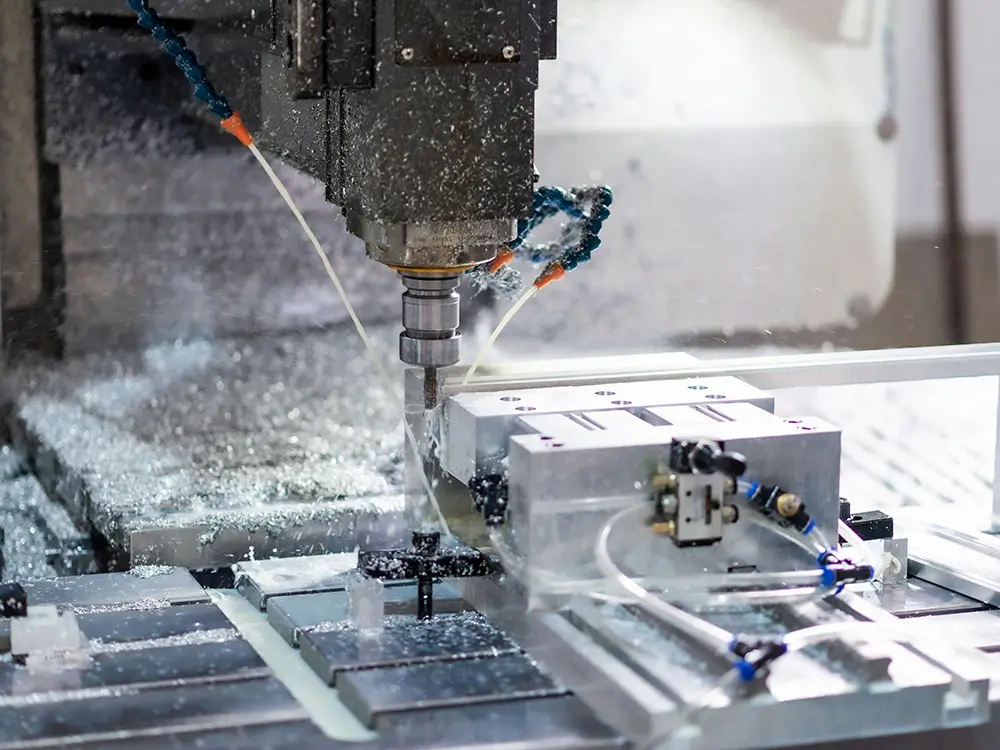
1: Dimensions Are Out of Spec
What happens:
You design a hole: Ø20.00 mm ±0.01 mm.
What we machine: Ø19.97 mm.
It doesn’t fit. The part fails inspection. That’s a problem.
Why it happens:
- Tool wear. Cutting tools lose sharpness over time. As they wear, they cut differently. Dimensions drift.
- Wrong cutting parameters. Feed rate too fast? Speed too high? Depth of cut too aggressive? All of these affect accuracy.
- Machine calibration drifts. Machines need regular alignment. If they’re off, your parts are off.
- Thermal expansion. Machines heat up during long runs. Metal expands. Dimensions change.
How we prevent it:
- Tool life is tracked. When a tool hits its limit, it’s changed before it causes problems.
- Machines are calibrated on a fixed schedule—not when we remember.
- Parts are measured during machining, not just at the end. If something drifts, it’s caught early.
- First article inspection: the first part off the machine gets a full check. If it’s right, we proceed. If not, we adjust.
2: Rough Surface Finish
What happens:
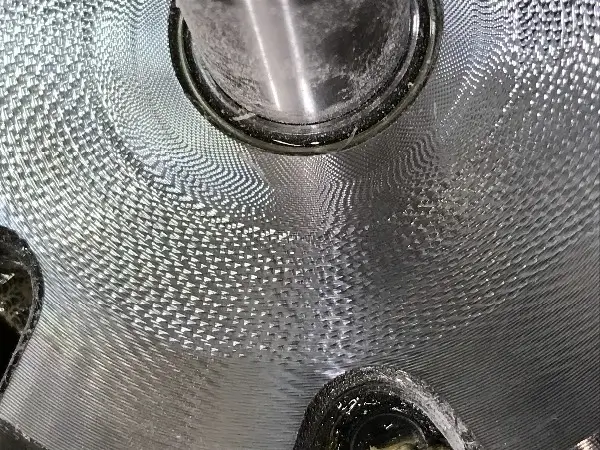
You need a smooth surface. What you get is rough, with visible tool marks or chatter patterns. It looks bad. It might not seal properly. It might cause friction or wear issues.
Why it happens:
- Speed too slow or too fast. Both cause problems. Too slow = rough surface. Too fast = heat buildup and tool damage.
- Dull tools. A worn tool doesn’t cut cleanly. It rubs and tears the material instead of shearing it.
- Chatter (vibration). If the tool or workpiece vibrates during cutting, you get a wavy, uneven surface.
- Poor workholding. If the part isn’t held rigidly, it moves. That creates chatter and poor finish.
How we prevent it:
- The right tool for the job—carbide, coated, high-speed steel, whatever the material needs.
- Feeds and speeds dialed in. Not guessing—calculating.
- Rigid fixtures. No movement, no chatter.
- Finishing passes: roughing takes off material, finishing makes it smooth.
- Secondary operations when needed: bead blasting, polishing, or grinding to achieve the required surface
3: Burrs – Those Sharp Edges You Don’t Want
What happens:
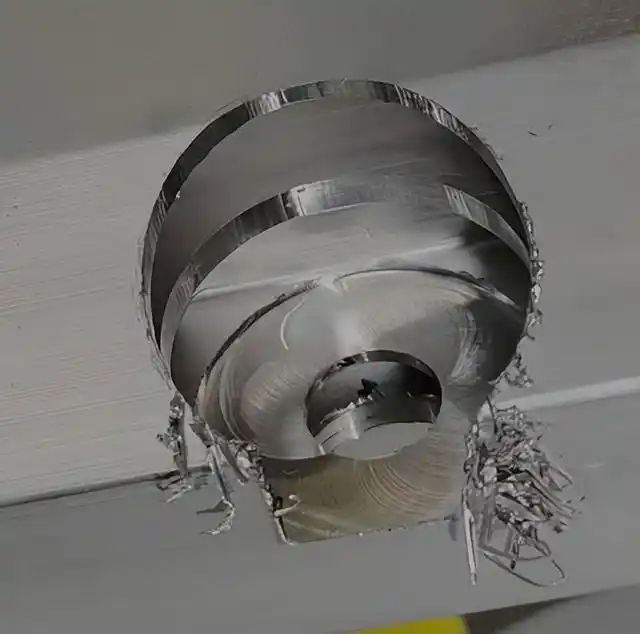
After machining, there are sharp edges or raised material along the edges of the part. They look unfinished. They can cut someone during assembly. They can prevent parts from fitting together properly.
Why it happens:
- Dull tools push material instead of cutting it cleanly.
- Soft materials like aluminum tend to form burrs more than hard materials.
- Cutting direction matters. Climb milling reduces burrs, conventional milling increases them.
How we prevent it:
- Tools stay sharp. Dull tools cause burrs—sharp ones don’t.
- Tool paths optimized to minimize burr formation.
- Every part gets deburred—manual, tumbling, or edge-breaking, whatever it needs.
- Critical edges? Deburring requirements specified in the process plan.
4: Tool Wear and Breakage
What happens:
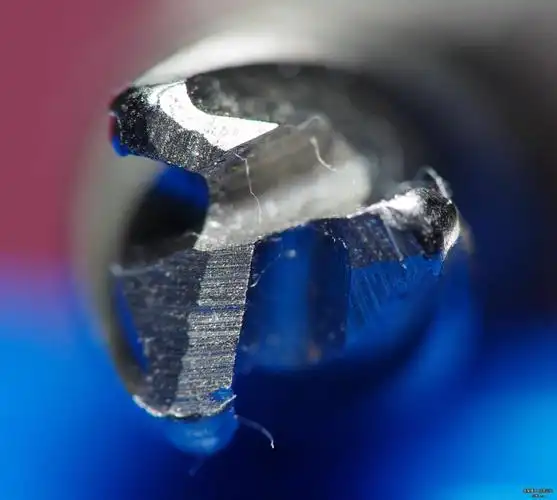
Cutting tools are consumables. They wear out. They break. When they do, the part quality suffers, and the machine has to stop for tool changes.
Why it happens:
- Hard materials like stainless steel, titanium, and Inconel are tough on tools. They wear them out fast.
- Incorrect cutting conditions—too fast, too deep, or insufficient cooling—shorten tool life.
- Wrong tool selection. Using the wrong tool for the material or operation leads to rapid wear.
How we prevent it:
- Tool usage monitored. Every tool has a tracked runtime. Limit reached? Changed—not after failure.
- Carbide tools with specialized coatings for tough materials—TiAlN, AlTiN, diamond-like. Coating matched to the material.
- Feeds and speeds optimized to balance productivity with tool life.
- Through-spindle coolant keeps tools cool and evacuates chips.
5: Part Deformation
What happens:
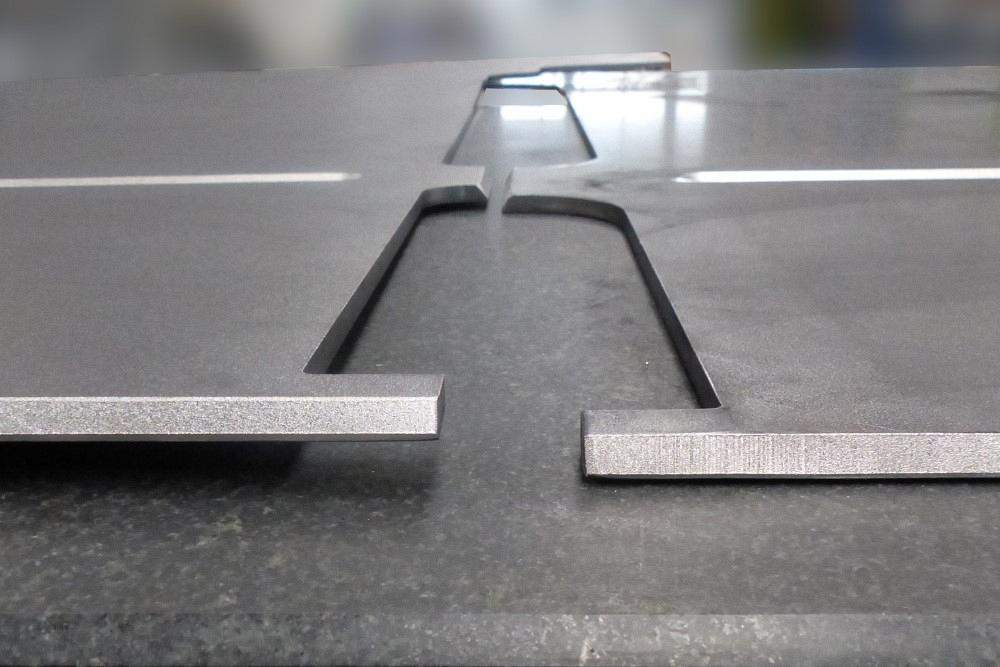
The part comes off the machine and… it’s warped. Bent. Twisted. It doesn’t match the CAD model.
Why it happens:
- Thin walls. When you cut into thin material, there’s not much left to resist cutting forces. It moves.
- Excessive cutting force. Heavy cuts put stress on the part. It deflects.
- Clamping stress. If you clamp a part too hard, it’s held straight during machining. When you release the clamp, it springs back—warped.
- Internal stress in the material. Some materials have locked-in stresses from manufacturing. When you remove material, these stresses release, and the part moves.
How we prevent it:
- Vacuum fixtures or special workholding—no clamping stress.
- Multiple light passes instead of one heavy pass.
- Machining sequence optimized to balance stress during material removal.
- For critical applications: stress-relieved materials or heat treatment before machining.
Other Problems We See Regularly
Hole location errors:holes in the wrong position due to programming mistakes, wrong offsets, or setup errors. Prevention: coordinate verification and first article inspection.
Over-specified surface finishes:”Ra 0.8″ called out on every surface, even non-functional ones. Unnecessary cost. The fix: drawing review and practical finish recommendations.
Wrong material selection:hardened steel where aluminum would do, expensive exotic alloys for low-stress applications. Better approach: cost-effective material advice based on actual needs.
How We Control Quality at MachMaster
We don’t just inspect parts at the end. Quality control happens at every stage.
Step 1: Engineering Review
Drawings checked before the job starts. Tight tolerances that aren’t needed? Missing dimensions? Unclear requirements? All flagged early—when fixes are cheap.
Step 2: Process Planning
The machining plan laid out: machines, tooling, fixtures, sequences. Potential problems anticipated—and planned around.
Step 3: In-Process Inspection
Critical dimensions measured during production. Drift? Caught before parts hit the scrap bin.
Step 4: Final Inspection
Every critical feature inspected before shipping—dimensional reports, CMM, surface finish verification, visual checks. Full documentation provided.
How Engineers Can Help Reduce Machining Problems
You don’t have to be a machinist to design parts that machine well. But understanding a few basics helps.
Provide complete drawings. Include dimensions, tolerances, material specs, and finish requirements. Missing information leads to guessing. Guessing leads to problems.
Mark critical features. Highlight functional dimensions, assembly surfaces, and anything that must fit precisely. If it’s important, tell us.
Don’t over-tolerance everything. Tight tolerances cost time and money. Only apply them where they matter. A plastic enclosure doesn’t need aerospace-grade tolerances.
Choose an experienced supplier. Look for a shop that’s done similar work before. Check their quality systems. Ask about inspection capability.
Why MachMaster?
At MachMaster, these problems have all been seen—and solved.
Issues caught before they affect your parts.
Quality covered from engineering review to final inspection.
Machining problems avoided. Projects kept on track.
FAQs
Q: What are the most common CNC machining defects?
A: Incorrect dimensions, poor surface finish, burrs, tool marks, part deformation—all covered above.
Q: How do you ensure quality?
A: Process control, machine calibration, tool management, inspection procedures—all in place. Every critical feature measured and documented.
Q: Can machining defects be prevented?
A: Yes. Most problems can be avoided—through proper design, correct programming, appropriate tooling, and thorough quality control. That’s how the shop runs.
Q: How do you handle complex or difficult parts?
A: Detailed engineering review before production. Machining sequence planned, right tooling selected, appropriate fixturing used. Challenging part? Process simulated—problems identified in advance.
Q: What materials do you machine?
A: Aluminum, stainless steel, brass, copper, steel, titanium, PEEK, ABS, and more. Tooling and cutting parameters matched to the specific material.
Q: Can you machine thin-walled parts?
A: Yes. Vacuum fixtures, optimized tool paths, and light passes—deformation minimized. Thin-walled parts? Done down to 0.8 mm.
Need a Reliable CNC Partner?
Send us your CAD drawings and specifications.
Design reviewed, problems identified, solutions suggested—before production starts.
Engineering team available to discuss manufacturability and quality requirements upfront.
At MachMaster, more than machining—parts done right.