
“I need to process this part. How long will it take?”
If you’ve ever sent that the message to a CNC machining supplier, you probably already know what happens next: a series of follow-up questions, endless email threads, days of back-and-forth, and the final quotation still does not meet your requirements.
As the founder of MACHMASTER, I have seen this kind of scene countless times. In fact, Even the most experienced manufacturing partners can’t read your mind.
The difference between a 4-hour quote and 4 days of email back-and-forth comes down to just one thing: how well you prepare before sending your request.
You don’t need to be an engineer to achieve this. All you need is to prepare these eight things.
Quick Checklist: What to Prepare for an Accurate CNC Quote
| NO | What to Prepare | Key Details to Include |
|---|---|---|
| 1 | Design Files | 3D CAD model in STEP or IGES format. A 2D drawing with critical dimensions, tolerances, and thread specs. |
| 2 | Material Grade | Exact alloy or plastic grade (e.g., 6061-T6, SUS316L). Mention if you need material certificates or specific compliance (RoHS, FDA, etc.). |
| 3 | Quantity & Timeline | How many parts do you need now? Any future volume plans? What’s your target delivery date? |
| 4 | Surface Finishing | Type of finish (anodizing, plating, powder coat, etc.), specific thickness or color, and any areas that must be masked. |
| 5 | Critical Tolerances | Identify which features truly need tight control (e.g., bearing seats). Mention if you need inspection reports or a First Article Inspection. |
| 6 | Assembly Context | How does this part fit with others? Share assembly drawings or sketches. Which surfaces mate, and which holes must align? |
| 7 | Part Purpose & Cosmetic Requirements | Is it a visible cosmetic part or an internal precision component? For cosmetic parts, mark Side A/B. For any finishing process, specify racking/hanging points. |
| 8 | Design Uncertainties | Flag anything you’re unsure about — a sharp corner that might need a special tool, a feature that could be simplified. This is where cost-saving ideas come from. |
1. Complete and Clear Design Drawings
This is where everything starts. The more complete the documents you prepare, the more accurate the quotation you will get.
- 3D CAD Model (Required)
This is the direct basis for CNC programming. Give priority to providing common formats such as STEP (.STP) or IGES (.IGS).If you are using software such as SolidWorks or Fusion 360, you can directly export these formats. Try to avoid highly compressed STL files as much as possible since they lose geometric accuracy and are only suitable for rough estimates or 3D printing.
- 2D Engineering Drawing (Highly Recommended)
The 3D model defines the shape, but the 2D drawing carries the design intent. The drawings need to clearly show: all dimensions and key reference points, tolerance requirements (especially for holes, shafts, and locating surfaces with strict fit requirements), thread specifications, surfaces that require finishing, and any information that can’t be directly derived from the 3D model.
Tip:If all you have is a hand-drawn sketch or a photo of the part, please include it along with the key dimensions. Our engineers can help refine and clarify further, but this will extend the evaluation time.
2. Material Grades and Special Requirements
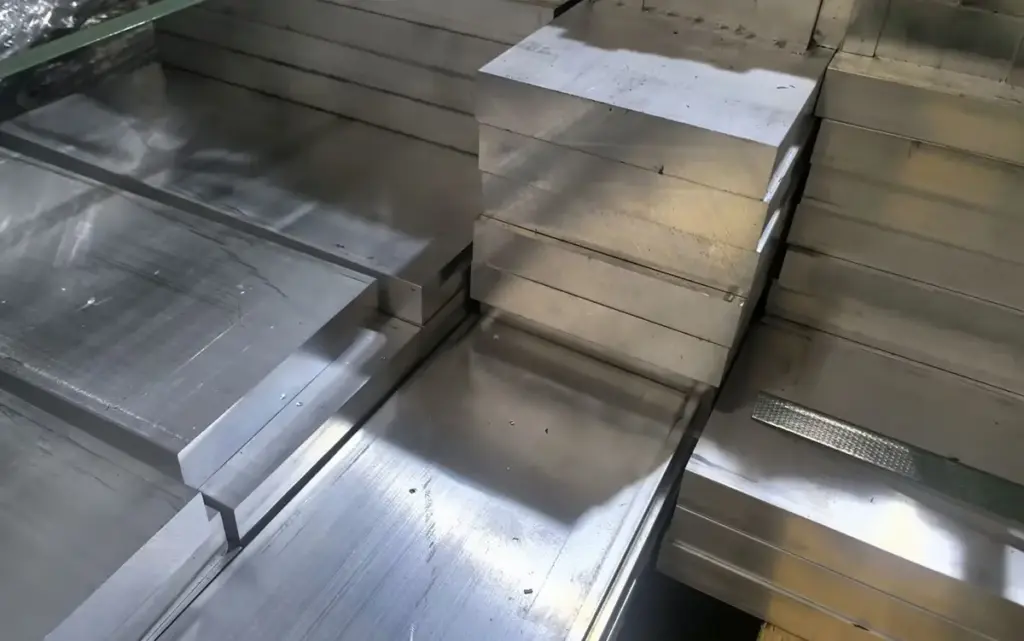
Specifying “stainless steel” is an invitation to a lot of follow-up questions. Stainless steel comes in dozens of grades—austenitic, martensitic and so on—each with vastly different machinability and cost. Be as precise as possible with standard grades:
- Aluminum Alloys:6061-T6, 7075-T651, 5052, etc.
- Stainless Steel:SUS304, SUS316L, 17-4PH, etc.
- Engineering Plastics:POM, PEEK, Nylon, etc.
- Other Metals:Brass H59, Titanium TC4, etc.
Additionally, if you require material certificates or have specific standard requirements (e.g., RoHS, FDA, aerospace-grade), state this upfront. This will directly affect the manufacturer’s material sourcing strategy and pricing.
3. Quantity and Production Timeline
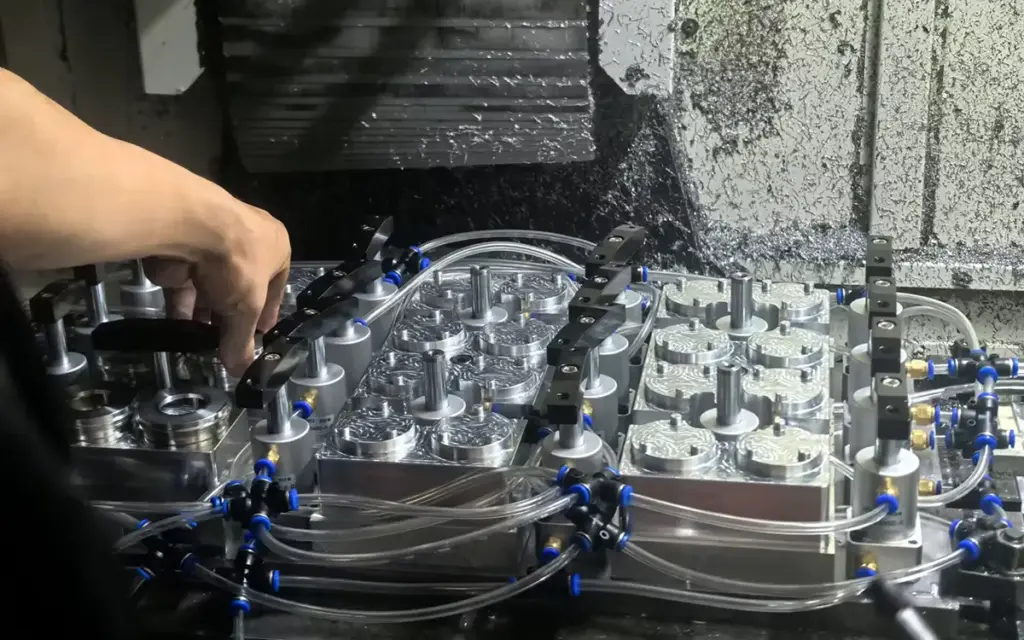
A one-off prototype and a production run have different in terms of process planning, fixture design, and machine selection. Be clear about:
- Initial Quantity:How many do you need? Is it a single functional prototype, or a small-scale trial production of 50 pieces?
- Future Projections: Are there potential follow-up orders? This helps the manufacturer factor in programming and fixturing costs across a larger volume, potentially securing you a better unit price.
- Lead Time:Are you expecting delivery in 3 days, 1 week, or 1 month? Rush orders may involve expediting fees—disclosing your timeline upfront helps both parties plan accordingly.
4. Surface Treatment and Post-Processing Standards
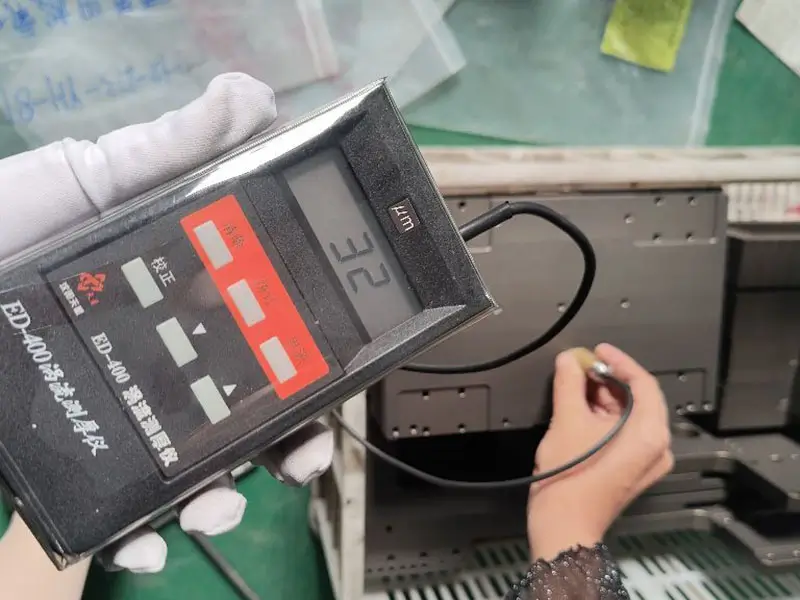
Machined parts often come off the CNC as semi-finished goods. Post-processing is critical for appearance, function, and cost. You need to specify:
- Type of Finish:Anodizing (clear, black, hard?), sandblasting, electroplating (zinc/nickel), passivation, polishing (mirror finish?), powder coating, etc.
- Specific Details:For example, “Black anodized, matte finish, approximately 5-8 microns coating thickness” is much more accurate than “make it black.” It’s even better if you can provide a color code or a physical sample.
- Coverage Area:Is the finish applied to all surfaces, or only the visible surfaces? Are there any threaded holes or conductive contact areas that need masking? This must be clarified prior to quoting.
If you’re unsure about the final finish, just let us know during your inquiry. We can share examples from similar past projects for your reference, and proceed with the treatment after you confirm.
5. Critical Tolerances and Quality Acceptance Standards
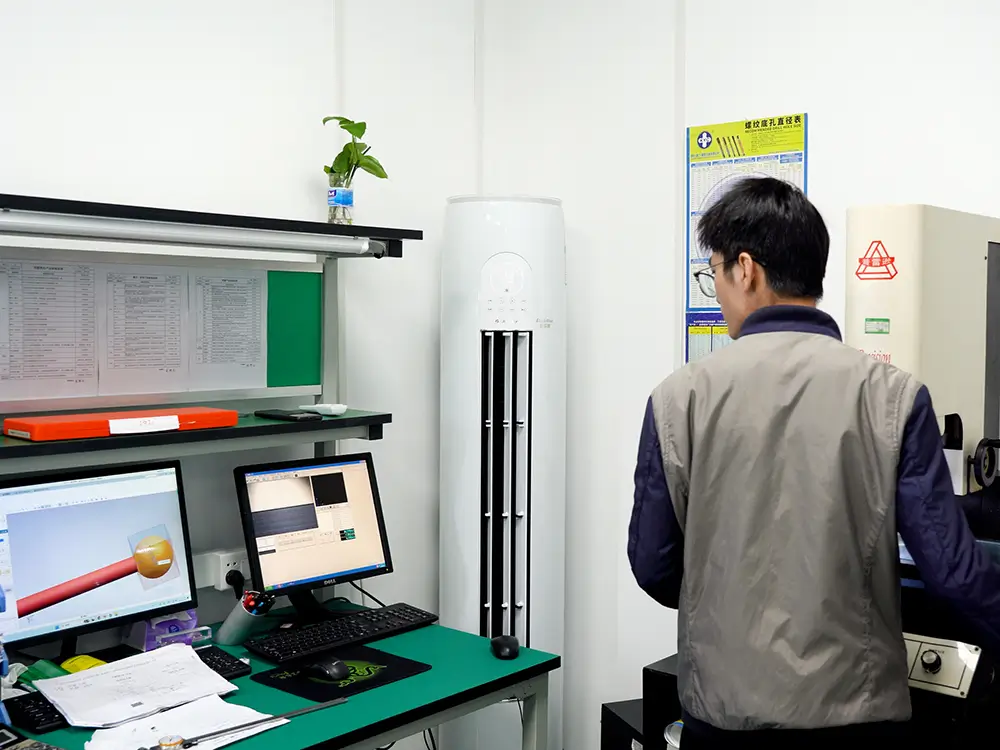
Not every feature on your part needs to hold ±0.01mm. Applying tighter tolerances only where truly necessary is a straightforward way to reduce costs. So, there’s no need to aim for such high precision everywhere.
- Identify Critical Functional Areas:For example, bearing installation position, sealing grooves, mating holes/shafts—and clearly define the tolerance zones (e.g., H7, g6, etc.).
- Inspection and Reporting Requirements:Do you require a dimensional inspection report of key measurements along with the goods? Is a first-article inspection (FAI) needed? These factors all impact the quality-related costs in your quote.
- Special Applications:If your part is for medical, aviation, automotive safety, or other regulated industries, let us know upfront. This may involve special certifications, traceability protocols, and cleanroom requirements.
6. Assembly Relationships
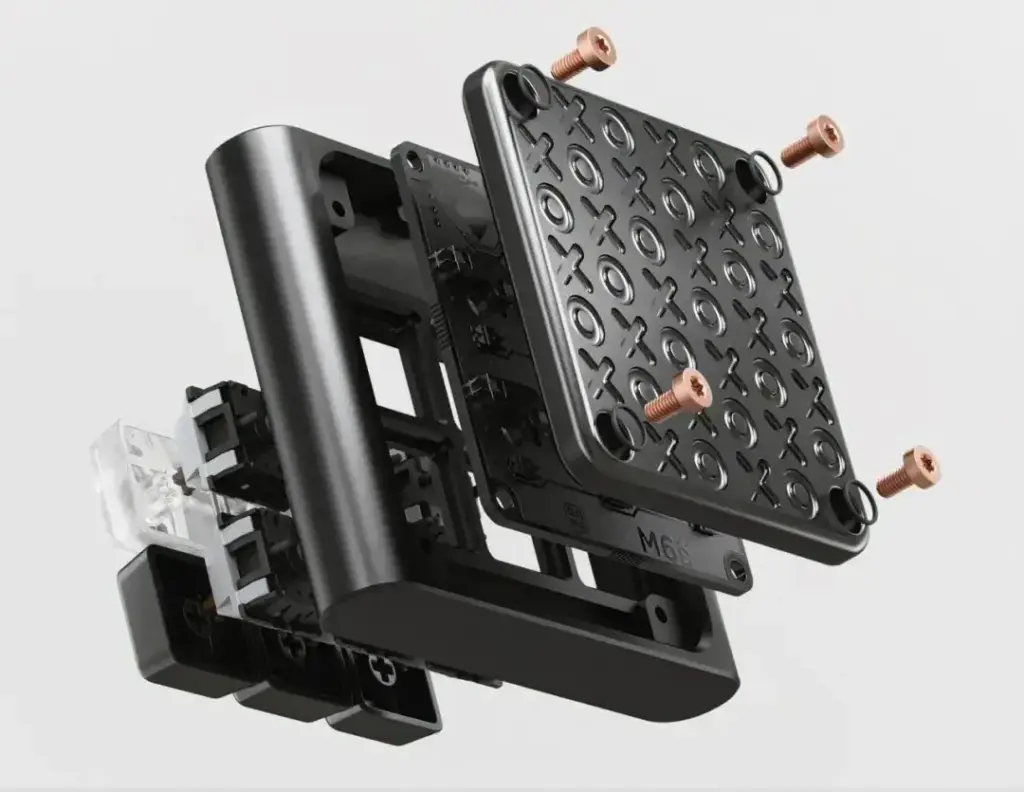
This is often overlooked but critically important. If your part isn’t used in isolation and needs to be assembled with other parts, tell us when requesting a quote. Provide assembly drawings, exploded views, or even a hand-sketched layout. This helps our engineers understand:
- Which surfaces are mating surfaces that require tighter tolerance control?
- Which holes need to be aligned, and are the position tolerances required to be stricter than what’s shown on the drawings?
- What is the part’s function within the overall assembly? This determines which defects are critical and which may be acceptable.
With this information, we can identify potential assembly interference risks during the quoting stage and build preventive measures during the process plan—saving you from the headache of receiving parts that don’t fit, loose fir, or interfere with each other.
7. Part Usage And Appearance Requirements
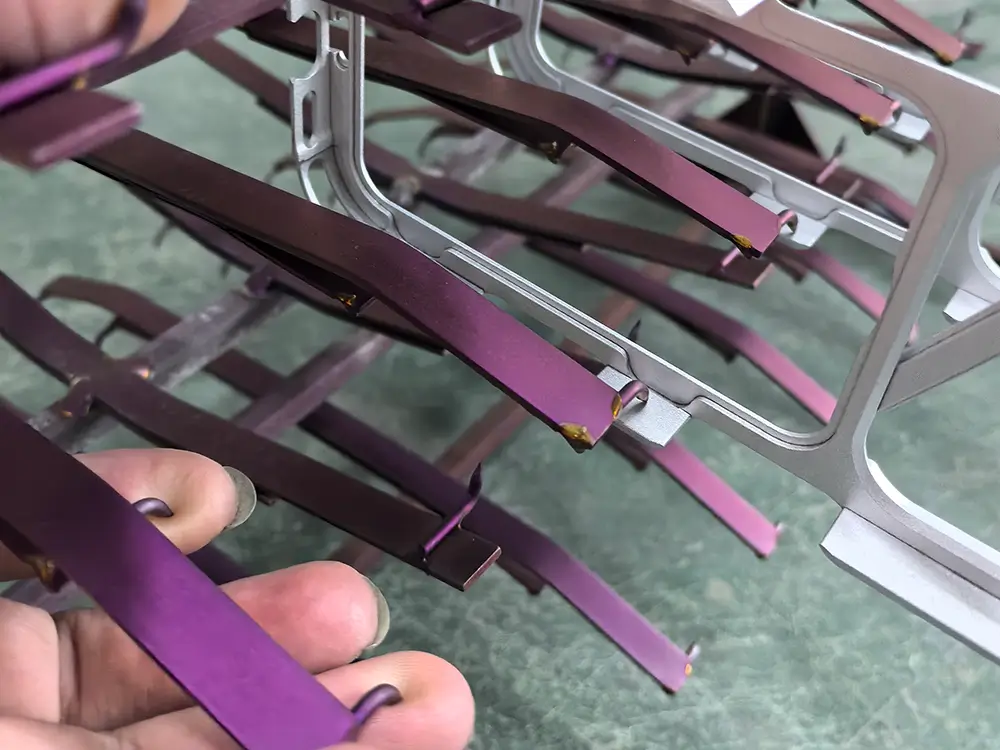
We don’t know where your part will end up, so you need to describe its “role.” Is it a visible cosmetic part, or an internal precision component? This determines the focus of manufacturing and inspection.
- For Cosmetic Parts:Clearly identify the “A” surfaces (visible) and “B” surfaces (non-visible). Specify which surfaces cannot have scratches, tool marks, or dents, and which areas can accept normal machining marks. This prevents rejections due to differing expectations on cosmetic quality.
- For Finishing (Anodizing, Plating, etc.):If your part will be anodized or electroplated, please indicate the preferred hanging/racking points, or add dedicated hanging holes directly on the drawing. Surface treatment processes require the part to be electrically suspended, and the contact points often leave visible marks. By designating these points on non-critical B-surfaces or internal walls—or by designing dedicated hanging holes—you can protect the cosmetic appearance. If you’re unsure how to set this up, let us know; our engineers will recommend the hanging points solution based on your part geometry.
8. Anything You’re Not 100% Sure About
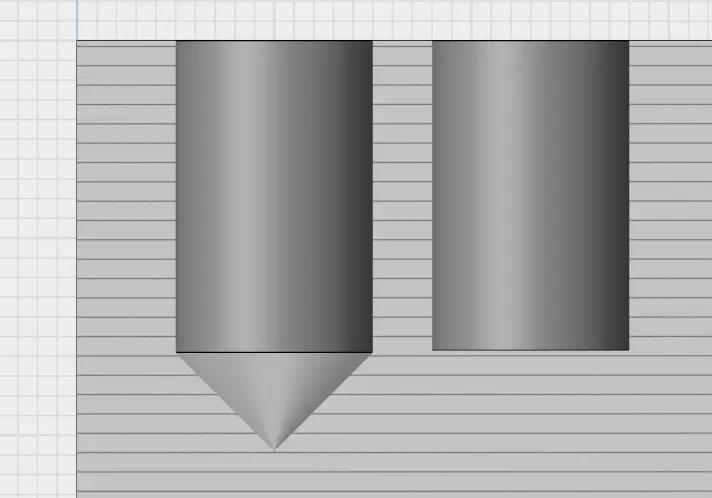
This may sound vague, but it’s extremely important. If you’ve drawn a deep hole on the blueprint but aren’t sure whether the bottom corner can be replaced with the natural taper of a drill bit or must be milled flat with a flat-bottom cutter—just clearly mark it or tell us directly.
Communicating this kind of design intent often helps engineers come up with a more cost-effective machining solution instead of defaulting to quoting based on the highest difficulty.
At MACHMASTER, Experienced Engineers Quote Your Project Personally
I founded MACHMASTER with a clear goal: to remove the barriers between designers and world-class manufacturing capabilities. We deliberately avoid fully automated online quoting systems because we know that every part carries unique design intent and potential manufacturing challenges—things that require an experienced eye, not an algorithm.
That’s why we insist on manual, engineer-driven quoting. Simply send your prepared materials—drawings, material specs, quantities, surface treatment requirements, assembly relationships, part usage and cosmetic details—via email or our RFQ form. Our experienced application engineers will carefully review your documentation, align it with practical manufacturing processes, and deliver an accurate, transparent quote—typically within 24 hours. For complex parts, they’ll proactively communicate with you, clarify any doubts, and even offer optimization suggestions to help lower your costs based on manufacturability.
So, take a moment to organize your project files and reach out to us. Whether you bring a detailed engineering package or a rough idea, we’ll treat it with the utmost seriousness and help turn your digital models into real, precision-machined parts.
Get your design to 80%, and leave the remaining 20% of uncertainty to the engineering team at MACHMASTER. We’re standing by, ready to support your project every step of the way.