
I once picked the wrong material for a CNC project and paid for it.
Literally.
The part warped. The bit overheated. And the whole run had to be scrapped.
I thought aluminum was aluminum. I didn’t know temper or grade could make that much of a difference. That mistake cost me time, money, and trust with a new client.
If you’ve ever felt unsure about which material to use for CNC machining, I’ve been there. You want something that machines well, holds its shape, and doesn’t mess up your tolerances.
In this guide, I’ll walk you through six materials that work. I’ve used each one in real projects—and I’ll share the pros, cons, and things I wish I knew earlier.
By the end, you’ll have a clear view of what fits your needs. No guesswork. Just real-world info to help you pick the right material for your next CNC job.
So let’s start!
1. Aluminum Alloys
Aluminum was the first material I ever machined. I remember clamping down a block of 6061, hitting “start,” and hearing that clean, steady hum. It is cut like butter. That was the day I realized how much easier things are when you start with the right material.
If you’re looking for something that’s lightweight, strong, and easy to work with, aluminum alloys are a smart place to begin. They’re used in everything from car parts to aerospace brackets. But not all aluminum is the same.
Let’s break it down.
6061 Aluminum
6061 is a common aluminum alloy that’s known for being easy to machine.
It has a good strength-to-weight ratio. That means it’s strong for how light it is.
You can anodize it too. Anodizing is a way to add a protective, colored coating to the surface. This helps with wear and appearance.
Where you’ll see 6061 used:
- Automotive parts
- Bike frames
- General-purpose parts
- Light structural work
If you’re starting out or working on parts that don’t need extreme strength, 6061 is a solid choice.
7075 Aluminum
This one’s stronger than 6061. A lot stronger.
It’s used in serious applications like:
- Aircraft wings
- Military-grade parts
- High-stress structural jobs
But with that strength comes trade-offs. 7075 doesn’t resist corrosion as well. It’s also harder to machine and more expensive.
If you’re working on a lightweight frame or mount that needs to handle heavy force, this might be what you need.
What to watch out for:
- Don’t overdo it. If your part doesn’t take a beating, you probably don’t need 7075.
- Finishing matters. 6061 anodizes more evenly than 7075. That’s something to think about if looks or wear resistance matter.
So which aluminum fits your job?
Start with your load requirements and your budget. Aluminum can make your life easier—if you pick the right grade.
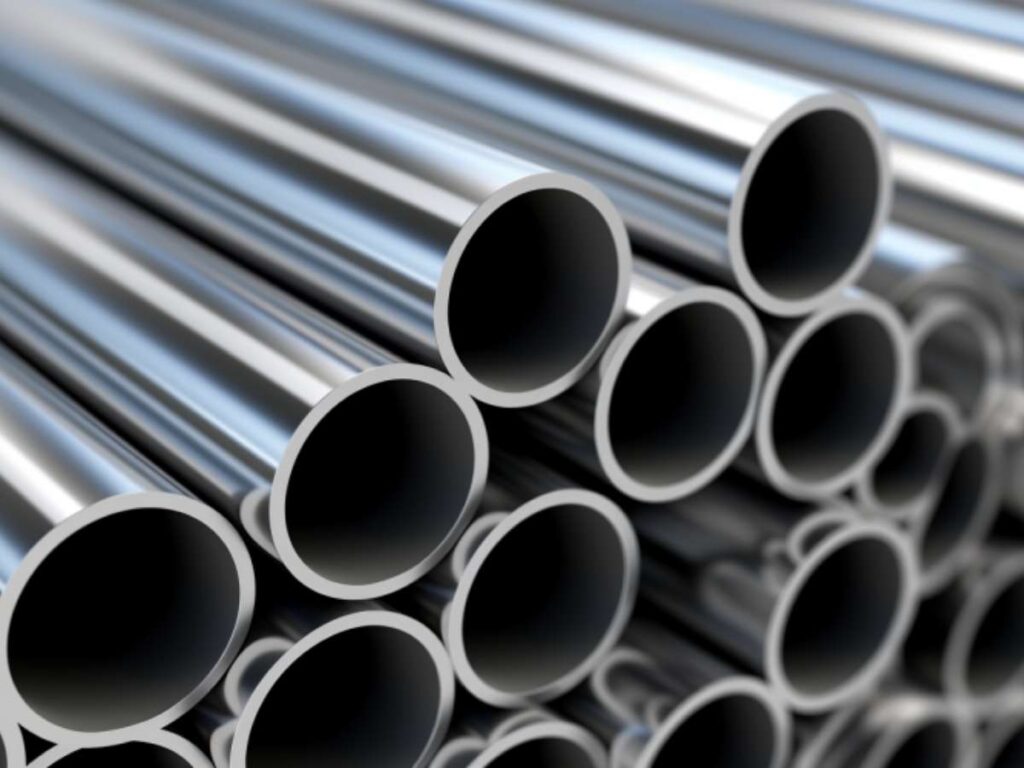
2. Stainless Steel
Stainless steel taught me patience.
I remember running a job with 304 stainless. Same feeds and speeds I used for aluminum. Big mistake. The machine screamed, the bit dulled fast, and the part came out scorched on the edges. Lesson learned: stainless is a different animal.
If you need strength and corrosion resistance, stainless steel is a strong choice. It doesn’t rust like regular steel, and it holds up in tough environments. But it does come with trade-offs.
Let’s look at a few common grades.
303, 304, and 316 Grades
These are the grades most shops use.
- 303: The easiest stainless to machine. It’s used for parts that don’t need welding or extreme corrosion resistance.
- 304: Strong and commonly found in kitchen tools, sinks, and industrial parts. It’s a bit harder to machine than 303.
- 316: Even more resistant to corrosion than 304. It’s often used in saltwater or chemical environments, like marine fittings or lab equipment.
All three are:
- Strong
- Wear-resistant
- Good at handling moisture, chemicals, and heat
You’ll see stainless in:
- Medical tools
- Marine hardware
- Food-grade parts
- Outdoor fixtures
But before you dive in, it helps to know what to expect.
What to watch out for:
- Stainless wears down tools fast. Carbide bits can help, but they’re not cheap.
- Machining takes longer. This affects your run time, cost, and patience.
- Surface finish can vary depending on grade and setup.
So, is stainless steel the right fit for your part?
If the job calls for strength and corrosion resistance and you don’t mind the extra effort—it might be exactly what you need.
3. Mild and Tool Steel
There’s a solid feel to steel that you just don’t get with other materials.
I remember machining a 1045 steel shaft for a custom fixture. It took time. The feed was slower, the finish needed polishing—but the part performed like a tank. Months later, it was still running without a hitch. That’s the kind of reliability steel gives you.
If you need strength, long wear, and durability, steel is worth a look. But not all steels are the same.
Let’s break it into two groups.
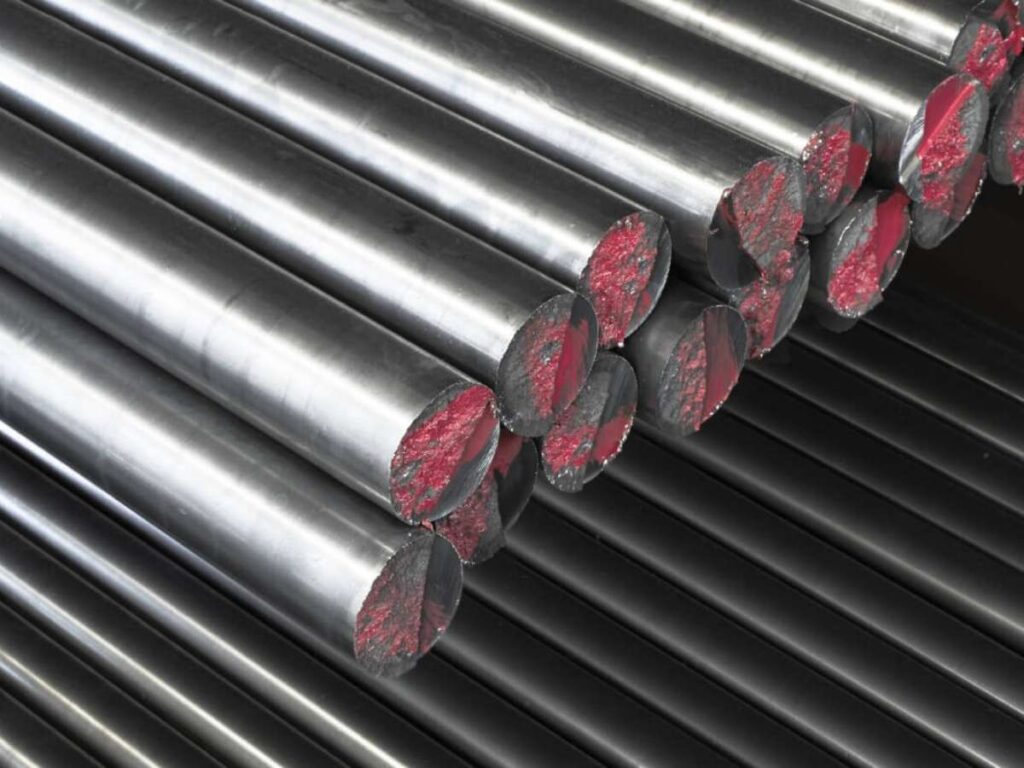
Mild Steel: 1018 and 1045
Mild steel is easier to machine than tool steel. It’s less expensive too.
- 1018: A low-carbon steel that’s easy to cut and weld. It’s used for basic parts, supports, and anything that doesn’t take heavy loads.
- 1045: A medium-carbon steel. Stronger than 1018 and can be heat-treated to increase hardness. Great for parts that take more stress, like shafts and gears.
You’ll often see mild steel in:
- Brackets
- Jigs
- Structural parts
- Machine frames
Tool Steel: A2 and D2
Tool steels are tougher. They’re made to hold shape under pressure and heat.
- A2: Air-hardening steel with a good balance of toughness and wear resistance. Common for dies and punches.
- D2: Has more chromium, so it’s harder and more wear-resistant. Used in cutting tools and molds.
Tool steel is found in:
- Molds
- Cutting tools
- Precision dies
- Forming tools
Tool steels like A2 and D2 are hard to machine and even harder to finish right.
At MachMaster, we’re set up for it. Our automated CNC lines, heat treatment capabilities, and surface finishing services help you get production-ready parts—without the back-and-forth.
Whether it’s one piece or a thousand, we’ll help you get it right the first time.
What to watch out for:
- Tool steels often need post-processing like heat treating or surface grinding.
- They cost more for machines. Harder material = more tool wear and slower feeds.
- You may need a second operation to get the final surface finish right.
So which one fits your job?
If you’re building structural parts or general components, mild steel will probably do the trick. If you’re making tools, molds, or high-stress parts, tool steel might be worth the extra effort.
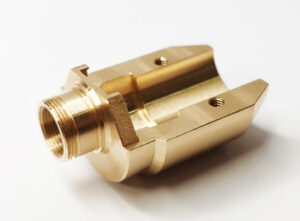
4. Brass
Brass is one of those materials that just feels nice to work with.
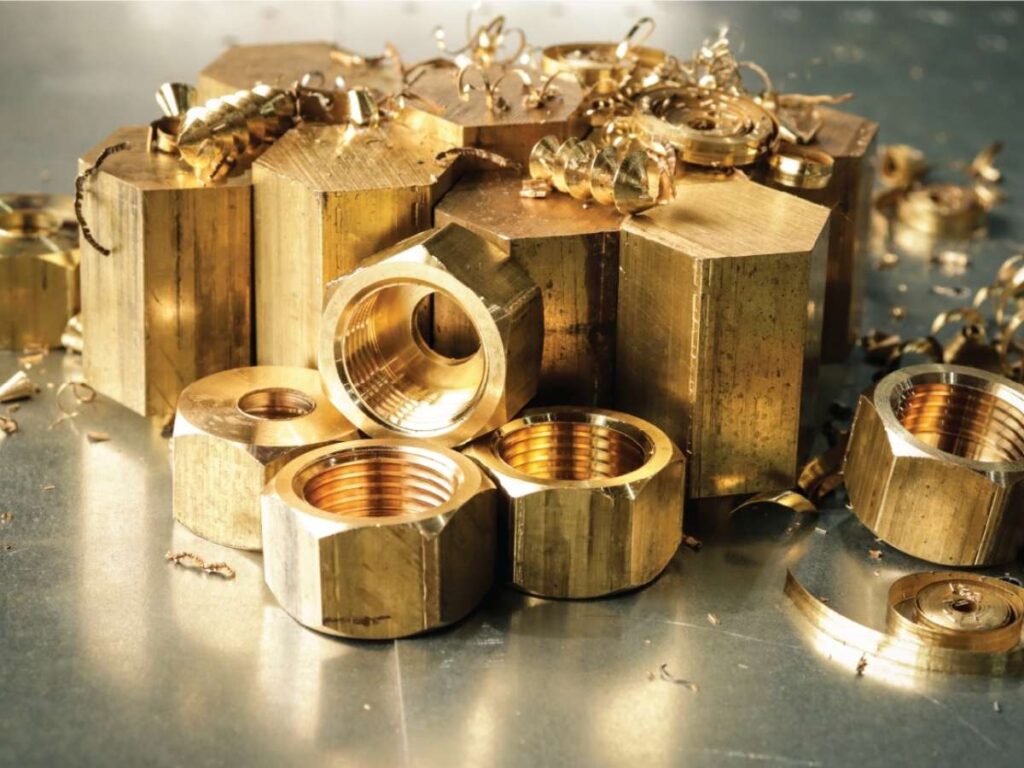
The first time I cut a part from brass, I actually paused the machine to admire the chips. They came off clean and curled like golden ribbons. The finish looked polished straight off the mill. No chatter. No struggle. Just smooth cutting.
If you’re looking for a material that machines easily and looks good, brass might be exactly what you need.
It’s known for excellent machinability. That means it cuts easily and doesn’t wear down your tools fast. It’s also corrosion-resistant, which makes it a good fit for parts that deal with water or moisture.
Another thing that stands out: brass is non-sparking. That’s important if you’re working in flammable or sensitive environments.
Here’s where brass is commonly used:
- Plumbing fittings
- Valve components
- Electrical connectors
- Decorative hardware
You’ll see it in both functional parts and ones that need to look good too. The surface finish is naturally smooth and shiny, which cuts down on post-processing.
But brass isn’t perfect for everything.
Considerations:
- Brass costs more than aluminum or mild steel. You’ll feel that in both material and scrap cost.
- It’s not strong enough for high-load applications. If your part needs to handle stress or impact, brass might not be the best option.
- Some brass grades can contain small amounts of lead. That’s helpful for machining, but something to think about if you’re making parts for food or medical use.
So, does brass make sense for your job?
If you need something that machines like a dream and looks sharp without extra polishing, it’s worth considering.
5. Plastics (for CNC)
I didn’t expect to like machining plastics.
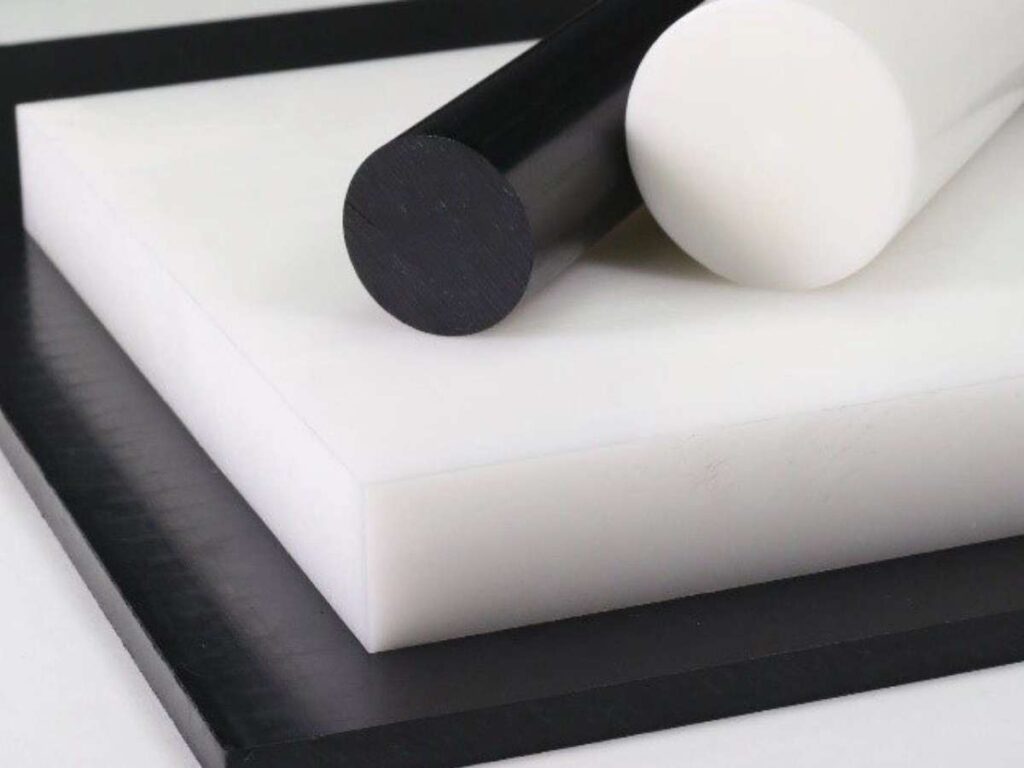
I thought they’d melt, shift, or give me nothing but headaches. But one day, I had to make a batch of simple Delrin bushings. They machined fast, looked clean, and fit perfectly. That job changed how I thought about plastic.
Plastics are a good choice if you’re making low-stress parts, prototypes, or covers. They’re lighter than metal, easier on tools, and they cut quickly. But picking the right plastic still matters.
Here are four you’ll run into often.
Delrin (Acetal)
Delrin is one of the most popular plastics for CNC.
It machines clean, holds tight tolerances, and has low friction. That makes it great for moving parts like:
- Bushings
- Gears
- Rollers
Delrin is also stiff, which helps it keep its shape under pressure. It has a smooth surface right off the machine, so you rarely need extra finishing.
Nylon
Nylon is flexible and tough.
It’s not as stiff as Delrin, but it’s strong enough for many light-duty parts. You’ll find it in:
- Washers
- Spacers
- Sliding parts
One thing to note: nylon absorbs moisture. That can change its size slightly over time, especially in humid environments.
ABS
ABS is the plastic you see in LEGO bricks.
It’s easy to machine and works well for:
- Prototypes
- Housings
- Light-duty brackets
It’s not super strong, but it’s affordable and holds threads decently with inserts.
PEEK
PEEK is the high-end option.
It resists heat, chemicals, and wear better than most plastics. It’s used in:
- Aerospace components
- Medical tools
- Parts exposed to heat or pressure
But it’s expensive. You probably don’t need PEEK unless your part is under serious stress or needs to meet strict performance requirements.
What to watch out for:
- Some plastics can deform under heat if your feeds and speeds are too aggressive.
- Softer plastics may shift under pressure, so proper clamping matters.
- Materials like PEEK cost much more, which may not be ideal for prototyping.
So, is plastic right for your next part?
If you’re working on enclosures, test fits, or lightweight components, they’re a great place to start.
6. Titanium
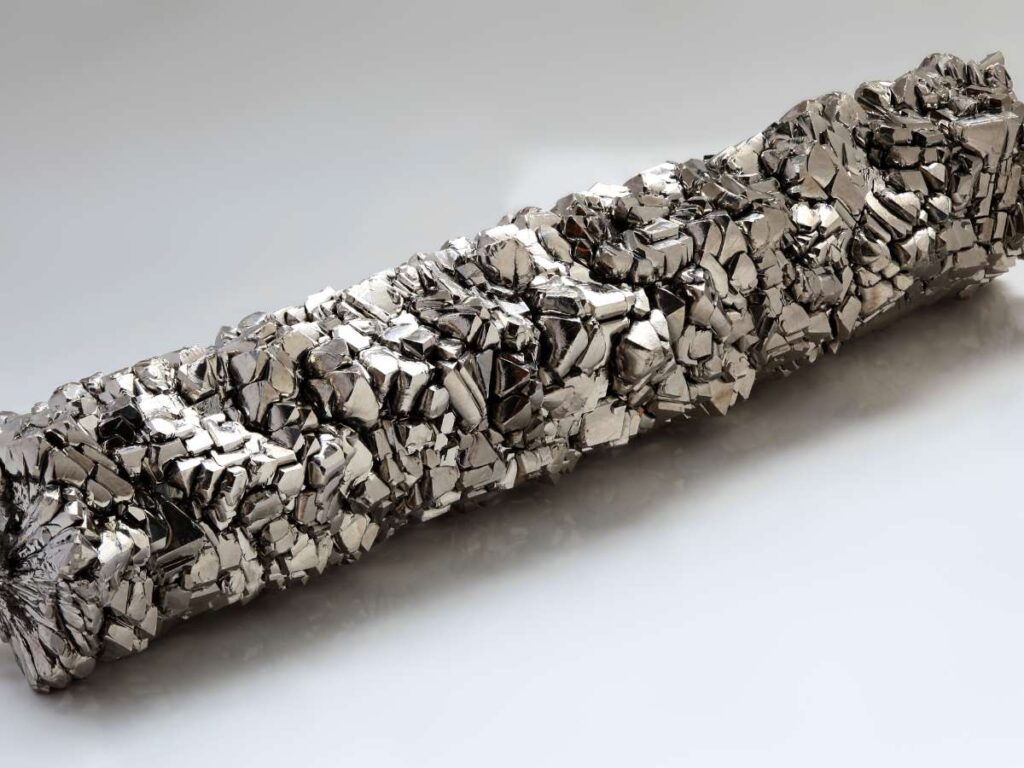
Titanium is impressive. No doubt about it.
The first time I machined it, I thought something was wrong. The cutter screamed. The chips came off like dust. And the cycle time felt endless. But the finished part? It looked sharp, felt solid, and barely weighed anything. That job taught me: titanium doesn’t play around.
This metal is used where strength, weight, and corrosion resistance all matter. You’ll see it in planes, race cars, and even inside the human body. It’s biocompatible, which means it won’t cause problems when used for medical implants.
So what makes titanium special?
- It’s incredibly strong for how light it is.
- It holds up against moisture, chemicals, and extreme temperatures.
- It doesn’t rust, and it doesn’t react much with the body.
Common uses include:
- Aerospace brackets
- Surgical implants
- High-performance engine parts
If your part needs to be strong and light—and survive in harsh conditions—titanium might be the right choice.
But be ready for a challenge.
Challenges:
- Titanium is expensive. The raw material costs more than most metals.
- It machines slowly. You have to take light cuts to avoid overheating tools.
- It needs an experienced setup. Tool selection, coolant flow, and feed rates all have to be just right.
Mess any of that up, and you’ll wear out your tools—or ruin the part.
Titanium isn’t beginner-friendly.
It takes precise feeds, the right tooling, and careful thermal control. That’s why many shops avoid it altogether.
At MachMaster, we handle titanium every day—across aerospace, medical, and industrial projects. Our ISO 9001-certified processes and ±0.01mm tolerance help us deliver complex parts on time, every time.
If you need titanium parts without the headache, we’ve got your back.
7. Quick Comparison Table
At this point, your head might be spinning.
Aluminum or steel? Plastic or titanium? Which one makes the most sense for your next CNC job? I’ve been there—flipping between specs, weighing costs, and trying to figure out what actually fits. Sometimes, you just want everything side by side.
So here it is.
Take a look. Think about your part’s job, budget, and environment. Then match that with what the table shows.
| Material | Strength | Machinability | Cost | Surface Finish | Corrosion Resistance | Ideal Use Cases |
| 6061 Aluminum | Medium | Easy | Low | Good (anodizable) | Moderate | General parts, enclosures, brackets |
| 7075 Aluminum | High | Moderate | Medium-High | Good | Low | Aerospace, frames, structural parts |
| Stainless Steel (304/316) | High | Tough | Medium | Decent (post-process) | High | Medical, marine, food equipment |
| Mild Steel (1018/1045) | Medium-High | Easy-Moderate | Low-Medium | Fair (needs finish) | Low | Fixtures, frames, low-cost tooling |
| Tool Steel (A2/D2) | Very High | Hard | Medium-High | Poor (requires grinding) | Low | Molds, dies, wear parts |
| Brass | Low-Med | Very Easy | High | Excellent | High | Fittings, valves, electronics |
| Plastics (Delrin, Nylon, etc.) | Low | Very Easy | Low-Medium | Smooth | Varies | Prototypes, enclosures, test parts |
| Titanium | Very High | Very Hard | Very High | Good | Very High | Aerospace, medical, high-end parts |
Think of this chart as a quick gut check.
Still torn between two? Go back to your real needs. Are you building for looks, strength, or just testing a concept?
This table won’t make the decision for you, but it’ll point you in the right direction.
Conclusion
I’ve learned the hard way that material choice isn’t just technical—it’s personal.
It affects your outcome, your budget, your peace of mind.
There’s no perfect answer. Just the one that fits your part’s job.
So ask yourself: What matters most to you—strength, looks, or machining time?
Still feel stuck? Don’t sweat it.
Send your drawing. Tell us how your part will be used. We’ll help you sort through your options.
Contact MachMaster today, we’re ready to help you get it right.