
I once used chrome plating on a job and didn’t realize it came in two types—hard and decorative.
I thought chrome was just chrome. Simple, right?
What showed up didn’t match what I needed. The finish looked wrong.
And worse, it didn’t hold up in testing. That one mix-up delayed the whole project for almost three weeks.
Since then, I’ve paid a lot more attention to surface finishes.
I’ve worked with both chrome and nickel plating on real parts, across different jobs.
I’ve also talked with suppliers, engineers, and plating shops to understand where each one fits best.
If you’ve ever had to choose between chrome and nickel, I get it. The names sound similar, but they’re not the same.
We’ll break down what chrome and nickel plating actually are, how they perform, how they look, how much they cost, and where they work best—including environmental rules you might need to think about.
By the end, you’ll have a clear, simple way to compare both—so you don’t waste time, money, or materials.
So let’s begin!
1. What Is Chrome Plating?
I still remember the first time I held a chrome-plated tool. It looked sharp. Smooth. Like something made to last. But back then, I didn’t know there were two kinds of chrome—and they serve different jobs.
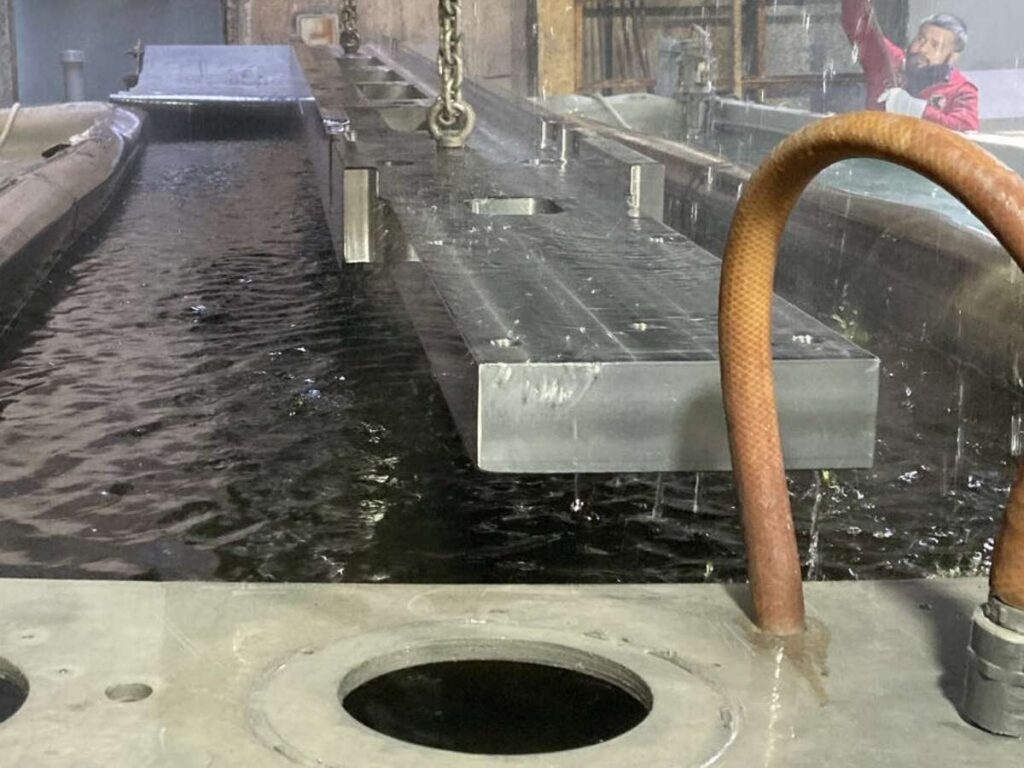
Chrome plating, or chromium plating, adds a thin layer of chromium metal to a surface through electroplating. The part is dipped in a chromium solution, and electricity bonds the metal to the surface.
But not all chrome is the same.
There are 2 main types:
- Decorative chrome
- Thin layer (under 0.001 inches)
- Used for appearance and light surface protection
- Usually applied over nickel or copper
- Found on car trims, faucets, furniture
- Hard chrome (industrial chrome)
- Thick layer (up to 0.020 inches)
- Reduces wear and friction
- Helps parts last under heavy use
- Found on pistons, molds, machine shafts
I’ve seen people pick decorative chrome for parts under stress. It looked nice—but wore out quickly. If your part needs to hold up under pressure or motion, hard chrome is the better choice.
You’ll see chrome plating used on:
- Automotive parts: bumpers, wheels, trim
- Tools and machines: shafts, dies, pistons
- Household fixtures: faucets, handles, bathroom hardware
If you’ve admired a shiny car grill or polished wrench, you’ve likely seen chrome plating in action.
Why do people choose chrome?
- Bright, mirror-like finish (especially with decorative chrome)
- Strong wear resistance (especially with hard chrome)
- Some corrosion protection (though not ideal for harsh conditions)
In my experience, chrome works well if you choose the right type for the job.
2. What Is Nickel Plating?
Have you ever worked with a part that needed more than just a shiny finish? Something that could fight rust. Something that could handle moisture, chemicals, or even food-grade use?
That’s where nickel plating comes in.
Nickel plating adds a layer of nickel metal to the surface of a part. This can be done in two ways: with electricity or with a chemical reaction.
Here’s the difference:
- Electrolytic nickel plating
- Uses electric current
- Nickel bonds to the surface with help from electricity
- Often used for decorative parts and light wear protection
- Electroless nickel plating
- Uses a chemical reaction—no electricity needed
- The part is dipped in a solution, and nickel forms a layer on its own
- Coats evenly across complex shapes, grooves, and tight spaces
This makes a big difference for tricky parts. I once worked on aerospace connectors with curved edges and deep slots. Regular plating left patchy spots. Electroless nickel gave a smooth, even coat that solved the issue.
You’ll find nickel plating used in many industries, including:
- Electronics: circuit boards, battery contacts, connectors
- Aerospace and defense: structural parts, precision fittings
- Food equipment: mixers, valves, pipes—especially with electroless nickel
If you’ve seen that soft, satin finish on lab or kitchen tools, that’s probably nickel.
Nickel doesn’t shine like chrome. But it gives real protection.
- Satin or semi-bright appearance: clean and professional
- Strong corrosion resistance: holds up well in wet or chemical conditions
- Even thickness: ideal for small details, tight tolerances, or sharp corners
Electroless nickel is especially helpful when rust, coverage, or uniformity matter most.
3. Performance Comparison
Every part has a job to do. Some take on friction. Others deal with heat, chemicals, or moisture. That’s why surface performance matters more than appearance.
I’ve seen parts fail—not because they were built wrong, but because the wrong plating was used. A shiny finish doesn’t always mean strong performance.
| Property | Chrome Plating | Nickel Plating |
| Corrosion Resistance | Moderate. Often applied over a nickel base to improve rust protection. | High. Electroless nickel provides excellent resistance to moisture and chemicals. |
| Wear Resistance | Excellent. Hard chrome stands up well to friction and repeated motion. | Good. Durable for many parts, but less effective than hard chrome in high-friction jobs. |
| Coating Uniformity | Can be uneven. Tends to build up more on outer edges than in recessed areas. | Very even. Electroless nickel coats complex shapes, threads, and tight spaces evenly. |
| Heat Resistance | Very good. Performs well under high temperatures in industrial settings. | Moderate. Handles heat in many situations, but not as stable as chrome at high temps. |
| Chemical Resistance | Moderate. Resists basic chemicals, but breaks down with stronger industrial agents. | Excellent. Electroless nickel performs well in harsh chemical environments. |
| Finish Type | Bright, mirror-like appearance. Often chosen for visual appeal. | Matte to satin finish. Subtle and professional, often used for functional parts. |
Matching the plating to the right use keeps parts running longer. Hard chrome works well where wear and heat are constant. Electroless nickel shines where corrosion and precision are more important.
Both have strengths. Choosing based on performance saves time, money, and frustration in the long run.
4. Surface Finish
The first time I saw a chrome-plated motorcycle part, it caught the light like polished glass. Sharp. Bright. Almost like jewelry. That kind of surface grabs attention. But sometimes, that shine isn’t the goal.
Some projects need a finish that looks clean but doesn’t shout. More subtle. More practical. That’s where nickel comes in.
Aesthetic Appeal
- Chrome plating: High-gloss, mirror-like finish. It reflects light strongly and gives off a cold, sleek appearance. Great for consumer-facing parts. You’ll often see this on car bumpers, kitchen faucets, or bathroom fixtures. It “pops” in showrooms and catches attention from across the room.
- Nickel plating: Satin or matte finish. It has a soft glow—not shiny, but still clean and modern. The tone is slightly warmer than chrome. It’s often used in industrial tools, electronics, and modern home goods. It doesn’t demand attention—but it still looks refined and professional.
Finish Types
Chrome plating:
- Decorative chrome: Thin layer. Added mainly for looks. Usually placed over nickel.
- Hard chrome (industrial chrome): Thicker. Duller in appearance. Used for function, not looks.
Nickel plating:
- Bright nickel: Glossy and smooth. Often used as a base under chrome.
- Satin or dull nickel: Low gloss. Ideal for parts that need a clean, modern, or non-reflective finish.
Impact on Branding or End-User Appeal
- Chrome: Often selected for its visual impact. If your product is going to be on display or handled by customers, that shiny finish can make it feel more premium. It sends a message: polished, sleek, and eye-catching.
- Nickel: Chosen more for performance and subtle style. It looks tough, works well in harsh environments, and fits in with clean, modern product design. It signals strength and reliability without being flashy.
Some parts are meant to be seen. Others are meant to work hard. The right finish helps your product do both—and tells users exactly what to expect before they even touch it.
5. Compatibility with Base Materials
Not every metal works the same when it comes to plating. Some materials accept coatings with no problem. Others need prep work to make things stick.
I’ve seen parts peel or flake—not because of bad chrome or nickel—but because the surface wasn’t prepped right. That’s why knowing what’s underneath matters just as much as the finish.
What Metals Can Be Plated?
Both chrome and nickel plating work well on several metals, including:
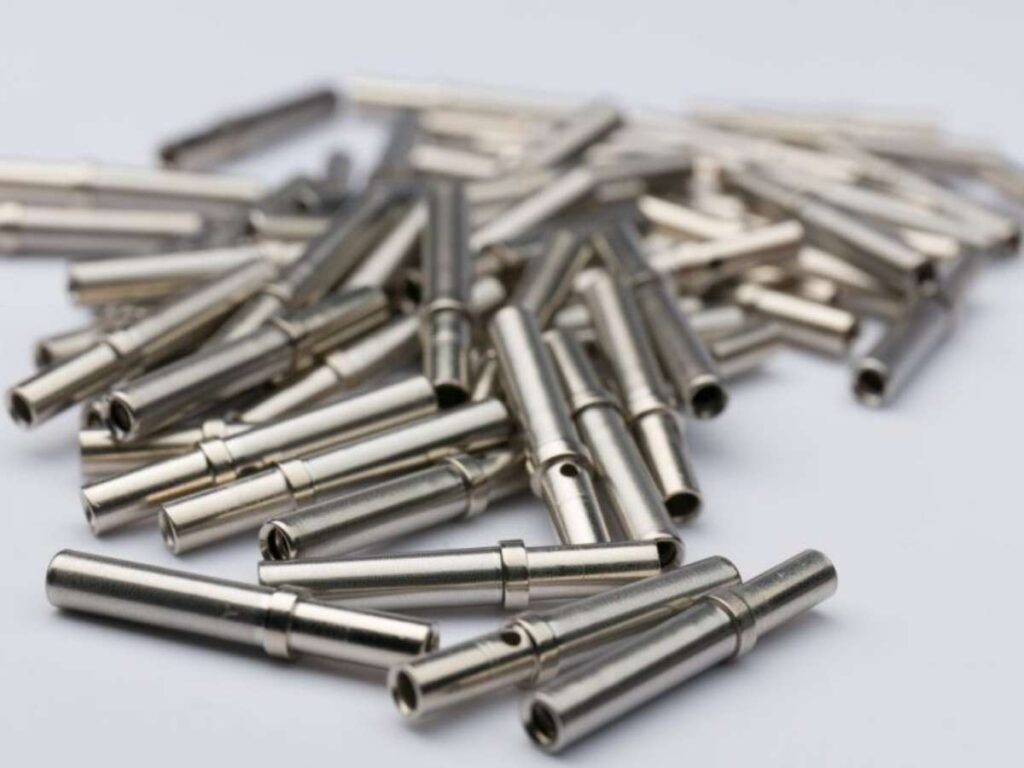
- Steel: Strong bond with both plating types
- Brass: Smooth surface, good for decorative finishes
- Copper: Often used in electronics or for added corrosion resistance
- Aluminum: Can be plated, but needs surface treatment first
Aluminum, especially, needs extra care. Without it, the plating won’t last.
Adhesion and Pre-Treatment
Nickel is often used under chrome to help it stick better. Chrome doesn’t always bond well on its own. To get a strong, lasting finish, you’ll need the right prep.
Here are a few things that help:
- Base layer of nickel: Used under chrome for better grip
- Acid etching: Removes oxides and roughens the surface for bonding
- Strike layer: A very thin flash coating that helps the next layer stick
- Cleaning: Removes oils, dirt, and oxidation before plating
Skipping these steps may save time—but it leads to poor adhesion and failed coatings.
Impact on Complex Parts
Some parts have tight corners, threads, or internal holes. That’s where electroless nickel plating really shines.
- It spreads evenly over all surfaces
- It coats inside areas that electroplating may miss
- It’s ideal for small, detailed, or high-precision parts
Chrome plating, especially the electrolytic kind, struggles with even coverage in those spots. You may end up with thick edges and bare patches.
If your part has a tricky shape, go with the method that coats it right from the start. That saves time, money—and rework.
6. Environmental and Regulatory Considerations
Plating isn’t just about how a part looks or performs. It affects safety. It affects your team. And it affects how your business stays compliant.
I’ve seen shops lose contracts—or face shutdowns—because they didn’t meet environmental rules. If you’re in charge of sourcing or compliance, this is something you don’t want to overlook.
Toxicity and Safety
Both chrome and nickel come with risks—but chrome carries more.
Chrome plating (especially when using hexavalent chromium) is:
- Highly toxic
- Linked to cancer and respiratory problems
- A serious safety concern during application
- Strictly regulated in many countries
Nickel plating is:
- Less toxic than hexavalent chrome
- Still capable of causing skin allergies and rashes
- Limited or restricted in consumer goods like jewelry and electronics
- Safer to apply, but still needs proper ventilation and handling
I’ve worked with teams that had to overhaul their entire plating line after new safety checks flagged chrome exposure levels. It wasn’t easy—or cheap.
Disposal and Waste Management
Managing waste matters just as much as applying the finish.
- Chrome plating creates hazardous waste. That includes used solutions, rinse water, and plating sludge. These must be handled, stored, and disposed of under strict protocols.
- Nickel plating also creates waste, but it’s generally easier to treat. You still need systems in place for waste capture and compliance reporting.
I’ve seen smaller shops shift toward nickel simply because the disposal rules were easier to follow—and less expensive.
Compliance Standards
Different regions and industries follow different rules. Here are a few major ones:
- REACH (EU): Limits use of substances like hexavalent chromium
- RoHS (EU): Restricts hazardous materials in electrical and electronic products
- OSHA (U.S.): Sets exposure limits for workers handling nickel and chrome
Many industries are now leaning toward nickel plating because it’s easier to work with under these laws. Some companies ban hex chrome entirely from their supply chain.
At MachMaster, we help our clients stay ahead of these standards. Whether you need REACH-compliant plating or guidance on safe material selection, we work with you to meet both performance and environmental goals.

7. Tips for Choosing Between Chrome and Nickel Plating
I’ve worked on jobs ranging from CNC-machined machine parts to retail display hardware. And in every case, the best surface finish came down to one thing:
What really matters to your product?
Does it look?
Is it durable?
Or are you trying to keep long-term costs down?
Let’s break it down.
Match the Finish to What Matters Most
Ask yourself this:
Does my part need to look good—or survive tough conditions?
Here’s how each option compares:
- Decorative look?: Choose chrome plating. It has a bright, mirror-like finish that really stands out. It’s common on tools, furniture, and display items.
- Corrosion protection?: Use electroless nickel plating. It performs better in wet or chemical environments .
- Parts that rub or slide?: Go with hard chrome plating. It adds surface hardness to reduce wear under friction.
- Complex shapes with tight spots?: Electroless nickel gives even coverage, even in small holes or deep grooves.
I’ve seen parts fail just because plating didn’t reach a hidden edge. That doesn’t happen with electroless nickel.
Understand the Real Cost Difference
At first glance, chrome plating costs less—especially on large batches of decorative parts.
But there’s more to the story:
- Chrome works well if you care about appearance and the part isn’t exposed to stress.
- Electroless nickel may cost more up front, but:
- Cuts down on rework
- Extends part lifespan
- Lowers failure rates
- Offers more consistent coating thickness
Over time, I’ve seen nickel finishes save money—especially on tight-tolerance or high-performance parts.
Ask Your Plating Partner the Right Questions
Don’t decide on a finish without asking:
- What’s the part used for?
- Will it see chemicals, heat, or moisture?
- How tight do tolerances need to be?
- Do you need RoHS or REACH compliance?
At MachMaster, we start with those questions first. We’ve used both chrome and nickel on all kinds of parts—so we know how to guide that choice. It’s not just about picking a coating. It’s about picking the right one for your job.
Plating affects more than just looks. It changes how your part performs, how long it lasts, and how much it costs over time.
If you’re still unsure, ask yourself:
What’s more important—how the part looks today, or how it holds up over time?
That one answer can help you make the right call.
Conclusion
Now you know the difference between chrome and nickel plating.
Chrome brings shine. Nickel brings protection.
Each has its place—but only if you match it to the job.
Use this guide any time you’re choosing finishes.
It’ll save you time, money, and mistakes.
Ready to spec your part the right way?
Don’t wait for wear and tear to teach you the hard way.
Contact us today we’ll help you move forward with confidence.
Explore Related Resources
Want to see more? We’ve gathered additional product choices to give you even more variety:
Machining & Molding Services:
Finishing Processes:
Still haven’t found what you’re looking for? Don’t hesitate to contact us. We’re available around the clock to assist you.