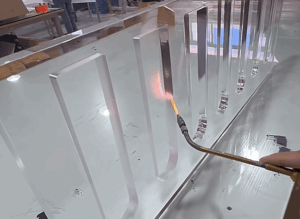

I used to think painting was just… paint.
Pick a color. Spray. Done.
Then I watched a supplier blast a part before coating it and the paint? It didn’t peel and bubble. It bonded.
That’s when I learned blasting and painting aren’t cosmetic, they’re critical.
If you’re working on parts for real production especially in metal, you need to understand how these two processes work.
This article will help you:
- Learn what blasting and painting actually involve
- See when they’re needed (and when they’re not)
- Understand how they impact your product’s lifespan, cost, and look
You’ll walk away with a clear, no-fluff understanding, so the next time someone asks about surface treatment, you’ll have the right answers.
Let’s start!
1. What Is Copper Electroplating?
Copper electroplating is a process where a thin layer of copper is deposited onto the surface of a metal part.
It uses electricity. A power supply moves copper ions from a copper bar (called the anode) onto your part (the cathode). Both are dipped in a special liquid called an electrolyte, which helps carry the current.
That’s the short version. But let’s slow down and break it down a little more.
Unlike painting or powder coating, electroplating bonds the copper directly to the metal’s surface at a molecular level. That means it doesn’t just sit on top. It becomes part of the surface.
This process is different from other types of metal plating, like nickel or zinc. Copper is especially good at carrying electricity, so it’s often used where conductivity is important.
So why should you care?
Copper plating isn’t just for making things shiny. It’s used because it works. You’ll find it in:
- Electrical connectors and circuit boards
- Automotive engine parts
- Plumbing hardware
- Coins and medals
It helps for 3 main reasons:
- It conducts electricity well
- It protects parts from rust and corrosion
- It gives a smooth, even surface that can be polished or coated
One time, I skipped copper plating on a small batch of parts, thinking it wasn’t needed. A few weeks later, the connectors failed. Turned out, the base metal didn’t carry current well enough on its own.
That lesson stuck with me.
So, is copper electroplating right for your part?
If your component needs conductivity, corrosion resistance, or a clean, finished look—it’s probably worth looking into.
2. When Should You Use Blasting and Painting?
It’s easy to overlook blasting and painting when you’re focused on part design or machining. I’ve done it myself especially during early prototyping. But surface finish plays a bigger role than most people think.
Sometimes, it’s not just about how the part looks. It’s about how long it lasts, how well it fits, or how it performs in real conditions.
So when do you need it?
Let’s start with the most common uses.
Typical Applications
You’ll often see blasting and painting used in parts that need a clean, even surface. Especially in:
- CNC machined parts where surface consistency matters
- Sheet metal parts that will face rain, sunlight, or outdoor wear
- Plastic parts that need to be coated in a specific color or texture
- Industrial components that must resist rust, moisture, or chemicals
Each of these use cases deals with exposure either to the eye, or to the environment.
Now let’s go a step further.
Signs You Need It
Ask yourself a few questions:
- Will people see this part in the finished product?
- Does the surface need to be smooth for it to fit or function properly?
- Will the part face water, heat, chemicals, or other harsh conditions?
If you answered yes to any of those, blasting and painting could save you time and avoid rework later.
I learned that after skipping blasting on a bracket for a client. It was a low-cost fix… until rust showed up two weeks later.
Finishing isn’t an afterthought. Sometimes, it’s what makes a part ready for the real world.
3. Common Blasting Methods and What They’re Used For
Not all blasting is the same.
The process you choose depends on what material you’re working with, how the surface needs to look, and whether part tolerances matter. Some methods are rough and fast. Others are gentle and meant for looks.
Let’s walk through the most common ones I’ve worked with and what they’re best at.
Sandblasting
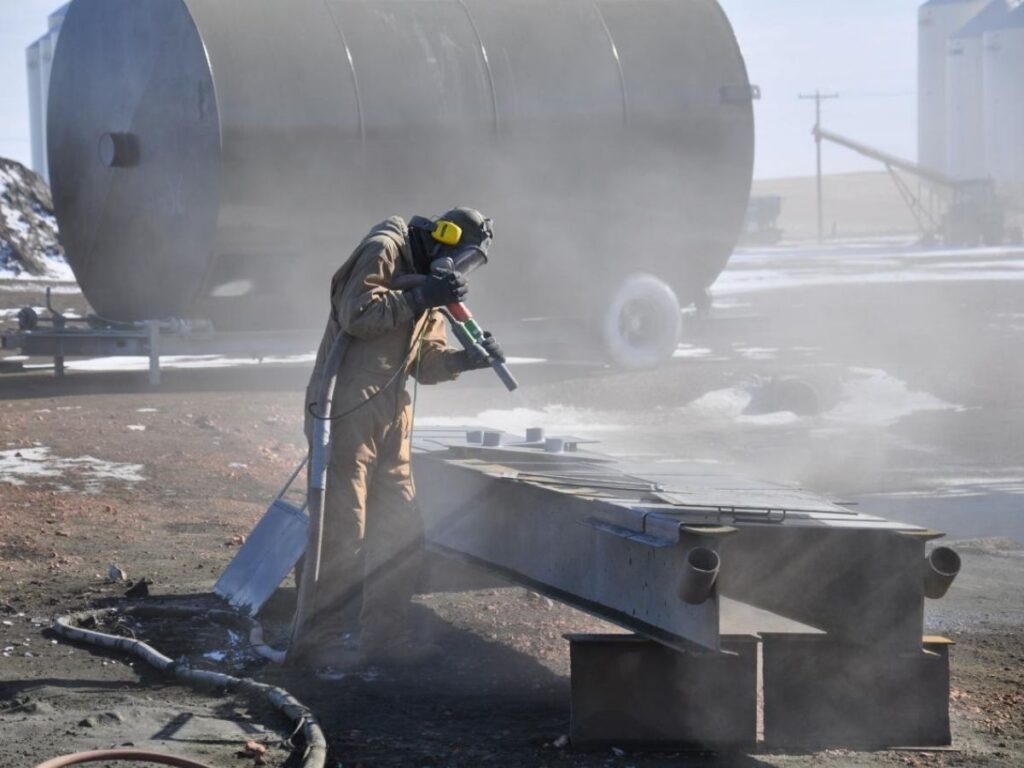
Sandblasting is what most people picture first. It’s a strong, gritty method used to strip rust, paint, or mill scale off steel parts.
It leaves the surface slightly rough, which actually helps paint or powder coating stick better.
I’ve used this on steel brackets that sat outside year-round. Without it, the coating wouldn’t have bonded well.
Glass Bead Blasting
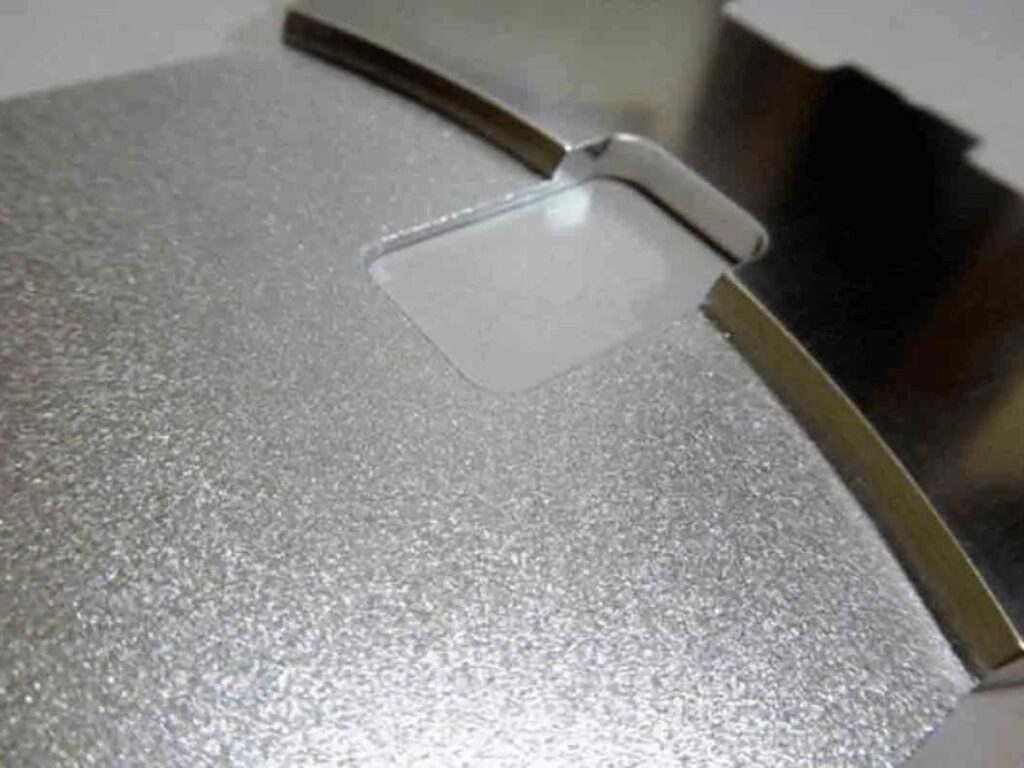
This one’s more about looks and feel. Glass bead blasting uses tiny beads to clean a part without damaging it.
It gives you a smooth, matte surface. No shine, no roughness.
It’s a good option for stainless steel or aluminum parts that will be visible like housings, covers, or enclosures.
Shot Blasting
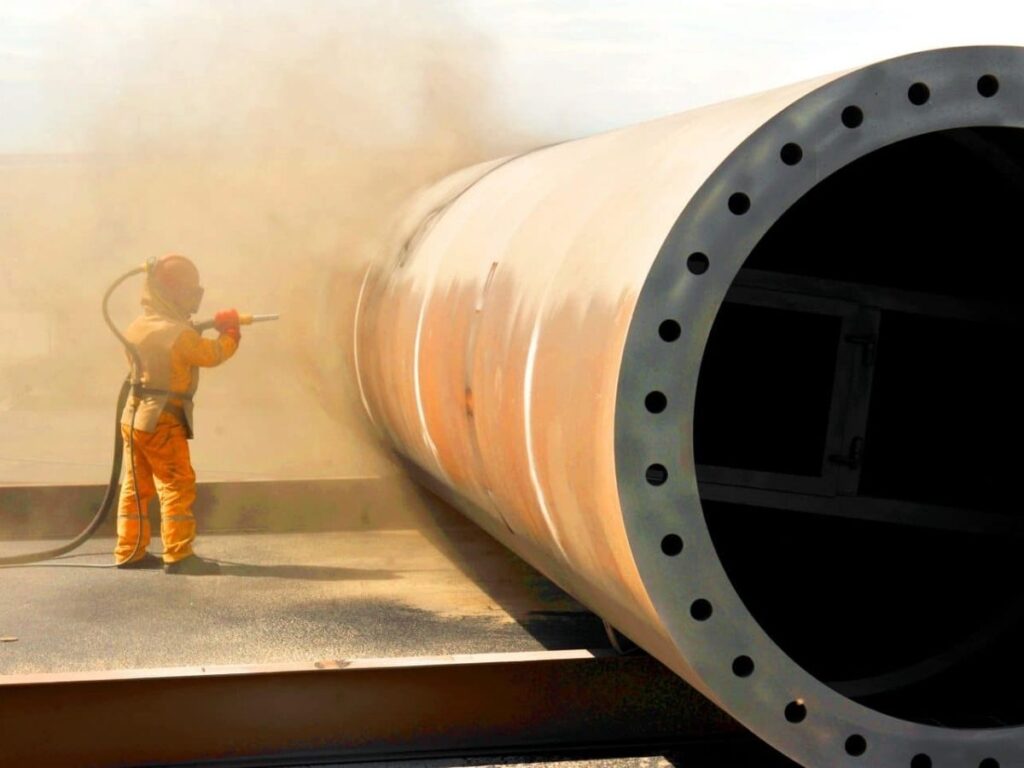
Shot blasting is more aggressive. It uses small metal balls (called shot) to hammer away at heavy grime or scale.
You’ll usually see this on large parts in industrial settings. It’s often the prep step before painting or coating in mass production.
| Blasting Method | Best For | Surface Result | Common Materials |
| Sandblasting | Removing rust, paint, scale | Slightly rough | Steel, cast iron |
| Glass Bead Blasting | Cosmetic finish, light cleaning | Smooth, matte | Aluminum, stainless steel |
| Shot Blasting | Heavy-duty cleaning in industrial settings | Textured, aggressive | Steel, forged components |
Tips for Choosing the Right Media
Choosing the right blasting media matters.
- Use softer media like glass beads for delicate parts or soft metals
- Use harder media like steel grit or shot for strong metals and industrial cleaning
Still unsure what to pick?
Think about the surface you want in the end. Smooth? Rough? Painted? Visible? That answer will point you in the right direction.
4. How Blasting Affects Machining and Part Tolerance
Blasting isn’t just a cosmetic step. It can change the size or feel of your part in ways that matter.
If you’re working with tight tolerances, blasting needs to be planned not added as an afterthought.
I once approved a batch of aluminum parts that had been perfectly machined. Then the shop blasted them without checking with us. Just a light pass. But it was enough to change the surface and throw off the fit.
That delay cost us two weeks.
Let’s break down what you need to keep in mind.
Key Considerations
Blasting removes surface material. It may not be much—fractions of a millimeter—but in precision work, that matters.
Here’s what you should do:
- Blast before the final dimensional check
- Or, mask critical areas that shouldn’t be touched
- If you’re an engineer, specify the surface roughness on your drawing so there’s no confusion
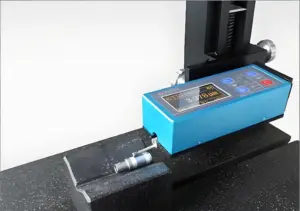
Surface roughness is how smooth or rough the part feels. It can affect how parts slide, seal, or hold paint.
Want a smoother finish? Choose glass bead blasting. Need better grip or paint adhesion? A rougher blast may help.
Instruction
If you’re a product designer:
- Add clear notes on your drawing
- Label surfaces that should stay clean, untouched, or polished
If you’re in procurement:
- Ask the supplier how they manage part accuracy after blasting
- Request sample pieces or post-process measurements
Blasting can help your part perform better but only if it’s handled with care and clear communication.
5. Quality Checks After Blasting and Painting
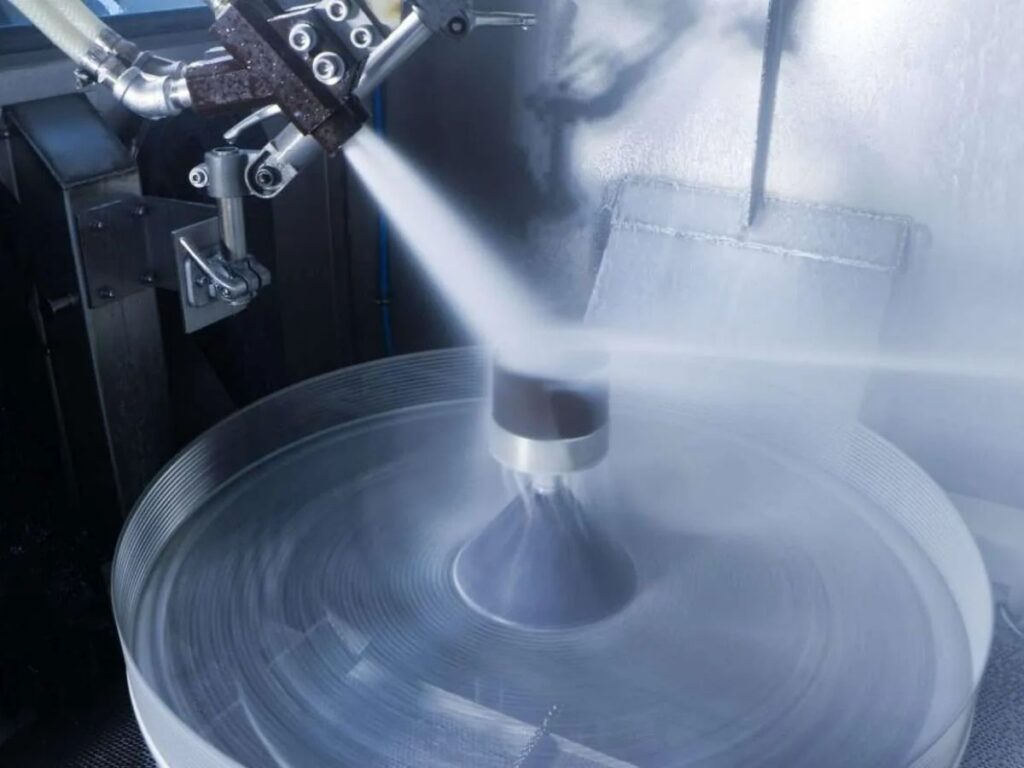
Blasting and painting are important. But even if you choose the right method, things can still go wrong without proper checks.
I’ve seen it myself. A batch of parts looked fine at first glance. But under better light, there were rough spots and tiny bubbles under the paint. The finish didn’t hold up.
That’s why inspection matters especially before those parts go out the door.
Inspection Steps
Here are some simple but important checks you or your supplier should do:
- Surface uniformity: Run your hand along the part. Look for rough patches, uneven textures, or spots where paint buildup is too thick or thin.
- Paint adhesion: Try a tape test. Apply tape to the surface, press down firmly, and peel it off. If paint comes up, that’s a red flag.
- Visual inspection: Use good lighting. Look at the surface from different angles. You’re checking for things like dust in the paint, cracks, or overspray on edges.
These small steps can prevent big problems later.
Now let’s talk about standards.
Certifications to Look For
If your project involves strict quality needs, certifications add another layer of trust.
- ISO 9001: Confirms the supplier has a structured quality management system.
- ASTM standards: These cover things like coating thickness, hardness, and resistance to wear or corrosion.
- MIL-SPEC: Used in aerospace and defense, these standards are even more detailed and strict.
Don’t be afraid to ask your supplier what tests they run. And always request finish samples when you can.
A good finish starts with a good process but it ends with a proper check.
6. Choosing the Right Supplier for Blasting and Painting
Finding a supplier is more than just checking who offers blasting and painting. You want someone who understands the details because surface finish mistakes are hard to hide and harder to fix.
I’ve worked with suppliers who did a great job the first time. I’ve also worked with others who skipped key steps, didn’t test the finish, or gave vague answers when I asked simple questions. That always led to rework, delays, or scrap.
So before you place an order, ask the right questions.
What to Ask Before Ordering
A good supplier should have no problem answering the following:
- What blasting media do you use for different materials?
- Which painting methods do you offer: powder coat, wet paint, or both?
- Is the blasting and painting done in-house, or do you send it out?
- Can you meet industry standards like ISO 9001 or ASTM?
- Do you support both prototypes and larger production runs?
These questions tell you how prepared they are and how much control they have over the process.
Now let’s talk about what to watch out for.
Red Flags to Avoid
There are signs that should make you pause:
- No clear documentation or finish samples
- No tools for checking paint thickness or surface roughness
- Vague answers about timing or inspection methods
If you hear “don’t worry, we’ve done this before” without any proof, ask more questions.
A reliable finish starts with a reliable partner. Choose one that talks clearly, shows their work, and backs it up with real results.
If you’re still looking for a supplier who handles blasting, painting, and machining under one roof, MachMaster can help. We work across CNC, plastics, sheet metal, and surface finishing, with tolerances up to ±0.01mm.
7. Final Tips for Getting the Finish You Want
Blasting and painting can make or break a finished part. Even if everything else goes right, a bad surface finish can ruin your work. I’ve seen that happen on projects that were perfect until the paint peeled or the coating cracked.
So how do you avoid that?
Let’s walk through a few final tips that can save you time, money, and frustration.
Document Everything
Start by getting it all in writing.
- Add surface finish notes directly on your drawings
- Call out which areas should be masked or left untouched
- Include finish specs in your supplier agreement
When it’s documented, there’s less room for guesswork—and fewer surprises later.
Test Early
Before you move into full production, run a sample.
This is your chance to see how the finish actually looks and feels. If something’s off, you can fix it before spending on the full order. I’ve caught more than one issue this way—and it’s always cheaper to fix early.
Ask your supplier:
- Can we run one test piece?
- How long will it take?
- What changes would you recommend before we scale?
Match Finish with Function
Not every part needs a perfect gloss. Some just need to resist rust. Others need to match a product’s visual style.
Decide what matters most:
- Aesthetic appeal
- Protection and durability
- Or both
Then pick a method and coating that fits that goal.
In the end, the right finish doesn’t just make your part look good, it helps it work the way it should.
Conclusion
You’ve made it this far. That tells me you care about details. So do I.
Blasting and painting may seem small but the wrong finish can ruin the right part.
Now you’ve got a clear guide on:
- What each process does
- When to use it
- How to pick the right supplier
- What to check before and after
I’ve made the mistakes so you don’t have to.
What’s stopping you from taking the next step?
Contact us today. Let’s make sure your finish works, just like the rest of your design.
Explore More of Our Resources
If you’re searching for more choices, explore our full collection of products. We’ve picked out some great options for you:
Interested in more? Here are some additional articles with insights and tips to keep you informed:
- Nickel vs Zinc Plating: Key Differences Explained
- Chrome Plating vs Zinc Plating: What’s the Real Difference?
Still haven’t found what you’re looking for? Don’t hesitate to contact us. We’re available around the clock to assist you.